Which Type of Roofing Is the Best for Wet Climates?
Stephen Griswell • July 12, 2022
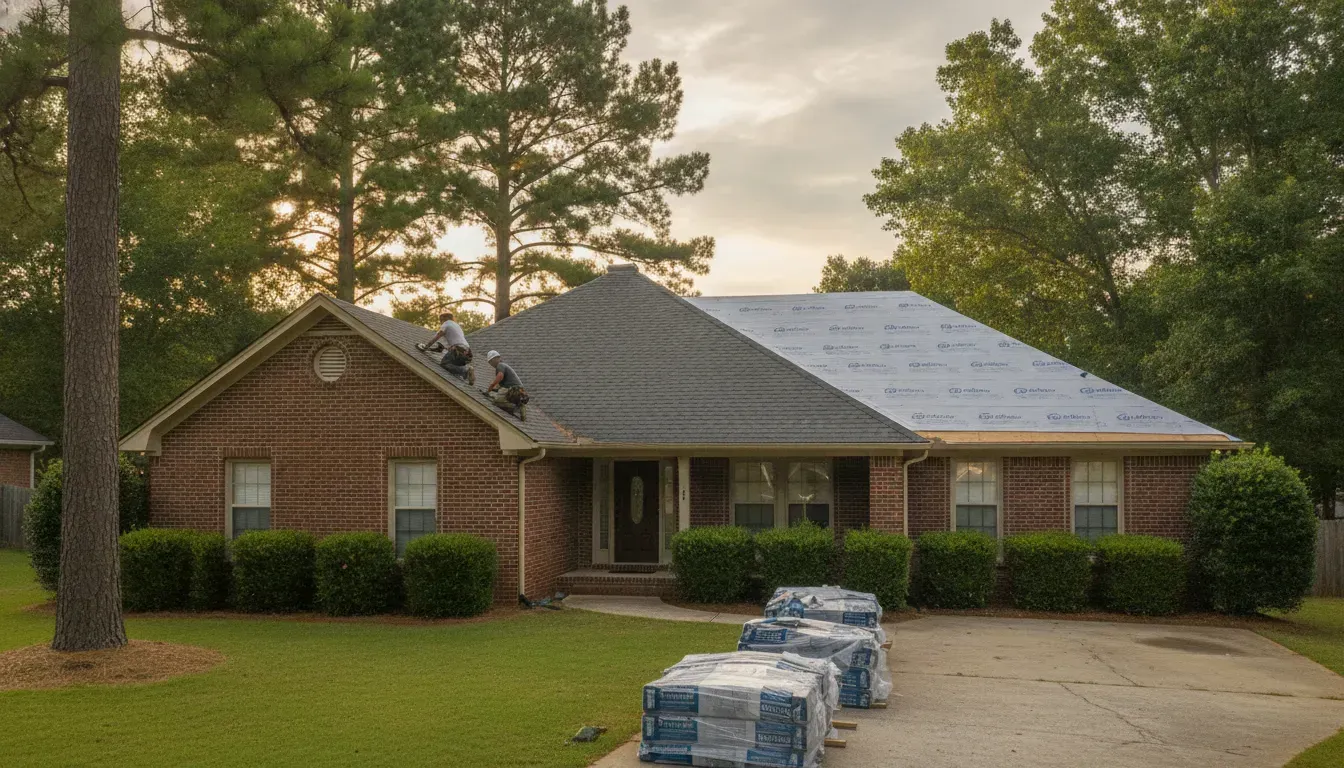
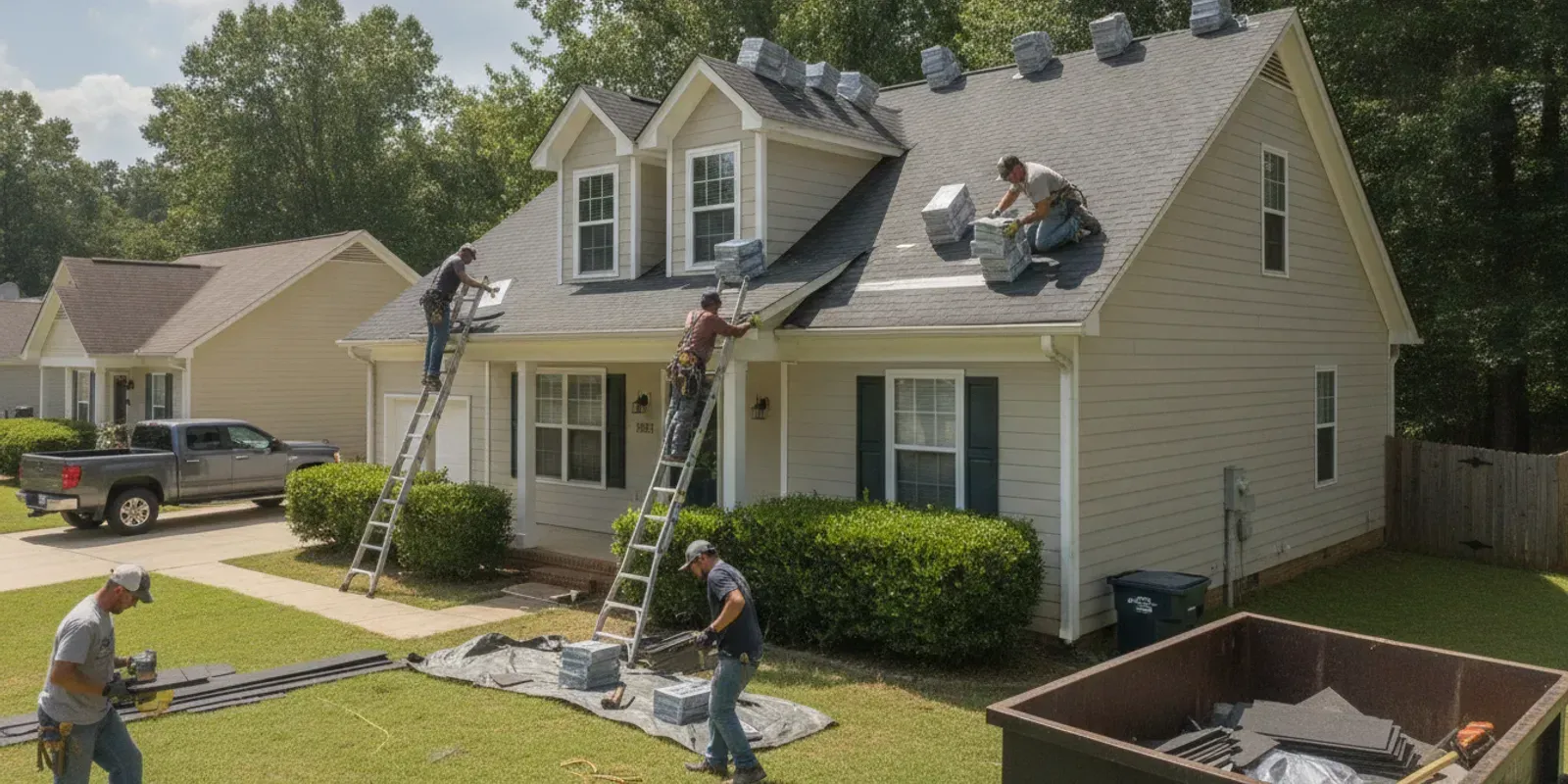
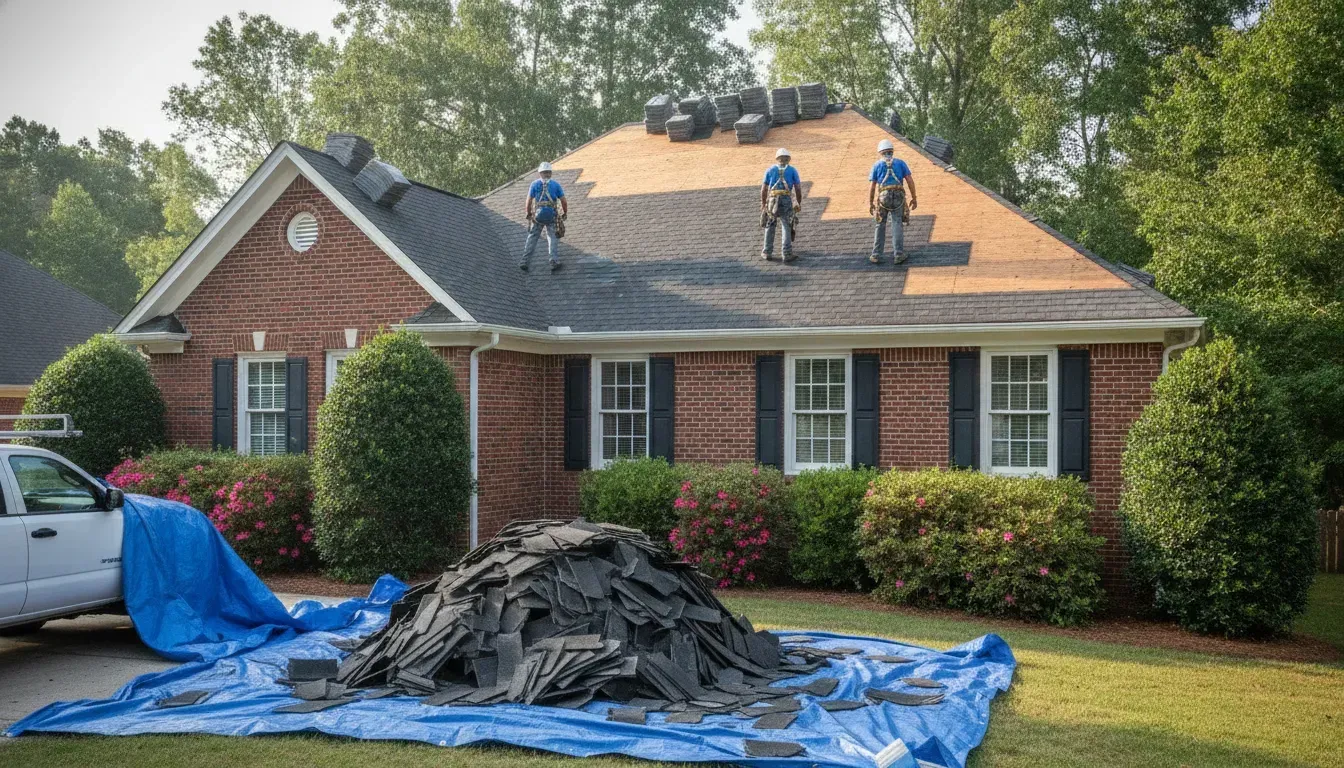
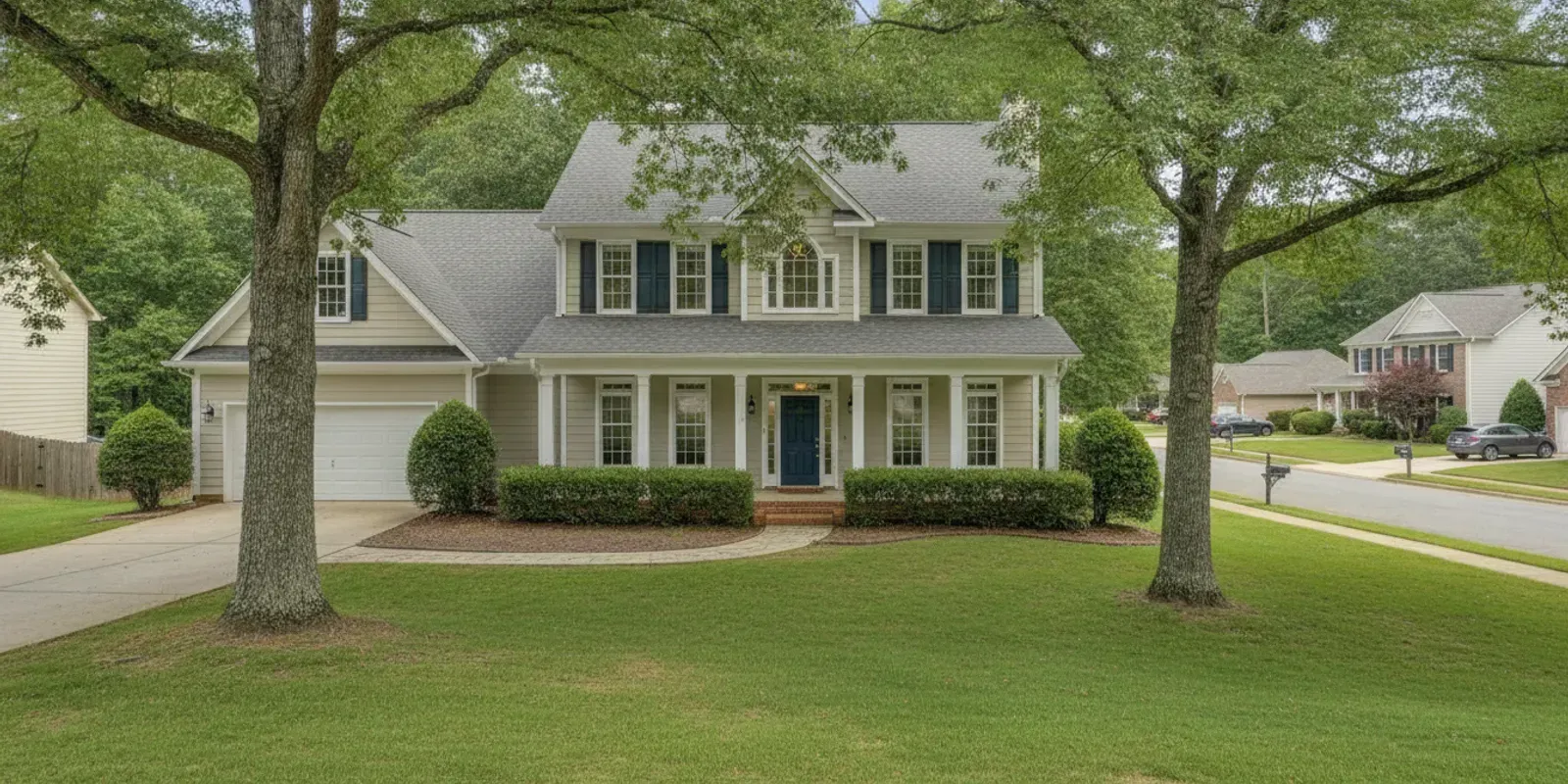
A roof’s most basic purpose is to protect a building’s interior from the elements. Some roofing materials hold up better against those elements (like precipitation) than others. Roofs are especially vulnerable to storm damage in climates that receive significant levels of rain, hail or snow. Homeowners in Atlanta who are considering different roofing materials for their new roof should weigh the pros and cons of their many options, including cost, durability and longevity.
Wood
Wood shingles and shakes are popular wooden roofing styles, but neither is particularly optimal for rainy areas. Wooden roofing offers great defense against hail and fallen tree limbs but requires extensive maintenance to prevent moss and mold growth. Wood is also highly flammable, which concerns some homeowners (and their insurance companies). Wood can also become infested with termites.
Clay/Concrete
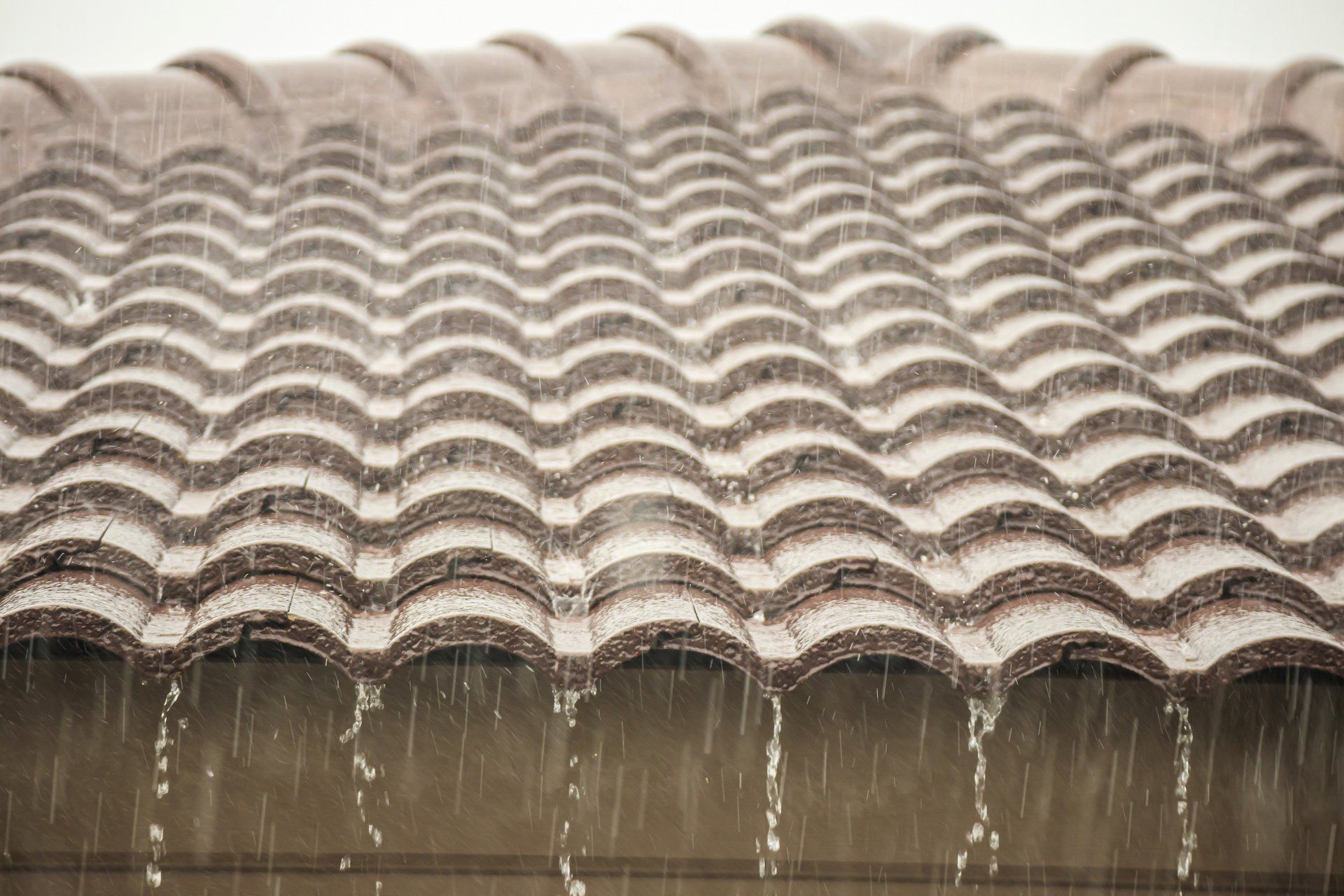
Clay or concrete tiles hold up well in rainy environments. Clay and concrete are heavier materials and can tolerate the elements with ease. Clay and concrete roofing are more common on modern homes. Older houses often cannot support the extra weight.
Clay and concrete roofs require some care to prevent mold but are relatively low maintenance. Severe hail and frigid temperatures sometimes cause clay and concrete to crack, but these roofs generally have long lifespans.
Asphalt
Asphalt shingles are a solid choice for most climates. Asphalt shingles do not last as long as wood, clay/concrete or metal roofing, but asphalt shingles are still durable, easy to replace and have a lower price tag. Asphalt shingles remain the most popular residential roofing material because they combine affordability with longevity and reliability.
Slate
Installing and repairing slate roofing comes at a cost, but slate is highly durable against moisture and fire. Repairs are seldom needed unless the slate is subjected to excessive pressure. Installers and homeowners must be careful to avoid walking directly on slate shingles to avoid cracking them.
Metal
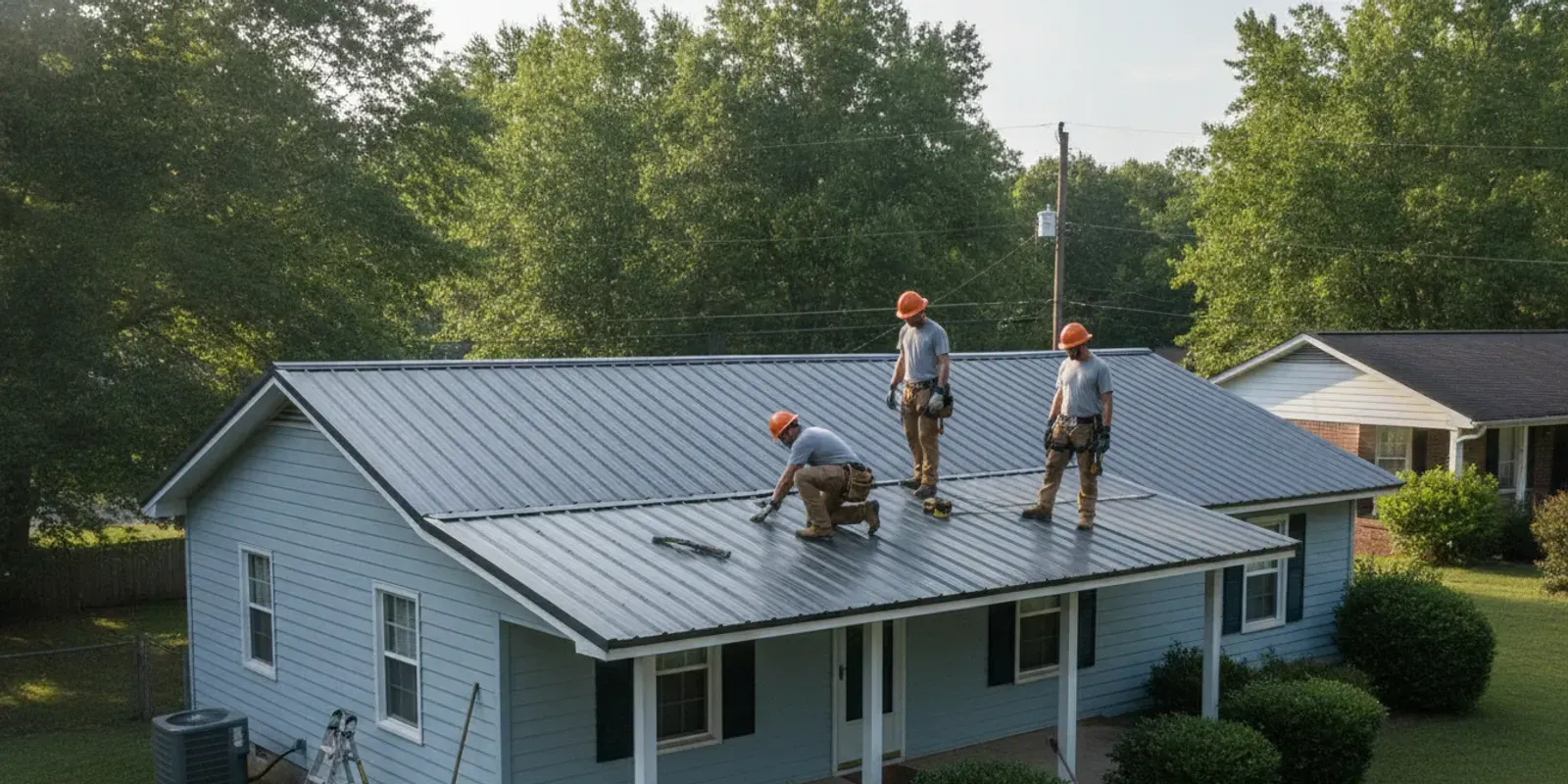
Many homeowners find that metal roofing performs well in wet climates because precipitation slides right off the sides. Metal reflects heat instead of absorbing it, saving many Georgian homeowners from running their air conditioning as much, reducing their electric bills. Rain is louder on metal roofs, which is either calming or annoying, depending on one’s preferences. Softer metals like copper also have an increased risk of being dented from hail or fallen tree limbs.
Composite
Composite shingles can be expensive, but they are strong because they are made of plastic and rubber. Most composite roofs can not only withstand hail, but they can usually be walked on without the shingles cracking.
How Can I Minimize Roof Damage?
Choosing the right roofing material helps, but that is only half the battle. The other half is damage prevention and mitigation. There are a handful of ways you can eliminate the risk or lessen the severity of roof damage.
Inspect Your Roof
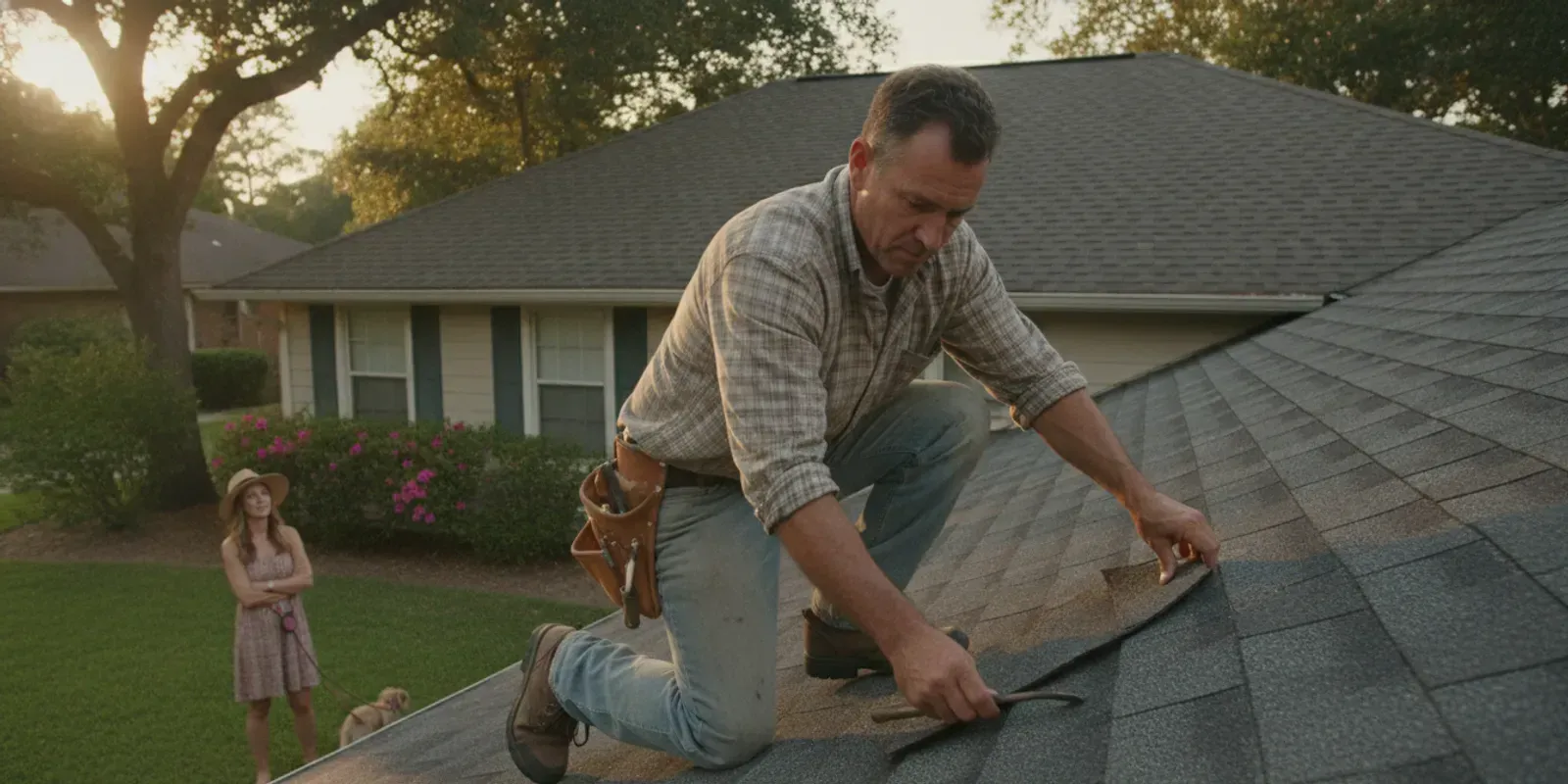
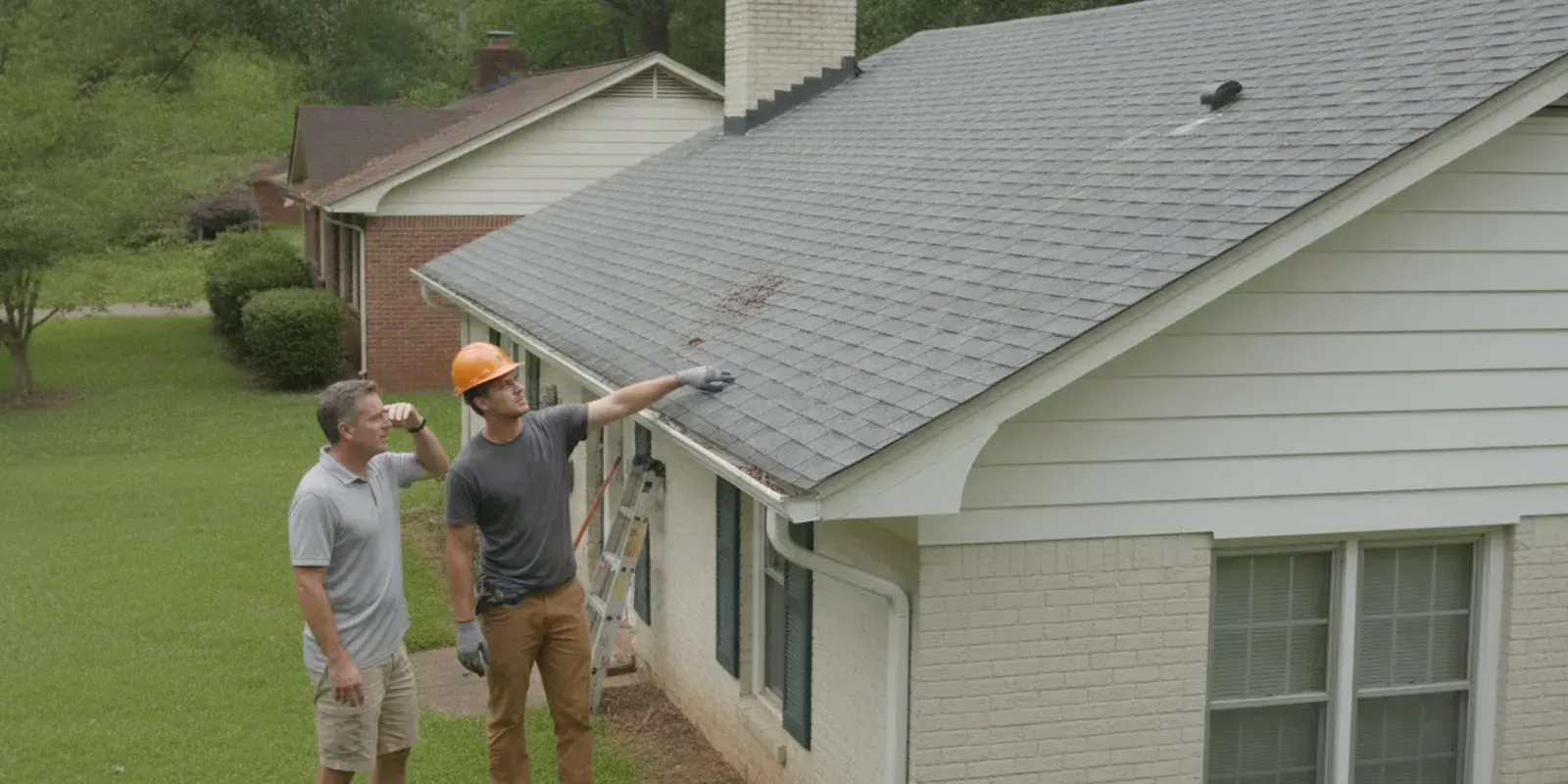
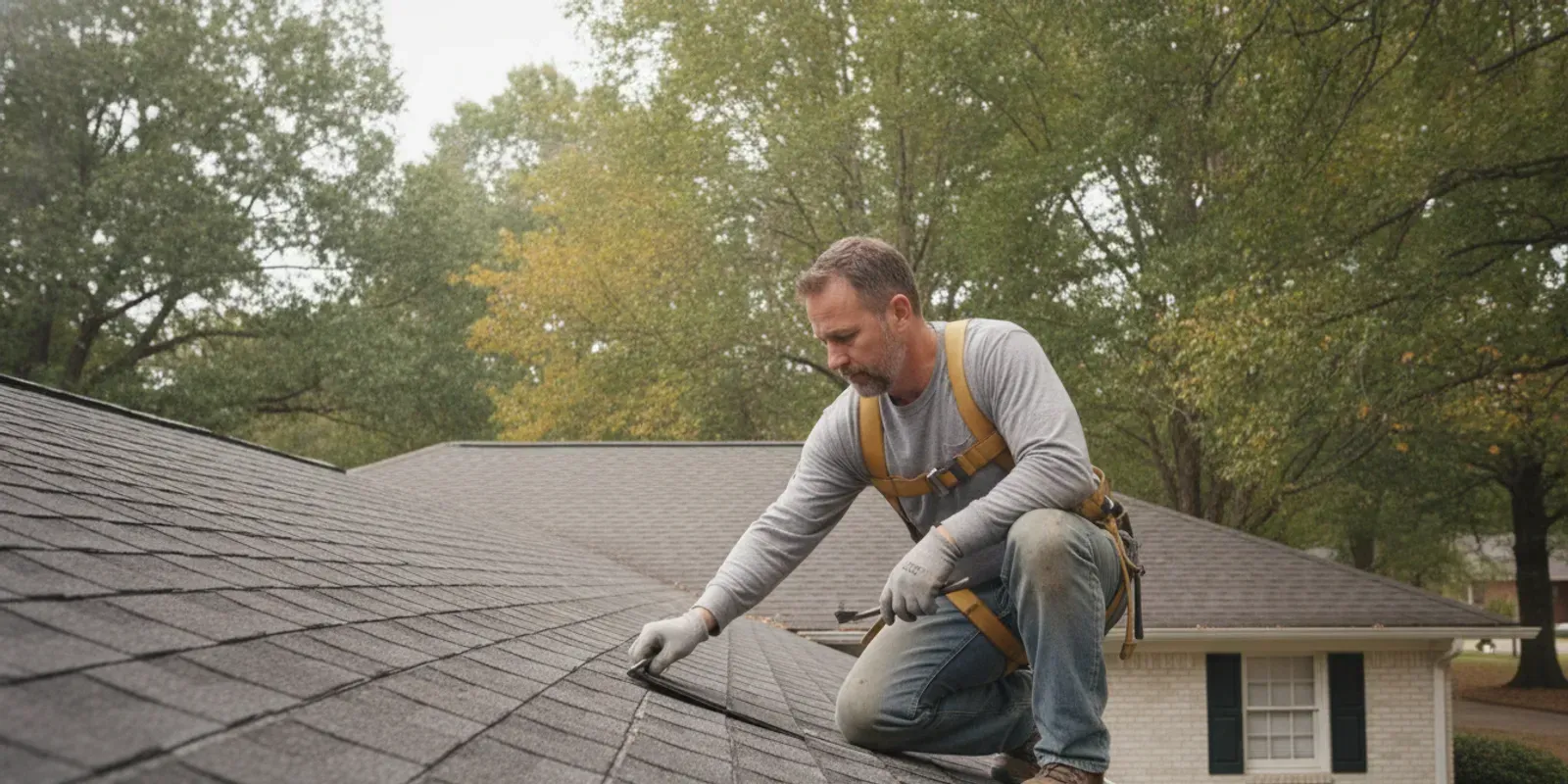
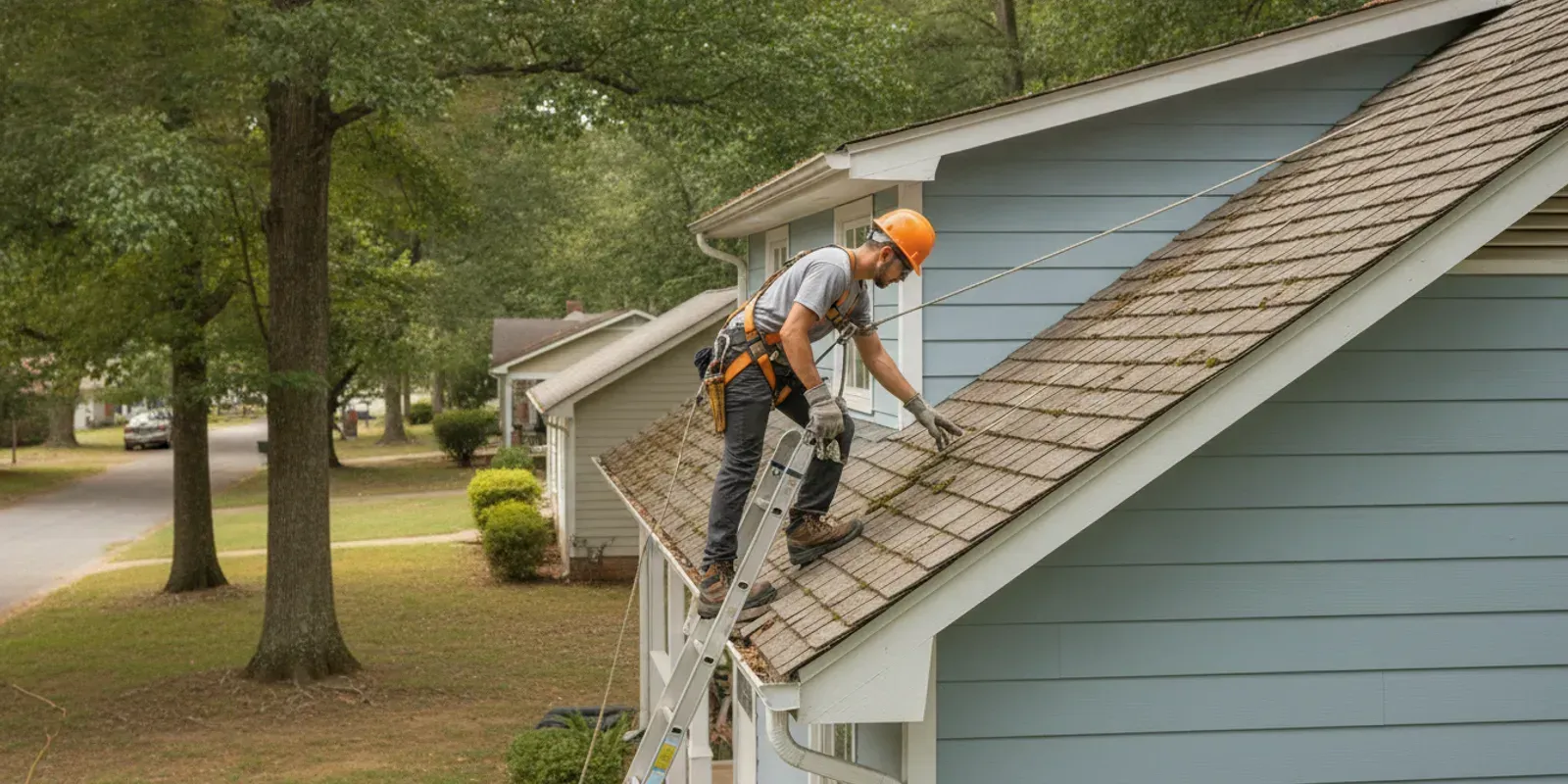
Thoroughly inspecting your roof could allow you to spot and repair a minor problem before it becomes a big deal. Replacing a couple of loose or damaged shingles is much simpler, not to mention more cost-effective, than repairing damage to the roof’s lower layers or the attic.
Trim Your Trees
Your landscape impacts your roof’s health. In addition to fallen branches landing on your roof, leaves from your trees could also cause harm by trapping water on your roof or gutters, which could lead to mold growth or rotted wood.
Do I Need HOA Approval Before I Begin a Roofing Project in Atlanta?
For minor roof repairs, homeowners typically do not need approval from their Homeowners Association (HOA), but it varies from neighborhood to neighborhood. You may save yourself a future headache by checking with your HOA before making any significant alterations like changing your roofing material or the color of your shingles.
Repair or Replace Your Roof in Atlanta
If your roof has been damaged, prompt action is essential for minimizing further harm to your roof and the rest of your home. Georgia homeowners trust our team to deliver quality materials and installation performance on their residential roofing projects. Contact us by calling 678-752-8668 or visiting our website for a free estimate.