Seasonal Roof Maintenance Tips for Georgia Homeowners

MEGA MEGA • July 14, 2026

This is a subtitle for your new post

McDonough weather puts extreme stress on local roofs through four intense and clear seasons. These changing conditions test the strength of your shingles every month of the year.


You might wonder how to start your own home care plan when the weather changes so often. To stay safe from rain and wind, you should look at the needs of each part of the year. The path begins with Spring Roof Maintenance in Georgia: Inspect and Prepare for Storm Season. Here is how.

Roof Maintenance Tips: Spring Roof Maintenance in Georgia: Inspect and Prepare for Storm Season

Spring in Georgia brings warm sun and green trees. But it also starts a rough time for your roof. From March through September, storms test how well your home stays dry. Taking a few small steps now can stop leaks before the next big rain. These roof maintenance tips help you stay ahead of the weather.

Schedule a post-winter roof inspection

The cold winter months can be hard on a home. Even in Georgia, ice and cold can cause roof parts to crack. To keep your home safe, you should schedule a roof inspection two times a year. Experts say the best times to check are in the spring and the fall. Regular checks help you find small leaks before they grow into big, costly problems.

Checking your roof in the spring helps you find damage from winter winds. You should look for shingles that are loose, curled, or gone. Fixing these small spots now keeps your attic dry. It is cheaper to fix one shingle than to pay for a new roof after the wood rots. A quick check now saves you cash later.

Clear your gutters for spring rain

Georgia gets a lot of rain in the spring. If your gutters are full of old leaves, the water has no place to go. This can cause water to sit on the edge of your roof. It might also seep under the shingles and cause rot. Keeping your gutters clear is the best way to stop water from building up. Clogged drains often lead to mold growth in your attic space.

Water that does not flow away can damage your walls and the base of your home. You should check your pipes to make sure they carry water away from the house. For more help, you can read our seasonal gutter maintenance tips for homeowners. Taking care of your drains is a vital part of keeping your home safe.

Look for storm damage signs

High winds can blow tree limbs onto your roof or tear shingles off. After a big storm hits, walk around your yard and look up. You do not need to get on a high ladder to see big problems. Look for these warning signs in your yard and home:

  • Dark spots or stains on your attic ceiling.
  • Piles of grit or sand from shingles in your gutters.
  • Broken tree limbs resting on the roof surface.
  • Bent or loose metal strips around the chimney.

These are clear signs that you need a pro to look at your roof. A pro can find hidden cracks that you might miss from the ground. March and April are busy months for Georgia storms. Prepping your roof now gives you peace of mind when the sky turns gray. A clean roof and clear drains mean the water stays out of your home. By staying ahead of the clouds, you can make your roof last for a long time.

Summer Roof Care: Heat, Humidity, and Algae Prevention

The Georgia sun can be hard on your home. In Atlanta, summer heat often hits the mid-90s. With high humidity, the heat index can climb above 100 degrees Fahrenheit. These conditions test your roof every day. Without the right care, the hot sun can cause shingles to dry out or crack. Keeping up with roof maintenance tips helps your roof last longer during these hot months.

Manage attic heat and airflow

Your attic is the first line of defense against summer heat. When a roof lacks good airflow, attic heat can soar to 150 degrees Fahrenheit or more. This high heat bakes your shingles from the inside out. This can make the life of your roof much shorter. Good attic vents are vital for summer care. They help keep your attic cool and reduce the load on your AC unit. This is a key part of keeping your home safe.

Make sure your vents are clear of dirt and nests. You should check that vents at the eaves and ridge are not blocked. Clean vents allow hot air to escape and fresh air to enter. According to North Carolina State University, home care is key to keeping your home value high. A cool attic prevents shingle damage and helps keep power bills low when the Georgia heat peaks.

Stop algae and moss growth

High humidity and rain create a place for algae and moss to grow. If you see dark streaks on your roof, it is likely a type of hardy algae. This algae feeds on the stone dust in shingles. The growth of moss or algae is a sign that a roof needs more care. Moss can trap water against the roof. This may lead to rot or leaks if you do not fix it fast. Keeping the roof clean is a simple way to avoid these issues.

To prevent these problems, keep your roof clear of leaves and needles. Dirt holds water and helps algae grow. If you see growth now, you may need a pro to clean it. You might also need a roof life expectancy check to see if your roof is still in good shape. Clean roofs reflect more sun. This keeps the roof surface cooler during the hot parts of the day.

Fall Roof Preparation: Getting Your Roof Ready for Winter

Fall is the best time to check your roof before the Georgia winter starts. The mild weather in October and November makes it easy to find and fix small issues. Taking care of your home now can stop leaks and water damage when it gets cold. Following a few roof maintenance tips will keep your roof in good shape for many years.

Clean Your Gutters and Downspouts

Falling leaves quickly clog gutters and block water flow. When water stays in your gutters, it can seep under your shingles or rot your trim boards. Keeping your drains clear of clutter helps dispose of water quickly down the roof. You should also check for seasonal roof maintenance tips that include flushing your pipes to make sure they drain away from your home.

Trim Tree Branches and Remove Debris

Overhanging limbs pose a big risk during winter storms. Heavy ice or strong winds can snap branches and cause them to fall on your home. Such branches are at risk of falling on the roof, which can lead to big structural damage. Trimming these limbs back at least ten feet from your roof line is a key part of seasonal roof maintenance in Georgia. You should also clear away pine needles and twigs that trap wetness on your shingles.

Check Your Seals and Flashing

Cold air and ice can make small cracks in your roof seals much worse. Check the metal parts around your chimney, vents, and roof lights to make sure they are tight. If you find loose or missing shingles, fix them now to stop leaks. Proper roof maintenance and repair tips suggest that you should also look for signs of wear in your attic, such as water spots or damp filling. Catching these problems early can add years to the life of your roof.

Winter Roof Monitoring: Preventing Cold-Weather Damage

Georgia winters are often mild compared to northern states. But our local weather still puts a lot of stress on your home. The biggest risk in our area is the freeze-thaw cycle. During this time, the air gets cold at night and warms up during the day. Water gets into small cracks and turns to ice. As the ice grows, it pulls the roof parts apart. This can turn tiny gaps into major leaks in just one season. Following these roof maintenance tips in the cold months can save you from big repair bills later.

Stop Ice Dams Before They Start

Ice dams can be a major problem during a cold snap. They happen when snow or ice on the upper roof melts and runs down to the gutters. Since the edge of the roof is colder, the water freezes again. This forms a thick ridge of ice that traps more water behind it. This trapped water often seeps under your shingles and into your home. Once inside, it can soak your walls and stain your ceilings. You can stop this by making sure your attic stays cold. Good air flow is the best way to keep the roof surface at a steady heat.

Monitor Attic Insulation and Heat

Good insulation is a top tool to fight winter damage. It keeps heat in your rooms and out of the attic space. If heat leaks up, it warms the roof from below. This heat causes the snow to melt and starts the ice dam cycle. Check your attic to see if your insulation is dry and level. You should also look for blocked vents that stop air from moving. You can find more home care facts through the NC State Extension. Keeping your attic cool helps your roof stay strong for years.

Visual Inspections After Winter Storms

Our winter storms often bring high winds and cold rain. After a storm passes, take a few minutes to look at your roof. Stand back in the yard to get a clear view. Look for shingles that are loose, cracked, or missing. Check the spots near the chimney for branches or leaves. If you see a leak or a major flaw, you should call for emergency repairs right away. Do not try to walk on a roof that is wet or icy. A simple check from the ground is a safe way to catch issues before they grow.

DIY Roof Maintenance vs. When to Call a Professional Roofer

Your roof is the main shield for your home. Taking care of it can stop small flaws from turning into big problems. Finding leaks early helps you save money on work over time. While some jobs are easy to do, others are best left to pros. It is vital to know your own limits. Staying safe is always more vital than trying to fix a leak yourself.

Safe tasks for you to do

You can do some roof care from the ground or a ladder. Ground checks are a great way to find trouble without any risk. Use a scope or a pair of lenses to look for missing parts or bent metal. You should also check your attic for water stains or damp wood. These signs often show a leak that needs a quick fix. If you see light coming through the roof boards, call for help right away.

Cleaning out gutters is one more vital task you can do. Trash and leaves in your gutters can block water flow. This leads to wood rot and basement leaks. Also, keep an eye on tree limbs. Trim back any branches that hang over your roof. This stops heavy wood from falling during a storm. If a branch is too big for a hand saw, hire a tree crew to handle it safely.

When to call a pro

Most roof work is unsafe for someone without the right gear. Walking on a steep slope takes special shoes and safety tools. If your roof is very high, you should never try to climb it. Pros have the tools to work safely at any height. They can also find small leaks that most people miss. A pro knows how to walk on shingles without causing new damage.

Fixing metal trim and shingles always needs a skilled hand. The trim around vents and chimneys keeps water out. If it fails, water will get into your walls and cause mold. A professional roof repair keeps these spots sealed tight. Pros use the right parts to make sure the job lasts for years. They also know how to match the color of your old shingles for a clean look.

Expert help after a storm

Heavy rain and wind can cause damage you cannot see. It is wise to inspect your roof after any major storm in Georgia. High winds can lift shingles or crack the seals on your vents. Some of these issues are hard to spot from the ground. A trained eye can find these weak spots before the next rain starts. This keeps your home dry and safe from the rain.

Total Roof Solutions offers a free check to help you find these issues. We can look at your roof and give you a full report on what we find. Our team has the training to spot signs of wear that others might miss. If your roof needs help, we can guide you through the next steps. We help you pick the best way to fix the problem without spending too much.


Six Signs Your Roof Needs More Than Seasonal Maintenance

Seasonal checks are a great way to keep your home safe. But even the best care has limits. Some issues show that a roof needs more than a quick fix. If you spot these signs, you may need a pro to look at the site. Finding these flaws early helps you avoid high costs later.

Check the age of your roof

Most roofs last about 20 years. If yours is 15 to 20 years old, it may be time for a change. You can check your roof life expectancy to see where your home stands. Old roofs may look fine from the street but can fail during a big storm.

Watch for granule loss

Check your gutters for small, sandy bits. These are shingle granules. They protect your roof from the hot sun. When shingles lose these bits, they get thin and weak. This is a sign of old age that regular roof maintenance tips cannot fix.

  1. Check the roof age. Most asphalt roofs reach their limit between 15 and 20 years of use.
  2. Look for granules in gutters. Excess sand in your downspouts shows your shingles are wearing out.
  3. Find curling shingles. Shingles that turn up at the edges or look wavy no longer shed water well.
  4. Inspect the attic for light. Go to your attic and look for sunlight coming through the roof deck.
  5. Check for sagging spots. A wavy roof line can mean you have trapped moisture or rot in the wood.
  6. Monitor energy bills. High cooling costs can mean your roof does not vent heat well.

Inspect your attic for damage

Your attic tells the story of your roof. Look for dark spots or damp wood on the deck. Expert tips from Oregon State University say you should check for cracks after a big storm. Light coming through the roof is a clear sign that water can get in too.

Look at the roof line

A straight roof line is a healthy roof line. If you see dips or curves, the wood under your shingles may be soft. This often happens from leaks that stayed wet for a long time. These soft spots need a pro to check if the roof is still safe.

Frequently Asked Questions

How often should you inspect your roof?

You should check your roof at least twice each year. The best times to do this are in the spring and fall. You should also look for signs of damage after a big storm or high winds. Finding small leaks or missing shingles early helps you avoid large repair bills. As experts at Oregon State say, doing these checks helps your roof last a long time and protects your home.

Why is roof venting key in Georgia summers?

Georgia summers get very hot. Without good airflow, your attic can reach 150 degrees. This heat bakes your shingles from below and makes them break easily. Good attic airflow helps cool your house and lowers your power bill. It also stops heat from aging your roof too fast. Keeping your attic cool helps your shingles last longer. It also helps your AC unit work well when it is hot outside. This keeps your home safe and cool all summer long.

How do I safely remove debris from my roof?

Do not walk on your roof to clean it. Use a leaf blower from a safe ladder to clear away dry leaves. A long brush can also help you reach far spots without leaving the ladder. If you cannot reach the mess, it is best to call a local pro. Keeping your roof clear stops rot. It also stops water from going under your shingles when it rains. Clearing your gutters at the same time will help water flow away from your home and foundation.

When should you call a professional for roof care?

Call a pro if you see leaks, sagging, or dark spots on your ceiling. Experts have the right tools to fix metal flashing and seal pipes safely. If your roof is steep or has lots of moss, do not try to fix it yourself. A quick check by a pro can find small issues before they get worse. The team at Total Roof Solutions offers free checks to help you stay safe. Quick fixes now can save you a lot of money later.

Ready to protect your Georgia home with a free roof check?

Small roof leaks can quickly turn into large and costly repairs if you wait too long. A simple check now can save you thousands of dollars by finding issues before the next heavy storm hits. You will have peace of mind knowing your house is safe for the coming months. Our team helps you stay ahead of the weather and keeps your roof in top shape all year. Do not let minor wear lead to major water damage in your attic or walls. You can find more about our work on our roof repair page. Starting now means you avoid the rush when storm season arrives and keep your family dry. We have worked in Georgia since 2009 and know how to spot trouble early. Our pro team can see things that a homeowner might miss from the ground. Taking this step today protects your home and helps your roof last much longer.

Ready to schedule? Call 470-333-7863 to schedule a free roof inspection.
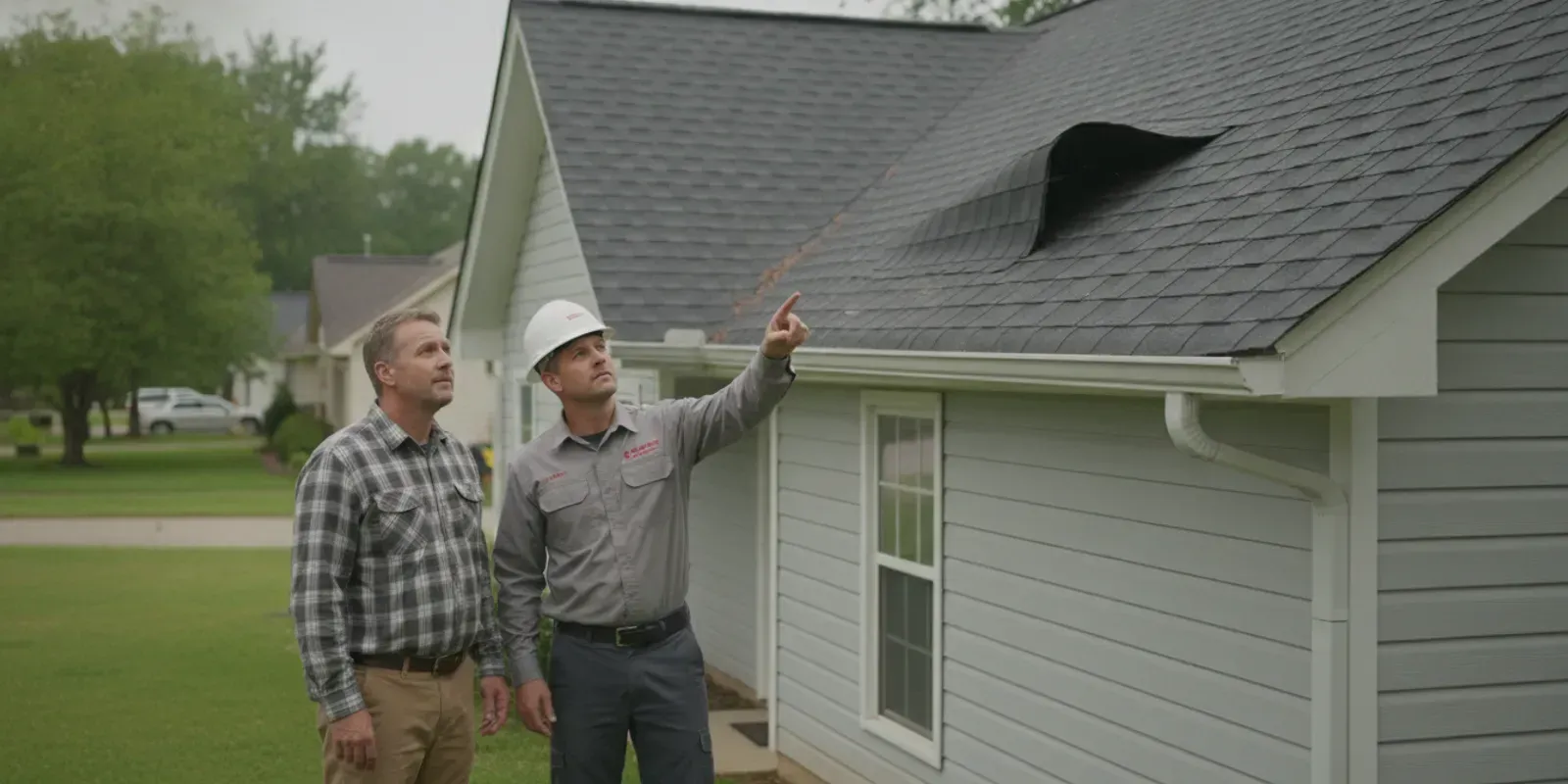
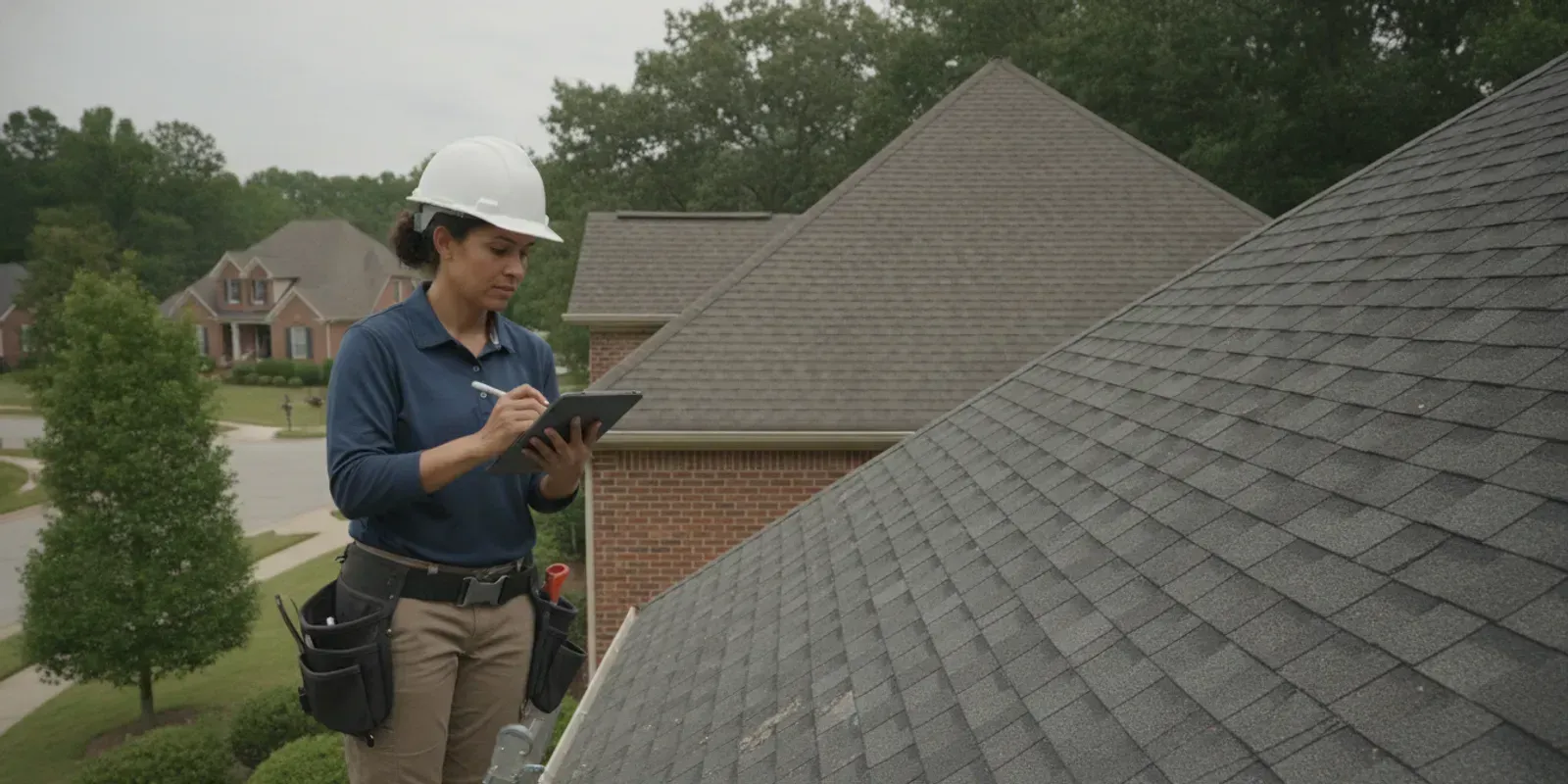
Roof inspector examining a roof to determine the inspection cost per square foot.
By MEGA MEGA July 13, 2026
The body content of your post goes here. To edit this text, click on it and delete this default text and start typing your own or paste your own from a different source.
By MEGA MEGA July 9, 2026
A single afternoon of heavy Georgia rain can overflow clogged gutters and damage your home's foundation. Choosing if gutter guards are worth it mostly depends on the trees near your house and the local weather. In Atlanta, heavy rain and many trees mean most gutters need cleaning more than once each year to stop big home repairs. Experts at the UGA Extension state that clogged gutters can cause water to leak into walls and damage your siding, wood, and foundation. While the price for expert setup is a real cost, it greatly cuts down the time and risk of cleaning gutters by hand. Good micro-mesh guards keep pine needles and leaves out of the troughs so water can flow well during big storms. By protecting your home from water rot and making yard work easier, these guards provide great value for most people in Georgia. Many homeowners want to know if guards are better than paying for regular cleaning or fixing water rot. To help you decide, we will look at how your system works in our guide on How Gutters and Guards Protect Your Atlanta Home. This protection begins with Gutter Guards Worth It: How Gutters and Guards Protect Your Atlanta Home Your gutters do more than just catch rain. They act as a shield for your house. Atlanta gets heavy rain and many storms. Without a good gutter system, that water has nowhere to go. It can spill over the sides and soak the soil near your walls. This leads to big issues that are hard to fix. Protecting your house foundation When water pools near your home, it can sink into the ground. Over time, this wet soil puts pressure on your house base. This can cause cracks or shifts in the structure. It may even lead to wet basements or crawl spaces where mold can grow. Keeping water away from the base is the best way to keep your home stable. Water can also hurt your yard and siding. Heavy spills can wash away your mulch and grass. It can splash mud and rot onto your siding or woodwork. This damage happens slowly, but the fix costs are high. Strong gutters guide that water to a safe spot. This simple flow protects your paint and your lawn. How guards stop the clogs Atlanta is known for its tall trees and thick woods. Oaks, pines, and maples drop leaves and needles all year. These bits of waste can fill up your gutters fast. In fact, many homes in Georgia need cleaning more than once a year to stay clear. If you skip a cleaning, one storm can cause a large clog. Gutter guards act like a filter for your home. They sit on top of your gutters. They let water through but block leaves and twigs. This keeps the water moving even during the peak of fall. While no guard is perfect, they stop the thick clogs that cause leaks. This reduces the risk of wood rot and foundation cracks. Reducing your chore list Keeping your gutters clear is a hard and messy job. Climbing a ladder many times a year is not safe. Gutter guards help by keeping the big stuff out. You still need to check them, but you will not have to scoop out muck as often. This saves you time and keeps you off the ladder. You can learn more in our homeowner's guide to gutter guard costs to see the value. What Do Gutter Guards Really Cost in 2026? Most owners ask if gutter guards worth it when they see the first price tag. Costs for these systems vary based on the tech used and how you set them up.
By MEGA MEGA July 9, 2026
A small water stain on your ceiling is more than an inconvenience; it’s a warning sign. Ignoring it can allow a simple fix to turn into a major project involving rotted wood and mold. Using a roof leak repair cost calculator can help you understand the financial stakes by showing you the potential cost of a repair. Seeing the numbers can motivate you to act quickly before the damage gets worse. This article will break down the average costs for minor, moderate, and major repairs, explain what influences those prices, and give you the information you need to protect your home and your budget. Key Takeaways Know what drives your repair cost : The final price is determined by key factors like the leak's size, your roofing material, and local labor rates. Use an online calculator to get a preliminary budget, which can range from $150 for minor fixes to over $3,500 for major damage. Treat calculators as a starting point, not a final quote : An online estimate provides a valuable financial baseline for planning. It cannot, however, spot hidden issues like water damage or wood rot, which only a professional on-site inspection can uncover. Make the right call between repair and replacement : For newer roofs with isolated damage, a repair is often the most sensible choice. For older roofs or widespread problems, a full replacement can be a smarter long-term investment that prevents future costly issues. What Is a Roof Leak Repair Cost Calculator? When you first spot a drip from the ceiling, one of the first questions that comes to mind is, "How much will this cost?" A roof leak repair cost calculator is an online tool designed to give you a preliminary answer. Think of it as a starting point that helps you budget for potential expenses before you even pick up the phone to call a professional. These calculators use basic project information to generate a rough estimate. While they can’t see your specific roof or diagnose the problem, they offer a general financial picture based on standard data. This can help take some of the initial guesswork out of the repair process, giving you a clearer idea of what to expect. It’s a great first step to get your bearings and prepare for the next phase: getting a detailed, professional inspection for your residential roofing needs. How Do They Work? Most roof repair calculators are straightforward. They work by asking you for a few key pieces of information about your project. You’ll typically need to enter your zip code, which helps the tool account for local material and labor costs. Then, you’ll provide details about the repair itself, like the type of roofing material you have and the number of leaks you need fixed. Once you input the data, the cost calculator processes it using pre-loaded information about typical job requirements and material costs. The result is a customized estimate that breaks down the potential expenses. It’s a quick and simple way to get a data-driven estimate for your specific project without having to guess. Why Use One Before Calling a Pro? Using a cost calculator before calling a contractor is a smart move that puts you in a more informed position. Understanding the potential cost is a major priority for any homeowner facing a repair. A calculator gives you a baseline budget, which helps you plan financially and prepares you for conversations with roofing professionals. It’s important to remember that these online estimates are just a starting point. They can’t account for hidden damage or unique site conditions. The best approach is to use the calculator’s figure as a reference, then get detailed written quotes from several trusted professionals. This way, you can compare the official quotes to your initial estimate and make a well-informed decision without any surprises. What Affects Your Roof Leak Repair Cost? When you discover a roof leak, one of the first questions you'll have is, "How much will this cost to fix?" The truth is, there's no single price tag. The final cost depends on several key factors that determine the complexity of the job. A professional roofer will assess these variables to give you an accurate quote. Understanding what goes into the estimate can help you feel more prepared and confident when you review it. From the type of shingles on your roof to the pitch, here’s a breakdown of what influences your final repair bill. Leak Size and Location It makes sense that the size of the leak is a primary cost factor. A small puncture from a stray nail is a much quicker and cheaper fix than widespread damage from a fallen tree branch. The location of the leak also plays a huge role. A simple patch in the middle of an open roof slope is straightforward. However, leaks around chimneys, skylights, vents, or in roof valleys are more complex. These areas require detailed work with flashing and seals to ensure a durable, watertight repair, which takes more time and skill. The more severe the damage and the more intricate the location, the higher the cost will be. Your Roofing Material The material covering your roof significantly impacts repair costs. Common asphalt shingles are typically the most affordable to repair because the materials are inexpensive and most roofers are experts at working with them. On the other hand, materials like metal, slate, tile, or wood shakes require specialized knowledge and tools, driving up the labor cost. Sourcing matching tiles or slate can also be more expensive and time-consuming. For businesses with flat or low-slope roofs, the type of commercial roofing system, such as TPO or EPDM, will also determine the specific repair methods and associated costs. Your Roof's Size, Slope, and Access The physical characteristics of your roof are a major part of the equation. A roofer needs to be able to work safely and efficiently. If your roof has a very steep pitch, is multiple stories high, or is difficult to get to, the job becomes more challenging. Contractors will need to use extra safety equipment, like harnesses and scaffolding, which adds to the labor time and overall cost. A simple, low-slope roof on a single-story home is much easier to access and work on, which generally results in a lower repair bill. Easy access means the crew can get the job done faster and more safely. Local Labor Rates Labor is one of the biggest components of any roof repair quote. These rates can vary quite a bit depending on your location and the experience level of the crew. While it might be tempting to go with the cheapest option, remember that quality roofing work is a skill. An experienced, professional roofer may have a higher hourly rate, but they bring the expertise to diagnose the problem correctly and perform a lasting repair. Our team of certified contractors has the experience to handle repairs efficiently and effectively, saving you from repeat issues and more costs down the road. Permits and Other Fees Depending on where you live and the extent of the damage, your roof repair may require a building permit from your local municipality. This is more common for larger repairs or structural work, not typically for minor patches. The cost of a permit can range from around $70 to $250, and your contractor will usually handle the process of pulling it for you. This fee is then added to your total project cost. It’s an important step to ensure the work is done to code, protecting the value and safety of your home. Always ask your contractor if a permit is needed for your specific repair. How Much Does a Roof Leak Repair Cost ? So, what’s the bottom line? While every roof is different, most homeowners pay between $360 and $1,550 on average for a roof leak repair. The final cost really depends on the extent of the damage, your roofing material, and other factors we covered earlier. To give you a clearer picture, we can break down repair costs into three general categories: minor, moderate, and major. Understanding where your issue falls can help you budget accordingly before you even call a professional for a residential roofing quote. Minor Leaks ($150–$1,000) A minor leak is usually a quick and relatively inexpensive fix. Think of things like replacing a handful of missing shingles after a storm, sealing a small crack around a vent pipe, or patching a tiny puncture. These repairs typically cost between $150 and $1,000. While it might be tempting to ignore a small drip, addressing it right away is the smartest move. A simple roof repair now can prevent water from seeping into your attic and causing much bigger, more expensive problems like mold or wood rot down the line. Moderate Damage ($1,000–$3,500) If a leak has been going on for a while or the initial damage was more significant, you’re likely looking at a moderate repair. This could involve replacing a larger section of shingles, fixing damaged flashing around a chimney, or repairing parts of the soffit and fascia under your roof’s edge. These jobs are more complex and often cost between $1,000 and $3,500. At this stage, you might also be dealing with some interior water damage that needs attention, which adds to the overall scope and cost of the project. Major Repairs ($3,500–$6,000+) Major repairs are serious business and come with a price tag to match, often starting at $3,500 and going up from there. We’re talking about situations where a large portion of the roof needs to be rebuilt, there’s significant structural damage to the roof deck, or a skylight needs a full replacement. These extensive repairs are often the result of severe storm damage or long-term neglect. When costs get this high, it’s worth discussing with your contractor whether a full roof replacement might be a more sensible long-term investment for your home. How to Use a Roof Repair Calculator A roof repair calculator is a fantastic tool for getting a preliminary idea of what your repair might cost. Think of it as a budgeting guide, not a final quote. By plugging in a few details about your roof and the damage, you can get a ballpark figure that helps you plan your next steps and feel more prepared when you talk to a professional. It takes some of the mystery out of the process and gives you a solid starting point for what can feel like a daunting project. These online tools are designed to give you a rough estimate by using average costs for materials and labor in a specific area. While they can't see the specific issues with your roof, like hidden water damage or structural problems, they do a good job of accounting for the most common variables. Using one can help you understand the potential financial scope of your project before you even pick up the phone. This empowers you to ask smarter questions and evaluate the quotes you receive from contractors more effectively. Think of it this way: you wouldn't go car shopping without knowing the average price of the model you want. A roof repair calculator gives you that same advantage. Let's walk through how to use one to get the most accurate estimate possible. Step 1: Get Your Roof's Details First, you’ll need to gather some basic information about your roof. The most important details are its material, size, and slope. Do you have asphalt shingles, metal panels, or something else? Knowing your residential roofing material is key, as costs vary widely between them. You'll also need the approximate square footage of the damaged area or your entire roof. If you don't have blueprints handy, you can sometimes use online satellite mapping tools to get a rough measurement. The more accurate your information is, the more reliable your estimate will be. Step 2: Pinpoint the Damage Next, try to identify the specific problem. Are you dealing with a few missing shingles after a storm, or have you noticed a water stain growing on your ceiling? The cost to fix a leak can range from a few hundred to several thousand dollars, depending on its size and location. A simple patch job is much less expensive than a repair that involves replacing rotted wood decking underneath your shingles. Be as specific as you can when describing the damage to the calculator, as this will heavily influence the estimated cost. Step 3: Factor in Local Costs Where you live plays a big role in your final repair bill. Labor rates and material prices can differ significantly from one city to another. Most online calculators will ask for your ZIP code to adjust the estimate based on local market conditions. For homeowners in the Atlanta area, you'll want an estimate that reflects our region's specific pricing. This is why getting a quote from a contractor who understands the local market is so important. We're proud to be a part of this community and have a deep understanding of its needs. Step 4: Enter Your Info and Read the Estimate Once you have all your details, it’s time to plug them into the calculator. Enter the information as accurately as possible and generate your estimate. When you get the result, don't just look at the final number. Read the fine print to see what the estimate includes. Does it account for things like debris disposal, permit fees, or potential underlying damage? Remember, this figure is an educated guess based on the data you provided. It’s a great starting point, but it’s not a substitute for a professional, on-site inspection. Step 5: Compare Your Estimate with Pro Quotes The final and most crucial step is to use your estimate as a baseline when you start collecting quotes from professional roofers. The calculator gives you a general idea, but only an experienced contractor can give you a firm, detailed price after inspecting the roof in person. We always recommend getting a few written quotes from licensed and insured companies. This allows you to compare not just the price but also the scope of work, materials used, and the warranties offered. This is the best way to ensure you’re getting a fair price for quality work. Common Calculator Mistakes to Avoid Online calculators are a fantastic starting point for budgeting, but they can’t see your roof. They rely on the information you provide, which means the estimate is only as accurate as your assessment. To get a more realistic picture of your potential costs, it’s important to be aware of a few common slip-ups. Thinking through these potential issues will help you create a much more reliable budget and prepare you for a more productive conversation with a professional roofer. By understanding a calculator's limitations, you can use it as the helpful tool it’s meant to be without getting caught by surprise later. Forgetting Hidden Costs One of the biggest mistakes is forgetting that the initial estimate from a calculator rarely tells the whole story. These tools are great for estimating the surface-level fix, but they can't account for hidden issues. As experts point out, the final cost depends on factors like the leak's size and location. A small drip in an open attic is one thing; a leak that has been slowly seeping into your insulation and drywall for months is another. Water damage can spread to structural wood, leading to rot that requires more extensive and costly work. A calculator won’t know this, but a professional inspection for residential roofing repairs will uncover the full scope of the problem. Skipping the Professional Inspection It’s tempting to rely solely on a calculator and wait until a leak is obvious to call for help. However, by the time you see a water stain on your ceiling, the problem has likely been developing for a long time. A calculator can't spot the subtle signs of long-term water intrusion or structural decay that a trained eye can. Scheduling a professional inspection before the damage becomes severe is the best way to get an accurate cost assessment. Think of it this way: you’re not just paying for a repair, you’re investing in a correct diagnosis. The experienced professionals at Total Roof Solutions can identify the root cause of the leak, preventing a quick fix that fails to address the underlying issue. Using Outdated Pricing Data The roofing industry is dynamic, with material and labor costs changing based on supply chains, demand, and the economy. Many online calculators may not use the most current pricing data for your specific area. An estimate based on last year’s national average for asphalt shingles won’t be very accurate if you live in the Atlanta metro area and need a repair on a metal roof. Local contractors have the most up-to-date information on material costs and labor rates in your market. This is true for both residential jobs and larger commercial roofing projects, where material costs can fluctuate significantly. Always treat a calculator's figure as a ballpark estimate, not a firm quote. Underestimating the Damage A small water stain might seem like a minor nuisance, but it can be the tip of the iceberg. What starts as a small leak can quickly escalate, causing structural wood rot, ruined insulation, and even mold growth inside your walls and attic. When you use a calculator, you might input "small leak repair," not realizing the damage requires replacing decking, insulation, and drywall. A calculator only processes the information it's given. It can't assess the secondary damage caused by clogged or damaged gutters that have allowed water to pool and seep into your home’s structure. Ensuring you have properly functioning gutters is just one part of a complete roofing system that a professional will evaluate. Repair or Replace: How to Decide? It’s the big question every homeowner with a leak faces: Is this a simple patch job, or is it time for a whole new roof? A roof leak repair cost calculator gives you a starting point, but the final decision comes down to a few critical factors. Making the right call can save you money and stress in the long run, so let's walk through what to consider. First, think about your roof's age. If your roof is still relatively new (less than 20 years old) and the damage is contained to a small area, a repair is often the most sensible path. A professional fix can extend the life of a roof by several more years, keeping it strong until it truly reaches the end of its lifespan. However, if your roof is pushing past the 20-year mark, a replacement might be the smarter financial move, even for a smaller leak. An older roof is likely to have more issues pop up soon, and you don't want to be paying for one repair after another. Next, look at the extent of the damage. Are we talking about a few loose shingles or a widespread issue? A good rule of thumb is if more than 25% of your roof is damaged or the repair estimate is creeping over $3,000, you should seriously consider a full replacement. A leaking roof is more than just an annoyance; it can quickly lead to structural wood rot, ruined insulation, and dangerous mold growth. Pouring thousands into repairing an old, failing roof is often just a temporary solution for a much bigger problem. Finally, think about the long-term value. While a repair is cheaper upfront, investing that money into a brand-new residential roof provides decades of protection and peace of mind. Delaying the decision is often the most expensive choice. Waiting for a leak to get worse can cause significant damage to your home's interior, from the attic insulation all the way down to the foundation. The best way to know for sure is to have a trusted professional assess the situation. An expert can spot underlying issues and give you a clear picture of your roof's overall health, helping you decide whether a repair or replacement is the right investment for your home. Will Insurance Cover Your Roof Leak? Figuring out if your homeowners insurance will pay for a roof leak is one of the first questions that comes to mind when you see a water spot on your ceiling. The answer usually depends on what caused the leak in the first place. Generally, insurance policies are designed to cover sudden and accidental damage, not problems that develop over time due to neglect or normal wear and tear. Think of it this way: if a healthy roof is damaged by a storm, fallen tree, or hail, your policy will likely step in. However, if the leak is from old, cracked shingles you haven't replaced in 30 years, you’ll probably have to pay for the repairs yourself. Working with an experienced roofing contractor can be a huge help here. We can properly document the damage for your claim and give you a clear assessment, which is essential when you contact your insurance company . What's Typically Covered Most standard homeowners insurance policies cover roof leaks caused by a specific, covered event, often called a "peril." This includes things you can't predict or prevent, like damage from wind, fire, or hail. If a tree branch falls and punctures your roof during a storm, your insurance should cover the cost to repair the hole and fix any resulting water damage inside your home. The cost to fix a leak can vary quite a bit. While most homeowners spend between $300 and $1,200 to fix a leaking roof , the final amount depends on the extent of the damage. Your policy will outline your deductible, which is the amount you have to pay out of pocket before your coverage begins. What's Usually Not Covered Insurance is meant for unexpected events, not for routine upkeep. That’s why leaks caused by a lack of maintenance or general wear and tear are almost always excluded from coverage. If your roof is simply old and has reached the end of its lifespan, your insurer will likely deny the claim, arguing that the damage was preventable. It's also important to act quickly. If you ignore a small leak and it leads to major issues like rotted wood or mold, your insurer might not cover the secondary damage. When a leak causes significant water damage, repairs can easily cost anywhere from $1,000 to over $6,000. This is why scheduling regular residential roofing inspections is so important; it helps you catch small problems before they become expensive disasters that insurance won't touch. How to Choose the Right Roofing Contractor Once you have an estimate from a calculator, your next step is to find a qualified professional to inspect the damage and provide a firm quote. Choosing the right contractor is the most important decision you’ll make for your roof. It determines the quality of the repair, the durability of the materials, and your peace of mind. A great roofer will not only fix the leak but also help you spot potential issues before they become expensive problems, ensuring your home stays protected for years to come. Check for Licenses and Insurance Before you even think about quotes, verify that any contractor you consider is properly licensed, bonded, and insured. This is non-negotiable. These credentials protect you from liability in case of accidents and ensure the contractor meets state and local standards. A stable, trustworthy company will have a long history in the community. Look for a contractor who has been in business for at least five years, as this demonstrates reliability and experience in handling all types of residential roofing projects. Get and Compare Written Quotes Don’t settle for the first quote you receive. Plan to get three to five detailed, written estimates from different companies. A written quote should clearly outline the scope of work, the materials to be used, and a projected timeline. Comparing quotes isn't just about finding the lowest price. Be cautious of any bid that is significantly lower than the others, as it could signal subpar materials or rushed workmanship that will cost you more down the road. Ask About Warranties A reputable contractor will stand behind their work with a strong warranty. Ask specifically about the workmanship warranty, which covers the installation itself. A quality contractor should offer a guarantee of 10 years or more. This is separate from the material warranty, which is provided by the manufacturer. As an Owens Corning Platinum Preferred contractor , we provide some of the strongest warranties in the industry, giving you confidence that your investment is secure. Look into Financing Options A major roof repair can be an unexpected and significant expense. Don't let cost prevent you from making a necessary repair. Ask potential contractors if they offer financing options to help make the project more manageable. Many companies provide flexible payment plans to fit your budget. It’s also a good idea to review your homeowner's insurance policy, as damage from sudden events like storms is often covered. Discussing these options upfront can relieve financial pressure and help you move forward with the repair. How to Prevent Costly Roof Leaks A tiny water spot on your ceiling might not seem like a big deal, but it's often the final symptom of a much larger problem. By the time you see a leak inside your home, the underlying damage has likely been developing for months. What starts as a small drip can quietly lead to rotted structural wood, destroyed insulation, and hazardous mold growth, turning a minor annoyance into a major, expensive headache. The best way to avoid a four-figure repair bill is to be proactive with your roof's health. Catching a small problem, like a few missing shingles or cracked flashing, can extend the life of your entire roof and save you from a much bigger expense. Delaying a simple fix allows water to seep in, turning a minor issue into a significant problem that compromises your home's safety and integrity. Don't wait for perfect weather or for the problem to get worse; addressing issues right away is key. So, what can you do? We recommend scheduling regular professional roof inspections, especially after major storms with high winds or hail. A trained eye can spot subtle signs of wear and tear that are easy to miss from the ground. If you notice any loose shingles, damaged gutters, or signs of moisture in your attic, it's time to call for a professional opinion. A small repair today is always a smarter and more affordable choice than a huge restoration project tomorrow. Related Articles Understanding Atlanta Roof Costs for Homeowners From Leaks to Lifespan: 7 Signs It's Time for a New Roof What to do if a tree falls on your roof? | Total Roof Solutions When to check or repair chimney flashing? | Total Roof Solutions What are seamless gutters for my home? | Total Roof Solutions Frequently Asked Questions How accurate are online roof repair cost calculators? Think of a cost calculator as a great starting point for budgeting, not a final price tag. These tools provide a ballpark estimate based on regional averages for materials and labor. However, they can't see the specific details of your roof, like hidden water damage under the shingles, rotted decking, or complex flashing around a chimney. The figure you get is a helpful reference, but only a professional, on-site inspection can give you a firm and accurate quote for your project. My leak seems really small. Can I just fix it myself? While it can be tempting to try a DIY fix for a small leak, I generally advise against it. What appears to be a minor issue on the surface can often be a symptom of a larger problem. Without the right training, it's easy to misdiagnose the root cause or even cause more damage during the repair attempt. Professional roofers have the expertise and safety equipment to correctly identify the source of the leak and ensure the fix is durable and watertight, saving you from bigger headaches later. How often should I get my roof inspected to prevent leaks? A proactive approach is always best. We recommend having your roof professionally inspected once a year and also after any severe weather event, like a major hailstorm or high winds. An annual checkup allows a trained professional to spot and address small issues, such as cracked pipe collars or a few loose shingles, before they have a chance to turn into significant and costly leaks. It’s a small investment that provides major peace of mind. What’s the difference between a material warranty and a workmanship warranty? This is a fantastic question because both are crucial for protecting your investment. A material warranty is provided by the product manufacturer and covers defects in the roofing materials themselves, like shingles that fail prematurely. A workmanship warranty is provided by your contractor and covers the quality of the installation. A reputable company will always stand behind their work with a strong workmanship warranty, which is your guarantee that the job was done correctly. My roof is old but the leak is small. Should I repair or replace it? This is a common dilemma, and the answer depends on a few factors. If your roof is approaching or has passed its 20-year mark, putting a lot of money into a repair might not be the most cost-effective choice, as other issues are likely to appear soon. A good rule of thumb is to seriously consider a replacement if the repair cost is more than 30% of the price of a new roof. A professional can assess the overall health of your roof and help you decide if a simple repair will suffice or if a full replacement is the smarter long-term investment.
By MEGA MEGA July 8, 2026
 When your roof starts leaking, your first thought is likely about the repair bill. The 'roof leaks in heavy rain cost' can feel like a huge, unknown variable, adding stress to an already frustrating situation. The truth is, the price depends entirely on the cause. A few missing shingles will cost far less to fix than widespread water damage that has rotted the underlying roof deck. This guide is designed to demystify the process. We’ll walk through the most common causes of leaks, the typical price range for each repair, and the factors that can make a fix more expensive, so you can feel prepared and informed instead of panicked. Key Takeaways Pinpoint the True Problem : Roof leaks rarely come from obvious holes; they usually start at specific weak points like failing flashing, cracked vent seals, or a few missing shingles. Because water can travel far from the entry point, a professional inspection is essential to find and fix the root cause correctly. Act Quickly to Control Costs : The final repair cost depends on the extent of the damage, but waiting is the most expensive mistake you can make. Addressing a small leak immediately prevents it from turning into a major issue involving rot, mold, and structural damage, which keeps the repair bill manageable. Prioritize Prevention and Professionalism : You can prevent most leaks with routine maintenance, like cleaning your gutters and scheduling annual inspections. When you do need a repair, protect your investment by hiring a licensed and insured contractor who offers transparent quotes and solid warranties on their work. Why Is My Roof Leaking When It Rains? That sinking feeling when you spot a water stain on your ceiling during a downpour is something no homeowner wants to experience. Your first thought might be that there's a giant hole in your roof, but the cause is often much more subtle. Roof leaks can start for many different reasons, and pinpointing the exact source is the key to a lasting repair. Water is tricky; it can travel from the entry point along rafters and framing before it finally shows up as a drip in your living room, making the detective work a job for a professional. Most leaks are tied to areas where the roof is penetrated or where different materials meet. Things like vents, chimneys, skylights, and even the valleys where roof planes join are common weak spots. Over time, the materials that seal these areas can wear out from sun exposure and harsh weather. Other times, the problem is as simple as a few missing shingles or a gutter clogged with leaves. Understanding these common culprits can help you figure out what might be happening on your roof and why it’s so important to call for a professional inspection before a small drip turns into a major disaster. Damaged or Missing Shingles Think of your shingles as your roof's armor. They are the first and most important line of defense against rain, wind, and sun. Over the years, especially with Georgia's intense sun and stormy seasons, shingles can start to show their age. They might curl at the edges, crack under pressure, or get torn off completely during a strong storm. When a shingle is damaged or missing, it exposes the underlayment and roof deck beneath it. This leaves a vulnerable spot where water can easily seep in during the next heavy rain, leading to leaks in your attic and stains on your ceiling. This is one of the most frequent issues we see in residential roofing. Failing Chimney Flashing Your chimney is one of the largest and most complex penetrations on your roof, making it a prime spot for leaks. The secret to keeping it watertight is the flashing, which are pieces of metal installed where the chimney meets the roofline. If this flashing rusts, comes loose, or wasn't installed correctly in the first place, it creates a gap for water to sneak through. Water can also get in if the chimney's masonry itself is old and porous or if the mortar joints have cracked. A leak around the chimney can cause serious damage to your home's framing, so it's a problem you'll want to address right away. Clogged or Broken Gutters It’s easy to forget about your gutters, but they play a huge role in protecting your roof. Their job is to collect rainwater and direct it safely away from your home's foundation. When your gutters get clogged with leaves, pine needles, and other debris, that water has nowhere to go. Instead, it backs up and pools along the edge of your roof. This standing water can easily work its way under your shingles and rot the wooden fascia boards, eventually causing leaks inside your walls or attic. Keeping your gutters clean and clear is one of the simplest ways to prevent costly water damage. Worn-Out Roof Vent Seals If you look at your roof, you’ll likely see small pipes sticking out. These are plumbing vents, and they allow sewer gases to escape your home. Each vent is sealed at its base with a flexible rubber boot or collar to prevent water from getting in around the pipe. The problem is that constant exposure to the sun's UV rays can cause this rubber seal to dry out, become brittle, and crack over time. Once that seal is compromised, it creates a direct pathway for rainwater to enter your attic. It’s a small component, but a failed vent boot is one of the most common sources of roof leaks we find. Leaky Skylights Skylights are a wonderful feature for bringing natural light into your home, but they are essentially windows in your roof, which makes them a potential source for leaks. Most skylight leaks happen for one of three reasons: improper installation, worn-out seals around the glass, or failing flashing around the skylight's frame. Sometimes, what looks like a leak is actually just condensation, but you should never assume. If you see any moisture around your skylight, it’s best to have a professional from a team with decades of experience, like Total Roof Solutions , take a look to determine the cause and prevent any long-term water damage. Compromised Valley Flashing A roof "valley" is the channel formed where two sloping roof planes meet. Because a large volume of rainwater is funneled into this area, it's a critical spot that needs extra protection. This protection comes from metal valley flashing installed beneath the shingles. Over time, this flashing can rust, get punctured by falling branches, or be damaged by someone walking on it improperly. If the flashing is cracked, has holes, or wasn't sealed correctly during installation, it can lead to a serious leak. Valley leaks can be tricky to spot, but they are a common issue on both residential and commercial properties. How to Spot the Signs of a Roof Leak Catching a roof leak early can save you a lot of stress and money. A roof leak represents one of the most stressful experiences homeowners face, often starting as a minor issue before escalating into extensive structural damage. While some signs are as obvious as a drip from the ceiling, others are much more subtle. Water is a tricky element; it can travel along beams and behind walls before it ever makes an appearance, which can make finding the source a real challenge. That's why a small stain in the corner of a room could be caused by a problem several feet away on your roof. Knowing what to look for is the first step in protecting your home from costly water damage, mold growth, and structural issues. It’s about being observant both inside and outside your house, especially after heavy rain or storms. Pay close attention to the common warning signs below. If you spot one, don't wait to get it checked out by a professional. A proactive approach is always better than reacting to a full-blown emergency, and a timely roof inspection can pinpoint the problem before it gets out of hand. Water Stains on Ceilings or Walls Those brownish, discolored spots on your ceiling or running down your walls are more than just an eyesore. They are the classic calling card of a roof leak. These stains often start small but can grow quickly, indicating that water is seeping through your roof and into your home's structure. Even a tiny stain suggests a problem that will only get worse over time. Because water can run along roof decking and rafters before dripping down, the spot on your ceiling might not be directly under the source of the leak. A professional inspection is the best way to trace the water back to its origin and fix it for good. Damp Spots, Mold, or Musty Smells Sometimes, you can smell a leak before you see it. A persistent, musty odor in your attic or on your top floor is a major red flag for hidden moisture. It’s a good idea to periodically check your attic for damp spots, mildew smells, and other signs of water intrusion, as this is crucial for early detection. Where there’s dampness, mold is often not far behind. You might see black or green splotches on insulation, wood beams, or drywall. Mold not only damages your home but can also pose health risks to your family, so addressing the source of the moisture is essential. Shingles Missing from Your Roof Your roof's first line of defense is its shingles. After a heavy storm, take a walk around your property and look up at your roof. Check for shingles that are cracked, curled, or completely missing, as these create a direct path for water to enter your home. You might also find shingle granules, which look like coarse black sand, in your gutters or on the ground. This indicates that your shingles are aging and losing their protective layer. If you see any of these issues, it’s time to call in a professional for a residential roofing assessment before a small problem becomes a major leak. A Sagging Roof Deck or Puddled Water A sagging roof is a serious sign that requires immediate attention. If you notice a dip or bow in your roofline, it often means the underlying roof deck has become saturated with water and is starting to weaken or rot. From inside your attic, you might see the decking sagging between the rafters. On flat or low-slope roofs, which are common on commercial buildings, look for areas where water is pooling instead of draining. This "puddled" water puts constant pressure on the roof and will eventually find a way inside. A sagging or waterlogged roof deck compromises your home's structural integrity and needs to be addressed by an expert right away. How Much Does It Cost to Fix a Roof Leak? Seeing a water spot on your ceiling is stressful enough without worrying about the repair bill. When you're dealing with a leak, the first question that usually comes to mind is, "How much is this going to cost?" While the final price to fix a roof leak depends on the specific cause and the extent of the water damage, knowing the typical price range for common repairs can help you budget and plan. Think of these numbers as a starting point, not a final quote. Factors like your roof's pitch, the materials used, and the accessibility of the damaged area can all influence the final cost. The only way to get a precise number is to have a professional come out for a thorough inspection. A trained eye can spot the exact source of the leak, assess any hidden damage, and give you a clear path forward. Our team specializes in detailed residential roofing assessments to give homeowners in the Atlanta area peace of mind. We believe in transparency, so we'll always explain what we find and what your options are. Let’s walk through some of the most frequent leak sources and what you might expect to pay to get them fixed for good, so you can feel prepared instead of panicked. Fixing Shingles: $200–$700 Your roof's shingles are its first line of defense against the elements. When they're cracked, curled, or have blown off completely after a storm, water can easily find its way underneath. This is one of the most common issues we see, especially with the heavy rain we get here in Georgia. Thankfully, it's often a straightforward fix. Replacing a few damaged shingles is one of the more affordable roof repairs you can make. You can generally expect the cost to be between $200 and $700, depending on how many shingles need replacing and how easy it is to access the area. Getting this done quickly prevents a small problem from turning into a major headache. Repairing Chimney Flashing: $500–$4,500 The metal strips that seal the seam where your chimney meets the roof are called flashing. Its job is to direct water away from this vulnerable intersection. If this flashing rusts, comes loose, or was installed incorrectly in the first place, it creates a perfect entry point for rain. Fixing chimney flashing can be a complex job, which is why the cost varies so widely, from $500 to $4,500. A simple reseal is on the lower end, while a complete replacement of the flashing and any damaged underlying materials will be more expensive. This is definitely a job for a pro to ensure it’s sealed tight and can withstand future downpours. Sealing a Skylight: $500–$750 Skylights are a wonderful way to bring natural light into your home, but they can also be a prime spot for leaks if not perfectly sealed. Often, the problem isn't the skylight itself but the seal around its frame. Over time, this seal can degrade from sun exposure, or gaps can form, allowing water to seep in. Resealing a leaky skylight generally costs between $500 and $750. If you're dealing with a persistent drip, it’s worth having a professional inspect it. Our team is experienced with skylight services and can pinpoint the exact cause of the problem to provide a lasting solution. Clearing and Fixing Gutters: $200–$400 It might seem strange, but your gutters can absolutely cause your roof to leak. When they're clogged with leaves and debris, rainwater can't drain properly. Instead, it backs up and pools on the edge of your roof, eventually seeping under the shingles. A professional cleaning and minor repair to your gutters typically costs between $200 and $400. Keeping your gutters clear is one of the easiest and most affordable ways to protect your roof and foundation from water damage. It's a small investment in routine maintenance that prevents much bigger headaches down the road. Mending a Roof Vent: $250–$400 Your roof has vents that allow your attic to breathe, and each one is sealed with a rubber boot or flashing to keep water out. Over the years, the sun and weather can cause these rubber seals to crack and deteriorate, creating a small but persistent leak. Repairing a leaky roof vent is a common task that usually costs between $250 and $400. It involves replacing the old, worn-out boot with a new one to create a watertight seal again. It’s a quick fix that protects your attic and ceiling from the slow, steady water damage that can lead to mold and rot. Securing Valley Flashing: $300–$1,000 A "valley" is where two planes of your roof meet, creating a channel for water to flow down. This area is protected by metal valley flashing. Because a large volume of water runs through the valleys during a storm, they are highly susceptible to leaks if the flashing is damaged, rusted, or improperly installed. The cost to repair or secure valley flashing can range from $300 to $1,000. The price depends on whether the flashing just needs to be resealed or if a section needs to be completely replaced along with the underlying materials. How Your Roofing Material Impacts Repair Costs The material covering your roof plays a huge role in what you can expect to pay for repairs. Some materials are easier and more affordable to fix, while others require specialized skills and a bigger budget. Think of it like car repairs: fixing a common sedan is usually cheaper than servicing a luxury sports car because the parts and labor are more accessible. The same principle applies to your roof. When you're facing a leak, the type of material on your home is one of the first things a contractor will consider when putting together a quote. Understanding how your specific roofing material affects repair costs will help you budget accordingly and know what to expect when you call a professional. It’s also helpful information to have when you’re thinking about a future roof replacement. Sometimes, a lower upfront installation cost can mean slightly more maintenance down the road, while a larger initial investment might pay off with fewer, albeit more specialized, repairs. Here in Georgia, where we get everything from intense sun to heavy downpours, choosing a material that can handle the climate is key. At Total Roof Solutions, our team has decades of experience working with all types of roofing, so we know exactly what it takes to get the job done right, no matter what your roof is made of. Let’s look at three of the most common types: asphalt shingles, metal, and tile. Asphalt Shingles Asphalt shingles are the most common material you’ll see on homes across the country, used in about 80% of residential roofing projects. The good news is that their popularity makes them one of the most affordable options to repair. Materials are widely available, and most experienced roofers can fix or replace damaged shingles quickly. A simple repair, like replacing a few shingles that blew off in a storm, is typically straightforward. The cost to install a new asphalt roof can vary, but repairs are generally on the lower end of the spectrum. For minor leaks caused by damaged shingles, you can usually get the problem solved without a major financial headache, keeping your home protected without breaking the bank. Metal Roofs Metal roofs are known for their durability and long lifespan, making them a great choice for both homes and commercial properties. However, when they do need repairs, the process can be a bit more involved. Leaks can happen if the metal begins to rust or crack, often due to a lack of maintenance. The cost to repair a metal roof typically ranges from $500 to $2,000. The price is higher because fixing a metal panel might require specialized tools and techniques to ensure a seamless, watertight seal. It’s not as simple as swapping out a shingle; the contractor needs to work carefully to avoid damaging the surrounding panels and ensure the repair integrates perfectly with the existing system. Tile Roofs Tile roofs, whether made of clay or concrete, offer a beautiful, classic look and incredible longevity. Because they are a premium material, repairs tend to be more complex and expensive. If you have a leak under a tile roof, repair costs often start at around $600 . The higher cost comes from the delicate labor involved. A roofer must carefully remove the heavy, fragile tiles to access the underlayment and fix the leak, then reinstall them without causing any cracks. This process requires a skilled hand and more time than a standard shingle repair, which is why you can expect to invest more to maintain your tile roof’s integrity and appearance. What Makes a Roof Repair More Expensive? When you're dealing with a leaky roof, the estimated repair cost isn't always cut and dry. While we can look at the average prices for fixing shingles or sealing a skylight, several key factors can drive those numbers up. It's similar to any home improvement project: the scope of the work and the specific challenges of your property will ultimately determine the final bill. Understanding these variables can help you make informed decisions and avoid any surprises when you receive a quote from a contractor. As you plan for a roof repair, keep in mind that the material cost is only one piece of the puzzle. The labor involved, the safety measures required, and any hidden damage beneath the surface all play a significant role. When you work with an experienced and licensed contractor, they should walk you through these factors and explain how they impact your estimate. At Total Roof Solutions, we believe in providing our customers with honest, detailed assessments so they know exactly what to expect. Let's look at three of the most common factors that can make a roof leak repair more expensive: the extent of water damage, the height and steepness of your roof, and emergency situations. Extent of Water Damage The most significant factor that can increase your repair cost is how long the leak has been active. A small drip that is fixed immediately usually results in a minor repair bill. However, if water has been trickling into your home undetected for weeks or months, it can cause extensive, hidden damage. Water can quickly rot the wooden roof decking (sheathing) and framing, saturate insulation, and lead to mold growth behind your walls and ceilings. Fixing the source of the leak is only the first step; a contractor will also need to replace any rotted wood and damp insulation, and possibly remediate mold, which can add hundreds or thousands of dollars to the final cost. Roof Height and Steepness Your roof's physical characteristics have a major impact on the labor required for a repair. A high roof, such as a two- or three-story home, or a roof with a very steep pitch (slope) is more difficult and dangerous to work on. Roofers must take extra safety precautions, which often require specialized equipment like harnesses, scaffolding, or lifts, and the work itself moves more slowly. This added complexity increases the labor hours needed to complete the repair, which naturally drives up the overall cost. Accessibility also plays a role; if your home is surrounded by mature trees or has limited space for equipment, it can make the job more challenging and expensive. Emergency Repairs If your roof begins to leak severely during a major storm, you might need to call for emergency service to prevent immediate, catastrophic damage to your home's interior. Emergency repairs, which often involve a crew coming out in the middle of the night or during active severe weather to put a temporary tarp over the damaged area, come with a premium price tag. You can expect to pay additional fees for after-hours service and the hazardous working conditions. Once the storm passes, you'll still need to pay for the permanent repair. While sometimes necessary to protect your belongings, emergency services are always more expensive than scheduled, routine repairs. Does Homeowners Insurance Cover Roof Leaks? When facing a potentially large repair bill for a roof leak, one of the first questions homeowners ask is, "Will my insurance cover this?" The answer isn't a simple yes or no; it depends heavily on what caused the leak in the first place. Generally speaking, homeowners insurance is designed to protect you from sudden, accidental damage caused by specific, covered events (often called "perils" in insurance terms). It is not meant to cover routine maintenance or wear and tear that happens over time. Understanding how insurance companies view roof leaks can help you navigate the claims process and set realistic expectations. It's always a good idea to review your specific policy and speak with your insurance agent to understand your coverage, deductibles, and any exclusions. When you do need to file a claim, working with a professional roofing contractor who is experienced in documenting storm damage and working with insurance adjusters can be incredibly helpful. Let's break down the two main scenarios: what is typically covered and what is usually excluded from homeowners insurance policies when it comes to roof leaks. What Is Covered Homeowners insurance typically covers roof leaks if they are the direct result of a sudden, accidental event that is covered under your policy. The most common example is storm damage. If a severe windstorm tears shingles off your roof, a hailstorm punctures your roof's surface, or a falling tree branch creates a hole during a storm, the resulting leak and the cost to repair the structural damage and water-damaged interior are usually covered. This is because the damage was caused by an unpredictable, external event rather than a lack of care. In these cases, you'll only be responsible for paying your policy's deductible before insurance coverage kicks in. What Is Excluded Insurance companies generally exclude coverage for roof leaks that are caused by wear and tear, lack of maintenance, or the age of the roof. If your roof is 20 years old and has started leaking simply because the shingles have reached the end of their lifespan and are deteriorating, insurance will not cover the repair or replacement. Similarly, leaks caused by clogged gutters backing up water, unresolved pest infestations, or failure to address a known, minor leak will be excluded. Insurance companies view these issues as the homeowner's responsibility to prevent through routine maintenance and timely repairs. If you neglect maintenance, you'll have to pay for the repairs out of pocket. How to Prevent Roof Leaks and Protect Your Home While knowing how to spot and fix a roof leak is important, the best-case scenario is preventing leaks from happening in the first place. A proactive approach to roof maintenance can save you thousands of dollars in repair bills, prevent stressful emergencies, and significantly extend the lifespan of your roof. Your roof is constantly exposed to the elements—from the intense Georgia sun to heavy rain and wind—and like any major component of your home, it requires regular attention to stay in top shape. Preventing leaks doesn't have to be a daunting task. Most of it comes down to simple, routine habits that you can do yourself or hire a professional to handle. By taking a few key steps each year, you can identify and address minor issues before they have a chance to turn into active leaks. At Total Roof Solutions, we believe that regular maintenance is the single most important investment you can make in your roof. Let's explore four practical, effective ways you can prevent roof leaks and protect your home from water damage: scheduling regular roof inspections, keeping your gutters clean, trimming overhanging tree branches, and addressing minor repairs immediately. Schedule Regular Roof Inspections Having your roof inspected by a qualified professional at least once a year—and ideally after any major storm—is the foundation of good roof maintenance. A trained eye can spot subtle warning signs that most homeowners would miss, such as cracked vent seals, rusted flashing, or slightly loose shingles. An inspection allows you to address these small issues before they turn into active leaks during the next heavy rain. At Total Roof Solutions, we provide thorough residential roofing assessments to give homeowners peace of mind and help them protect their investments. It's a small, proactive step that can save you significant money and stress in the long run. Keep Your Gutters Clean We've mentioned this before, but it's worth repeating: clean gutters are essential for a leak-free roof. When your gutters are clogged with leaves, pine needles, and other debris, they can't do their job of directing rainwater away from your home. Instead, that water backs up and pools along the edge of your roofline, seeping under your shingles and rotting the wooden fascia boards and roof deck. Make it a habit to clean your gutters at least twice a year—once in the spring and once in the fall—and more often if you have mature trees close to your home. It's a simple, low-cost chore that provides major protection for your roof. Trim Overhanging Tree Branches Trees are a beautiful feature of any yard, but branches that hang directly over your roof pose a significant risk. During a strong storm, wind can easily snap these branches, causing them to fall and puncture your roof's surface or tear off shingles. Even if they don't break, overhanging branches that rub against your roof in the wind can scrape away the protective granules on your shingles, shortening their lifespan and creating vulnerable spots. Additionally, leaves and debris from these branches will quickly clog your gutters. To protect your roof, trim back any branches that are within 6 feet of your roofline. Address Minor Repairs Immediately When it comes to your roof, there is no such thing as a "small" problem. A single missing shingle or a slightly cracked vent boot might seem insignificant, but during a heavy Georgia downpour, even a tiny opening is enough to let water inside. Once water enters your attic, it will slowly and steadily cause damage to wood, insulation, and drywall, and can quickly lead to mold growth. The most expensive mistake you can make is waiting to fix a known issue. By addressing minor repairs immediately, you keep the scope of the work small and the repair bill manageable, preventing a minor drip from turning into a major home emergency. Partner with Total Roof Solutions for Peace of Mind When you're dealing with a leaky roof or suspect you might have storm damage, you want to work with a team you can trust. At Total Roof Solutions, we have decades of experience serving homeowners and businesses in the Atlanta area. We are a licensed and bonded contractor, and our team of skilled professionals is dedicated to providing high-quality workmanship, transparent communication, and honest pricing. We treat every home we work on as if it were our own, using only the best materials and proven techniques to ensure a lasting repair. We understand that roofing issues are stressful, which is why we do everything we can to make the process as smooth and hassle-free as possible for our customers. From your initial call to the completion of your repair, you can expect professional, reliable service. We offer comprehensive residential roofing assessments to accurately diagnose any issues, and we'll always provide you with a detailed, upfront estimate before any work begins. Whether you need a simple shingle replacement, flashing repair, or a full roof replacement, we are here to help. Contact us today to schedule your assessment and experience the peace of mind that comes with working with the best in the business. We understand how frustrating a leaky roof can be, but you don't have to face it alone. If you've spotted a water stain, smelled a musty odor, or seen shingles on your lawn after a storm, don't wait for the damage to get worse. Our team is ready to provide the professional, reliable service you deserve. We'll find the source of the leak, explain your repair options clearly, and get the job done right the first time to protect your home and your family. Reach out to Total Roof Solutions today to schedule your residential roofing assessment—we are your partners in keeping your roof strong and your home dry, no matter what the weather brings. Roof Leaks in Heavy Rain Cost FAQs Does homeowners insurance cover roof leaks in heavy rain? Generally, homeowners insurance covers roof leaks in heavy rain if the leak was caused by a sudden, accidental covered event, like hail, severe windstorms, or a falling tree branch. It typically does not cover leaks caused by gradual wear and tear, lack of maintenance, or the age of the roof. If the leak is due to old shingles or clogged gutters, you will likely have to pay for the repairs yourself. It's always best to check your specific policy and speak with your insurance agent to understand your coverage. How can I temporarily stop a roof leak in heavy rain? Temporarily stopping a roof leak during heavy rain can be difficult and dangerous. If it is safe to do so, you can try to place a tarp over the suspected area of the roof from the outside. Secure the tarp with heavy wooden boards or sandbags (never nail into the roof). From inside, place buckets or containers under any active drips to catch the water, and clear any valuable items from the area. Do not attempt to go on your roof during an active storm or if the roof is wet and slippery; instead, call a professional for emergency tarping services. How long can you leave a leaking roof before mold grows? Mold can begin to grow on damp surfaces within 24 to 48 hours of water exposure. This is why it is critical to address a roof leak as quickly as possible. Even a small, slow drip can create the perfect environment for mold to thrive in your attic, insulation, and drywall. Once mold takes hold, it can spread quickly throughout your home, damaging materials and posing health risks to your family. Resolving the leak and drying out any wet materials immediately is the key to preventing a costly mold remediation project. What is the most common cause of roof leaks? The most common cause of roof leaks is compromised flashing around roof penetrations, such as chimneys, vents, and skylights, or in the valleys where two roof planes meet. Flashing is designed to seal these vulnerable areas, but over time, the metal can rust, the sealants can degrade, or the flashing can become loose due to weather and sun exposure. Other frequent causes include damaged or missing shingles and clogged gutters that back up water under the roofline. Regular inspections can identify these issues before they turn into active leaks. How do you find the source of a roof leak? Finding the exact source of a roof leak can be challenging because water often enters at one spot and travels along rafters or roof decking before dripping down. To trace a leak, start by looking in your attic during or immediately after a rainstorm. Look for water stains, damp spots, or wet insulation, and follow the water path upward. If it's not raining, you can have someone spray a garden hose on different sections of the roof while you watch from inside. Because water is tricky, having a professional roof inspection is the most reliable way to find the root cause. How do I know if my roof needs a repair or replacement? Whether your roof needs a repair or a complete replacement depends on the age of the roof, the extent of the damage, and the overall condition of the materials. If the roof is relatively new and the leak is confined to a specific, localized area—like a few damaged shingles or cracked chimney flashing—a targeted repair is usually the best and most cost-effective option. However, if your roof is nearing the end of its typical lifespan (usually 20–25 years for asphalt shingles), has widespread leaks, or the shingles are curling and losing granules across the entire surface, a full roof replacement is likely necessary. A professional assessment can help you make the right choice. Can I claim a roof leak on my taxes? In general, standard home repairs—like fixing a roof leak—are considered personal expenses and are not tax-deductible for your primary residence. However, if you use a portion of your home exclusively and regularly for business (such as a home office), you may be able to deduct a pro-rated portion of the repair cost as a business expense. If the roof repair is part of a larger, capital improvement project—like a complete roof replacement—it cannot be deducted immediately but may be added to your home's cost basis, which can reduce your capital gains tax when you sell the property. Always consult with a tax professional for advice on your specific situation. Should you call a roofer or insurance first for a leak? If you suspect storm damage caused your leak, it is usually best to call a professional roofing contractor first. An experienced roofer can perform a detailed inspection, safely document the damage with photos, provide a clear estimate for repairs, and apply a temporary tarp if needed to prevent further damage. This professional assessment gives you the concrete evidence and estimates you need before you file a claim with your insurance company. Once you have the roofer's report, you can contact your insurance agent to initiate the claim, and your roofer can meet with the insurance adjuster to ensure all damage is properly accounted for.
By MEGA MEGA July 8, 2026
Schedule a free roof inspection with an Owens Corning Platinum Preferred Contractor in McDonough. Learn what this elite status means for your new roof warranty.
By MEGA MEGA July 7, 2026
The body content of your post goes here. To edit this text, click on it and delete this default text and start typing your own or paste your own from a different source.
By MEGA MEGA July 3, 2026
The body content of your post goes here. To edit this text, click on it and delete this default text and start typing your own or paste your own from a different source.
By Stephen Griswell June 19, 2026
By Stephen Griswell June 17, 2026
By Stephen Griswell June 16, 2026