How to Use a Roof Leak Repair Cost Calculator
MEGA MEGA • July 9, 2026
This is a subtitle for your new post

A small water stain on your ceiling is more than an inconvenience; it’s a warning sign. Ignoring it can allow a simple fix to turn into a major project involving rotted wood and mold. Using a roof leak repair cost calculator can help you understand the financial stakes by showing you the potential cost of a repair. Seeing the numbers can motivate you to act quickly before the damage gets worse. This article will break down the average costs for minor, moderate, and major repairs, explain what influences those prices, and give you the information you need to protect your home and your budget.
Key Takeaways
- Know what drives your repair cost: The final price is determined by key factors like the leak's size, your roofing material, and local labor rates. Use an online calculator to get a preliminary budget, which can range from $150 for minor fixes to over $3,500 for major damage.
- Treat calculators as a starting point, not a final quote: An online estimate provides a valuable financial baseline for planning. It cannot, however, spot hidden issues like water damage or wood rot, which only a professional on-site inspection can uncover.
- Make the right call between repair and replacement: For newer roofs with isolated damage, a repair is often the most sensible choice. For older roofs or widespread problems, a full replacement can be a smarter long-term investment that prevents future costly issues.
What Is a Roof Leak Repair Cost Calculator?
When you first spot a drip from the ceiling, one of the first questions that comes to mind is, "How much will this cost?" A roof leak repair cost calculator is an online tool designed to give you a preliminary answer. Think of it as a starting point that helps you budget for potential expenses before you even pick up the phone to call a professional.
These calculators use basic project information to generate a rough estimate. While they can’t see your specific roof or diagnose the problem, they offer a general financial picture based on standard data. This can help take some of the initial guesswork out of the repair process, giving you a clearer idea of what to expect. It’s a great first step to get your bearings and prepare for the next phase: getting a detailed, professional inspection for your residential roofing needs.
How Do They Work?
Most roof repair calculators are straightforward. They work by asking you for a few key pieces of information about your project. You’ll typically need to enter your zip code, which helps the tool account for local material and labor costs. Then, you’ll provide details about the repair itself, like the type of roofing material you have and the number of leaks you need fixed.
Once you input the data, the cost calculator processes it using pre-loaded information about typical job requirements and material costs. The result is a customized estimate that breaks down the potential expenses. It’s a quick and simple way to get a data-driven estimate for your specific project without having to guess.
Why Use One Before Calling a Pro?
Using a cost calculator before calling a contractor is a smart move that puts you in a more informed position. Understanding the potential cost is a major priority for any homeowner facing a repair. A calculator gives you a baseline budget, which helps you plan financially and prepares you for conversations with roofing professionals.
It’s important to remember that these online estimates are just a starting point. They can’t account for hidden damage or unique site conditions. The best approach is to use the calculator’s figure as a reference, then get detailed written quotes from several trusted professionals. This way, you can compare the official quotes to your initial estimate and make a well-informed decision without any surprises.
What Affects Your Roof Leak Repair Cost?
When you discover a roof leak, one of the first questions you'll have is, "How much will this cost to fix?" The truth is, there's no single price tag. The final cost depends on several key factors that determine the complexity of the job. A professional roofer will assess these variables to give you an accurate quote. Understanding what goes into the estimate can help you feel more prepared and confident when you review it. From the type of shingles on your roof to the pitch, here’s a breakdown of what influences your final repair bill.
Leak Size and Location
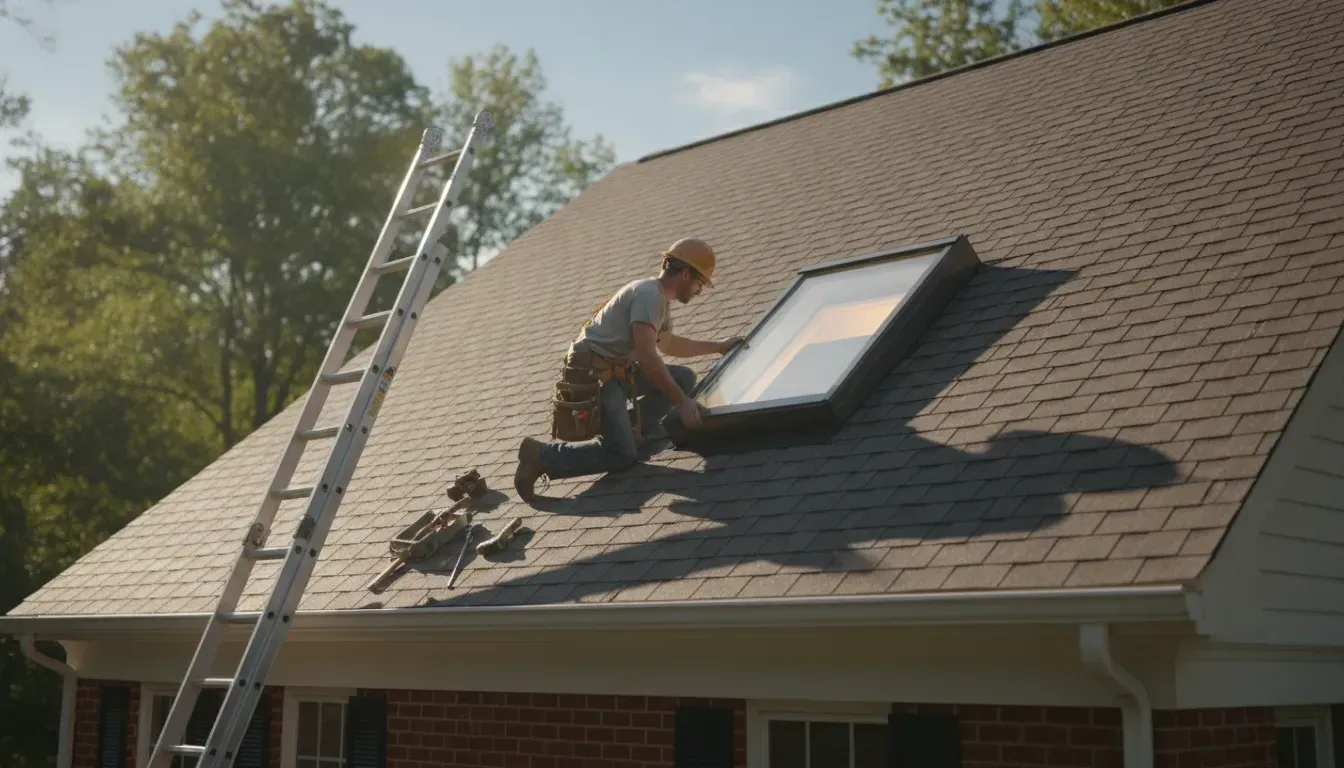
It makes sense that the size of the leak is a primary cost factor. A small puncture from a stray nail is a much quicker and cheaper fix than widespread damage from a fallen tree branch. The location of the leak also plays a huge role. A simple patch in the middle of an open roof slope is straightforward. However, leaks around chimneys, skylights, vents, or in roof valleys are more complex. These areas require detailed work with flashing and seals to ensure a durable, watertight repair, which takes more time and skill. The more severe the damage and the more intricate the location, the higher the cost will be.
Your Roofing Material
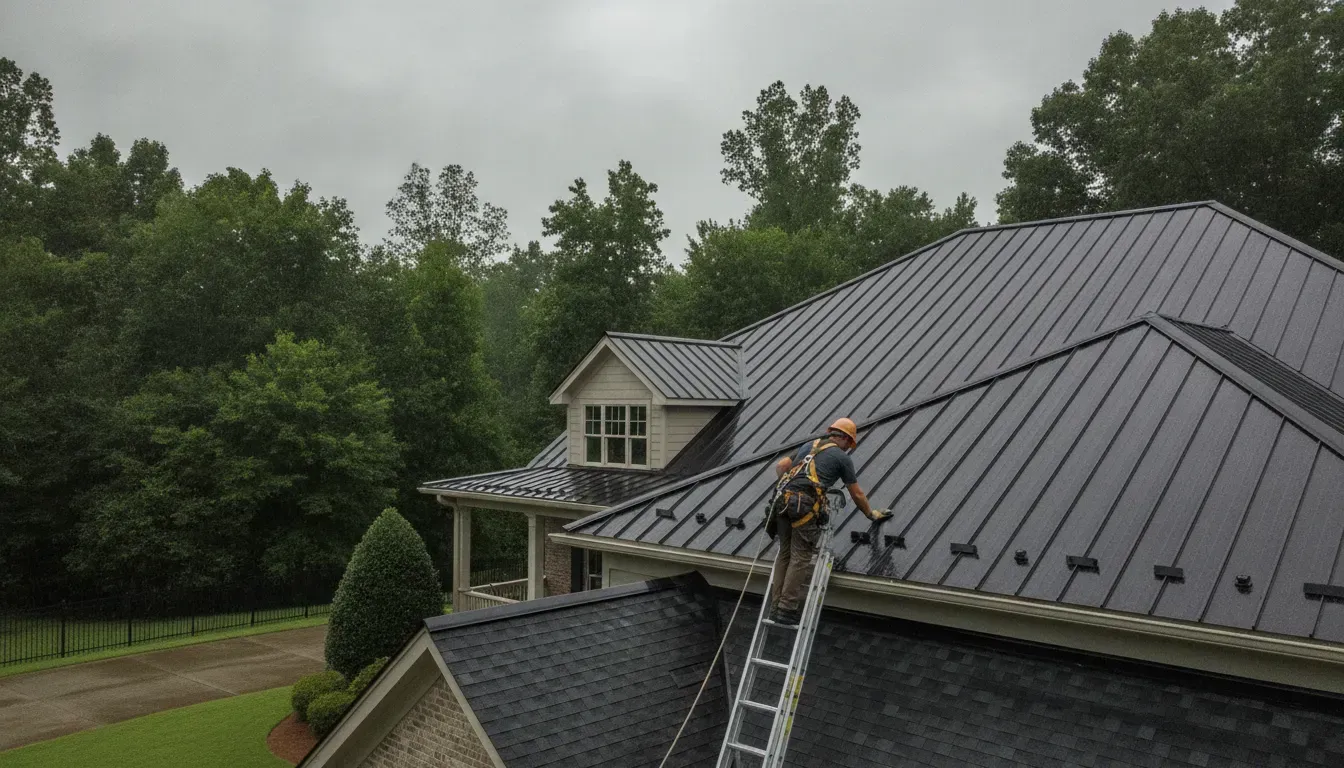
The material covering your roof significantly impacts repair costs. Common asphalt shingles are typically the most affordable to repair because the materials are inexpensive and most roofers are experts at working with them. On the other hand, materials like metal, slate, tile, or wood shakes require specialized knowledge and tools, driving up the labor cost. Sourcing matching tiles or slate can also be more expensive and time-consuming. For businesses with flat or low-slope roofs, the type of commercial roofing system, such as TPO or EPDM, will also determine the specific repair methods and associated costs.
Your Roof's Size, Slope, and Access
The physical characteristics of your roof are a major part of the equation. A roofer needs to be able to work safely and efficiently. If your roof has a very steep pitch, is multiple stories high, or is difficult to get to, the job becomes more challenging. Contractors will need to use extra safety equipment, like harnesses and scaffolding, which adds to the labor time and overall cost. A simple, low-slope roof on a single-story home is much easier to access and work on, which generally results in a lower repair bill. Easy access means the crew can get the job done faster and more safely.
Local Labor Rates
Labor is one of the biggest components of any roof repair quote. These rates can vary quite a bit depending on your location and the experience level of the crew. While it might be tempting to go with the cheapest option, remember that quality roofing work is a skill. An experienced, professional roofer may have a higher hourly rate, but they bring the expertise to diagnose the problem correctly and perform a lasting repair. Our team of certified contractors has the experience to handle repairs efficiently and effectively, saving you from repeat issues and more costs down the road.
Permits and Other Fees
Depending on where you live and the extent of the damage, your roof repair may require a building permit from your local municipality. This is more common for larger repairs or structural work, not typically for minor patches. The cost of a permit can range from around $70 to $250, and your contractor will usually handle the process of pulling it for you. This fee is then added to your total project cost. It’s an important step to ensure the work is done to code, protecting the value and safety of your home. Always ask your contractor if a permit is needed for your specific repair.
How Much Does a Roof Leak Repair Cost?
So, what’s the bottom line? While every roof is different, most homeowners pay between $360 and $1,550 on average for a roof leak repair. The final cost really depends on the extent of the damage, your roofing material, and other factors we covered earlier. To give you a clearer picture, we can break down repair costs into three general categories: minor, moderate, and major. Understanding where your issue falls can help you budget accordingly before you even call a professional for a residential roofing quote.
Minor Leaks ($150–$1,000)
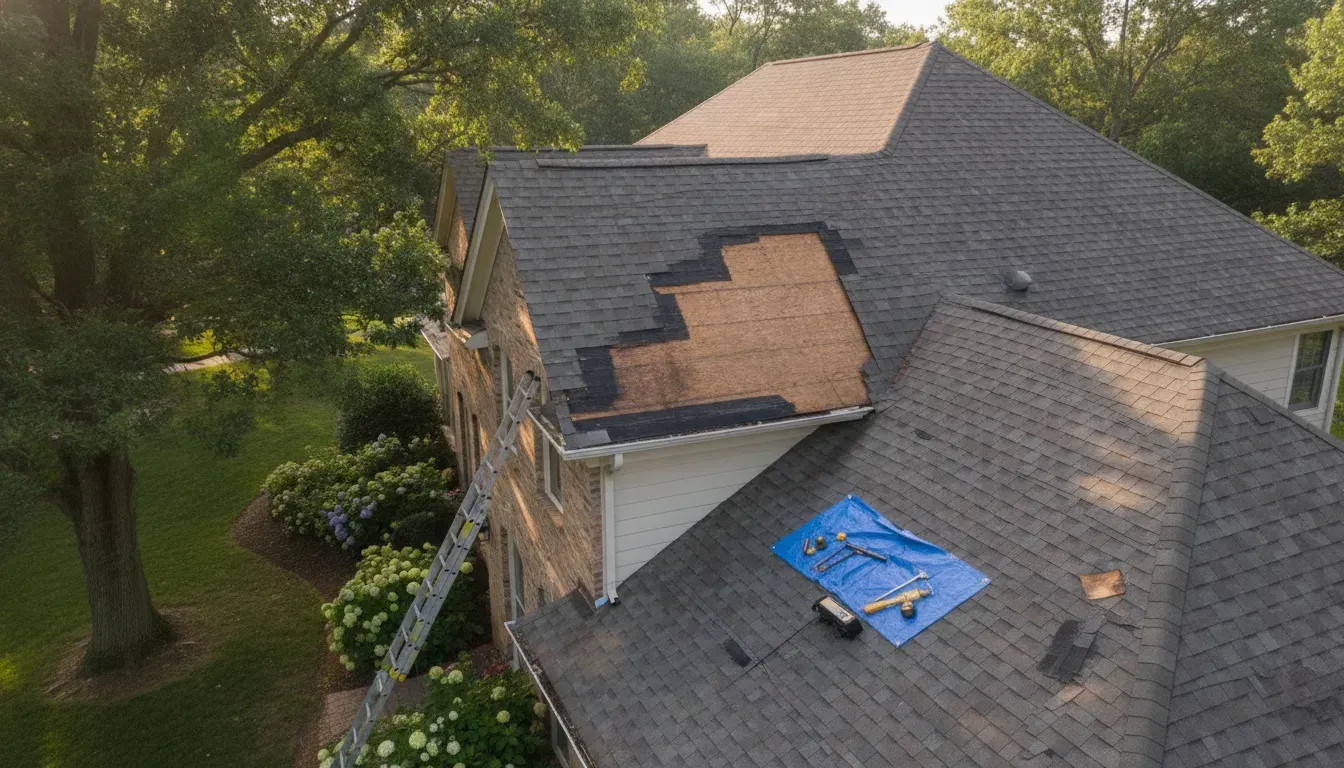
A minor leak is usually a quick and relatively inexpensive fix. Think of things like replacing a handful of missing shingles after a storm, sealing a small crack around a vent pipe, or patching a tiny puncture. These repairs typically cost between $150 and $1,000. While it might be tempting to ignore a small drip, addressing it right away is the smartest move. A simple roof repair now can prevent water from seeping into your attic and causing much bigger, more expensive problems like mold or wood rot down the line.
Moderate Damage ($1,000–$3,500)
If a leak has been going on for a while or the initial damage was more significant, you’re likely looking at a moderate repair. This could involve replacing a larger section of shingles, fixing damaged flashing around a chimney, or repairing parts of the soffit and fascia under your roof’s edge. These jobs are more complex and often cost between $1,000 and $3,500. At this stage, you might also be dealing with some interior water damage that needs attention, which adds to the overall scope and cost of the project.
Major Repairs ($3,500–$6,000+)
Major repairs are serious business and come with a price tag to match, often starting at $3,500 and going up from there. We’re talking about situations where a large portion of the roof needs to be rebuilt, there’s significant structural damage to the roof deck, or a skylight needs a full replacement. These extensive repairs are often the result of severe storm damage or long-term neglect. When costs get this high, it’s worth discussing with your contractor whether a full roof replacement might be a more sensible long-term investment for your home.
How to Use a Roof Repair Calculator
A roof repair calculator is a fantastic tool for getting a preliminary idea of what your repair might cost. Think of it as a budgeting guide, not a final quote. By plugging in a few details about your roof and the damage, you can get a ballpark figure that helps you plan your next steps and feel more prepared when you talk to a professional. It takes some of the mystery out of the process and gives you a solid starting point for what can feel like a daunting project. These online tools are designed to give you a rough estimate by using average costs for materials and labor in a specific area.
While they can't see the specific issues with your roof, like hidden water damage or structural problems, they do a good job of accounting for the most common variables. Using one can help you understand the potential financial scope of your project before you even pick up the phone. This empowers you to ask smarter questions and evaluate the quotes you receive from contractors more effectively. Think of it this way: you wouldn't go car shopping without knowing the average price of the model you want. A roof repair calculator gives you that same advantage. Let's walk through how to use one to get the most accurate estimate possible.
Step 1: Get Your Roof's Details
First, you’ll need to gather some basic information about your roof. The most important details are its material, size, and slope. Do you have asphalt shingles, metal panels, or something else? Knowing your residential roofing material is key, as costs vary widely between them. You'll also need the approximate square footage of the damaged area or your entire roof. If you don't have blueprints handy, you can sometimes use online satellite mapping tools to get a rough measurement. The more accurate your information is, the more reliable your estimate will be.
Step 2: Pinpoint the Damage
Next, try to identify the specific problem. Are you dealing with a few missing shingles after a storm, or have you noticed a water stain growing on your ceiling? The cost to fix a leak can range from a few hundred to several thousand dollars, depending on its size and location. A simple patch job is much less expensive than a repair that involves replacing rotted wood decking underneath your shingles. Be as specific as you can when describing the damage to the calculator, as this will heavily influence the estimated cost.
Step 3: Factor in Local Costs
Where you live plays a big role in your final repair bill. Labor rates and material prices can differ significantly from one city to another. Most online calculators will ask for your ZIP code to adjust the estimate based on local market conditions. For homeowners in the Atlanta area, you'll want an estimate that reflects our region's specific pricing. This is why getting a quote from a contractor who understands the local market is so important. We're proud to be a part of this community and have a deep understanding of its needs.
Step 4: Enter Your Info and Read the Estimate
Once you have all your details, it’s time to plug them into the calculator. Enter the information as accurately as possible and generate your estimate. When you get the result, don't just look at the final number. Read the fine print to see what the estimate includes. Does it account for things like debris disposal, permit fees, or potential underlying damage? Remember, this figure is an educated guess based on the data you provided. It’s a great starting point, but it’s not a substitute for a professional, on-site inspection.
Step 5: Compare Your Estimate with Pro Quotes
The final and most crucial step is to use your estimate as a baseline when you start collecting quotes from professional roofers. The calculator gives you a general idea, but only an experienced contractor can give you a firm, detailed price after inspecting the roof in person. We always recommend getting a few written quotes from licensed and insured companies. This allows you to compare not just the price but also the scope of work, materials used, and the warranties offered. This is the best way to ensure you’re getting a fair price for quality work.
Common Calculator Mistakes to Avoid
Online calculators are a fantastic starting point for budgeting, but they can’t see your roof. They rely on the information you provide, which means the estimate is only as accurate as your assessment. To get a more realistic picture of your potential costs, it’s important to be aware of a few common slip-ups. Thinking through these potential issues will help you create a much more reliable budget and prepare you for a more productive conversation with a professional roofer. By understanding a calculator's limitations, you can use it as the helpful tool it’s meant to be without getting caught by surprise later.
Forgetting Hidden Costs
One of the biggest mistakes is forgetting that the initial estimate from a calculator rarely tells the whole story. These tools are great for estimating the surface-level fix, but they can't account for hidden issues. As experts point out, the final cost depends on factors like the leak's size and location. A small drip in an open attic is one thing; a leak that has been slowly seeping into your insulation and drywall for months is another. Water damage can spread to structural wood, leading to rot that requires more extensive and costly work. A calculator won’t know this, but a professional inspection for residential roofing repairs will uncover the full scope of the problem.
Skipping the Professional Inspection
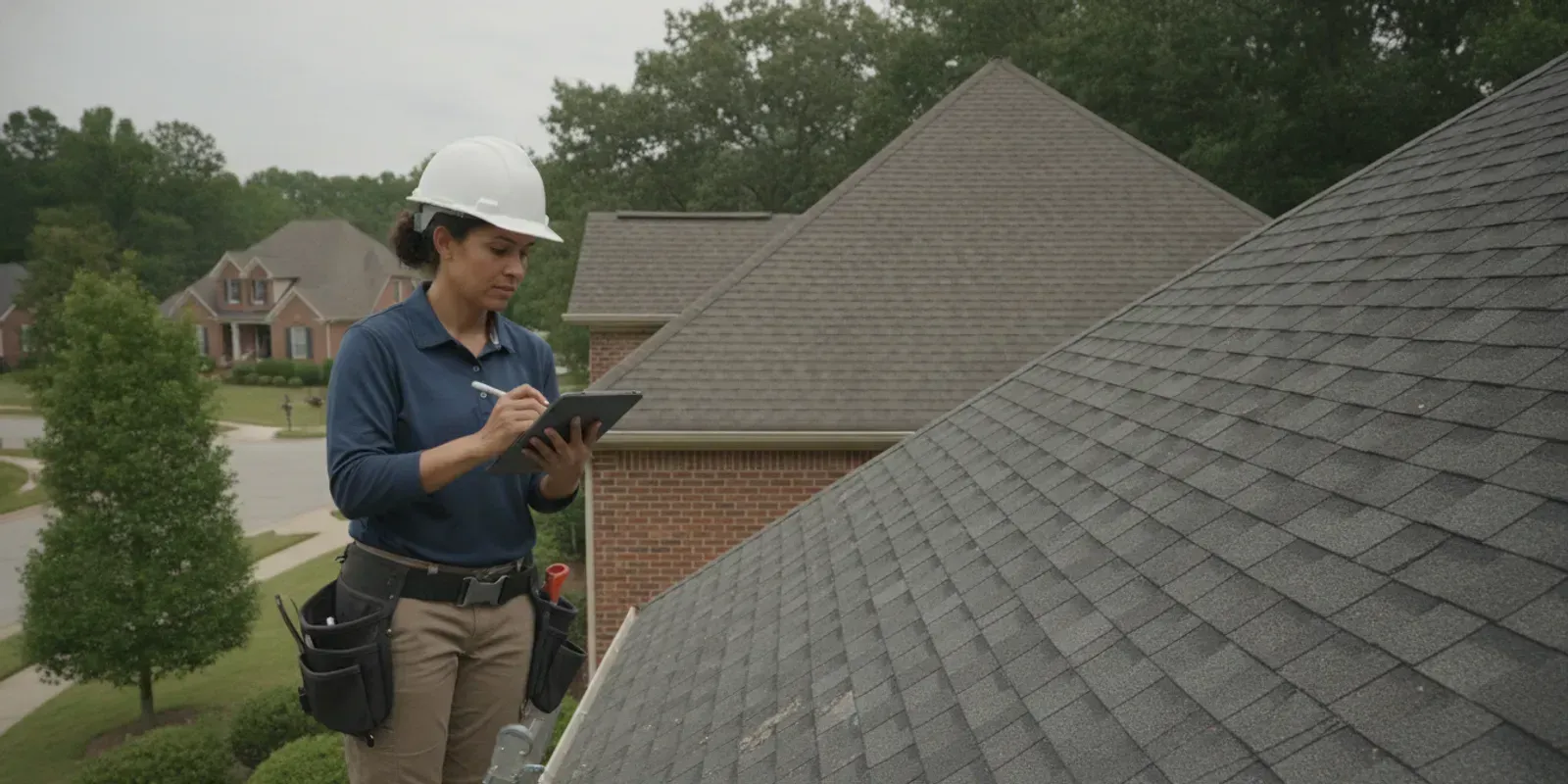
It’s tempting to rely solely on a calculator and wait until a leak is obvious to call for help. However, by the time you see a water stain on your ceiling, the problem has likely been developing for a long time. A calculator can't spot the subtle signs of long-term water intrusion or structural decay that a trained eye can. Scheduling a professional inspection before the damage becomes severe is the best way to get an accurate cost assessment. Think of it this way: you’re not just paying for a repair, you’re investing in a correct diagnosis. The experienced professionals at Total Roof Solutions can identify the root cause of the leak, preventing a quick fix that fails to address the underlying issue.
Using Outdated Pricing Data
The roofing industry is dynamic, with material and labor costs changing based on supply chains, demand, and the economy. Many online calculators may not use the most current pricing data for your specific area. An estimate based on last year’s national average for asphalt shingles won’t be very accurate if you live in the Atlanta metro area and need a repair on a metal roof. Local contractors have the most up-to-date information on material costs and labor rates in your market. This is true for both residential jobs and larger commercial roofing projects, where material costs can fluctuate significantly. Always treat a calculator's figure as a ballpark estimate, not a firm quote.
Underestimating the Damage
A small water stain might seem like a minor nuisance, but it can be the tip of the iceberg. What starts as a small leak can quickly escalate, causing structural wood rot, ruined insulation, and even mold growth inside your walls and attic. When you use a calculator, you might input "small leak repair," not realizing the damage requires replacing decking, insulation, and drywall. A calculator only processes the information it's given. It can't assess the secondary damage caused by clogged or damaged gutters that have allowed water to pool and seep into your home’s structure. Ensuring you have properly functioning gutters is just one part of a complete roofing system that a professional will evaluate.
Repair or Replace: How to Decide?
It’s the big question every homeowner with a leak faces: Is this a simple patch job, or is it time for a whole new roof? A roof leak repair cost calculator gives you a starting point, but the final decision comes down to a few critical factors. Making the right call can save you money and stress in the long run, so let's walk through what to consider.
First, think about your roof's age. If your roof is still relatively new (less than 20 years old) and the damage is contained to a small area, a repair is often the most sensible path. A professional fix can extend the life of a roof by several more years, keeping it strong until it truly reaches the end of its lifespan. However, if your roof is pushing past the 20-year mark, a replacement might be the smarter financial move, even for a smaller leak. An older roof is likely to have more issues pop up soon, and you don't want to be paying for one repair after another.
Next, look at the extent of the damage. Are we talking about a few loose shingles or a widespread issue? A good rule of thumb is if more than 25% of your roof is damaged or the repair estimate is creeping over $3,000, you should seriously consider a full replacement. A leaking roof is more than just an annoyance; it can quickly lead to structural wood rot, ruined insulation, and dangerous mold growth. Pouring thousands into repairing an old, failing roof is often just a temporary solution for a much bigger problem.
Finally, think about the long-term value. While a repair is cheaper upfront, investing that money into a brand-new residential roof provides decades of protection and peace of mind. Delaying the decision is often the most expensive choice. Waiting for a leak to get worse can cause significant damage to your home's interior, from the attic insulation all the way down to the foundation. The best way to know for sure is to have a trusted professional assess the situation. An expert can spot underlying issues and give you a clear picture of your roof's overall health, helping you decide whether a repair or replacement is the right investment for your home.
Will Insurance Cover Your Roof Leak?
Figuring out if your homeowners insurance will pay for a roof leak is one of the first questions that comes to mind when you see a water spot on your ceiling. The answer usually depends on what caused the leak in the first place. Generally, insurance policies are designed to cover sudden and accidental damage, not problems that develop over time due to neglect or normal wear and tear.
Think of it this way: if a healthy roof is damaged by a storm, fallen tree, or hail, your policy will likely step in. However, if the leak is from old, cracked shingles you haven't replaced in 30 years, you’ll probably have to pay for the repairs yourself. Working with an experienced roofing contractor can be a huge help here. We can properly document the damage for your claim and give you a clear assessment, which is essential when you contact your insurance company.
What's Typically Covered
Most standard homeowners insurance policies cover roof leaks caused by a specific, covered event, often called a "peril." This includes things you can't predict or prevent, like damage from wind, fire, or hail. If a tree branch falls and punctures your roof during a storm, your insurance should cover the cost to repair the hole and fix any resulting water damage inside your home.
The cost to fix a leak can vary quite a bit. While most homeowners spend between $300 and $1,200 to fix a leaking roof, the final amount depends on the extent of the damage. Your policy will outline your deductible, which is the amount you have to pay out of pocket before your coverage begins.
What's Usually Not Covered
Insurance is meant for unexpected events, not for routine upkeep. That’s why leaks caused by a lack of maintenance or general wear and tear are almost always excluded from coverage. If your roof is simply old and has reached the end of its lifespan, your insurer will likely deny the claim, arguing that the damage was preventable.
It's also important to act quickly. If you ignore a small leak and it leads to major issues like rotted wood or mold, your insurer might not cover the secondary damage. When a leak causes significant water damage, repairs can easily cost anywhere from $1,000 to over $6,000. This is why scheduling regular residential roofing inspections is so important; it helps you catch small problems before they become expensive disasters that insurance won't touch.
How to Choose the Right Roofing Contractor
Once you have an estimate from a calculator, your next step is to find a qualified professional to inspect the damage and provide a firm quote. Choosing the right contractor is the most important decision you’ll make for your roof. It determines the quality of the repair, the durability of the materials, and your peace of mind. A great roofer will not only fix the leak but also help you spot potential issues before they become expensive problems, ensuring your home stays protected for years to come.
Check for Licenses and Insurance
Before you even think about quotes, verify that any contractor you consider is properly licensed, bonded, and insured. This is non-negotiable. These credentials protect you from liability in case of accidents and ensure the contractor meets state and local standards. A stable, trustworthy company will have a long history in the community. Look for a contractor who has been in business for at least five years, as this demonstrates reliability and experience in handling all types of residential roofing projects.
Get and Compare Written Quotes
Don’t settle for the first quote you receive. Plan to get three to five detailed, written estimates from different companies. A written quote should clearly outline the scope of work, the materials to be used, and a projected timeline. Comparing quotes isn't just about finding the lowest price. Be cautious of any bid that is significantly lower than the others, as it could signal subpar materials or rushed workmanship that will cost you more down the road.
Ask About Warranties
A reputable contractor will stand behind their work with a strong warranty. Ask specifically about the workmanship warranty, which covers the installation itself. A quality contractor should offer a guarantee of 10 years or more. This is separate from the material warranty, which is provided by the manufacturer. As an Owens Corning Platinum Preferred contractor, we provide some of the strongest warranties in the industry, giving you confidence that your investment is secure.
Look into Financing Options
A major roof repair can be an unexpected and significant expense. Don't let cost prevent you from making a necessary repair. Ask potential contractors if they offer financing options to help make the project more manageable. Many companies provide flexible payment plans to fit your budget. It’s also a good idea to review your homeowner's insurance policy, as damage from sudden events like storms is often covered. Discussing these options upfront can relieve financial pressure and help you move forward with the repair.
How to Prevent Costly Roof Leaks
A tiny water spot on your ceiling might not seem like a big deal, but it's often the final symptom of a much larger problem. By the time you see a leak inside your home, the underlying damage has likely been developing for months. What starts as a small drip can quietly lead to rotted structural wood, destroyed insulation, and hazardous mold growth, turning a minor annoyance into a major, expensive headache.
The best way to avoid a four-figure repair bill is to be proactive with your roof's health. Catching a small problem, like a few missing shingles or cracked flashing, can extend the life of your entire roof and save you from a much bigger expense. Delaying a simple fix allows water to seep in, turning a minor issue into a significant problem that compromises your home's safety and integrity. Don't wait for perfect weather or for the problem to get worse; addressing issues right away is key.
So, what can you do? We recommend scheduling regular professional roof inspections, especially after major storms with high winds or hail. A trained eye can spot subtle signs of wear and tear that are easy to miss from the ground. If you notice any loose shingles, damaged gutters, or signs of moisture in your attic, it's time to call for a professional opinion. A small repair today is always a smarter and more affordable choice than a huge restoration project tomorrow.
Related Articles
- Understanding Atlanta Roof Costs for Homeowners
- From Leaks to Lifespan: 7 Signs It's Time for a New Roof
- What to do if a tree falls on your roof? | Total Roof Solutions
- When to check or repair chimney flashing? | Total Roof Solutions
- What are seamless gutters for my home? | Total Roof Solutions
Frequently Asked Questions
How accurate are online roof repair cost calculators? Think of a cost calculator as a great starting point for budgeting, not a final price tag. These tools provide a ballpark estimate based on regional averages for materials and labor. However, they can't see the specific details of your roof, like hidden water damage under the shingles, rotted decking, or complex flashing around a chimney. The figure you get is a helpful reference, but only a professional, on-site inspection can give you a firm and accurate quote for your project.
My leak seems really small. Can I just fix it myself? While it can be tempting to try a DIY fix for a small leak, I generally advise against it. What appears to be a minor issue on the surface can often be a symptom of a larger problem. Without the right training, it's easy to misdiagnose the root cause or even cause more damage during the repair attempt. Professional roofers have the expertise and safety equipment to correctly identify the source of the leak and ensure the fix is durable and watertight, saving you from bigger headaches later.
How often should I get my roof inspected to prevent leaks? A proactive approach is always best. We recommend having your roof professionally inspected once a year and also after any severe weather event, like a major hailstorm or high winds. An annual checkup allows a trained professional to spot and address small issues, such as cracked pipe collars or a few loose shingles, before they have a chance to turn into significant and costly leaks. It’s a small investment that provides major peace of mind.
What’s the difference between a material warranty and a workmanship warranty? This is a fantastic question because both are crucial for protecting your investment. A material warranty is provided by the product manufacturer and covers defects in the roofing materials themselves, like shingles that fail prematurely. A workmanship warranty is provided by your contractor and covers the quality of the installation. A reputable company will always stand behind their work with a strong workmanship warranty, which is your guarantee that the job was done correctly.
My roof is old but the leak is small. Should I repair or replace it? This is a common dilemma, and the answer depends on a few factors. If your roof is approaching or has passed its 20-year mark, putting a lot of money into a repair might not be the most cost-effective choice, as other issues are likely to appear soon. A good rule of thumb is to seriously consider a replacement if the repair cost is more than 30% of the price of a new roof. A professional can assess the overall health of your roof and help you decide if a simple repair will suffice or if a full replacement is the smarter long-term investment.