Asphalt Shingle Roof Lifespan Georgia: Homeowner Guide
July 24, 2026
New Title

Intense Georgia sunshine can bake a standard asphalt shingle roof to over 150 degrees in mid-July. This heat, paired with heavy seasonal humidity, causes the material to age and fail years ahead of schedule.
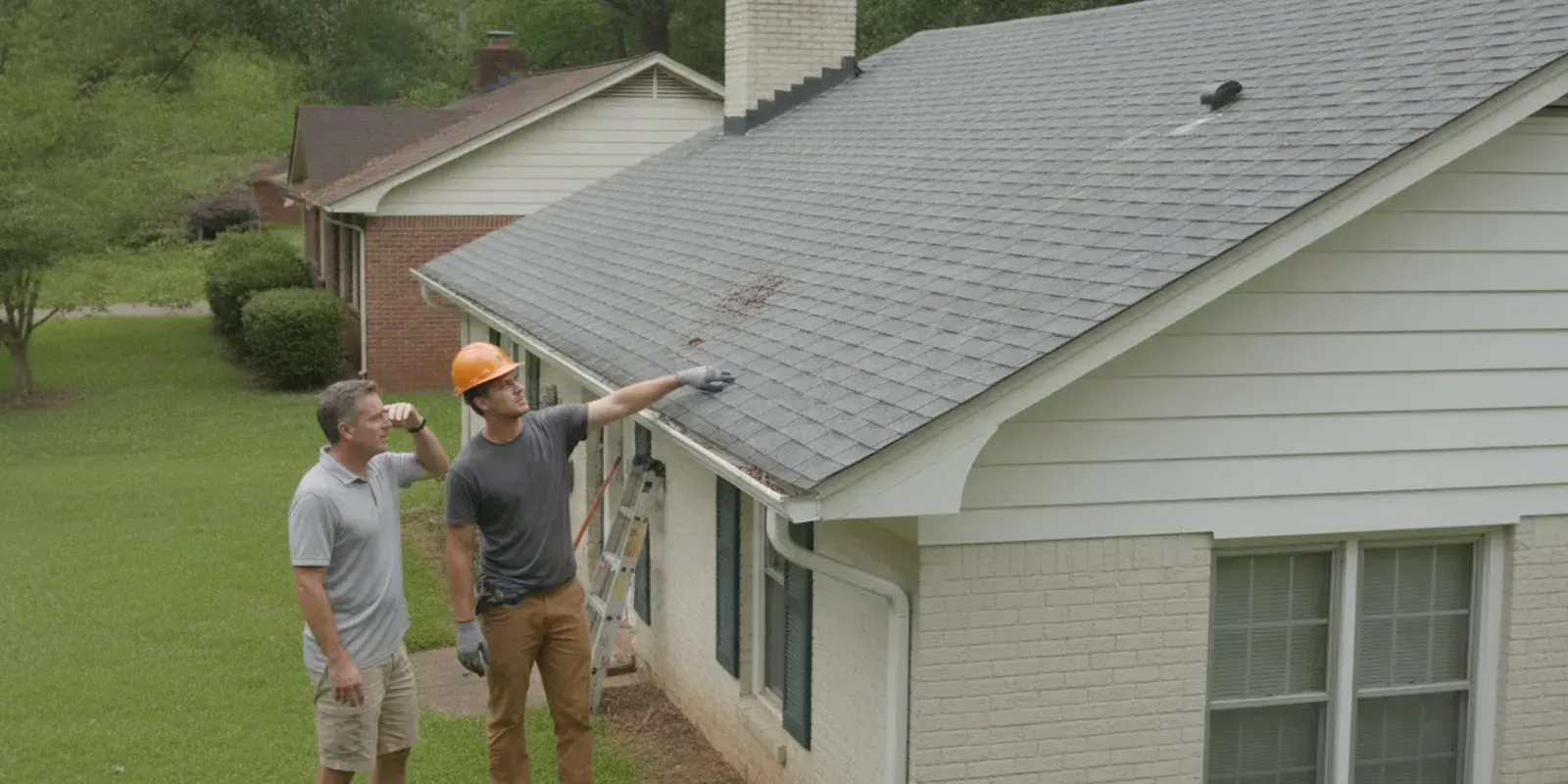
If you suspect your roof has heat or storm damage, schedule a free roof inspection with our local team.
An asphalt shingle roof lifespan Georgia homeowners can expect averages 15 to 30 years. This depends on shingle type, installation quality, and attic ventilation. Cheap three-tab shingles might only last 15 to 20 years under the intense Southern sun. In contrast, high-quality architectural shingles often endure for 25 to 30 years with proper care. Severe local weather factors like high humidity, high winds, and heavy storms can cut these timelines short. These conditions lift shingles or wash away protective granules. Routine maintenance, prompt storm damage repairs, and choosing tough shingles are key to keeping your home safe. Ensuring your attic has proper ventilation also prevents the shingles from baking from the inside out.
Many homeowners wonder why some roofs fail after just a decade while others last much longer. To find out how to keep your home safe, we must look at How Georgia's Climate Affects Asphalt Shingle Roof Lifespan. The path begins with...
How Georgia's Climate Affects Asphalt Shingle Roof Lifespan
Georgia weather is very tough on home roofs. The mix of intense heat, high humidity, and sudden storms can quickly wear down even top-grade roofing. These severe local weather forces are major factors affecting residential roof lifespan and shape what families can expect. Knowing how local weather patterns wear down your roof is the first step in protecting your home.
Intense heat and sun damage
Summer sun beats down on Georgia roofs for months at a time. These constant UV rays heat asphalt shingles to very hot levels. Over time, the intense heat cooks the natural oils out of the shingle material. This drying process makes the shingles dry, stiff, and brittle. When the shingles can no longer bend, they crack or warp under the hot sun.
Heat also causes shingles to lose their outer coating of granules. These stone pieces block UV light. When the asphalt gets hot and expands, these granules loosen and fall off. You will often see these small stones wash into your gutters after a heavy rain. Without this stone shield, the raw asphalt beneath is open to direct sun damage, which speeds up how fast your roof wears out.
High humidity and mold growth
Georgia is famous for its thick, damp air and high humidity. This wet climate creates a perfect home for mold, mildew, and black algae. You can often spot algae as dark, ugly streaks on your roof. This growth is not just ugly. Algae and moss trap water on the shingles instead of letting them dry. This constant dampness slowly rots the shingle backing over time. Keeping your roof clean through routine Georgia roof maintenance is the best way to stop algae before it spreads.
Storms and strong wind impact
Heavy rain and severe storms strike Georgia throughout the year. Strong winds can get beneath loose shingle tabs and lift them up. This breaks the tight glue seal. Once the seal is broken, shingles can easily flap, crack, or blow away in the next storm. Missing shingles leave the wood deck beneath wide open to leaks.
To protect your home, you must make sure your roof can stand up to high winds. Research from the Pacific Northwest National Laboratory shows that proper nail patterns are needed for high-wind safety. Workers must place nails in exact spots to keep the shingles from tearing away. If nails are placed too high, shingles easily blow off. Following these wind safety rules is the best way to protect your roof.
3-Tab vs Architectural vs Premium: Which Asphalt Shingle Lasts Longest?
Asphalt shingles come in three main styles. Each style has its own design, cost, and lifespan. If you want to know how long your roof will stand, you must look at these types. In the hot Georgia climate, choosing the right style is key to protect your home from heat and heavy storms. The right choice can save you from costly repairs down the road. Our team is here to guide you through these three options.
The limits of traditional three-tab shingles
Three-tab shingles are the most basic option. They are flat, thin, and have a simple look. Many builders use them because they cost less upfront. But in Georgia, their low cost comes with a shorter factors affecting residential roof lifespan. They often last only 15 to 20 years before they fail. This short life means you may have to replace the roof much sooner.
These shingles also have less wind hold. High winds can lift them with ease because they are light and thin. The thin tabs can tear off in strong storms. If you live in a place with high winds, this basic option may not be enough to protect your home. Storm debris can also puncture them with ease.
Shingle TypeLifespan in GeorgiaWind ResistanceRelative CostThree-Tab15 to 20 years60 MPHLowArchitectural25 to 30 years110 to 130 MPHModeratePremium (OC Duration)30 to 40 years130+ MPHHigh
The strength of architectural and premium systems
Architectural shingles are thicker and stronger than three-tab styles. They are also called layered shingles. They have extra layers of asphalt that give them a wood-shake look. This design helps them resist the tough Georgia weather. Because of this, they offer much better architectural asphalt shingle lifespan for your home. They also hide roof flaws and crooked lines well. This thick design adds a rich, shadow-line look to your home.
These shingles can last 25 to 30 years with proper care. They also have high wind strength. Most can stand up to 110 or 130 miles per hour winds. U.S. safety guides show that high wind strength is key to stop storm damage. You can read the FEMA wind-safety guidelines to see how thick shingles protect sloped roofs from heavy storm winds. This strength gives you peace of mind during stormy seasons.
Premium shingles are the top choice for long life. These heavy shingles can last 30 to 40 years. Brands like Owens Corning make tough lines like Duration shingles. These shingles have special strip designs that grip tight in storms. They can withstand winds up to 130 miles per hour. Total Roof Solutions is an Owens Corning Platinum Preferred Contractor. We can lay these strong shingles to keep your home safe. This setup comes with the best warranty options for your new roof.
Warning Signs Your Asphalt Shingle Roof Is Approaching the End
An asphalt shingle roof will not last forever, most of all in the hot Georgia sun. If you want to protect your home, you must know how to spot the signs of wear. Finding these problems early can help you plan for a new roof before major damage occurs. Knowing these signs can help you gauge the overall asphalt shingle roof lifespan Georgia weather allows for your home.
Many things act as factors affecting residential roof lifespan, but age is the most common. As shingles get older, they lose their strength and become stiff. If your roof is more than fifteen years old, you should inspect it often for damage. Knowing what to look for will keep your home safe and dry.
Visible wear on shingle surfaces
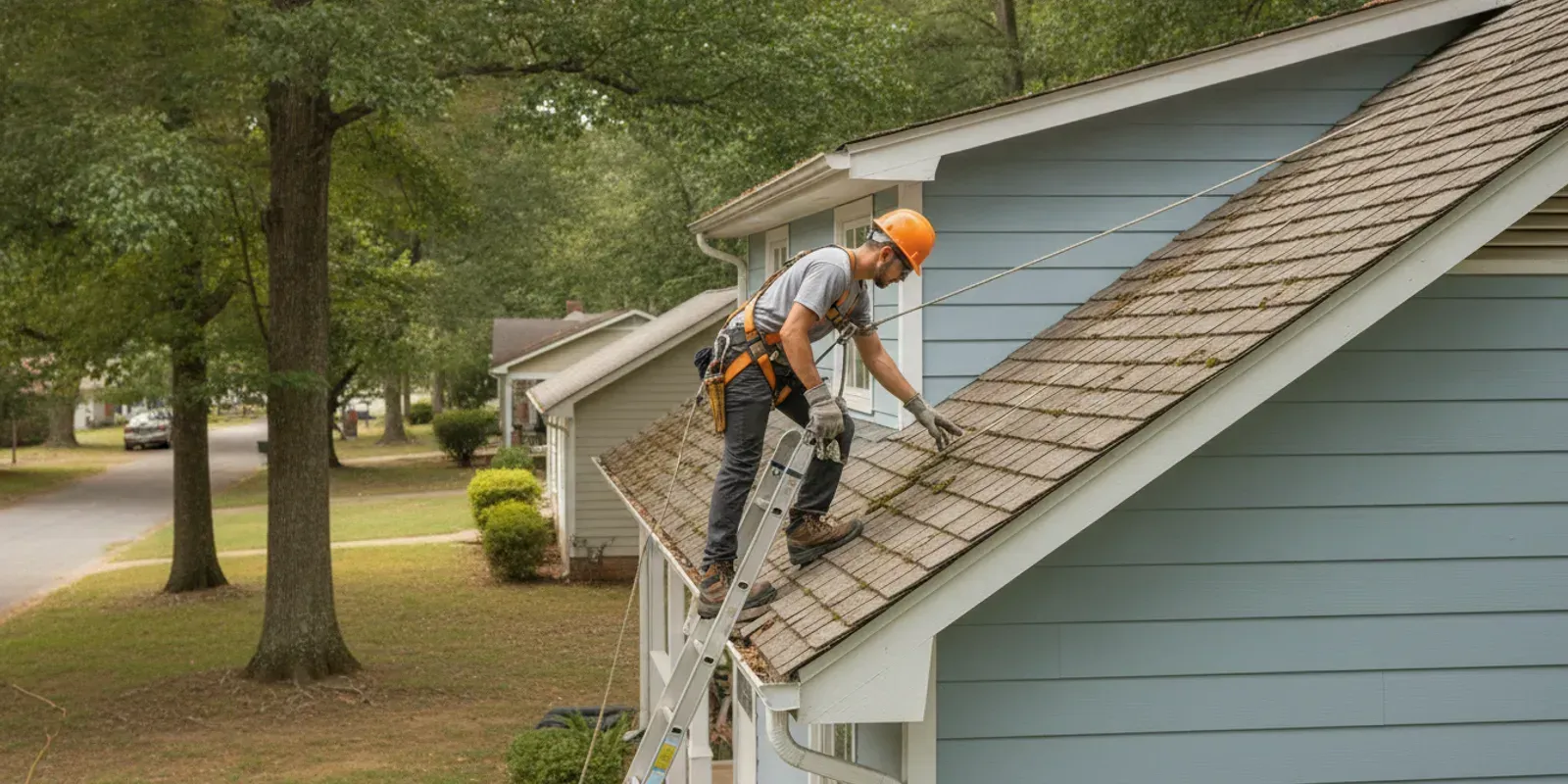
First, look at the shape of the shingles. Intense heat can cause shingles to curl or cup at the edges. When shingles curl, they no longer lie flat against the roof deck. This shape change makes them brittle and weak. They can easily snap or blow away in a storm.
Second, look for cracks in the shingles. Sun and heat dry out the asphalt over time. In Georgia, summer heat often reaches high levels, which bakes the roof. This heat causes the shingles to shrink and crack. Cracked shingles let water pass right through to your home.
Storm effects and wind damage
Strong winds can lift asphalt shingles from your roof. When wind gets under a shingle, it can break the seal that holds it down. This lifting can leave your roof bare. Missing shingles are a clear sign of storm damage that needs quick care. If you do not replace them, rain will rot the wood beneath.
Hail can also cause deep dents in your shingles. These dents knock off the small stones on the surface, which are called granules. You can find these granules in your gutters after a storm. The Federal Emergency Management Agency shows that wind and hail are major causes of roof damage on residential buildings. When shingles lose their granules, the sun can damage the asphalt underneath very fast.
Leaks and water damage inside the home
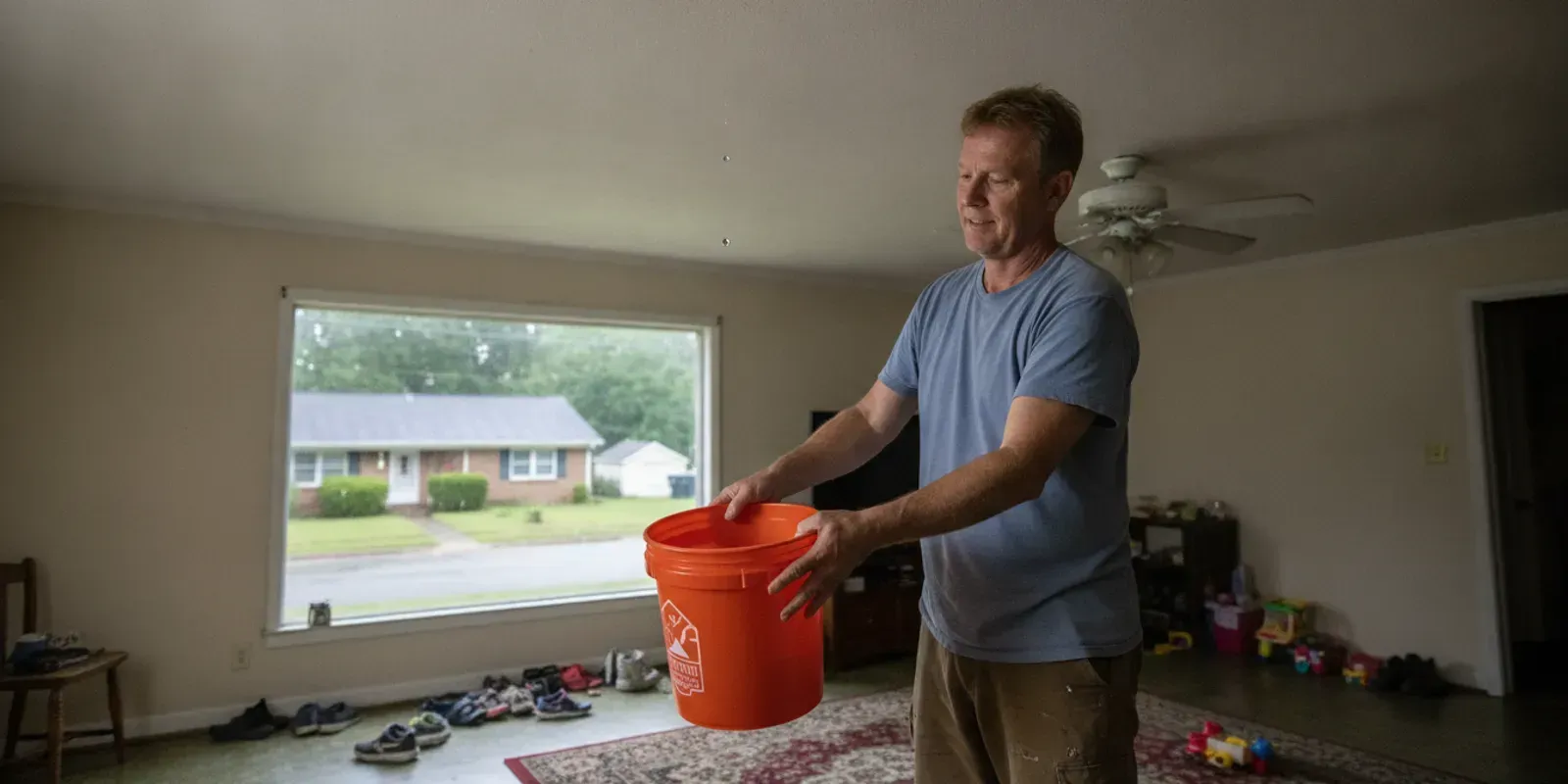
The final and most urgent sign is water inside your home. If your roof is failing, you may see brown stains on your ceiling or walls. You might also find wet spots in your attic after a rainstorm. Water can rot your rafters and cause mold to grow.
Water leaks can also damage your home's insulation and raise your energy bills. When insulation gets wet, it loses its power to keep heat out. This makes your cooling system work harder during the hot Georgia summer. According to home energy guides from the U.S. Department of Energy, a dry and well-insulated attic is key to low power bills. If you see signs of water inside, you should act fast to avoid high repair costs.
Does Installation Quality Really Affect How Long Your Roof Lasts?
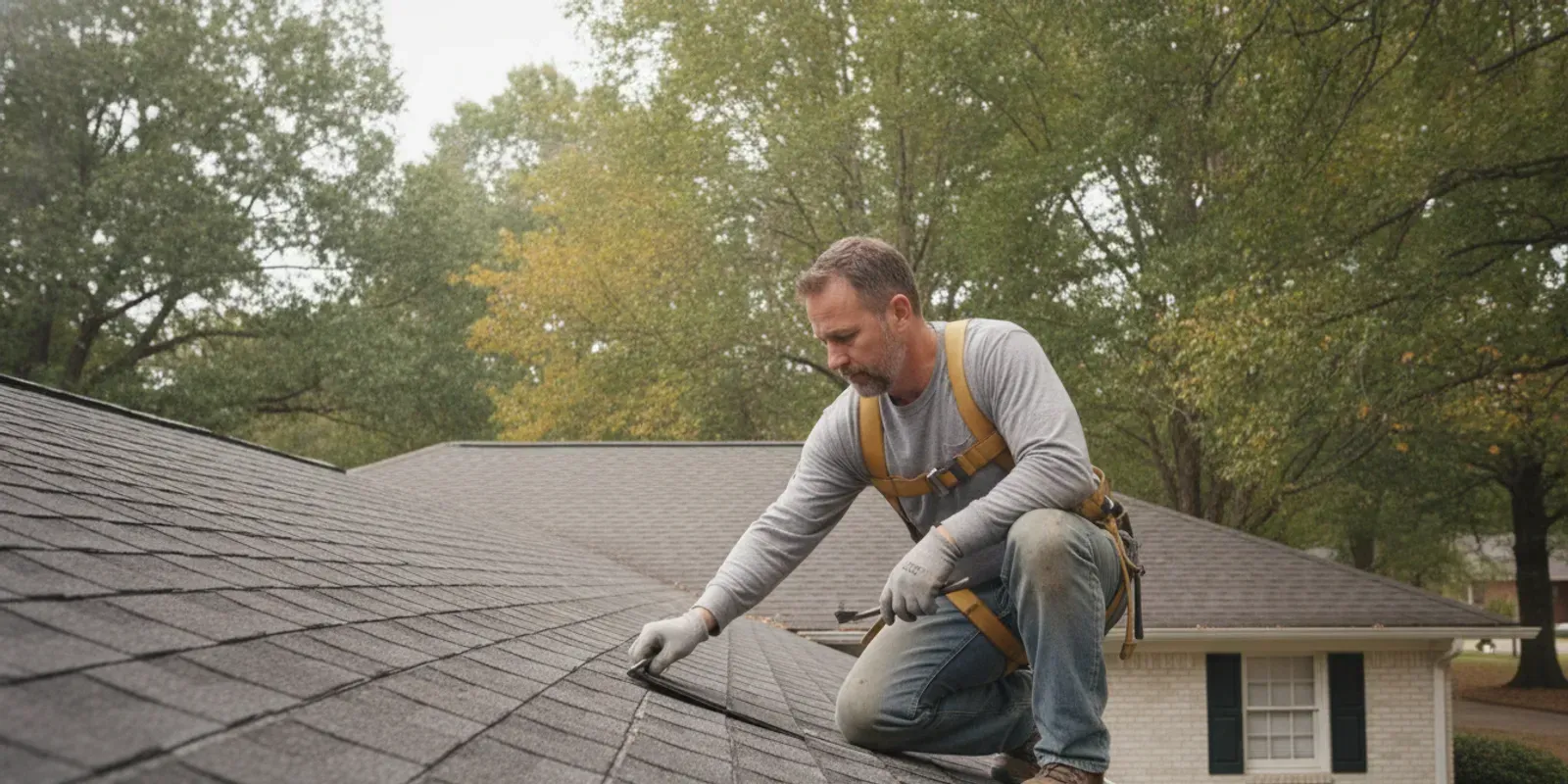
Many people believe that the brand of shingle is the main factor in roof life. But even the best shingles will fail if the setup is poor. In fact, correct setup is the most critical part of shaping how long your roof will protect your home. A single misplaced nail can lead to leaks, mold, and early decay.
The impact of proper nail patterns
Shingles must be nailed down in exact zones using the correct number of nails. If a worker nails too high or uses too few nails, the shingles can slip out of place. Georgia storms bring strong winds and heavy rain that easily peel away these loose shingles, leaving the wood deck underneath open to water damage. These setup errors can cut your roof life in half.
Correct setup is also vital for meeting local building codes. According to Pacific Northwest National Laboratory research, shingles must be installed per high-wind codes to prevent wind damage. When crew members skip these steps, the roof is far more likely to suffer storm loss. These choices truly shape the final asphalt shingle roof lifespan Georgia homes experience.
Manufacturer warranties and certification
Choosing a certified team is the best way to avoid setup mistakes. Many makers only offer full warranties when certified crews do the work. For example, an Owens Corning Platinum Preferred Contractor has special training to meet strict brand rules. This status lets them give you longer warranties that cover both shingles and labor, guarding your home if a mistake happens.
Certified teams also follow strict safety rules and use high-grade tools. They know how to lay out shingles so that water flows off the roof path safely. They also check the attic space for good airflow before starting the job, which prevents moisture from building up inside. To get the best results, look for teams who offer full residential roofing services in your area.
The importance of the roof deck
A high-quality installation also starts with a solid foundation. Workers must inspect the wood decking beneath the old shingles to find any soft spots or rot. If they nail new shingles onto damaged wood, the nails will not hold, causing the whole roof system to shift and sag. A skilled crew will always replace weak boards to ensure a flat, strong surface.
Worried about your roof's installation quality? Schedule a free roof inspection with our Owens Corning Platinum Preferred team today.
The Role of Attic Ventilation in Extending Roof Life
Georgia summers bring extreme heat and high humidity that put constant stress on homes. While most homeowners focus on storm damage, attic heat can quietly shorten the asphalt shingle roof lifespan Georgia families rely on. Proper attic ventilation is the best way to prevent this underside heat from baking your shingles. A balanced ventilation system keeps air moving and extends the service life of your roof.
The impact of attic heat on shingles
During the peak summer months, attic temperatures can quickly rise above 150 degrees if air cannot flow freely. This intense heat bakes shingles from the underside, leading to warping and cracks. The U.S. Department of Energy reports that attic heat buildup speeds up how fast building materials wear out. When heat remains trapped, the asphalt shingles dry out and crack much sooner than they should.
This drying process makes shingles brittle and highly prone to wind damage. Once shingles get brittle, they can crack during quick temperature changes or lift in strong winds. A steady flow of fresh air is a simple way to protect your home.
How soffit and ridge vents work
A good roof uses a balanced set of intake and exhaust vents to move air on its own. Soffit vents installed under the eaves draw cool, fresh air into the attic space from the outside. As this cool air enters, the hot air rises and escapes through ridge vents placed along the peak of the roof. This cycle keeps your attic close to the outdoor temperature and stops heat from building up.
To keep this system working, you must make sure your vents do not get blocked by dust or attic insulation. Checking your attic vents is one of the best seasonal roof maintenance tips for Georgia homeowners to follow. Keeping air paths clear helps your roof stay cool and dry through the hot summer.
Passive versus active systems
While passive vents are often enough for most homes, some attics may need active ventilation systems. Active systems use electric attic fans to pull hot air out of the space when temperatures rise. These fans can run on solar power or plug into your home system to run during the hottest hours. They boost airflow in large homes or roofs with complex shapes.
But active fans can sometimes pull cool air out of your living space if your attic floor is not fully sealed. This issue can raise your energy bills and make your air conditioner work harder. A skilled contractor can help you inspect your attic seals and find the best balance of vents for your home.
Seasonal Roof Maintenance Tips for Georgia Homeowners
Keep your roof in good shape with simple care throughout the year. If you want to protect your asphalt shingle roof lifespan Georgia weather requires regular care. Our hot summers, high humidity, and sudden storms can wear down your shingles fast. Local homeowners often face severe storm damage and heat-related wear that ages a roof too fast. Doing simple checks each season helps you spot small problems before they turn into costly leaks.
Why proactive care matters
A simple schedule of checks will keep your home dry and safe. By spending a little time each season, you can avoid a full roof replacement too soon. This routine care helps you find cracked shingles or loose nails before water seeps into your attic. It is best to follow a simple set of steps to keep your roof in top shape. You can read our guide on Georgia roof maintenance for lifespan to learn more about basic care.
Regular maintenance also keeps your roof warranty valid. Many shingle brands need proof of regular care to cover damage claims. Taking care of your roof now saves you from stress and major bills later. It is the best way to make sure your home stays safe for many years.
Six steps for seasonal care
Here is a simple routine to protect your roof year-round:
- Spring roof check: Check your roof after heavy winter and spring storms. Look for cracked, loose, or missing shingles that need quick repair. Catching these storm-related issues early stops water from rotting the wood deck beneath.
- Clean gutters and downspouts: Clear out leaves, dirt, and twigs so rainwater can flow freely away from your home. Clogged gutters can backup and damage the edge of your roof. This standing water often rots the fascia boards and leads to leaks.
- Check attic ventilation: Make sure your attic can breathe before the summer heat hits. Proper airflow stops heat from baking your shingles from below. A hot attic can quickly dry out the shingle backing and cause rapid wear.
- Trim overhanging branches: Cut back tree limbs that hang close to your roof surface. This stops branches from scraping your shingles during high winds. It also keeps damp leaves from piling up and trapping moisture on your roof.
- Fall gutter cleaning: Clear out autumn leaves to prepare for the coming cold. Dry leaves can trap moisture and cause wood rot along your roofline. Clean gutters also prevent water from freezing and backing up under the lower shingles.
- Winter storm prep: Look for ice dams and clear heavy debris after winter storms. Keeping your roof clean prevents water from leaking under your shingles during a freeze. It also keeps your drainage pathways clear for winter rains.
Upgrading for the heat
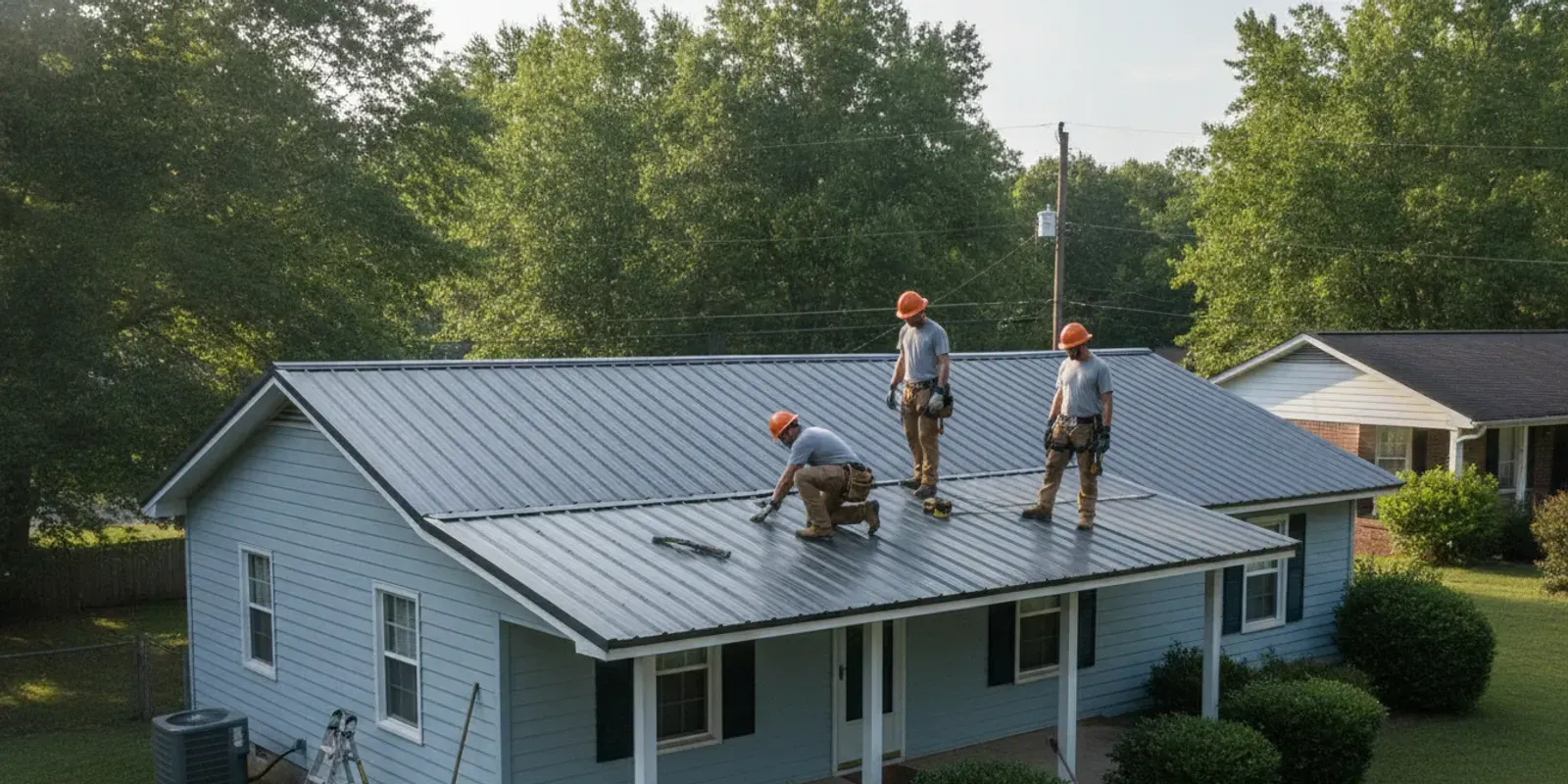
When you need to repair or replace parts of your roof, think about the materials you use. Choosing solar reflective shingles is a great way to cool your home. According to the federal guide on asphalt shingle roofs, these materials can extend roof life in warm areas. They lower the surface temperature, which stops the asphalt from getting brittle. This simple upgrade helps your roof stand up to the hot Georgia sun.
Also, reflective materials can lower your monthly cooling bills. Since your roof absorbs less heat, your air conditioner does not have to work as hard. This keeps your indoor spaces cool while reducing wear on your cooling system. Over time, these energy savings can help pay for the cost of the high-quality shingles.
When to Repair vs Replace Your Asphalt Shingle Roof
Every homeowner faces a choice when a roof shows signs of wear. Deciding between a minor repair and a full replacement can be difficult. Making the right choice depends on several factors, including the age of your shingles and the extent of the damage. Knowing these key points helps you make a smart investment for your home.
Evaluating the age of your roof
The age of your roof is the first thing to consider. If your asphalt shingle roof is under fifteen years old, repairs are often the best choice. This is true if the damage is limited to a small area, like a few shingles damaged in a recent storm. For a relatively new roof, a simple repair can quickly restore its integrity.
However, if your roof is over twenty years old, a full replacement is usually the best option. At this stage, the shingles have likely reached the end of their functional life. Widespread curling, cracking, and severe granule loss are common in older Georgia roofs. In these cases, continuous repairs only delay the inevitable and can lead to more expensive water damage over time.
Assessing the extent of the damage
The scale of the damage also guides your decision. As a general rule, if the damage affects less than thirty percent of your roof, a repair is highly cost-effective. This includes replacing a few missing shingle tabs or fixing a small leak around a chimney or vent pipe.
But if the damage is widespread, a full replacement is necessary. This is especially true if you face multiple active leaks in different rooms. Also, a severe storm that strips away many shingles requires a complete replacement. If you want to understand more about these factors, you can read about factors affecting residential roof lifespan.
Understanding the 25 percent rule
Local building codes and insurance rules also play a role. Many cities and counties in Georgia follow the 25% rule for roofing. This standard states that if more than one-quarter of a roof is damaged, the entire roof must be replaced. This rule ensures that your home remains safe and meets modern safety codes. If your roof has widespread storm damage, a professional inspection can show if you meet this threshold.
Frequently Asked Questions
How long should a shingle roof last in Georgia?
On average, an asphalt shingle roof in Georgia lasts between fifteen and thirty years. However, the hot sun and heavy rain can cut this time short. High humidity can also lead to mold or algae that wears down the shingles faster. To keep your roof strong, you need proper attic ventilation to stop heat from building up underneath. Following a guide for Georgia roof maintenance for lifespan is also key to helping your roof last as long as possible.
Does a 30 year shingle really last 30 years?
In Georgia, a thirty year shingle rarely lasts a full thirty years. The extreme heat, high humidity, and severe storms usually shorten its life. Most of these roofs last about twenty to twenty-five years instead. You can read the Department of Energy guide on asphalt shingle roofs. It shows how proper installation helps shingles handle high winds and last longer.
Is a 20 year old roof too old?
In Georgia, a twenty-year-old asphalt shingle roof is very close to the end of its life. Even if you do not see active leaks, the shingles have likely lost their strength. Many factors affecting residential roof lifespan can shorten this time. The hot sun and storms have probably caused cracking or granule loss. You should have an expert check your roof to find hidden damage.
What is the 25% rule for roofing?
The 25% rule is a common standard used by many building departments and insurance companies. It states that if storm or wind damage affects more than one-quarter of your roof, you must replace the entire roof instead of repairing it. This ensures the roof stays safe and strong. If your roof has storm damage, a professional inspection can show if you meet this limit.
Ready to Find Out How Much Life Your Georgia Roof Has Left?
Leaving an aging asphalt shingle roof to face the extreme Georgia heat and high humidity can cause bad water leaks, mold, and costly wood rot. Getting an expert roof checkup today prevents surprise storm damage, protects your family, and helps you set up a budget on your own timeline. You can easily see our residential roofing services online to find out how our local team keeps your home dry and safe.
Ready to protect your Georgia home? Do not wait for the next big storm to cause serious water damage to your valuable home property. Call (470) 333-7863 to schedule a free roof inspection with our local experts today.