Which Types of Home Siding Has the Longest Life Span?
Stephen Griswell • December 20, 2021
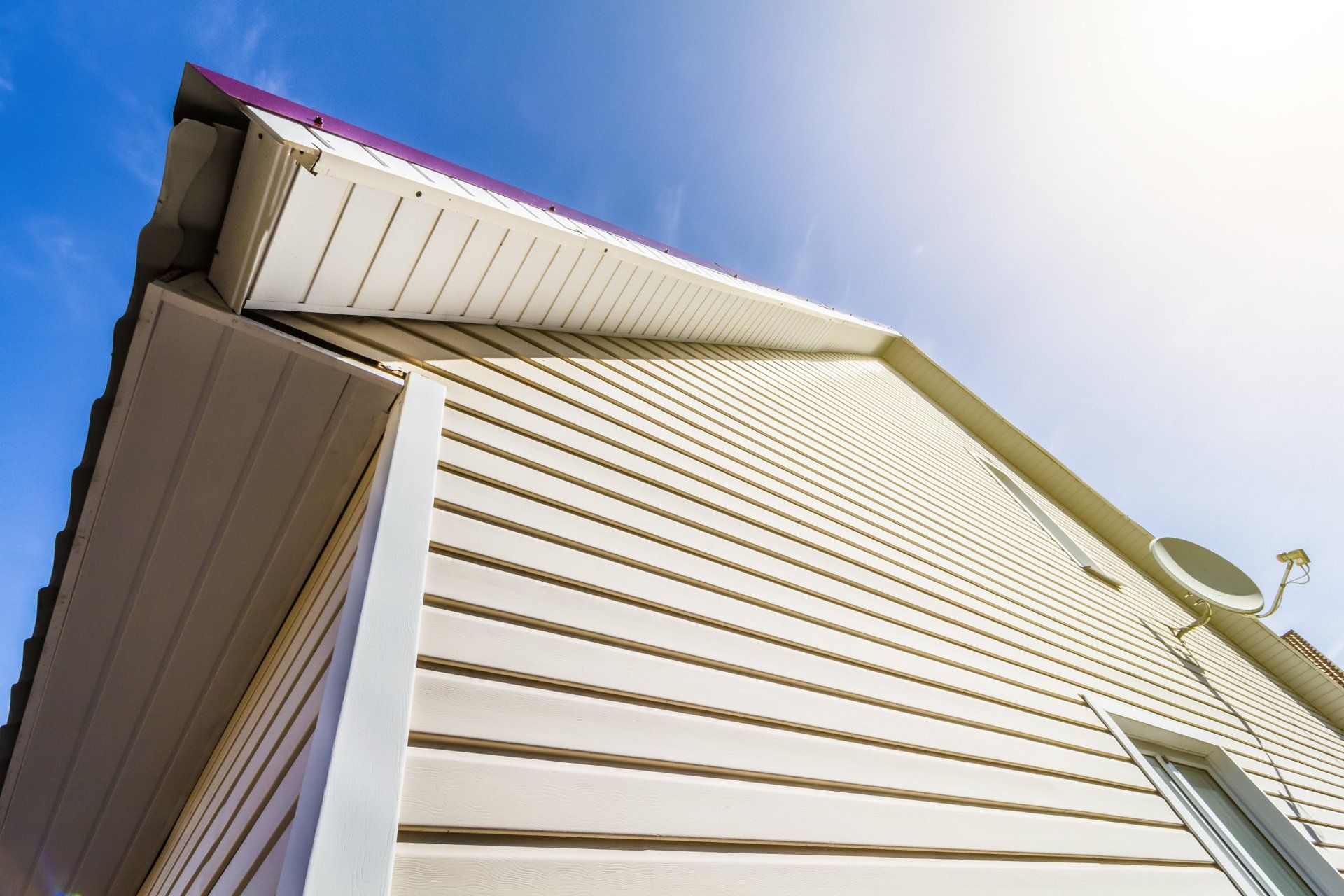
Apart from being a haven for you and your family, your home may also be one of your biggest long-term investments. Siding is a crucial factor in your home’s visual appeal and valuation. The type of siding you choose may even have an impact on your home’s energy efficiency. Whether you’re building a new home or renovating a fixer-upper, it’s good to know the different types of siding you can get, and the pros and cons of each.
Types of Siding and Their Longevity
There are several types of siding, and some are more popular, durable and long-lasting than others. Some popular siding options include:
- Vinyl (lasts 60 years or longer)
- Fiber cement (lasts 50 years or longer)
- Metal (lasts up to 40 years)
- Wood (lasts between 20 and 40 years)
Keep in mind that the above numbers are not set in stone. There are several factors that can affect the longevity of siding. If your home’s orientation subjects it to heavy sun exposure, or you live in a hurricane-prone part of Georgia, your siding may not last as long as it’s intended to.
When shopping for siding, longevity is only one of the factors to consider. You should also think about things like durability, maintenance requirements and curb appeal.
Durability shouldn’t be confused with lifespan. The former refers to resistance to force and damage, and the latter is about how long it should last under ideal circumstances.
There are some important questions you should ask yourself before choosing your siding. How much time are you willing to invest in siding maintenance? Does it matter to you if your home is attractive to onlookers or are you less concerned with aesthetic appearance? Do you live in an HOA with specific siding requirements?
Types of Siding to Consider
Vinyl
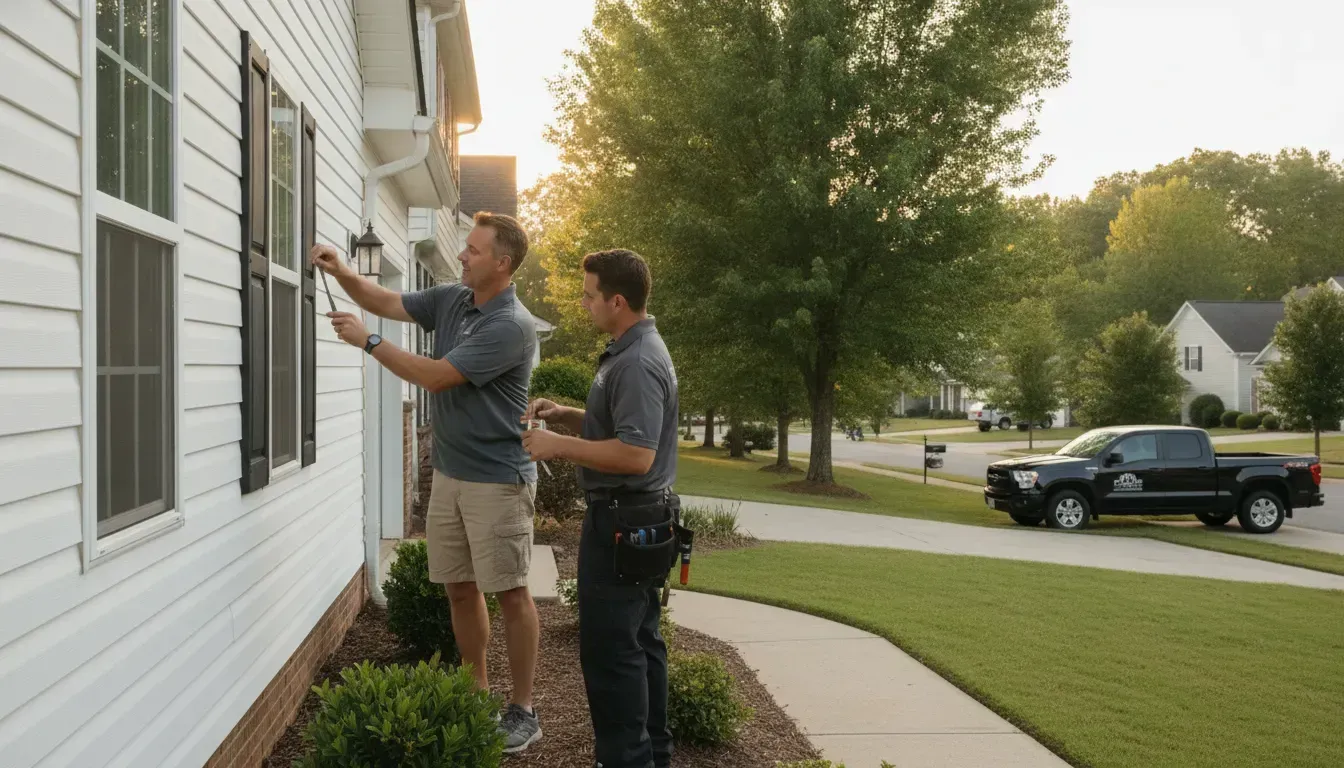
Pros: Vinyl is a popular and affordable option for many homeowners. It takes minimal effort to keep your vinyl siding in good condition. In many cases you can keep vinyl looking great by hosing it down once or twice a year. It can withstand fierce winds and expand or contract depending on the outside temperature, which prevents it from cracking. Vinyl is also a great insulator, keeping your home warm in the winter and cool in the summer. Lastly, vinyl’s design options are boundless, giving you the opportunity to pick a unique combination of styles and colors.
Cons: When poorly installed, vinyl can give way to high winds despite the materials overall good resistance to wind.
Vinyl is arguably the best option thanks it its combination of affordability and aesthetic appeal, but if it’s poorly installed it might not turn out to be a great investment. The team at Total Roof Solutions has extensive experience with vinyl installation and would be happy to visit your home for an installation consultation.
Fiber Cement
Pros: Like other siding materials, fiber cement is long-lasting and durable. It’s fairly good at absorbing impacts from rocks or balls without cracking or denting. Moreover, it handles temperature fluctuations without issue, thus it’s a good fit for the unpredictable Georgia weather. However, what truly sets it apart is that it effectively mimics other more expensive options like wood or brick. Fiber cement is also recyclable, which makes it an attractive option for environmentally conscious consumers.
Cons: Pre-painted fiber cement siding requires repainting every 10 to 15 years. If painted after installation, it may need a new coat of paint even more frequently.
Metal
Pros: Once installed, you can practically forget about the upkeep of metal siding. It performs well in severe weather like snow, sleet, frost, hail or heavy rain. Metal siding resists moisture, which makes it a poor host for mold or fungus and insects. It can withstand debris and is fireproof. The latter is especially important if you live in a dry area or an area prone to lightning. Thanks to many design innovations, you can get metal siding in a diverse array of colors and patterns, some of which can even imitate wood.
Cons: Metal siding is prone to rust, especially if you live in a precipitation-heavy or humid climate like Georgia.
Wood
Pros: If you’re looking for a natural and high-quality look, real wood siding may be a good option. The texture and overall appearance of real wood siding, especially up close, cannot be easily matched by any other material. Wood siding is also easy to paint or stain.
Cons: Installing wood siding is a costly endeavor. Moreover, real wood needs frequent repainting and is prone to rodent and insect damage as well as mold and mildew. Wood requires more upkeep than any other siding material.
Choose the Best Siding for your Home in Atlanta with Total Roof Solutions
Atlanta-area residents looking for great, low-maintenance siding should strongly consider vinyl siding installed by Total Roof Solutions. However, we have experience installing a diverse array of sidings, windows, gutters and much more. We are here to help you find the best exterior solution for your needs.
Call 678-752-8668 to schedule a vinyl installation consultation.