How Much to Replace an Asphalt Roof? A Cost Guide
Stephen Griswell • May 14, 2026
Living in the Atlanta area means your roof works overtime, battling intense summer heat, high humidity, and the occasional severe thunderstorm. These local conditions directly influence your roofing choices and the overall cost. This is why asking, "how much does it cost to replace an asphalt roof" here involves more than just square footage; it’s about choosing materials and installation techniques built for our climate. We’ll explore how factors like proper ventilation and durable shingles designed for Georgia’s weather impact your budget. This guide will help you understand the investment needed for a roof that not only looks great but is truly built to last in our region.
Key Takeaways
- Plan for the Total Project Cost: A realistic budget includes more than just shingles; remember to account for labor (often 60% of the bill), permits, old roof removal, and a contingency fund for potential deck repairs.
- Invest in Better Shingles to Save Later: Choosing a more durable shingle, like an architectural style, is a smart financial move, as it lasts longer and requires fewer repairs, providing better long-term value than the cheapest upfront option.
- Prioritize a Quality Installer Over the Lowest Bid: Your roof's lifespan depends heavily on the installation quality, so hiring a certified and insured contractor with a strong warranty is the best way to protect your investment.
How Much Does a New Asphalt Roof Cost in Atlanta?
Figuring out the budget for a new roof can feel overwhelming, but it doesn't have to be. While every project is unique, understanding the key cost factors can give you a clear picture of what to expect for your Atlanta home. A new roof is a major investment in your property’s safety and value, and the final price tag depends on several variables, including the size of your roof, the materials you choose, and the complexity of the job. Let's break down the numbers so you can plan with confidence.
Breaking Down the Cost Per Square Foot
When roofers talk about cost, they often use "per square foot" as a baseline. For a standard asphalt shingle roof in the Atlanta area, you can generally expect the cost to start around $3.50 to $6.00 per square foot. For a common 1,700 square foot roof, this puts the starting price range between $6,000 and $9,000. This estimate typically covers basic shingles and the labor for a straightforward installation. The price per square foot is a helpful starting point, but remember that it’s just one piece of the puzzle. The type of shingle, the condition of the underlying roof deck, and other project specifics will ultimately shape your final quote for residential roofing services.
Estimating Costs Based on Roof Size
While the per-square-foot cost gives you a baseline, the total size of your roof is the biggest driver of your final bill. On average, Atlanta homeowners can expect to pay between $10,000 and $20,000 for a complete roof replacement. This wider range, which can work out to $6.30 to $12.30 per square foot, accounts for larger roofs and the selection of higher-quality architectural or luxury shingles. For example, a 2,500-square-foot roof will naturally cost more than a 1,500-square-foot one. The only way to get a precise number is to have a professional measure your roof and assess the project's needs. A trustworthy contractor will provide a detailed estimate that explains every line item, so you know exactly what you’re paying for.
How Atlanta’s Climate Impacts Your Final Bill
Atlanta’s weather plays a surprisingly large role in roofing costs. The intense summer sun, high humidity, and potential for severe thunderstorms mean your roof has to work hard. Choosing materials that can withstand these conditions is essential for a long-lasting roof. For instance, shingles with high solar reflectivity can help keep your home cooler, while impact-resistant shingles offer better protection against hail. These premium materials may cost more upfront, but they can prevent costly repairs and lower your energy bills over time. A complete roofing system also includes proper ventilation and water management, and high-quality gutters are crucial for handling our region's heavy rainfall and protecting your foundation.
Which Asphalt Shingle Is Right for Your Budget?
Choosing the right asphalt shingle feels a lot like picking paint colors. You have options that range from basic and functional to high-end and decorative. The best shingle for your home depends on your budget, your style, and how long you want the roof to last. Think of it as an investment in your home’s protection and curb appeal. Let's walk through the most common types so you can find the perfect fit for your Atlanta-area home without the guesswork.
3-Tab Shingles
If you're looking for the most budget-friendly option, 3-tab shingles are your go-to. They have a flat, uniform appearance and are the most common type of shingle you’ll see on homes. While they are the most economical choice, they also have the shortest lifespan, typically lasting around 20 years. They get the job done and provide solid protection, making them a practical choice for homeowners focused on keeping initial replacement costs down or for those managing rental properties.
Architectural Shingles
Architectural shingles are the most popular choice for a reason. They offer a fantastic balance of affordability, durability, and style. These shingles are thicker and have a dimensional, layered look that can mimic more expensive materials like wood shake. This instantly adds character and curb appeal to your home. They generally last up to 30 years or more and offer better wind and impact resistance than 3-tab shingles. For most homeowners, architectural shingles are the sweet spot, making them a very popular choice for residential roofing projects.
Premium and Luxury Shingles
For those who want their roof to make a statement, premium and luxury shingles are the top of the line. These are the heaviest, most durable asphalt shingles available and come in a wide array of designs that replicate the appearance of natural slate or cedar shakes. While they come with a higher price tag, they also offer the longest lifespan and the best protection against the elements. If you view your roof as a key architectural feature of your home, investing in a premium style can deliver a stunning, high-end look that lasts for decades.
Impact-Resistant and Cool Roof Shingles
Living in Georgia means dealing with unpredictable weather. Impact-resistant shingles are designed to better withstand hail and storm damage, which can sometimes even help lower your homeowner's insurance premiums. Another smart option for our hot, sunny climate is cool roof shingles. These are designed with special granules that reflect more sunlight and absorb less heat than standard shingles. This can help keep your attic and home cooler, potentially reducing your energy bills during those long summer months.
Why Better Shingles Save You Money Later
It can be tempting to choose the cheapest shingle to save money upfront, but investing in a higher-quality shingle often pays off in the long run. A more durable shingle, like an architectural or premium option, will last longer and require fewer repairs over its lifetime. This means you won't have to worry about a full roof replacement again for a very long time. When you factor in the cost of repairs and a second replacement, a better shingle can be the more economical choice. It’s all part of our commitment to quality and helping you make a smart, lasting investment in your home.
What Factors Influence the Cost of Replacing an Asphalt Roof?
When you get a quote for a new roof, you’re looking at more than just the price of shingles. Several key factors come together to determine your final cost. Understanding what goes into the estimate helps you see exactly where your money is going and why one quote might differ from another. From the shape of your roof to the time of year, here’s a breakdown of what influences the price tag on your asphalt roof replacement.
Roof Size and Complexity
It probably comes as no surprise that the bigger your roof, the more it will cost to replace. A larger surface area requires more materials and more hours of labor, which directly impacts the bottom line. But size isn't the only thing that matters. The complexity of your roof's design also plays a huge role. A simple, flat gable roof is much quicker to work on than one with multiple valleys, dormers, hips, and skylights. Each angle and feature requires precise cuts and careful installation, adding to the time and skill needed for your residential roofing project.
Roof Pitch and Accessibility
How steep is your roof? The pitch, or slope, is a major cost factor. A steeper roof is more difficult and dangerous for a crew to work on. It requires extra safety equipment and a more methodical approach, which increases labor costs. Accessibility is another piece of the puzzle. If your home is multiple stories high or surrounded by delicate landscaping and limited access points, it takes more time and planning for the team to get materials and equipment up to the roof and to haul away old debris safely. Our experienced team at Total Roof Solutions is trained to handle these challenges efficiently and safely.
Material Grade and Shingle Type
Asphalt shingles are a popular and budget-friendly choice, but not all asphalt shingles are created equal. The specific type and grade you select will significantly affect your total cost. Basic 3-tab shingles are the most affordable option, while architectural and luxury shingles come at a higher price point. These premium shingles offer greater durability, a more dimensional look, and longer warranties. While they cost more upfront, investing in a higher-quality shingle can save you money down the road on repairs and extend the life of your roof.
Does the Season Affect Your Roofing Cost?
Believe it or not, the time of year you schedule your roof replacement can influence the price. The busiest seasons for roofers are typically spring and summer, when demand is high. During the late fall and winter, things tend to slow down. Because of this, some contractors may offer more competitive pricing during these off-season months to keep their crews busy. If your roof replacement isn't an emergency, it might be worth asking about potential savings by scheduling the work during a slower period. You can always get a free estimate to see what works for your timeline and budget.
What Do Labor Costs Include?
When you look at a quote for a new asphalt roof, you might be surprised to see that labor is the largest single expense. On average, labor makes up about 60% of the total price tag for a roof replacement. To put that in perspective, for a roof that costs $9,000, around $5,400 of that is dedicated to the installation crew. This might seem high, but it reflects the skill, time, and risk involved in replacing a roof correctly and safely. You’re not just paying for people to nail down shingles; you’re investing in the professional installation of a complex system that protects your entire home. Understanding this cost helps you see the true value behind the numbers on your estimate.
Why Labor Is a Major Part of Your Bill
The high cost of labor comes down to one word: expertise. A roof replacement is a demanding job that requires a skilled and coordinated crew. You’re paying for the professional knowledge needed to handle everything from tearing off old materials to installing the new system so it’s watertight and built to last. Proper installation is critical for your roof's longevity and for your warranty to remain valid. This cost also covers essential operational factors like liability insurance and workers' compensation, which protect you from accidents on your property. Ultimately, you’re paying for the skill and precision of an experienced team that knows how to protect your home for decades to come.
What Drives Labor Costs in the Atlanta Area
Here in the Atlanta area, several features of your home can influence the final labor cost. Contractors account for the unique challenges each roof presents, as more complex jobs require more time and effort.
Three main factors drive labor costs up:
- Roof Size: A larger roof requires more materials and more time to cover, which naturally increases the labor bill.
- Steepness: A roof with a steep pitch is more difficult and dangerous to work on. Crews need extra safety equipment and must move more carefully, slowing down the installation.
- Height: A two-story home is more challenging than a single-story ranch, requiring more setup time and equipment.
These are common variables in all residential roofing projects that play a big role in the final labor estimate.
What Other Costs Should You Plan For?
The price of shingles and the labor to install them are the biggest parts of your roofing bill, but they aren't the only ones. A complete roof replacement involves several other essential steps and materials. Planning for these costs from the start helps you create a realistic budget and avoid any surprises once the project is underway. A quality contractor will always be transparent about these items in their estimate, but it’s helpful for you to know what to look for. Here’s a look at what else you should factor into your total cost to ensure your new roof is built to last.
Old Roof Removal and Disposal
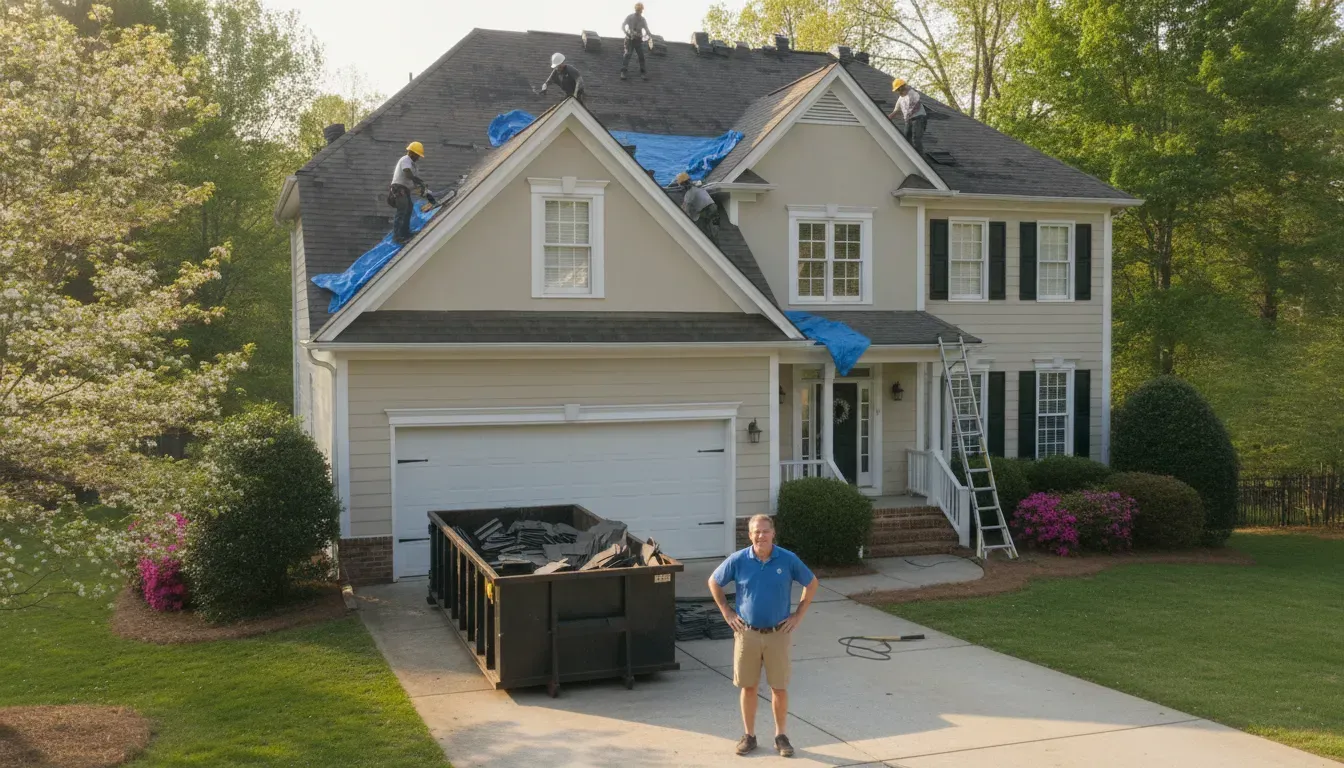
Before your beautiful new shingles can go on, the old, worn-out ones have to come off. This process, called a tear-off, involves stripping the roof down to its underlying deck and disposing of all the old materials. While some contractors might suggest roofing over the existing layer, a full tear-off is the best practice for a long-lasting residential roof. It allows your contractor to inspect the decking for hidden damage that could compromise your new investment. The cost for removal and disposal is often included in a roofer’s quote, but it’s always a good idea to confirm. This step ensures your new roof has a clean, solid foundation to rest on for decades.
Structural Repairs and Decking
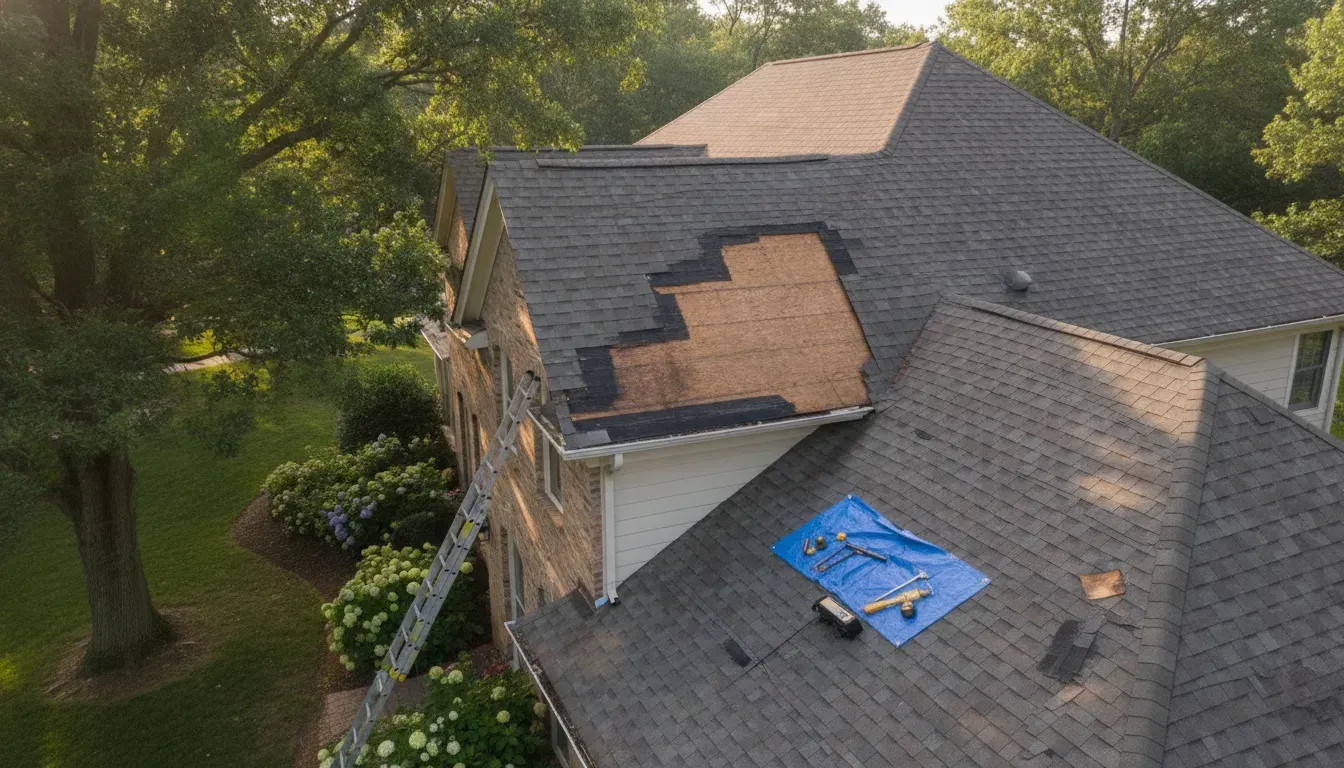
Once the old roof is gone, your contractor gets a clear view of the roof deck, which is the wooden sheathing that forms the base of your roof. If years of slow leaks have caused water damage, you might find that some of this decking is soft, warped, or rotten. This is one of the most common "surprise" costs in a roofing project. It's absolutely critical to replace any damaged decking before installing the new roof. Putting brand-new shingles on a weak foundation is a recipe for future problems and can even void your shingle warranty. While it adds to the cost, think of it as a necessary investment in your home's structural integrity.
Underlayment, Flashing, and Ventilation
Think of these components as your roof's essential support system. Underlayment is a water-resistant barrier installed directly onto the roof deck, acting as a secondary line of defense against moisture. Flashing consists of metal pieces installed around chimneys, vents, and skylights to seal the seams where leaks are most likely to occur. Proper ventilation is also key, as it allows air to circulate through your attic, preventing heat and moisture buildup that can damage your roof from the inside out. As an Owens Corning Platinum Preferred contractor, we know these elements aren't optional; they're essential for a healthy, high-performing roof system that can withstand Georgia's weather.
Permits and Inspections
Depending on where you live in the Atlanta area, your local municipality will likely require a permit for a full roof replacement. This process ensures that the work is performed safely and according to current building codes, which ultimately protects you as the homeowner. A reputable contractor will handle the entire permitting process for you, from filing the paperwork to scheduling the final inspection. The cost of the permit itself is typically passed on to you and included in the final invoice. Be sure to ask your contractor about this upfront so you know what to expect and can confirm everything is being done by the book.
Why You Need a "Just-in-Case" Fund
With any major home renovation, it’s wise to have a contingency fund, and roofing is no exception. We’ve already talked about the potential for hidden deck damage, which is a perfect example of an unexpected but necessary expense. Setting aside a "just-in-case" fund, typically around 10% to 15% of your total estimated cost, gives you a financial cushion to handle these issues without stress. This foresight allows you to address any problems correctly instead of cutting corners due to a tight budget. It’s the best way to ensure your roofing project goes smoothly from start to finish, giving you peace of mind.
Avoid These Common Budgeting Mistakes
A new roof is a major investment, and creating a realistic budget is the first step toward a stress-free project. It’s easy to get overwhelmed by the numbers, but a little planning can help you sidestep common financial pitfalls. Thinking through your budget now ensures you can focus on what really matters: getting a durable, high-quality roof that protects your home for decades. Let’s walk through a few mistakes homeowners often make so you can feel confident in your financial planning from day one. By avoiding these slip-ups, you’ll be better prepared for the entire process, from getting initial estimates to enjoying the final result.
Underestimating the Total Project Cost
It’s tough to budget without a realistic starting point. Many homeowners are surprised by the final price tag because they anchor their expectations to an outdated or incomplete number. While every project is different, a full residential roof replacement often falls between $10,000 and $20,000. For a standard 1,700-square-foot asphalt shingle roof, you might see costs from $6,000 to $9,000. Knowing these industry averages helps you create a practical budget and spot any quotes that seem way too high or suspiciously low. Having a solid baseline prevents sticker shock and helps you plan for other potential expenses, like decking repairs that might be uncovered during the tear-off.
Forgetting to Get Multiple Quotes
When you’re eager to get your project started, it can be tempting to go with the first contractor you talk to. However, collecting several detailed estimates is one of the smartest moves you can make. This isn’t just about finding the lowest price; it’s about understanding the value you’re getting. A very low bid might signal that a contractor is using subpar materials, cutting corners on safety, or isn’t properly insured. Comparing quotes helps you see what a fair market price looks like in the Atlanta area and allows you to weigh the costs against the contractor’s experience, reputation, and the quality of materials they use.
Assuming Insurance Covers Everything
This is a huge misconception that can lead to major, unexpected out-of-pocket costs. While your homeowner's insurance policy is a great safety net, it doesn’t cover everything. Typically, insurance helps with damage from sudden, specific events like a hail storm, high winds, or a fallen tree. It almost never covers a roof replacement needed due to old age, normal wear and tear, or a lack of maintenance. Before you start budgeting, review your policy or call your agent to understand exactly what is and isn’t covered. This clarity will help you plan your finances accurately.
Choosing Price Over Quality and Warranty
While everyone loves a good deal, the cheapest roofing bid is rarely the best one. Opting for the lowest price can mean you’re getting lower-grade materials and less experienced labor, which often leads to leaks, repairs, and even a full replacement much sooner than you’d planned. A quality roof is built to last. Investing in durable materials and a reputable contractor with strong warranties protects your home and saves you money over time. As an Owens Corning Platinum Preferred contractor, we know that a solid warranty provides peace of mind and is a sign that the manufacturer and the installer stand behind their work.
How Does Asphalt Compare to Other Roofing Materials?
Asphalt shingles are a fantastic and popular choice for a reason, but it's always smart to know your options before committing to a big project like a roof replacement. The right material for your home depends on your budget, how long you want the roof to last, and the style you're going for. While we specialize in high-quality asphalt roofing, we want you to have all the information to make the best decision. Let's look at how asphalt compares to other common materials like metal, tile, and slate, so you can feel confident in your choice.
Metal Roofing
Metal roofing has gained a lot of popularity for its sleek look and impressive durability. A well-installed metal roof can last 40 to 70 years, easily double the lifespan of many asphalt options. The main consideration here is the higher upfront cost. However, that cost can pay off over time. Metal roofs are incredibly energy-efficient, as they can reflect solar heat and potentially lower your cooling bills during hot Georgia summers. They also require very little maintenance, saving you money on future repairs. It's a classic case of paying more now to save more later.
Tile Roofing
If you love a Mediterranean or Southwestern aesthetic, tile roofing might be for you. Made from clay or concrete, tile roofs are incredibly durable and can last 50 to 100 years with proper care. They are fantastic at resisting fire, rot, and insects. One of the lesser-known perks is their soundproofing quality, which can make your home noticeably quieter. The trade-off is the cost and weight. Tile is more expensive than asphalt and is very heavy, so your home's structure must be able to support it. For many homeowners, the timeless beauty and longevity make it a worthwhile investment for their residential roofing project.
Slate Roofing
Slate is the luxury choice in the roofing world, offering unmatched beauty and an incredible lifespan that can exceed 100 years. As a natural stone product, each slate tile is unique, creating a stunning, high-end look for your home. It's completely fireproof, waterproof, and resistant to mold and fungus. As you might guess, this premium quality comes with a premium price tag. Slate is also heavy and brittle, meaning it requires highly skilled professionals for installation. While the initial cost is significant, a slate roof is a true lifetime investment that adds major curb appeal and value, but it requires a contractor with proven experience and expertise.
Is It Time to Replace Your Asphalt Roof?
Deciding whether to repair a few shingles or invest in a full roof replacement is a major decision for any homeowner. While a new roof is a significant expense, putting it off can lead to bigger, more costly problems down the road. Knowing the difference between minor wear and tear and critical failure can save you a lot of stress and money. The key is to catch the warning signs early and understand when a simple patch-up job just won't cut it anymore.
Key Warning Signs to Look For
Your roof gives you clues when it’s nearing the end of its life. If your asphalt shingle roof is over 20 years old, it’s time to pay close attention, as even small issues can signal that a replacement is on the horizon. Grab a pair of binoculars and take a look from the ground. You’re looking for shingles that are curling at the edges, cracking, or buckling. Another telltale sign is finding a lot of shingle granules, which look like coarse black sand, in your gutters. These granules protect the shingles from the sun, and once they’re gone, the shingles deteriorate quickly. Also, don’t forget to check inside. Any signs of drips or water stains in your attic are a clear call for a professional residential roofing inspection.
When a Repair Isn't Enough
Sometimes, a simple repair isn’t the smartest move. A helpful guideline many roofers use is the "25% Rule." It suggests that if more than a quarter of your roof is damaged, it’s more cost-effective and safer to replace the entire thing. Trying to patch up widespread damage can create an uneven surface, which can lead to future leaks and even weaken your roof's overall structure. A full replacement ensures all the components are new, integrated correctly, and covered by a solid warranty. Making this call requires an honest assessment from a team you can trust, so it’s important to work with an experienced contractor who can give you a clear picture of your roof’s condition. You can learn more about our commitment to quality and our community on our About Us page.
How to Get the Best Value From Your New Roof
A new roof is one of the most important investments you’ll make in your home. It’s not just about finding the lowest price; it’s about securing the best long-term value for your money. True value comes from a combination of durable materials, expert installation, and a solid warranty that protects you for decades. Making smart, informed decisions at every step ensures your new roof will not only look great but will also provide reliable protection for your home and family. By focusing on quality and partnering with the right professionals, you can feel confident that your investment will pay off for years to come.
Choose a Certified, Experienced Contractor
The single most important factor in your roof's performance is the quality of the installation. A great contractor can make a good roof last, while a poor one can cause even the best materials to fail. Look for a licensed, insured, and experienced local company. Check their online reviews and ask for references. A key indicator of quality is a contractor will stand behind their work with a strong workmanship warranty.
Understand Your Warranty Options
Your new roof typically comes with two separate warranties: one from the manufacturer for the shingles and materials, and one from the contractor for the installation. It's important to read the fine print on both. Some "lifetime" material warranties only cover you for as long as you own the home and aren't transferable to a new owner. The best protection comes from contractors who can offer enhanced system warranties. For example, as a Platinum Preferred contractor, we can offer the Owens Corning Platinum Protection Limited Warranty, which covers both materials and workmanship for up to 50 years and is transferable. This comprehensive coverage is a true sign of a quality residential roofing system.
Explore Your Financing Options
Let's be honest, a full roof replacement is a major expense, and it doesn't always come at a convenient time. If the cost feels overwhelming, don't let it stop you from protecting your home. Many established roofing companies understand this and offer flexible financing options to help you manage the cost. This allows you to get the high-quality roof you need now and pay for it over time with manageable monthly payments. When you get your estimate, be sure to ask about available financing plans. It can make the difference between settling for a short-term patch and investing in a long-term solution for your home.
Get Your Free Roof Replacement Estimate
Before you make any decisions, you need a clear and detailed plan. Start by getting written estimates from several reputable, local professionals. A thorough estimate should be more than just a number; it should break down the costs for materials, labor, removal of the old roof, permits, and any potential structural repairs. This transparency helps you compare apples to apples and understand exactly what you're paying for. Don't hesitate to ask questions. Once you're ready, you can get a free estimate to begin the process of securing a safe and durable new roof for your home.
Related Articles
- Cost to replace your roof in Atlanta | Total Roof Solutions
- Roof Replacement in Atlanta: What to Expect in Average Costs
- Which Type of Asphalt Shingles Should I Use? | Total Roof Atlanta
- Atlanta Roofing Cost Calculator | Total Roof Solutions
- Factors Influencing Roof Costs in Atlanta Needs
Frequently Asked Questions
Is it really worth paying more for better shingles? I get this question a lot, and my answer is almost always yes. While budget-friendly 3-tab shingles do the job, investing in architectural or premium shingles often saves you money and stress in the long run. Think of it this way: a more durable shingle can better withstand Georgia's intense sun and surprise hail storms, meaning fewer repairs. They also last much longer, so you push the date of your next full roof replacement far into the future. Plus, the added dimension and curb appeal can increase your home's value, making it a smart investment all around.
What are the most common 'surprise' costs I should prepare for? The most frequent unexpected cost is discovering rotten or damaged roof decking after the old shingles are torn off. Years of slow, hidden leaks can cause the underlying wood to soften, and you simply can't put a new roof on a weak foundation. While it’s an added expense, replacing this decking is critical for the structural integrity of your home and the longevity of your new roof. This is exactly why having a contingency fund of about 10% of the project cost is a great idea for your peace of mind.
Will my homeowner's insurance cover my roof replacement? This is a common point of confusion. Generally, homeowner's insurance will help cover a roof replacement if the damage was caused by a specific event, like a hail storm, high winds, or a fallen tree. However, insurance policies almost never cover the cost of replacing a roof simply because it's old and has reached the end of its natural life. Before you start planning, it's always best to review your policy or call your insurance agent to get a clear understanding of what your specific coverage includes.
How long will the roof replacement process take from start to finish? For an average-sized home, the actual on-site work of tearing off the old roof and installing the new one typically takes just one to three days. The entire process, from your first call to the final inspection, takes a bit longer. After you approve an estimate, the project gets scheduled. Once the crew arrives, they work efficiently to complete the job, followed by a thorough cleanup. Keep in mind that factors like the roof's complexity and unpredictable weather can sometimes add a day or two to the timeline.
Why do I need to get multiple quotes if I find a contractor I like? Even if you have a good feeling about the first contractor you meet, getting at least three detailed quotes is a crucial step. This isn't just about hunting for the lowest price. Comparing different estimates helps you understand the fair market rate for your project in the Atlanta area. It also allows you to see differences in the quality of materials proposed, the scope of work included, and the strength of the warranties offered. A suspiciously low bid can be a red flag for subpar materials or an uninsured crew, so this process helps you choose a partner based on value and trust, not just the bottom line.