How Much Will It Cost to Replace a Roof? A Breakdown
Stephen Griswell • May 13, 2026
That persistent leak or growing collection of loose shingles has you facing a big decision: is it time for another repair, or do you need a full replacement? The right choice often comes down to long-term value and avoiding bigger expenses down the road. Continuing to patch an old, failing roof can feel like throwing money away, while a full replacement is a significant upfront investment. To confidently decide how much it will cost to replace roof versus paying for more repairs, you need a clear understanding of the warning signs. We’ll walk you through how to assess your roof’s condition and make the smartest financial call for your home.
Key Takeaways
- Know What Shapes the Price : Your final roof cost is a calculation based on its size, pitch, design complexity, and your chosen material. Understanding these factors helps you compare quotes intelligently and see where your money is going.
- Budget for the Whole Project: A realistic budget includes more than just the initial quote. Plan for a 10-15% contingency fund for potential surprises like deck repairs and factor in necessary costs like permits and proper debris disposal.
- Hire for Value, Not Just Price: The right contractor is your most important decision. Protect your investment by verifying their license and insurance, comparing detailed itemized quotes, and getting all warranty information in writing before signing a contract.
How Much Does a New Roof Really Cost?
Figuring out the budget for a new roof can feel like trying to hit a moving target. While it’s tempting to look for a single number, the truth is that the final cost depends on several unique factors. Your home isn’t exactly like your neighbor’s, and your roof won’t be either. The price is shaped by everything from the materials you choose to the specific design of your roof.
To give you a clearer picture, let’s break down the main elements that contribute to the total price. Understanding these components will help you feel more prepared when you start gathering quotes and making decisions for your home.
Understanding the Average Price Range
Let's talk numbers. Nationally, most homeowners spend between $7,000 and $20,000 on a roof replacement, with the average cost hovering around $11,000. This is a wide range because no two roofing projects are the same. The final price tag is influenced by your roof's size, the materials you select, and the complexity of the job. Think of these numbers as a starting point, not a final quote. The only way to know for sure what your project will cost is to get a detailed inspection and estimate from a professional. A thorough evaluation will account for your home's specific needs, ensuring you get an accurate and transparent price for your residential roofing project.
How Location Impacts Your Final Bill
Where you live has a significant impact on your roof replacement cost. In the Atlanta area, we don’t worry much about heavy snow, but we do need roofs that can handle high humidity, heavy rainfall, and the occasional hailstorm. Material and labor costs also vary by region, and prices in McDonough and surrounding counties will reflect the local market. Additionally, every city and county has its own building codes and permit requirements that can affect the final bill. Working with a contractor who has deep local roots ensures your project meets all regulations. Our team’s experience in the Atlanta metro area means we understand exactly what it takes to build a roof that lasts right here in Georgia.
Does the Time of Year Change the Price?
Believe it or not, the season you choose for your roof replacement can influence the cost. Spring and fall are the busiest times for roofers, thanks to the mild weather. This high demand can sometimes lead to higher prices and longer wait times. If your roof is in decent shape and you can afford to wait, scheduling your project during an off-peak time, like early winter, might offer some savings. However, if you’re dealing with active leaks or significant damage, waiting is not a good idea. It’s always best to address serious issues promptly to avoid more expensive repairs down the road. We handle large-scale commercial roofing projects year-round and can help you find the right time for your replacement.
Key Factors That Influence Your Roof Replacement Cost
When you get a quote for a new roof, the final number can feel a bit like a mystery. It’s a major home investment, and it’s natural to wonder exactly where all that money is going. The truth is, a professional roofing estimate isn’t just one price; it’s a detailed calculation based on several interconnected factors. Understanding these elements is the first step to feeling confident in your decision and knowing how to compare different proposals. A transparent contractor will always be happy to walk you through their quote, explaining how each component contributes to the total cost.
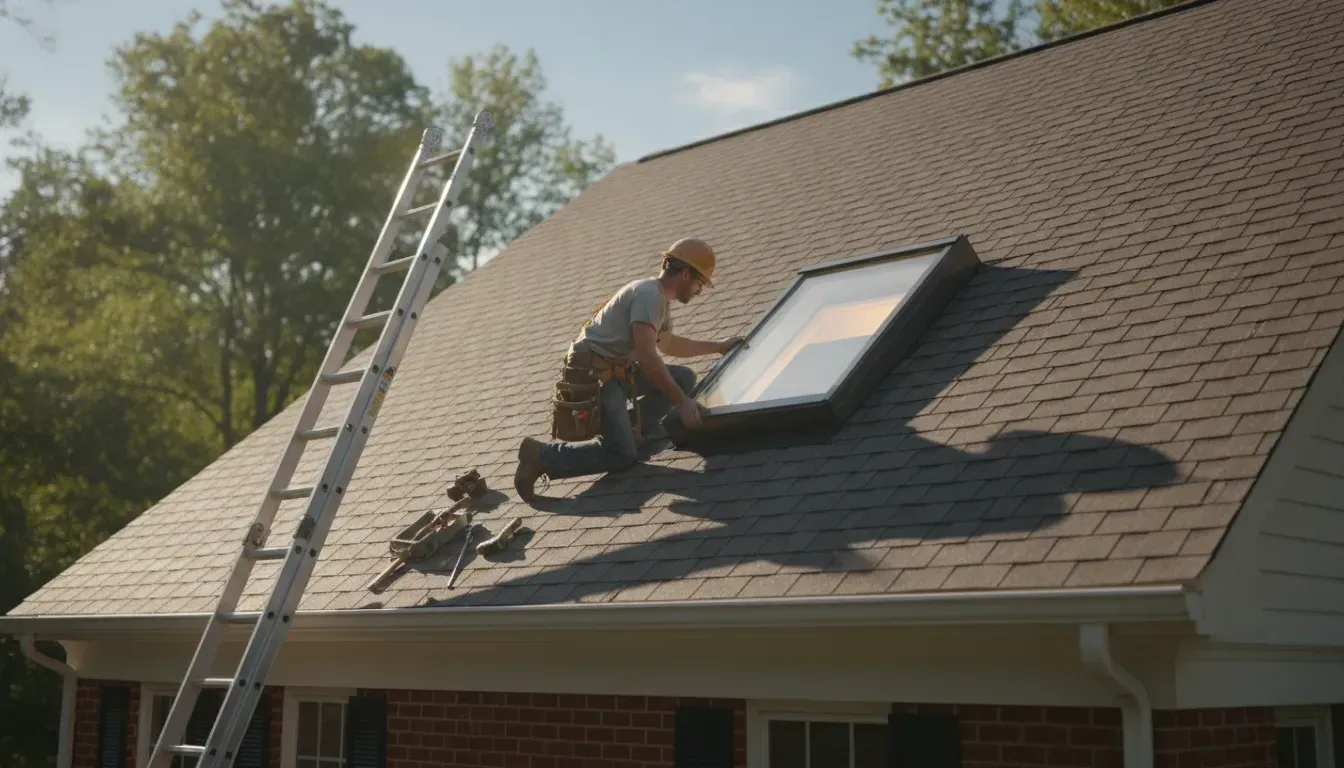
The biggest drivers of your final price are tied directly to the physical structure of your roof. We look at its total square footage, of course, but also its pitch, or steepness. A steeper roof not only has more surface area than a flatter one covering the same size house, but it also requires more safety equipment and specialized labor to work on. Beyond size and pitch, we consider the roof's complexity. Does it have multiple valleys and peaks? Are there skylights, chimneys, or dormer windows to work around? Each of these features requires extra time, precision cutting, and custom flashing to ensure a perfect, leak-proof seal.
Labor is another huge piece of the puzzle, often making up more than half of the total project cost. This isn't just about paying for the hours it takes to tear off old shingles and install new ones. You're paying for the skill, experience, and safety training of a professional crew. Reputable companies like ours invest in ongoing training and carry full insurance and bonding to protect you and your property. This commitment to quality craftsmanship ensures your roof is installed correctly the first time, saving you from the stress and expense of future repairs caused by shoddy work. Our team’s expertise as an Owens Corning Platinum Preferred contractor is reflected in the quality and durability of our work.
Finally, there are the necessary administrative costs. Every legitimate roofing project requires local building permits to ensure the work meets safety standards and building codes. While it might be tempting to go with a contractor who offers to skip this step to save a few hundred dollars, doing so can lead to major legal and financial headaches down the road. A professional handles the entire permitting process for you, making sure your new roof is fully compliant and properly documented.
Your Roof's Size and Steepness
It’s a simple rule of thumb: the bigger and steeper your roof, the more the replacement will cost. A larger surface area naturally requires more materials, from shingles and underlayment to nails and flashing. This directly impacts the material portion of your quote. The roof’s pitch, or steepness, also plays a major role. A high-pitched roof is more challenging and time-consuming for a crew to work on. It requires additional safety precautions and staging, which increases labor costs. A steeper pitch can also mean a larger total surface area to cover compared to a flatter roof on a home with the same square footage, further adding to material needs for your residential roofing project.
The Complexity of Your Roof's Design
A simple, flat-topped gable roof is the most straightforward and cost-effective to replace. However, most roofs have more complex features that add to the final price. Things like dormers, valleys, skylights, and chimneys all require extra labor and specialized techniques. Each angle and intersection needs to be carefully cut, fitted, and sealed with flashing to prevent water intrusion. This meticulous work takes more time and skill than simply laying shingles on a wide-open plane. The more complex your roof's architecture, the more you can expect labor costs to rise to account for the detailed craftsmanship needed for a durable, watertight installation. You can learn more about how these features affect pricing.
Labor Costs and Your Contractor's Expertise
Labor typically accounts for about 60% of a total roof replacement cost, and for good reason. When you hire a professional contractor, you aren't just paying for physical work. You are investing in a team's expertise, training, and safety protocols. An experienced crew knows how to handle unexpected issues, install materials according to manufacturer specifications, and ensure the job site is safe and clean. While a low-ball quote might seem appealing, it often signals an inexperienced or uninsured crew. Paying for skilled labor from a certified contractor means you're getting peace of mind and a roof that's built to last, protecting your home for years to come.
Local Permits and Building Code Rules
Before any work begins, a roofing contractor must secure the proper permits from your local municipality. This is a non-negotiable step that ensures your new roof complies with all local building codes and safety regulations. The cost of these permits varies by location but is a standard part of any legitimate roofing quote. A contractor who suggests working without a permit is a major red flag. An unpermitted project can result in fines, force you to tear the work out, and create significant problems when you try to sell your home. A professional roofer handles all the paperwork for you, ensuring your project is above board from start to finish.
Breaking Down the Cost Per Square Foot
When you start getting quotes for a new roof, you'll likely hear contractors talk about price "per square." This is the industry's standard way of breaking down the costs of a large project into more manageable numbers. Understanding this measurement helps you compare different materials and quotes on an apples-to-apples basis. It demystifies the total price tag by showing you how costs are split between the materials for your roof and the skilled labor needed to install it.
What Is a "Roofing Square?"
So, what exactly is a "roofing square?" It’s simply the standard unit of measurement roofers use, and one square equals 100 square feet of roof area. It’s a common point of confusion, but the square footage of your roof is almost always larger than the square footage of your home’s floor plan. That’s because a roof isn’t flat; its measurement includes the slope, pitch, and any overhangs. Knowing your roof’s measurement in squares is the first step contractors take to accurately estimate the materials needed for the job, from shingles to underlayment. This ensures you get a precise quote without over- or under-ordering supplies.
Splitting Costs: Labor vs. Materials
The final price per square isn't just about the cost of shingles. A huge portion of your investment goes toward the skilled labor required for a safe and proper installation. In fact, labor often accounts for about 60% of the total roof replacement cost. This covers the team of experienced professionals who will tear off your old roof and install the new one correctly. When you see a price range, like an average of $6.30 to $12.30 per square foot, it reflects this blend of material quality and expert craftsmanship. This is why choosing a contractor with proven expertise is so critical; you're paying for the peace of mind that comes with a job done right. Our residential roofing and commercial teams have decades of experience you can trust.
How Your Choice of Material Affects the Price
When you're planning your budget for a new roof, the material you choose is one of the biggest line items. It's not just about looks; different materials come with very different price tags, lifespans, and maintenance needs. Think of it like this: are you looking for a reliable, budget-friendly option that will serve you well for years, or are you ready to invest in a premium material that could last a lifetime? Understanding the pros, cons, and costs of each will help you make a confident decision for your home or business. Let's walk through the most common options so you can see how they stack up.
Asphalt Shingles
You’ve probably seen asphalt shingles on most homes in your neighborhood, and for good reason. They hit a sweet spot between affordability and performance, making them the go-to for many homeowners. For a standard-sized roof, you can generally expect the cost to fall between $3.50 and $6.00 per square foot. As an Owens Corning Platinum Preferred contractor, we specialize in high-quality residential roofing installations that ensure these shingles not only look great but also provide lasting protection. They offer a fantastic balance of durability, style variety, and value, which is why they remain a top choice year after year.
Metal Roofing
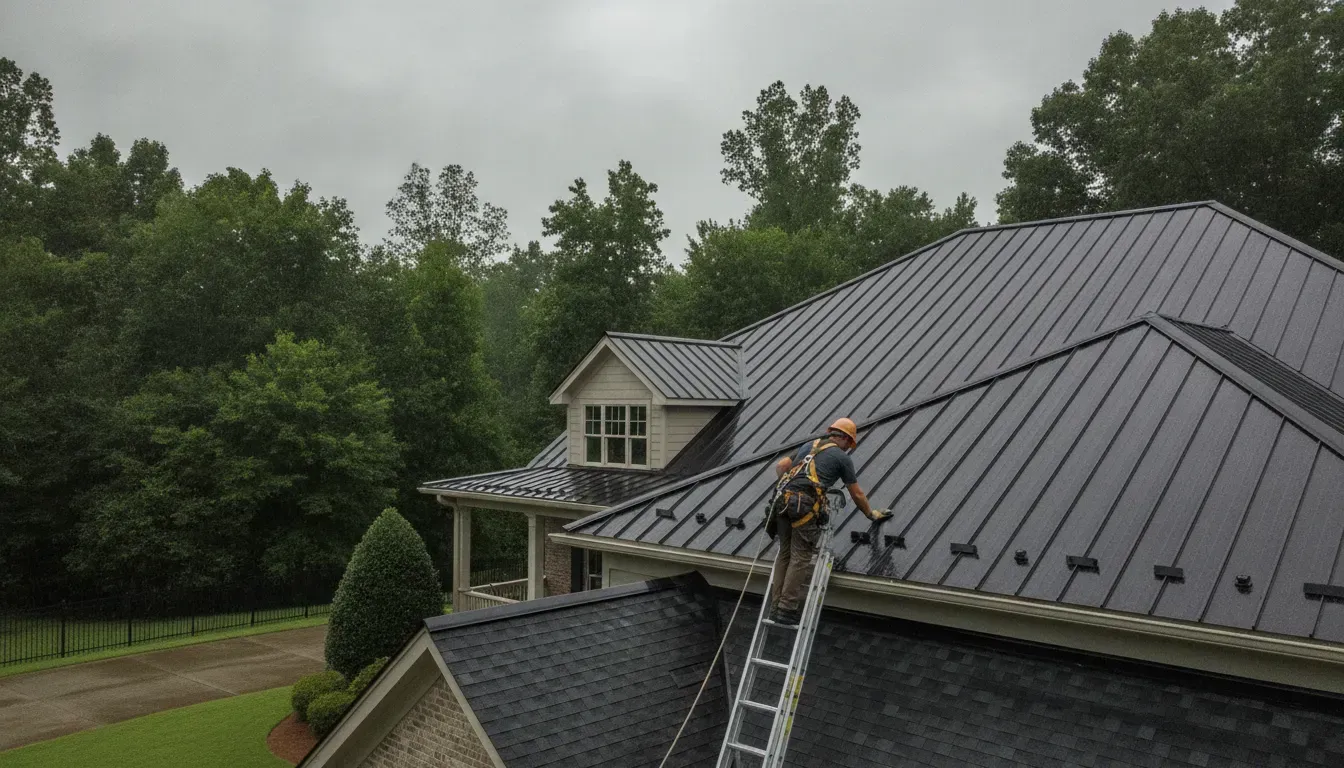
If you’re looking for something with serious staying power, a metal roof is worth considering. While the upfront cost is higher, ranging from about $6.00 to over $24.00 per square foot, it’s a long-term investment in durability and energy efficiency. The wide price range comes from the variety of metals available, from practical steel to high-end copper. Metal roofs are incredibly resilient against harsh weather, fire, and pests, often lasting 50 years or more with minimal upkeep. They are a popular choice for both modern homes and durable commercial roofing projects where longevity is key.
Tile and Slate Roofing
For a truly timeless and elegant look, nothing compares to tile or slate. These are premium materials that make a statement, but they come with a matching price tag. Tile roofing can cost between $6.30 and $12.30 per square foot, while natural slate is one of the most expensive options, often exceeding $23.00 per square foot. What do you get for that investment? Unmatched durability. A properly installed slate or tile roof can last for a century or more. These materials are incredibly heavy, so they require a strong roof structure and expert installation, but the result is a beautiful, legacy roof that adds significant value to your property.
Wooden Shakes and Shingles
There’s a certain charm to a wood roof that’s hard to replicate. Wooden shakes and shingles offer a beautiful, rustic aesthetic that can really enhance your home’s curb appeal. The cost typically runs from $6.00 to $9.15 per square foot. While they look fantastic, it’s important to know that they require more maintenance than other materials. To prevent issues like rot, moss, or insect damage, you’ll need to commit to regular inspections and treatments. For homeowners who love the natural look and are prepared for the upkeep, a wood roof can be a stunning choice that sets their home apart.
Flat Roofing Systems
Often seen on commercial buildings and modern homes, flat or low-slope roofs require specialized materials. Systems using TPO, EPDM, or modified bitumen are common choices, with costs generally ranging from $3.00 to $5.00 per square foot. Each material offers different benefits in terms of durability, energy efficiency, and installation method. As a Mule Hide Certified Contractor, we have the specific training needed to properly install these systems. Proper installation is critical for flat roofs to ensure they drain correctly and remain watertight for years to come, protecting your business or property from the elements.
Watch Out for These Hidden Costs
Getting a quote for a new roof is a big step, but the initial number you see might not tell the whole story. A roof replacement is a complex construction project, and sometimes, surprises are waiting underneath those old shingles. Being prepared for potential hidden costs will help you create a realistic budget and avoid sticker shock down the road. A trustworthy contractor will be upfront about these possibilities, but it’s always smart to know what to ask about. Let's walk through some of the most common additional expenses you might encounter.
Removing and Disposing of the Old Roof
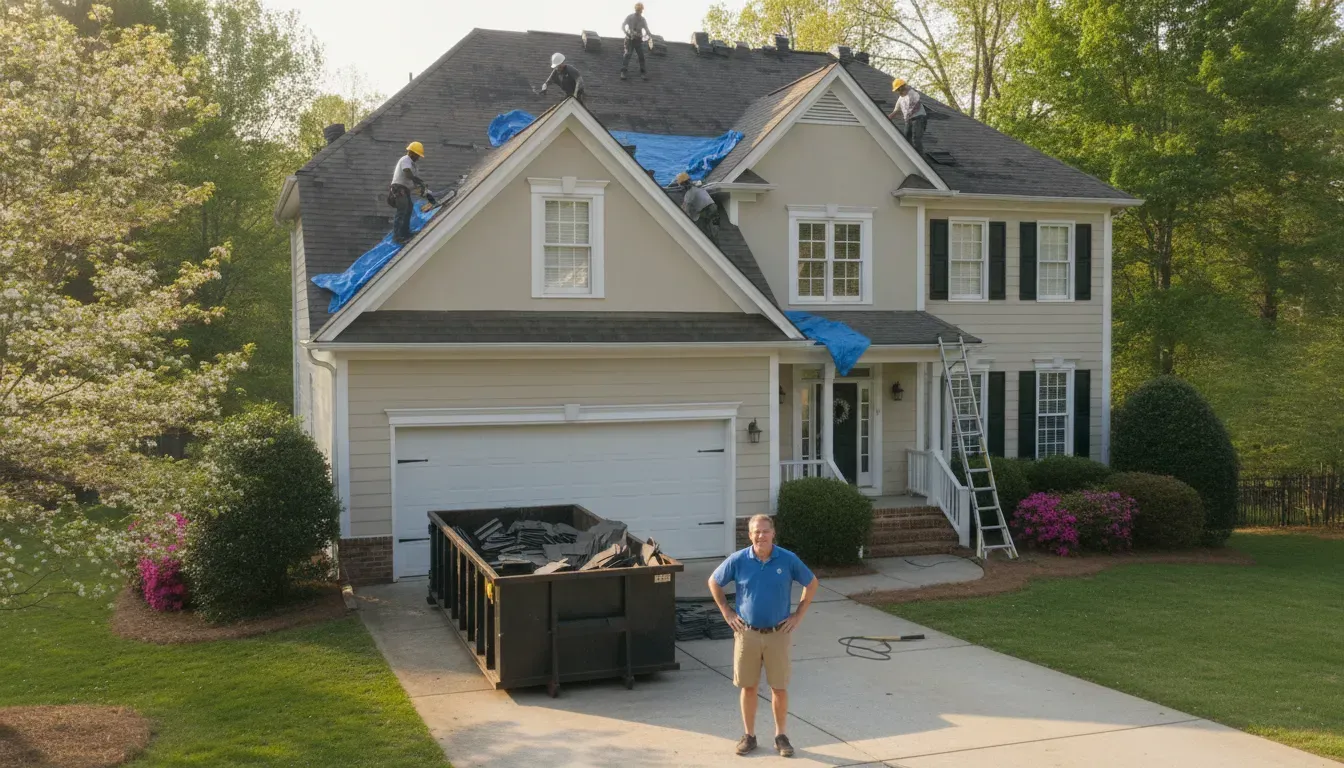
Before your beautiful new roof can be installed, the old one has to go. This process, known as a "tear-off," involves removing all the old shingles, underlayment, and nails right down to the roof deck. It’s a labor-intensive job that also creates a lot of debris. While most contractors include the cost of the tear-off and disposal in their initial estimate, you should always confirm this. Ask if the quote includes all labor for removal and the fees for hauling away and properly disposing of the old materials. This simple question ensures there are no misunderstandings later.
Dealing with More Than One Roof Layer
In the past, it was common practice to install a new layer of asphalt shingles directly over an old one to save time and money. If your home has had this done, you could be in for an extra expense. Most building codes now prohibit having more than two layers of roofing material because the excess weight can strain your home's structure. If your contractor discovers a second (or even third) layer, they will have to tear off all the layers, which adds significant time, labor, and disposal costs to the project. A thorough initial inspection should identify this, but it can sometimes be a surprise.
Repairing the Roof Deck or Structure
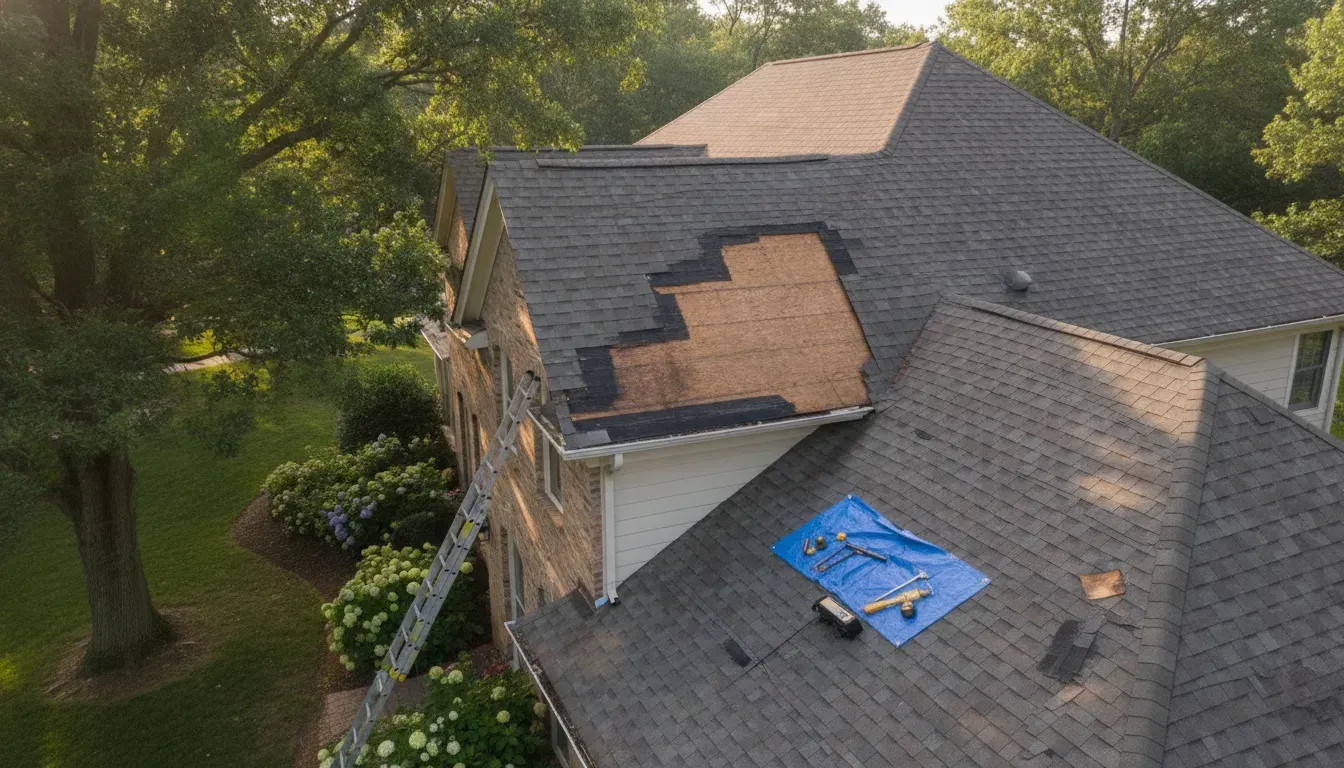
The roof deck is the wooden foundation your shingles are attached to. Unfortunately, you can't see its condition until the old roof is completely removed. Years of a slow, undetected leak or poor ventilation can cause the plywood or OSB sheathing to rot, grow mold, or become soft and spongy. Any damaged sections of the roof deck must be replaced to ensure your new roof has a solid foundation to rest on. This is a non-negotiable repair for the safety and longevity of your home, so it’s wise to set aside a contingency fund for potential deck repairs.
Fees for Permits and Inspections
A full roof replacement is a major construction project, and most local municipalities require a permit to ensure the work is done to code. The cost of this permit can vary from less than a hundred to several hundred dollars, depending on where you live. Your contractor will typically handle the paperwork to pull the permit, but the fee is a direct cost that gets passed on to you. Some areas may also require a final inspection after the work is complete. Be sure to ask your contractor about the permit and inspection fees in your area so you can factor them into your budget from the start.
New Gutters, Flashing, or Vents
While not technically part of the roof itself, a roof replacement is the perfect time to address related components. Flashing, the metal strips that seal the seams around your chimney, skylights, and vents, is a critical barrier against water. It’s almost always a good idea to replace old flashing with a new roof. Similarly, if your home’s ventilation is inadequate, now is the time to add new vents. You might also find that your old gutters are damaged or improperly sized. While these items might be presented as optional add-ons, replacing them along with your roof is often the most efficient and cost-effective approach.
Repair or Replace? Making the Right Call
It’s the big question every homeowner with a leaky or damaged roof asks: should I repair it or replace the whole thing? This decision can feel overwhelming, especially when you’re trying to balance your budget with the need to protect your home. The right answer isn’t always obvious and depends on a few key factors, including your roof's age, the type and extent of the damage, and your long-term plans. Making the wrong choice could mean paying for a costly replacement you didn’t need or throwing money away on repairs that won’t last. Let’s walk through the signs to help you make the right call.
Signs You Only Need a Repair
Sometimes, a full replacement is overkill. If your roof is still relatively young (generally under 15 years old) and the damage is limited to one or two specific areas, a repair is often the most sensible and cost-effective solution. This applies to isolated issues like a few shingles that were torn off during a storm or a minor leak around a vent pipe. A targeted, professional roof repair can fix the immediate problem and extend the life of your existing roof without the major expense of a full replacement. It’s a practical fix for specific problems on an otherwise healthy and functional roof.
Why a Full Replacement Might Be Better
On the other hand, continuing to patch up an old, failing roof can be a poor investment. If your roof is approaching the end of its typical 20-year lifespan or is showing signs of widespread damage like curling shingles, bald spots from granule loss, or a noticeably sagging structure, a replacement is the smarter long-term choice. A good rule of thumb is if a repair estimate is more than 25% of the cost of a new roof, replacement is usually the better financial path. A new roof is a major project, but it provides complete protection and peace of mind. Getting an honest assessment from a trusted contractor is the best way to understand your options and avoid more expensive problems later.
Common Budgeting Mistakes to Avoid
Budgeting for a major home project can feel overwhelming, but a little planning goes a long way in preventing sticker shock. When you know what to look out for, you can create a realistic budget that covers all your bases and leaves you feeling confident, not stressed. Let’s walk through a few common financial missteps homeowners make and how you can sidestep them. By avoiding these pitfalls, you’ll be better prepared for the entire process and ensure your investment is a sound one.
Miscalculating the Total Project Cost
It’s easy to underestimate the final price tag if you’re only looking at ballpark numbers. A full roof replacement is a significant investment, and it’s important to have a clear picture of what to expect. While averages can be helpful, your total cost depends on your specific home. Understanding the typical cost per square foot for different materials can give you a more accurate starting point. When you get an estimate, make sure it’s detailed and itemized so you can see exactly where your money is going. This prevents surprises and helps you compare quotes more effectively.
Forgetting to Plan for the Unexpected
Even with the most thorough inspection, surprises can pop up once the old roofing material comes off. Your contractor might find rotten decking, damaged flashing, or issues with the underlying structure that need to be addressed before the new roof can be installed. These potential surprises are why it’s smart to build a contingency fund into your budget, typically around 10% to 15% of the total project cost. A trustworthy contractor will discuss these possibilities with you upfront so you can plan accordingly and aren’t caught off guard by necessary repairs.
Picking the Cheapest Quote Without Reading the Fine Print
When you’re comparing estimates, the lowest number can be very tempting. However, a rock-bottom price can be a red flag for subpar materials, rushed workmanship, or a contractor who isn’t properly insured. Instead of just looking at the final price, compare the details of each quote. Does it include removal and disposal of the old roof? What type of underlayment and flashing are they using? Getting a fair price for quality work is about finding the best value, not just the lowest cost. Investing a little more in a quality installation now can save you thousands in repairs later.
Ignoring Important Warranty and Insurance Details
A new roof should come with peace of mind, and that’s where warranties come in. Most roofing projects include two types of warranties: one from the material manufacturer and one from the contractor covering the labor. Don’t just assume you’re covered. Make sure you read the fine print to understand what each warranty includes, for how long, and what could void it. As an Owens Corning Platinum Preferred contractor, we are able to offer some of the industry's strongest warranties, giving you an extra layer of protection for your investment. Always ask your contractor to explain their warranties in detail before you sign a contract.
Smart Ways to Save on Your New Roof
A roof replacement is one of the biggest investments you’ll make in your home, but that doesn’t mean it has to break the bank. With a little planning, you can find ways to manage the expense without sacrificing the quality and safety your family deserves. It’s all about making informed decisions, from who you hire to when you schedule the work. By thinking strategically about the project, you can get a durable, beautiful new roof that fits your budget.
Focusing on value over the lowest possible price is key. A cheap roof that fails in a few years will only cost you more in the long run through repairs and premature replacement. Instead, aim for a balance of quality materials, expert installation, and smart financial planning. Here are a few practical ways to save money on your new roof while still getting a fantastic result.
Compare Detailed Quotes, Not Just the Bottom Line
When you start gathering estimates, it’s tempting to just look at the final number. But the best way to compare contractors is to request detailed, itemized quotes from at least three different companies. A thorough quote breaks down the costs for materials, labor, tear-off and disposal of the old roof, and any permits required. This transparency helps you see exactly what you’re paying for and spot any red flags. A suspiciously low bid might mean the contractor is using subpar materials or cutting corners on installation, which could lead to expensive problems down the road.
Pick the Right Material for Your Home and Budget
The material you choose is a huge factor in the overall cost. While standard asphalt shingles are a popular and budget-friendly choice, they may not have the same lifespan as other options. Materials like metal or architectural shingles might cost more upfront, but their durability and longevity can offer better long-term value. Think about your goals. Are you planning to stay in your home for decades, or are you preparing to sell? Discussing the pros and cons of different residential roofing materials with your contractor will help you find the perfect fit for your home’s style and your financial plan.
Ask About Financing Options
Let’s be honest, most of us don’t have a "new roof fund" sitting in a savings account. If paying for the entire project out of pocket isn’t realistic, don’t let that stop you from addressing a critical need. Many reputable roofing companies offer flexible financing options to help you spread the cost over time with manageable monthly payments. It’s also worth checking with your homeowner’s insurance provider. While insurance typically doesn’t cover a roof that’s simply old, it may cover a replacement if the damage was caused by a specific event like a storm or fallen tree.
Schedule Your Project for the Off-Season
Roofers are busiest during the late spring and fall when the weather is mild. Because demand is high, prices can be, too. If your roof isn’t in critical condition, you might be able to save some money by scheduling your replacement during the off-season, like in late winter or early summer. Contractors may offer better pricing during their slower periods to keep their crews busy. Just be sure to talk with your contractor about whether this is a viable option for your area, as weather can always play a role in the project timeline.
How to Choose the Right Roofing Contractor
Finding the right contractor is just as important as choosing the right shingles. The best materials in the world won't protect your home if they're installed incorrectly. This decision is about more than just price; it's about finding a partner you can trust to protect one of your biggest assets. A great roofer brings craftsmanship, reliability, and peace of mind to the project. We'll walk through exactly how to find a qualified professional, from checking their credentials to knowing which questions to ask before you sign a contract.
Verify Their License, Insurance, and Credentials
This is the first and most important step. Never hire a contractor who can't provide proof of a valid license and full insurance coverage, including both liability and worker's compensation. This isn't just red tape; it protects you. If a worker is injured on your property, you won't be held liable. A license shows they meet local and state requirements. Also, look for manufacturer certifications. For example, being an Owens Corning Platinum Preferred contractor means a company has been vetted for quality and stability. Always get a few detailed, itemized quotes from different companies to compare what's included for the price.
Understand the Warranties They Offer
A new roof should come with two types of warranties: one for the materials and one for the workmanship. The material warranty is provided by the manufacturer and covers defects in the roofing products themselves. The workmanship warranty is offered by your contractor and covers any errors during installation. Make sure you get the details for both in writing. Ask how long each warranty lasts, what it covers, and if there are any actions that could void it. Some contractors offer extended warranties, but be sure you understand what is covered before paying extra for one.
Know the Red Flags of a Bad Contractor
Trust your gut. If something feels off, it probably is. Be wary of any contractor who asks for a large sum of cash upfront, pressures you to sign a contract on the spot, or shows up uninvited after a storm. Another major red flag is a quote that is dramatically lower than all the others. While it's tempting to go with the cheapest option, an unusually low bid often points to subpar materials, inexperienced labor, or shortcuts that will cost you more down the road. A professional contractor will have a physical office, a marked vehicle, and a solid local reputation.
Key Questions to Ask Before You Sign Anything
Before you commit, have a list of questions ready. This helps you compare contractors and shows them you're a serious and informed homeowner. Here are a few to get you started:
- Can I see your state license and proof of insurance?
- Will you provide a detailed, itemized contract for the project?
- Who will be the project manager and my main point of contact?
- How will you protect my property (like landscaping and siding) during the project?
- Can you provide a list of recent references I can contact?
A reputable contractor will be happy to answer these questions and provide all the documentation you need. Their goal is to build a relationship based on trust, whether you're getting a new roof or new gutters.
Related Articles
- How Much Should You Budget for a Roof Replacement?
- How the Weather Impacts Your Roof Replacement Schedule
- The Role of Roofing Materials in Curb Appeal and Energy Efficiency
- Advantages and Disadvantages of Roof Replacement Compared to Roof Repair
Frequently Asked Questions
How long will the actual roof replacement process take? For a typical residential home, the entire replacement process, from tearing off the old roof to final cleanup, usually takes just one to three days. Larger or more complex roofs might take a bit longer. We work efficiently to minimize disruption to your daily life, and your project manager will give you a clear timeline before we begin so you know exactly what to expect.
Do I have to pay for the entire roof replacement upfront? Not at all. We understand that a new roof is a significant investment, and most homeowners don't pay for it all at once. We offer flexible financing options that allow you to break down the cost into manageable monthly payments. This makes it possible to get the quality roof you need without draining your savings.
My roof is old but only has a small leak. Is a repair enough? This is a common dilemma. If your roof is nearing the end of its expected 20-year lifespan, that small leak is often a symptom of a larger, system-wide failure. While a repair might fix the immediate drip, it's likely a temporary solution. It's usually more cost-effective in the long run to invest in a full replacement for an old roof rather than spending money on continuous patch-up jobs.
Is a more expensive material like metal or slate really worth the investment? It depends on your long-term goals for the home. While premium materials have a higher initial cost, they offer incredible longevity, with lifespans of 50 years or even a century. They also provide superior durability and can increase your home's resale value. If you plan to stay in your home for decades, the long-term value can certainly make the upfront investment worthwhile.
What happens if you find rotten wood under my old shingles? Discovering damaged roof decking is fairly common, especially under an old or leaky roof. If we find any soft or rotten wood after the tear-off, we will stop and show you the issue immediately. We will then explain the necessary repairs and provide a clear change order for your approval before proceeding. A solid deck is the foundation of a lasting roof, so this is a critical step we never skip.