How to Get Insurance to Pay for Roof Replacement
Stephen Griswell • May 22, 2026
When you file an insurance claim, an adjuster will come to assess the damage. It’s important to remember that they work for the insurance company, not for you. So, who is in your corner making sure your best interests are represented? This is where having a trusted professional on your side makes all the difference. The claims process is a negotiation, and you need to arrive prepared with your own expert evidence. This guide will show you how to build a powerful case, what to say, and what to avoid. Knowing how to get insurance to pay for roof replacement often comes down to having the right team and the right information.
Key Takeaways
- Document damage before you file: Your first step after a storm should be getting a professional inspection and taking detailed photos. This gives you independent proof to support your claim from the very beginning.
- Have your roofer meet the adjuster: Don't face the insurance adjuster alone. Having your contractor present ensures all damage is identified and explained correctly, which helps secure a fair and accurate assessment of your property.
- Understand your policy's financial terms: Know the difference between RCV and ACV coverage and find out your deductible amount. These details determine how much money you will receive and what you will need to pay yourself.
Will Insurance Pay for Your New Roof?
One of the first questions homeowners ask after a storm is, "Will my insurance cover this?" The answer is often yes, but it’s not always straightforward. Your homeowner's insurance is designed to protect you from sudden, unexpected events, but what’s covered depends on the cause of the damage and the fine print in your policy. Understanding the basics can make a huge difference when it’s time to file a claim.
What Your Policy Typically Covers
Think of your insurance policy as your financial backup for major, unforeseen events. It’s designed to cover damage from sudden and accidental incidents. This includes things like hail storms, high winds that tear off shingles, or a tree falling on your house. If your roof is damaged by a fire or an act of vandalism, your policy will likely cover the cost of repairs or a replacement. The key word here is sudden. Insurance is there to restore your home after an unexpected event, not to pay for gradual aging. So, when a classic Georgia storm rolls through, your policy is your first line of defense for your residential roofing.
Common Exclusions to Watch For
Just as important as knowing what’s covered is knowing what isn’t. Homeowner's insurance does not cover damage that results from normal wear and tear or a lack of maintenance. An old roof that has simply reached the end of its lifespan won’t be covered. Insurers consider routine upkeep your responsibility as a homeowner. If an inspector finds that the damage was caused by pre-existing issues, like old, curling shingles or unresolved leaks, your claim will probably be denied. This is why it’s so important to address small problems before they become big ones. At Total Roof Solutions, we've built our reputation on integrity and transparent communication.
ACV vs. RCV: What's the Difference in Your Coverage?
The amount of money you receive from your insurer depends heavily on whether you have an Actual Cash Value (ACV) or a Replacement Cost Value (RCV) policy. An RCV policy covers the full cost to replace your roof with new, similar materials, minus your deductible. It’s the most comprehensive coverage. On the other hand, an ACV policy only pays for the depreciated value of your roof. It accounts for age and wear, meaning you’ll get less money and have to pay more out of pocket. For example, on an older roof, an ACV policy might only cover half of the replacement cost. Knowing which policy you have is critical for both commercial roofing and residential projects.
What to Do Before You File a Claim
Filing an insurance claim can feel like a huge task, but a little preparation goes a long way. Before you even pick up the phone to call your insurance company, taking a few key steps can dramatically improve your chances of a smooth process and a successful outcome. Think of it as gathering your evidence and getting your story straight. This groundwork ensures you’re in control of the situation, not just reacting to it.
Get a Professional Roof Inspection
Your first move after a storm or suspected damage should be to call a professional for a roof inspection. Having a licensed roofing contractor assess the damage before the insurance adjuster arrives is a game-changer. This gives you an independent, expert opinion on the extent of the problem and what it will take to fix it. This report becomes your baseline, helping you understand the necessary residential roofing repairs. When the adjuster provides their assessment, you’ll have a professional evaluation to compare it to, ensuring nothing gets overlooked and the scope of work isn’t undervalued.
Document Everything
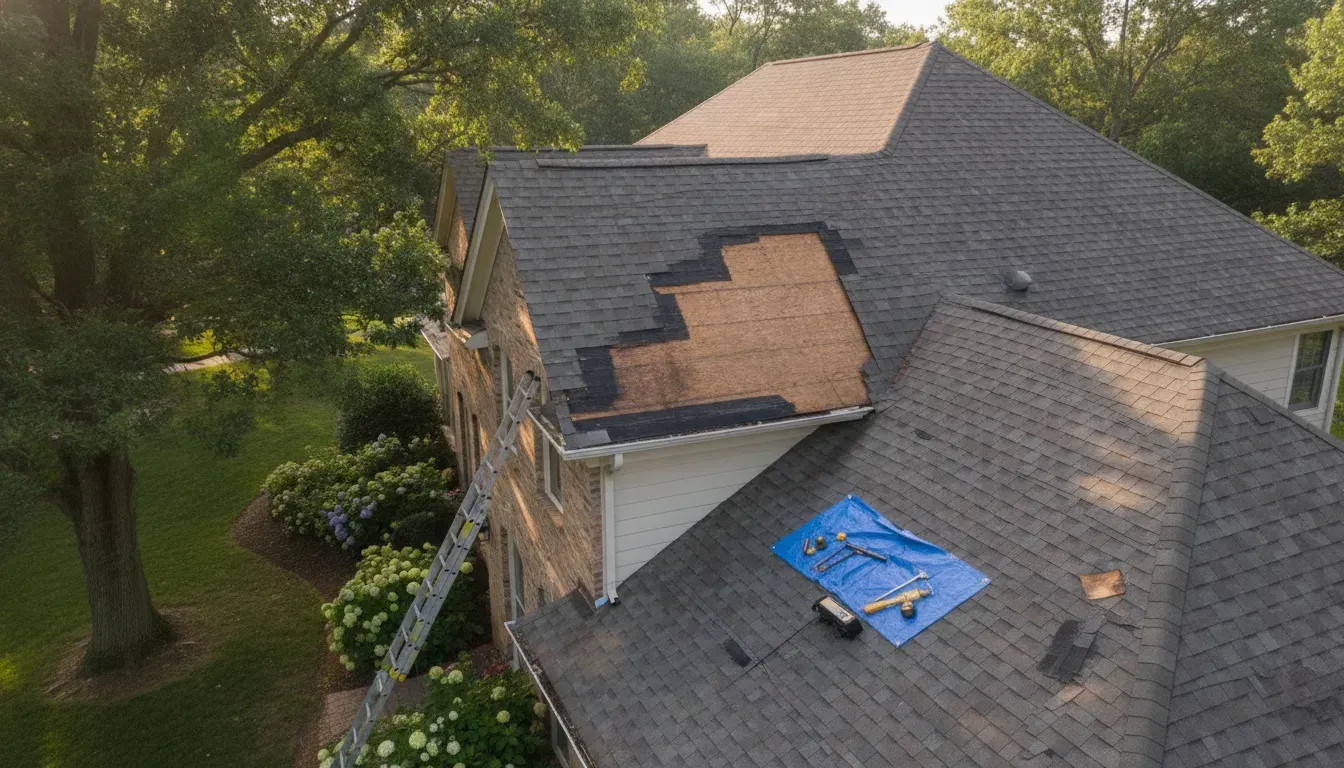
When it comes to insurance claims, you can never have too much documentation. As soon as it’s safe, grab your phone and start taking photos and videos of the damage. Capture everything from wide shots of the entire roof to close-ups of missing shingles, dents from hail, or damage to gutters and siding. Don’t forget to photograph the interior of your home if there are any leaks or water stains on the ceiling. This visual evidence is powerful proof of the damage your property sustained. Your photos and videos create a clear, undeniable record that will be the foundation of your claim.
Review Your Policy and Deductible
Before you file, take some time to read through your homeowner's insurance policy. It’s essential to understand your insurance policy and what it actually covers when it comes to your roof. Some policies cover the full replacement cost, while others might pay less if your roof is older. Also, find your deductible. This is the amount you have to pay out of pocket before your insurance coverage kicks in. Knowing these details upfront helps you set realistic expectations and prevents surprises down the road. It prepares you for your conversation with the insurance company so you can discuss your coverage confidently.
Log All Communications
From your very first call to the insurance company, keep a detailed log of every interaction. In a notebook or a digital document, write down the date and time of each call, the name of the person you spoke with, and a summary of what was discussed. This includes any promises made or timelines given. This written record is invaluable if any disputes or confusion arise later. It’s also a great idea to have your roofing contractor present when the adjuster inspects your roof. A trusted expert from a company like Total Roof Solutions can help point out all the damage, ensuring the assessment is fair and complete.
How to File Your Roof Claim
Filing an insurance claim can feel like a huge task, but breaking it down into simple, organized steps makes it much more manageable. Think of it as building a strong case for your roof. The more organized you are, the smoother the process will be. Your goal is to provide your insurance company with a clear, complete picture of the damage and the necessary repairs. With the right preparation, you can confidently handle the claims process and get the resolution you need for your home or business.
Submit the Right Documentation
Your claim is only as strong as the evidence you provide. Before you even call your insurance company, start gathering your proof. As soon as it’s safe, take plenty of photos and videos of the damage from every possible angle. Next, get a professional inspection. A detailed report and estimate from a qualified roofer for your residential roofing will serve as expert testimony for your claim. Finally, keep a dedicated notebook or digital file to log every interaction with your insurance company. Note the date, time, the name of the person you spoke with, and a summary of your conversation. This simple habit can be incredibly helpful if any disputes or questions come up later.
Keep Track of Important Deadlines
When it comes to insurance claims, time is of the essence. Most policies have a specific timeframe for reporting damage, so you need to act quickly after a storm or other event. Contacting your insurance provider right away starts the clock on your claim and shows you’re being proactive. While it’s important to file when you have legitimate damage, also be mindful of your claims history. Filing several small claims within a few years can sometimes lead to higher premiums or even non-renewal of your policy. It’s often best to save claims for significant damage that you can’t easily cover on your own.
Prepare for the Adjuster's Visit
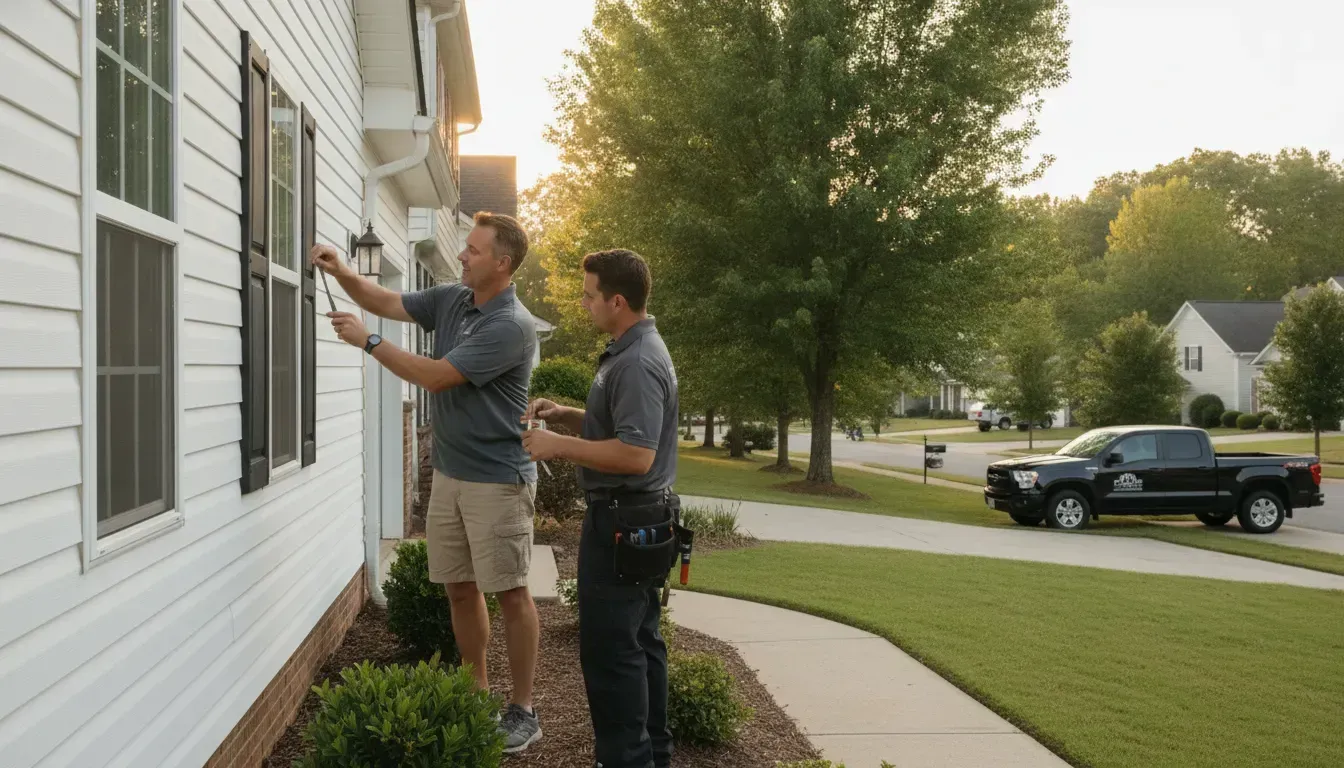
The insurance adjuster’s visit is one of the most critical moments in your claim. The adjuster works for the insurance company, so it’s a good idea to have an expert on your side. We always recommend that you have your roofing contractor present during the inspection. Your roofer can walk the roof with the adjuster, point out damage that might not be obvious to an untrained eye, and answer technical questions about the necessary repairs. Having a professional advocate ensures all damage is properly documented and helps prevent your claim from being undervalued. Our team has decades of experience working with adjusters, and we’re here to make sure your property is assessed fairly.
What to Say to Your Insurance Adjuster
Once your claim is filed, the next step is usually a visit from an insurance adjuster. How you communicate during this meeting can make a big difference in your claim’s outcome. Think of it less as an interrogation and more as a fact-finding mission where you need to present your case clearly. The adjuster’s job is to verify the damage and determine the cause. Your job is to make sure they have all the correct information to approve your claim for a new roof. Being prepared, honest, and specific is your best strategy. Let’s walk through what to say, who should be there with you, and a few common phrases to avoid.
Clearly Explain the Damage to Support Your Claim
When the adjuster arrives, be ready to provide a clear, factual account of the damage. Instead of just saying, "The storm damaged my roof," point to specific examples. You could say, "After the hailstorm on Tuesday, we found these dented shingles and cracked areas here." The key is to connect the damage directly to a specific event, like a storm. Adjusters are trained to distinguish between recent storm damage and general wear and tear. Showing them fresh impacts or shingles that were clearly ripped off by wind helps build a strong case for your residential roofing claim. Stick to the facts you know and the evidence you’ve documented.
Have Your Contractor Present for the Adjuster's Visit
You don't have to handle the adjuster's visit alone. In fact, we highly recommend you don’t. Having your trusted roofing contractor present is one of the smartest moves you can make. Your roofer is an expert who can speak the adjuster’s language, pointing out specific types of damage and explaining the technical reasons why a repair or replacement is necessary. They can spot issues the adjuster might overlook and ensure the scope of work is accurately assessed. This simple step shows the insurance company you’re serious and helps prevent your claim from being undervalued. As an experienced team, we at Total Roof Solutions are happy to be there to represent your best interests.
Avoid These Common Mistakes
What you don't say can be just as important as what you do say. Be careful with your words, as simple misstatements can sometimes complicate a claim. For example, avoid saying things like, "My roof is really old." This might lead an adjuster to attribute the damage to age rather than the storm. Instead, you could frame it as, "We've kept the roof in good condition, and this damage is new since the storm." Also, avoid guessing or speculating about damage you aren't sure about. Let your contractor handle the technical explanations. Finally, remember that the adjuster's first assessment or offer isn't always the final one. It's often the start of a conversation.
How Deductibles and Depreciation Affect Your Payout
Once your claim is approved, you might think the hard part is over. But the final payout you receive from your insurance company isn't always straightforward. The amount is heavily influenced by two key factors: your deductible and depreciation. Understanding how these work is essential for knowing what to expect financially and ensuring you get the funds you need for a quality roof replacement. Let's break down what these terms mean for your wallet.
Understand Your Deductible: Standard vs. Wind & Hail
Your deductible is the portion of the repair cost you pay yourself before your insurance coverage kicks in. Think of it as your share of the bill. For example, if your new roof costs $15,000 and your deductible is $1,000, you’ll pay the first $1,000, and your insurer will cover the remaining $14,000. It’s important to check your policy for the specifics, as deductibles for wind and hail damage are often higher than for other types of claims. Knowing this amount upfront helps you budget for your residential roofing project without any surprises.
Know Your Policy Type: ACV vs. RCV Payouts
Insurance policies typically pay out in one of two ways: Actual Cash Value (ACV) or Replacement Cost Value (RCV). An ACV policy pays for the value of your old roof, factoring in its age and wear and tear (depreciation). This often means you receive significantly less than what a new roof actually costs. An RCV policy, on the other hand, covers the full cost to replace your roof with new, comparable materials after you pay your deductible. For homeowners, an RCV policy is almost always the better deal, as it provides the funds needed to fully restore your home. We can help you make sense of your policy documents so you know exactly what you're working with.
How Your Roof's Age Impacts the Settlement
Your roof's age is one of the biggest factors in determining your insurance settlement, especially if you have an ACV policy. A newer roof (less than 10 years old) is more likely to receive full replacement coverage from the insurance company after a storm. However, for roofs older than 15 years, insurers may only pay out the depreciated value, leaving you with a larger bill. Some policies won't even cover roofs older than 20 years. This is why regular roof inspections are so valuable; they help you stay ahead of issues and provide a documented history of your roof's condition, which can be useful during a claim.
Get Multiple Estimates to Validate Your Claim
Before the insurance adjuster even visits, you should have a professional roofing contractor inspect the damage. This gives you an independent, expert assessment of what needs to be repaired or replaced. We recommend having your contractor present when the adjuster inspects your roof. This ensures that all the damage is properly identified and accounted for, preventing it from being undervalued. Having a detailed estimate from a trusted professional like Total Roof Solutions provides strong evidence to support your claim and helps you secure a fair and accurate settlement for your commercial roofing or residential project.
Why Roof Claims Get Denied
Getting through an insurance claim can feel complicated, and a denial letter is the last thing you want to see. Understanding why claims get rejected is the first step to building a successful one. Insurance companies are businesses, and they look for valid reasons to approve or deny a claim based on your policy's terms. Often, a denial comes down to a few common, and preventable, missteps. From issues with maintenance to simple paperwork errors, being aware of these pitfalls can make all the difference. Let's walk through the main reasons roof claims get denied so you can prepare your claim for a smoother process and a better outcome.
Lack of Maintenance
One of the most common reasons for denial is neglect. Your homeowner's policy is designed to cover sudden, accidental events like a hail storm or a tree falling on your house, not gradual deterioration. If an adjuster finds that the damage was caused or worsened by a lack of routine care, your claim will likely be rejected. This could include issues like old, worn-out shingles that were already failing or gutters clogged with debris that caused water to back up and rot the roof deck. Insurance covers the unexpected, not the inevitable decay from a roof that hasn't been properly maintained. Regular professional inspections can help you document your roof's condition and prove that any new damage is from a specific event, not neglect.
Reporting Damage Too Late
Time is not on your side after a storm. Most insurance policies include a clause that requires you to report damage in a timely manner. Waiting weeks or months to file a claim can give your insurer grounds for denial. They might argue that the delay allowed the initial damage to worsen, such as a small leak turning into major water damage and mold. Each state has different regulations, but the general rule is to act fast. As soon as it's safe, assess your property and contact your insurance company and a trusted roofer. Don't wait for a small problem to become a catastrophe that your policy may no longer cover.
Inaccurate or Missing Paperwork
A successful insurance claim is built on solid evidence. If your paperwork is disorganized, incomplete, or inaccurate, it gives the adjuster a reason to question the validity of your claim. From the very beginning, you need to be your own best advocate by keeping meticulous records. As soon as you can, document everything with clear photos and videos of the damage from multiple angles. Keep a detailed log of every conversation you have with the insurance company, noting the date, time, and person you spoke with. A well-documented claim is much harder to dispute. It shows you are organized and serious, and it provides the proof needed to get your roof replacement approved.
Filing Too Many Claims
It might seem counterintuitive, but you shouldn't file a claim for every minor issue. Every time you file, it's recorded in a database that insurers use called a CLUE report. According to industry experts, filing several claims in a short period, even for small amounts, can label you as a high-risk policyholder. This can lead to higher premiums or even non-renewal of your policy. It’s often better to handle small repairs out of pocket and save your insurance for significant, costly damage. Before you call your insurer, get a professional opinion on the repair cost. If it's close to your deductible, it might be wiser to manage the cost yourself to protect your claims history.
What to Do If Your Claim Is Denied
Receiving a denial letter from your insurance company can feel like a major setback, but it’s not necessarily the final word. A denial is often the start of a conversation, not the end of it. You have the right to question the decision and provide more information. Taking a calm, methodical approach can help you challenge the denial and work toward the approval you need for your roof replacement.
Review the Denial Letter Carefully
The first thing you should do is read the denial letter from top to bottom. Your insurer is required to provide a specific reason for denying your claim, and this letter is your roadmap for what to do next. Look for the exact policy language they cite and the evidence they used to make their decision. If the explanation seems vague or is missing altogether, don't hesitate to contact your insurance company and ask for a detailed, written reason for the denial. Understanding their position is the critical first step in building your counter-argument.
File an Appeal with Supporting Evidence
Once you understand why your claim was denied, you can formally appeal the decision. The appeals process allows you to present your case again, this time with additional evidence to support your claim. This is where all the documentation you gathered earlier becomes invaluable. Compile your photos, videos, inspection reports, and any communications you’ve had. If the denial was due to a lack of evidence, now is the time to provide more. A strong, well-documented appeal shows the insurer you are serious and have a valid case for coverage.
Consider Hiring a Public Adjuster
If you feel overwhelmed by the process or believe your insurance company isn't treating you fairly, you might want to hire a public adjuster. Unlike the adjuster sent by your insurer, a public adjuster works directly for you. They are experts in insurance policy language and the claims process. Their job is to advocate on your behalf, manage communication with the insurance company, and negotiate a fair settlement. They work on a contingency basis, typically taking a percentage of the final claim payout, so they are motivated to get you the best possible outcome.
Work with Your Roofer to Build a Stronger Case
Your roofer is your most important ally in this process. A reputable contractor can provide a detailed, professional inspection report that clearly outlines the extent of the damage and why a replacement is necessary. At Total Roof Solutions, we have decades of experience working with insurance claims. We can meet the adjuster on-site to point out damage they might have missed and explain the technical aspects of the repair or replacement. Having an expert from our residential roofing team by your side can add significant weight to your appeal and demonstrate the true scope of the work required.
Related Articles
- How to Get Insurance to Pay for Roof Replacement in Georgia
- Discover Tools for Calculating Atlanta Roof Replacement Costs
- Beyond the Curb Appeal: How a New Roof Can Supercharge Your Home's Value
- Discover How to Easily Locate Affordable Gutter Installers in Your Area
Frequently Asked Questions
Should I call my roofer or my insurance company first after a storm? We always recommend calling a trusted roofing contractor first. Getting a professional inspection before you file a claim gives you a clear, independent assessment of the damage. This report acts as your baseline, helping you understand the true scope of the necessary repairs. When you have this expert opinion in hand, you are better prepared for your conversation with the insurance company and can ensure no damage is overlooked.
What happens if my insurance company's estimate is much lower than my roofer's? This is a common situation, so don't panic. An initial low offer is often just a starting point for negotiation. This is another reason why having a detailed estimate from a reputable roofer is so important. Your contractor can provide documentation and justification for their costs, then communicate directly with the adjuster to explain the differences and advocate for the funds needed to complete the job correctly with quality materials.
Will filing a single roof claim make my insurance premiums go up? Filing one legitimate claim for significant storm damage is unlikely to cause a major rate hike. Insurance is there for exactly these kinds of large, unexpected events. The issue of rising premiums or non-renewal typically comes from filing multiple small claims in a short period. That’s why we suggest saving claims for substantial damage and considering paying for minor repairs out of pocket if the cost is close to your deductible.
My roof is old. Does that mean my claim will automatically be denied? Not necessarily. While an older roof can complicate a claim, a denial isn't automatic. Insurance adjusters are trained to distinguish between damage from a specific event (like hail impacts) and general wear and tear. If your roof was in decent condition before the storm, and the damage is clearly new and event-related, you should still have a valid claim. This is where a professional inspection and good documentation become critical to proving your case.
Can I start repairs before my claim is fully approved? You should only perform temporary, emergency repairs before your claim is approved. For example, you can place a tarp over a hole to prevent further water damage inside your home. Be sure to take photos of the initial damage before you cover it. Starting a full roof replacement before getting approval from your insurer is risky, as they may not agree to cover the costs, leaving you responsible for the entire bill.