What to Expect During a New Roof Installation
Stephen Griswell • May 25, 2026
A new roof is one of the most important investments you’ll make in your home, so it’s smart to understand exactly what you’re paying for. Beyond the materials and the final look, the quality of the installation process itself is what guarantees a roof that will protect your home for decades. A professional new roof installation isn’t just about nailing down shingles; it’s a systematic, multi-layered procedure where every detail matters. We’ll pull back the curtain and show you what really happens, from the crucial inspection of the roof deck to the precise placement of flashing, ensuring a watertight and durable result.
Key Takeaways
- A Successful Project Starts with Smart Prep: A professional roof replacement is a structured, step-by-step process. You can help the project run smoothly by clearing your yard and driveway, securing fragile items on interior walls, and confirming final logistics with your contractor.
- Your Upfront Choices Determine the Outcome : The final quality of your roof depends on the decisions you make before work begins. Take time to select the right material for your budget and climate, and carefully vet contractors by checking their credentials, asking key questions, and looking for local experience.
- Long-Term Care Protects Your Investment: A roof's lifespan extends far beyond installation day. Protect your investment by scheduling routine professional inspections to catch small issues early, keeping your gutters clean for proper drainage, and fully understanding the details of your material and workmanship warranties.
What Really Happens During a Roof Replacement?
Getting a new roof is a major home improvement project, and it’s natural to wonder what the process actually looks like. You might be picturing a chaotic construction zone for a week, but with a professional crew, it’s a well-organized operation from start to finish. Knowing what to expect can make the entire experience feel much smoother and less stressful. While every home is unique, the core steps of a quality roof replacement are consistent.
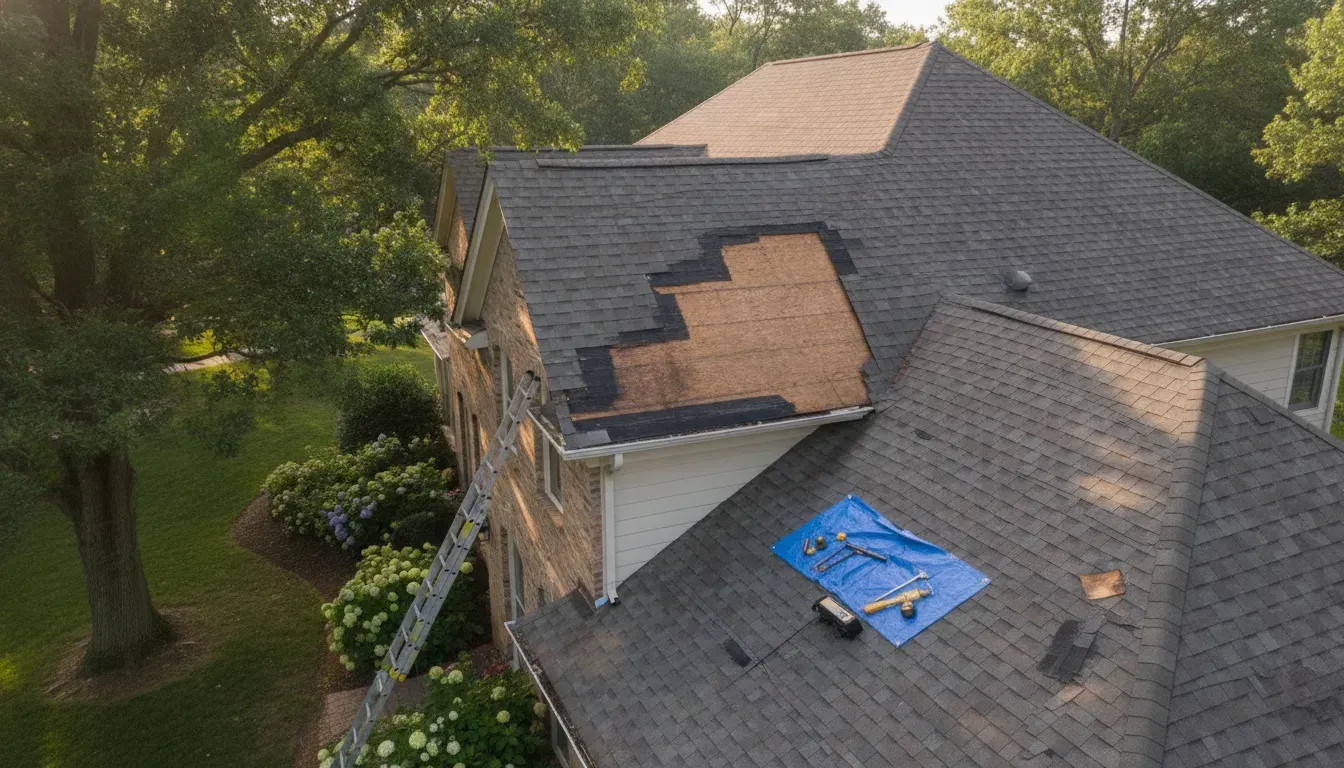
The process begins with the complete removal of your old roofing materials. Our team will tear off the old shingles, underlayment, and flashing to get down to the bare wood structure, known as the roof deck. This isn't just about making room; it's a crucial diagnostic step. Once the old roof is gone, we get a clear look at the decking and can carefully inspect it for any signs of rot, water damage, or weak spots. Addressing these underlying issues is essential for the longevity and performance of your new residential roofing system.
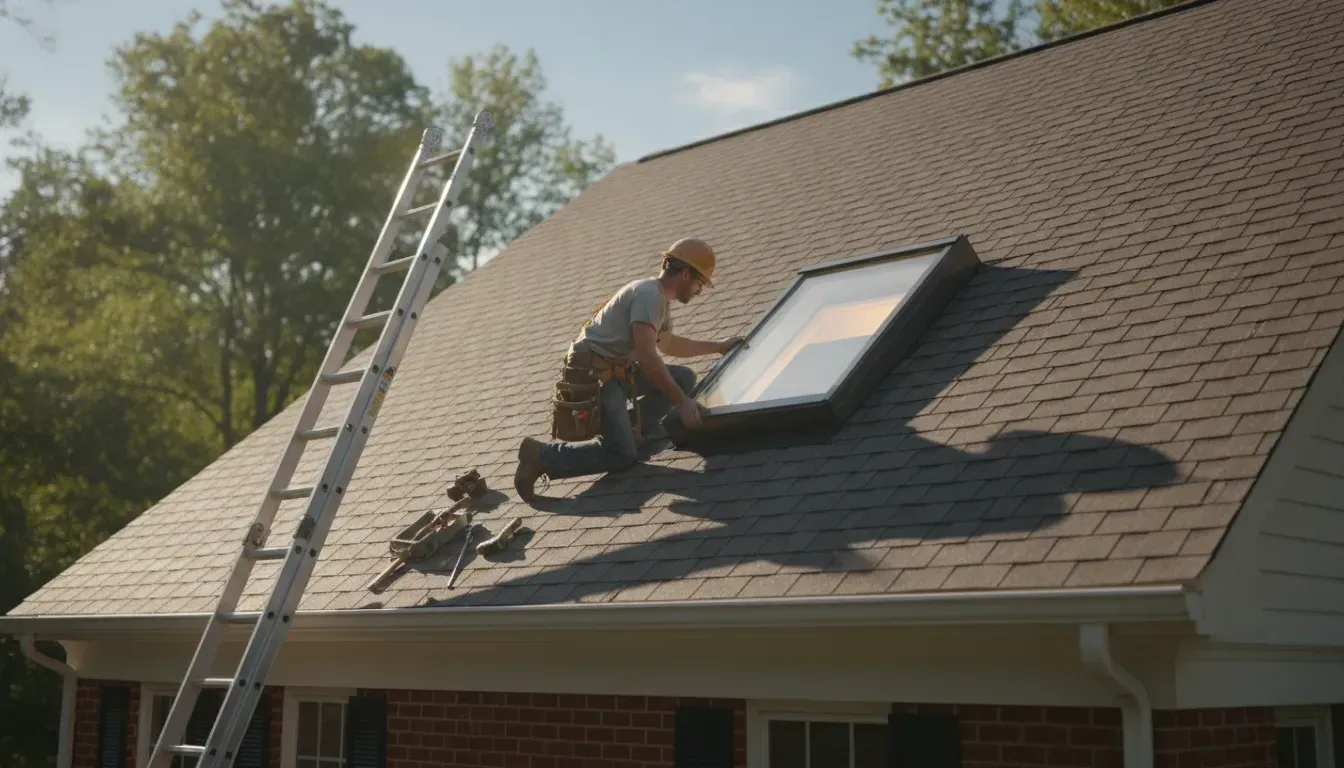
With a solid and secure deck confirmed, the installation begins. This is a multi-layered process where every detail matters. We start by installing a protective underlayment and a drip edge, followed by ice and water shields in vulnerable areas like valleys and eaves. Next comes the flashing around chimneys, vents, and skylights to prevent leaks. Finally, we meticulously install your new shingles, ensuring they are properly aligned and fastened.
We believe a job isn’t done until the cleanup is complete. Our crew will protect your landscaping during the project and conduct a thorough cleanup afterward, using magnetic rollers to find and remove stray nails from your yard and driveway. The final step is a detailed walk-through with a project manager. We’ll review the finished work, answer your questions, and ensure everything meets our high standards. Our commitment to craftsmanship means we don’t consider the job finished until you are completely satisfied with the result.
Repair or Replace? Signs You Need a New Roof
Figuring out if your roof needs a simple patch-up or a full replacement can feel like a huge, stressful decision. A small leak might seem like a quick fix, but it could also be a symptom of a much bigger problem. So, how do you know when to call for a repair versus starting the process for a new residential roofing installation?
Start with a visual check from the ground. Look for shingles that are curling, cracked, or just plain missing. You might also spot dark streaks, moss, or areas that look worn down. Another telltale sign is finding shingle granules, which look like coarse black sand, in your gutters. While a few loose shingles might just need a repair, widespread issues often point toward a replacement. The age of your roof is also a major clue. A typical asphalt shingle roof lasts about 20 to 25 years. If your roof is approaching or has passed that milestone, replacement is likely on the horizon, as the life of your roof depends heavily on its material and the original installation quality.
There’s also a guideline in the roofing world that can help you decide. If more than a quarter of your roof is damaged, a full replacement is generally required. Patching up extensive damage is often not cost-effective and can lead to a cycle of endless repairs. Water stains on your interior ceilings, sagging spots on the roof deck, or a sudden spike in energy bills are also serious signs that your roof's integrity is compromised. While these clues can guide you, the only way to get a certain answer is with a professional inspection. An expert can identify subtle or hidden damage and give you a clear path forward, ensuring you make the best decision for your home’s safety and your budget.
Choosing the Right Roofing Material for Your Home
Picking a new roofing material is one of the biggest decisions you'll make for your home. It's about more than just color; it's a choice that affects your home's curb appeal, your budget, and its protection for decades to come. Here in Georgia, we need roofs that can handle hot, humid summers, heavy rain, and the occasional severe storm. The right material will not only look great but will also stand up to our specific climate challenges.
Your decision will come down to balancing three key things: aesthetics, durability, and cost. Some materials offer incredible longevity but come with a higher price tag, while others provide a classic look at a more accessible price point. As you explore your options, think about your long-term goals for your home. A professional consultation can help you sort through the pros and cons for your specific property, ensuring you find the perfect fit for your residential roofing project. Let's walk through some of the most popular choices.
Asphalt Shingles
There’s a reason asphalt shingles are the most popular roofing material in the country. They hit the sweet spot between affordability, durability, and style. Available in a huge range of colors and designs, they can mimic the look of more expensive materials like slate or wood shakes without the high cost or maintenance. For many homeowners, they are a practical and attractive choice.
Modern architectural shingles offer great dimension and durability, standing up well to wind and rain. When installed correctly with a quality underlayment and ice and water shield, an asphalt shingle roof provides excellent protection. As an Owens Corning Platinum Preferred contractor, we know that using high-quality shingles makes a world of difference in performance and lifespan, giving you peace of mind for years.
Metal Roofing
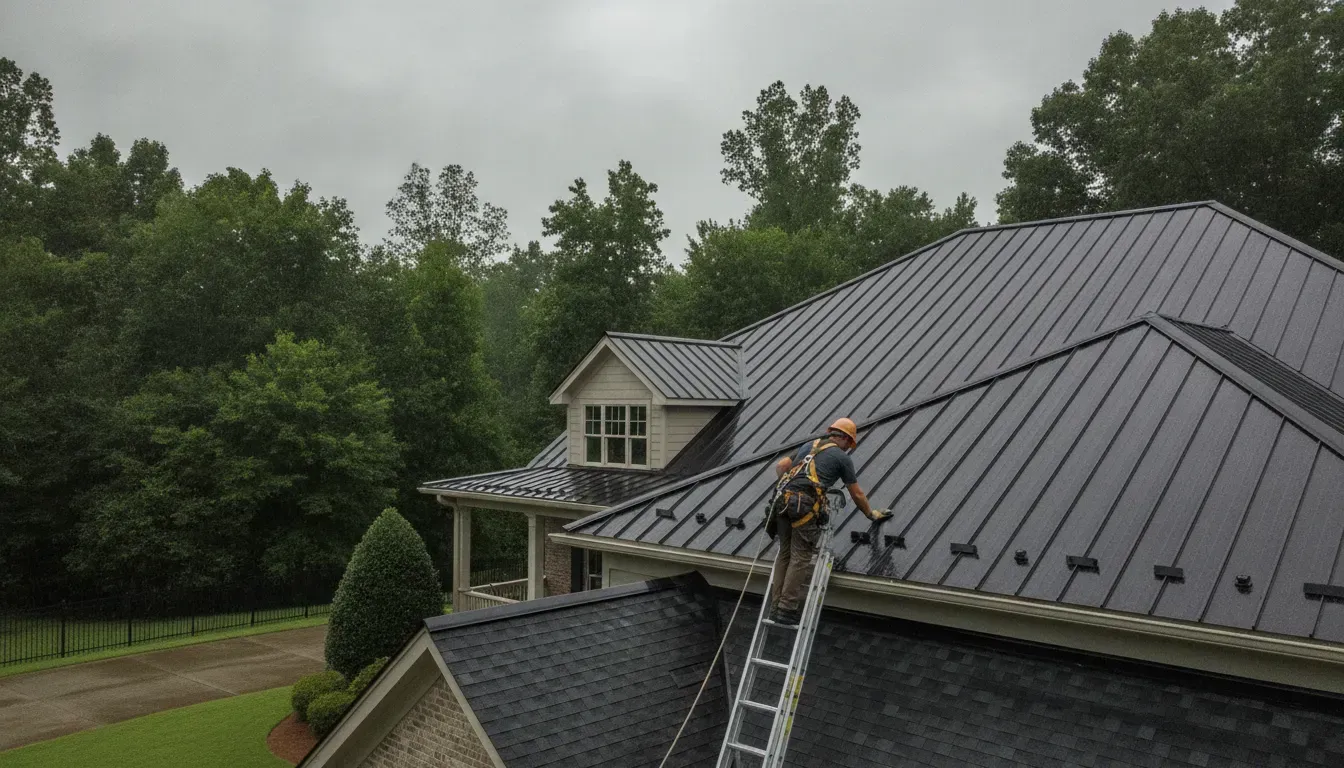
Once seen mostly on commercial buildings or rustic barns, metal roofing has become a popular and stylish choice for residential homes. Known for its incredible longevity and energy efficiency, a metal roof is a smart long-term investment. It can last 50 years or more with minimal maintenance. In the Georgia heat, its ability to reflect solar rays can even help lower your cooling bills during our long summers.
Metal roofing is also surprisingly versatile. It complements both sleek, modern designs and classic, rustic home styles. While the upfront cost is higher than asphalt, its extended lifespan and durability often make it more cost-effective over time. Plus, it’s lightweight and completely recyclable, making it a sustainable option. You can find a comprehensive guide to different roofing materials to compare its benefits with other options.
Clay and Concrete Tiles
For a timeless and durable option, clay and concrete tiles are hard to beat. They offer a distinct, premium look often associated with Spanish or Mediterranean architecture, but they can work beautifully on a variety of homes. These tiles are incredibly strong, fire-resistant, and stand up exceptionally well to harsh weather. They won’t rot and are impervious to insect damage, making them a low-maintenance choice.
Because tiles are very heavy, it’s essential that a professional assesses your home’s structure to ensure it can support the weight. While the material and installation costs are higher, a tile roof can last for a century or more, making it a true lifetime investment that adds significant value and character to your home.
Slate Roofing
If you’re looking for the absolute best in terms of beauty and durability, slate is in a class of its own. A natural stone product, each slate tile has a unique texture and color. This creates a stunning, one-of-a-kind roof that will last for over 100 years. Slate is waterproof, fireproof, and resistant to mold and fungus, so it requires very little maintenance.
Slate is a high-end, luxury material with a price tag to match. It’s also extremely heavy and requires specialized craftsmanship to install correctly, so it’s crucial to hire a contractor with proven experience. For homeowners who want a roof that makes a statement and will literally last a lifetime, slate is a worthwhile investment that adds unparalleled elegance to any home.
Wood Shakes
Wood shakes and shingles offer a natural, rustic beauty that other materials can't quite replicate. They provide a classic charm that works especially well on cottage, Cape Cod, and historic-style homes. Over time, they weather to an attractive grayish-silver color, adding to their character.
However, that beauty comes with a commitment to maintenance. Wood roofs require regular treatments to prevent rot, moss, and insect damage, which can be a challenge in Georgia's humid climate. They are also less fire-resistant than other materials. For homeowners who love the aesthetic and are prepared for the upkeep, a wood shake roof can be a beautiful choice, but it’s important to weigh the maintenance needs carefully.
How Much Does a New Roof Cost?
Let's talk about the big question on every homeowner's mind: what’s the price tag for a new roof? It’s a significant investment, so it’s smart to have a clear idea of the potential costs. While the final number can vary quite a bit, a study from This Old House found that the national average is about $10,000, with most homeowners paying somewhere between $5,855 and $13,116 for a full roof replacement.
Of course, that’s a wide range. Think of it less as a fixed price and more as a starting point. The total cost depends on a handful of factors specific to your home, from its size to the materials you choose. A smaller, simple roof will naturally cost less than a large, complex one with steep pitches and multiple dormers. Because this is a major home improvement project, it's important to find a solution that fits your budget. That's why we offer flexible financing options to help you get a high-quality, durable roof without the financial strain.
What Affects the Final Price?
So, what exactly goes into that final quote? Several key factors determine your total cost, and understanding them will help you see where your money is going. The price can change based on:
- Roof size and shape: A larger or more complex roof requires more materials and more intensive labor, which increases the cost.
- Material choice: Your choice of residential roofing material is a huge factor. Asphalt is often the most budget-friendly, while premium materials like metal, tile, or slate have a higher upfront cost.
- Labor costs: This covers the skilled team doing the installation.
- Old roof removal: If your existing roof needs to be completely torn off, that adds to the labor and disposal fees.
- Extra upgrades: Adding new vents, insulation, or skylights will increase the project's scope and price.
- Permits: Most local areas require building permits, which come with a fee.
Breaking Down the Costs: Materials vs. Labor
It’s helpful to see where your money is going when you invest in a new roof. Generally, the cost breaks down like this: about 55% to 65% of the total price goes toward the materials themselves. Labor typically accounts for another 25% to 35%. The remaining amount covers things like disposing of the old materials and other job site extras, such as equipment rentals.
This breakdown shows why choosing durable, high-quality materials is so important, as it’s the biggest part of your investment. While labor is a smaller slice of the pie, this is where craftsmanship counts. Hiring a certified and experienced team ensures those great materials are installed correctly for a roof that lasts for decades.
Will Insurance Help Pay for Your New Roof?
This is a question we get all the time. Whether your insurance will help pay for a new roof usually depends on the reason for the replacement. If your roof is simply old and has reached the end of its life, you’ll likely cover the cost yourself. However, if it’s been damaged by a storm, hail, or a falling tree, your homeowner’s policy may step in.
In many cases, insurance providers follow what’s known as the 25% rule. This guideline suggests that if more than a quarter of your roof is damaged within a 12-month period, a full replacement is often necessary instead of just a patch job. Getting a professional inspection is the best way to accurately document the extent of the damage for your claim.
How to Prep Your Home for the Roofing Crew
A roof replacement is a major construction project, but it doesn’t have to be a major disruption to your life. While our team at Total Roof Solutions handles every aspect of the job, from tear-off to the final cleanup, a little preparation on your part can make the entire process run even more smoothly. Think of it as setting the stage for a successful project.
Taking a few simple steps before the crew arrives helps protect your property, ensures a safe work environment, and keeps the project on track. It’s all about teamwork. By clearing the area around your home, safeguarding your interior, giving your neighbors a heads-up, and confirming the final details with us, you can sit back and feel confident while we get to work building your beautiful new roof. These small actions make a big difference and help us deliver the quality results you expect with minimal fuss.
Clear the Area Around Your House
Before our crew arrives, take a walk around your home’s perimeter. Anything within about 10 to 15 feet of the house should be moved to a safer location. This includes patio furniture, grills, potted plants, garden decorations, and kids’ toys. Falling debris is an unavoidable part of a roof replacement, and moving these items prevents them from getting damaged.
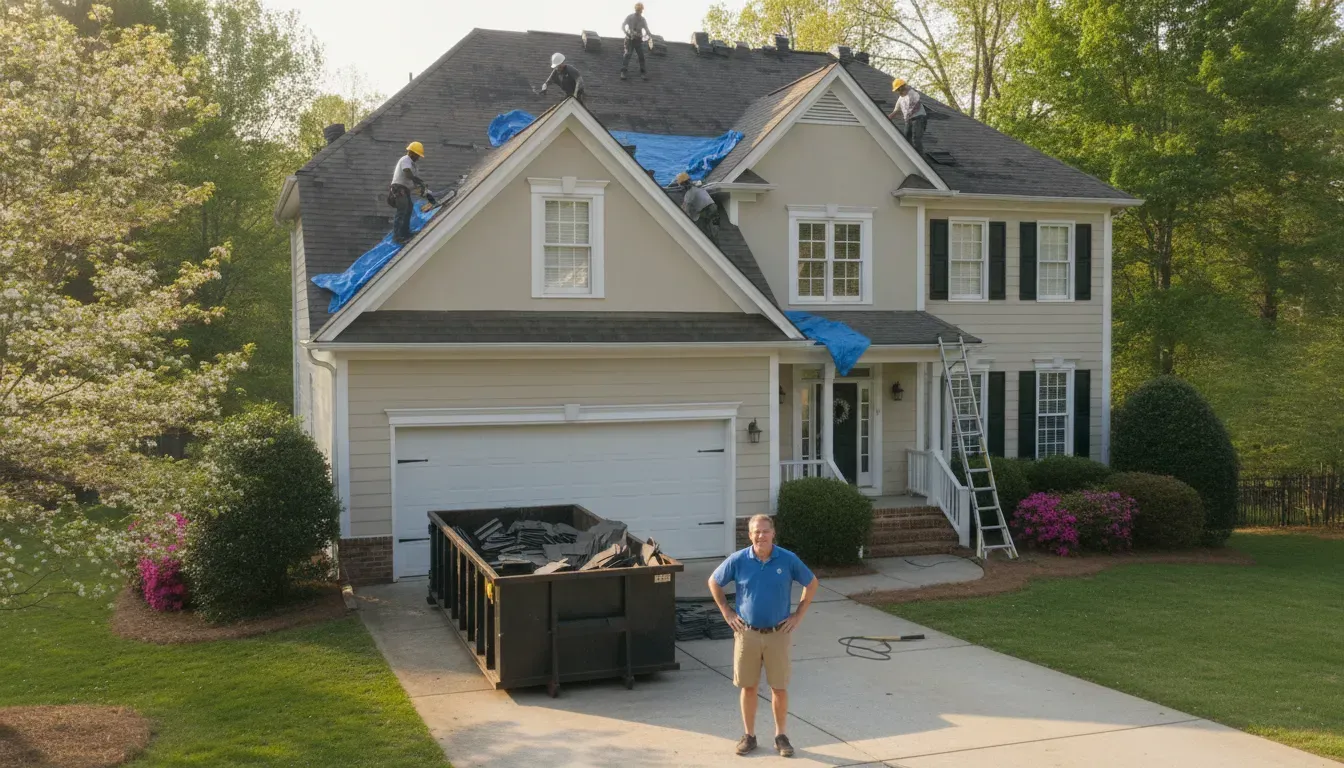
It’s also a good idea to clear your driveway. Our team will need a place to park their vehicles and position a dumpster for the old roofing materials. If you have any low-hanging tree branches near your roofline, trimming them back can also help our crew work more safely and efficiently. This simple prep work helps us focus on what we do best: installing your new residential roof.
Protect Your Home's Interior
A roof replacement can cause vibrations that travel through your home’s frame. To be safe, you should remove any pictures, mirrors, or fragile wall hangings from your exterior walls. It’s a quick task that can prevent an accidental fall. If you have items on high shelves, you might want to secure those as well.
You should also consider what’s in your attic or on your top floor. While we are always careful, dust and small bits of debris can sometimes find their way through small gaps in the roof decking during the tear-off phase. Covering any stored items or furniture in these areas with a tarp or old sheets is a smart, proactive step. Our commitment to detailed craftsmanship means we treat your whole home with respect, not just the roof we're working on.
Give Your Neighbors a Heads-Up
A little courtesy goes a long way. A roof replacement can be noisy, and there will be more activity around your home than usual. We recommend letting your immediate neighbors know about the project a few days before it starts. Just give them a quick heads-up on the timeline, letting them know when the crew will arrive and how long the job is expected to take.
This simple gesture gives them a chance to plan accordingly. They might want to avoid parking on the street, keep their pets inside, or schedule their own activities around the noise. It’s a thoughtful way to maintain good neighborhood relationships and ensures that our professional crew can work without causing any friction.
Confirm Logistics with Your Contractor
Clear communication is the key to a stress-free project. Before the first day of work, it’s a great idea to have one last conversation with your project manager to confirm all the logistics. Double-check the crew’s start time and make sure you’re on the same page about access to outdoor power outlets or water spigots.
Confirm where materials will be staged and where the dumpster will be placed. You should also have a designated contact person you can reach with any questions that come up during the day. Discussing the plan for potential weather delays is also wise. This final check-in ensures that everyone knows what to expect, which is crucial for both residential and commercial roofing projects.
The Roof Replacement Process, Step by Step
Getting a new roof is a big project, but it doesn’t have to be a mystery. Knowing what happens and when can make the entire experience feel much more manageable. While every home is a little different, a professional roof replacement follows a predictable and organized sequence of events. From the moment the old shingles come off to the final nail being swept up, a skilled team works through a methodical process to protect your home and deliver a high-quality result.
Our goal is to make the installation as smooth and undisruptive as possible for you and your family. We coordinate every detail, so you can feel confident that your property is in good hands. The entire process is designed to be efficient, safe, and thorough, ensuring your new residential roof is built to last. Here’s a look at exactly what you can expect, step by step.
Step 1: Tearing Off the Old Roof
The first order of business is to remove everything from your old roof. Our crew will systematically tear off the old shingles, flashing, and underlayment to get down to the bare wood decking. This part of the job is often the loudest and messiest, as old materials are stripped away and dropped into a designated dumpster or truck. We take great care to protect your landscaping, siding, and windows with tarps during this phase. Our team works efficiently to get the tear-off done so we can move on to the next, quieter stage of the installation.
Step 2: Inspecting the Decking
Once the old roof is gone, we get a clear look at the underlying roof deck. This is the wooden foundation that your new roof will be built upon, and its condition is critical. We perform a thorough inspection of the decking, looking for any signs of rot, water damage, or soft spots that might have been hidden by the old shingles. Any compromised wood will be repaired or replaced to create a solid, stable surface. This step is essential for the long-term health and structural integrity of your new roof, and it’s a non-negotiable part of our quality commitment.
Step 3: Installing the Underlayment and Drip Edge
With a solid deck in place, we begin building your roof’s defense system. First, we install a metal drip edge along all the eaves of the roof. This small but mighty component directs water away from your fascia and directly into the gutters. Next, we roll out a layer of synthetic underlayment across the entire roof deck. This material acts as a secondary water barrier, protecting the wood from any wind-driven rain that might find its way under the shingles. In valleys and around penetrations, we often add an extra layer of ice and water shield for maximum protection.
Step 4: Laying the New Roofing
Now for the part you’ve been waiting for: installing the new roofing material. Whether you’ve chosen asphalt shingles, metal panels, or another option, this is when your home’s new look really starts to take shape. Our team begins by installing starter shingles along the eaves and rakes, which provide a clean edge and added wind resistance. Then, we work our way up the roof, laying the shingles in precise, overlapping rows. We follow the manufacturer’s exact specifications for nailing to ensure your roof is secure and your warranty is protected for years to come.
Step 5: Adding Flashing, Ridge Caps, and Vents
A roof is more than just a field of shingles. The details are what make it truly waterproof and functional. In this step, we install new flashing around chimneys, skylights, walls, and in roof valleys. Flashing is a custom-fit metal piece that seals the joints where the roof meets another surface, which are common spots for leaks. We also install ridge cap shingles along the peaks of your roof for a finished look and add ventilation components. Proper ventilation is key to regulating your attic’s temperature and moisture, extending the life of your roof.
Step 6: Final Cleanup and Walk-Through
Our job isn’t finished once the last shingle is nailed down. We conduct a meticulous cleanup of your property, making sure to remove all debris from your yard, flower beds, and driveway. We even use magnetic rollers to pick up any stray nails that may have fallen. Once your property is spotless, we’ll do a final walk-through with you to inspect the finished product and answer any questions you may have. We want to ensure you are completely satisfied with our work and confident in your beautiful new roof.
How Long Will a Roof Replacement Take?
It’s the big question on every homeowner's mind: just how long will my house be a construction zone? The good news is that for an average-sized home, a professional crew can often complete a full roof replacement in just a few days. However, the timeline can stretch to a week or more, as the final schedule depends on several factors. Think of it less like a fixed appointment and more like a project with a few moving parts.
The size and complexity of your roof are the biggest influences on the timeline. A simple, single-story gable roof will naturally take less time than a large, two-story roof with steep pitches, multiple dormers, and chimneys. The entire roof replacement process includes tearing off old materials, inspecting the underlying structure, and then installing the new system, so more complex architecture requires more time and detailed work. Weather is another major factor. For safety and to ensure a quality installation, our crews can’t work in rain or high winds, so a few days of bad weather can pause the project.
Once the old shingles are removed, we might find unexpected damage to the roof decking underneath, like soft or rotted wood. These issues must be repaired before we can continue, which can add some time to the job. The type of roofing material you choose also plays a role; standard asphalt shingles are generally quicker to install than materials like metal or slate.
Finally, the team handling the job makes a huge difference. An experienced, well-coordinated crew that has worked together for years can operate much more efficiently than a smaller or less organized team. On our typical residential roofing projects, we focus on getting the job done right and on schedule, keeping you informed every step of the way so you always know what to expect.
Understanding Your New Roof Warranty
A new roof is one of the most significant investments you'll make in your home, so it’s only natural you want to protect it. That’s where your warranty comes in. Think of it as a safety net, giving you peace of mind that your investment is covered. But not all warranties are created equal. They typically come in two parts: one for the materials and one for the installation. Understanding both is key to making a smart decision.
As an Owens Corning Platinum Preferred contractor, we’re able to offer some of the strongest warranties available for residential roofing. This special status means the manufacturer trusts our installation quality so much that they’re willing to stand behind our work. It’s a level of protection that goes far beyond a standard warranty, covering both materials and the labor to install them. When you’re comparing quotes, looking closely at the warranty details is just as important as comparing the price. A strong, comprehensive warranty is a sign of a contractor who is confident in both their materials and their craftsmanship.
Material Warranty
The material warranty comes directly from the manufacturer of your shingles or other roofing products. Essentially, it’s their promise that the materials themselves are free from defects. If your shingles fail prematurely because of a manufacturing flaw, this warranty is what covers the cost of the replacement materials. It’s important to know that the terms can vary a lot. Some warranties cover the full cost for a certain period, while others are prorated, meaning their value decreases over time. A good material warranty ensures that if the products themselves are faulty, the manufacturer will provide replacements.
Workmanship Warranty
This is your contractor’s guarantee, and it’s arguably the most critical part of your warranty package. A workmanship warranty covers the quality of the installation itself. Even the best materials will fail if they aren't installed correctly, leading to leaks and other costly problems. This warranty protects you from issues caused by improper installation. The length and terms of this warranty are a direct reflection of a contractor's confidence in their team's skill. This is why choosing a certified and experienced roofer is so important. Our commitment to detailed craftsmanship is backed by a solid workmanship warranty, giving you confidence that your roof was built to last.
Common Mistakes That Void a Warranty
Your warranty is a powerful tool, but it comes with a user manual. Not following the rules can unfortunately void your coverage, leaving you on the hook for repairs. One common mistake is performing unauthorized repairs or alterations. If you notice an issue, your first call should always be to your original, certified contractor. Another pitfall is neglecting basic maintenance. For example, failing to keep your gutters clean can cause water to back up and damage the roof structure, which typically isn't covered. Finally, if you plan to sell your home, check if the warranty is transferable. A transferable warranty can be a great selling point, but it often requires paperwork to be filed by the new owner.
How to Choose the Right Roofing Contractor
Selecting the right contractor is the most critical decision you'll make for your roofing project. The best materials in the world won't protect your home if they are installed incorrectly. A great contractor ensures the job is done right from tear-off to cleanup, giving you peace of mind and a roof that lasts for decades. Taking the time to vet your options thoroughly will save you from headaches and costly repairs down the road. Think of it as hiring a long-term partner for the health of your home.
Must-Have Credentials and Insurance
Before you even look at a quote, you need to verify a contractor's credentials. A professional roofer should always be licensed, insured, and bonded. Licensing proves they meet state and local business requirements. Insurance is non-negotiable; it includes general liability to cover any damage to your property and worker's compensation to cover injuries on the job site. Without it, you could be held financially responsible for accidents. Being bonded offers an extra layer of protection, ensuring you are compensated if the contractor fails to complete the job as promised. A trustworthy company will gladly provide proof of these credentials, as our team at Total Roof Solutions is always prepared to do.
Key Questions to Ask Before Signing
Once you've confirmed a contractor is properly credentialed, it's time to ask some important questions before signing a contract. This helps you understand their process and ensures you're on the same page. A good contractor will be happy to provide clear answers.
Here are a few key things to ask:
- How many years of experience do you have with residential roofing projects like mine?
- Can you provide a list of recent references?
- What specific materials do you plan to use, and why?
- What does your workmanship warranty cover and for how long?
- How long will the project take, and what does your cleanup process look like?
Contractor Red Flags to Avoid
Just as important as knowing what to look for is knowing what to avoid. Some warning signs should make you pause and reconsider hiring a contractor. Be wary of anyone who uses high-pressure sales tactics or demands a large cash deposit upfront before any work begins. Another major red flag is a contractor who suggests you skip pulling permits or tries to convince you to hide damage from your insurance company. An honest professional will help you follow all local rules and regulations, not find ways around them. Vague contracts or quotes that seem too good to be true are also signs of trouble.
Why a Local Atlanta Roofer Matters
When it comes to your roof, hiring local has significant advantages. A local contractor is familiar with Atlanta's specific building codes, permit requirements, and weather patterns, from intense summer sun to heavy rain. They understand which materials and installation techniques hold up best in our climate. Furthermore, a local company has a reputation to uphold within the community. They are your neighbors, and their business depends on satisfied customers. This means they are more accountable and accessible should you need follow-up service or have questions about your new roof warranty.
Caring for Your New Roof
Getting a new roof is a major home improvement project, and you want to make sure that investment lasts for decades. Once the installation is complete, your role in protecting your home isn’t over. Proper care is the key to extending your roof's lifespan and ensuring it performs as it should. Think of it less like a one-time purchase and more like a long-term relationship. A little attention goes a long way in preventing costly repairs down the road. By focusing on a few key areas like ventilation, regular check-ups, and avoiding common pitfalls, you can keep your new roof in top condition. This proactive approach helps maintain your home's value and gives you peace of mind, knowing your property is well-protected from the elements.
The Importance of Good Ventilation and Drainage
Your roof is more than just the shingles you see from the street; it’s a complete system. Proper ventilation and drainage are critical components of that system. A well-ventilated attic helps regulate the temperature in your home, preventing extreme heat from building up and damaging the shingles from below. In the winter, it helps stop ice dams from forming at the edge of your roof. Good airflow also manages moisture, which is essential for preventing mold and rot in your roof's structure. To keep air moving, you might consider adding ridge vents or attic fans to improve ventilation. Equally important are clean gutters, which ensure water drains away from your home instead of backing up and seeping underneath your new shingles.
Why Routine Inspections Are Key
The best way to handle a big roofing problem is to stop it from ever happening. That’s where routine inspections come in. Scheduling a professional check-up once a year allows an expert to spot and fix minor issues before they turn into major headaches. A loose shingle, cracked sealant, or a small area of damage might not seem like a big deal, but they can lead to significant leaks and structural damage over time. Getting your roof inspected annually helps you catch small problems early, saving you money and stress. Think of it as preventative maintenance for one of your home’s most important assets. A quick inspection is a small price to pay for the long-term health of your roof and home.
Post-Installation Mistakes to Avoid
Once the crew leaves, there are a few things to keep in mind to protect your new roof. First, always do a final walk-through with your contractor to ensure you’re happy with the work and that the cleanup is thorough. You don’t want stray nails left in your driveway or garden. Next, get familiar with your warranty. Understand what it covers and, more importantly, what could void it. Activities like pressure washing your shingles or making your own repairs can often invalidate a warranty. If you’re buying a home with a recently replaced roof, it's smart to check if the warranty can be transferred to you. Avoiding these simple mistakes will help you get the most value and protection from your investment.
Related Articles
- What to Know Regarding Roofing Warranties in Atlanta
- Best Ways to Fix Common Roofing Issues
- Understanding Roofing Insurance Coverage for Homeowners in Atlanta
- Understanding Atlanta Roofing Warranties and Insurance Differences
- Seamless Gutter Installation: A Complete Guide
Frequently Asked Questions
How long will a roof replacement actually take? For a standard-sized home, a professional crew can often complete the entire replacement in just one to three days. However, the final timeline depends on a few things. A larger, more complex roof with steep pitches or multiple dormers will naturally take longer. The weather also plays a big role, as crews cannot work safely in rain or high winds. If we uncover significant damage to the underlying wood deck after removing the old shingles, those repairs will add some time to the project as well.
What happens if it rains in the middle of the installation? This is a common concern, but rest assured, a professional team always has a plan for the weather. We monitor the forecast closely and work in sections, only removing an area of your old roof that we can safely replace or make watertight before any rain arrives. We will never leave your home’s structure exposed to the elements. If unexpected weather pops up, our first priority is to secure the site and cover any open areas with protective tarps to ensure your home stays dry.
Will a new roof help lower my energy bills? Yes, a new roof can definitely contribute to better energy efficiency. Modern roofing materials, especially lighter-colored asphalt shingles or metal roofing, are designed to reflect more of the sun's heat instead of absorbing it. This reduces the heat that transfers into your attic, which means your air conditioning system doesn't have to work as hard to keep your home cool. Combining a new roof with proper attic ventilation is a powerful way to improve your home's overall energy performance.
Do I need to be home while the crew is working? You don't need to be home for the entire duration of the project. Many homeowners go about their normal work day while we handle the installation. We do recommend being available for a brief chat when the crew first arrives to confirm logistics and again at the end for the final walk-through. The most important thing is that your project manager has your contact information to reach you with any questions that might come up during the day.
How do I know if my roof damage qualifies for an insurance claim? Generally, homeowner's insurance covers damage from a specific event, like a storm, hail, or a fallen tree, rather than damage from old age and normal wear. The key is being able to show that the damage was sudden and accidental. The best way to determine this is to schedule a professional inspection. An expert can assess the condition of your roof, identify the specific cause of the damage, and provide the detailed documentation you will need to file a claim with your insurance provider.