The Ultimate Guide to Home Window Replacement
Stephen Griswell • February 20, 2026
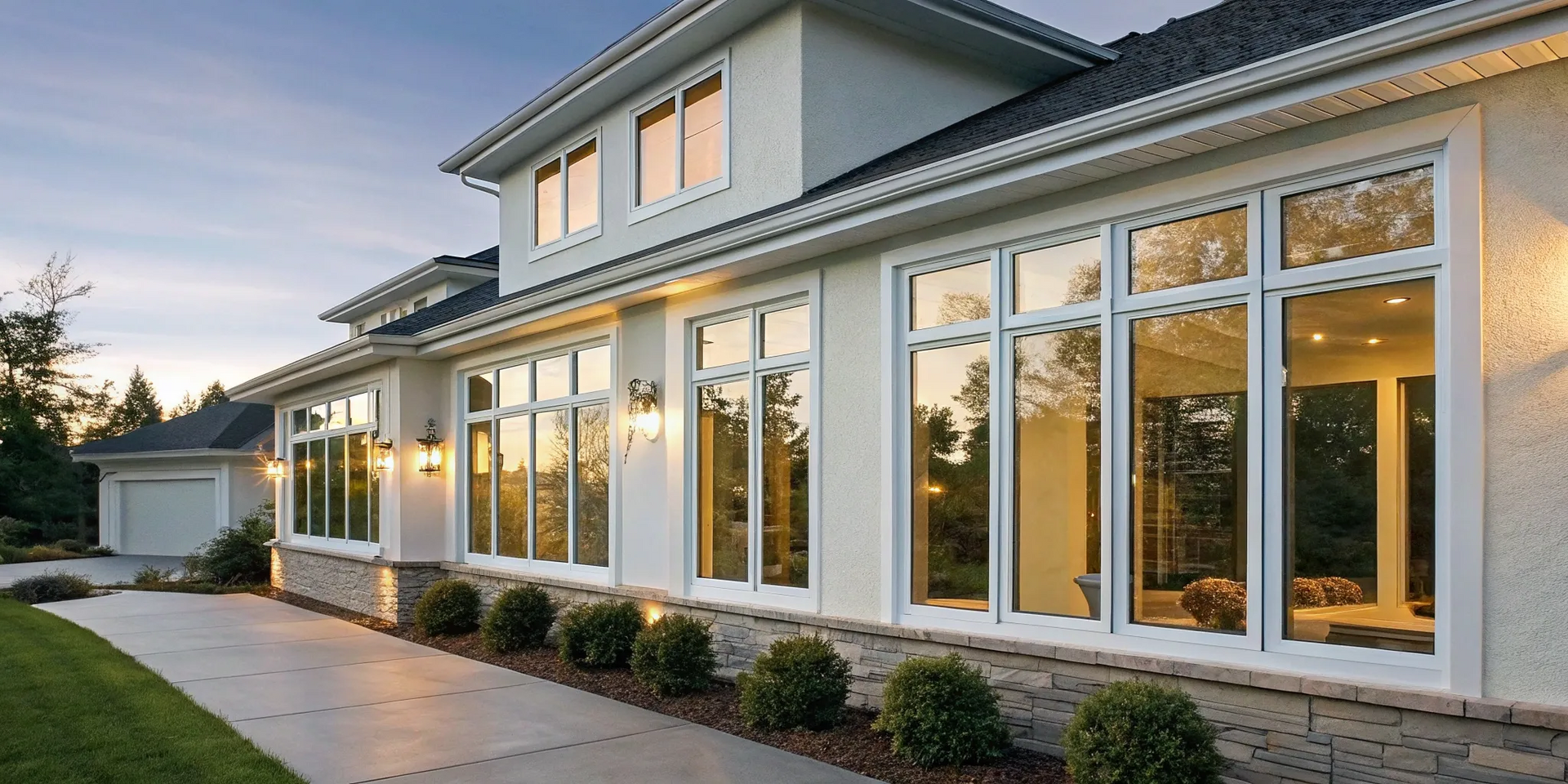
When you think about failing windows, you might picture a cracked pane or a frame that’s visibly rotting. While those are certainly obvious signs, the most common reasons for a window replacement are often much more subtle. They show up as a gradual increase in your heating and cooling bills, a persistent chill in the air near the glass, or a window that has become a struggle to open and close. These small frustrations are actually your home’s way of telling you that its windows are no longer performing their job. Learning to recognize these early warnings can save you money and discomfort down the line. Here, we’ll explore all the signs, both big and small, that signal it’s time for an upgrade.
Key Takeaways
- Identify the signs of window failure: If you feel drafts, see condensation between the glass panes, or struggle to open and close your windows, it's a clear indication that they are past their prime and need to be replaced.
- Understand the long-term benefits: New windows are a smart investment that pays you back by lowering your monthly energy bills, increasing your home's resale value, and creating a more comfortable and secure living space.
- Prioritize a quality installation: The performance of your new windows depends on the installer, so it's crucial to hire a licensed, insured, and reputable contractor who provides clear estimates and solid warranties.
How to Know It's Time for New Windows
Your windows do more than just let in the light; they protect your home from the elements, keep you comfortable, and play a big role in your energy bills. But they don't last forever. Over time, seals break, frames warp, and glass loses its insulating power. Ignoring the warning signs can lead to bigger issues like water damage, high utility costs, and even security risks.
So, how can you tell when it's time for an upgrade? It’s not always as obvious as a cracked pane of glass. Often, the signs are subtle and appear gradually. Paying attention to drafts, condensation, and how your windows operate can tell you everything you need to know. If you're noticing any of the issues below, it’s a good signal that your windows are past their prime and a replacement might be your best next step.
You Feel Drafts or See Air Leaks
If you have to put on a sweater when you sit near a window, that’s a problem. Drafts are one of the most common signs that your windows are failing. Old windows often have worn-out seals or frames that have warped, creating small gaps that let outside air seep in. This makes it harder to keep your home comfortable and forces your HVAC system to work overtime. In fact, about 25% to 30% of the energy used for heating and cooling a home is lost through its windows. A simple test is to hold a lit candle or incense stick near the frame on a windy day; if the flame flickers, you’ve found a leak.
There's Condensation Between the Glass
A little fog on your windows isn't always a bad thing, but it matters where you see it. Condensation on the inside of your window can be a sign of high humidity in your home. However, if you see fog, frost, or moisture trapped between the panes of a double- or triple-pane window, the seal has failed. This means the insulating gas (usually argon or krypton) has escaped, and the window has lost its energy efficiency. This is often a clear sign of a seal failure, and unfortunately, it can't be repaired. The only solution is to replace the window to restore its insulating properties.
They're Difficult to Open and Close
A window you have to fight with is more than just an annoyance. Windows that stick, jam, or refuse to stay open are showing signs of a deeper problem. Years of exposure to Georgia’s heat and humidity can cause frames, especially wood ones, to warp, swell, or rot. In other cases, the house may have settled, or the window’s balance mechanism could be broken. Whatever the cause, a window that doesn’t operate correctly is not only frustrating but can also present serious security issues if it can't be locked properly or becomes a hazard in an emergency.
You Can See Visible Damage or Wear
Sometimes, your windows will give you obvious visual cues that they’re ready for retirement. Take a walk around your home and give your window frames and sashes a close look. Visible damage like cracks, rot, or warping is your window's way of telling you it's time for an upgrade. For wood frames, check for soft spots or chipping paint, which can indicate moisture damage. On vinyl or metal windows, look for deep scratches, dents, or warping. This kind of damage isn't just cosmetic; it compromises the window's structural integrity and its ability to keep your home sealed and secure.
Your Energy Bills Are on the Rise
If your heating and cooling bills seem to be climbing higher every year with no other explanation, your old windows are a likely culprit. Inefficient, single-pane, or poorly sealed windows make your HVAC system work much harder to maintain a consistent temperature inside your home. All those little drafts and the heat transfer through old glass add up quickly. Upgrading to modern, energy-efficient replacement windows is one of the most effective ways to lower your utility costs. You’ll feel the difference in comfort right away, and you’ll see it on your monthly energy statements.
Why New Windows Are a Smart Investment
Replacing your home's windows is one of those upgrades that delivers on multiple fronts. It’s not just about aesthetics, though the boost in curb appeal is undeniable. It’s a practical investment that can improve your home’s energy efficiency, increase its market value, and make your daily life more comfortable and secure. Think of it as a long-term improvement that starts paying you back from the moment of installation.
From lower energy bills to less time spent on upkeep, new windows solve many of the common frustrations homeowners face with older homes. They seal up drafts, quiet outside noise, and provide an updated look that can transform your entire property. When you partner with a team that understands exterior renovations, you’re not just getting new glass; you’re getting a more efficient, valuable, and enjoyable home.
Lower Your Utility Bills with Better Energy Efficiency
If your energy bills seem to creep up every year, your windows could be a major culprit. The U.S. Department of Energy estimates that around 25% to 30% of residential heating and cooling energy use is lost through windows. Old, single-pane, or poorly sealed windows let your conditioned air slip outside, forcing your HVAC system to work overtime to keep you comfortable.
Modern, energy-efficient windows are designed to stop this energy transfer. With features like double or triple-pane glass, low-emissivity (Low-E) coatings, and insulated frames, they create a powerful thermal barrier. This keeps your home warmer in the winter and cooler in the summer, which can lead to significant savings on your utility bills month after month.
Increase Your Home's Value and Curb Appeal
New windows are a fantastic way to refresh your home’s appearance and make a great first impression. They can instantly modernize your exterior, creating clean lines and a polished look that enhances curb appeal. This visual upgrade isn't just for you to enjoy; it also makes your property more attractive to potential buyers if you ever decide to sell.
Beyond looks, window replacement is a project with a solid return on investment. According to industry reports, homeowners can often recoup a significant portion of the project cost at resale. Realtors agree that high-quality windows are a desirable feature that can increase a home's value. It’s an improvement that adds tangible worth to your biggest asset.
Enjoy a More Comfortable and Secure Home
Do you avoid sitting near certain windows because they’re always drafty? New, properly installed windows eliminate those uncomfortable hot and cold spots by creating a tight seal against the elements. This means a more consistent and pleasant temperature throughout your home, no matter the season. Plus, modern windows do a much better job of insulating against outside noise, creating a quieter, more peaceful indoor environment.
New windows also offer an upgrade in security. Today’s windows come with advanced locking mechanisms and more durable frame materials that provide greater peace of mind. You can rest easier knowing your home is better protected, all while enjoying a more comfortable living space.
Spend Less Time on Maintenance
Older windows, especially wood-framed ones, can demand a lot of upkeep. Scraping, painting, and caulking can feel like a never-ending chore. If you’re tired of spending your weekends on window maintenance, you’ll appreciate the low-maintenance materials available today. Vinyl and fiberglass frames, for example, are built to withstand the elements without peeling, cracking, or warping, and they never need to be painted.
Many modern windows also include features designed to make your life easier, like tilt-in sashes for simple cleaning. By choosing durable, high-quality windows installed by a trusted contractor, you can spend less time on maintenance and more time simply enjoying your home.
Your Guide to Replacement Window Options
Once you’ve decided to replace your windows, the fun part begins: choosing the new ones. Today’s windows offer an incredible range of materials, styles, and features designed to fit your home’s aesthetic and your family’s needs. Thinking through these options will help you find the perfect fit that not only looks great but also performs beautifully for years to come. Let's walk through the key decisions you'll be making.
Choosing Your Frame Material: Vinyl, Wood, or Fiberglass
The frame is the foundation of your window, and the material you choose impacts everything from appearance and maintenance to durability. Vinyl windows are a popular choice because they are budget-friendly, energy-efficient, and require very little upkeep. If you want a classic, high-end look with lots of custom design choices, wood windows are a beautiful option, offering natural insulation and timeless appeal. For homes in areas with big temperature swings, fiberglass windows are an excellent investment. They are incredibly strong, resist swelling and shrinking, and can be painted to match your home’s exterior perfectly.
Finding the Right Style for Your Home
Windows play a huge role in your home’s character, so it’s important to pick a style that complements its architecture. Whether you have a traditional craftsman or a modern ranch, there’s a window style for you. Double-hung windows are a classic choice, while casement windows offer a more contemporary feel and excellent ventilation. Picture windows are perfect for framing a beautiful view, and bay windows can create a cozy nook inside. Beyond the style, you can also customize colors, hardware finishes, and grille patterns to get a truly personalized look that enhances your home’s curb appeal.
Understanding Energy-Efficient Glass and Other Features
Modern windows do more than just let in light; they are a key part of your home's energy efficiency. When shopping, look for the ENERGY STAR label, which means the windows meet strict government standards for energy savings. You’ll also see a U-factor rating, which measures how well a window prevents heat from escaping. A lower U-factor is better, especially for keeping your home warm in the winter. Other features like low-E glass coatings and gas fills between the panes can further reduce heat transfer, keeping your home comfortable and your utility bills down.
Exploring Modern Window Trends
New windows can completely transform how your home feels. Beyond the energy savings, they can make your interior brighter, improve airflow, and significantly reduce outside noise. Many homeowners are opting for larger windows with slimmer frames to maximize natural light and create a stronger connection to the outdoors. Black window frames are another popular trend, offering a bold, modern contrast that works with many different home styles. Investing in quality exterior renovations like new windows is a great way to update your home’s look while adding lasting value and comfort.
What to Expect from the Window Replacement Process
Replacing your home's windows can feel like a huge undertaking, but it doesn’t have to be a stressful one. When you partner with an experienced team, the entire process is surprisingly straightforward and organized. Understanding the journey from start to finish helps you feel prepared and confident that you’re making a great investment in your home. A professional contractor will guide you through every phase, ensuring the project runs smoothly and with minimal disruption to your daily life.
The process is designed to be transparent and efficient. From the first conversation where you share your vision to the final inspection of the finished work, you should feel informed and respected. At Total Roof Solutions, we manage all the details so you can simply look forward to how great your new windows will look and feel. Let's walk through the typical window replacement project, broken down into four simple steps.
Step 1: The Initial Consultation and Measurement
Everything starts with a simple conversation. The first step is an initial consultation with a window expert who is there to listen to your needs, not just sell you a product. During this meeting, you can discuss your goals, explore different window styles and materials, and get answers to all your questions. A technician will also take precise measurements of your existing window openings to guarantee a perfect, custom fit. This isn't a high-pressure sales pitch; it's a collaborative session to find the right solution for your home’s aesthetic and your budget. Afterward, you’ll receive a clear, detailed price estimate for your project.
Step 2: Planning Your Project Timeline
Once you’ve decided to move forward, the next step is getting your project on the calendar. Since most replacement windows are custom-built to fit your home’s unique openings, they will be ordered from the manufacturer. Your contractor will give you a clear timeline for when the windows are expected to arrive and when the installation can be scheduled. Working with a reputable contractor is essential here, as good communication prevents delays and surprises. We will coordinate with you to find an installation date that works best for your schedule and keep you informed along the way.
Step 3: What Happens on Installation Day
On installation day, you can expect a professional crew to arrive ready to work efficiently and respectfully in your home. The team will begin by prepping the work area, using drop cloths and other materials to protect your floors and furniture. Next, they will carefully remove your old windows and install the new ones, ensuring each unit is perfectly level, plumb, and secure. Proper installation is absolutely critical for performance. Even the highest-quality windows won't be energy-efficient if they aren't sealed correctly, so we use premium sealants and insulation to eliminate drafts and maximize your home's comfort.
Step 4: Final Walk-Through and Care Tips
After the last window is securely in place, the job isn't quite finished. The installation team will thoroughly clean the work area, both inside and outside your home, leaving your space just as tidy as they found it. Then, they will conduct a final walk-through with you to inspect the new windows and make sure you are completely happy with the results. This is the perfect time to ask any final questions. Your team will also show you how to operate your new windows and provide simple care tips to keep them looking and functioning beautifully for years to come.
Breaking Down the Cost of New Windows
Thinking about replacing your windows often comes with one big question: How much is this going to cost? The answer isn't a single number, because the final price tag depends on your specific home and choices. While the national average for a window replacement is around $477 per unit, this can shift based on materials, labor, and other factors. Understanding these variables will help you set a realistic budget and see why new windows are a valuable upgrade for your home. Let's break down the costs so you know exactly what to expect.
How Materials and Style Affect the Price
The two biggest factors influencing the price of your new windows are the frame material and the window style. Vinyl frames are typically the most budget-friendly option, offering great durability and energy efficiency without much maintenance. Wood frames provide a classic, high-end look but come with a higher price point and require more upkeep. Fiberglass falls somewhere in the middle, known for its strength and longevity.
The style of the window matters, too. A standard single-hung or double-hung window will generally cost less than a large bay window or a custom-shaped architectural window. The average cost can range from about $395 to over $631 per window, so your personal design choices play a significant role in the total project cost.
Factoring in Labor and Installation
The price of the window unit itself is only part of the equation. Professional installation is key to ensuring your windows perform correctly, and labor costs will be a significant portion of your budget. The complexity of the job affects this cost. For example, replacing a window in a second-story bedroom will likely cost more than a ground-floor window. If the window opening needs to be resized or if there’s any damage to the surrounding wall that needs repair, that will also add to the labor time and expense. When you get an estimate, make sure it clearly separates the cost of the materials from the installation services.
Planning for Other Potential Costs
Beyond the window and the basic installation, a few other expenses can pop up. Think about things like the disposal of your old windows, any necessary permits for the project, or extra finishing work like painting or staining the interior trim. Some homeowners in the Atlanta area find their total cost per window, including professional installation, lands between $600 and $1,200. It’s always a good idea to have a small cushion in your budget for these potential add-ons. A detailed quote from your contractor should outline all expected costs, helping you avoid any surprises down the road.
Common Misconceptions About Window Costs
One of the biggest myths about window replacement is that it’s always too expensive to be worthwhile. While it is a significant investment, many homeowners are surprised by the range of available options. You don’t have to choose the most expensive models to see a huge improvement in your home’s comfort and energy efficiency. A quality, local contractor can work with you to find excellent energy-efficient windows that fit your budget. The key is to focus on the value and long-term benefits rather than just the initial price tag. Don’t let a fear of high costs prevent you from exploring your options.
Exploring Financing and Your Return on Investment
It’s true that new windows come with an upfront cost, but they also offer a high return on investment. Energy-efficient windows can significantly lower your monthly heating and cooling bills, putting money back in your pocket over time. They also increase your home's resale value and curb appeal. To make the initial investment more manageable, many contractors offer flexible financing options. This allows you to get the windows you need now and pay for them over time with predictable monthly payments. When you consider the long-term savings and the immediate improvement in your home’s comfort, new windows are one of the smartest upgrades you can make.
How to Choose the Right Window Contractor
The quality of your new windows means very little if they aren't installed correctly. Finding a trustworthy and skilled contractor is the key to a successful project that protects your investment and your home. It’s important to prequalify any contractor you consider to make sure the job gets done right the first time. This process doesn't have to be overwhelming. By focusing on a few key areas, you can confidently find a professional partner for your home renovation. Let's walk through the essential steps for vetting and selecting the best window contractor for your needs.
Check for Licenses, Insurance, and Certifications
Before you even discuss window styles, make sure your potential contractor has the right credentials. A reputable professional will always be properly licensed, insured, and bonded. Ask for proof of general liability insurance and workers' compensation, as this protects you from liability if an accident happens on your property. Also, look for manufacturer certifications. These credentials, like our status as an Owens Corning Platinum Preferred contractor, show a commitment to quality and ongoing training. Don't be tempted by a low bid from an unverified contractor; proper credentials are your first line of defense against shoddy work and future headaches.
Look into Their Experience and Local Reputation
Experience matters, especially local experience. You’ll want to select a company that has performed countless window installations and knows how to deal with the unexpected challenges that can arise. A contractor with deep roots in the Atlanta area will understand local building codes and how to install windows that stand up to Georgia's specific climate. Check their reputation by reading online reviews, asking for a portfolio of recent projects, and requesting local references. A contractor who is proud of their work will be happy to share it. Seeing their past residential projects can give you a clear idea of their craftsmanship and attention to detail.
Compare Estimates, Warranties, and Contracts
Once you have a shortlist of qualified contractors, it's time to look at the numbers. It's a good practice to get at least three written estimates. A detailed estimate should clearly break down the costs for materials, labor, and any potential add-ons. Be wary of vague or verbal quotes. Ask about warranties, too. You should receive a manufacturer's warranty on the windows themselves and a separate workmanship warranty from the installer. Make sure you understand what’s covered and for how long. Finally, review the contract carefully before signing. It is customary for a contractor to ask for a deposit to cover materials, but you should never pay for the entire job upfront.
Know the Red Flags to Avoid
While you compare your options, keep an eye out for warning signs. A bid that is dramatically lower than all the others can be a major red flag, often indicating subpar materials or inexperienced labor. Be cautious of high-pressure sales tactics that rush you into a decision. A true professional will give you the time and information you need. Other red flags include requests for large cash payments, a lack of a physical office address, or a contract with vague terms. Remember, don't base your decision on only the install time frame and price. Look at the total package of what the company has to offer, from their credentials to their reputation.
Related Articles
- Choosing the best window replacements for your home | Total Roof
- Transform Your Home’s Energy Savings with Smart Roofing
- How Do Roof Shingles Make The House More Energy-Efficient
- The Role of Roofing Materials in Curb Appeal and Energy Efficiency
Frequently Asked Questions
Do I have to replace all my windows at the same time? Not at all. While replacing all your windows at once creates a uniform look and completes the project in one go, it's perfectly fine to approach it in phases. Many homeowners choose to replace windows in the rooms they use most often, like the living room or primary bedroom, or tackle the ones with the most obvious damage first. This allows you to work within your budget and schedule while still making a significant improvement to your home's comfort and efficiency.
How long will the installation process actually take? The timeline for installation depends on the number of windows you're replacing, but it's often faster than people expect. A professional crew works very efficiently, typically completing the installation of 8 to 10 windows in a single day. For most homes, the entire project is finished in just one or two days. Your contractor will give you a clear and specific timeline before the work begins so you know exactly what to plan for.
What kind of maintenance do new windows require? One of the best parts about modern windows is how little upkeep they need. Unlike old wood windows that require constant scraping and painting, materials like vinyl and fiberglass are built to last without all the extra work. Your main task will be simple cleaning. Wiping down the glass and keeping the tracks clear of debris is usually all it takes to keep your windows operating smoothly and looking great for years.
Will new windows completely block out all outside noise? New windows make a huge difference in creating a quieter home, but they won't make your house completely soundproof. High-quality, well-sealed windows with double or triple-pane glass will significantly muffle common noises like traffic, lawnmowers, and barking dogs. You'll definitely notice a more peaceful indoor environment, but it's good to have realistic expectations that some sound may still filter through.
Is it a bad idea to replace windows during the winter? This is a common concern, but you can absolutely replace your windows in the winter. Experienced installers are prepared for cold weather. They work on one window opening at a time, minimizing the amount of time your home is exposed to the elements. The old window is removed and the new one is put in place quickly, so the impact on your home's temperature is very brief. There's no need to wait for spring to start enjoying a more comfortable home.