The Role of Roofing Materials in Curb Appeal and Energy Efficiency
SEO Analysis • November 22, 2024
When it comes to enhancing the look of your home, few elements play as significant a role as the roof. Not only does the roof provide essential protection from the elements, but it also contributes to your home's curb appeal and can significantly impact its energy efficiency. Choosing the right roofing materials is very important in both these areas.
In this blog, we will explore how different roofing materials affect your home's curb appeal and energy efficiency and why making an informed decision is vital.
Understanding Curb Appeal: More Than Just Looks
Curb appeal is the first impression that your home makes on visitors, passersby, and potential buyers. It encompasses all the exterior features of your home, from the lawn and landscaping to the architecture and roof.
A well-chosen roof makes a significant difference in your home's aesthetic, giving it a polished, cohesive look.
While curb appeal is aesthetic, it can also have a practical purpose. Homes with excellent curb appeal tend to attract more attention, whether you're selling your home or simply enhancing its beauty.
A roof that complements the architectural style of the home will improve its overall appeal. The right roofing materials can elevate your home's look, making it stand out in your neighborhood.
The Link Between Roofing Materials and Energy Efficiency
Energy efficiency is crucial for homeowners who want to reduce their carbon footprint and lower utility bills. Your roof plays a key role in regulating your home's temperature, as the materials you choose directly affect how well your home retains heat in winter and stays cool in summer. For optimal performance, consider professional Roofing Services Rockdale, which can help you select the right materials for better insulation and energy savings throughout the year.
A roof that is energy-efficient can help reduce the strain on your heating as well as cooling systems, keeping your home comfortable year-round while lowering your energy costs. Factors like insulation, reflectivity, and the type of roofing material can all influence the energy performance of your roof.
Popular Roofing Materials and Their Impact on Curb Appeal and Energy Efficiency
Let's explore some of the most famous roofing materials and how they perform in these areas.
1. Asphalt Shingles: Affordable and Versatile
Curb Appeal:
Asphalt shingles are one of the most common roofing materials and come in different colors, textures, and styles. Whether aiming for a traditional or more modern look, asphalt shingles offer flexibility to suit different architectural styles.
Energy Efficiency:
While asphalt shingles are affordable, they are not the most energy-efficient roofing option. They absorb much heat, contributing to higher cooling costs in hot climates. However, there are energy-efficient asphalt shingles on the market that feature reflective coatings that can help reduce heat absorption.
Pros:
- Budget-friendly
- Available in various styles and colors
- Easy to install and maintain
- Wide availability
Cons:
- Can absorb heat, leads to higher cooling costs
- Less durable than other materials (may require replacement sooner)
2. Metal Roofing: Durable and Reflective
Curb Appeal:
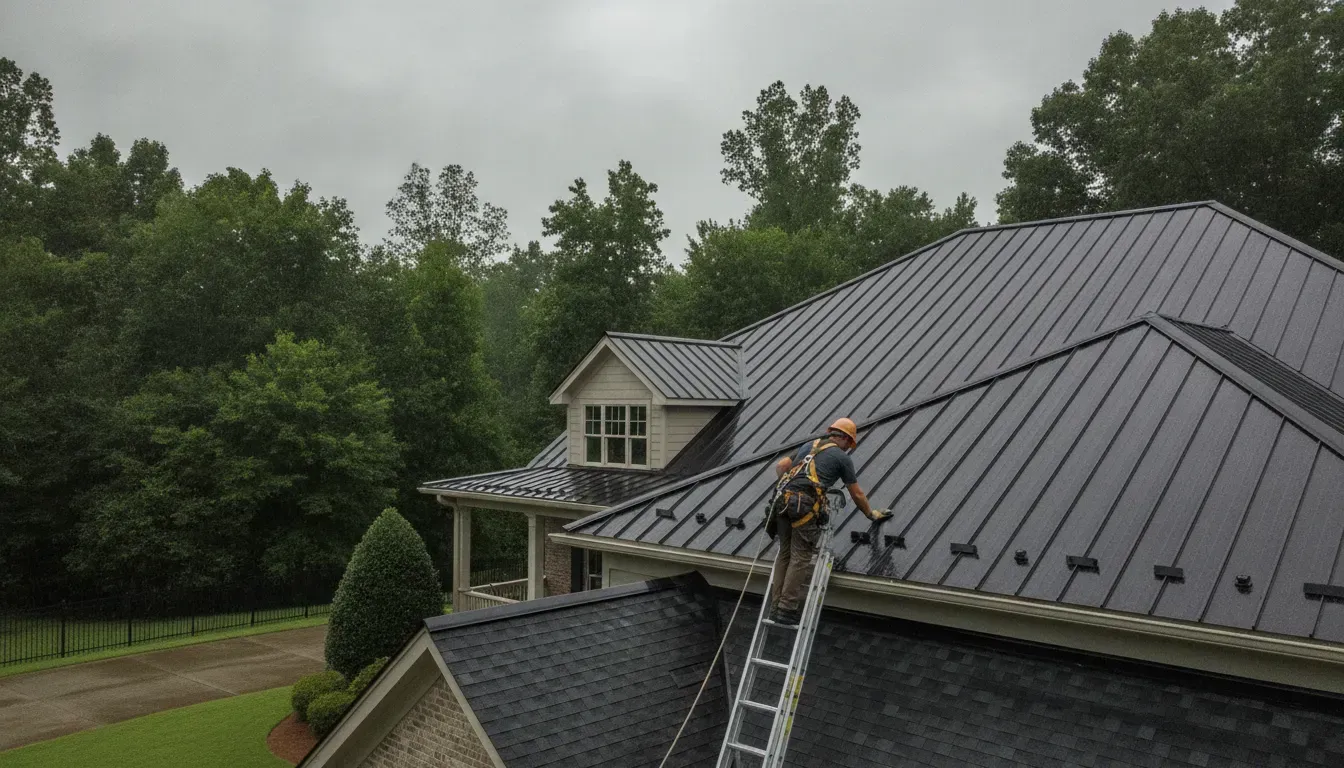
Metal roofing has gained popularity recently due to its modern look and durability. Available in various finishes, including corrugated panels and metal shingles, metal roofs mimic the appearance of traditional materials like wood, slate, or tile. Whether you're aiming for a sleek, contemporary design or a more rustic aesthetic, Metal Roofing Newton offers options to complement your home's style.
Energy Efficiency:
Metal roofing is the best roofing materials for energy efficiency. It is highly reflective, meaning it reflects sunlight and heat away from the home, keeping the interior cooler in summer. In fact, a metal roof reduce cooling costs by up to 25%, making it an excellent option for homeowners who want to cut down on their energy bills. Additionally, metal roofs are excellent insulators and can help retain heat during the winter months.
Pros:
- Excellent durability and lifespan ( last up to 50 years or more)
- Highly reflective, reducing energy costs
- Available in various styles and finishes
- Low maintenance
Cons:
- Can be more expensive upfront
- Requires professional installation to avoid issues like leaks
3. Clay and Concrete Tiles: Timeless and Energy-Efficient
Curb Appeal:
Clay and concrete tiles are often associated with Mediterranean or Southwestern-style homes, giving them a classic, timeless appearance. These tiles come in various colors, including terracotta, gray, and custom shades. If you're aiming for an old-world charm or a luxurious feel, tile roofing can significantly enhance your home's curb appeal.
Energy Efficiency:
Both clay and concrete tiles are naturally reflective and energy-efficient, especially when paired with proper insulation. These tiles excel at reflecting sunlight, reducing the heat absorbed by the roof. This makes them a great choice for warmer climates, helping to keep the interior of your home cooler. With a long lifespan, they offer significant energy savings for many years. For optimal performance and longevity, consider professional roof repair in Dekalb, ensuring your roof is properly maintained and continues to provide energy efficiency.
Pros:
- Beautiful, timeless aesthetic
- Highly energy-efficient
- Long-lasting and durable
- Great for hot climates
Cons:
- Heavy, requiring extra structural support
- Expensive upfront costs
- Can be fragile and also prone to cracking if not handled properly
4. Wood Shakes and Shingles: Rustic and Natural
Curb Appeal:
Wood roofing materials, such as cedar shakes or shingles, offer a natural, rustic look that works well with cabins, cottages, and homes in wooded or rural areas. The warm tones and textured appearance of wood enhances the curb appeal of a home, giving it an organic, inviting feel. Over time, wood can weather into a beautiful silvery-gray patina, adding to its charm.
Energy Efficiency:
Wood roofs have moderate energy efficiency properties. While they don't reflect heat as well as metal or tile roofs, they do provide natural insulation.
Pros:
- Beautiful, natural look
- Offers good insulation
- Can last for many years with proper maintenance
Cons:
- Requires maintenance on the regular basis to prevent rot, moss, and algae growth
- Can be more expensive than asphalt shingles
- May not be the best option in areas prone to wildfires
5. Slate Roofing: Elegant and Long-Lasting
Curb Appeal:
Slate roofing is a high-end option known for its elegance and long-lasting beauty. The natural stone tiles offer a sophisticated and luxurious look that can elevate any home, especially those with traditional or European-style architecture. Available in various colors, including green, gray, and purple, slate roofing can be customized to suit your aesthetic preferences.
Energy Efficiency:
Slate is an excellent insulator, keeping your home cooler in the summer as well as warmer in the winter. Additionally, its natural reflective properties help minimize heat absorption, reducing the need for air conditioning in warmer climates. Slate roofs are durable and long-lasting, offering energy efficiency for decades.
Pros:
- Highly durable and last for over 100 years
- Beautiful, natural appearance
- Excellent insulator, improving energy efficiency
Cons:
- Expensive to install and maintain
- Heavy, requiring additional structural support
- Can be difficult to repair if damaged
Factors to Consider When Choosing Roofing Materials for Curb Appeal and Energy Efficiency
When choosing roofing materials, there are several factors to consider to ensure you're making the best decision for both curb appeal and energy efficiency:
1. Climate
The climate in your area plays a very important role in determining which roofing materials will be the most effective. For example, if you live in a hot climate, reflective materials like metal or tile roofing can help reduce cooling costs. In colder climates, materials with good insulating properties, such as wood or slate, may be more appropriate.
2. Budget
Your budget also affects your choice of roofing materials. Asphalt shingles are an affordable option, while materials like slate and metal roofing may have a higher upfront cost. It's essential to balance your aesthetic and energy efficiency needs with your budget.
3. Maintenance Requirements
Some roofing materials require more maintenance than other material. Wood roofing, for example, needs regular inspections and treatments to prevent rot, while metal and slate roofs require minimal maintenance. Consider how much time as well as effort you're willing to invest in maintaining your roof.
4. Longevity
The lifespan of roofing materials varies greatly. Asphalt shingles typically last for around 20 years, while slate and metal roofing can last 50 years or more. Investing in a longer-lasting roof may be more expensive, but it can save you money in the long run.
Conclusion: The Right Roofing Materials for Your Home
In conclusion, the right roofing materials can enhance both the curb appeal as well as energy efficiency of your home. By selecting materials that align with your home's style, local climate, and energy efficiency goals, you can create a roof that is both functional and beautiful.
Whether you opt for the classic look of asphalt shingles, the reflective power of metal roofing, or the timeless elegance of slate, make sure to consult a professional roofing service likeTotal Roofs to help guide you through the process. A well-chosen roof protect your home and enhance its value and comfort for years to come.