Skylight Leak Repair: A Step-by-Step Guide
Stephen Griswell • February 23, 2026
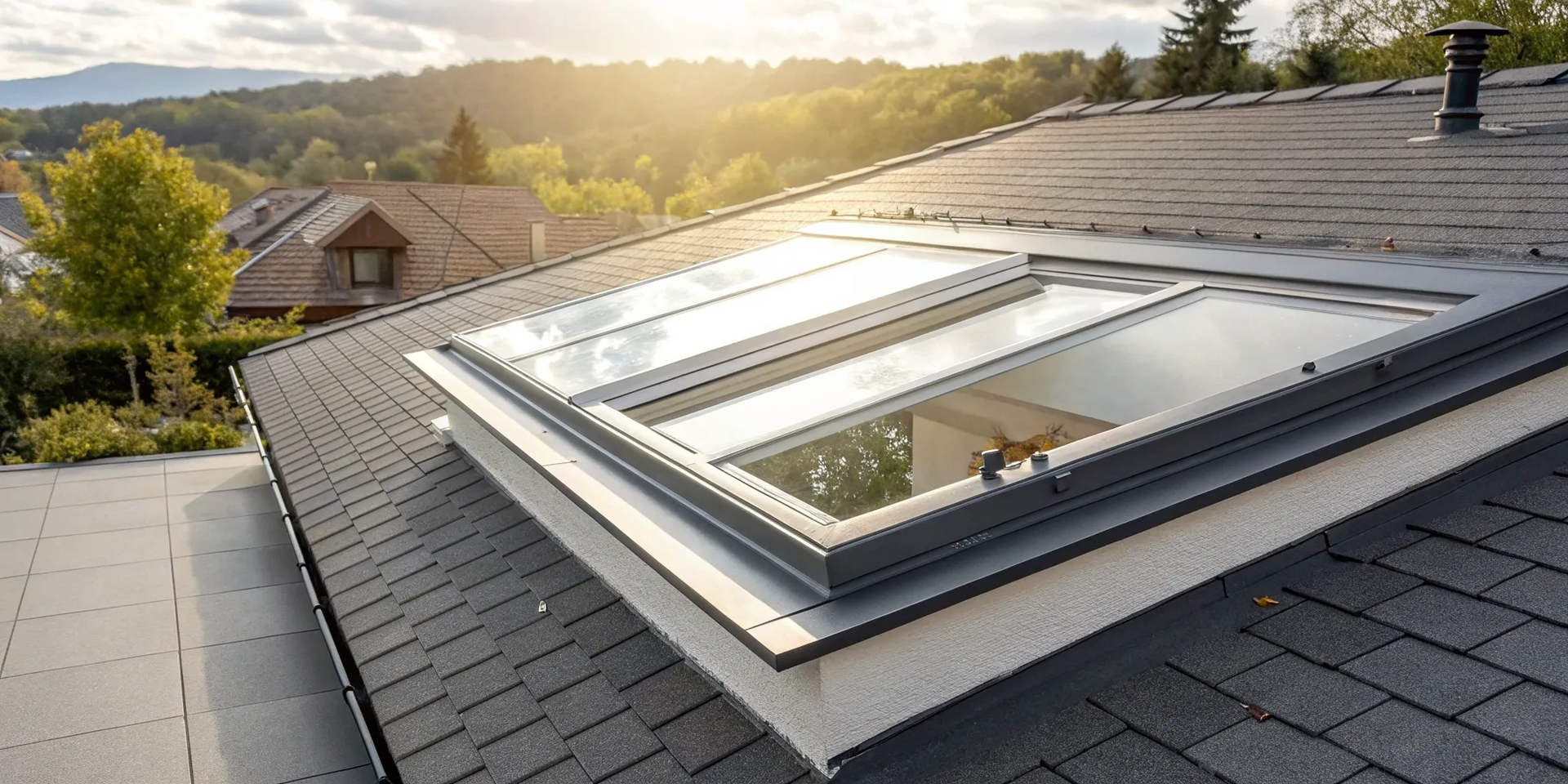
A water stain on the ceiling is more than just an eyesore; it’s a sign of a problem that immediately brings financial questions to mind. How serious is it? Can I fix it myself? How much will a professional charge? The cost of a skylight leak repair can vary widely depending on the cause, the extent of the damage, and the type of skylight you have. This guide is designed to give you a clear picture of the potential costs involved, breaking down the factors that influence the price and helping you weigh the pros and cons of repairing versus replacing your unit.
Key Takeaways
- Pinpoint the Problem's Origin: Most skylight leaks stem from a few common issues, such as damaged flashing, failing seals, or debris that blocks proper drainage. Look for tell-tale signs like water stains or musty smells to understand the root cause before attempting a fix.
- Distinguish DIY Fixes from Pro Jobs: While you can handle minor tasks like clearing debris or applying new sealant, always prioritize your safety. Persistent leaks, cracked glass, or signs of structural damage are clear indicators that it's time to call an experienced professional.
- Prioritize Proactive Maintenance: You can avoid future leaks with a little routine care. Make it a habit to inspect your skylight twice a year, clear away any collected leaves or branches, and check the seals to address small problems before they turn into costly repairs.
What's Causing Your Skylight to Leak?
Finding a puddle on your floor or a water stain on your ceiling is never a welcome sight. When the source is your skylight, it can feel especially frustrating. Skylights are meant to bring in natural light, not rainwater. The good news is that most leaks come from a handful of common issues. Understanding what’s causing the problem is the first step toward a lasting fix. From the initial installation to everyday wear and tear, several factors can compromise your skylight and the integrity of your residential roofing system. Let's walk through the most frequent culprits so you can pinpoint what’s happening with yours.
Faulty Installation
Unfortunately, improper installation is one of the leading causes of skylight leaks. If a skylight isn't fitted, sealed, and integrated into the roof deck correctly from the start, it creates immediate vulnerabilities. The leak might show up after the first big storm or take a few years to appear, but the root cause is the same. This is why working with an experienced and certified team is so important. A professional ensures every component is perfectly aligned and sealed, giving you peace of mind that the job was done right. Our team at Total Roof Solutions has the credentials and experience to guarantee a secure, leak-free skylight installation.
Damaged Flashing
Flashing is a thin layer of metal installed around your skylight to create a waterproof barrier. Its job is to direct water down and away from the skylight and into the gutters. Over time, this flashing can be damaged by severe weather, lift due to temperature changes, or corrode. When the flashing is bent, loose, or has gaps, it creates a direct path for water to seep under your shingles and into your home. A thorough inspection can reveal if the flashing is the source of your leak, which often requires professional repair to ensure it’s properly sealed again.
Cracked Glass
While it may seem obvious, a crack in the skylight pane itself is a common reason for leaks. Hail is a frequent offender, but falling tree branches or other debris can also cause damage. Sometimes, the crack can be a hairline fracture that’s difficult to spot from the ground, yet it’s large enough to let water in during a downpour. If you suspect an impact has damaged your skylight, it’s best to have it inspected closely. A cracked pane almost always requires a replacement to restore its watertight seal and structural integrity.
Worn-Out Seals
Just like the weatherstripping around a door or window, your skylight has seals that prevent water and air from getting in. These seals are constantly exposed to the elements, from intense sun and heat to freezing temperatures. Over the years, this exposure can cause the sealant to dry out, become brittle, and crack. As the seals degrade, they pull away from the frame and the glass, creating small gaps where water can easily penetrate. Resealing a skylight is a common repair that can often solve a persistent leak without needing to replace the entire unit.
Debris and Poor Drainage
Your roof is designed to shed water efficiently, but sometimes debris can get in the way. Leaves, pine needles, and dirt can accumulate around the top and sides of your skylight, especially on lower-pitched roofs. This buildup acts like a dam, trapping water and preventing it from draining properly. When water pools around the skylight, it has more time to find tiny cracks and weak points in the seals or flashing. Keeping the area around your skylight clear is a simple but effective way to prevent this. It’s also a good idea to ensure your gutters are clean, as proper roof drainage is key to preventing water issues.
Signs of a Leaking Skylight
A leaking skylight can start subtly, but catching it early is the key to preventing bigger, more expensive problems down the road. Water damage can compromise your home’s structure, ruin drywall, and lead to mold growth. Knowing what to look for helps you act fast. Pay close attention to the area around your skylight, especially after heavy rain, and keep an eye out for these common warning signs. If you spot any of them, it’s time to investigate further.
Visible Water Stains
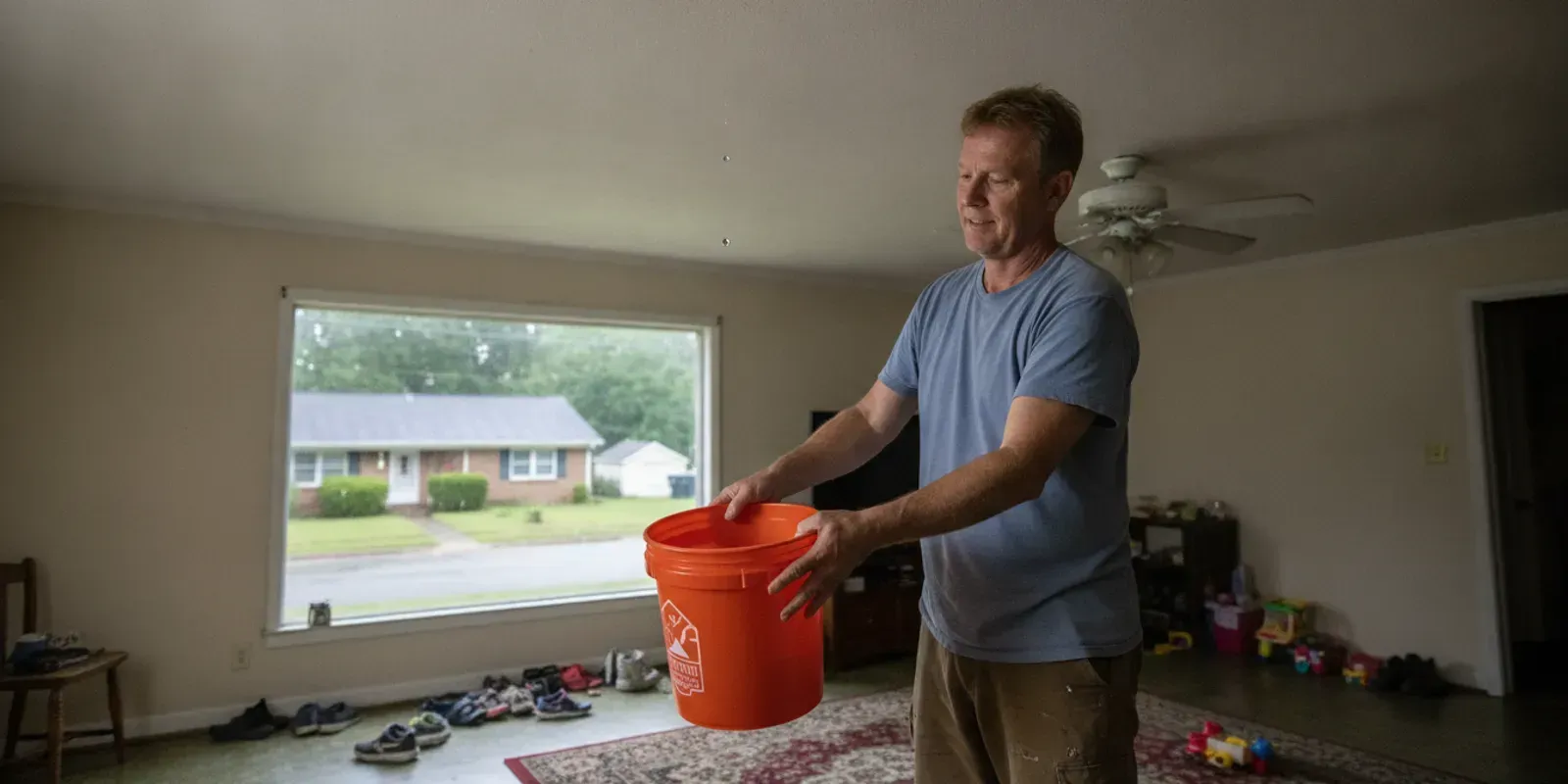
This is often the most obvious sign of a leak. You might notice yellowish or brown discolored spots on the ceiling or walls surrounding your skylight. These stains are created as water seeps through your roof and into the drywall. They can be small at first but will grow larger and darker over time with continued water exposure. Don't just paint over them and hope for the best. A water stain is a clear signal that moisture is getting in where it shouldn't, and our professional skylight services can pinpoint the source of the leak and fix it correctly.
Musty Smells or Mold
Sometimes you can smell a leak before you can see it. A persistent musty or moldy odor near your skylight is a major red flag. This smell indicates that water has been present long enough for mold or mildew to begin growing, often hidden within your ceiling or wall cavities. Mold not only causes structural damage but can also affect your home's air quality and your family's health. If you notice an earthy, damp smell that you can’t trace to another source, it’s a good idea to have your skylight and roof inspected for hidden moisture.
Condensation Between Panes
A little condensation on the inside of your skylight during a cold morning isn't unusual. However, if you see fog, moisture, or water droplets trapped between the two panes of glass, you have a problem. This means the seal that creates an airtight space between the panes has failed. A broken seal compromises your skylight's insulating properties, leading to energy loss and creating a pathway for water to eventually find its way inside your home. This is a sign that your skylight is failing and likely needs repair or replacement.
Damp Drywall
Even without visible stains, the drywall around your skylight can tell you if there’s a leak. Gently press on the ceiling or wall area near the skylight. If it feels soft, spongy, or cool to the touch, it’s likely absorbing moisture. Damp drywall is a serious issue because it means water is saturating the material from the inside out. Over time, this will weaken the structure, cause the paint to bubble or peel, and eventually lead to more significant damage. Addressing dampness early can save you from a much larger residential roofing repair project.
Should You Fix a Leaking Skylight Yourself?
When you spot a leak, your first instinct might be to handle it yourself. A DIY approach can seem like a quick and cost-effective solution, and for very minor issues, it might be. However, skylight repair involves working on your roof, which comes with its own set of challenges and risks. Before you pull out the ladder, it’s important to honestly assess the scope of the problem, your own skill level, and whether a DIY fix is the safest and most effective option. Making the wrong call could lead to a bigger mess or, worse, a serious injury.
Prioritize Your Safety
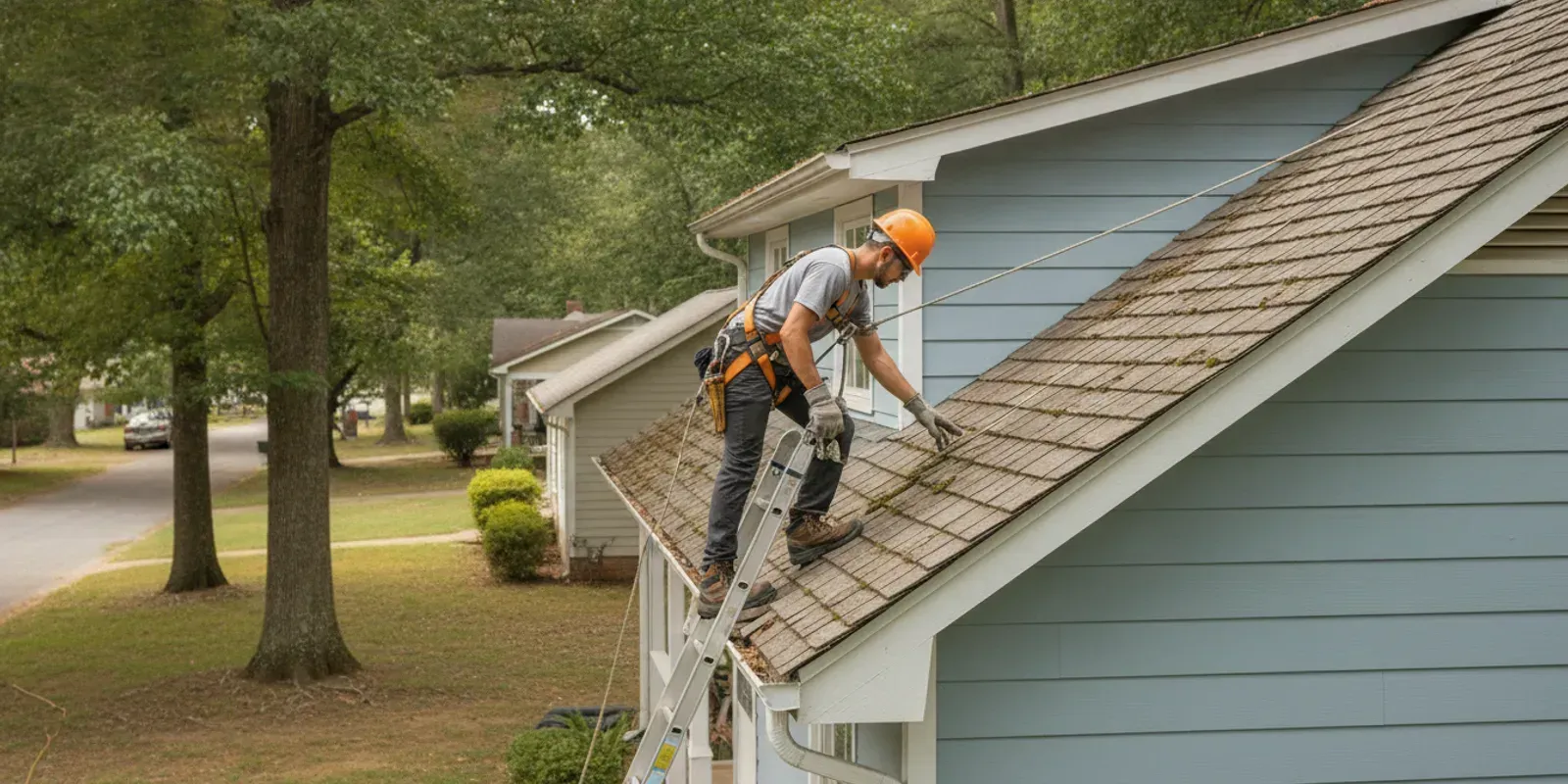
Working on a roof is dangerous, even for seasoned professionals. Your safety should always be your top priority. Before you even think about climbing up there, remember that falls are a major risk. Never sit, step, or walk directly on a skylight; the glass and frame are not designed to support your weight and can easily break. Always use a sturdy, properly secured ladder and wear slip-resistant shoes. If you feel at all unsteady or uncomfortable with heights, it’s best to leave the job to a professional. Your well-being is far more valuable than any potential savings from a DIY repair.
Gather Your Tools and Materials
A successful repair depends on having the right equipment. For a simple fix, you’ll likely need a utility knife to remove old sealant, a caulk gun, and a tube of high-quality, waterproof silicone sealant appropriate for outdoor use. You’ll also want a wire brush for cleaning debris, a bucket, and some rags. Make sure you have all your materials ready before you head up to the roof to avoid multiple trips up and down the ladder. If the job requires more than these basic tools, it might be a sign that the problem is more complex than you initially thought.
When to DIY a Skylight Repair
You can tackle some minor skylight issues on your own if you feel confident and have the right tools. Small fixes, like clearing away leaves and debris from the flashing or applying a fresh layer of sealant around the edges, are often manageable. If you notice the weatherstripping around the glass is old and brittle, replacing it can also be a straightforward DIY task. These simple maintenance steps can often stop a small leak in its tracks. However, if you see any signs of widespread water damage, cracked glass, or damaged flashing, it’s time to put the tools down and call for help.
Avoid These Common DIY Mistakes
One of the biggest pitfalls of DIY repair is accidentally creating a bigger problem. Applying sealant over a dirty or wet surface, for example, won't create a proper bond and will fail quickly. A common mistake is simply patching over the visible issue without identifying the root cause. This might stop the drip for a little while, but it often just masks the real problem, allowing water to cause hidden damage to your roof deck and home’s interior. And if the skylight glass itself is cracked, this is not a safe repair to attempt yourself. For complex issues, a professional skylight inspection is the best way to ensure a lasting solution.
How to Fix a Leaking Skylight Yourself
If you've pinpointed a minor leak and feel confident working on your roof, a DIY repair might be a good option. Tackling a small issue yourself can be empowering, but remember that safety always comes first. These steps are designed for simple fixes, like sealing small gaps. For larger problems, complex leaks, or if you're not comfortable with heights, it's always best to contact a professional for residential roofing services. With the right tools and a bit of patience, you can often stop a small leak in its tracks.
1. Clean and Prep the Area
Before you can fix anything, you need a clean slate. Grab a bucket of water with a little mild detergent and a few rags. Carefully climb up to the skylight and thoroughly clean the glass and the surrounding frame. You’ll want to remove all the dirt, leaves, and grime that have built up. This step is more important than it sounds; new sealant won't stick to a dirty surface. Once everything is clean, wipe it down with a dry rag and give it plenty of time to air-dry completely before you move on to the next step.
2. Remove Old Sealant
Next, it’s time to get rid of the old, failing sealant. This is often the culprit behind a leak. Using a putty knife or a utility knife, carefully scrape away any cracked, peeling, or brittle caulk around the edges of the skylight. Be patient and methodical here. You want to remove all the old material without scratching the glass or damaging the metal flashing. A clean, smooth surface is essential for creating a new, watertight seal that will last. Take your time to ensure you’ve cleared away all the old sealant before proceeding.
3. Apply New Sealant
With the area prepped, you’re ready to apply new sealant. Choose a high-quality, 100% silicone sealant that’s rated for exterior use and is waterproof. Using a caulk gun, apply a thick, continuous bead of sealant along the seam where the skylight glass meets the frame. You also want to seal the seam where the frame meets the roof flashing. Once applied, you can smooth the bead with a caulk tool or your finger for a clean finish. This fresh seal is your new line of defense against water. Our team’s professional skylight services always include meticulous sealing to ensure a durable repair.
4. Tighten Loose Hardware
Over time, the screws and bolts holding your skylight in place can loosen due to weather changes and vibrations. This can create tiny gaps just large enough for water to seep through. While you’re on the roof, take a moment to inspect all the visible hardware. Use a screwdriver or wrench to gently tighten any loose screws around the skylight’s frame and flashing. If you notice any screws that are rusted or stripped, it’s a good idea to replace them with new ones of the same size. Just be careful not to overtighten, which could cause damage.
5. Inspect and Test Your Work
After you’ve cleaned, sealed, and tightened everything, it’s time to see if your hard work paid off. Wait for the sealant to cure completely, following the manufacturer's instructions (this can take anywhere from a few hours to a full day). Once it’s ready, have someone stand inside underneath the skylight while you use a garden hose on a gentle setting to run water over the repaired area. Your helper inside can let you know if any drips appear. If it stays dry, congratulations! If you still see a leak, the problem may be more complex, and it’s time to call in the experts.
When to Call a Professional
While tackling a home repair project yourself can be incredibly satisfying, some jobs are best left to the experts, especially when they involve your roof. A leaking skylight can seem like a simple fix, but it often points to a more complex problem that a quick patch won't solve. Knowing when to put down the sealant and pick up the phone can save you time, money, and a lot of frustration. It also ensures the job is done safely and correctly, protecting your home from further damage. If you're on the fence, consider these signs that it’s time to call in a professional.
Signs You Need an Expert
Sometimes, a DIY fix only puts a bandage on a bigger issue. It's often best to get a professional roofer to fix a leaking skylight, as a simple patch might just hide the real problem. An expert can identify whether the leak is coming from worn-out seals, damaged flashing, or an installation issue that you might not see. They have the experience to diagnose the root cause accurately, ensuring the repair is permanent. If you’re unsure about the source of the leak or if it seems to be coming from the roof structure itself, it’s a clear sign you need a professional opinion.
Structural Damage or Safety Risks
Your safety should always come first. If the roof surface around your skylight feels soft, spongy, or unstable in any way, do not attempt to walk on it or fix it yourself. This indicates potential water damage to the roof deck, which is a serious structural concern. Working on a compromised roof is extremely dangerous without the proper training and safety equipment. A professional team has the gear and expertise to assess the situation safely and perform the necessary roof repairs without putting anyone at risk.
The Leak Persists After Your DIY Fix
It’s frustrating when you spend a weekend fixing a leak, only to see a new water stain appear after the next rainstorm. If the leak comes back after you tried to fix it yourself, it's time to call a professional. A persistent leak usually means the problem is more complicated than it appears. It could be an issue with the flashing integration, improper sealing, or even a problem with the roof slope and drainage around the skylight. A professional has the tools and knowledge to find the hidden cause and provide a lasting solution.
Your Skylight is Old or Worn
Like any part of your home, skylights have a lifespan. If your skylight is old, has visible cracks, or is constantly foggy with condensation, pouring money into frequent repairs might not be the best investment. You should consider replacing it if the skylight is badly damaged, isn't energy-efficient, or if the cost of fixing the leaks is getting too high. A professional can assess its condition and help you decide if a repair is sufficient or if a full skylight replacement would be a more cost-effective and energy-efficient choice for the long term.
What Does Professional Skylight Repair Cost?
When you discover a leak, one of the first questions that comes to mind is, "How much will this cost to fix?" The truth is, the price for a professional skylight repair can vary quite a bit. A simple fix might only cost a little, but a more complex problem involving roof damage will naturally cost more. The final price depends on the specific cause of the leak, the type of skylight you have, and how difficult it is to access. Understanding these factors will help you get a clearer picture of the potential investment and prepare you for a conversation with a roofing professional. The best way to get an accurate number is to schedule a professional inspection, where an expert can assess the damage firsthand and give you a detailed quote.
Average Repair Costs
Generally, you can expect to pay between $50 and $800 for a leaking skylight repair. Minor issues, like reapplying sealant around the edges, will fall on the lower end of that spectrum. However, if the problem is more serious, such as damaged flashing or cracks in the glass, the cost can climb toward $1,500. The price reflects not just the materials but also the labor and expertise required to ensure the fix is durable and effective. A professional roofer can diagnose the exact problem and provide a precise estimate, so you know exactly what to expect before any work begins.
What Affects the Price?
Several key factors influence the final cost of your skylight repair. The extent of the damage is the biggest one; a small crack is much simpler to address than widespread water damage that has compromised the surrounding roof structure. The type of skylight also matters. Fixed, non-opening skylights are less complex than ventilated ones with moving parts. Another major factor is accessibility. A skylight on a steep, high roof requires more safety equipment and time to repair than one on a low-slope, easily accessible roof. Our team is equipped to handle all types of skylight services, no matter the placement or complexity.
Repairing vs. Replacing: The Cost
Sometimes, a repair might not be the most cost-effective solution. If your skylight is old, severely damaged, or very energy-inefficient, replacing it might be a better long-term investment. Think of it this way: if the repair cost is more than half the price of a new unit, replacement is often the smarter choice. A new skylight not only solves the leak but also comes with a fresh warranty and can improve your home's energy efficiency. A trusted contractor can help you compare the costs and benefits, ensuring you make the best decision for your home and budget.
Will Insurance Cover It?
Many homeowners wonder if their insurance will help with the cost. In many cases, it will. Most standard home insurance policies cover damage from sudden and accidental events, like a storm or a fallen tree branch. However, leaks caused by old age, wear and tear, or improper installation are typically not covered. The best first step is to review your policy to understand your coverage. Be sure to document the damage with clear photos. A reputable company like ours can provide the detailed documentation you’ll need to support your insurance claim and make the process smoother.
What to Expect from a Professional Repair
When you decide to call in a professional, you’re not just paying for a repair; you’re investing in peace of mind. A qualified roofer brings the right tools, materials, and expertise to diagnose the problem correctly the first time. It’s easy to see a drip and assume the fix is simple, but water is tricky. It can travel from the point of entry along rafters and beams before it ever shows up on your ceiling. While a DIY patch might seem to work temporarily, it often just covers up the real issue, leading to hidden moisture, mold growth, and more extensive structural damage later.
A professional will trace the leak to its source and provide a lasting solution that protects your home. At Total Roof Solutions, our team is trained to handle everything from minor fixes to complete skylight replacements, ensuring the job is done right. We understand that your home is your biggest investment, and we treat it with the care it deserves. We start with a comprehensive assessment to understand exactly what’s going on, so you know what to expect every step of the way. This transparency means no surprises, just a reliable repair that lets you get back to enjoying the natural light without worrying about the next rainstorm.
The Initial Inspection
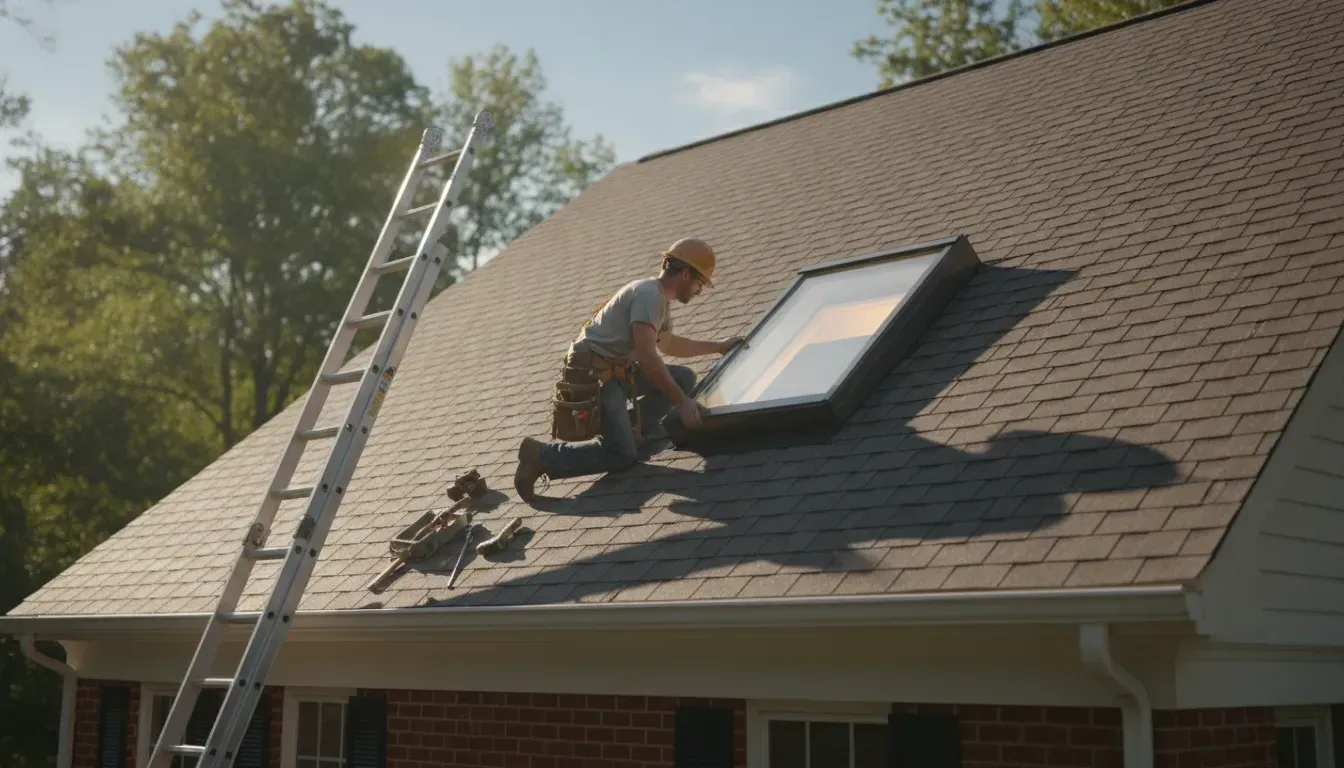
The first thing a professional contractor will do is perform a detailed inspection of your skylight and the surrounding roof area. This isn't just a quick glance from the ground. We get up on the roof to check for the common culprits: cracked or dried-out sealant, damaged metal flashing, loose hardware, or even debris that’s blocking proper water drainage. We’ll also inspect the interior for signs of water damage that might not be immediately obvious. This thorough approach helps us pinpoint the exact cause of the leak, ensuring we fix the root problem instead of just treating a symptom.
How Pros Fix Leaks
Once we’ve identified the source of the leak, we get to work on the repair. The exact method depends on the cause. If the sealant has failed, we’ll remove the old material and apply a new, high-quality waterproof seal. For damaged flashing, we’ll either reshape and secure it or replace it entirely to create a watertight barrier. If the glass itself is cracked, we’ll discuss replacement options with you. Attempting these kinds of roof repairs yourself can be dangerous and may lead to more costly issues if not done correctly, which is why we always recommend leaving it to an experienced team.
Timelines and Warranties
Most straightforward skylight repairs can be completed in just a few hours, typically between one and three. We understand your time is valuable, so we work efficiently to get the job done with minimal disruption to your day. Before any work begins, we provide a clear, written agreement that outlines the scope of the repair, the total cost, and the terms of the contract. A reputable contractor will always stand behind their work, which is why we also include detailed warranty information. This ensures you have full confidence in the quality and durability of our skylight services.
How to Prevent Future Skylight Leaks
After you’ve dealt with a leak, the last thing you want is a repeat performance. The good news is that a little proactive care can go a long way in keeping your skylights watertight and your home dry. Preventing future leaks is often simpler and much less expensive than fixing them. By staying on top of a few key maintenance tasks, you can extend the life of your skylight and protect your home from water damage. Think of it as a small investment of your time that pays off big in peace of mind.
Schedule Regular Inspections
One of the easiest ways to prevent major issues is to catch them early. Regular maintenance is crucial for skylights, so make it a habit to check on them. At least twice a year, clear away any leaves, twigs, or other debris that has collected around the frame, as this can trap water and lead to rot. While you’re up there, take a close look at the seals for any signs of cracking or peeling. It’s also a good idea to trim back any tree branches hanging directly over the skylight. For a more thorough check-up, a professional roof inspection can spot subtle problems you might miss.
Follow Seasonal Maintenance Tips
Your skylights face different challenges with each season, especially with Georgia’s weather. Before the rainy season hits, it’s a great time to inspect the flashing to make sure it’s secure and intact. In the spring and fall, check the sealant around the glass. If you notice it’s starting to look brittle or has gaps, it’s time to have it replaced before moisture can seep in. These simple seasonal checks help ensure your skylight is prepared for anything from a summer downpour to winter ice. If you find an issue with the flashing or seals, our team can provide expert skylight services to get it fixed right.
Know When to Replace Your Skylight
Sometimes, a skylight reaches the end of its functional life. If your skylight is old, constantly needs repairs, or has significant damage like deep cracks in the frame, it might be time for a replacement. Another tell-tale sign is persistent condensation between the glass panes, which indicates a broken seal and poor energy efficiency. While the upfront cost of a new skylight is higher than a simple repair, it can save you money in the long run by preventing chronic leaks and lowering your energy bills. A modern, properly installed skylight offers better insulation and peace of mind for years to come.
How to Choose the Right Skylight Contractor
When your DIY efforts don’t cut it, finding the right professional is the most important step you can take. A skylight is a unique feature that intersects with your roof, so it requires specialized knowledge to repair correctly. Choosing an experienced, trustworthy contractor ensures the job is done right the first time, protecting your home from future water damage and giving you peace of mind. A great contractor not only fixes the immediate problem but also helps you understand how to prevent it from happening again.
What to Look for in a Contractor
Not every roofer is a skylight specialist. You’ll want to find a contractor with proven experience in skylight installation and repair. Look for a company that is fully licensed and insured, which protects you from any liability during the repair process. A reputable contractor will also be familiar with local building codes to ensure your repair is compliant. Check for certifications and partnerships with leading manufacturers, as these often indicate a high level of training and commitment to quality. A contractor’s history and community involvement can also speak volumes about their reliability and dedication to their customers.
Questions to Ask Before You Hire
Before you commit, it’s smart to have a list of questions ready. This helps you vet potential contractors and compare their qualifications. Start by asking about their specific experience with skylights like yours. Request references from past clients so you can hear about their experiences firsthand. It’s also crucial to ask about warranties; find out what guarantees they offer on both their workmanship and the materials they use. A confident, professional contractor will be happy to answer all your questions and provide clear, straightforward information, leaving you feeling secure in your decision.
Watch Out for These Red Flags
Knowing what to avoid is just as important as knowing what to look for. Be cautious of any contractor who provides a vague estimate or a price that seems too good to be true, as this can signal inexperience or hidden fees down the line. A major red flag is a lack of proper licensing or insurance. If they can’t provide proof, walk away. Finally, be wary of anyone who is unwilling to answer your questions, provide references, or uses high-pressure sales tactics. A trustworthy partner will be transparent and patient, ensuring you feel comfortable every step of the way.
Related Articles
- Installing skylights on your roof | Total Roof Solutions, GA
- What Are the Different Types of Skylights? Total Roof Solutions
- Understanding Atlanta Roof Costs for Homeowners
Frequently Asked Questions
How quickly do I need to fix a leaking skylight? You should act as soon as you notice it. Even a small drip can be a sign of a bigger problem. Water can travel behind your walls and ceiling, causing hidden damage to your home's structure and leading to mold growth. Addressing the leak immediately can save you from a much more complicated and expensive repair later on.
Is it really worth hiring a professional for what looks like a tiny leak? Yes, it almost always is. What appears to be a small issue on the surface, like a minor drip, could be a symptom of a larger problem with your flashing or the roof deck itself. A professional can accurately diagnose the root cause, ensuring the fix is permanent. A quick DIY patch might stop the drip for now but could allow hidden damage to continue, which will cost you more in the long run.
Will my homeowner's insurance help pay for the repair? It's possible, but it depends on the cause of the leak. Most insurance policies cover damage from sudden events, like a hailstorm or a fallen tree branch. However, they typically don't cover leaks resulting from a lack of maintenance or general wear and tear over time. Your best bet is to review your policy and document the damage thoroughly before filing a claim.
Can regular roof maintenance actually prevent my skylight from leaking? Absolutely. Think of it like preventative care for your home. Regular inspections allow a professional to spot and address small issues, like degrading sealant or debris buildup, before they turn into active leaks. Keeping the area around your skylight clean and ensuring the seals and flashing are in good shape is one of the most effective ways to avoid water damage.
How do I know if my skylight needs to be replaced instead of just repaired? A good rule of thumb is to consider replacement if the repair costs are approaching half the price of a new unit. Other clear signs include a large crack in the glass, persistent condensation between the panes (which means the seal has failed), or if the skylight is simply old and inefficient. If you find yourself calling for frequent repairs, a full replacement is often the more sensible long-term solution.