How to Pay for a Roof with No Money: A Guide
Stephen Griswell • May 20, 2026
When you’re facing a five-figure repair bill for a new roof, it can feel like you’re on an island. But you’re not alone in this. Right here in our community, and through national programs, resources exist specifically to help homeowners in your exact situation. Many people just don't know where to look. Beyond traditional loans, there are government grants, local assistance programs, and non-profit organizations dedicated to ensuring families have safe housing. This guide is designed to be your map to these resources. We’ll dig into the practical steps for how to pay for a roof with no money by uncovering these valuable, often overlooked, opportunities that can turn a stressful problem into a manageable project.
Key Takeaways
- Explore Non-Loan Options First : Before you borrow money, check if your homeowner's insurance will cover damage from a recent storm. It is also worth researching government grants or local assistance programs, which can provide funds for essential repairs without requiring repayment.
- Take Immediate Steps to Protect Your Home: While you plan your next move, prevent the problem from escalating. A simple tarp over a leak or clearing your gutters can stop water from causing more expensive issues like mold and structural damage.
- Weigh Your Financing Choices Carefully: If you need a loan, compare the different paths available. Contractor financing offers convenience, personal loans provide quick cash without using your home as collateral, and home equity loans typically have lower interest rates.
Will Your Homeowner's Insurance Cover a New Roof?
It’s one of the first questions we hear from homeowners after a storm, and for good reason. A new roof is a major investment, and your insurance policy is there to protect you from unexpected disasters. The short answer is: maybe. Insurance can be a fantastic resource, but coverage depends entirely on the cause of the damage. Let's walk through what that means for you, how to file a claim correctly, and what to do if your initial request is denied.
Understanding What's Covered (and What's Not)
Your homeowner's insurance is designed to protect you from sudden, accidental events, often called "perils." When it comes to your roof, this typically includes damage from high winds, hail, or a fallen tree. If a storm rolls through and rips off shingles, your policy will likely help cover the repair or replacement.
However, insurance generally does not cover issues that arise from old age, normal wear and tear, or a lack of maintenance. Your homeowner's insurance might pay for roof damage caused by sudden events, but it typically won’t cover a roof that has simply reached the end of its lifespan. This is why routine inspections are so important; they help you catch small problems before they become major issues that insurance won't touch.
How to File Your Insurance Claim
If you believe your roof damage is covered, acting quickly and methodically can make all the difference. First, safely document everything. Take clear photos and videos of the damage from the ground, if possible. Next, pull out your insurance policy and review your coverage details and deductible amount.
Before you call your insurance agent, contact a trusted roofing contractor for a professional inspection. An expert can assess the full extent of the damage, provide a detailed report, and give you an accurate estimate for repairs. This professional documentation is a powerful tool to support your claim. With this information in hand, you can confidently file your claim with your insurance provider.
What to Do If Your Claim Is Denied
Receiving a denial letter from your insurance company can feel defeating, but it’s not necessarily the end of the road. You have the right to appeal the decision. Start by carefully reading the denial letter to understand exactly why the claim was rejected. Sometimes, it’s a simple matter of providing more detailed documentation.
If the reasoning is more complex, you might consider getting a second opinion from another roofer. For complicated cases, you can also seek assistance from a public claims adjuster. These professionals work for you, not the insurance company, and can help you manage the appeals process to ensure your claim is fairly evaluated.
Finding Grants and Assistance for Roof Repairs
If your roof repair feels financially out of reach, don't lose hope. Several government and local programs are designed to help homeowners, especially those with limited incomes, cover the cost of essential repairs. These grants and low-interest loans can be a lifeline when you need to protect your home but don't have the cash on hand. It takes a bit of research, but finding the right program could solve your roofing problem without draining your savings. Let's walk through some of the best options available.
HUD Section 504 Home Repair Program
The U.S. Department of Housing and Urban Development (HUD) offers a program specifically for making critical home repairs. The Section 504 Home Repair program is a fantastic resource for low-income homeowners living in rural areas. It provides loans of up to $40,000 at a low, fixed 1% interest rate. For homeowners aged 62 or older who can't repay a loan, the program also offers grants of up to $10,000. This money is intended to remove health and safety hazards from your home, and a failing roof definitely qualifies. It’s a great first place to look if you meet the income and location requirements.
USDA Single Family Housing Repair Loans & Grants
Similar to the HUD program, the U.S. Department of Agriculture (USDA) also has a program to help homeowners. The Single Family Housing Repair Loans & Grants program is designed for very-low-income families in rural areas. It offers loans up to $40,000 and grants up to $10,000. The grants are specifically for elderly (62 or older) homeowners who can't afford to repay a loan. These funds can be used to repair, improve, or modernize your home, which includes a full roof replacement. If you live outside of a major city, it’s worth checking to see if your property is in a USDA-eligible area.
FHA Title 1 Property Improvement Loan
If you don't qualify for the low-income programs, the Federal Housing Administration (FHA) has another option. An FHA Title 1 loan isn't a grant, but it is a fixed-rate loan designed for home repairs and improvements. You can borrow up to $25,000 for a single-family home, and the great part is that it’s more accessible than many traditional loans. You don't need a lot of equity in your home to qualify, and the credit requirements are more flexible. This makes it a solid choice for financing a necessary roof repair without needing perfect credit or a lot of cash saved up.
Georgia's State and Local Programs
Beyond the big federal programs, don't forget to look for help closer to home. Here in Georgia, various state and local initiatives can provide financial assistance for home repairs. The Georgia Department of Community Affairs (DCA) is the best place to start your search. They often manage programs that help low-to-moderate-income families, seniors, and individuals with disabilities. Your local city or county government may also have its own housing rehabilitation programs. These resources can sometimes be less well-known, so a little digging on their websites or a quick phone call can uncover some valuable opportunities right in our community.
First, Check If You're Eligible
After learning about these programs, your first move should be to check your eligibility. It’s tempting to get excited about a grant, but every program has specific rules. Most have strict income limits based on the median income in your area and the number of people in your household. They also have requirements about the home's location and your age. Before you spend hours filling out applications, visit the program's official website and find their eligibility criteria. The USDA has a dedicated eligibility site where you can check your address and income to see if you might qualify. This simple step will save you a ton of time.
Ask About Roofing Company Financing
If the thought of paying for a new roof all at once feels overwhelming, you’re not alone. A roof is a major home investment, but you shouldn't have to drain your savings to protect your property. Many professional roofing companies understand this and offer in-house financing or partnerships with lenders to make the cost more manageable. Asking about payment plans is a smart first step and a great way to gauge a company's commitment to its customers. A contractor who provides flexible payment solutions is often one who is invested in building a long-term relationship based on trust and support.
How Payment Plans Work
A payment plan does exactly what it sounds like: it breaks down the total cost of your new roof into a series of smaller, predictable monthly payments. Instead of facing one large bill, you can budget for a fixed amount over a set period. This approach makes getting a high-quality residential roofing system much more accessible without forcing you to compromise on materials or workmanship. Reputable contractors offer these plans because they believe everyone deserves a safe, durable roof and want to help you get there without the financial strain.
Exploring No-Money-Down Options
Some financing plans go a step further by offering no-money-down options. This is especially helpful if you don't have cash set aside for a down payment. Through partnerships with lending institutions, roofing companies can often provide plans with 0% interest for an introductory period (like 12 or 18 months) or low, fixed interest rates for longer terms. This allows you to get your new roof installed immediately, protecting your home from further damage, while giving you time to manage the payments in a way that fits your budget.
How to Spot a Good Financing Offer
When you review financing offers, it’s important to look beyond the monthly payment. A great offer is transparent and easy to understand. Before you sign, make sure you know the interest rate, especially what it will be after any promotional period ends. You should also understand the terms of the loan, including its total length and whether there are any penalties for paying it off early. A trustworthy contractor will walk you through all the details and answer your questions patiently, ensuring you feel confident in your decision.
Weighing Other Financing Options
If your insurance claim is denied or contractor financing isn't the right fit, don't worry. You still have several other solid ways to fund your new roof. Think of these as traditional borrowing methods that can provide the cash you need to protect your home. From personal loans to using the equity you’ve built in your home, each path has its own set of benefits and things to consider. The key is to find the one that aligns with your financial situation and comfort level. Let's walk through some of the most common options so you can make a confident choice.
Personal Loans: Quick Cash, No Collateral
If you need money for your roof quickly, personal loans are a viable option to consider. You can get these from banks, credit unions, or online lenders, and since they are unsecured, you don’t have to put your home up as collateral. Approval and funding can happen fast, sometimes in just a day or two, which is a huge plus for urgent roof repairs. The interest rate you get will depend heavily on your credit score; a stronger score usually means a lower rate. The main trade-off is that interest rates on personal loans tend to be higher than on home-based loans, and you won’t get any tax advantages.
Credit Cards: Convenient for a Cost
Using credit cards can be a convenient way to pay for a new roof, but it requires a smart strategy. If you have a card with a 0% introductory APR offer, you could essentially get a free short-term loan. This works beautifully if you’re disciplined and can pay off the entire balance before the promotional period ends. However, be careful. If you carry a balance after that intro period, you could be hit with very high interest rates, sometimes over 30%. This option is best for those who are confident in their ability to pay the debt off quickly to avoid costly interest charges.
Home Equity: Lower Rates, Higher Stakes
A home equity loan or a home equity line of credit (HELOC) lets you borrow against the value you’ve already paid into your home. Because your house serves as collateral, lenders see it as less risky, which means you can often secure a much lower interest rate compared to personal loans or credit cards. The downside is that you’re adding another monthly payment on top of your primary mortgage, and you’re putting your home on the line if you can’t pay it back. The flexibility is a major benefit, though, as you can often borrow just what you need for the roofing project.
How Your Credit Score Plays a Role
No matter which financing route you explore, your credit score is the main character in this story. It’s the single most important factor lenders look at to determine if you qualify for a loan and what interest rate you’ll receive. A good credit score will open doors to more options and better, more affordable terms. Before you even start applying for loans, it’s a great idea to check your credit report. Knowing where you stand gives you the power to either shop for the best deals with confidence or take steps to improve your score before moving forward.
Creative Ways to Fund Your New Roof
When the usual financing routes aren't the right fit, it’s time to think outside the box. A new roof is a major investment, but that doesn't mean you have to drain your savings or rely solely on traditional loans. Several creative avenues can help you cover the cost, sometimes by tapping into resources you might not have considered. From government incentives to community support, these strategies can make your necessary roof replacement much more affordable. Let's walk through a few options that could work for you.
Energy Rebates and Tax Credits
Making your home more energy-efficient can put money back in your pocket. Many government programs offer financial help for home improvements that improve insulation and reduce energy consumption, which includes installing a new, efficient roof. These upgrades can lead to significant savings on your heating and cooling bills down the line. It’s worth checking for federal energy-efficient home improvement credits that you may qualify for. You can also look into programs from the Department of Housing and Urban Development (HUD) or specific grants for veterans, which can provide valuable assistance for essential roofing projects.
Credit Union Loans
If you prefer not to use your home as collateral for a loan, a personal loan can be a great alternative. Banks, online lenders, and credit unions all offer them, and the funds are often available within a few days. Credit unions are particularly worth looking into. As member-owned, not-for-profit institutions, they often provide personal loans with lower interest rates and more flexible terms than traditional banks, especially if you have a good credit history. This can make them a more affordable choice for financing your new roof without tying the loan to your property.
Crowdfunding and Community Help
Sometimes the quickest cash is hiding in your garage or attic. Selling items you no longer need is a straightforward way to generate funds for your roofing project while also decluttering your home. For a more community-focused approach, you could consider crowdfunding. This involves creating a campaign on a platform where friends, family, and even strangers can contribute to your goal. You can also look into local non-profits or community action agencies. Many have programs designed to help homeowners with emergency repairs, providing a crucial safety net when you need it most.
What to Do Right Now to Protect Your Home
Finding out you need a new roof is stressful enough, but figuring out how to pay for it can feel overwhelming. While you explore financing and assistance programs, the last thing you want is for the existing damage to get worse. A small leak can quickly escalate, leading to soaked insulation, damaged drywall, and even mold growth inside your walls. These secondary issues not only add to the final repair bill but can also pose health risks to your family. Ignoring a compromised roof is a gamble that rarely pays off; the longer you wait, the more complex and costly the situation becomes.
Taking immediate action can protect your home from this kind of cascading damage, prevent more expensive repairs down the road, and give you some much-needed peace of mind. These next steps are all about damage control, helping you bridge the gap between discovering the problem and securing a long-term solution. Think of it as first aid for your home. By taking a few proactive measures now, you are protecting your biggest investment while you make a plan for a permanent fix. It’s about being empowered and in control, even when the situation feels daunting. Let's walk through what you can do right now.
Quick Fixes to Prevent More Damage
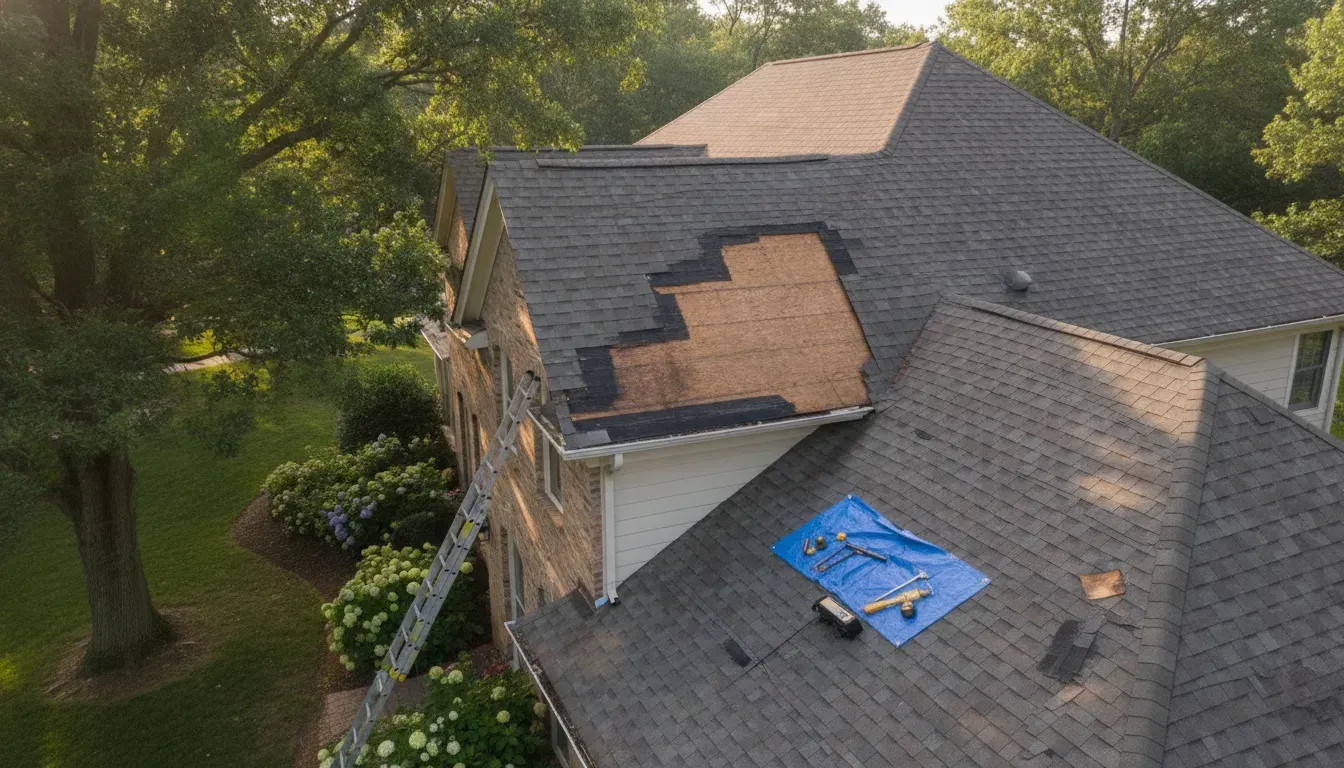
If you have an active leak, your first priority is to stop water from getting inside. Placing a heavy-duty tarp over the damaged section of your roof is a solid temporary fix that can prevent water stains, ruined insulation, and mold growth. Next, take a look at your gutters. Clogged gutters can cause water to back up under your shingles, worsening existing problems. Clearing them out is a simple but effective step. Finally, don’t ignore the small stuff. A single loose shingle or a bit of cracked flashing might seem minor, but addressing these small issues quickly can keep them from turning into major, costly disasters while you arrange for a permanent fix.
Knowing When a Patch Isn't Enough
Sometimes, a simple patch or partial repair is enough to extend your roof’s life, especially if the damage is contained to one small area. This can be a great way to buy yourself some time. However, it's crucial to recognize when you’re facing a bigger problem. Putting off a full roof replacement when it’s truly needed can lead to serious consequences like widespread water damage, dangerous mold, and even structural issues with your home’s foundation. A failing roof system only gets worse, and the resulting problems will be far more expensive to fix than the roof itself. The best way to know for sure is to get a professional opinion from a team you can trust. An experienced contractor can give you an honest assessment of whether a repair will suffice or if a full residential roofing replacement is the only safe option.
Choosing the Right Path for You
Facing a necessary roof replacement without having the cash on hand can feel overwhelming, but you have more options than you might think. The key is to find the route that fits your specific circumstances. Let's walk through some of the most common and effective ways to handle the cost, so you can protect your home without breaking the bank.
Start with Your Insurance Policy
If your roof was damaged by a storm, hail, or another covered event, your first call should be to your insurance agent. Homeowner's insurance is designed for these exact situations. Even if your roof is older, damage from a specific event is often covered. As an experienced contractor, we can help you through the process, ensuring all the damage is properly documented for your claim. This is often the most direct path to getting your residential roofing project covered.
Look into Financing and Payment Plans
You don't always need to pay for a new roof in one lump sum. Many reputable roofing companies, including us, offer flexible financing plans. This allows you to get a safe, new roof now and pay for it over time with manageable monthly payments. If you have equity in your home, a home equity loan could also be an option with a potentially lower interest rate. Our team can discuss the financing options we offer to find a solution that works for your budget.
Explore Grants and Assistance Programs
If you're facing financial hardship, there are programs designed to help. For example, the USDA Single Family Housing Repair program offers loans and grants for essential home repairs, including roofing. It's also worth researching state and local charities in the Atlanta area that assist homeowners. These resources can be a true lifeline, so taking a moment to check the eligibility requirements is a great next step.
Consider a Phased Approach
If a full replacement isn't possible right now, a temporary repair might be the answer. Patching a leak or tarping a damaged area can prevent further water damage inside your home, buying you valuable time. This gives you a chance to save up or secure financing for a permanent fix. When you are ready, we can also discuss different roofing materials, like durable and cost-effective asphalt shingles, to make the final project more affordable without compromising on quality.
Related Articles
- Assessing Roofing Material Effects on Renovation Budget Planning
- Discover Tools for Calculating Atlanta Roof Replacement Costs
- How Much Should You Budget for a Roof Replacement?
Frequently Asked Questions
What's the very first step I should take if I suspect my roof is damaged? Before you do anything else, document the damage safely from the ground. Take clear photos of any visible issues. Your next call should be to a trusted roofing contractor for a professional inspection. They can give you a detailed report on the extent of the damage, which is essential information whether you plan to file an insurance claim or explore other financing options. This expert assessment gives you a clear understanding of the situation and a solid foundation for your next steps.
My roof is just old, not storm-damaged. What are my best options? This is a common situation, and you're right to be proactive. Since homeowner's insurance typically doesn't cover replacement due to age or general wear, your best bet is to look at financing. Many homeowners in your position find that our in-house financing plans are a great fit, as they are designed specifically for this purpose. Another strong option is an FHA Title 1 loan, which is intended for home improvements and has flexible qualification requirements.
How does roofing company financing differ from a personal loan? Think of it as specialized versus general. Roofing company financing is a service tailored specifically for your roofing project, often providing promotional interest rates and a streamlined approval process because the lender is partnered with the contractor. A personal loan gives you a lump sum of cash that you can use for anything, not just the roof. While flexible, personal loan rates are based heavily on your credit score and may be higher than a secured or promotional financing offer.
I can't afford a full replacement right now. Is a temporary patch a bad idea? A professional repair or temporary patch can be a very smart move. It can stop active leaks and prevent more serious water damage inside your home, buying you valuable time to secure the funds for a permanent solution. However, it's important to view it as a temporary fix, not a final answer. A patch on a roof that is failing system-wide is only delaying a necessary replacement, so it's best to get a professional opinion on how long that patch can be expected to last.
How do I know if I'm eligible for a government grant or loan program? The best way to find out is to go directly to the source. Each program, like the USDA's or HUD's, has specific criteria based on your income, household size, age, and property location. The USDA even has a dedicated eligibility website where you can enter your address and income to get a preliminary answer. Checking these official sites first will save you time and help you focus your application efforts on the programs where you have the best chance of qualifying.