How Much Does It Cost to Install a Skylight?
Stephen Griswell • May 19, 2026
You’re here for the numbers, so let’s get straight to it. Figuring out how much does it cost to install a skylight can feel confusing because there isn't one set price. The total project cost can range from a couple of thousand dollars to several thousand more, and for good reason. The final price tag depends heavily on your choices and your home’s specific needs. A simple, fixed skylight on an asphalt shingle roof will cost less than a large, remote-controlled vented model that requires structural work. In this guide, we’ll break down the costs for different types of skylights, explain how labor and materials factor in, and outline any additional expenses you should plan for.
Key Takeaways
- Understand the full cost: A skylight's price tag is just the beginning; your total investment includes the unit, professional installation, and interior finishing work like drywall and paint.
- Select the right skylight for the job: Use vented models to add fresh air in kitchens and bathrooms, fixed skylights to brighten living spaces, and tubular skylights as a clever solution for hallways or closets.
- Prioritize a quality installation to prevent leaks : Most skylight problems result from improper installation, so hiring a certified contractor is the best way to protect your home, your investment, and your product warranty.
How Much Does a Skylight Really Cost?
So, you're dreaming of adding a skylight to your home. I love that! It's one of the best ways to bring beautiful, natural light into a space. But before you get too far into your daydream, let's talk numbers. Figuring out the real cost can feel a bit tricky because it’s not just about the price tag on the skylight itself; it's a combination of the product and the professional installation that ensures it won't leak.
On average, the skylight unit itself can cost around $2,115, with most people spending between $1,185 and $3,170. But that's only half the story. You also have to factor in the labor. The total installation cost typically lands somewhere between $1,000 and $3,000, though a more complex job can certainly go higher. This all-in price covers both the skylight and the expert work required to place and seal it perfectly on your roof.
Why such a wide range? The final price depends on a few key things. The type of skylight you choose is a big one. A simple tubular skylight might run you between $1,400 and $2,000 installed, while a larger, traditional skylight can range from $2,000 to $10,000 depending on the model and features. The materials also play a part; a vinyl frame is usually the most budget-friendly option, while wood frames are on the higher end. Think of these numbers as a starting point. In the next sections, we’ll break down exactly what factors can change your final quote.
Breaking Down Skylight Types and Costs
Choosing a skylight is about more than just picking a window for your ceiling. The type you select will determine its function, appearance, and of course, its price. The costs we'll cover here are for the units themselves; installation will be a separate consideration. Understanding the main options, from simple fixed panes to ventilating models, helps you decide what best fits your space and budget. A professional installation is key to ensuring any skylight you choose is weathertight and performs beautifully for years to come. Let’s look at the most common types and what you can expect.
Fixed Skylights
Think of a fixed skylight as a picture window for your roof. Its only job is to let natural light pour into a room, and it does it beautifully. These are the simplest type of skylight because they don't open or close. Because of their simple design, they are often the most affordable option, with the unit itself typically costing between $170 and $1,240. They are a fantastic choice for dark hallways, living rooms, or any space you want to brighten. Just keep in mind that all that sunlight can also bring heat, so you might want to consider adding blinds or using special glass to manage room temperature.
Vented Skylights
If you want to let in a fresh breeze along with the sunshine, a vented skylight is your answer. These units can open either manually with a hand crank or electronically with a remote, making them perfect for adding ventilation. They are especially useful in rooms that deal with moisture and odors, like kitchens and bathrooms. Letting steam and heat escape can make your home more comfortable and improve air quality. The added mechanics mean they cost more, with units ranging from $340 to $2,200. Manual versions work well for low, easy-to-reach ceilings, while electronic models offer convenience for high, vaulted ceilings.
Tubular Skylights
What about those tricky spots like hallways, closets, or bathrooms where a traditional skylight just won’t fit? That’s where tubular skylights, also known as sun tunnels, come in. These clever devices use a small dome on the roof to capture sunlight and channel it down a highly reflective tube into your home, ending in a diffuser that looks like a standard light fixture. They are a surprisingly effective and budget-friendly way to brighten small or interior spaces, with units typically costing between $290 and $820. They are also an excellent solution for homes with truss roofs that can’t accommodate a large framed-out skylight.
How Framing Choices Impact Price
The frame you choose for your skylight is more than just a finishing touch; it plays a big role in the final cost, durability, and insulation. Vinyl frames are the most affordable, usually running from $150 to $1,000. They offer good insulation and require little maintenance. Metal frames, like aluminum, are a durable mid-range option costing $200 to $1,500, but they may need extra insulation. For a classic look, wood frames provide excellent insulation and aesthetic appeal but are the most expensive at $300 to $2,500. Wood also requires regular maintenance to protect it from moisture and prevent water damage.
What Factors Drive Up Skylight Costs?
When you start budgeting for a skylight, it’s helpful to know that the final price is more than just the unit itself. Several key factors influence the total cost of the project, from the skylight’s design to the specific characteristics of your roof. Understanding these variables will help you get a clearer picture of the investment and make choices that align with your budget and home improvement goals.
Size and Shape of the Skylight
It’s a simple rule: the larger the skylight, the higher the price tag. A bigger unit requires more materials, like glass and framing, and often involves more labor to create the opening and secure it properly. Beyond size, the shape also matters. Standard square or rectangular skylights are the most common and cost-effective options. If you’re dreaming of a more unique design, like a circular, oval, or custom-shaped skylight, be prepared for a higher cost. These specialized shapes require more complex manufacturing and a more intricate installation process, which adds to the overall expense.
Your Roof's Type and Pitch
The type of roof you have is a major factor in determining the complexity and cost of a skylight installation. A roof’s slope, or pitch, makes a significant difference. Generally, installing a skylight on a pitched roof is more straightforward and less expensive than on a flat roof, which requires building a curb to create a slight angle for proper water drainage. The material of your roof also plays a part. Whether you have asphalt shingles, metal, or another material on your residential roof, the installation technique will need to be adapted, which can influence the final cost. A professional installer will assess your specific roof structure to ensure a perfect, leak-proof fit.
Glazing, Tints, and Other Add-Ons
This is where you can really customize your skylight to fit your needs. The type of glass, or glazing, you choose has a big impact on both performance and price. Options range from basic acrylic to more durable tempered or laminated glass. For better energy efficiency, you can select double-paned units with low-emissivity (Low-E) coatings that help block UV rays and prevent heat transfer. Tints are also available to reduce glare. Beyond the glass, you can add features like built-in blinds or shades, insect screens, or even remote controls for vented models that open to let in fresh air. Each of these upgrades will add to the total cost.
Your Location and Local Labor Rates
Where you live affects the final price of your skylight installation, primarily due to regional differences in labor costs. The contractor’s labor is a significant portion of the total bill, and rates can vary from one city to another. This is why getting a detailed quote from a local, reputable installer is so important for accurate budgeting. As a company deeply rooted in the Atlanta area, we understand the local market and can provide a precise, transparent quote. You can learn more about our commitment to our community and our standards of service. A professional quote will account for not just the labor rate but also the complexity of your specific project.
Don't Forget These Additional Skylight Costs
When you get a quote for a skylight, the price of the unit itself is just one piece of the puzzle. Several other costs can pop up during the installation process, and it’s smart to know about them ahead of time so you can budget accordingly. From paperwork and structural reinforcements to the finishing touches inside your home, these additional expenses are necessary for a safe, beautiful, and long-lasting installation. Thinking about these costs now will save you from any surprises down the road.
Permits and Inspections
Because installing a skylight involves cutting into your roof’s structure, many local authorities require a permit before any work can begin. This isn't just bureaucratic red tape; it’s a critical measure to ensure the project meets all local safety and building codes, protecting your home and your family. The cost of the permit itself, along with any fees for required inspections during and after the installation, will be added to your total project price. A certified and experienced roofing contractor can handle the entire permitting process for you, making sure everything is filed correctly so your project proceeds smoothly and is fully compliant with all regulations.
Structural Work and Flashing
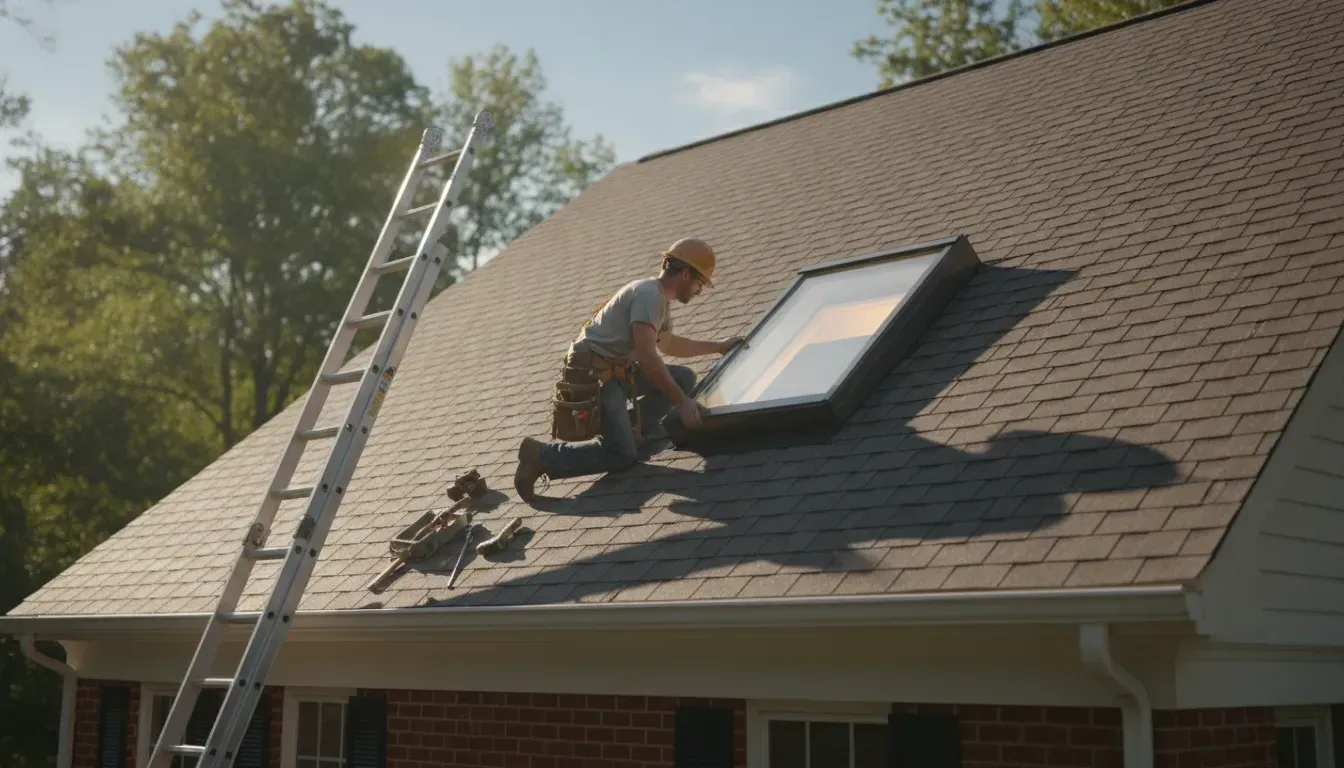
Proper installation is everything when it comes to skylights, and this is where a professional roofer’s expertise truly shines. To prevent leaks, your contractor must create a completely watertight seal using a system of flashing, underlayment, and high-quality sealants. This process protects the new opening in your roof from rain, wind, and snow. Depending on your roof’s design, some minor structural work might also be needed to properly frame the opening and support the new skylight. While these steps add to the cost, they are absolutely essential for the performance and longevity of your investment. Investing in professional skylight services ensures this critical work is done right the first time.
Interior Drywall and Paint
The work doesn’t stop once the skylight is secured on the roof. To bring that beautiful natural light into your room, a tunnel, or "well," needs to be built to connect the skylight to your ceiling. This requires framing the shaft, installing and finishing drywall, and then texturing and painting everything to seamlessly match your interior decor. These finishing touches are what make the skylight look like a deliberate and natural part of your home’s design. When getting quotes, be sure to ask if your installer includes this interior work, as it’s a crucial step for achieving that polished, professional look you’re after.
Future Maintenance and Repairs
While modern skylights are incredibly durable and built to last for decades, it’s wise to plan for potential long-term costs. Over many years, seals can eventually wear down, which could lead to issues with condensation or even leaks. Regular maintenance is the best way to catch these potential issues early and keep your skylight in great shape. A quality installation from an experienced residential roofing team significantly reduces the risk of future problems by ensuring every component is installed to manufacturer specifications. Still, setting aside a small budget for eventual upkeep is always a smart move for any homeowner looking to protect their investment.
Is a Skylight a Smart Investment for Your Home?
Deciding whether to add a skylight is about more than just cutting a hole in your roof; it’s about changing the way your home feels and functions. Like any significant home improvement project, it comes with clear benefits and potential drawbacks. Weighing these factors will help you determine if a skylight is the right move for your space, your lifestyle, and your budget. Let's break down what you can expect.
The Pros: More Light, Fresh Air, and Energy Savings
The most immediate benefit of a skylight is the flood of natural light it brings into a room. This can completely transform a dark hallway, a dim kitchen, or a stuffy bathroom, making the space feel larger, more open, and more inviting. Beyond aesthetics, this added daylight can reduce your reliance on artificial lighting, which can lead to modest energy savings over time. If you opt for a vented skylight, you also gain a source of fresh air. This is perfect for kitchens and bathrooms, as it helps release heat and humidity, improving air circulation throughout your home.
The Impact on Your Home's Value
A well-placed, high-quality skylight can be a fantastic selling point. For potential buyers, a home filled with natural light is often more appealing. Features that improve a home's atmosphere and offer potential energy efficiency can certainly add to its perceived value. However, the return on investment depends heavily on the quality of the product and the installation. A professionally installed skylight from a trusted contractor is seen as a premium upgrade. When you work with an experienced team for your skylight services, you're not just adding a window; you're investing in a feature that enhances your home's long-term appeal and worth.
The Cons: Potential Leaks and Heat Gain
Let's address the biggest concern head-on: leaks. Many homeowners worry about skylights causing water damage, and it's a valid fear if the installation is done poorly. Older models and improper installation are almost always the culprits behind leaks and condensation. Modern skylights, when installed by certified professionals using correct flashing techniques, are engineered to be watertight and durable. Another consideration, especially here in Georgia, is heat gain. A skylight can let in unwanted solar heat during the summer. Thankfully, modern glazing options like low-E coatings and tints can significantly reduce heat transfer, keeping your home comfortable without sacrificing the light.
Avoid These Common Skylight Installation Mistakes
A skylight can completely transform a room, but the installation has to be perfect. A poorly installed skylight is more than just a disappointment; it can lead to serious issues like leaks, drafts, and even structural damage. Getting it right the first time saves you a world of headaches and costly repairs down the road. When you’re planning your project, make sure you or your contractor are steering clear of these common mistakes. It’s the difference between enjoying years of beautiful, natural light and dealing with a constant source of stress.
Using Improper Flashing and Sealing
This is the single most critical part of any skylight installation. Flashing is a thin layer of metal that directs water away from the skylight and down your roof. When it’s done incorrectly, or with the wrong materials, you’re essentially inviting water into your home. A professional roofer will use a combination of proper flashing, underlayment, and high-quality sealants to create a completely watertight barrier. They understand how to integrate the skylight seamlessly with your specific residential roofing materials, whether you have shingles, metal, or something else. This isn't a step where you can afford to cut corners; a tiny gap can lead to major water damage over time.
Picking the Wrong Spot on Your Roof
Where you place your skylight matters for more than just aesthetics. The location impacts everything from the structural integrity of your roof to the temperature of the room below. A professional installer will assess your roof’s framing to find a spot that doesn’t compromise its structure. They’ll also help you consider the sun’s path. For example, a south-facing skylight in Georgia can introduce a lot of heat during the summer, while a north-facing one provides softer, more consistent light. The right placement ensures you get the beautiful light you want without unwanted side effects like heat gain or a compromised roof.
Ignoring Ventilation Needs
Before you settle on a skylight, think about the room’s function. Skylights come in two main types: fixed and vented. A fixed skylight is essentially a window for your roof, while a vented one can open to let air circulate. In rooms that generate a lot of moisture and heat, like kitchens and bathrooms, a vented skylight is a game-changer. It allows steam and warm air to escape, improving air quality and reducing the load on your air conditioner. Choosing a fixed skylight in a space that could benefit from airflow is a common mistake that can leave a room feeling stuffy and damp.
Hiring a Generalist Instead of a Specialist
Not every roofer is a skylight expert. Installing a skylight is a specialized skill that combines roofing, carpentry, and waterproofing. It involves cutting a hole in the roof, framing the opening, and ensuring a perfect seal, all while working around your home’s existing structure. A general contractor or a roofer who doesn't regularly install skylights may not have the experience to handle the complexities of the job. It’s always best to hire a contractor with a proven track record. When you’re vetting professionals, ask to see a portfolio of their past skylight services and check if they have certifications from leading manufacturers.
How to Choose the Right Skylight Installer
Installing a skylight is more than just cutting a hole in your roof; it’s a project that requires a deep understanding of your home’s structure and roofing system. The wrong installer can turn your dream of a sun-filled room into a nightmare of leaks and costly repairs. To make sure your investment is secure and your home is protected, it’s essential to find a qualified professional. This isn’t a job for a general handyman. You need a specialist who knows how to integrate a skylight seamlessly and safely into your roof.
What to Look for in a Roofing Contractor
Yes, roofers can and do install skylights, but you’ll want to find one with specific experience. A skylight installation involves cutting, flashing, and sealing a part of your roof, so it makes sense to hire someone who is an expert on the entire roofing system. A professional roofing contractor will have the specialized tools and safety equipment to work on your roof without causing damage or accidents. They also understand local building codes, ensuring your new skylight is fully compliant. Look for a contractor who can confidently explain how they will protect your roof’s integrity during and after the installation.
Questions to Ask Before You Hire Anyone
Before you sign a contract, it’s time to play detective. Asking the right questions can help you gauge a contractor’s experience and professionalism. Don’t be shy about vetting potential installers thoroughly.
Start with these questions:
- How many skylight installations have you completed?
- Do you have experience with the specific type and brand of skylight I want?
- Can you show me a portfolio of your previous skylight projects?
- Can you provide references from past clients who had skylights installed?
- Are you licensed and insured for this type of work?
A confident and experienced contractor will be happy to answer these questions and provide proof of their work. If they hesitate or can't provide clear answers, consider it a red flag.
How a Pro Installer Protects Your Warranty
Most skylight manufacturers offer warranties that protect you against defects, but there’s often a catch: the warranty is only valid if the skylight is installed by a professional. If you attempt a DIY installation or hire an unqualified person, you could void the warranty on your brand-new skylight. Hiring a certified contractor not only gives you peace of mind but also keeps your warranty active. This protects your investment for years to come, ensuring that if an issue does arise with the product, you’re covered. It’s a simple step that provides a crucial long-term safety net for your home.
Related Articles
- Installing skylights on your roof | Total Roof Solutions, GA
- New Roof Cost in Atlanta: 5 Factors | Total Roof Solutions
- Are Gutter Guards Worth the Cost? A Homeowner's Guide
- Your Step-by-Step Vinyl Siding Installation Guide
- A Guide to the Commercial Roof Repair Process
Frequently Asked Questions
Will my new skylight eventually leak? This is the number one worry, and it's completely understandable. A modern skylight installed by a certified professional should not leak. Leaks are almost always traced back to improper installation, especially poor flashing, or the failure of very old units. Today's skylights are engineered with advanced sealing and water-diversion systems. When you combine a quality product with an expert installation from a roofer who specializes in skylights, you get a secure, watertight fit designed to last for decades.
How long does the installation process usually take? For a straightforward installation, the project can often be completed in just one to two days. The first day typically involves the exterior work: cutting the opening, setting the skylight, and completing the crucial flashing and sealing on the roof. The second day is often dedicated to the interior finishing, which includes building the light shaft, installing drywall, and getting it ready for paint. More complex projects, like those on difficult roofs or requiring significant structural changes, might take a bit longer.
Do I have to replace my skylight when I replace my roof? While you don't technically have to, it is highly recommended. The seal around your skylight is integrated with your existing roofing materials. When roofers tear off the old roof, they have to disrupt this seal. Trying to re-flash an old skylight with a new roof is risky and can compromise the warranty of both the skylight and your new roofing system. Installing a new skylight at the same time as your new roof is the most cost-effective and secure way to ensure a perfect, leak-proof seal for years to come.
Is it better to get a vented or a fixed skylight? The best choice really depends on the room. A fixed skylight is a great, cost-effective option for spaces where you only want more light, like a hallway or living room. A vented skylight is the superior choice for rooms that deal with moisture and heat, such as kitchens, bathrooms, and laundry rooms. The ability to open the skylight allows humidity and hot air to escape, which improves air quality and can even help reduce your cooling costs in the summer.
Can a skylight really help me save on my energy bills? Yes, it can, but it's important to have realistic expectations. The primary savings come from reduced use of artificial lighting during the day. A vented skylight can also help you save on cooling by letting hot air escape. To maximize energy efficiency, you should choose a modern, double-paned skylight with a low-E coating. This special glazing helps block heat from the sun in the summer and prevents heat from escaping your home in the winter, making it a smart feature for overall home comfort.