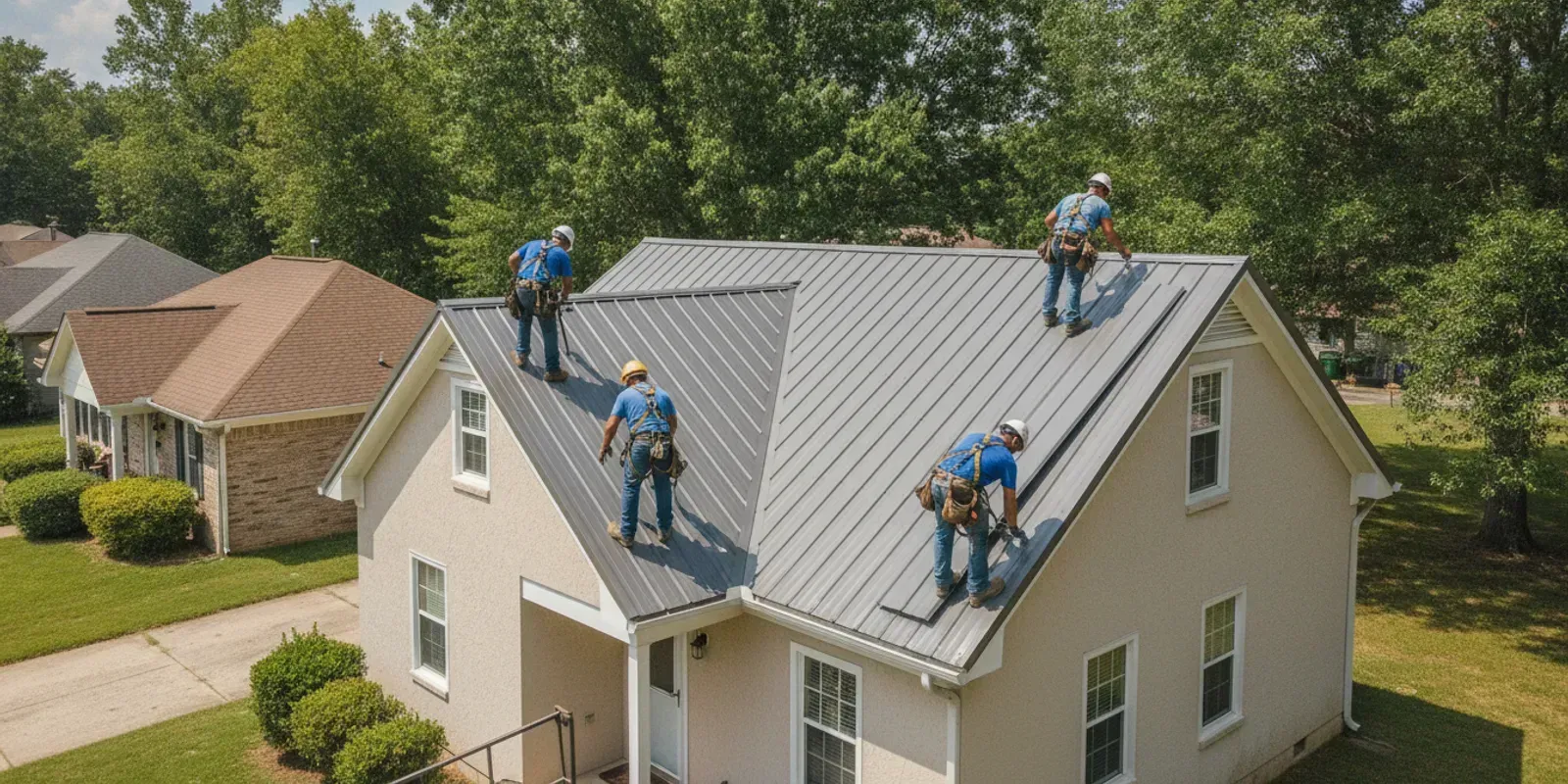
Residential Roof Repair Prices: A Comprehensive Guide to What You Should Pay
SEO Analysis • December 2, 2025
When homeowners begin to notice wear and tear on their roof, storm damage, or leaks, they cringe. Paying for roof repairs can be a hard blow to any household budget. Additionally, finding a reputable local company in Atlanta that delivers high-quality work can be challenging. The solution is finding a highly-rated team with a solid reputation that gives honest quotes, so homeowners know how to budget and avoid unnecessary add-ons.
Feeling unsure about the cost of residential roof repairs can lead to unexpected expenses or put off necessary maintenance. This guide provides clear cost ranges, explains the key factors that influence pricing, outlines financing strategies, and shows you how to get accurate estimates. You’ll learn about average repair expenses, the elements that affect pricing, from the materials you choose to how severe the damage is, detailed breakdowns for leaks, shingles, metal, and flat roofs, plus tips on handling insurance claims and deciding whether to repair or replace your roof. Along the way, discover why Total Roof’s certified crews in Atlanta deliver top-notch workmanship at straightforward prices.
What's the Average Price Tag for Residential Roof Repair?
The average cost to repair a residential roof typically falls between $400 and $1,650, depending on the type of damage, the roofing material, and labor rates. Residential roof repair is designed to fix issues like leaks, missing shingles, and storm damage with minimal disruption, restoring your roof’s structural integrity. For many homeowners, understanding these benchmarks helps prevent overpaying and makes budgeting much easier. Getting familiar with common repair services helps establish baseline expenses before diving into specific price variations.
What Are the Typical Price Ranges for Common Roof Repairs?
Common residential roof repairs include fixing leaks, replacing shingles, repairing flashing, and restoring storm damage. Leak repair services generally cost between $150 and $600, depending on the severity of the leak. Replacing damaged shingles typically ranges from $400 to $1,200. Flashing repair costs usually range from $300 to $800, while storm damage repairs can cost between $800 and $1,650. These price brackets align with national averages and reflect local conditions in Atlanta.
Understanding these price ranges helps you prepare your budget before requesting estimates.
How Do Roof Repair Costs Differ by Location, Especially in Atlanta?
Roof repair costs can vary significantly from one region to another due to differences in labor rates, the availability of materials, and local weather patterns. In Atlanta, average labor rates are $45–$75 per hour, and the frequent occurrence of storms tends to increase repair costs.
Areas along the coast or in northern states might see higher rates for repairs needed due to snow loads, while rural areas often benefit from lower overhead costs. These geographic variations can shift the price of a $750 shingle repair by more than 15%. Being aware of local cost drivers helps you create a realistic budget and choose the right contractor.
What Are National vs. Local Cost Comparisons for Roof Repairs?
Across the nation, homeowners typically spend between $370 and $1,649 on roof repairs, with a median cost of $999. Here in Atlanta, repair prices tend to be 5–10% higher than the national median, primarily due to the region's higher frequency of storms and labor costs. In contrast, some markets in the Midwest report repair costs up to 20% lower than the national average. Comparing these figures helps you determine whether a local quote aligns with broader industry benchmarks. Analyzing both national and local data prepares you to evaluate quotes with a solid understanding of the market.
What Factors Influence Residential Roof Repair Prices?
The price of residential roof repair is shaped by several interconnected factors that determine the overall expense. These include the extent of the damage, the type of material used, the size and complexity of the roof, labor rates, accessibility, and how urgently the repair is needed. A thorough understanding of each element will help you project costs more accurately and avoid unexpected expenses. Exploring these factors in detail reveals how each aspect contributes to the final repair estimate.
How Does the Extent and Type of Roof Damage Affect the Cost?
The scope of the damage directly impacts the repair cost by determining the materials required, the labor time needed, and the safety measures necessary. A minor leak under a single shingle might take 1–2 hours and require minimal parts, whereas widespread storm damage across multiple roof sections could take days and necessitate advanced repair techniques. Minor punctures typically cost between $150–$400, while large membrane tears can exceed $1,200. The severity of the damage thus influences both material costs and the time the crew needs to be on-site.
How Do Roofing Materials Impact Repair Pricing?
Different roofing materials require unique repair methods and parts, leading to varied pricing. Repairing asphalt shingles is generally the most affordable option, while metal roofing repairs involve specialized tools and sealants. Flat roof membranes (like EPDM or TPO) require specific adhesive applications and seam welding, which increases labor costs. The choice of material can change a basic repair from $375 to over $1,000. Choosing durable materials not only affects immediate repair costs but also contributes to long-term savings on maintenance.
How Do Roof Size, Pitch, and Complexity Affect Labor Costs?
Larger roofs mean more square footage to cover, which increases the amount of material needed and the labor hours required. Steeper roof pitches necessitate additional safety equipment and specialized harnesses, potentially increasing labor rates by 10–20%. Complicated roof designs with multiple valleys and dormers require precise cutting and fitting, which can extend project duration by up to 30%. A larger and more unique roof typically results in higher labor costs and overall repair expenses.
What Role Do Labor Rates and Geographic Location Play?
Labor rates are influenced by local wage standards, insurance costs, and contractor overhead. In urban areas like Atlanta, rates typically range from $45–$75 per hour, while in rural communities, they might be closer to $30–$50. During peak seasons, high demand can push labor rates up by 15% due to scheduling constraints. Regional economic conditions directly impact the wage component of repair pricing. Understanding these labor variations helps you benchmark quotes and negotiate fair hourly rates.
How Do Accessibility and Urgency Affect Repair Costs?
Roofs that are difficult to access, such as those with steep angles or limited ground clearance, may require specialized equipment, including scaffolding or boom lifts, which can add $200–$800 to the total cost. Emergency repairs scheduled outside of normal business hours often come with premium fees, potentially up to 25% higher than standard rates. Responding urgently to active leaks frequently involves expedited crew deployment, increasing labor and logistics charges. Factors like accessibility and timing can quickly escalate repair pricing when extra resources are needed.
What Does It Cost to Repair Specific Residential Roof Issues?
Repair costs vary depending on the specific issue, reflecting the materials required, the complexity of the labor involved, and the level of expertise needed. From simple leak patches to extensive storm damage restoration, each problem comes with its own price profile. This section breaks down common scenarios so you can match your roof’s needs with realistic cost estimates.
What Is the Cost to Fix a Roof Leak?
Fixing a roof leak typically costs between $150 and $600, depending on the location of the leak and the type of roofing material used. Small shingle leaks usually average $150–$300, while leaks originating under flashing or in valleys might require $350–$600. Catching and repairing leaks quickly prevents secondary damage, making this an essential investment to protect your home’s structural integrity. Addressing leaks promptly minimizes both immediate repair costs and potential interior water damage.
How Much Does Asphalt Shingle Repair Cost?
Repairing asphalt shingles typically involves replacing damaged shingles, underlayment, and sealant. The average cost runs from $100 to $400 per square (100 sq ft), with minor section replacements starting around $250. Complete replacement of larger asphalt shingle sections can cost up to $1,200, especially for steep or intricate roof areas. Getting accurate estimates depends on the quality of the shingles, the roof’s pitch, and the extent of the section needing replacement.
How Can Homeowners Finance Residential Roof Repairs?
Financing residential roof repairs can help bridge budget gaps and allow for critical maintenance to be completed without delay. Available options include loans, lines of credit, payment plans, and insurance claims. Each of these solutions comes with its own set of terms, interest rates, and approval processes. Exploring these avenues helps homeowners move forward with necessary repairs without putting them off.
What Are the Available Financing Options for Roof Repairs?
- Secured Home Equity Loans offer attractive low interest rates but require your home as collateral.
- Unsecured Personal Loans can provide quicker approval but typically come with higher interest rates.
- Credit Cards are useful for smaller repairs but involve variable interest rates.
- Contractor Payment Plans allow you to split costs into manageable monthly installments.
Choosing the right option involves balancing the overall cost, repayment period, and the speed of approval.
How Do Homeowners File Insurance Claims for Roof Repair?
- Document the damage immediately by taking photos and making detailed notes.
- Carefully review your policy coverage for wind, hail, or accidental damage.
- Contact your insurance provider to initiate the claim and get a claim number.
- Schedule a professional inspection for an official assessment of the damage.
- Submit repair estimates and the adjuster's report for approval.
Following these steps can streamline the claims process and help you maximize your reimbursement.
What Should You Know About Roof Repair Warranties?
Roof repair warranties generally fall into three main categories:
- Manufacturer Warranties cover defects in materials for periods ranging from 20 to 50 years.
- Workmanship Warranties guarantee the quality of the installation for 1 to 10 years.
- Extended Service Plans offer ongoing inspections and minor maintenance services.
Understanding the scope and exclusions of each warranty helps secure long-term protection for your investment.
How to Get an Accurate Roof Repair Estimate
Accurate estimates provide a clear outline of the project's full scope, including the quality of materials, labor involved, and expected timeframes. Detailed proposals guide homeowners in making informed decisions and help prevent hidden costs. Knowing what to expect in an estimate results in fair pricing and clear communication throughout the process.
Why Is It Important to Get Multiple Roof Repair Quotes?
Obtaining at least three quotes allows you to:
- Compare the quality of materials and labor rates offered by different contractors.
- Identify any outlier pricing that might indicate hidden fees or unnecessary charges.
- Assess the responsiveness and professionalism of each contractor.
- Negotiate better terms by leveraging competitive offers.
Getting multiple quotes helps you choose the best combination of value and quality for your project.
What Should a Detailed Roof Repair Estimate Include?
A comprehensive estimate should list:
- The scope of work, with itemized tasks clearly defined.
- Specific material details, including brand names.
- Estimated labor hours, hourly rates, and the size of the crew.
- The projected timeline for completion, along with key milestones.
- The payment schedule and terms.
Having all these details in writing establishes clear expectations and accountability from both parties.
How Can You Get Transparent and Fair Pricing?
You can get fair pricing by:
- Requesting itemized breakdowns for both materials and labor.
- Verifying that the contractor is properly licensed and insured.
- Asking for references and recent project photos.
- Comparing the warranty coverage offered by different providers.
Transparency in every estimate helps prevent surprises and builds a foundation of trust.
When Should You Repair vs. Replace Your Residential Roof?
Deciding between repairing and replacing your roof involves weighing the current repair costs against the overall long-term health of your roof. Minor, isolated issues often make repair the sensible choice, while extensive deterioration typically justifies a full replacement. This comparison helps clarify when investing in a new roof offers better long-term value.
What Factors Indicate If Repair Is a Worthwhile Investment?
Repairing your roof is often cost-effective when:
- The roof is less than 10 years old.
- The damage is confined to specific, isolated areas.
- The underlying structure and decking are still in good condition.
- The material warranties are still active.
Carefully assessing these factors can help you avoid unnecessary replacement expenses.
How Can Timely Repairs Extend Your Roof’s Lifespan?
Addressing issues promptly helps prevent moisture intrusion and rot, thereby preserving the integrity of your roof’s decking and underlayment. Stopping small leaks before they spread can add 5–10 years to your roof’s overall lifespan, ultimately saving you money on future full-replacement costs.
Proactive maintenance keeps your roof performing optimally and provides homeowners with peace of mind.
Why Choose Total Roof for Your Residential Roof Repair Needs in Atlanta?
Total Roof combines local expertise, industry certifications, and a steadfast commitment to delivering lasting results. As a licensed residential roofing contractor serving the Atlanta metro area, Total Roof is dedicated to providing transparent pricing and exceptional workmanship on every project we undertake.
What Expertise and Certifications Does Total Roof Offer?
Total Roof holds key industry certifications and qualifications:
- Master Elite certification from leading shingle manufacturers.
- Advanced training in specialized metal and flat roof repair techniques.
- Active membership in professional roofing associations.
- Continuous safety and quality training for all our crews.
These credentials guarantee that your repairs are performed by skilled professionals who adhere to all building codes.
How Does Total Roof Provide Quality Workmanship and Customer Satisfaction?
Total Roof implements rigorous quality control protocols:
- Detailed pre-repair inspections are conducted to identify all underlying issues.
- Our licensed and insured crews strictly follow the manufacturer's best practices.
- Comprehensive warranties cover both materials and labor for your peace of mind.
- Follow-up inspections are performed to confirm the effectiveness of the repairs.
This unwavering dedication to excellence builds trust and long-term customer satisfaction.
How Can You Contact Total Roof for a Residential Roof Repair Estimate?
To schedule a no-obligation roof repair estimate, please contact Total Roof by phone or email. Our team is ready to respond promptly, assess your needs, discuss financing options, and provide transparent pricing tailored to your home’s specific requirements. Respecting your time and budget, Total Roof makes professional roof repair a straightforward and reliable experience.
Get Quality Repair at Total Roof
Understanding residential roof repair costs helps you protect your home and make wise budget decisions. By comparing average costs, analyzing the factors that influence pricing, exploring financing options, and choosing an expert contractor like Total Roof, you can approach every repair decision with confidence and keep your home protected by a durable, watertight roof.