Residential Skylight Installation: What to Know
MEGA MEGA • November 10, 2026
Get expert tips on residential skylight installation, from choosing the right type to understanding costs, energy efficiency, and maintenance essentials.

Let's be honest: skylights have a bit of a reputation. For years, people have worried about leaks, drafts, and high energy bills. The good news is that those concerns are based on outdated technology. Modern skylights are engineered to be incredibly durable and energy-efficient, designed with advanced glass and sealing techniques that leave old problems in the past. The real difference-maker, however, is the quality of the work. A professional residential skylight installation is the key to ensuring your skylight is a source of joy, not stress. When an expert team handles the job, you get all the benefits of natural light without any of the old-school worries, turning a common myth into a modern reality.
Key Takeaways
Are Skylights a Good Investment?
Deciding to add a skylight is a big step, but it’s one that can completely transform your home. Think of it less as a simple window and more as an investment in your home's atmosphere, efficiency, and overall value. When installed correctly, a skylight does more than just let in light; it can make your living spaces feel more open, improve air quality, and even help you save on your energy bills. It’s a feature that adds a touch of architectural elegance while offering practical benefits you’ll appreciate every day.
Of course, the key is a professional installation that protects your home and roof structure. A poorly installed skylight can cause problems, but a high-quality one from a trusted contractor becomes a seamless and valuable part of your home. Let’s look at the specific advantages that make skylights such a worthwhile addition.
Enjoy More Natural Light and Lower Energy Bills
One of the most immediate benefits of a skylight is the flood of natural light it brings into a room. This can make even small or dark spaces feel larger, brighter, and more welcoming. Sunlight has a way of improving your mood and making a home feel more alive. Beyond the aesthetic appeal, this abundance of natural light means you can rely less on artificial lighting during the day, which directly translates to lower electricity bills.
Modern skylights are designed with energy efficiency in mind. Using advanced glazing and coatings, they let in visible light while blocking the infrared and UV rays that can heat your home or fade your furniture. This technology helps maintain a comfortable indoor temperature year-round, reducing the strain on your heating and cooling systems. When integrated into a quality residential roofing system, an energy-efficient skylight is a smart way to brighten your home and support your energy-saving goals.
Improve Your Home's Ventilation and Air Quality
A skylight can do more than just light up a room; it can also help it breathe. Vented skylights are an excellent way to improve your home’s natural ventilation. Since hot air naturally rises, a skylight placed high on your ceiling provides the perfect escape route for stale, warm air. This is especially useful in rooms that produce a lot of moisture and heat, like kitchens and bathrooms. Opening a vented skylight helps clear out steam after a shower or cooking fumes after making dinner.
This improved air circulation doesn't just make your home more comfortable; it also contributes to better indoor air quality. By releasing trapped moisture, you can help prevent the growth of mold and mildew, protecting both your family’s health and your home’s structure. Paired with a functional system for managing exterior water, like well-maintained gutters, a vented skylight helps keep your home dry and fresh from the inside out.
Add Style and Increase Your Home's Value
Skylights are a powerful design tool that can add significant architectural interest to your home. They create a dramatic focal point, drawing the eye upward and making any room feel more spacious and open. A well-placed skylight can turn a dim hallway into a bright gallery, make a kitchen feel airy and expansive, or bring a sense of tranquility to a primary bedroom. It’s a custom feature that adds a unique, high-end touch that you and your guests will notice immediately.
This visual appeal also translates into tangible value. A professionally installed skylight is a desirable feature for many homebuyers, making your property stand out on the market. It signals that a home is updated, bright, and thoughtfully designed. When you work with a contractor known for detailed craftsmanship, you can be confident that your new skylight will not only enhance your daily life but also serve as a smart long-term investment in your home’s worth.
What Are the Different Types of Skylights?
Choosing a skylight isn't a one-size-fits-all decision, and the type you select will have a lasting impact on your home's comfort, style, and energy use. The best option depends on your budget, the room you're brightening, and whether you want extra features like ventilation. Think of it as choosing a window, but for your ceiling. Do you want one that simply offers a beautiful view of the sky, or one that can open to let in a fresh breeze? From simple, light-gathering panes to smart, solar-powered units, there's a perfect match for every space and goal.
Understanding the main types will help you decide which one fits your home. Fixed skylights are the straightforward workhorses, focused purely on letting in light. Vented skylights add the benefit of fresh air, making them ideal for rooms that deal with moisture or heat. For those tricky, windowless spots, tubular skylights offer a clever way to pipe in sunlight. And for the tech-savvy homeowner, solar-powered models provide modern convenience and efficiency. Each type comes with its own set of benefits and considerations. Our team can help you explore these skylight services and find the right fit for your home, ensuring your investment brightens your space for years to come.
Fixed Skylights
If your main goal is to simply flood a room with natural light, a fixed skylight is an excellent and popular choice. As the name suggests, these skylights don't open. They are designed to bring in natural light without the option to open. Because of their simple, sealed design, they are often the most affordable option and are perfect for areas where extra ventilation isn't a priority, like a living room, staircase, or hallway. Their lack of moving parts also means they are incredibly durable and low-maintenance, making them a reliable and cost-effective way to make any room feel bigger and brighter. They are a fantastic, no-fuss way to add architectural interest and an abundance of light.
Vented Skylights
Vented skylights, sometimes called operable skylights, give you the best of both worlds: beautiful light and fresh air. These units can be opened either manually with a crank or electronically with a remote control. They are particularly beneficial in spaces like kitchens and bathrooms, as they allow for the escape of hot air and moisture. Imagine quickly clearing out steam after a shower or cooking fumes from the kitchen, improving your home's air quality without turning on a noisy fan. During milder weather, they can help create a natural airflow throughout your home, reducing your reliance on air conditioning and bringing a fresh, gentle breeze indoors.
Tubular Skylights
Have a small, dark space that could use a little sunshine? A tubular skylight might be the perfect solution. Often called "sun tunnels," these clever devices consist of small tubes that channel daylight from your roof down into smaller or windowless rooms. A small dome on the roof captures sunlight and directs it through a highly reflective tube to a diffuser in your ceiling, which spreads the light evenly. They are a cost-effective solution for enhancing natural light in tight spaces like closets, laundry rooms, and hallways where a traditional skylight wouldn't fit. Their installation is also less invasive, making them a great choice for a quick and impactful upgrade.
Solar-Powered Skylights
For the ultimate in convenience and energy efficiency, look no further than solar-powered skylights. These high-tech units utilize a small, built-in solar panel to power features like the opening mechanism and even automated blinds. Because they run on solar energy, they don't require any electrical wiring, which can simplify installation and keep your energy bills down. Many models also come with smart features, like a rain sensor that automatically closes the skylight at the first sign of a storm. As a bonus, these skylights often qualify for federal solar energy tax credits, making this premium option more accessible and a smart long-term investment.
Where Should You Install a Skylight?
Deciding where to put your new skylight is just as important as choosing the skylight itself. The right placement can transform a room, while the wrong spot can lead to issues like unwanted glare or heat. Thinking through the room’s function, its orientation to the sun, and the right size will help you get the most out of your investment. A professional consultation is always the best way to finalize your decision, but here are the key factors to consider.
Find the Best Direction for Sunlight
The direction your skylight faces determines the type and amount of light you’ll get throughout the day. A north-facing skylight provides soft, consistent, and indirect light, which is perfect for studios or home offices where you want to avoid harsh shadows. If you want to capture warm afternoon light, a west-facing skylight is a great choice. For the most light possible, a south-facing skylight will give you strong, direct sunlight all day long. Understanding how sunlight will impact your space helps you match the skylight’s placement with your lifestyle and how you use the room.
Choose the Right Room
Next, think about which rooms could use a little more sunshine. Kitchens, living rooms, and hallways are popular choices because they are high-traffic areas that benefit from feeling bright and open. A skylight can make a small bathroom feel larger or a dark entryway feel more welcoming. However, you might want to be cautious about installing one in a bedroom, as the morning light could wake you up earlier than you’d like. The same goes for a media room or office, where glare on screens can be a real problem. It’s all about matching the skylight to the room’s purpose.
Get the Size Right for Your Space
When it comes to skylights, bigger isn’t always better. The goal is to create a balanced look that complements the room. A good rule of thumb is that the skylight’s surface area should be about 10% to 15% of the room's total floor space. This ensures you get plenty of natural light without it feeling overwhelming or causing too much heat gain. For example, a 10-foot by 15-foot room (150 square feet) would do well with a skylight that is around 15 square feet. Considering the key factors in skylight design, including size, will help you achieve the perfect ambiance.
How to Pick an Energy-Efficient Skylight
Choosing a skylight is about more than just letting the sun in; it's about making a smart investment in your home's comfort and energy use. The right skylight can brighten a room and make it feel more spacious without sending your energy bills through the roof. Forget the old myths about skylights being a source of heat loss or leaks. Modern, high-quality skylights are engineered to be incredibly efficient. To make the best choice, you’ll want to focus on a few key features: the glass, special coatings, energy certifications, and ventilation options.
Understand Your Glass Options
The type of glass in your skylight is the first line of defense for energy efficiency. Energy-efficient skylights are designed to maintain indoor comfort while maximizing natural light, and the glass package is central to that goal. Most modern skylights use at least double-pane glass, which features two layers of glass separated by a sealed air or gas-filled space. This space, often filled with an inert gas like argon, acts as an insulator, slowing the transfer of heat. This means your home stays warmer in the winter and cooler in the summer, putting less strain on your HVAC system. For even greater performance, triple-pane options are also available.
Look for Low-E Coatings and UV Protection
To get the most out of your skylight, look for glass with a low-emissivity, or Low-E, coating. This is a microscopically thin, transparent coating that reflects heat. In the summer, it reflects the sun's heat back outside, and in the winter, it reflects your home's heat back inside. This technology is a game-changer, especially in sunny climates like ours in Georgia. Low-E coatings also block a significant amount of ultraviolet (UV) rays, which helps protect your furniture, flooring, and artwork from fading over time. It’s a simple feature that offers powerful protection for both your comfort and your belongings.
Check for ENERGY STAR Certification
When you're comparing different skylights, the easiest way to identify an efficient model is to look for the ENERGY STAR label. Choosing skylights that are ENERGY STAR certified ensures that they meet strict energy performance guidelines set by the U.S. Environmental Protection Agency. These products are tested and verified by a third party to confirm they can lower household energy bills. While it might seem like any opening in your roof would hurt efficiency, a certified skylight is designed as a complete system to prevent heat loss, reduce air leakage, and manage solar heat, making it a reliable choice for an energy-conscious home.
Consider Key Ventilation Features
Some skylights do more than just provide light; they can also improve your home's air quality. Vented skylights can be opened either manually or with a remote to let fresh air in and allow stale, warm air to escape. This is especially useful in rooms that generate a lot of moisture and heat, like kitchens and bathrooms. By creating natural circulation, vented skylights can help reduce your reliance on air conditioning during milder weather. This natural ventilation helps keep your home feeling fresh and can contribute to lower energy bills, making it a feature worth considering for your space.
What Does Skylight Installation Involve?
Thinking about adding a skylight is exciting, but it’s natural to wonder what the installation actually looks like. It’s more than just cutting a hole in your roof; it’s a precise, multi-step project that blends skilled carpentry, expert roofing, and clean interior finishing. A professional installation is key to ensuring your new skylight is beautiful, functional, and completely weathertight for years to come. When you work with an experienced team, we handle every detail from start to finish, so you can simply look forward to enjoying a brighter, more open living space.
The process generally follows four key phases: assessing the ideal location, preparing for the work (including permits), installing the unit itself, and then finishing the interior so it looks like it was always there. Each step requires careful attention to detail to guarantee a perfect result that enhances your home's value and comfort. As an Owens Corning Platinum Preferred contractor, we have the certified expertise to manage this complex job correctly. We make sure every skylight we install not only looks fantastic but also meets the highest standards for performance and durability, protecting your home from the elements while letting the sunshine in.
Find the Perfect Spot and Check the Structure
The first step is a professional consultation to find the perfect home for your new skylight. A specialist will visit to discuss your vision and assess the potential location. We’ll take a look at the room you want to brighten and then inspect the attic space directly above it. This helps us understand your roof’s framework, whether it’s built with trusses or traditional stick framing. We also check for any obstructions like plumbing, HVAC ducts, or electrical wiring that might need to be moved. This thorough initial check is crucial for providing an accurate price and planning a smooth, efficient installation for your residential roofing project.
Handle Permits and Prepare for Installation
Depending on where you live and the scope of the project, a permit may be required for your skylight installation. This is often the case if your home is in a historic district or if the work involves significant structural changes to your roof. Don’t worry, you won’t have to sort through the paperwork yourself. A reputable and experienced contractor will determine if a permit is needed and handle the entire application process for you. Working with a licensed and insured company like Total Roof Solutions ensures that your project complies with all local building codes from the very beginning, giving you complete peace of mind that the job is done right.
Cut, Frame, and Waterproof Your Roof
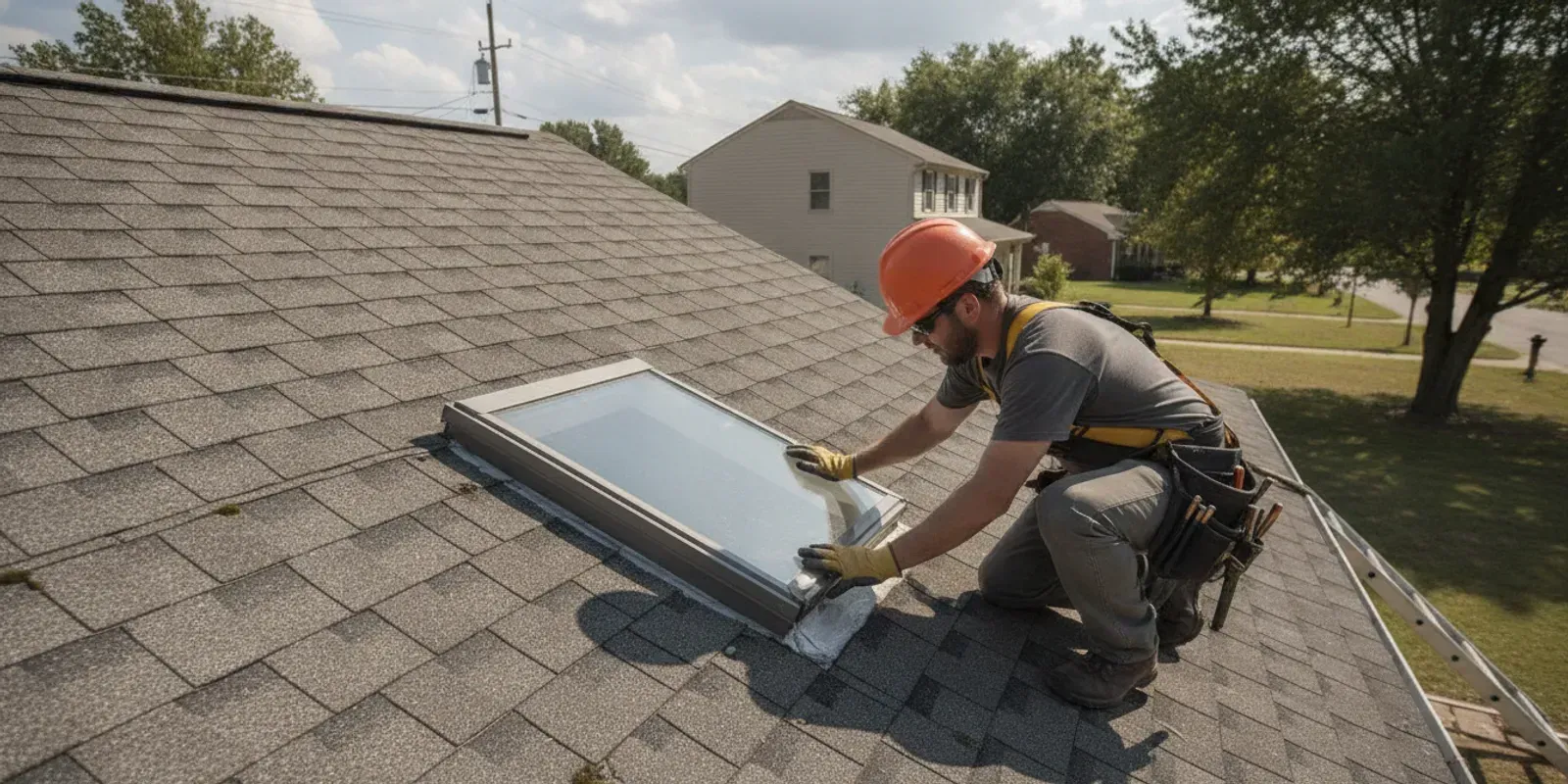
This is where the real transformation begins. Our installation team will start by carefully marking and cutting an opening in your ceiling and roof from the inside. On the roof, we’ll remove the shingles around the new opening to prepare the area. The skylight is then carefully lifted into place and perfectly aligned. The most critical part of this stage is the waterproofing. We install a multi-layered flashing system, including a deck seal, that integrates the skylight seamlessly with your roofing materials. This meticulous process is what prevents leaks and protects your home, ensuring your skylight remains a source of joy, not stress.
Complete the Interior Finishing
Once the skylight is securely installed and waterproofed on the roof, our focus moves inside to complete the job. If you have a flat ceiling, we’ll construct a "light shaft," which is the tunnel that connects the skylight to your room. We then frame this shaft and cover it with drywall for a smooth surface. Finally, we add trim and finish the drywall to create a clean, polished look that blends perfectly with your existing ceiling. Our goal is to make your new skylight look like an original feature of your home, leaving you with a beautiful, light-filled space and no cleanup to worry about.
What Determines the Cost of a Skylight?
When you're budgeting for a skylight, the price tag on the unit itself is just one piece of the puzzle. The total cost is a mix of the product you choose, the specifics of your home, and the labor required to get it just right. Understanding these different factors will help you get a clear and accurate quote without any surprises down the road. A trustworthy contractor will always walk you through a detailed estimate, but knowing the key variables ahead of time puts you in a great position to ask the right questions.
From the type of skylight you fall in love with to the condition of your roof and the finishing touches inside, each element plays a role in the final number. For example, installing a skylight on a steep, complex roof will naturally require more time and safety precautions than on a simple, low-pitch roof. At Total Roof Solutions, we handle everything from residential roofing to detailed exterior renovations, so we believe in being transparent about what goes into a project. Let’s walk through the main components that shape the cost of a professional skylight installation so you can plan your project with confidence.
Skylight Type and Size
The biggest factor in your project's cost is the skylight itself. A standard, fixed skylight is the most budget-friendly option, while vented models that open (either manually or with a remote) cost more. Tubular skylights, which are great for smaller spaces like hallways, often fall somewhere in the middle. Size also matters; a larger skylight requires more material and a bigger opening in your roof. Most homeowners can expect to pay between $1,200 and $3,500 for a standard installation, but custom sizes or high-end models can push the cost over $5,000. Thinking through your skylight design options early on will help you set a realistic budget.
Roof Condition and Accessibility
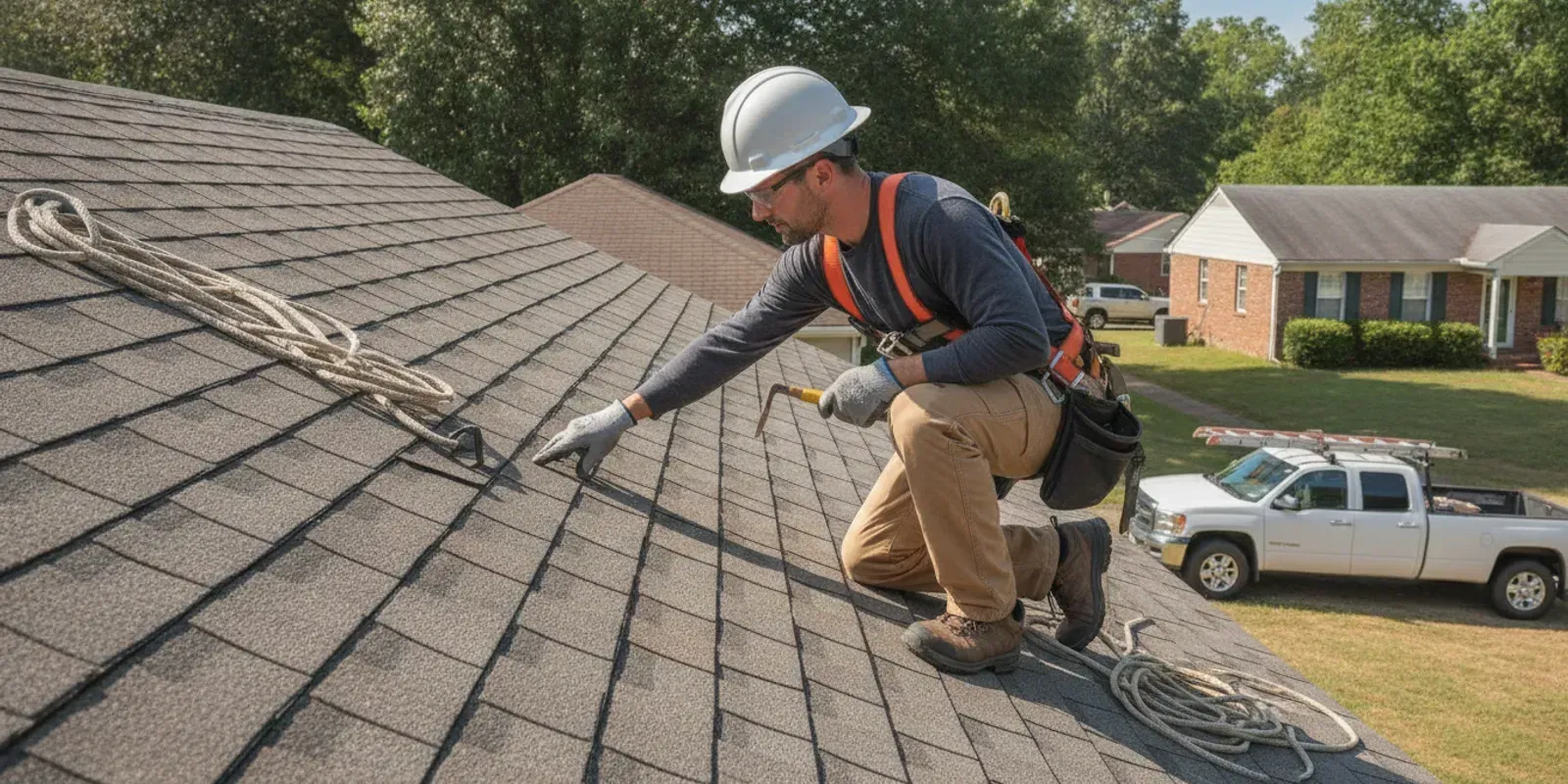
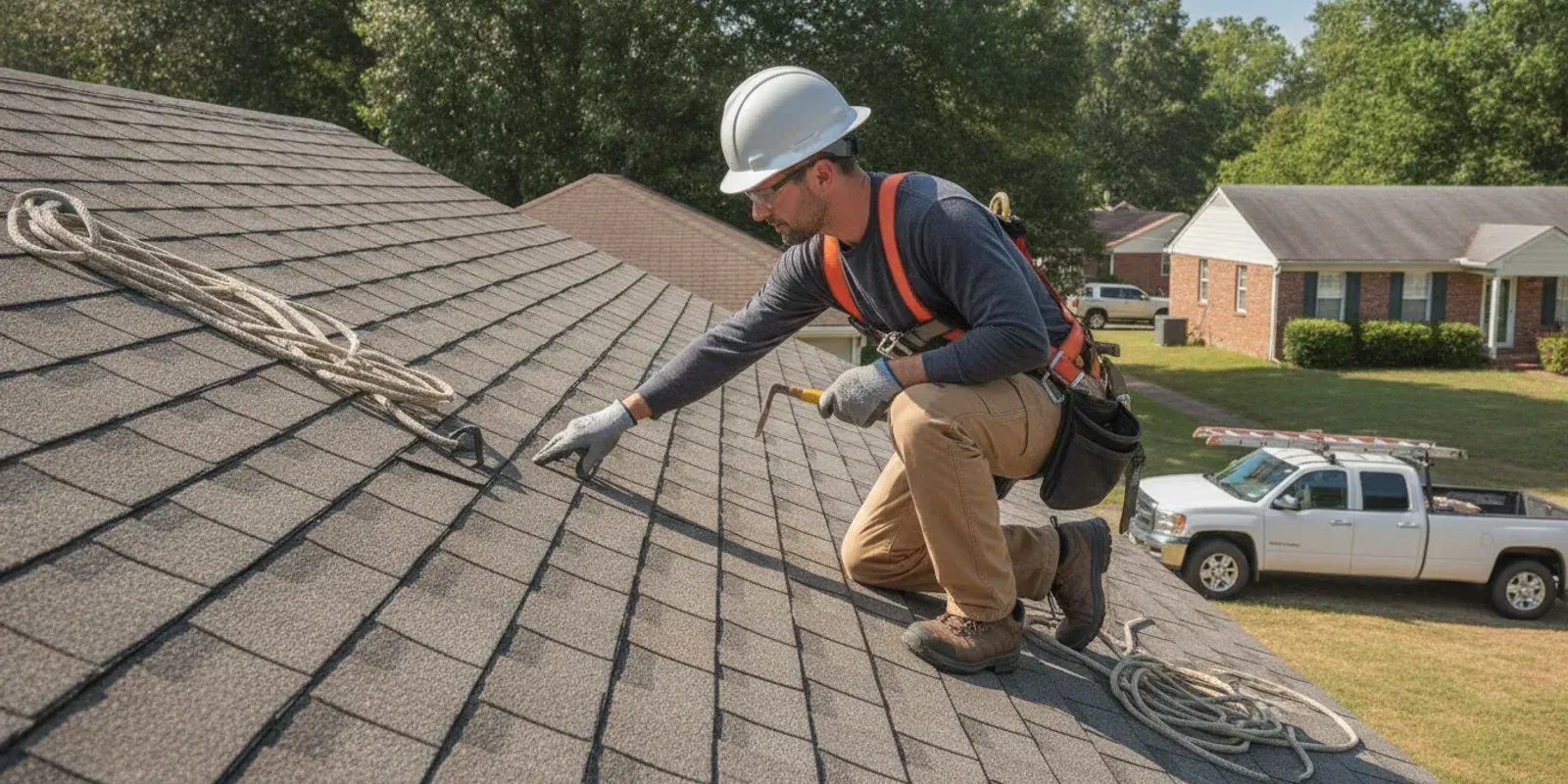
Your roof’s current state and material type are major cost factors. Installing a skylight on a standard asphalt shingle roof is typically straightforward. However, if you have a metal, slate, or tile roof, the process is more complex and requires specialized techniques to ensure a perfect, waterproof seal, which increases labor costs. The pitch, or steepness, of your roof also plays a part. A very steep or hard-to-reach roof requires additional safety equipment and time, which will be reflected in the labor quote. Our team has decades of experience with all types of commercial and residential roofs, so we know exactly what it takes to get the job done safely and correctly.
Interior Framing and Finishing
A skylight installation doesn’t stop at the roof. Inside your home, a shaft needs to be built from the ceiling to the skylight, which involves framing, drywall, and plastering. When you get a quote, make sure it includes these interior finishing costs to avoid surprises. A comprehensive estimate should cover all the work needed to make the area ready for paint. Keep in mind that the final step of painting the new drywall and trim is often quoted as a separate line item or left for the homeowner to handle. This interior work is just as important as the exterior work for a beautiful, polished result.
Permits and Upgrades
Depending on where you live and the scope of your project, you may need a building permit. Permits are often required if the installation involves cutting into rafters or other structural elements of your roof. Some local municipalities in the Atlanta area also have specific rules, especially for homes in historic districts. It’s always a good idea to check with your local building department to understand the requirements. As your contractor, we can help you manage the permitting process. This is also a good time to consider upgrades like solar-powered blinds or advanced glazing, which will add to the initial cost but can provide long-term benefits.
Skylight Myths vs. Reality
Skylights have a bit of a reputation, and frankly, a lot of it is based on outdated information. Modern skylights are a world away from the models of a few decades ago. Technology has improved dramatically, from the glass itself to the installation techniques. Let's clear the air and separate the long-standing myths from the reality of adding a beautiful, functional skylight to your home. When you have the right information and the right team, a skylight is a fantastic addition, not a headache.
Myth: "Skylights always leak."
This is probably the number one fear we hear, and it’s completely understandable. The truth is, a skylight itself isn't the problem; poor installation is. When a skylight is installed correctly by an experienced professional, it will not leak. Our installation process involves precise cutting, proper framing, and meticulous flashing and sealing to create a watertight barrier that integrates seamlessly with your existing roof. A properly installed skylight from a certified team ensures the integrity of your roof remains solid, letting you enjoy the natural light without a single worry about drips.
Myth: "Skylights make your energy bills go up."
It might seem logical that adding a window to your roof would affect your heating and cooling costs, but modern skylights are designed with energy efficiency in mind. High-performance glass with advanced coatings can block UV rays and prevent heat transfer, keeping your home cooler in the summer and warmer in the winter. In fact, the abundance of natural light they provide can significantly reduce your reliance on artificial lighting, which can lower your electricity bill. A well-chosen skylight is an investment in your home’s efficiency, not a drain on it.
Myth: "All skylights are basically the same."
This couldn't be further from the truth. Thinking all skylights are identical is like saying all windows are the same. There are various types, including fixed, vented, and tubular skylights, each designed for different needs and spaces. The right choice depends on your room’s size, your roof’s slope, and your goals, whether you want extra ventilation or just more light. Choosing the wrong type for your home is often where problems begin. That’s why a professional consultation is so important to match you with the perfect skylight for your specific situation.
Myth: "You can install a skylight yourself."
While the DIY spirit is admirable, skylight installation is a job best left to the pros. This project involves more than just cutting a hole in your roof. It requires structural knowledge to frame the opening correctly, expertise in roofing to ensure it’s perfectly waterproofed, and finishing skills for the interior drywall and paint. A small mistake can lead to significant water damage, costly repairs, and the very leaks everyone is afraid of. Hiring a licensed and insured team like ours ensures the job is done right, protecting your home and your investment.
How to Care for Your New Skylight
A new skylight is a fantastic addition, but like any part of your home, it needs a little TLC to stay in top shape. Proper care keeps the glass clear, prevents potential problems like leaks, and ensures it functions perfectly for years to come. The good news is that skylight maintenance is pretty straightforward. With just a few simple, regular tasks, you can protect your investment and continue to enjoy all that beautiful, natural light. Think of it as a small routine that pays off big in the long run, keeping your home bright, airy, and damage-free. We'll walk through the three key areas of skylight care: cleaning, inspecting, and maintaining any moving parts.
Clean Your Skylight for the Best Light
To keep that gorgeous natural light streaming in, you’ll want to clean your skylight regularly. For the glass, a simple mix of mild soap and water applied with a soft cloth or sponge works wonders. It's a good idea to wet the glass first to loosen any dirt and prevent scratches. Avoid harsh chemicals or abrasive tools that could damage the glass or its coatings. If your skylight has a natural wood frame, it needs a bit of extra attention. Plan to clean and re-coat the wood with a water-based finish every few years to protect it from moisture and sun exposure. Following the manufacturer's care instructions is always the best way to ensure you're using the right products and techniques.
Inspect Regularly for Leaks and Damage
Regular inspections are your best defense against skylight problems. At least twice a year, and after any major storm, take a close look at your skylight from both inside and outside your home. Check for any signs of moisture around the interior frame, like discoloration or water stains. Look for cracked glass, damaged flashing, or debris collected around the edges on the roof. Catching these small issues early can prevent them from turning into major, costly repairs. While many people worry about leaks, most issues are actually caused by improper installation, not the skylight itself. If you spot anything concerning, it’s best to call in a professional for a thorough roof inspection.
Keep Vented Skylights Working Smoothly
If you have a vented skylight, it’s important to make sure it continues to operate as it should. A few times a year, open and close it to confirm the mechanism is working smoothly without any sticking or grinding. As you do this, check the seals around the opening. They should be intact and pliable, not cracked or brittle. A healthy seal is crucial for keeping your home airtight and preventing water from getting in when the skylight is closed. Proper maintenance ensures your vented skylight remains a reliable source of fresh air, helping to improve your home's ventilation and manage indoor humidity levels without any unwanted drafts or leaks.
Ready to Brighten Your Home with a Skylight?
If you're thinking about adding a skylight, you're likely picturing a home filled with beautiful, natural light. It’s a fantastic way to make your living spaces feel larger, brighter, and more welcoming. As experts in home renovation have noted, bringing in more sunlight can even improve your mood and help you feel more productive throughout the day. It’s a change that you don’t just see, but one that you can truly feel.
You might also be pleased to learn that this project doesn't have to be a long, drawn-out process. While every home is unique, a professional team can often complete a new installation in just a few days. If you're simply replacing an existing unit, the work can sometimes be finished in a matter of hours. Many installations don't even require significant changes to your home's structure, making it a more straightforward upgrade than you might imagine.
However, the key to a successful skylight is a flawless installation. This is one home improvement project that is best left to certified professionals. An expert installer knows how to properly cut, frame, and waterproof the opening to prevent any chance of leaks and protect the integrity of your roof. Choosing an experienced contractor for your skylight services ensures you can enjoy the view without any worries. By pairing a quality installation with an energy-efficient model, you get to enjoy a brighter home and potentially lower energy bills. If you're ready to explore how a skylight can enhance your home, the next step is to talk with a pro who can walk you through the best options for your space.
Related Articles
Frequently Asked Questions
I’m worried about leaks. How can I be sure a new skylight won’t cause water damage? This is the most common concern, and it’s a valid one. The reality is that modern skylights don’t leak; poor installations do. A leak-proof skylight depends entirely on the quality of the installation. A professional team uses a multi-step waterproofing process called flashing, which creates a seamless, watertight seal between the skylight and your roof. When you work with a certified and experienced contractor, you can feel confident that your skylight will be a source of light, not stress.
Will a skylight actually help lower my energy bills? Yes, it can, in two key ways. First, by flooding your home with natural light, a skylight reduces your need for artificial lighting, which can cut down on your daily electricity use. Second, modern skylights are built for efficiency. Models with ENERGY STAR ratings and Low-E coated glass are designed to keep your home cooler in the summer and warmer in the winter, which means your heating and air conditioning systems don't have to work as hard.
How long does a typical skylight installation take? The timeline for installation depends on the project. If you are replacing an existing skylight of the same size, the work can often be completed in just a few hours. For a new installation, which involves cutting through the roof and ceiling and then finishing the interior, the process typically takes one to three days. A professional crew will handle every step, from preparation to the final cleanup, to minimize disruption to your home.
Can a skylight be installed on any type of roof? Skylights can be installed on most common residential and commercial roof types, including asphalt shingle, metal, and tile. However, the complexity and labor involved can vary. Installing a skylight on a tile or metal roof, for example, requires specialized techniques to ensure a perfect seal and is more intricate than on a standard shingle roof. An experienced contractor will know exactly how to handle your specific roof material to ensure a secure and durable installation.
What kind of warranty comes with a new skylight? A professionally installed skylight typically comes with two separate warranties for your peace of mind. The manufacturer provides a warranty that covers the skylight unit itself against defects. In addition, a reputable contractor, like Total Roof Solutions, will provide a workmanship warranty that covers the installation. This ensures that if any issues arise due to the installation process, you are fully protected.