Hail Damage House Roof Repair Cost: What Changes the Estimate
MEGA MEGA • November 2, 2026
Learn what affects hail damage house roof repair cost, from shingle impact and roof access to documentation, related repairs, and insurance review.

Hail can leave a roof looking mostly unchanged while damaging shingles, flashing, vents, or other components. The hail damage house roof repair cost depends on what is affected, how much needs repair, and how safely the work can be completed. There is no reliable price that fits every roof, so the best first step is to document what you can see from the ground and arrange a professional assessment.
Contact Total Roof Solutions about storm damage
Why can hail damage roof repair estimates vary so much?
A repair estimate reflects the actual scope of work, not simply the fact that hail passed through the area. Two houses on the same street may have different roof ages, materials, slopes, and exposure. One may need a small, localized repair; another may have damage across multiple roof faces or to connected components.
An estimate should explain what was observed and what work is proposed. It may include labor, materials, setup, disposal, and related repairs. If the evidence does not support a firm conclusion from a ground-level view, the assessment may need a closer look. A general online number cannot account for those details.
That is why it helps to treat online cost information as a starting point for questions, not a quote. A roofer needs to understand the roof’s condition and the limits of a possible repair before recommending a scope. For a broader overview of the repair-versus-replacement decision, see how repair and replacement recommendations differ.
How does the severity and spread of damage affect cost?
The location and extent of hail impacts are central to determining the repair scope. A few damaged shingles in an accessible area may call for a different plan than damage spread across several slopes, ridges, or roof details. Hail can also affect items beyond the visible shingle surface.
Localized damage
If damage is limited to a small area and the surrounding roofing is in serviceable condition, a roofer may be able to repair that section. The estimate can still vary depending on the shingle type, roof height, access, and whether nearby materials can be worked without causing additional damage. A small repair is not automatically simple if the affected area is difficult to reach or the materials are brittle.
Damage across multiple roof areas
When impacts are distributed across different slopes, the contractor may need to assess more of the roof and explain whether spot repairs would leave other damaged areas unresolved. The count and placement of affected components matter. A roof with damage to shingles, ridge caps, vents, or flashing may require several kinds of work rather than one patch.
Existing wear and prior repairs
Roof age and condition can influence what repair is practical. Older shingles may be more difficult to lift or match. Earlier repairs, missing granules, curling, or other wear can complicate an assessment because the contractor needs to distinguish storm-related conditions from pre-existing ones. Ask the roofer to describe the observed condition and how it affects the proposed work, rather than assuming every issue came from one storm.
For help understanding roof warning signs after severe weather, review this guide to storm damage signs on Georgia homes. It is not a substitute for an on-roof evaluation, but it can help you organize observations and questions.
How do roofing material and roof design change the estimate?
Material affects both repair choices and the work involved. Asphalt shingles are common, but shingle profiles, colors, and product lines can differ. If the exact product is no longer available or the roof has weathered, a replacement shingle may not blend perfectly with the existing surface. The contractor should explain any matching limitations before work begins.
Roof design is another factor. A steep or multi-level roof can require additional safety measures and take longer to access than a low, simple roof. Valleys, dormers, hips, ridges, and transitions create more details to inspect and may make it harder to reach an affected area. Chimneys, skylights, and other penetrations can also add flashing or seal-related questions.
Material on the roof is only part of the picture. Hail may leave dents or other marks on vents, metal flashing, gutters, or soft-metal accessories. The assessment should identify which components show damage and whether they need attention. Do not assume that every dent means a component must be replaced, or that a shingle repair addresses every roof-related concern.
If you are unsure whether the issue is limited to the roof surface or involves water entering the home, Total Roof Solutions also has a practical resource on what to do about a roof leak. If water is actively coming in, protect belongings and take reasonable steps to prevent further interior damage without climbing onto the roof.
Why do access and safety affect hail repair pricing?
Roofers must reach the damaged area and work safely. Height, pitch, landscaping, fences, nearby structures, and the location of the home can all affect setup and movement around the property. Limited access may change how materials and equipment are brought to the work area. These conditions influence labor and time even when the visible repair appears small.
Do not climb a wet, steep, or storm-damaged roof to check for hail marks. A roof can be slippery, and damage may not be visible from above without training. Use a safe ground-level view and take photographs from a stable position. If you notice hanging material, a sagging ceiling, or an active leak, keep people away from the affected area and seek appropriate help.
When requesting an estimate, mention practical access details: a locked gate, limited driveway space, a detached structure, or any area that may be hard to reach. Clear information can help the contractor plan the assessment. A professional can then explain whether access changes the repair approach or schedule.
What other repairs may be included after a hailstorm?
A hail event can affect more than shingles. Depending on the home and the storm, a contractor may check roof vents, flashing, ridge caps, gutters, downspouts, siding, or other exterior features. The estimate should separate roof work from any related work so you can see what each recommendation addresses.
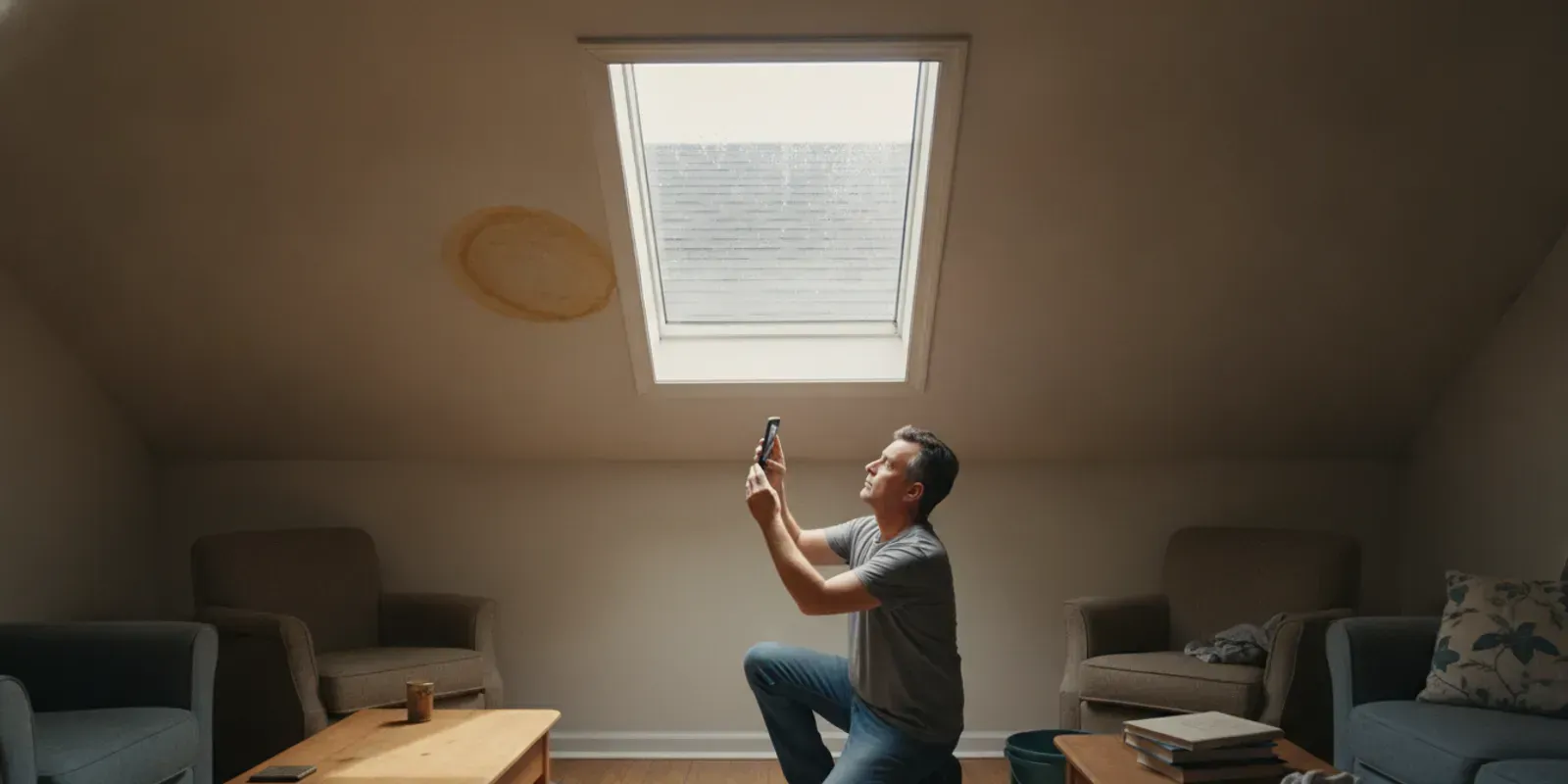
Water staining indoors does not by itself identify the source. Water can travel beneath roofing before appearing on a ceiling, and a stain can become visible after the weather has cleared. Describe when you first noticed it, whether it changes during rain, and which rooms or areas are affected. For a suspected active leak, the steps in this guide to finding a roof leak can help you document interior clues safely.
Temporary protection may be appropriate when openings or active water intrusion expose the home. A tarp or other temporary measure is not the same as a permanent repair, and it should be installed safely. Ask what immediate protection is proposed, what it is intended to do, and what follow-up work may be needed.
What should a useful hail damage estimate include?
A clear estimate helps you understand the proposed work and compare recommendations fairly. It should describe the affected areas, the repair or replacement tasks, relevant materials, and any conditions that could change the scope. Ask for explanations when a line item or recommendation is unclear.
- Observed conditions: Which roof sections or components show damage? Are there signs of wear or earlier repairs that affect the assessment?
- Recommended work: Is the proposal for a localized repair, several repairs, temporary protection, or a larger project? What issue does each task address?
- Materials: What type of shingle or component is proposed? Are there limitations in matching the existing roof?
- Access and setup: Are there roof features or property conditions that affect safe access or the work plan?
- Related items: Are flashing, vents, gutters, or interior water concerns included, excluded, or still being evaluated?
- Uncertainties: What might only become clear after work starts, and how would a change to the scope be explained and approved?
Look for a description of the work rather than a single unexplained total. If two estimates differ, compare the damage identified, the areas included, the materials, and the proposed tasks. A lower total may cover less work; a higher total is not automatically more complete. Ask each contractor to clarify differences in writing before making a decision.
Total Roof Solutions offers free roof estimates. An estimate is based on the conditions reviewed and should not be read as a guaranteed final cost for every home or situation.
How can you document hail damage before repairs?
Good records can help you explain what happened and keep the assessment organized. Start with the storm date, if known, and write down when you first noticed possible damage or water intrusion. Keep notes factual; distinguish what you personally saw from what someone else told you.
- Photograph safely. Take pictures from the ground of visible roof areas, gutters, siding, windows, and outdoor structures. Photograph interior stains or wet areas as well. Do not climb onto the roof to get a closer image.
- Record the location. Note the side of the home, room, or exterior feature shown in each image. A short caption can explain when the photo was taken and what it depicts.
- Keep related records together. Save estimates, contractor notes, receipts for temporary measures, and messages with your insurer or repair professional.
- Ask for findings in writing. Request that the contractor identify the areas reviewed, the conditions observed, and any limitations on the assessment.
Documentation is useful for discussion, but it does not determine coverage or guarantee that an insurer will approve a claim. The Oklahoma Insurance Department’s wind and hail guidance explains that homeowners policies commonly address hail damage but that coverage depends on the policy. Review your own policy and confirm questions directly with your insurer.
How does an insurance claim relate to the repair estimate?
A contractor’s repair estimate and an insurer’s claim decision serve different purposes. The contractor describes observed conditions and proposed work. The insurer evaluates the claim under the specific policy, including applicable limits, exclusions, deductible, and claim process. Do not treat an estimate as a promise of coverage or payment.
If you plan to contact your insurer, ask what documentation is needed and how the inspection process works. Keep copies of what you submit and note the dates of conversations. If the insurer’s assessment and a contractor’s observations differ, ask both parties to explain the difference using the relevant roof areas and documentation. Follow your policy’s reporting requirements and deadlines.
Before signing an agreement, understand what work it authorizes and whether it depends on an insurance decision. Avoid signing documents you do not understand or relying on verbal promises about coverage. The Colorado government’s post-hailstorm guidance recommends assessing damage, protecting property from further damage, and selecting a repair company carefully. Its advice is a useful reminder to take measured steps rather than rush into a decision.
What steps should you take after hail?
A simple sequence can help you protect the home while you assess next steps:
- Wait for safe conditions. Stay off the roof and avoid damaged exterior areas, downed lines, or unstable structures.
- Look from the ground. Note visible marks, displaced materials, debris, or damage to gutters and other exterior components.
- Check inside. Look for active drips, damp spots, or new stains. Move belongings away from water and use containers to catch drips if safe.
- Document what you find. Take photographs and make a dated list. Do not alter or discard damaged items before documenting them when doing so is safe.
- Arrange an assessment. Ask a roofing professional to review the roof and explain the observed condition and recommended scope.
- Contact your insurer if appropriate. Follow the process in your policy and keep a record of communications.
- Compare written proposals. Check that each proposal describes the same areas and tasks before comparing totals.
If a roof opening or active leak needs urgent attention, ask about temporary protection and the next steps for permanent repair. To discuss a storm-damage concern with a local roofing company, use the Total Roof Solutions contact page. The company provides roofing solutions including hail damage repair, roof repair, and roof replacement in its service area.
How can Georgia homeowners compare repair recommendations?
Start by checking whether each contractor assessed the same roof sections. If one proposal identifies only a small area and another describes damage in several places, ask each to show how the scope follows from the observations. You can also ask what was not accessible or could not be confirmed during the review.
Compare the proposed methods, materials, and treatment of surrounding components. For example, ask whether a repair includes removing and replacing particular shingles, addressing damaged flashing, or protecting a nearby roof transition. The goal is not to choose the most detailed-sounding proposal; it is to understand the work and whether it addresses the documented condition.
Consider communication and documentation as part of the comparison. A contractor should be able to explain the basis of the recommendation in plain language and respond to questions about uncertainties. Be cautious of pressure to decide immediately without time to read the agreement or review the scope. A roof repair should be planned around the property’s needs, not a generic promise about what a hailstorm always requires.
For property owners in Henry County, the company’s roof repair and replacement information for Henry County is one place to learn about local service options. Homeowners elsewhere in the area can use the Georgia roofing service page to explore coverage details.
How can you tell a detailed assessment from a generic price?
A useful assessment connects observations to a repair plan. It should identify where the contractor looked, what conditions were visible, and what additional information might be needed. A generic price often leaves out these distinctions. It may not account for roof height, material availability, surrounding components, or whether damage is limited to one slope.
When reviewing an estimate, ask the contractor to walk through the reasoning. If the recommendation is to replace a larger area, ask what makes a smaller repair unsuitable. If the recommendation is for a localized repair, ask how the contractor will address adjacent materials and whether the repair depends on a product that can be matched. These are practical questions, not a challenge to the contractor’s judgment.
Check that the written proposal separates confirmed work from possible additional work. A contractor may identify a condition that cannot be fully evaluated until materials are lifted or a covered area is opened. In that case, ask what would trigger a change, how you will be notified, and whether approval is needed before extra work proceeds. This gives you a clearer decision point if the scope changes.
Also check what is not included. An estimate focused on roof shingles may not cover gutters, siding, interior repairs, or temporary protection. Exclusions are not necessarily a problem; they help define the proposal. If another contractor includes those items, make sure you are comparing like with like. A written scope can also help you explain the project to an insurer, though it does not decide coverage.
Keep your questions focused on the home and the proposed work. A contractor should be able to explain technical terms in ordinary language, point out the area being discussed, and distinguish an observation from a possibility. If the assessment is limited by weather, access, or visibility, ask what can be confirmed now and what should be revisited. That context is more useful than treating a broad online range as a likely bill.
Frequently asked questions about hail damage roof repair cost
Can I know the exact repair cost from photos?
Photos can help a contractor understand what you noticed, but they may not show the full roof condition, access constraints, or damage beneath or around a visible area. A site assessment is usually needed to define the work. Ask whether the estimate reflects a complete review or is preliminary.
Does every hailstorm mean I need a new roof?
No. A hailstorm does not automatically mean a roof must be replaced. The recommendation depends on the condition and distribution of damage, the roof’s age and material, and whether a durable repair is practical. Ask the roofer to explain why a repair or a larger scope is recommended for your specific roof.
Will homeowners insurance pay the entire repair cost?
There is no universal answer. Coverage depends on your policy, the facts of the loss, and the insurer’s claim review. Deductibles, limits, exclusions, and policy terms may affect payment. Read your policy and ask your insurer about your specific claim rather than assuming a contractor estimate determines what will be covered.
Should I repair the roof before the claim is reviewed?
If water is entering or the property needs protection, ask your insurer what temporary steps to take and keep records of the condition and any work. Do not delay urgent safety measures, but distinguish temporary protection from permanent repairs. Follow your policy instructions and document communications.
What if the estimate changes after work begins?
Ask the contractor to explain what new condition was found, why it changes the scope, and what additional work or cost is proposed. Request a written change description and understand who must approve it before proceeding. Clear documentation can prevent confusion about what the original estimate included.
What is the best next step?
There is no guaranteed price for hail damage house roof repair without evaluating the roof and defining the work. Severity, material, design, access, related components, and existing wear all affect the estimate. Safe documentation and a clear written assessment give you a more useful basis for comparing repair options and discussing a possible claim.
When you are ready, gather your notes and photos and ask a roofing professional to explain the conditions observed, the proposed work, and any remaining uncertainties.