Roof Repair vs Roof Replacement: A Clear Guide for Homeowners
SEO Analysis • December 16, 2025
When your home roof starts showing signs of wear, you ask yourself: should I arrange a roof repair or go for a full roof replacement? At Total Roof Solutions we deal with this question often. Let’s talk like two neighbors having coffee: your roof has issues, you want solutions. You want facts. You want direct answers. You don’t want jargon. In this article we will cover both sides—roof repair and replacement roof—so you can decide with confidence.
We will use clear language. We will define terms. We will show when home roof repairs make sense, and when roof replacements are the smarter move. We also include a detailed FAQ at the end and a strong call to action. Let’s dive in.
What is a Roof Repair?
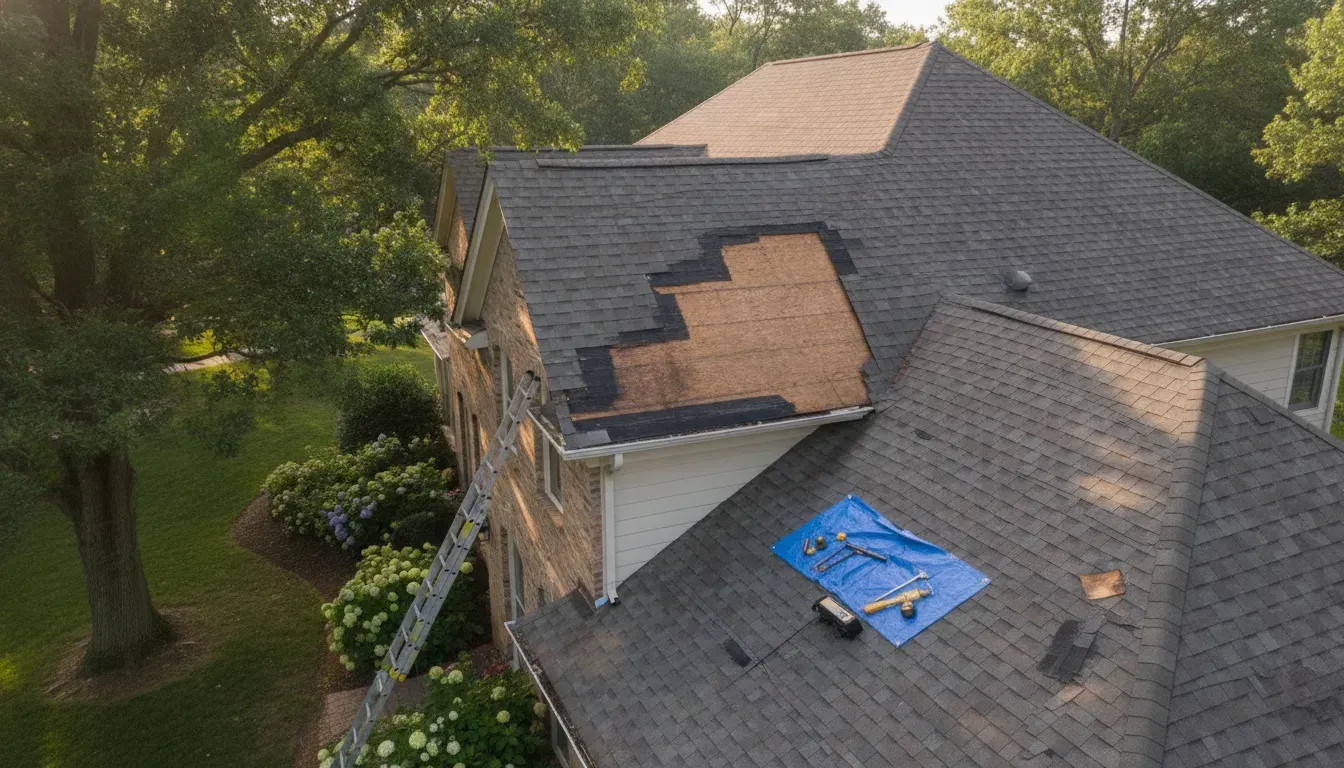
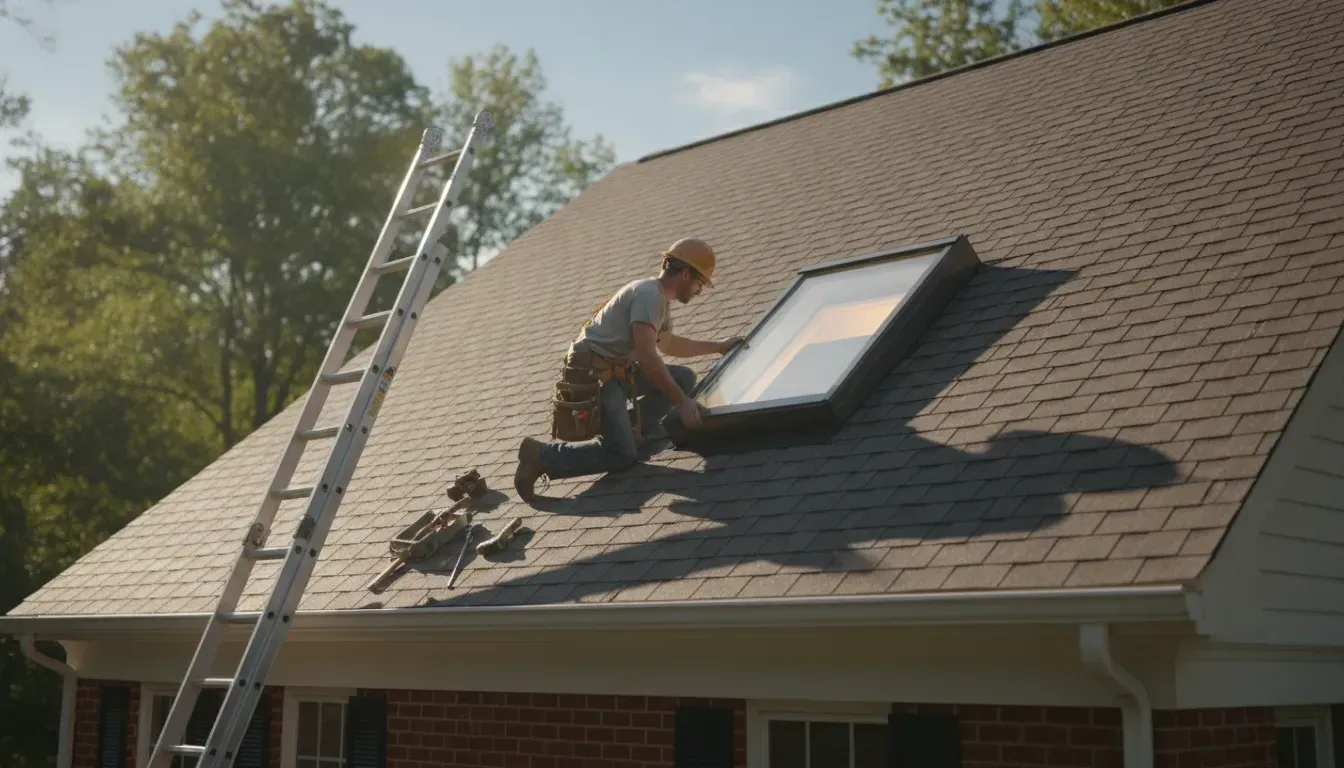
A roof repair refers to fixing specific, isolated issues on your roof. Rather than replacing the entire surface, the work addresses trouble spots. Examples:
- Replacing a few missing shingles.
- Repairing flashing around a chimney or vent.
- Fixing a small leak in the roof deck.
Repair is generally less expensive up front. It usually takes less time. It serves to extend the life of the roof without replacing the full system. Many times home roof repairs make sense when the damage is limited.
What is a Roof Replacement?
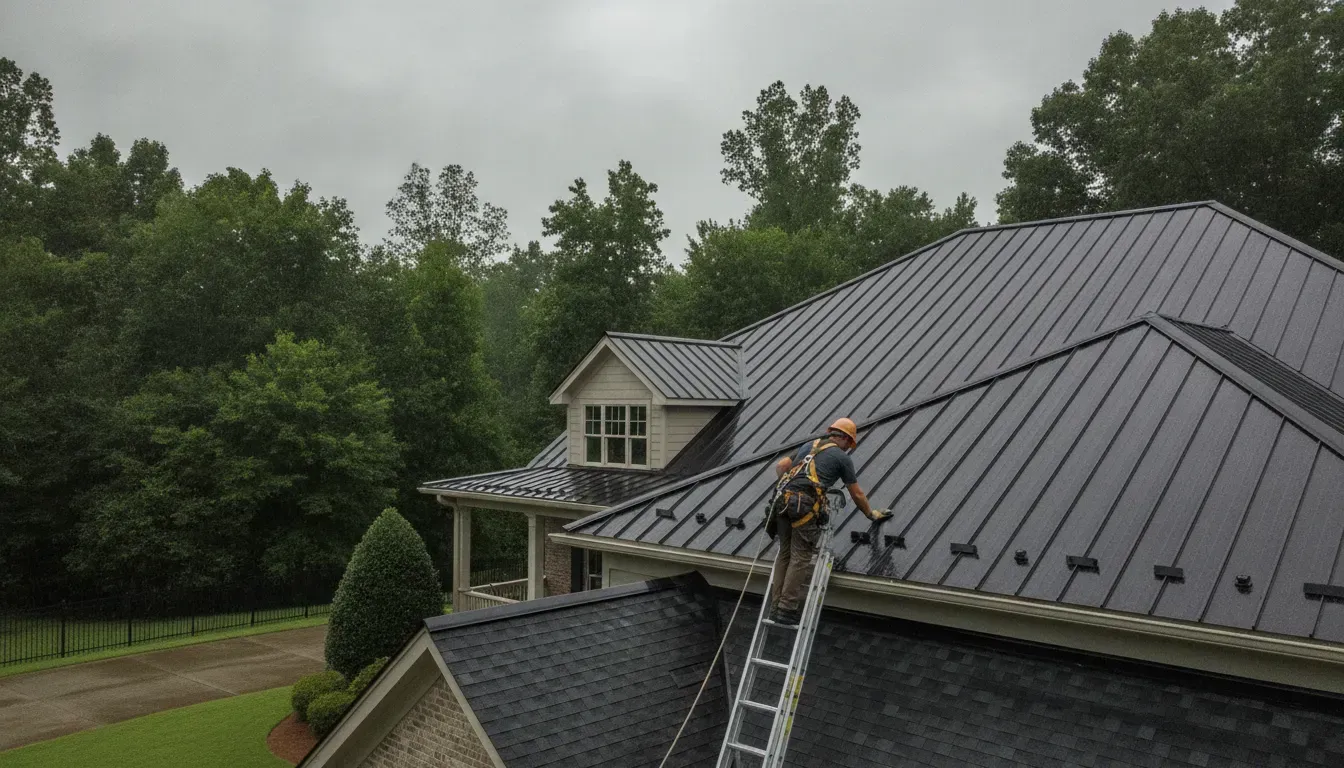
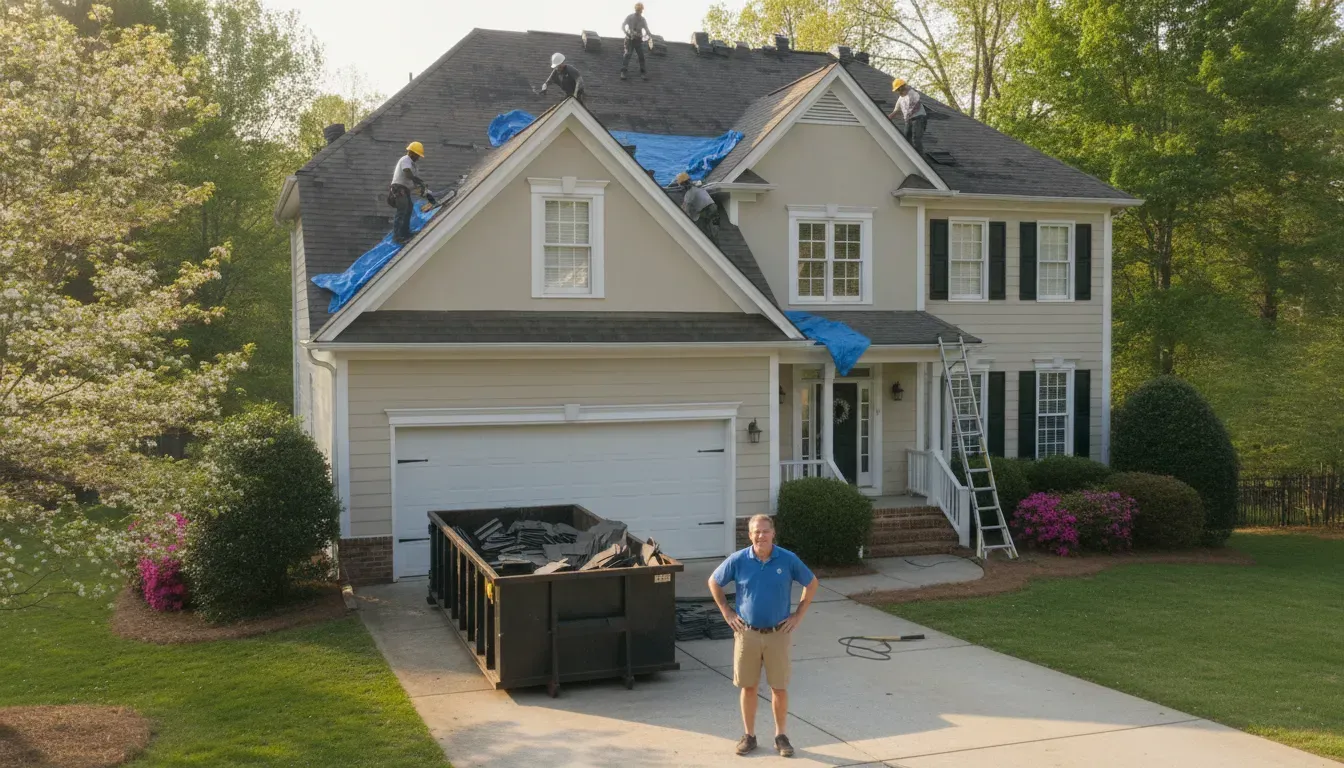
A replacement roof means removing the existing roofing materials (shingles, underlayment, sometimes decking) and installing a new roofing system. This is more than a patch. It gives a clean slate. Key features often include:
- New underlayment, new shingles or other materials.
- Possibly updated flashing and ventilation.
- A warranty on the full roof system.
A full roof replacement costs more initially but can save money in the long run if your current roof is old or heavily damaged.
When Roof Repair Makes Sense
You should lean toward home roof repairs when:
- The damage is isolated (for example: a few missing shingles, a minor leak).
- The roof is relatively new (e.g., less than 10-15 years old for asphalt shingle).
- You plan to sell soon and want to control cost rather than invest heavily.
- You have the budget flexibility to monitor and maintain the roof rather than invest now in a full replacement.
Here are clear signs repair is appropriate:
- Visual cues show missing or damaged shingles in one area only.
- There is no sagging or widespread structural damage.
- The rest of the roof shows good condition: minimal wear, no repeated leaks.
- You expect to stay in the home for only a short time, so maximizing near-term value is key.
Repair approach gives you a quicker, lower-cost path to keep your home protected while you plan for long-term decision.
When Roof Replacement Is the Better Choice
You should consider a full roof replacement when:
- The roof is old, nearing or past its expected lifespan. For example, asphalt shingle roofs often last between 20-25 years.
- There is widespread damage: many missing shingles, multiple leaks, visible rot, or structural concerns.
- You have had many home roof repairs in recent years and the costs add up.
- You want to increase your home’s resale value, improve energy efficiency, or minimize future roof service calls.
- The underlying decking or structure is compromised, which means patching won’t solve the root problem.
Replacement gives you peace of mind. It means fewer surprises. You reduce long-term risk.
How to Evaluate Your Roof: Step-by-Step
Here is a clear process you can follow:
- Check the roof age
Ask when the current roof was installed. If it’s over 15-20 years old (for asphalt shingles) replacement likely makes sense. - Inspect for damage
Look for missing or curled shingles, dark streaks, moss growth, sagging roof deck, visible leaks in the attic. - Assess the extent
Is the damage localized (one area) or spread across the roof? Localized damage tends toward repair. Widespread calls for replacement. - Check past repair history
Have you needed multiple repairs recently? If yes, replacement likely is smarter. - Consider long-term plans
How long do you plan to stay in the home? If you plan long-term, replacement becomes more cost-effective. - Review available budget
Weigh immediate cost (repair vs replacement) and long-term value. Use multiple quotes. - Consult a professional roofing contractor
A qualified roofer can inspect hidden issues like underlayment damage, decking rot, ventilation problems, and provide a realistic estimate.
Cost Considerations: Repair vs Replacement
Let’s look at typical cost profiles (these vary by region, material, size).
- Roof repair: Costs vary widely, from a few hundred dollars to several thousand depending on issue.
- Roof replacement: Higher cost upfront but fewer ongoing costs. For example, some data suggest full replacement may cost multiple thousands of dollars.
Here are factors that affect cost:
- Roof size and pitch (steep roofs cost more).
- Roofing material selected (asphalt shingles cost less than metal, tile, or slate).
- Accessibility and structural work needed (decking, underlayment, flashing).
- Labor rates in your region.
- Disposal of old roof materials (for replacement).
- Additional services: ventilation upgrade, insulation, gutter replacement.
Benefits and Drawbacks of Each Option
Roof Repair
Benefits:
- Lower initial cost.
- Quicker to complete.
- Less disruption to home life.
Drawbacks:
- May only delay the inevitable if the roof is near the end of its life.
- Patches may not match the rest of the roof, impacting aesthetics.
- Hidden damage may remain and cause future leaks or failures.
Roof Replacement
Benefits:
- Grants a full, fresh roof system with warranty.
- Less chance of repeated repair calls.
- Potential for improved energy efficiency and higher home value.
Drawbacks:
- Higher upfront cost.
- More disruption (noise, cleanup, longer timeframe).
- If done prematurely when the existing roof still had life, might feel like unnecessary expense.
Common Myths and Mistakes
- Myth: “A small leak always means full replacement.” Not true. If damage is limited and the roof is relatively young, repair may suffice.
- Myth: “Replacement always improves value more than any repair.” Not always; the value gain depends on the home market, roof material, and condition.
- Mistake: Ignoring minor issues. Small issues left unchecked can mushroom into big problems.
- Mistake: Choosing repair simply because it costs less now without reviewing long-term implications.
How Total Roof Solutions Can Help You
- We perform comprehensive roof inspections to assess damage, age, and overall condition.
- We provide clear quotes for both roof repair and replacement options.
- We work with high-quality materials and certified installers to ensure your home receives lasting protection.
- We offer guidance tailored to your home’s needs, budget, and your plans for the future.
FAQ Section
1. How do I know if my roof needs repair or replacement?
Check the roof’s age, inspect for damage (missing shingles, leaks, sagging), review how many repairs you’ve had. If damage is broad or the roof is old, replacement likely is better.
2. Can I repair part of the roof instead of replacing the whole thing?
Yes. If the damage is isolated to a section, you can opt for spot repair or partial replacement. But matching the new portion to the old can be tricky.
3. Will repairing the roof save money compared to replacing it?
Often yes in the short term. But if you need frequent residential roof repairs, the cumulative cost may exceed that of one replacement.
4. What if I plan to sell my home soon—should I replace the roof or just repair it?
If you plan to sell very soon (within 1-2 years) and your roof is still in decent condition, a repair may suffice. If the roof is old or shows major issues, replacement may yield better buyer appeal.
5. Does roof replacement improve energy efficiency?
Yes. Newer roofing materials, improved underlayment, better ventilation and insulation can reduce heat gain/loss. Many roof-service providers note that replacement boosts efficiency.
Ready for a Free Roof Estimate?
Choosing between roof repair vs roof replacement is a major decision. You need clear facts, tailored options, and no surprises. At Total Roof Solutions we help you weigh your current condition, long-term plans, and budget.
If you’re ready to explore your options—whether you aim for a targeted roof repair or are considering a full replacement roof—contact us today for a free inspection and quote. Protect your home now and make the choice that serves you best in the long run.