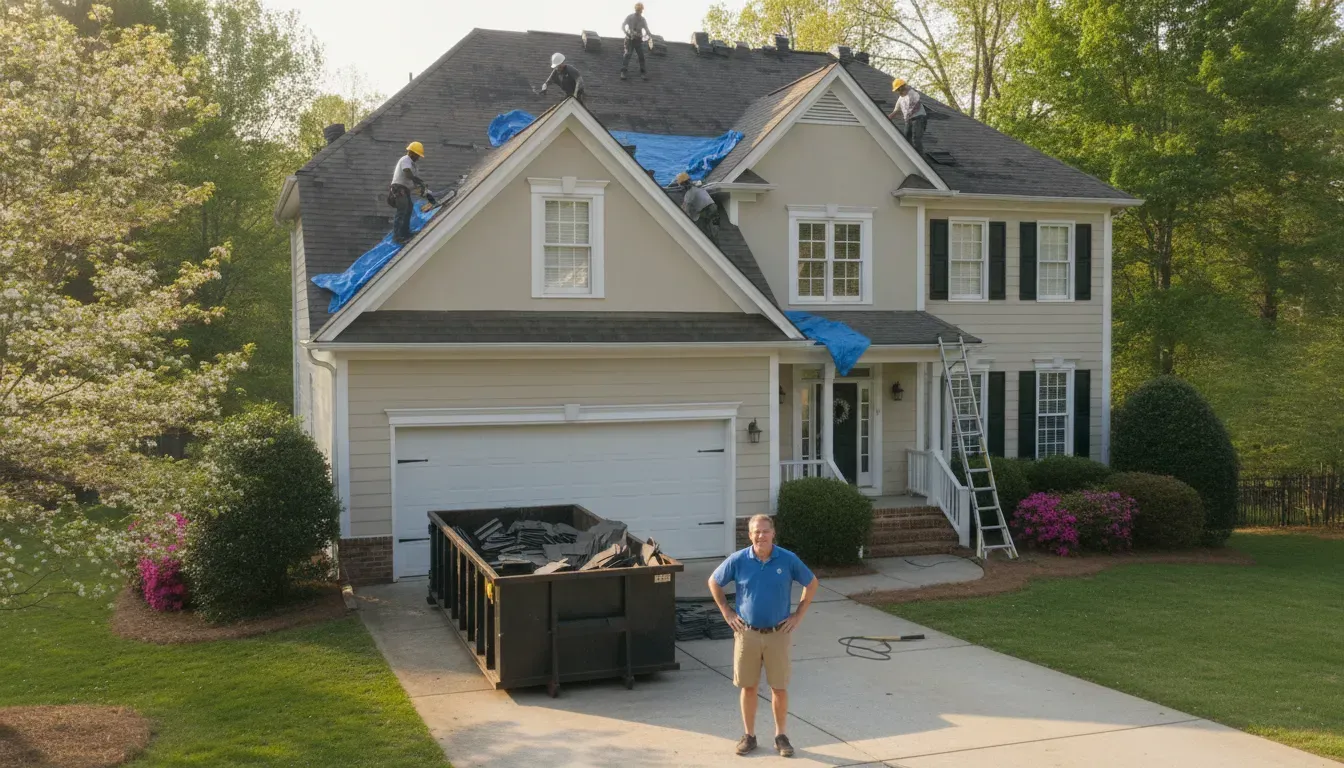
How Material Choices Drive Your Roofing Project Costs

SEO Analysis • October 16, 2025


Modern roofing materials make selecting a new roof more complicated for home and commercial property owners. With advanced options to choose from, investing in the ideal roofing material for your unique property becomes even more critical to projected ROI. Professional Atlanta roofing companies like Total Roof can guide property owners to the best value, durability, and long-term performance they expect.


Choosing the right roofing material directly determines both upfront expenses and long-term savings, as it shapes the overall project pricing, installation complexity, and maintenance requirements. Understanding how material choice drives your roofing project costs empowers commercial property owners to budget accurately, optimize return on investment, and avoid unexpected expenses.


This article explains the key cost factors, compares common commercial roofing materials, explores energy-efficient options, helps determine whether to repair or replace, provides transparent estimates, highlights emerging trends, and breaks down the lifespan and total cost of ownership. Alongside specialized commercial services, Total Roof also delivers reliable “residential roof replacement in Atlanta” solutions for homeowners seeking expert gutter and roof care.


What Are the Key Factors That Influence Commercial Roofing Project Costs?


Commercial roofing project costs depend on several interrelated factors that define material expenses, labor charges, regulatory fees, and hidden overhead. By identifying each driver, building owners can forecast budgets more accurately and select materials that align with both performance and cost goals.


How Does Roofing Material Impact Overall Project Pricing?


The choice of roofing material sets the baseline expense, as different membranes, metals, and built-up systems carry variable price tags and installation requirements. High-performance membranes, such as TPO or metal panels, cost more per square foot but reduce long-term maintenance and energy bills. In contrast, budget single-ply options lower the initial outlay at the expense of shorter lifespans. Material cost influences the total price by dictating required square footage, seam methods, and handling procedures for installers.


What Role Do Labor Costs Play in Roofing Material Selection?

Labor costs vary depending on the material, roof slope, and contractor expertise. Intricate metal panel systems require specialized crews and precise installation, resulting in labor rates of $400–$800 per roofing square (100 square feet). In contrast, simpler EPDM installations typically average $300–$600 per square. Labor charges can account for 30–50 percent of the total project cost, so selecting a material aligned with skilled crew availability helps control expenses and manage the schedule.


How Do Roof Size and Complexity Affect Material and Labor Costs?


Larger roof areas increase material quantity proportionally; however, complicated roof geometries, such as multiple hips, penetrations, and steep slopes, require additional cuts, flashings, and safety measures, resulting in a 10–25 percent increase in labor and material waste. Flat, uncomplicated rooftops streamline installation and minimize offcut waste, lowering both product spend and crew hours.


How Do Location and Local Building Codes Influence Material Costs?


Regional differences in material supply, shipping fees, and prevailing wage laws can result in per-square-foot pricing shifts of up to 15 percent. Local building codes may require fire-resistant or energy-efficient membrane types, which can drive up approved material costs while maintaining compliance. Coastal areas often require wind-rated systems, affecting both product choice and installation methods.


What Are the Hidden Costs in Commercial Roof Replacement Projects?


Beyond materials and labor, commercial roof projects incur additional costs, including permits, inspections, waste disposal, and permitting fees. Adding scaffold rentals, crane lifts for heavy systems, and tear-off disposal can increase total costs by 5–10 percent. Factoring these contingencies into the budget prevents last-minute overruns and results in a smooth project close-out.


Which Commercial Roofing Materials Are Most Common and How Do Their Costs Compare?


Commercial roofing materials range from single-ply membranes to metal and built-up systems. The table below compares typical cost per square foot, expected service life, and primary advantages to guide material selection and price planning.


Commercial Roofing Material Costs


The cost of commercial roofing materials varies significantly depending on the type of material, with factors such as labor, roof size, and local building codes influencing the overall project expenses. For example, TPO roofing can cost between $5 and $12 per square foot, while standing-seam metal roofing can range from $7 to $18 per square foot.


What Is the Cost Range and Benefits of TPO Roofing for Commercial Buildings?


TPO (thermoplastic polyolefin) roofing costs $5–$12 per square foot and offers high energy reflectivity, reducing cooling bills by up to 15–20 percent. Its heat-welded seams create a seamless membrane that resists UV damage and chemical exposure, making it a cost-effective choice for flat or low-slope commercial rooftops.


How Does EPDM Roofing Compare in Cost and Performance?


EPDM (ethylene propylene diene monomer) typically ranges from $4 to $10 per square foot, providing a durable rubber surface that withstands temperature fluctuations and extreme weather conditions. Its strong resistance to ozone and UV radiation extends its lifespan to 25–30 years with minimal maintenance, delivering predictable performance in diverse climates.


What Are the Pricing and Longevity Features of Metal Roofing Systems?


Standing-seam metal roofing starts at $7 per square foot and can reach $18 per square foot for premium aluminum or copper options. Metal roofs boast lifespans of 40–70 years, fire resistance, and recyclability. High upfront investment is offset by decades of low-maintenance service and energy savings from reflective coatings.


How Does EPDM Roofing Compare in Cost and Performance?


Modified bitumen roofs cost $6–$14 per square foot and combine asphalt’s waterproofing with polymer modifiers for enhanced flexibility. Multi-ply layering offers affordable repair options and strong resistance to punctures, making it a budget-friendly membrane with a 15–20 year service window.


What Are the Durability and Cost Considerations of Built-Up Roofing (BUR)?


Built-Up Roofing systems average $5–$11 per square foot and consist of alternating bitumen and reinforcement felts to form multiple waterproof barriers. BUR delivers 20–30 years of protection and can be maintained through surface rejuvenation, balancing moderate initial cost with extended durability.


How Can Choosing Energy-Efficient Roofing Materials Reduce Long-Term Costs?

Investing in energy-efficient roofing materials lowers operational expenses by reducing heating and cooling loads. Reflective membranes, insulation upgrades, and green roof installations work together to optimize building comfort and drive down utility bills over the roof’s lifespan.


Energy Efficiency and Roofing ROI


Energy-efficient roofing materials, such as white TPO membranes, can reduce cooling costs by reflecting solar radiation and reducing heat absorption. These savings can significantly improve the return on investment (ROI) over the roof's lifespan, potentially offsetting the initial higher costs of these materials.


U.S. Department of Energy, Energy Efficiency and Renewable Energy (2023)


This citation supports the article’s claims about the energy-saving benefits of specific roofing materials and their impact on long-term costs.


Which Roofing Materials Offer the Best Energy Efficiency for Commercial Buildings?


Cool roofs, like white TPO and PVC membranes, reflect solar heat, while insulated metal panels combine reflectivity with high R-values. Green roofs incorporate vegetation layers that enhance insulation and stormwater management, offering multiple environmental and cost benefits.


How Do Energy Savings Affect the Return on Investment (ROI) of Roofing Materials?


Energy savings amplify ROI by cutting utility expenses by 10–25 percent annually. A reflective TPO roof, which initially costs 10–15 percent more, can recoup the premium through lower cooling bills within five years, thereby enhancing asset value and reducing the total cost of ownership.


What Are the Cost Implications of Sustainable and Green Roofing Options?


Sustainable materials, like solar-ready membranes and vegetated roof systems, carry higher upfront costs, often 20–30 percent above conventional options, but yield incentives, tax credits, and reduced loads on HVAC systems. Over time, these benefits offset the initial investment and support corporate sustainability goals.


When Should Commercial Property Owners Choose Roof Repair vs. Roof Replacement?


Deciding between repair and replacement hinges on material condition, project budget, and long-term plans. Repairs address isolated issues, such as membrane tears or flashing failures, while complete replacement becomes necessary when age, widespread damage, or performance deficits threaten the building's integrity.


How Do Material Choices Affect Repair Costs Compared to Replacement?


Repairing a metal panel seam costs $2–$5 per linear foot, whereas replacing entire sections runs $7–$18 per square foot. Single-ply membranes allow for patch repairs at $5–$8 per square foot, versus full membrane replacement at $5–$12 per square foot, making minor patching more affordable but less durable in the long term.


What Are the Financial Benefits of Timely Roof Replacement?


Replacing an aging roof before leaks emerge prevents interior damage, mold remediation, and tenant disruptions that can cost two to three times the roof investment. Planned replacement secures better warranty coverage, stabilizes insurance rates, and preserves building value.


How Does Material Durability Influence Repair Frequency and Costs?


Durable systems, such as metal roofs and EPDM, require fewer interventions, often only once every 10–15 years, while lower-cost membranes may need patching or recoating every 3–7 years. Fewer repairs translate to lower service fees and minimal operational downtime.


How Can Commercial Property Owners Manage Roofing Estimates and Avoid Cost Surprises?


A transparent estimate clearly breaks down each cost component, enabling owners to compare proposals and identify any gaps. Clear documentation of material brands, labor rates, and regulatory fees builds trust and helps bids reflect true project scope.


What Should Be Included in a Transparent Roofing Material Cost Estimate?


An accurate estimate includes the material type and grade, square footage, waste allowance, labor hours and rates, permit and inspection fees, disposal charges, and warranty terms. Itemizing each element prevents hidden markups and aligns expectations.


How Do Supply Chain and Labor Market Trends Affect Roofing Costs?


Global supply fluctuations can add 5–10 percent to material prices, while local labor shortages drive up hourly rates. Contractors who lock in pricing and maintain supplier partnerships deliver greater cost stability and timely project delivery.


Why Is Choosing a Reputable Roofing Contractor Important for Cost Control?


Experienced contractors streamline project management, secure competitive material pricing, and reduce change orders by anticipating site challenges. As specialists in both commercial installations and residential work, such as “residential roof replacement in Atlanta,” Total Roof delivers precise budgeting, quality craftsmanship, and dependable timelines.


What Are the Emerging Trends and Future Cost Drivers in Commercial Roofing Materials?


Advances in materials and technology continue to reshape the cost landscape, introducing smarter systems and sustainable solutions that alter long-term budget planning.


How Are Advanced Technologies Impacting Roofing Material Costs?


Drone-assisted inspections, sensor-enabled smart roofs, and automated seam-welding machines improve installation accuracy and reduce labor hours. While equipment investments add to initial costs, they lower the risk of rework and warranty claims.


What Is the Market Outlook for Commercial Roofing Materials Through 2032?


The global market is projected to grow from approximately $134 billion in 2024 to around $193 billion by 2032, at a 4.2% CAGR, driven by demand for energy-efficient systems and durable materials. The U.S. sector anticipates even faster growth, driven by increasing infrastructure investment and sustainability mandates.


How Will Sustainability and Energy Efficiency Shape Future Roofing Costs?


Stricter building codes and incentive programs will favor high-performance, eco-friendly membranes and green roof designs. As sustainable options become standard, early adopters gain cost advantages through rebates and lower lifetime operating expenses.


Summing Up


Selecting the right roofing material transforms your budget forecasting, operational expenses, and asset longevity. By weighing key cost drivers, comparing material profiles, exploring energy-saving options, and partnering with an experienced contractor like Total Roof, commercial property owners can secure predictable pricing and optimize their return on investment.


For precise guidance on both commercial installations and residential roof replacement in Atlanta, contact Total Roof’s experts to develop a tailored proposal that fits your building’s needs and financial goals.
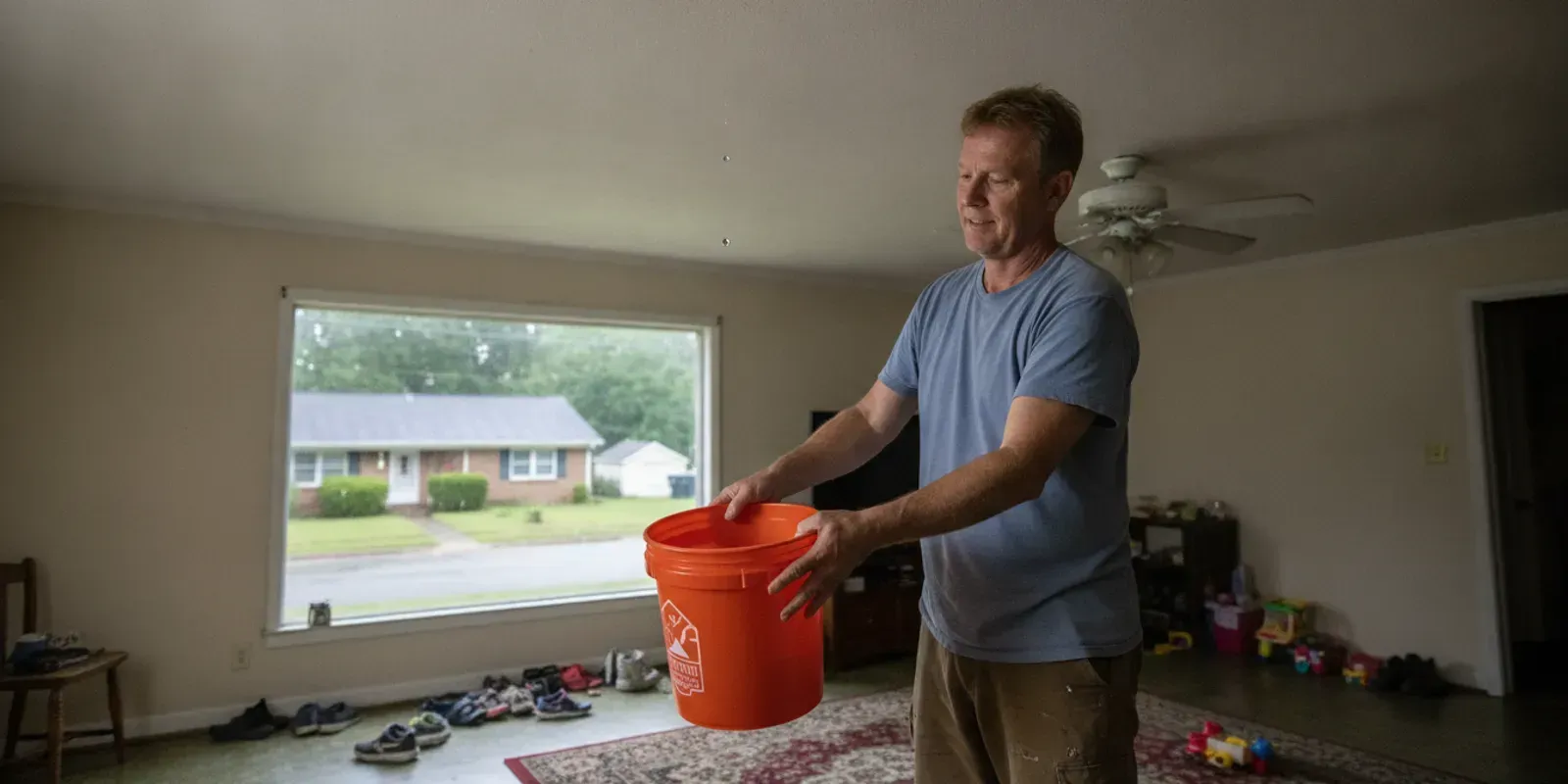
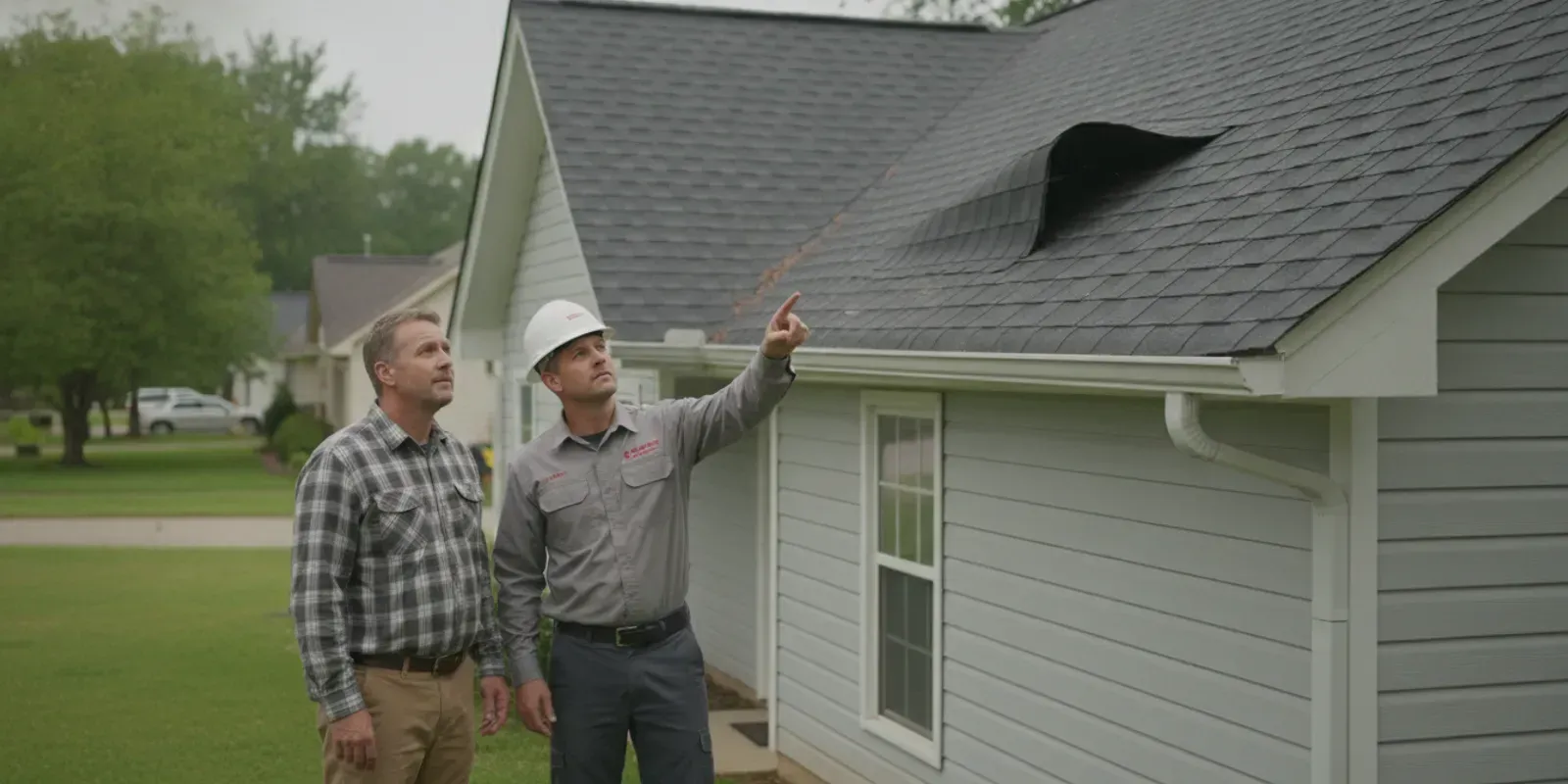
Roofer inspecting damaged shingles to estimate the leaky roof repair cost.
By Stephen Griswell February 18, 2026
Get a clear look at leaky roof repair cost, common causes of leaks, repair options, and tips to help you save money on your next roofing project.
Modern house with a professional exterior painting job, featuring white siding and dark trim.
By Stephen Griswell February 17, 2026
Get expert tips on exterior house painting, from choosing the right paint to avoiding common mistakes, for a finish that lasts and looks beautiful.
A modern home with a completed DIY metal roof installation.
By Stephen Griswell February 16, 2026
Get practical tips for metal roof installation, from choosing materials to safety steps, in this clear, step-by-step guide for homeowners and DIYers.
Metal mesh gutter guard installation on a shingled roof.
By Stephen Griswell February 13, 2026
Get clear, practical tips for gutter guard installation. Learn how to prep, install, and maintain gutter guards to protect your home from water damage.
Professional seamless gutter installation on a modern residential home.
By Stephen Griswell February 12, 2026
Get practical tips on seamless gutter installation, from choosing materials to maintenance, so you can protect your home from leaks and water damage.
metal over shingle roofs
By SEO Analysis January 27, 2026
Can you put a metal roof over shingles? Learn when it’s allowed, pros and cons, code rules, moisture risks, and when a tear-off is the better option.
By SEO Analysis January 12, 2026
Replacing a roof is a major decision for any homeowner. A roof protects the structure, controls moisture, and supports energy efficiency. When problems increase, many homeowners ask one clear question: should I replace my roof now, or should I continue with home roof repairs? This guide provides everything you need to know before proceeding with a roof replacement . The goal is to help you understand residential roof replacement so you can make the right decision for your home, your budget, and your long-term plans. What Roof Replacement Means A roof replacement means removing the existing roofing system and installing a new roof. Contractors remove old shingles, underlayment, and damaged materials. They inspect the roof deck and repair structural issues if needed. They then complete a new roof installation using approved materials. This process is different from repairs. Repairs fix limited damage. Replacement rebuilds the entire roofing system. Signs You May Need to Replace Your Roof Roof Age Roof age is a key factor. Asphalt shingle roofs often last 20 to 25 years. Metal roofs last longer. Tile and slate roofs can last several decades. If your roof is near or past its expected lifespan, replacement is often the right option. Frequent Home Roof Repairs If you schedule repairs every year, costs increase over time. Multiple leaks or repeated shingle damage often signal system failure. At that point, replacement may cost less than ongoing repairs. Widespread Damage Damage across large areas often requires replacement. Common signs include: Missing or cracked shingles across the roof Soft or rotted roof decking Sagging roof lines Water stains in multiple attic areas Localized damage may support repair. Widespread damage usually supports replacement. Storm and Weather Exposure Severe weather shortens roof life. If storms cause repeated damage, a residential roof replacement may provide better long-term protection. Roof Repair vs Roof Replacement Roof Repair Fixes isolated problems Lower upfront cost Shorter project timeline Limited lifespan extension Residential Roof Replacement Rebuilds the entire roofing system Higher upfront cost Longer project timeline Long-term durability and warranty When repairs no longer provide stability, replacement becomes the practical solution. Benefits of Residential Roof Replacement Long-Term Protection A new roof provides complete coverage. New underlayment and flashing reduce leak risk. Updated materials handle weather better. Increased Home Value A roof replacement improves curb appeal. Buyers prefer homes with a recently roof installed. Appraisers also consider roof age and condition. Improved Energy Efficiency Modern roofing materials reflect heat more effectively. Proper ventilation improves airflow and helps reduce energy costs. Warranty Coverage Most residential roofing replacement projects include manufacturer and workmanship warranties. These warranties reduce long-term risk. Types of Roofing Materials Asphalt Shingles Most common residential material Affordable and reliable Available in many colors and styles Architectural Shingles Thicker than standard shingles Longer lifespan Better wind resistance Metal Roofing Long lifespan Energy efficient Higher upfront cost Tile Roofing Durable and heavy Requires strong roof structure Long service life Slate Roofing Premium roofing material Very long lifespan Higher cost and weight Material choice affects cost, durability, and appearance. Understanding the Roof Replacement Process Step 1: Inspection A professional roofer inspects shingles, flashing, decking, and attic ventilation. This step confirms whether replacement is necessary. Step 2: Estimate and Planning You receive a detailed estimate that includes materials, labor, timeline, and disposal. Contractors also explain permits and inspections. Step 3: Material Selection You choose roofing materials, colors, and styles. The contractor confirms compatibility with your home. Step 4: Tear-Off Crews remove the old roof and dispose of debris safely. This exposes the roof deck for inspection. Step 5: Deck Repair If the deck shows damage, crews repair it. A solid deck is required for a proper new roof installation. Step 6: Installation Contractors install underlayment, flashing, and roofing materials. Everything is installed according to code and manufacturer requirements. Step 7: Final Inspection The contractor inspects the completed roof. Local inspectors may also review the work. How Long Roof Replacement Takes Most residential roof replacement projects take one to three days. Larger or more complex roofs may take longer. Weather conditions can also affect timing. Cost Factors to Consider Several factors affect roof replacement cost: Roof size and slope Roofing material type Structural repairs Labor rates Permit and disposal fees Understanding these factors helps you plan your budget. Budgeting for Roof Replacement Plan early when possible. Get multiple estimates. Ask for itemized pricing. Understand payment schedules. Some contractors offer financing options. Common Mistakes to Avoid Waiting too long to replace the roof Choosing price over quality Ignoring ventilation needs Skipping professional inspections Avoiding these mistakes protects your investment. Roof Replacement and Home Insurance Insurance may cover roof replacement after storm damage. Coverage depends on policy terms and roof age. Document damage and contact your provider promptly. Permits and Building Codes Most roof replacements require permits. Licensed contractors handle this process. Permits ensure the roof installed meets safety and code requirements. Preparing Your Home for Roof Replacement Before Installation Clear driveways and walkways Remove wall decorations Protect attic items Notify neighbors During Installation Expect noise and vibration. Crews manage debris and safety areas. After Installation Inspect the yard for nails. Review warranty documents. Schedule follow-up inspections if recommended. How Long a New Roof Lasts Roof lifespan depends on material and installation quality: Asphalt shingles: 20–25 years Architectural shingles: 25–30 years Metal roofing: 40–70 years Tile or slate roofing: 50+ years Proper maintenance extends roof life. Maintaining Your New Roof Schedule annual inspections Clean gutters regularly Trim overhanging branches Address small issues early Maintenance helps reduce future repair costs. When to Replace My Roof Instead of Repairing You should replace my roof when: Repairs occur frequently Damage affects large areas Roof age exceeds lifespan Structural problems exist Replacement offers stability and long-term savings. Residential Roofing Replacement and Resale Buyers value a new roof. Homes with recent residential roofing replacement often sell faster and face fewer inspection issues. Choosing the Right Roofing Contractor Look for: Proper licensing and insurance Clear written estimates Warranty coverage Local experience Strong customer reviews The right contractor ensures quality results. FAQ How do I know when to replace my roof? Check roof age, damage extent, and repair history. Widespread or frequent issues usually indicate replacement. Can I live in my home during roof replacement? Yes. Most homeowners stay in the home, though noise is expected during work hours. How much does residential roof replacement cost? Costs vary by roof size, material, and repairs needed. A professional inspection provides accurate pricing. Does a new roof increase home value? Yes. A new roof installation improves curb appeal and buyer confidence. Get a Free Roof Replacement Estimate with Total Roof Solutions Roof replacement is a major project, but it delivers long-term protection and value. When repairs no longer solve the problem, replacing the roof is the smart choice. If you are considering a roof replacement, Total Roof Solutions is ready to help. Our team provides professional inspections, clear estimates, and expert residential roof replacement services. Contact Total Roof Solutions today to schedule your roof evaluation and move forward with confidence.
By SEO Analysis January 5, 2026
Roof inspections are the basis for every roofing repair or replacement estimate. Skilled, experienced contractors go over every inch of your home's roof, looking for storm damage, minor issues, and things that may cause problems in the future. They discuss your roof's condition with you and recommend remedies to bring it up to speed. Depending on their advice, you could be looking at a quick repair job or a full roof replacement, which dictates the overall price. There’s no single price tag for roof repairs. Costs come from materials, labor, permits, site conditions, and local market forces. Knowing those drivers helps homeowners set realistic budgets and avoid surprises. This guide walks through the main cost factors for residential roof repair in 2026: material choice, damage type, roof size and pitch, accessibility, labor and permit fees, and local location effects. You’ll get simple rules of thumb for repair vs. replace, how permits and labor affect costs in the Atlanta/McDonough area, and practical financing or insurance options to lower out-of-pocket expenses. We use clear examples, compact tables that link factors to typical impacts, and actionable checklists so you can compare options and request an accurate local estimate. Relevant local terms like roof repair costs in Atlanta , asphalt shingle repair cost, roof pitch and repair pricing, and roof repair permits in Georgia appear where they help homeowners find local, helpful information. What Are the Main Factors Affecting Residential Roof Repair Costs? The biggest cost drivers change how much material, crew time, and admin work a job needs. They decide whether a visit is a quick patch or a multi-day project. Key factors include materials (shingles, flashing, underlayment), damage type and severity (minor leak versus structural rot), roof size and pitch, access, labor rates, permits, and local market conditions. Fixing minor problems early usually keeps costs down because it prevents interior damage and mold that can multiply the bill. The most reliable next step is a professional inspection that identifies the exact scope. Many local, licensed contractors in McDonough provide inspections and free estimates that translate these factors into a written cost breakdown. How Do Roofing Materials Influence Repair Prices? The roofing material sets both the cost of the parts and the skill required for the work, so material choice directly affects price and long‑term performance. Asphalt shingle repairs are usually the most affordable because materials are common and crews can work quickly; patching and replacing a few shingles is routine. Metal, tile, and slate call for specialty tools and tradespeople, which can raise costs and sometimes require extra time to match materials. Consider lifespan, too: cheaper materials may require more frequent repairs, while higher-cost options often reduce maintenance costs over time and shift the repair-vs-replace calculation. Common material differences: Asphalt shingles: lower material cost, faster repairs. Metal: higher parts cost and specialized fastening/detail work. Tile/slate: highest labor skill and matching/replacement costs. Specialty materials also increase the risk of hidden costs, as matching pieces and careful removal often require experienced crews. What Types of Roof Damage Affect Repair Expenses? Damage type tells you whether a fix is cosmetic, functional, or structural. Those tiers span very different price ranges and future risks. Minor problems like a few missing shingles or a leaking pipe boot usually need local repairs and limited labor. By contrast, flashing failures, extensive water intrusion, rot, or storm damage can require tear‑off, decking replacement, or interior maintenance. Hidden issues such as wet insulation, mold, or compromised decking can quickly expand the scope and bring in other trades, raising the combined cost. Finding severity early reduces the risk that a small repair will turn into a costly replacement and interior remediation. Typical repair categories: Minor leak patches and shingle replacement. Flashing or pipe boot repairs and replacements. Decking or underlayment replacement because of rot. These categories help homeowners set expectations and estimate likely price brackets before contractor bids arrive. How Do Roof Size, Pitch, and Accessibility Affect Repair Costs? Roof shape and site conditions translate directly into labor hours, equipment needs, and safety measures, the largest drivers of labor-based pricing. Roof area (measured in squares or square feet) scales materials and crew time, so larger roofs cost more. Pitch increases fall‑protection needs and slows crews; steep roofs often require harnesses, roof jacks, scaffolding, or staging that add rental fees and extra hours. Tight yards, trees, or limited parking require more manual carrying and landscaping protection, which increases labor and handling fees. Why Does Roof Pitch Increase Labor and Equipment Costs? Steeper roofs make the work harder and the safety requirements stricter, which lengthen jobs and increase gear requirements. Slopes slow crew speed and usually require harnesses, roof jacks, or scaffolding; those controls take extra setup time and sometimes rental fees. The slower pace and added protections expand labor hours. They may require a larger crew for safe material handling, so identical material repairs on different pitches can have notably different labor costs. Treat pitch as a predictable multiplier when comparing bids. Always compare quotes that break out fall protection, staging, and crew size, rather than relying on a flat per-square price with no detail. How Does Roof Accessibility Impact Labor Rates and Project Time? Accessibility determines how fast crews can set up and move materials, which changes hourly totals and potential add‑on fees. Tight yards, gates, or valuable landscaping require extra protection and more manual carry, which increases labor hours and slows progress. Limited parking or driveway access can force longer handling routes or off‑site staging, adding logistics time that contractors often include in estimates. These access issues can also extend timelines and affect seasonal pricing. When you request bids, note access constraints and ask contractors to list handling and protection charges so line items are transparent and comparable. What Role Do Labor Costs, Permits, and Location Play in Roof Repair Pricing? Labor, permits, and local market conditions are external variables that shift final pricing by region and season. Labor is a large portion of most repair estimates because it covers skilled crews, licensing, insurance, and warranties. Permits and inspections add fixed administrative fees and can create scheduling delays for permitted work; disposal costs for tear‑offs and waste hauling are another practical expense. Peak demand, after storms for example, pushes up labor rates and extends lead times, while slower seasons can produce more competitive pricing. Homeowners in McDonough and the greater Atlanta region should expect permit and disposal fees to appear as separate items on estimates. Local, licensed providers like Total Roof Solutions know the McDonough permit rules and typical labor rates, which help produce accurate, region‑aware bids. How Do Local Labor Rates and Contractor Expertise Affect Total Costs? Local labor rates reflect wages, demand, and crew experience; experienced contractors can charge more up front but often reduce rework and warranty claims. Labor usually accounts for a large share of the invoice, and the mix of hourly crews and fixed bids affects risk allocation. A seasoned team lowers hidden costs by spotting secondary damage early, using proven installation practices, and offering material and workmanship warranties that protect homeowners. Always verify licensing, insurance, and warranty terms so you can weigh higher upfront labor costs against long‑term value and fewer callbacks. When Are Permits and Inspections Required, and What Are Their Fees? Permits are generally required for full replacements, structural decking repairs, and some substantial reroofing projects; small, isolated repairs often don’t need one. Fee schedules and inspection timelines vary by municipality and scope. In McDonough and the surrounding Atlanta area, check local building department rules or hire a licensed contractor who handles permit management. Skipping required permits can lead to fines or problems at sale, so following the code protects your investment. When you get estimates, ask if the contractor will secure permits and handle inspections as part of the quoted price to avoid surprise administrative costs. When Should You Repair or Replace Your Roof to Manage Costs Effectively? The repair vs. replace decision depends on roof age, extent and frequency of problems, and the relative cost of repeated fixes versus a new roof. Repair is often appropriate for localized roof issues with useful life remaining. Replacement makes sense for repeated leaks, large areas of missing shingles, extensive rot, or a roof near the end of its expected life. A practical rule: if a single repair approaches a significant portion of a replacement estimate or problems return quickly, replacement is usually the smarter financial choice. Factor in long‑term value, energy savings, and resale impact when deciding. Repair : Localized damage, newer roof, minor leaks. Replace : Widespread damage, structural rot, and a roof near the end of its life. Rule of thumb : If a repair is about 30–50% of replacement cost, consider replacement. Homeowners often use financing to manage large projects; licensed contractors can assist with insurance claims and offer financing plans to spread payments. Those options can lower the upfront burden and make timely repairs or replacements possible, which often saves money compared to overreacting to emergency failures. What Signs Indicate That Roof Replacement Is More Cost-Effective Than Repair? Signs that replacement is likely the better option include repeated leaks, big patches of missing shingles, visible decking rot, sagging, or a roof near the end of its expected lifespan. Ongoing callbacks after repairs or numerous roof penetrations are also red flags that problems are systemic rather than isolated. If an inspection shows recurring or widespread issues, consolidating into a single replacement often saves money and hassle over the long term. Replacing at the right time also improves energy efficiency and curb appeal, making it a real homeowner benefit. Plan replacement when it stops being a temporary fix and becomes the long‑term, cost‑effective solution. How Can Financing Options Help Homeowners Afford Roof Repairs? Financing spreads the cost of extensive repairs or replacements and makes timely decisions more manageable, reducing the risk of interior damage and emergency expenses. Options include home‑improvement loans, home‑equity lines, contractor financing, and insurance payouts for storm damage. Each choice involves trade-offs in interest, terms, and approval speed, so compare total interest and fees with the cost of delayed repairs. Talk about payment options early with contractors. Many local providers can help with insurance documentation and connect you with financing options that fit your budget and timeline. Weigh total borrowing costs against the potential for higher repair bills or interior damage if work is postponed. For licensed, insured, and bonded residential roof and gutter services in McDonough and the greater Atlanta area, request a free inspection and estimate from Total Roof Solutions. We’ll provide a clear, written cost breakdown that reflects your material choices, permit needs, and available financing or insurance assistance. Frequently Asked Questions What are the common signs that indicate a roof needs repair? Look for missing or damaged shingles, water stains on ceilings or walls, visible sagging, and active leaks during rain. Finding shingle granules in gutters, mold growth, higher energy bills, or attic drafts are also warning signs. Regular inspections catch issues early and prevent minor problems from becoming costly repairs. How can I find a reliable roofing contractor? Start with recommendations from friends, family, or neighbors, and check online reviews. Confirm the contractor is licensed, insured, and has good references. Get multiple written estimates, compare scope and warranties, and ask to see past work. A reputable contractor will explain the process clearly and provide a detailed, written quote. What financing options are available for roof repairs? Financing choices include home‑improvement loans, personal loans, home‑equity lines of credit, and contractor financing plans. Insurance payouts may cover storm damage. Compare interest rates, terms, and fees to pick the option that fits your budget and urgency. Many contractors can help with financing applications and insurance paperwork. How often should I have my roof inspected? Have your roof inspected at least once a year, ideally in spring or fall, and after significant storms. Regular checks help catch minor issues before they grow and extend roof life. Homeowners should also conduct periodic visual checks for apparent damage. What should I expect during a roof inspection? A qualified inspector will evaluate shingles, flashing, gutters, and overall roof condition and may check the attic for moisture or insulation problems. After the inspection, you should receive a report with findings, recommended repairs, and an estimate. Use that report to compare contractor bids and plan next steps. Are there any warranties available for roof repairs? Yes. Many contractors offer workmanship warranties alongside manufacturer material warranties. Coverage and length vary, so ask what’s included and any conditions. Clear warranty terms give you protection and peace of mind after the job is finished. What are the environmental considerations for roofing materials? Consider durability, energy efficiency, and recyclability when choosing materials. Metal and some high‑quality shingles last longer and can be more energy‑efficient. Some manufacturers offer recycled or sustainably produced options. Choosing an energy‑efficient roof can lower heating and cooling costs and reduce your home’s environmental footprint. Get Solid Roof Assessments and Quotes from Total Roof To get a free estimate from a contractor who knows McDonough permitting and storm‑claim processes, contact Total Roof Solutions. We offer inspections, warranties on materials and workmanship, and financing options to help you move forward with confidence. Contact Total Roof today!
By SEO Analysis December 23, 2025
Torch down roofing is a proven solution for flat and low-slope roofs. Many property owners hear the term but do not fully understand how it works or when it makes sense. Others want to know if torch down roofing is better than other flat roof systems. This guide explains everything you need to know before choosing this roofing option. We will cover what torch down roofing is, how it works, the materials involved, installation details, repair options, and when roof replacement is the better choice. The goal is clarity. By the end of this article, you will understand if torch down roofing fits your property. What Is Torch Down Roofing Torch down roofing is a modified bitumen roofing system. It uses rolls of asphalt-based material that installers heat with an open flame. The heat melts the underside of the material, allowing it to bond directly to the roof surface. This system is most common on flat roofs or low-slope roofs. It is used on residential buildings, commercial properties, and multi-family structures. When people ask what is torch down roofing, the simplest answer is this: it is a heat-applied roofing system designed to create a sealed, waterproof surface. How Torch Down Roofing Works Torch down roofing installs in layers. Each layer serves a purpose. First, the installer prepares the roof deck. The surface must be clean, dry, and smooth. Next, a base sheet may be installed. This layer adds stability and protection. Then the installer applies the torch down roofing material. A propane torch heats the roll as it unrolls across the roof. The heat melts the asphalt backing. The material bonds to the surface as it cools. This process creates a strong seal. It reduces seams. It prevents water intrusion. Torch Down Roofing Material Explained Torch down roofing material consists of modified bitumen. Bitumen is asphalt. Manufacturers modify it with polymers to improve flexibility and durability. Common material components include: Asphalt compound Reinforcing fabric (polyester or fiberglass) Granulated top surface or smooth surface The top layer often includes mineral granules. These granules protect against UV damage and weather exposure. Torch down roofing material resists cracking. It handles temperature changes well. It performs reliably in harsh conditions. Torch Down Roll Roofing Torch down roll roofing comes in large rolls. Installers apply each roll in sections. They overlap seams to ensure full coverage. Each roll bonds to the roof using heat. This method reduces the need for fasteners. Fewer fasteners mean fewer penetration points. Torch down roll roofing works well on roofs with minimal slope. Water flows across the sealed surface without pooling in seams. Types of Torch Down Roofing Systems There are two main system types. Two-Layer Torch Down System This system includes: Base sheet Cap sheet The base sheet adds strength. The cap sheet provides weather protection. This system offers better durability and longer lifespan. Three-Layer Torch Down System This system includes: Base sheet Interply sheet Cap sheet The added layer increases thickness and strength. This option suits roofs with higher exposure or heavier use. Torch Down Roofing Details Torch down roofing details matter. Poor detailing leads to leaks. Professional installation is critical. Important detail areas include: Seams and overlaps Roof edges Flashing around vents and drains Wall transitions Parapet walls Installers must apply even heat. They must avoid overheating. Proper technique ensures strong adhesion without damaging the material. Benefits of Torch Down Roofing Strong Waterproofing Torch down roofing creates a continuous seal. Heat bonding reduces seam failure. This system handles standing water better than many alternatives. Durability The material resists tearing and cracking. It handles foot traffic better than single-ply systems. Cost Control Torch down roofing often costs less than premium flat roof systems. It balances performance and affordability. Proven Performance This system has decades of use. Contractors understand its behavior and maintenance needs. Limitations of Torch Down Roofing Fire Risk During Installation Open flames create risk. Only trained professionals should install this system. Not Ideal for All Roofs Torch down roofing works best on flat or low-slope roofs. Steep roofs require different systems. Skilled Labor Required Improper installation causes failure. Experience matters with this roofing type. Torch Down Roofing vs Other Flat Roofing Systems Torch Down Roofing vs TPO Torch down roofing offers thicker material. TPO offers lighter weight and reflective surfaces. Torch down handles foot traffic better. Torch Down Roofing vs EPDM EPDM uses rubber sheets and adhesives. Torch down uses heat bonding. Torch down offers better puncture resistance. Torch Down Roofing vs Built-Up Roofing Built-up roofing uses multiple asphalt layers. Torch down installs faster and uses fewer materials. When Torch Down Roofing Makes Sense Torch down roofing works best when: The roof has low slope or is flat The property needs strong waterproofing Budget matters The roof sees moderate foot traffic It suits residential flat roofs, garages, commercial buildings, and apartment complexes. Torch Down Roofing and Roof Repair Torch down roofing supports effective roof repair. Contractors can patch damaged areas without replacing the full roof. Common repair situations include: Small punctures Seam separation Flashing failure Surface wear Timely roof repair extends system life. Ignoring damage leads to moisture intrusion. When Roof Replacement Is Better Roof replacement becomes necessary when: Damage is widespread The roof deck shows rot The system reaches end of lifespan Repairs repeat frequently Torch down roofing typically lasts 15 to 20 years. Age, exposure, and maintenance affect lifespan. Signs Torch Down Roofing Needs Attention Watch for these warning signs: Blistering or bubbling Cracks in surface Loose seams Ponding water Interior leaks Early inspection prevents major failure. Torch Down Roofing Installation Process Step 1: Roof Inspection Contractors inspect the deck, drainage, and structure. They confirm suitability for torch down roofing. Step 2: Surface Preparation Crews clean the surface. They repair damaged decking. A smooth base is required. Step 3: Base Sheet Installation The base layer installs using adhesive or mechanical fasteners. Step 4: Torch Application Installers heat the torch down roll roofing as they apply it. They control flame and pressure. Step 5: Detail Work Crews seal seams, edges, and penetrations. Flashing receives extra attention. Step 6: Final Inspection The contractor checks adhesion and drainage. They confirm system integrity. Safety Considerations Torch down roofing requires strict safety protocols: Fire extinguishers on site Trained installers only Controlled flame use Protective equipment Safety planning protects property and workers. Maintenance for Torch Down Roofing Maintenance extends lifespan. Recommended practices: Annual inspections Clear debris and drains Repair small issues early Monitor seams and flashing Routine care reduces roof replacement risk. Torch Down Roofing Lifespan Most torch down systems last 15 to 20 years. Proper installation and maintenance can extend service life. Environmental exposure affects durability. High heat, standing water, and heavy use shorten lifespan. Cost Factors for Torch Down Roofing Pricing depends on: Roof size System type Number of layers Deck condition Labor access Torch down roofing often costs less than premium flat roof systems but more than basic repairs. Torch Down Roofing for Residential Properties Torch down roofing works well for: Flat residential roofs Attached garages Additions Multi-unit housing Homeowners choose this system for durability and cost control. Common Mistakes to Avoid Avoid these issues: Hiring untrained installers Ignoring drainage design Skipping inspections Delaying roof repair Mistakes shorten roof life and increase costs. FAQs What is torch down roofing best used for? Torch down roofing works best on flat or low-slope roofs where waterproofing matters most. Is torch down roofing safe? Yes, when installed by trained professionals using proper safety procedures. Can torch down roofing be repaired? Yes. Contractors can perform roof repair on damaged sections without full replacement. How long does torch down roofing last? Most systems last 15 to 20 years with proper maintenance. Get a Free Roof Estimate Today Torch down roofing remains a reliable solution for flat and low-slope roofs. It offers strong waterproofing, durability, and cost efficiency. Understanding torch down roofing details helps property owners make informed decisions. When installed correctly, this system delivers consistent performance. When damage grows or age increases, roof replacement becomes the right move. If you are considering torch down roofing, Total Roof Solutions can help. Our team provides expert inspections, professional installation, and reliable roof repair and roof replacement services. Contact Total Roof Solutions today to schedule an evaluation and get clear answers for your roofing needs.
By SEO Analysis December 16, 2025
When your home roof starts showing signs of wear, you ask yourself: should I arrange a roof repair or go for a full roof replacement? At Total Roof Solutions we deal with this question often. Let’s talk like two neighbors having coffee: your roof has issues, you want solutions. You want facts. You want direct answers. You don’t want jargon. In this article we will cover both sides— roof repair and replacement roof —so you can decide with confidence. We will use clear language. We will define terms. We will show when home roof repairs make sense, and when roof replacements are the smarter move. We also include a detailed FAQ at the end and a strong call to action. Let’s dive in. What is a Roof Repair? A roof repair refers to fixing specific, isolated issues on your roof. Rather than replacing the entire surface, the work addresses trouble spots. Examples: Replacing a few missing shingles. Repairing flashing around a chimney or vent. Fixing a small leak in the roof deck. Repair is generally less expensive up front. It usually takes less time. It serves to extend the life of the roof without replacing the full system. Many times home roof repairs make sense when the damage is limited. What is a Roof Replacement? A replacement roof means removing the existing roofing materials (shingles, underlayment, sometimes decking) and installing a new roofing system. This is more than a patch. It gives a clean slate. Key features often include: New underlayment, new shingles or other materials. Possibly updated flashing and ventilation. A warranty on the full roof system. A full roof replacement costs more initially but can save money in the long run if your current roof is old or heavily damaged. When Roof Repair Makes Sense You should lean toward home roof repairs when: The damage is isolated (for example: a few missing shingles, a minor leak). The roof is relatively new (e.g., less than 10-15 years old for asphalt shingle). You plan to sell soon and want to control cost rather than invest heavily. You have the budget flexibility to monitor and maintain the roof rather than invest now in a full replacement. Here are clear signs repair is appropriate: Visual cues show missing or damaged shingles in one area only. There is no sagging or widespread structural damage. The rest of the roof shows good condition: minimal wear, no repeated leaks. You expect to stay in the home for only a short time, so maximizing near-term value is key. Repair approach gives you a quicker, lower-cost path to keep your home protected while you plan for long-term decision. When Roof Replacement Is the Better Choice You should consider a full roof replacement when: The roof is old, nearing or past its expected lifespan. For example, asphalt shingle roofs often last between 20-25 years. There is widespread damage: many missing shingles, multiple leaks, visible rot, or structural concerns. You have had many home roof repairs in recent years and the costs add up. You want to increase your home’s resale value, improve energy efficiency, or minimize future roof service calls. The underlying decking or structure is compromised, which means patching won’t solve the root problem. Replacement gives you peace of mind. It means fewer surprises. You reduce long-term risk. How to Evaluate Your Roof: Step-by-Step Here is a clear process you can follow: Check the roof age Ask when the current roof was installed. If it’s over 15-20 years old (for asphalt shingles) replacement likely makes sense. Inspect for damage Look for missing or curled shingles, dark streaks, moss growth, sagging roof deck, visible leaks in the attic. Assess the extent Is the damage localized (one area) or spread across the roof? Localized damage tends toward repair. Widespread calls for replacement. Check past repair history Have you needed multiple repairs recently? If yes, replacement likely is smarter. Consider long-term plans How long do you plan to stay in the home? If you plan long-term, replacement becomes more cost-effective. Review available budget Weigh immediate cost (repair vs replacement) and long-term value. Use multiple quotes. Consult a professional roofing contractor A qualified roofer can inspect hidden issues like underlayment damage, decking rot, ventilation problems, and provide a realistic estimate. Cost Considerations: Repair vs Replacement Let’s look at typical cost profiles (these vary by region, material, size). Roof repair: Costs vary widely, from a few hundred dollars to several thousand depending on issue. Roof replacement: Higher cost upfront but fewer ongoing costs. For example, some data suggest full replacement may cost multiple thousands of dollars. Here are factors that affect cost: Roof size and pitch (steep roofs cost more). Roofing material selected (asphalt shingles cost less than metal, tile, or slate). Accessibility and structural work needed (decking, underlayment, flashing). Labor rates in your region. Disposal of old roof materials (for replacement). Additional services: ventilation upgrade, insulation, gutter replacement. Benefits and Drawbacks of Each Option Roof Repair Benefits: Lower initial cost. Quicker to complete. Less disruption to home life. Drawbacks: May only delay the inevitable if the roof is near the end of its life. Patches may not match the rest of the roof, impacting aesthetics. Hidden damage may remain and cause future leaks or failures. Roof Replacement Benefits: Grants a full, fresh roof system with warranty. Less chance of repeated repair calls. Potential for improved energy efficiency and higher home value. Drawbacks: Higher upfront cost. More disruption (noise, cleanup, longer timeframe). If done prematurely when the existing roof still had life, might feel like unnecessary expense. Common Myths and Mistakes Myth: “A small leak always means full replacement.” Not true. If damage is limited and the roof is relatively young, repair may suffice. Myth: “Replacement always improves value more than any repair.” Not always; the value gain depends on the home market, roof material, and condition. Mistake: Ignoring minor issues. Small issues left unchecked can mushroom into big problems. Mistake: Choosing repair simply because it costs less now without reviewing long-term implications. How Total Roof Solutions Can Help You We perform comprehensive roof inspections to assess damage, age, and overall condition. We provide clear quotes for both roof repair and replacement options. We work with high-quality materials and certified installers to ensure your home receives lasting protection. We offer guidance tailored to your home’s needs, budget, and your plans for the future. FAQ Section 1. How do I know if my roof needs repair or replacement? Check the roof’s age, inspect for damage (missing shingles, leaks, sagging), review how many repairs you’ve had. If damage is broad or the roof is old, replacement likely is better. 2. Can I repair part of the roof instead of replacing the whole thing? Yes. If the damage is isolated to a section, you can opt for spot repair or partial replacement. But matching the new portion to the old can be tricky. 3. Will repairing the roof save money compared to replacing it? Often yes in the short term. But if you need frequent residential roof repairs , the cumulative cost may exceed that of one replacement. 4. What if I plan to sell my home soon—should I replace the roof or just repair it? If you plan to sell very soon (within 1-2 years) and your roof is still in decent condition, a repair may suffice. If the roof is old or shows major issues, replacement may yield better buyer appeal. 5. Does roof replacement improve energy efficiency? Yes. Newer roofing materials, improved underlayment, better ventilation and insulation can reduce heat gain/loss. Many roof-service providers note that replacement boosts efficiency. Ready for a Free Roof Estimate? Choosing between roof repair vs roof replacement is a major decision. You need clear facts, tailored options, and no surprises. At Total Roof Solutions we help you weigh your current condition, long-term plans, and budget. If you’re ready to explore your options—whether you aim for a targeted roof repair or are considering a full replacement roof— contact us today for a free inspection and quote . Protect your home now and make the choice that serves you best in the long run.