What to Know Before Replacing Your Roof: A Comprehensive Guide
SEO Analysis • January 12, 2026
Replacing a roof is a major decision for any homeowner. A roof protects the structure, controls moisture, and supports energy efficiency. When problems increase, many homeowners ask one clear question: should I replace my roof now, or should I continue with home roof repairs?
This guide provides everything you need to know before proceeding with a roof replacement. The goal is to help you understand residential roof replacement so you can make the right decision for your home, your budget, and your long-term plans.
What Roof Replacement Means
A roof replacement means removing the existing roofing system and installing a new roof. Contractors remove old shingles, underlayment, and damaged materials. They inspect the roof deck and repair structural issues if needed. They then complete a new roof installation using approved materials.
This process is different from repairs. Repairs fix limited damage. Replacement rebuilds the entire roofing system.
Signs You May Need to Replace Your Roof
Roof Age
Roof age is a key factor. Asphalt shingle roofs often last 20 to 25 years. Metal roofs last longer. Tile and slate roofs can last several decades. If your roof is near or past its expected lifespan, replacement is often the right option.
Frequent Home Roof Repairs
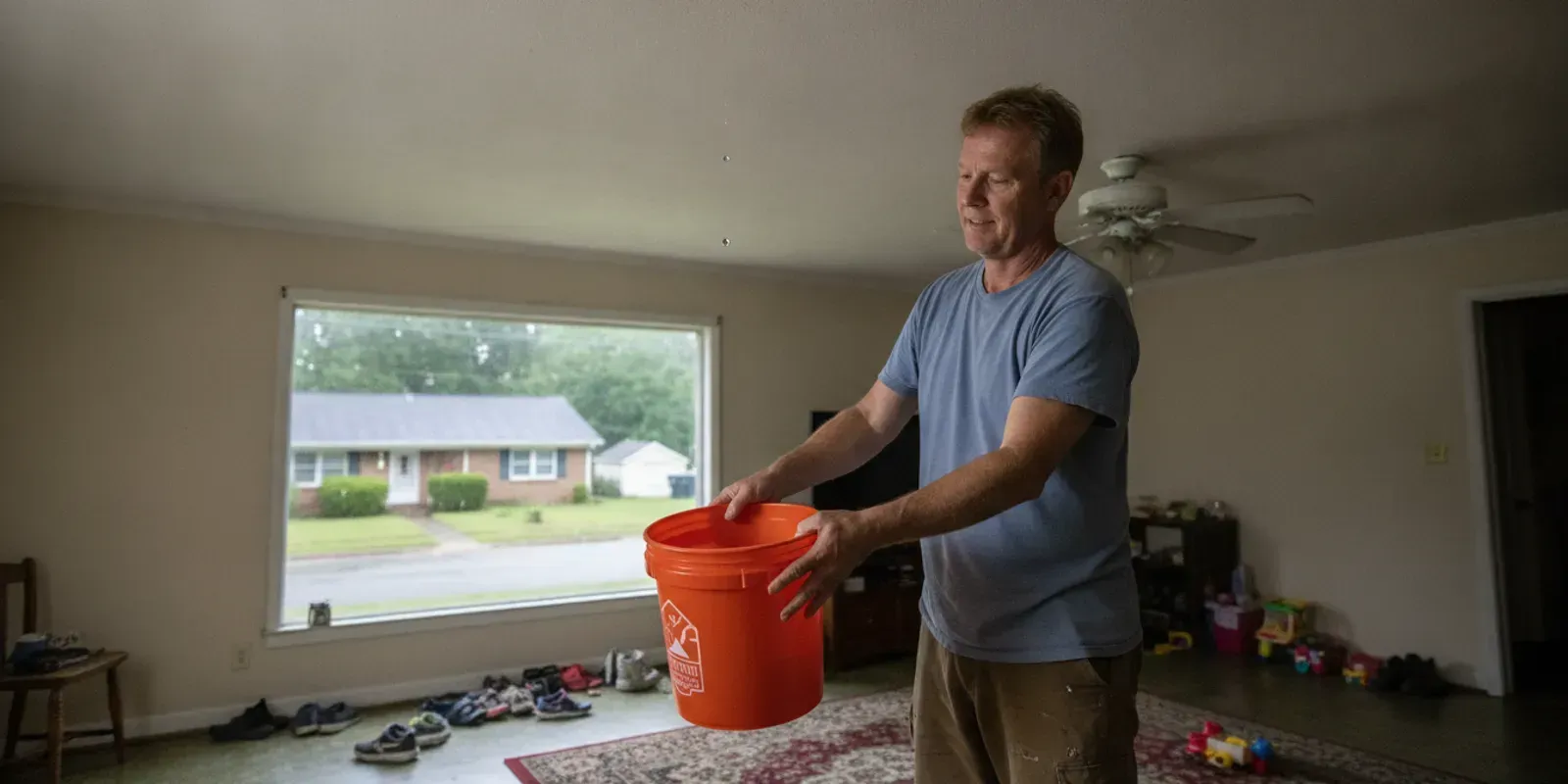
If you schedule repairs every year, costs increase over time. Multiple leaks or repeated shingle damage often signal system failure. At that point, replacement may cost less than ongoing repairs.
Widespread Damage
Damage across large areas often requires replacement. Common signs include:
- Missing or cracked shingles across the roof
- Soft or rotted roof decking
- Sagging roof lines
- Water stains in multiple attic areas
Localized damage may support repair. Widespread damage usually supports replacement.
Storm and Weather Exposure
Severe weather shortens roof life. If storms cause repeated damage, a residential roof replacement may provide better long-term protection.
Roof Repair vs Roof Replacement
Roof Repair
- Fixes isolated problems
- Lower upfront cost
- Shorter project timeline
- Limited lifespan extension
Residential Roof Replacement
- Rebuilds the entire roofing system
- Higher upfront cost
- Longer project timeline
- Long-term durability and warranty
When repairs no longer provide stability, replacement becomes the practical solution.
Benefits of Residential Roof Replacement
Long-Term Protection
A new roof provides complete coverage. New underlayment and flashing reduce leak risk. Updated materials handle weather better.
Increased Home Value
A roof replacement improves curb appeal. Buyers prefer homes with a recently roof installed. Appraisers also consider roof age and condition.
Improved Energy Efficiency
Modern roofing materials reflect heat more effectively. Proper ventilation improves airflow and helps reduce energy costs.
Warranty Coverage
Most residential roofing replacement projects include manufacturer and workmanship warranties. These warranties reduce long-term risk.
Types of Roofing Materials
Asphalt Shingles
- Most common residential material
- Affordable and reliable
- Available in many colors and styles
Architectural Shingles
- Thicker than standard shingles
- Longer lifespan
- Better wind resistance
Metal Roofing
- Long lifespan
- Energy efficient
- Higher upfront cost
Tile Roofing
- Durable and heavy
- Requires strong roof structure
- Long service life
Slate Roofing
- Premium roofing material
- Very long lifespan
- Higher cost and weight
Material choice affects cost, durability, and appearance.
Understanding the Roof Replacement Process
Step 1: Inspection
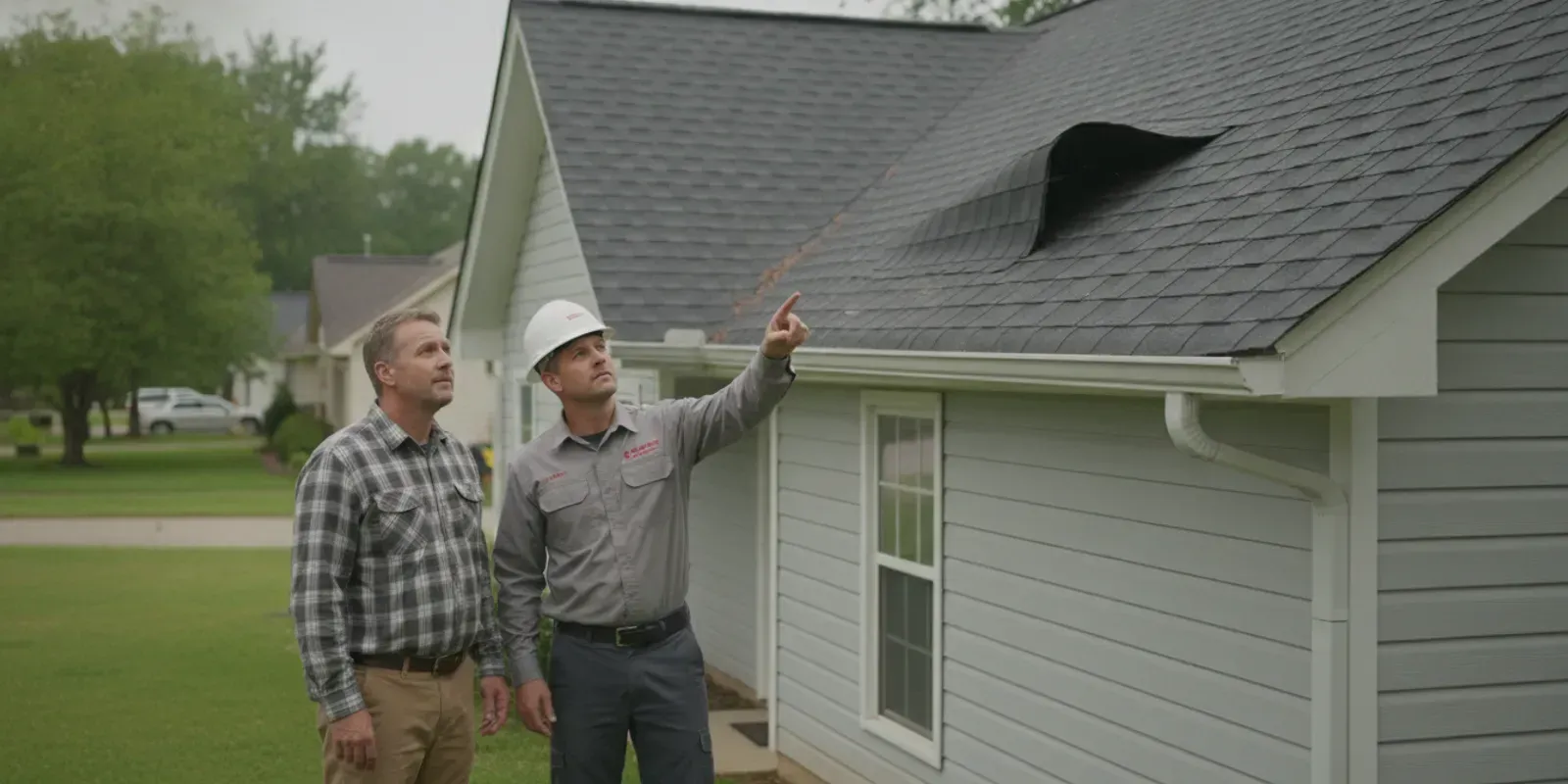
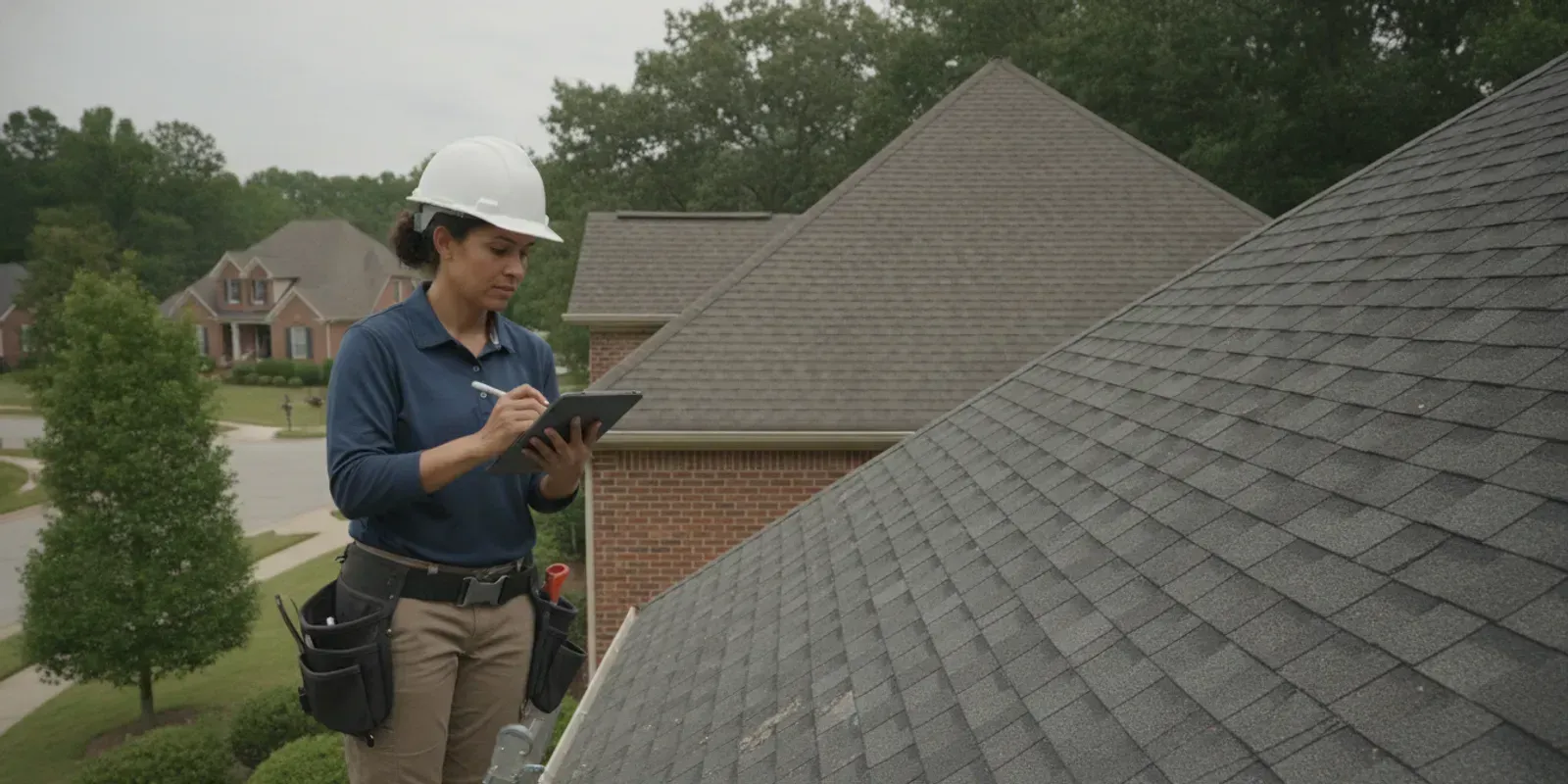
A professional roofer inspects shingles, flashing, decking, and attic ventilation. This step confirms whether replacement is necessary.
Step 2: Estimate and Planning
You receive a detailed estimate that includes materials, labor, timeline, and disposal. Contractors also explain permits and inspections.
Step 3: Material Selection
You choose roofing materials, colors, and styles. The contractor confirms compatibility with your home.
Step 4: Tear-Off
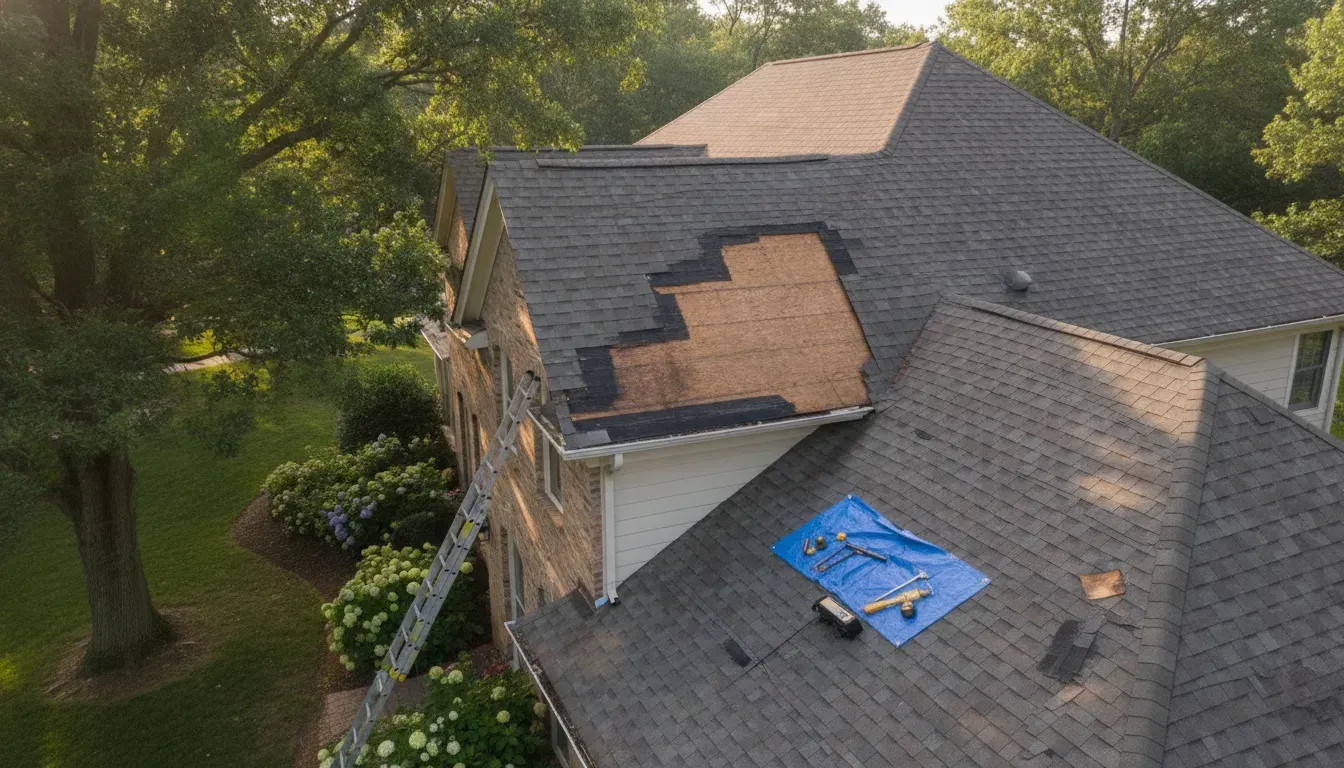
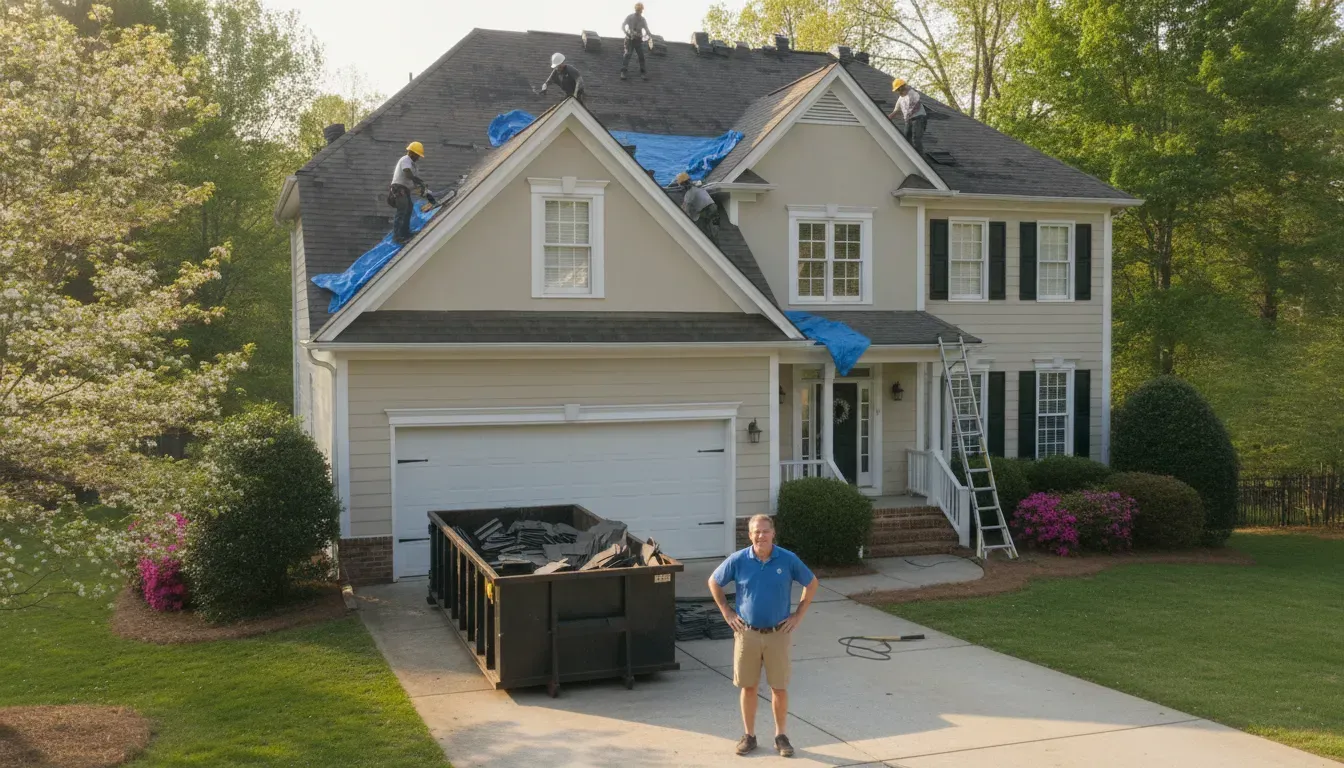
Crews remove the old roof and dispose of debris safely. This exposes the roof deck for inspection.
Step 5: Deck Repair
If the deck shows damage, crews repair it. A solid deck is required for a proper new roof installation.
Step 6: Installation
Contractors install underlayment, flashing, and roofing materials. Everything is installed according to code and manufacturer requirements.
Step 7: Final Inspection
The contractor inspects the completed roof. Local inspectors may also review the work.
How Long Roof Replacement Takes
Most residential roof replacement projects take one to three days. Larger or more complex roofs may take longer. Weather conditions can also affect timing.
Cost Factors to Consider
Several factors affect roof replacement cost:
- Roof size and slope
- Roofing material type
- Structural repairs
- Labor rates
- Permit and disposal fees
Understanding these factors helps you plan your budget.
Budgeting for Roof Replacement
Plan early when possible. Get multiple estimates. Ask for itemized pricing. Understand payment schedules. Some contractors offer financing options.
Common Mistakes to Avoid
- Waiting too long to replace the roof
- Choosing price over quality
- Ignoring ventilation needs
- Skipping professional inspections
Avoiding these mistakes protects your investment.
Roof Replacement and Home Insurance
Insurance may cover roof replacement after storm damage. Coverage depends on policy terms and roof age. Document damage and contact your provider promptly.
Permits and Building Codes
Most roof replacements require permits. Licensed contractors handle this process. Permits ensure the roof installed meets safety and code requirements.
Preparing Your Home for Roof Replacement
Before Installation
- Clear driveways and walkways
- Remove wall decorations
- Protect attic items
- Notify neighbors
During Installation
Expect noise and vibration. Crews manage debris and safety areas.
After Installation
Inspect the yard for nails. Review warranty documents. Schedule follow-up inspections if recommended.
How Long a New Roof Lasts
Roof lifespan depends on material and installation quality:
- Asphalt shingles: 20–25 years
- Architectural shingles: 25–30 years
- Metal roofing: 40–70 years
- Tile or slate roofing: 50+ years
Proper maintenance extends roof life.
Maintaining Your New Roof
- Schedule annual inspections
- Clean gutters regularly
- Trim overhanging branches
- Address small issues early
Maintenance helps reduce future repair costs.
When to Replace My Roof Instead of Repairing
You should replace my roof when:
- Repairs occur frequently
- Damage affects large areas
- Roof age exceeds lifespan
- Structural problems exist
Replacement offers stability and long-term savings.
Residential Roofing Replacement and Resale
Buyers value a new roof. Homes with recent residential roofing replacement often sell faster and face fewer inspection issues.
Choosing the Right Roofing Contractor
Look for:
- Proper licensing and insurance
- Clear written estimates
- Warranty coverage
- Local experience
- Strong customer reviews
The right contractor ensures quality results.
FAQ
How do I know when to replace my roof?
Check roof age, damage extent, and repair history. Widespread or frequent issues usually indicate replacement.
Can I live in my home during roof replacement?
Yes. Most homeowners stay in the home, though noise is expected during work hours.
How much does residential roof replacement cost?
Costs vary by roof size, material, and repairs needed. A professional inspection provides accurate pricing.
Does a new roof increase home value?
Yes. A new roof installation improves curb appeal and buyer confidence.
Get a Free Roof Replacement Estimate with Total Roof Solutions
Roof replacement is a major project, but it delivers long-term protection and value. When repairs no longer solve the problem, replacing the roof is the smart choice.
If you are considering a roof replacement, Total Roof Solutions is ready to help. Our team provides professional inspections, clear estimates, and expert residential roof replacement services. Contact Total Roof Solutions today to schedule your roof evaluation and move forward with confidence.