The Hidden Costs of Roofing Materials: What You Need to Know
SEO Analysis • October 2, 2025
If you own a home but have never invested in a roof replacement, you're in for a process that takes some research. From choosing a reliable roofing company to selecting the right material and evaluating energy savings over time, the process can become quite involved. Consulting with a highly rated Atlanta roof replacement team can help you cut through the noise, choose the right material, and get a proper quote with no budget pitfalls.
Choosing a roofing material is more than just comparing sticker prices; it dictates long-term expenses, energy bills, insurance premiums, and ultimately, the resale value. Homeowners who understand how the roofing material affects the overall price gain control over both immediate investment and future savings.
This article maps out the initial versus long-term costs of asphalt shingles, metal roofing, tile, and wood shake; examines installation difficulty and labor variations; breaks down ongoing maintenance and repair expenses; explores energy efficiency impacts; reviews warranties, insurance, and resale value; uncovers unforeseen fees; and reveals actionable strategies to reduce hidden roofing costs. By the end, you can plan a durable, cost-effective roof with confidence and know when to consult a professional for transparent pricing.
What Are the Initial and Long-Term Costs of Different Roofing Materials?
The initial cost covers the purchase and installation, while the long-term expense captures maintenance, repair, and eventual replacement. Understanding both phases helps homeowners avoid surprises and optimize their return on investment. For example, a material with a low upfront cost but a high repair frequency can exceed its initial savings within a decade.
How Do Asphalt Shingles Compare in Upfront and Maintenance Costs?
Asphalt shingles typically cost less to purchase and install, yet they require more frequent maintenance.
- Definition & Mechanism: Asphalt shingles consist of fiberglass or organic mat coated with asphalt and mineral granules.
- Benefit: They offer a low entry price and straightforward repair processes.
- Example: A standard 30-year shingle may need spot repairs every 5–7 years.
Asphalt Shingle Lifespan and Costs
Asphalt shingles, a common roofing choice, typically have a lifespan of 20–30 years and can cost between $3.00 and $5.00 per square foot. However, they often require more frequent maintenance, with average annual expenses ranging from $100 to $200.
What Are the Long-Term Durability and Repair Costs of Metal Roofing?
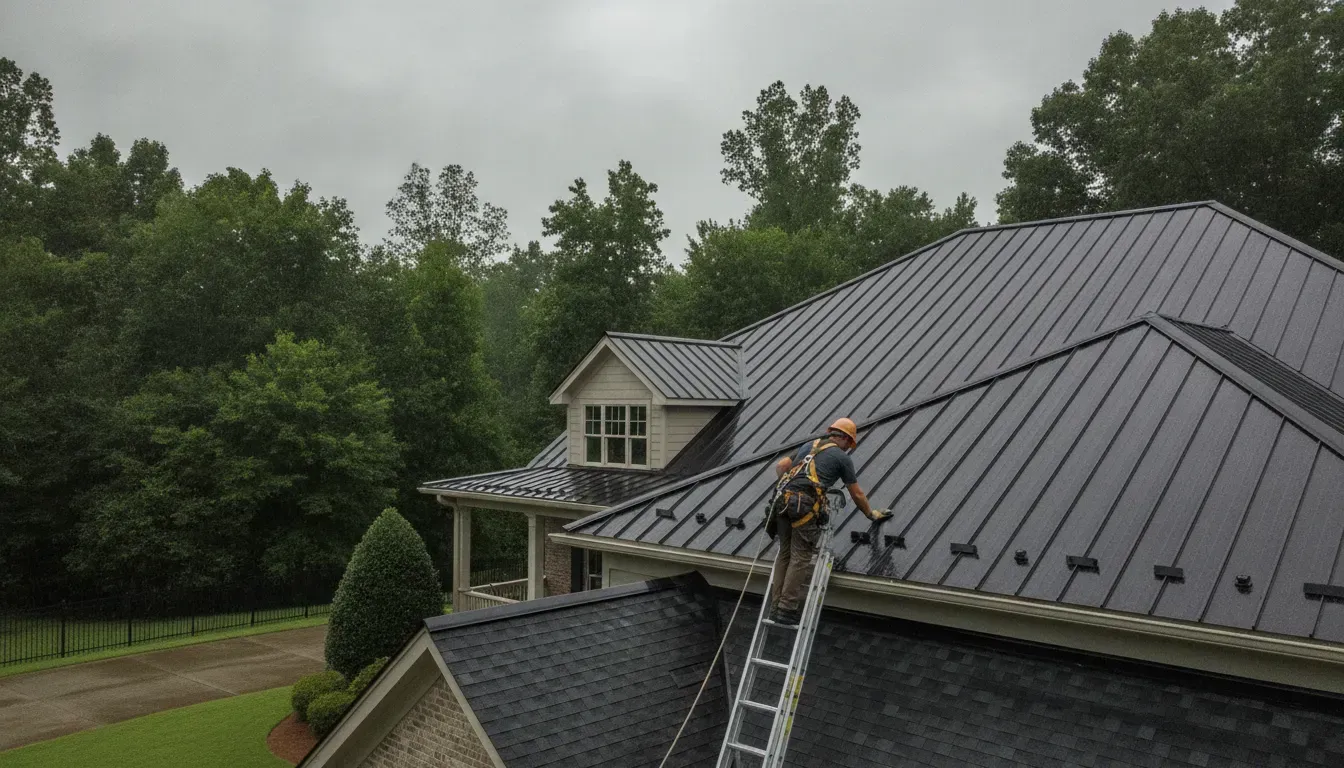
Metal roofing demands a higher initial investment but lowers repair frequency.
- Definition & Mechanism: Panels of steel, aluminum, or copper interlock to form a protective barrier.
- Benefit: Reflective surfaces reduce wear and tear while resisting rot and insect damage.
- Example: Metal roofs often carry warranties of 40–70 years with minimal patching required.
Metal Roofing Durability and ROI
Metal roofing, although it has a higher initial cost of $6.00–$12.00 per square foot, often provides a superior return on investment due to its long lifespan, which can range from 40 to 70 years. This longevity translates to lower maintenance needs and costs over time.
How Do Tile and Wood Shake Roofs Affect Replacement and Maintenance Budgets?
Clay or concrete tile and wood shake blend aesthetic appeal with unique upkeep needs.
- Definition & Mechanism: Tile rests on battens and underlayment, while wood shake comprises hand-split cedar shakes.
- Benefit: Tile offers exceptional longevity; wood shake conveys rustic charm.
- Example: Tile can last 50+ years but needs re-bedding and periodic underlayment upgrades, whereas wood shake typically requires annual cleaning and treatment.
How Does Installation Difficulty Influence Labor Costs for Different Roofing Materials?
Labor cost hinges on material handling, roof slope, specialized tools, and crew expertise. Complicated installations raise project duration and hourly rates, directly adding to the overall price.
What Installation Challenges Increase Costs for Tile and Slate Roofing?
Heavy weight and precision placement demand extra time and equipment.
- Structural Reinforcement – Roof deck may require added support for a 10–15 lb/sq ft load.
- Batting and Underlayment – Multiple underlayment layers and mortar beds extend labor hours.
- Breakage Risk – Handling fragile tiles/slate increases waste and replacement time.
How Do Roof Slope and Material Weight Affect Installation Pricing?
Steeper slopes and heavier materials increase safety requirements and necessitate larger crew sizes.
- Steep pitches (over 6:12) require harness systems and scaffold rentals.
- Heavier products, such as tile or concrete, add rigging costs and slower placement rates.
- Shingle installations on low-slope roofs can proceed with basic safety gear.
Together, slope and weight illustrate specialized labor demands.
What Specialized Tools or Skills Are Required for Metal and Wood Shake Roofs?
Metal and wood shake installations rely on precision cutting tools and certified training.
- Metal Snips & Shears – For precise seam fitting and customized flashing.
- Standing Seam Machines – Hydraulic or manual crimping tools for concealed fastener panels.
- Shake Splitters & Seamers – To trim and space each shake uniformly for wood roofing.
What Are the Typical Maintenance and Repair Expenses Over Time for Roofing Materials?
Routine inspections and prompt repairs prevent minor issues from escalating into major problems. Each material demands a unique maintenance schedule with associated costs that accumulate over decades.
How Often Do Asphalt Shingles Require Maintenance and What Are the Costs?
Asphalt roofs need annual inspections and minor repairs every 5–7 years.
- Average inspection: $150–$250 per visit
- Spot repair (per shingle): $2–$5 each
- Granule replacement and sealant application every decade: $300–$600
What Repair Costs Are Common for Metal Roofing and How Do They Affect Budgets?
Metal roofs benefit from minimal routine maintenance but require occasional resealing and fastener checks.
- Resealing seams: $200–$500 per 100 ft seam
- Fastener replacement: $1–$3 each for missing screws or caps
- Panel realignment or patching: $300–$800 per section
How Do Tile and Wood Shake Roofs Impact Annual Maintenance Expenses?
Tile and wood shake require cleaning, treatment, and underlayment checks.
- Tile re-bedding and mortar touch-ups: $500–$1,200 every 15–20 years
- Wood shake cleaning and chemical treatment: $0.25–$0.50 per sq ft annually
- Underlayment replacement beneath shakes: $2.50–$4.00 per sq ft when needed
How Do Roofing Materials Affect Energy Efficiency and Utility Bills?
Reflectivity, emissivity, and insulation synergy determine how much heat enters or escapes a building, influencing HVAC runtime and energy bills. Selecting a high-performance roof can significantly reduce cooling and heating costs.
Which Roofing Materials Provide Reflective Properties to Reduce Energy Costs?
Cool roofs with reflective coatings or light-colored surfaces bounce solar radiation away.
- Metal Roofing with Reflective Coating – Reflectance up to 70%, lowering attic temperature by 20–40°F.
- Clay or Concrete Tile – Natural clay provides 20–30% reflectivity; specialty finishes exceed 80%.
- Cool Asphalt Shingles – Granules with reflective additives boost albedo by 15–25%.
How Does Roof Insulation Interact with Material Choice to Influence Utility Savings?
Insulation underlayment and ventilation channels work with material properties to trap or expel heat.
- Radiant Barrier Underlayment – Reflects heat into the attic space during winter and confines it during summer.
- Ventilated Ridge and Soffit Systems – Encourage airflow that complements reflective roofing, improving overall R-value.
- Integrated Roof Deck Insulation – Spray foam or rigid boards installed beneath the decking can amplify energy performance by up to R-7.
What Are the Long-Term Financial Benefits of Energy-Efficient Roofing?
Lower monthly utility bills, extended equipment life, and potential tax credits deliver financial gains.
- Annual cooling savings: $100–$300 for an average home in warm climates
- HVAC equipment life extension: 5–10 years due to reduced runtime
- Possible incentives: State or local rebates of $0.10–$0.50 per sq ft
How Do Warranties, Insurance, and Resale Value Influence the True Cost of Roofing Materials?
Beyond material and labor, warranties, insurance premiums, and property value impacts create hidden financial dimensions that homeowners must consider.
What Should Homeowners Know About Roofing Material Warranties?
Manufacturer and workmanship warranties vary in coverage and duration.
- Manufacturer Warranty – Covers material defects for 20–50 years; prorated vs. non-prorated terms matter.
- Workmanship Warranty – Offered by installers like Total Roof, typically covers labor for 5–10 years.
- Extended Warranty Options – An additional cost, but reduces the long-term risk of structural or weather-related failures.
How Do Roofing Materials Affect Home Insurance Premiums?
Insurers often offer discounts for impact-resistant or fire-rated roofs.
- Class 4 impact-rated shingles: Up to 40% discount on hail coverage
- Metal roofing with fire rating: Up to 10–15% reduction in premium
- Documentation of upgrades: Proof of material and installation quality accelerates claims processing
Can Roofing Material Choice Increase Property Resale Value?
A quality roof signals structural integrity and energy efficiency to buyers.
- ROI on roof replacement: 60–70% of project cost recouped at resale
- Premium for metal or tile roofs: Up to 4% increase in home sale price
- Curb appeal factor: Visible, well-maintained materials boost perceived home value
What Unforeseen Costs Should You Expect Beyond Material and Labor?
Permits, waste disposal, and market fluctuations can introduce unexpected extra charges that inflate project budgets.
How Do Permits and Disposal Fees Add to Roofing Project Costs?
Local building codes require permits and proper disposal of old materials.
- Permit fees: $100–$500 depending on jurisdiction
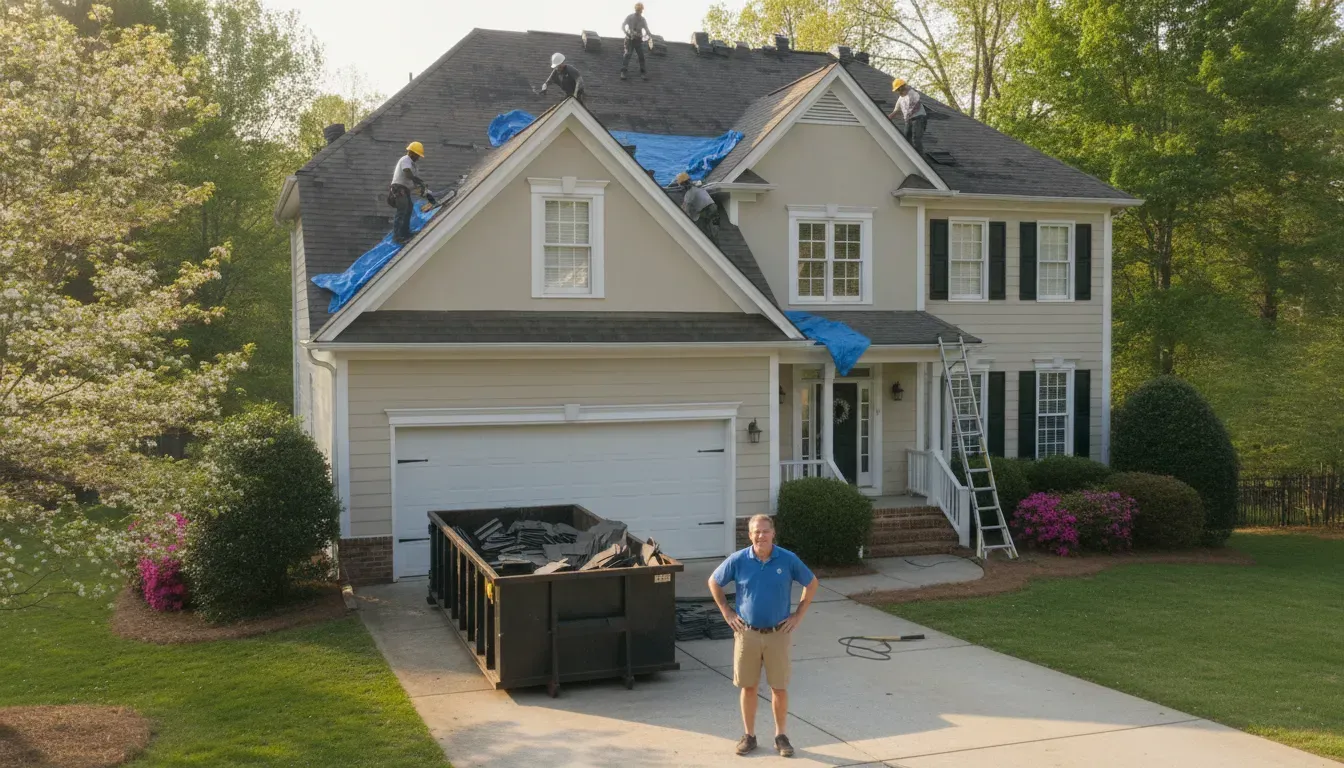
- Dumpster rental and disposal: $300–$600 per project
- Hazardous material handling (asbestos in old underlayment): Up to $1,000 in specialized fees
What Impact Do Supply Chain Disruptions Have on Material Availability and Pricing?
Global events affect manufacturing lead times and spot prices.
- Shortages of specialty metals or polymers can delay projects by weeks
- Price spikes during high demand: 10–30% increase per sq ft
- Bulk purchasing strategies help lock in costs but require storage coordination
How Does Sourcing Sustainable Roofing Materials Affect Project Budgets?
Eco-friendly options often carry premium price tags and longer lead times.
- Recycled metal roofing: 10–15% higher upfront cost, 95% recyclable at end of life
- FSC-certified wood shakes: 20–30% premium for sustainably harvested products
- Solar-ready shingles or photovoltaic tiles: 2–3 times the cost of conventional shingles
How Can Homeowners Save Money by Understanding Hidden Roofing Material Costs?
Anticipating potential expenses and choosing quality installation helps minimize surprises and maximize long-term savings.
What Are the Top Tips for Avoiding Unexpected Roofing Expenses?
Homeowners can take these steps to protect their budget:
- Schedule a comprehensive roof inspection before bidding to identify structural issues.
- Obtain multiple material and labor quotes to compare detailed cost breakdowns.
- Review permit requirements and factor disposal fees into bids early.
- Include a contingency budget of 10–15% for market or permit fluctuations.
- Inquire about bundled services (e.g., gutter replacement) to take advantage of package discounts.
How Does Choosing Quality Installation Reduce Long-Term Costs?
Expert installation prevents leaks, material damage, and workmanship claims.
- Certified crews follow manufacturer guidelines, preserving warranties.
- Proper flashing and underlayment can reduce the frequency of repairs.
- Precision cutting and sealing on tile or metal avoids costly rework.
Quality execution leads to fewer hidden repairs and a stronger overall roof system.
When Should You Consult a Roofing Contractor to Identify Hidden Costs?
Early engagement with a professional contractor helps uncover structural or code issues that might otherwise surface during the project.
- Before signing contracts, request a detailed scope that lists material grades, underlayment types, and site-specific risks.
- During the design selection process, inquire about supply chain lead times and warranty options.
- If unforeseen issues arise on inspection (e.g., rotted decking), involve a certified contractor to estimate repair costs rather than assuming DIY fixes.
Summing Up
By combining thorough planning, quality workmanship, and strategic material choices, homeowners can effectively manage both the visible and hidden costs of a new roof. For more detailed cost information or an estimate for your property, contact Total Roof today.