Advantages and Disadvantages of Roof Replacement Compared to Roof Repair
SEO Analysis • October 10, 2024
When it comes to your home's roof, determining whether to replace or repair it can be a tough decision. Both options come with their own set of benefits, costs, and long-term implications. The choice between a roof repair and a roof replacement depends mainly on the extent of the damage, the roof's age, and your budget. It's crucial to weigh your options carefully, as your roof protects your home and ensures its structural integrity.
In this guide, we'll explore the key differences between roof repair and replacement. We'll also explore the factors that impact roof replacement cost, the role of roofing materials cost, and the importance of a roof damage inspection. We'll also touch on roof financing options and guide you through the roof estimate process to help you make an informed decision.
1. Repair vs. Replacement
When faced with roof issues, homeowners often need help deciding between repair or replacement. A few key factors can guide this decision-making process:
A. Extent of Damage
A roof repair might be the most cost-effective solution if your roof has minor, localized damage—such as a few missing shingles or a small leak. However, if the damage is widespread or the roof is nearing the end of its lifespan, a total roof replacement could be a better long-term investment. If you're unsure which option is best for your home, consider reaching out to a trusted Rockdale roofer who can assess the condition of your roof and provide expert recommendations on the most cost-effective and durable solution for your needs.
B. Age of the Roof
Roofing materials have varying lifespans. Asphalt shingles, for example, typically last 20–30 years. If your roof is relatively new, repairs can extend its life. However, replacement might be a more intelligent financial choice for older roofs.
C. Roofing Materials Cost
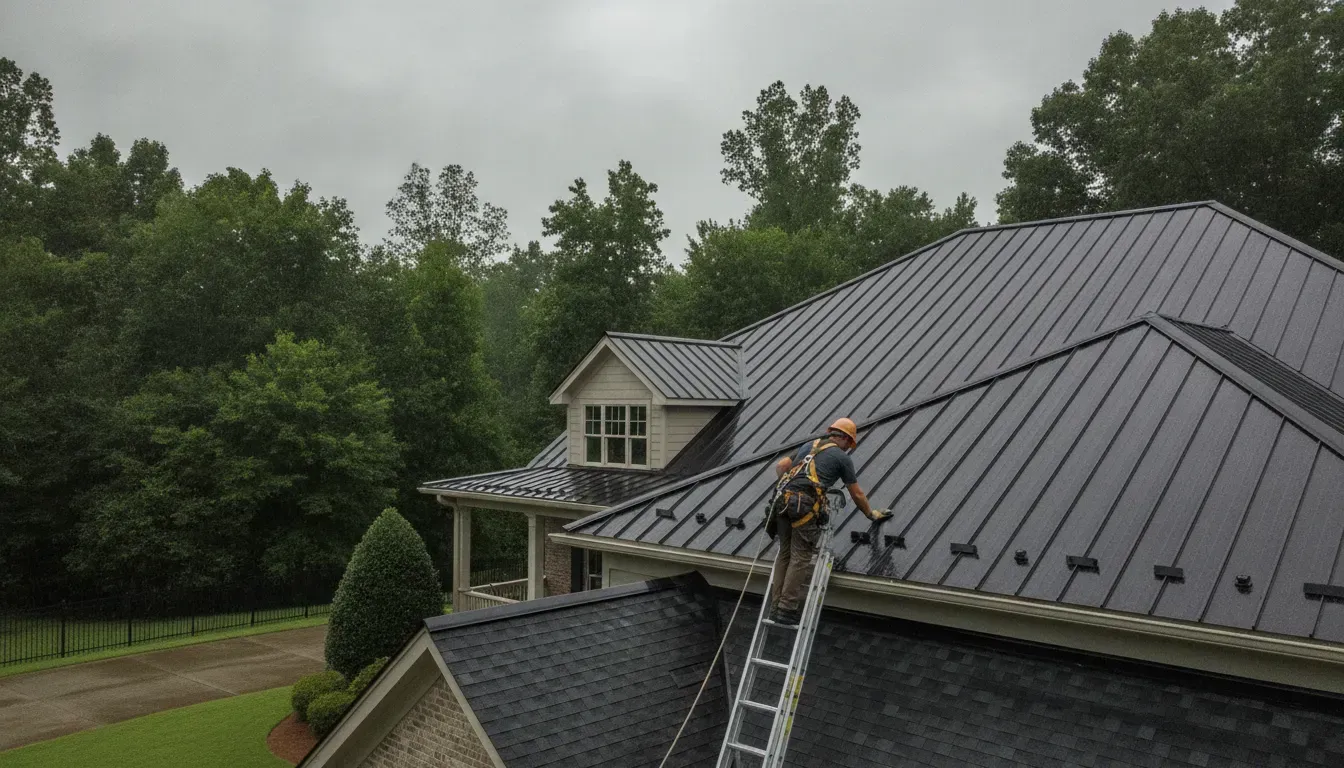
The type of material used in your roof will also influence the decision. High-quality materials like slate or metal are more durable and expensive to repair or replace.
2. When is Roof Repair the Best Option?
For many homeowners, a roof repair is a more affordable and immediate solution. It's ideal for minor damage, especially if your roof is relatively new and in good condition. Here's when repair makes the most sense:
A. Localized Damage
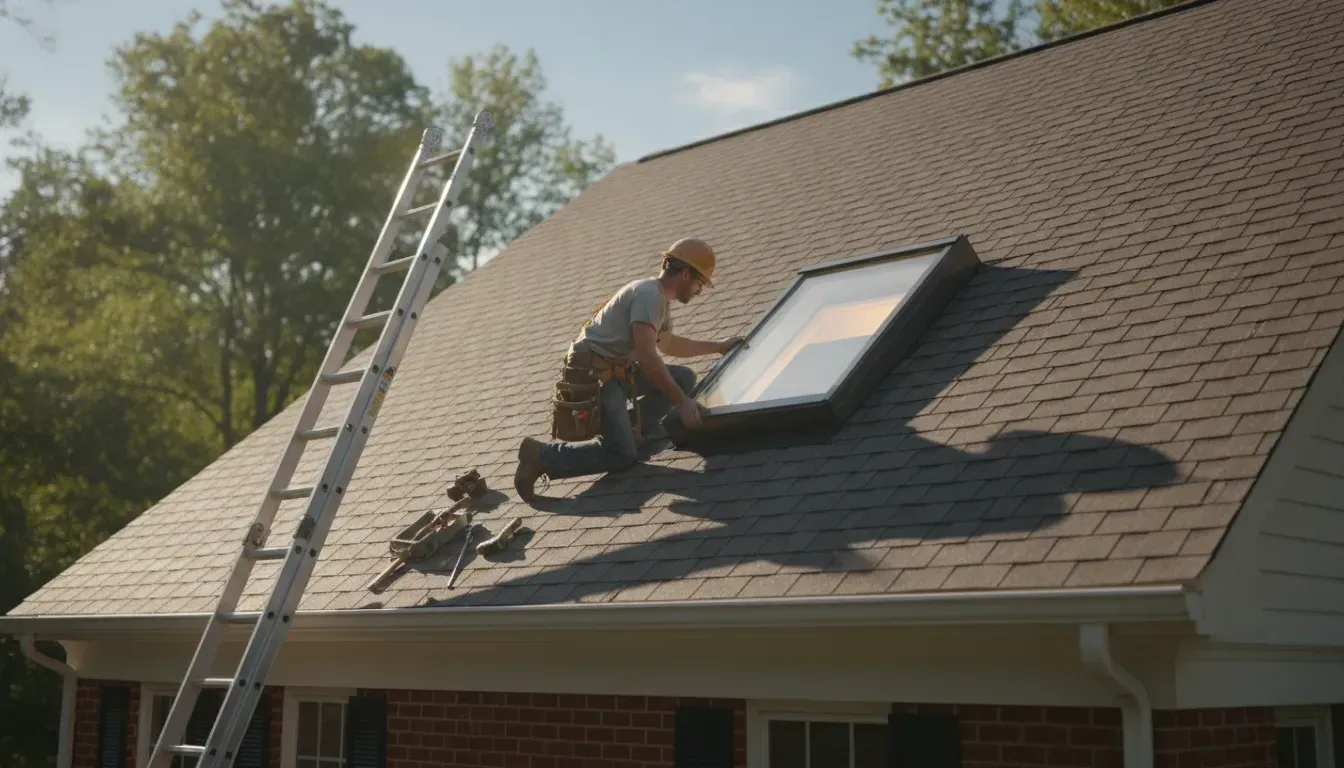
If the damage is confined to a small area, a quick repair can prevent further deterioration without the high cost of replacing the entire roof.
B. Roof Damage Inspection Results
After a thorough roof damage inspection, fixing the affected area will likely be more cost-effective than a complete replacement if the damage is minimal or repairable.
C. Roofing Materials
Repairs on more affordable materials, such as asphalt shingles, can be done quickly and inexpensively compared to materials like tile or slate.
3. When Should You Consider Roof Replacement?
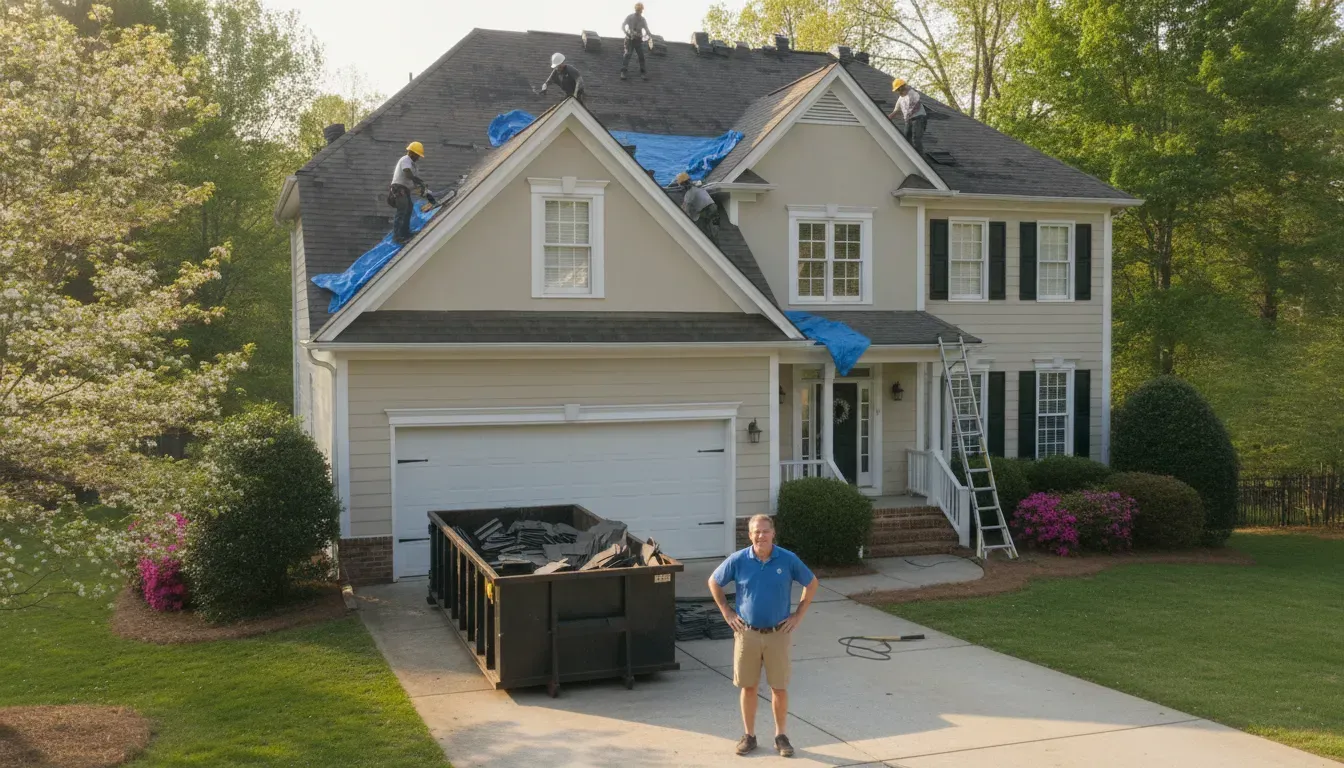
However, there are several situations where replacing the entire roof is the best course of action:
A. Widespread Damage
Suppose your roof has widespread issues such as severe leaks, missing shingles across multiple areas, or sagging. In that case, a replacement will be necessary to ensure the safety and integrity of your home.
B. High Roof Replacement Cost, But Long-Term Savings
While a complete roof replacement is expensive upfront, it can save you money in the long run by reducing the need for day by day repairs. The cost of the roof replacement is an investment in your home's future and can even increase its resale value.
C. Roof Estimate Process
During the roof estimate process, a professional contractor will assess your roof's condition and provide a cost breakdown. If the estimate reveals extensive damage or aging materials, replacement might be recommended.
D. Roofing Materials Cost and Durability
Investing in higher-quality roofing materials, though more expensive initially, can offer greater durability and lifespan. For instance, metal roofs, while having a higher initial roofing materials cost, can last up to 50 years or more, providing long-term value and reducing maintenance expenses. For those looking into roof repair Clayton services, considering premium materials like metal can lead to significant savings in the long run.
4. Understanding the Roof Estimate Process
The roof estimate process is critical in helping you decide between repair and replacement. Here's what you can expect during this process:
A. Initial Inspection
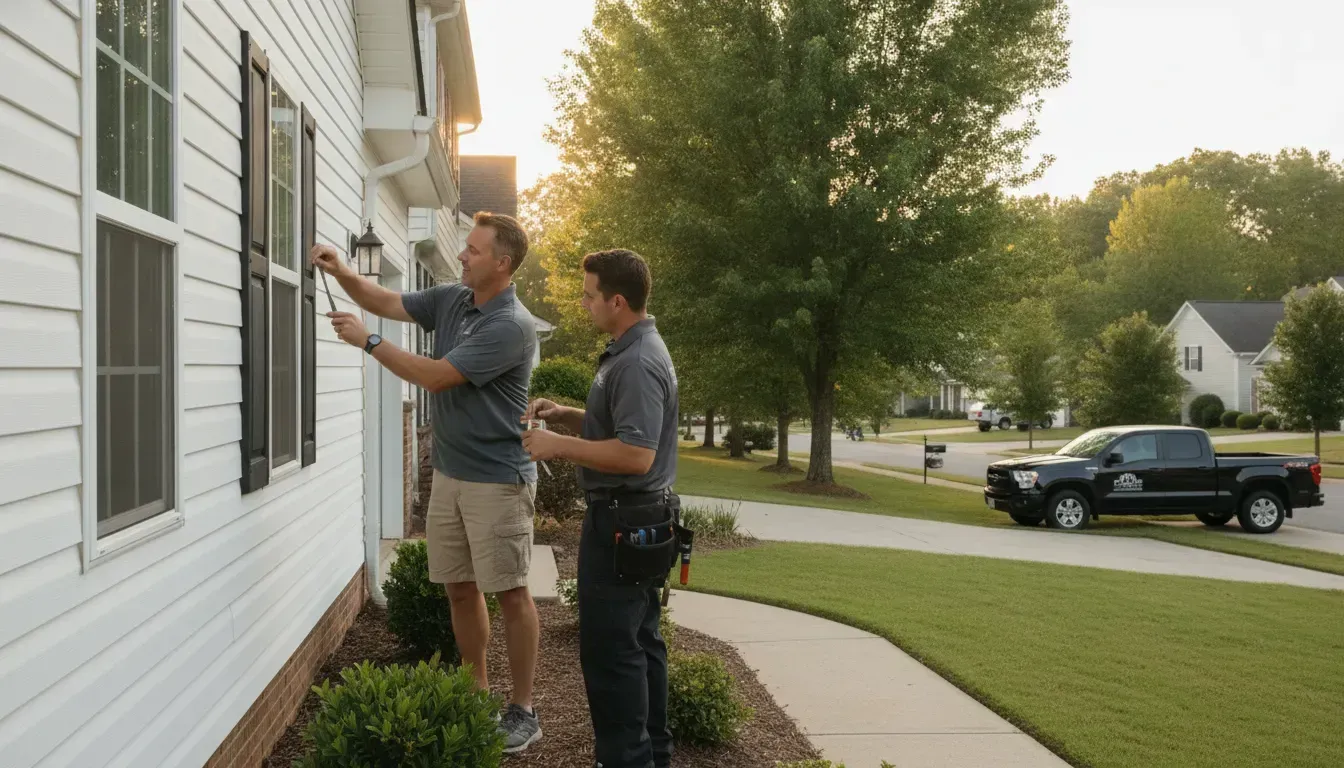
A roofing contractor will thoroughly inspect your roof to assess the extent of damage and find any underlying problems, such as water damage or structural problems.
B. Cost Evaluation
After the inspection, the contractor will provide a detailed estimate that breaks down the cost of materials, labor, and any additional repairs or replacements needed.
C. Options Overview
Based on the inspection, the contractor will recommend whether you should repair the roof or proceed with a total replacement. They will also provide various options, including different roofing materials, to help you make the best choice for your budget and needs. If you're looking for roofing in Newton, the contractor will tailor recommendations based on the local climate and building codes to ensure long-lasting results.
D. Financing Solutions
Many roofing companies offer financing options to assist homeowners in managing the cost of roof repairs or replacements. Moreover, this can be especially useful for large projects where the cost of replacement is substantial.
5. Roofing Materials Cost
The cost of roofing materials can vary greatly depending on the type of material you choose. Here are some common materials and their approximate costs:
A. Asphalt Shingles
However, the most common and affordable option, asphalt shingles, typically cost between $1.50 and $5.50/sq ft.
B. Metal Roofing
Metal roofing, called for its durability and energy efficiency, costs between $5.50 and $12 per square foot.
C. Slate
Moreover, slate is one of the most expensive roofing materials but is prized for its longevity and aesthetic appeal. Prices typically range from $9 to $16 per square foot.
D. Tile Roofing
Another high-end material, tile roofing, costs between $7 and $12 per square foot and offers excellent durability and a distinctive look.
6. Roof Financing Options to Consider
Further, replacing a roof can be a substantial financial burden, but there are several roof financing options available to make the process more manageable:
A. Home Equity Loans
You can leverage your home's equity to get a loan for roof repairs or replacement. However, these loans typically offer down interest rates but require you to have substantial equity built up in your home.
B. Personal Loans
Moreover, personal loans are another option for financing your roof project. While the interest rates might be higher than home equity loans, they don't require collateral and can be approved quickly.
C. In-House Financing
Many roofing companies offer their roof financing options with flexible terms to help homeowners spread the project's cost over several months or years.
Conclusion
Selecting between roof repair and roof replacement can be difficult, but understanding the factors involved can make the decision easier. Whether you're dealing with minor damage or your roof has reached the end of its life, it's essential to evaluate your options carefully. By considering the roof replacement cost, roofing materials cost, and available roof financing options, you'll be better equipped to make the right choice for your home.
A thorough roof damage inspection and the roof estimate process can provide you with the information you need to make an informed decision, ensuring your home's long-term protection and value. Moreover, you opt for repair or replacement, maintaining a healthy roof is one of the best investments you can make in preserving the safety and comfort of your home.