Can Excessive Sun Exposure Damage Your Roof?

Stephen Griswell • February 21, 2022
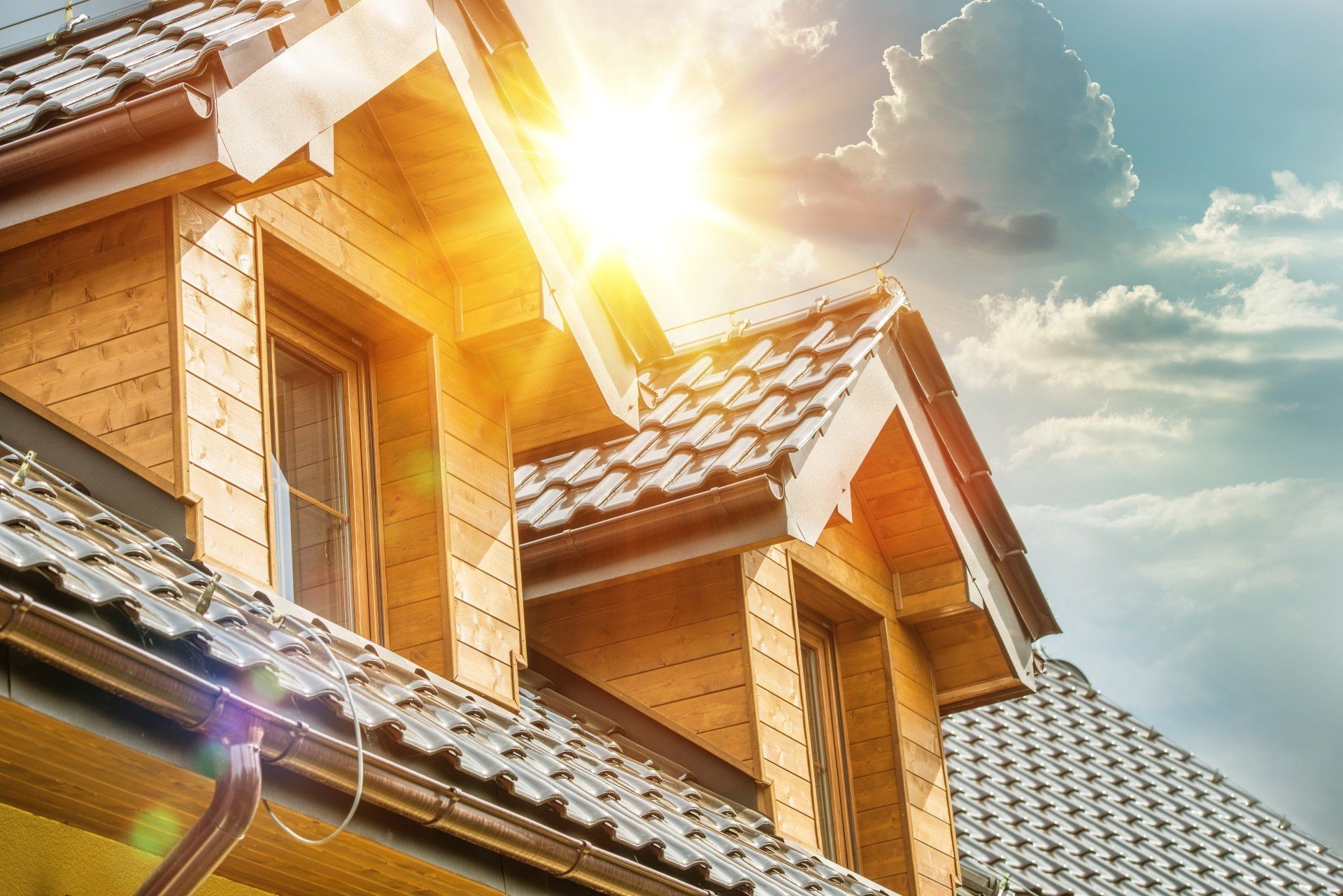
can the sun damage your roof?

When people are looking to replace their home’s roof, they usually focus on shingle attributes like durability, longevity and curb appeal. While these are all crucial factors to consider, many Georgia residents forget to research a roofing material’s ability to withstand years of direct sunlight. Although rain and hail can take a toll on roofs, those weather events don’t happen every day. Sun is a constant, which is why the ability of your shingles to withstand heat and UV rays without rapid fading or material weakening is so important.


How Can the Sun Damage Your Roof?


The damage inflicted on your roof is generally caused by either UV radiation or by excessive heat from the sun. While many people associate UV radiation with skin cancer, wrinkles and premature aging, these harmful rays can also cause cumulative damage to your roof.


Bleaching


Prolonged UV exposure can affect your roof’s color, causing it to fade. The darker your roof is, the more prone it becomes to bleaching. Although bleaching is a visual issue and doesn’t cause any structural damage to your roof, it can significantly affect the aesthetic of your home. Unfortunately, the bleaching process cannot be reversed. The only way to fix sun-bleached shingles is to replace them. If your roof is old enough that it’s noticeably faded, chances are it’s due for replacement.


Coating Damage


A more serious consequence of UV radiation has to do with the coating on your roof. Protective coating is an essential element of every roof. It shields your roof from weather-related damages, like those from heavy rain or hail. UV radiation often dries your roof’s coating, leading it to crack and even ruptures. Cracking and peeling of roof material exposes underlying layers to the elements, which can accelerate damage and eventually lead to roof leaks.


Thermal Shock


Heat from the sun during the day and the subsequent drop in temperature at night causes a constant cycle of roofing material expansion and contraction. Years of this meteorological rollercoaster can cause a home’s shingles to develop jagged cracks. As water begins to seep through the cracks, your roof may develop leaks and moss growth.


Decades of thermal shock may also significantly weaken metal roofs. Although the expansion and contraction isn’t drastic, it’s enough to cause metal panels to move slightly, which can expose seams between panels over time and lead to leaks.


How to Recognize Roof Damage


If you’ve noticed even the slightest damage to your roof, working with an experienced contractor will likely help you nip the problem in the bud before you’re faced with more serious and costly damages. Your roof may need to be fixed or even replaced if you notice the following:


  • Cracked or curling shingles
  • Missing shingles
  • Dark spots or discoloration on your home’s walls or ceilings
  • Obvious water leaks
  • Mold and rotting materials in your attic
  • Clogged gutters
  • Bug infestations


How You Can Protect Your Roof from Sun Damage


Unfortunately, you cannot prevent the sun from beaming down on your home. However, you can keep your roof in top notch shape by applying these proactive measures:


  • Schedule regular roof inspections – an experienced roofing specialist will detect any potentially serious issues before they cause your roof to suffer irreversible damage
  • Invest in durable and high-quality roofing materials
  • Apply protective coatings (if they’re applicable) for your roof type and roofing materials


Looking to Replace or Fix Your Damaged Roof? Bring your Project to Atlanta’s Total Roof Solutions


If you’re in or near Atlanta and need your roof fixed or replaced, Total Roof Solutions is ready to take on your project, no matter how challenging it may be. Our team of skilled professionals will take the time to thoroughly inspect your existing roof and repair it if possible. If your roof needs to be replaced, you can count on Total Roof Solutions to offer you a variety of high-quality options to meet your unique needs and preferences.


For more information or to receive a free roof replacement estimate, call (678) 752-8668.
By SEO Analysis December 2, 2025
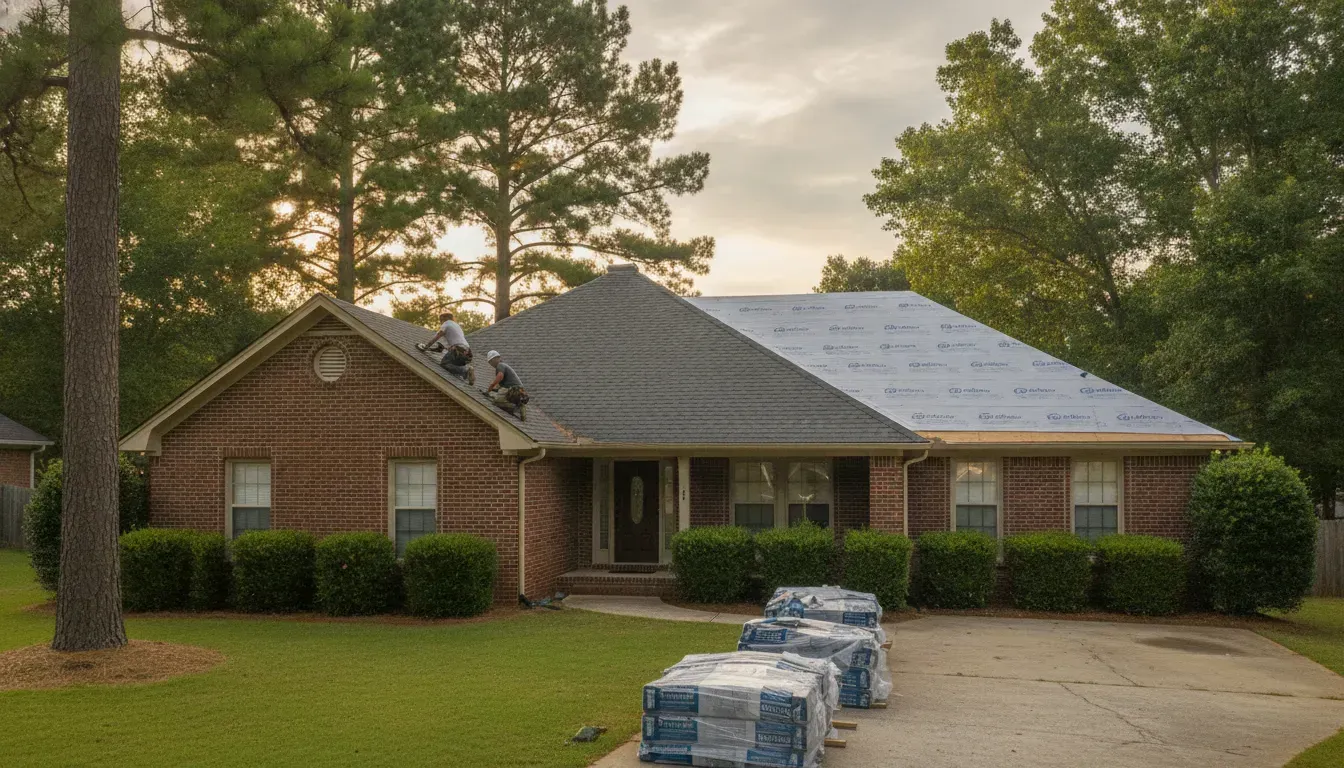
When homeowners begin to notice wear and tear on their roof, storm damage, or leaks, they cringe. Paying for roof repairs can be a hard blow to any household budget. Additionally, finding a reputable local company in Atlanta that delivers high-quality work can be challenging. The solution is finding a highly-rated team with a solid reputation that gives honest quotes, so homeowners know how to budget and avoid unnecessary add-ons. Feeling unsure about the cost of residential roof repairs can lead to unexpected expenses or put off necessary maintenance. This guide provides clear cost ranges, explains the key factors that influence pricing, outlines financing strategies, and shows you how to get accurate estimates. You’ll learn about average repair expenses, the elements that affect pricing, from the materials you choose to how severe the damage is, detailed breakdowns for leaks, shingles, metal, and flat roofs, plus tips on handling insurance claims and deciding whether to repair or replace your roof. Along the way, discover why Total Roof’s certified crews in Atlanta deliver top-notch workmanship at straightforward prices. What's the Average Price Tag for Residential Roof Repair? The average cost to repair a residential roof typically falls between $400 and $1,650, depending on the type of damage, the roofing material, and labor rates. Residential roof repair is designed to fix issues like leaks, missing shingles, and storm damage with minimal disruption, restoring your roof’s structural integrity. For many homeowners, understanding these benchmarks helps prevent overpaying and makes budgeting much easier. Getting familiar with common repair services helps establish baseline expenses before diving into specific price variations. What Are the Typical Price Ranges for Common Roof Repairs? Common residential roof repairs include fixing leaks, replacing shingles, repairing flashing, and restoring storm damage. Leak repair services generally cost between $150 and $600, depending on the severity of the leak. Replacing damaged shingles typically ranges from $400 to $1,200. Flashing repair costs usually range from $300 to $800, while storm damage repairs can cost between $800 and $1,650. These price brackets align with national averages and reflect local conditions in Atlanta. Understanding these price ranges helps you prepare your budget before requesting estimates. How Do Roof Repair Costs Differ by Location, Especially in Atlanta? Roof repair costs can vary significantly from one region to another due to differences in labor rates, the availability of materials, and local weather patterns. In Atlanta, average labor rates are $45–$75 per hour, and the frequent occurrence of storms tends to increase repair costs. Areas along the coast or in northern states might see higher rates for repairs needed due to snow loads, while rural areas often benefit from lower overhead costs. These geographic variations can shift the price of a $750 shingle repair by more than 15%. Being aware of local cost drivers helps you create a realistic budget and choose the right contractor. What Are National vs. Local Cost Comparisons for Roof Repairs? Across the nation, homeowners typically spend between $370 and $1,649 on roof repairs, with a median cost of $999. Here in Atlanta, repair prices tend to be 5–10% higher than the national median, primarily due to the region's higher frequency of storms and labor costs. In contrast, some markets in the Midwest report repair costs up to 20% lower than the national average. Comparing these figures helps you determine whether a local quote aligns with broader industry benchmarks. Analyzing both national and local data prepares you to evaluate quotes with a solid understanding of the market. What Factors Influence Residential Roof Repair Prices? The price of residential roof repair is shaped by several interconnected factors that determine the overall expense. These include the extent of the damage, the type of material used, the size and complexity of the roof, labor rates, accessibility, and how urgently the repair is needed. A thorough understanding of each element will help you project costs more accurately and avoid unexpected expenses. Exploring these factors in detail reveals how each aspect contributes to the final repair estimate. How Does the Extent and Type of Roof Damage Affect the Cost? The scope of the damage directly impacts the repair cost by determining the materials required, the labor time needed, and the safety measures necessary. A minor leak under a single shingle might take 1–2 hours and require minimal parts, whereas widespread storm damage across multiple roof sections could take days and necessitate advanced repair techniques. Minor punctures typically cost between $150–$400, while large membrane tears can exceed $1,200. The severity of the damage thus influences both material costs and the time the crew needs to be on-site. How Do Roofing Materials Impact Repair Pricing? Different roofing materials require unique repair methods and parts, leading to varied pricing. Repairing asphalt shingles is generally the most affordable option, while metal roofing repairs involve specialized tools and sealants. Flat roof membranes (like EPDM or TPO) require specific adhesive applications and seam welding, which increases labor costs. The choice of material can change a basic repair from $375 to over $1,000. Choosing durable materials not only affects immediate repair costs but also contributes to long-term savings on maintenance. How Do Roof Size, Pitch, and Complexity Affect Labor Costs? Larger roofs mean more square footage to cover, which increases the amount of material needed and the labor hours required. Steeper roof pitches necessitate additional safety equipment and specialized harnesses, potentially increasing labor rates by 10–20%. Complicated roof designs with multiple valleys and dormers require precise cutting and fitting, which can extend project duration by up to 30%. A larger and more unique roof typically results in higher labor costs and overall repair expenses. What Role Do Labor Rates and Geographic Location Play? Labor rates are influenced by local wage standards, insurance costs, and contractor overhead. In urban areas like Atlanta, rates typically range from $45–$75 per hour, while in rural communities, they might be closer to $30–$50. During peak seasons, high demand can push labor rates up by 15% due to scheduling constraints. Regional economic conditions directly impact the wage component of repair pricing. Understanding these labor variations helps you benchmark quotes and negotiate fair hourly rates. How Do Accessibility and Urgency Affect Repair Costs? Roofs that are difficult to access, such as those with steep angles or limited ground clearance, may require specialized equipment, including scaffolding or boom lifts, which can add $200–$800 to the total cost. Emergency repairs scheduled outside of normal business hours often come with premium fees, potentially up to 25% higher than standard rates. Responding urgently to active leaks frequently involves expedited crew deployment, increasing labor and logistics charges. Factors like accessibility and timing can quickly escalate repair pricing when extra resources are needed. What Does It Cost to Repair Specific Residential Roof Issues? Repair costs vary depending on the specific issue, reflecting the materials required, the complexity of the labor involved, and the level of expertise needed. From simple leak patches to extensive storm damage restoration, each problem comes with its own price profile. This section breaks down common scenarios so you can match your roof’s needs with realistic cost estimates. What Is the Cost to Fix a Roof Leak? Fixing a roof leak typically costs between $150 and $600, depending on the location of the leak and the type of roofing material used. Small shingle leaks usually average $150–$300, while leaks originating under flashing or in valleys might require $350–$600. Catching and repairing leaks quickly prevents secondary damage, making this an essential investment to protect your home’s structural integrity. Addressing leaks promptly minimizes both immediate repair costs and potential interior water damage. How Much Does Asphalt Shingle Repair Cost? Repairing asphalt shingles typically involves replacing damaged shingles, underlayment, and sealant. The average cost runs from $100 to $400 per square (100 sq ft), with minor section replacements starting around $250. Complete replacement of larger asphalt shingle sections can cost up to $1,200, especially for steep or intricate roof areas. Getting accurate estimates depends on the quality of the shingles, the roof’s pitch, and the extent of the section needing replacement. How Can Homeowners Finance Residential Roof Repairs? Financing residential roof repairs can help bridge budget gaps and allow for critical maintenance to be completed without delay. Available options include loans, lines of credit, payment plans, and insurance claims. Each of these solutions comes with its own set of terms, interest rates, and approval processes. Exploring these avenues helps homeowners move forward with necessary repairs without putting them off. What Are the Available Financing Options for Roof Repairs? Secured Home Equity Loans offer attractive low interest rates but require your home as collateral. Unsecured Personal Loans can provide quicker approval but typically come with higher interest rates. Credit Cards are useful for smaller repairs but involve variable interest rates. Contractor Payment Plans allow you to split costs into manageable monthly installments. Choosing the right option involves balancing the overall cost, repayment period, and the speed of approval. How Do Homeowners File Insurance Claims for Roof Repair? Document the damage immediately by taking photos and making detailed notes. Carefully review your policy coverage for wind, hail, or accidental damage. Contact your insurance provider to initiate the claim and get a claim number. Schedule a professional inspection for an official assessment of the damage. Submit repair estimates and the adjuster's report for approval. Following these steps can streamline the claims process and help you maximize your reimbursement. What Should You Know About Roof Repair Warranties? Roof repair warranties generally fall into three main categories: Manufacturer Warranties cover defects in materials for periods ranging from 20 to 50 years. Workmanship Warranties guarantee the quality of the installation for 1 to 10 years. Extended Service Plans offer ongoing inspections and minor maintenance services. Understanding the scope and exclusions of each warranty helps secure long-term protection for your investment. How to Get an Accurate Roof Repair Estimate Accurate estimates provide a clear outline of the project's full scope, including the quality of materials, labor involved, and expected timeframes. Detailed proposals guide homeowners in making informed decisions and help prevent hidden costs. Knowing what to expect in an estimate results in fair pricing and clear communication throughout the process. Why Is It Important to Get Multiple Roof Repair Quotes? Obtaining at least three quotes allows you to: Compare the quality of materials and labor rates offered by different contractors. Identify any outlier pricing that might indicate hidden fees or unnecessary charges. Assess the responsiveness and professionalism of each contractor. Negotiate better terms by leveraging competitive offers. Getting multiple quotes helps you choose the best combination of value and quality for your project. What Should a Detailed Roof Repair Estimate Include? A comprehensive estimate should list: The scope of work, with itemized tasks clearly defined. Specific material details, including brand names. Estimated labor hours, hourly rates, and the size of the crew. The projected timeline for completion, along with key milestones. The payment schedule and terms. Having all these details in writing establishes clear expectations and accountability from both parties. How Can You Get Transparent and Fair Pricing? You can get fair pricing by: Requesting itemized breakdowns for both materials and labor. Verifying that the contractor is properly licensed and insured. Asking for references and recent project photos. Comparing the warranty coverage offered by different providers. Transparency in every estimate helps prevent surprises and builds a foundation of trust. When Should You Repair vs. Replace Your Residential Roof? Deciding between repairing and replacing your roof involves weighing the current repair costs against the overall long-term health of your roof. Minor, isolated issues often make repair the sensible choice, while extensive deterioration typically justifies a full replacement. This comparison helps clarify when investing in a new roof offers better long-term value.  What Factors Indicate If Repair Is a Worthwhile Investment? Repairing your roof is often cost-effective when: The roof is less than 10 years old. The damage is confined to specific, isolated areas. The underlying structure and decking are still in good condition. The material warranties are still active. Carefully assessing these factors can help you avoid unnecessary replacement expenses. How Can Timely Repairs Extend Your Roof’s Lifespan? Addressing issues promptly helps prevent moisture intrusion and rot, thereby preserving the integrity of your roof’s decking and underlayment. Stopping small leaks before they spread can add 5–10 years to your roof’s overall lifespan, ultimately saving you money on future full-replacement costs. Proactive maintenance keeps your roof performing optimally and provides homeowners with peace of mind. Why Choose Total Roof for Your Residential Roof Repair Needs in Atlanta? Total Roof combines local expertise, industry certifications, and a steadfast commitment to delivering lasting results. As a licensed residential roofing contractor serving the Atlanta metro area, Total Roof is dedicated to providing transparent pricing and exceptional workmanship on every project we undertake. What Expertise and Certifications Does Total Roof Offer? Total Roof holds key industry certifications and qualifications: Master Elite certification from leading shingle manufacturers. Advanced training in specialized metal and flat roof repair techniques. Active membership in professional roofing associations. Continuous safety and quality training for all our crews. These credentials guarantee that your repairs are performed by skilled professionals who adhere to all building codes. How Does Total Roof Provide Quality Workmanship and Customer Satisfaction? Total Roof implements rigorous quality control protocols: Detailed pre-repair inspections are conducted to identify all underlying issues. Our licensed and insured crews strictly follow the manufacturer's best practices. Comprehensive warranties cover both materials and labor for your peace of mind. Follow-up inspections are performed to confirm the effectiveness of the repairs. This unwavering dedication to excellence builds trust and long-term customer satisfaction. How Can You Contact Total Roof for a Residential Roof Repair Estimate? To schedule a no-obligation roof repair estimate, please contact Total Roof by phone or email. Our team is ready to respond promptly, assess your needs, discuss financing options, and provide transparent pricing tailored to your home’s specific requirements. Respecting your time and budget, Total Roof makes professional roof repair a straightforward and reliable experience. Get Quality Repair at Total Roof Understanding residential roof repair costs helps you protect your home and make wise budget decisions. By comparing average costs, analyzing the factors that influence pricing, exploring financing options, and choosing an expert contractor like Total Roof, you can approach every repair decision with confidence and keep your home protected by a durable, watertight roof.
By SEO Analysis November 18, 2025
Imagine standing in your kitchen, cooking dinner, and suddenly feeling drops of water on your neck. You look up and see a wet patch on the roof directly above you. This is one of the most stressful scenarios for a homeowner. Roof repair is notoriously expensive, especially if what you can see is only a small part of the damage. Knowing who to trust in Atlanta for honest quotes, no unnecessary add-ons, and superior repair helps alleviate budget concerns. When your home's roof needs attention, understanding the associated costs is key to making informed decisions and protecting your property. Residential roof repair costs encompass the combined expenses for materials, skilled labor, and any necessary regulatory fees to address damage, preserving your roof's structural integrity and preventing further interior issues. Clear, upfront pricing helps you avoid unexpected expenses and safeguards your home's value through proactive maintenance. This guide will walk you through the typical cost ranges for common repairs, the factors that influence pricing, a breakdown of expenses by repair type, how to decide between repairing and replacing your roof, available financing solutions, and essential tips for getting accurate estimates. By the end, you'll be well-equipped to budget effectively for residential roof repair services . What Is the Average Cost of Residential Roof Repair? Across the nation, residential roof repair projects typically range from $392 to $1,932, with an average investment of $1,154. This range reflects the varying degrees of damage and the specific materials required for each level of damage. Knowing this average helps homeowners plan their finances and prioritize necessary fixes before minor issues escalate into major, more expensive problems. How Much Does Roof Repair Cost? [2025 Data] According to insights from Angi, U.S. homeowners typically invest around $1,154 for roof repairs, with costs commonly ranging from $392 to $1,932. Several significant factors influence these prices, including your home's geographic location, the type of roofing material used, the overall size and design of your roof, and prevailing labor rates, which average between $45 and $75 per hour. This data aligns with the average cost and range presented here, offering valuable additional details on labor expenses and other key elements that shape repair pricing. What Is the Cost of Roof Repair? (2025 Pricing) Research from This Old House suggests that the average cost for residential roof repair in the U.S. hovers around $1,147, with typical expenses falling between $392 and $1,913. Key factors influencing these costs include the age of your roof, the prevailing weather conditions, the time of year, and local labor rates. This research directly supports the average cost range detailed in this article and provides further insight into the various factors that impact repair pricing. How Do Costs Vary by Roofing Material? The type of roofing material significantly impacts repair expenses, as each substrate requires different skills and replacement components. For asphalt shingles, minor fixes typically range from $100 to $300. Metal roof patching can cost between $250 and $700 due to the specialized sealing techniques involved. Repairs for flat EPDM or TPO membranes typically range from $300 to $900, requiring specialized adhesives and precise temperature control. More premium materials like tile or slate can start at $500 for minor tile replacements, reflecting their delicate nature and the need for skilled labor. Understanding these material-specific costs helps you identify the most economical repair options that align with your existing roofing system and your long-term expectations. What Are the Local Cost Differences in Atlanta and the Surrounding Areas? In the Atlanta area, the average cost of residential roof repair tends to be about 10–15% lower than the national average. Minor leak fixes often range from $135 to $400, and shingle replacements typically cost between $45 and $700. Local labor rates usually range from $50 to $65 per hour, influenced by the competitive market of roofing contractors in the Metro Atlanta region. Permitting fees in Fulton County usually range from $80 to $200, adding a modest amount to overall estimates. These local insights are invaluable for Atlanta homeowners looking to establish realistic budgets and tap into the expertise available through Residential Roof Repair Services in Atlanta. Which Factors Influence Residential Roof Repair Costs? How Does Roofing Material Affect Repair Pricing? Your roofing material is a primary driver of repair costs, influencing both the price of components and the labor involved. Asphalt shingles are generally the most budget-friendly option, with repair parts costing $1–$3 per shingle and installation labor ranging from $45 to $60 per hour. Metal panels typically cost $3–$7 per square foot, with labor for welding or seam sealing running $60–$85 hourly. Flat roofs (EPDM/TPO) require specialized adhesives and heat-welding tools, resulting in material costs of $1.50–$4 per square foot and labor costs of $55–$75 per hour. Higher-end tile or slate materials naturally increase costs due to their fragility and the specialized handling required for replacement. How Does the Type and Extent of Roof Damage Impact Cost? The severity of the damage directly dictates the amount of labor and materials needed. A small puncture or a single missing shingle usually requires less than an hour of work and minimal parts, resulting in a total cost of $150–$450. More significant leaks that involve replacing underlayment or patching multiple shingle layers can take several hours and cost between $500 and $1,200. Structural damage, such as rot near the eaves or compromised underlayment, necessitates removal and rebuilding, potentially increasing costs from $1,000 to $2,500, depending on the size of the affected area. Identifying the full extent of the damage through a professional inspection is crucial to avoid underestimations and unexpected expenses. What Role Do Roof Size and Pitch Play in Pricing? The square footage of your roof and its slope directly impact the labor intensity and the safety measures required. Larger roofs naturally demand more materials and additional crew hours. A steep roof pitch, such as a 9/12 slope, can increase labor rates by 10–20% due to the enhanced safety protocols and equipment needed, like fall protection systems. Roofing contractors often factor in a per-square-foot cost for safety harnesses, scaffolding, and extended setup times. Accurately measuring your roof's dimensions and pitch enables a precise estimate and accounts for the extra precautions necessary on steeper inclines. How Do Labor Rates and Seasonal Timing Affect Costs? Labor costs can fluctuate based on market demand and the time of year. During the busy summer months, hourly rates for roofing crews might increase by 10–15%. Conversely, off-season rates in winter could offer savings of 5–10% due to lower demand. Emergency repairs, especially those needed after storms or during periods of heavy rain, often come with a premium, potentially adding $50–$100 per hour for rapid response teams. Understanding these seasonal trends can help you schedule non-urgent repairs during more cost-effective times and anticipate potential surcharges when weather events necessitate expedited service. When Are Permits and Inspections Required and What Do They Cost? Local regulations often require permits for significant roof alterations, with fees typically ranging from $70 to $250, depending on the project's scope and local building codes. Inspections by municipal officials can add another $75–$150 to the overall cost. While minor repairs like patching or replacing a few shingles might not require a permit in some areas, more extensive work, such as full deck replacements or structural fixes, almost always does. It's essential to verify permit requirements early in the planning process to avoid delays and unforeseen expenses. What Are the Typical Costs for Common Roof Repair Types? How Much Does Roof Leak Repair Usually Cost? Roof leak repair involves pinpointing the source of water intrusion and then resealing or replacing the affected components to prevent further damage. Minor puncture fixes typically cost between $150 and $450. More substantial leaks that require replacing underlayment or patching decking can range from $500 to $1,200. Addressing leaks promptly can significantly reduce the scope and cost of the repair. What Is the Cost to Replace Missing or Damaged Shingles? Replacing a small number of asphalt shingles, typically one to five, usually costs between $50 and $200, covering both labor and the cost of the shingles themselves ($1–$3 each). For more extensive damage requiring the replacement of multiple bundles of shingles, costs can range from $300 to $800, as this often includes the labor for tear-off, disposal, and potential underlayment repair. How Much Does Flashing Repair Cost? Flashing repair focuses on replacing or sealing the metal channels found around roof penetrations and in valleys. Basic caulking and seal replacement can start around $200. However, a complete replacement of the flashing system, depending on the linear footage and accessibility, often ranges from $400 to $600. What Are the Costs for Soffit and Fascia Repairs? Soffit and fascia sections are crucial for protecting your roof edges and providing proper ventilation. Repairing small areas of rot or replacing damaged boards typically costs between $300 and $600. If the damage is more extensive, requiring full soffit replacement, the installation of new vents, or fascia wrapping, the cost can range from $700 to $1,000, depending on the materials chosen and the labor involved. When Should You Repair vs. Replace Your Roof? Deciding whether to repair or replace your roof involves carefully weighing the immediate costs against the long-term value and the remaining lifespan of your current roof. What Are the Cost Differences Between Repair and Replacement? A partial roof repair can range from $150 to $2,000, depending on the specific damage. In contrast, a full roof replacement for an average 2,000 sq ft asphalt shingle roof typically costs between $5,800 and $12,000 nationwide. Replacement involves the complete removal of the old roof, the installation of new underlayment, and the use of new materials, as well as labor and disposal fees. While replacement expenses can be double or triple that of repairs, it effectively resets the roof's service life. What Factors Determine When Replacement Is More Cost-Effective? Replacing your roof often becomes the more cost-effective choice when repairs would affect more than 30% of the roof area, when damage occurs repeatedly, or when the roof is nearing or exceeding 20–25 years of age. Significant structural issues, multiple patched leaks, or failing underlayment are strong indicators that ongoing repairs will soon outweigh the investment in a new roof. How Does Roof Replacement Cost Compare to Repair Costs? While minor repairs may only cost a few hundred dollars, the average cost for a complete roof replacement is around $9,500, with a broad range of $5,800 to $46,000, depending heavily on material choices (such as metal, tile, or slate) and the size of your home. Considering the long-term benefits, such as extended warranties and potential energy efficiency upgrades, a replacement often leads to greater savings over time through reduced maintenance and improved insulation. What Financing Options Are Available for Residential Roof Repairs? Financing can make necessary roof repairs more accessible by allowing you to spread payments over time. What Payment Plans and Loans Can Help Homeowners Afford Repairs? For larger projects, home equity loans and lines of credit offer competitive interest rates, typically between 3–7%. Specialized home improvement loans designed for roofing work can provide fixed rates and repayment terms of up to 15 years. Additionally, some roofing contractors offer in-house financing options, which may include promotional zero-interest periods or low-interest plans, making even emergency repairs more manageable. How Do Financing Terms Affect Overall Repair Costs? Choosing longer loan terms will result in lower monthly payments but will increase the total amount of interest paid over the life of the loan, potentially adding 10–20% to the overall project cost. Short-term loans reduce the total interest paid but increase your monthly financial obligation. Carefully comparing the Annual Percentage Rate (APR), repayment period, and any associated origination fees is essential for selecting the financing option that best balances your cash flow needs with overall cost efficiency. How Can You Get an Accurate Residential Roof Repair Estimate? Securing a detailed and transparent estimate is crucial for understanding the full scope of work and associated costs before any repairs begin. What Should You Expect in a Professional Roof Repair Estimate? A comprehensive estimate should provide a line-item breakdown of all costs, including materials, estimated labor hours, permit fees, and any charges for removal or disposal. It should clearly specify the areas to be repaired, outline any guarantees or warranties offered, and provide an estimated timeline for completion. The inclusion of warranty details for both workmanship and materials builds trust and accountability. How Do You Choose the Best Roofing Contractor for Cost and Quality? When selecting a roofing contractor, look for local licensing, a strong history of positive customer reviews, and relevant manufacturer certifications. Ensure they carry adequate insurance and provide written warranties for their work. Clear communication regarding the project timeline is also vital. Contractors with proven expertise in your specific roofing material will provide the most efficient and durable repairs. What Are Tips for Comparing Multiple Roof Repair Quotes? It's advisable to obtain at least three estimates for the same scope of work. When comparing them, pay close attention to the brands of materials used, labor rates, warranty terms, and payment schedules. Don't hesitate to ask for explanations regarding any differences in their proposed approaches, such as variations in underlayment quality or how permits are handled, to make an informed decision based on overall value, not just the lowest price. What Are the Most Frequently Asked Questions About Roof Repair Costs? Homeowners often seek clarification on the factors that influence costs and strategies for saving money to avoid unexpected expenses. How Much Does It Cost to Repair a Small Roof Leak? Repairing a minor roof leak typically costs between $150 and $450, with the final price depending on the location, severity, and type of roofing material involved. What Factors Affect Residential Roof Repair Costs? The primary factors influencing residential roof repair costs include the type of roofing material, the extent of the damage, the size and pitch of the roof, local labor rates, seasonal demand, and any required permits or inspections. Is It Cheaper to Repair or Replace a Roof? Minor repairs are significantly less expensive than a complete roof replacement. However, for extensive damage or an aging roof system, replacement often proves to be more cost-effective in the long run. How Much Does It Cost to Replace Roof Shingles? Replacing just a few asphalt shingles can cost between $50 and $200. For larger-scale replacements involving multiple bundles and potential underlayment repair, costs can range from $300 to $800. Are Emergency Roof Repairs More Expensive? Yes, emergency repairs, particularly those performed after storms or outside of standard business hours, typically involve higher labor rates. You can often expect a surcharge of 10–20% to expedite the response and service. Final Thoughts Addressing roof issues promptly is essential for maintaining your roof's integrity. Having a clear understanding of costs helps you protect your investment through professional guidance and transparent pricing. When you're ready to schedule an inspection or receive a personalized cost estimate, the certified team at Total Roof can provide efficient, high-quality service tailored to your specific needs and budget. Rely on our local expertise and commitment to clear, upfront pricing so your home's roof is protected for years to come. Contact us today for more information or a quote.
By SEO Analysis November 4, 2025
Few things cause more stress for a Georgia homeowner than discovering roof damage. Missing shingles, a sagging roofline, or leaks after a storm don’t just threaten your home’s appearance—they threaten your entire structure. Left unchecked, water damage can destroy insulation, warp drywall, rot wood framing, and invite pests and mold into your attic and walls. Unfortunately, roof repairs and replacements can be expensive. The good news? If your damage was caused by a covered event, your homeowners insurance may pay for all or part of the cost to replace your roof. The key is knowing how to navigate the process correctly. At Total Roof Solutions, we help homeowners across Georgia—from McDonough and Atlanta to Savannah and beyond—get the insurance coverage they deserve. Below, we’ll walk you through how to get insurance to pay for roof replacement in Georgia , what your policy actually covers, how to file a successful claim, and what to do if your claim is denied. Understanding Roof Insurance Coverage in Georgia Before you ever file a claim, it’s essential to know what kind of roof damage your insurance policy actually covers—and what it doesn’t. Covered Perils Most homeowners insurance policies cover sudden and accidental damage caused by “perils” such as: Windstorms and hail Falling trees or debris Fire and smoke damage Lightning strikes Damage from weight of snow or ice In Georgia, wind and hail are the most common causes of roof insurance claims, especially during the state’s intense spring and summer storm seasons. If a storm blows through and tears off shingles, punctures your underlayment, or damages flashing and gutters, that typically qualifies as a covered event. What’s Not Covered: Exclusions On the other hand, wear and tear, aging, and neglect are almost never covered. Your insurer expects you to maintain your roof with regular inspections and maintenance. That means damage from the following is usually excluded: Long-term leaks or water intrusion Gradual shingle deterioration or granule loss Mold and rot caused by neglect Poor workmanship or unpermitted repairs Improper ventilation or installation issues If your roof is already 15–20 years old, your claim may also face extra scrutiny. Insurers may argue that the roof’s age—not the storm—was the main reason for failure. Deductibles Every homeowners policy includes a deductible, which is the amount you pay out of pocket before insurance kicks in. In Georgia, many policies use percentage-based wind or hail deductibles, typically 1% to 5% of your home’s insured value. That means if your home is insured for $300,000 and you have a 2% deductible, you’d owe $6,000 before your insurer covers the rest. Higher deductibles usually mean lower monthly premiums, but you’ll have to cover more when damage happens. Replacement Cost vs. Actual Cash Value One of the biggest factors determining how much your insurance pays for roof replacement is whether your policy uses Replacement Cost Value (RCV) or Actual Cash Value (ACV) coverage. Replacement Cost Value (RCV): Pays the full cost to replace your roof with materials of similar kind and quality, minus your deductible. Actual Cash Value (ACV): Pays only the depreciated value of your roof based on age and condition. For example, if you installed your roof 12 years ago, an ACV policy will deduct for depreciation, meaning your payout will be far less than the full replacement cost. RCV coverage, by contrast, pays for a brand-new roof. When choosing insurance roofing services, make sure you understand which type of policy you have—it can mean the difference between thousands of dollars out of pocket or a fully covered replacement. Step-by-Step: How to Get Insurance to Pay for Roof Replacement in Georgia Filing a roof claim can feel intimidating, especially if you’ve never done it before. But following the right steps, in the right order, can make all the difference. Here’s how the process works: 1. Inspect and Document the Damage After a storm or visible roof issue, the first step is to document everything. Take clear photos of any missing shingles, dented gutters, fallen branches, or visible holes. Look for interior signs like water stains, sagging drywall, or mold around ceiling vents. Record the date and time of the storm or event. If possible, reference local weather data confirming hail or wind activity in your ZIP code. Tip: Don’t climb onto the roof yourself—let a professional roofer handle the inspection safely. 2. Schedule a Professional Roof Inspection Before contacting your insurance company, call a licensed Georgia roofing contractor—preferably one experienced in insurance restoration work. At Total Roof Solutions, we provide free roof inspections and detailed reports identifying storm damage, photographs, and repair estimates that can be used for your claim. A professional inspection strengthens your case and helps you avoid claim denials caused by incomplete documentation. 3. Contact Your Insurance Company Once you have your inspection report and photos, contact your insurance provider. Be ready to: Explain what happened and when. Provide your documentation and photos. Request to file a roof damage claim. Pro tip: File as soon as possible—most policies require claims to be reported within a specific time window after the damage occurs. Delays can lead to denial. 4. Meet with the Insurance Adjuster After you file, your insurer will schedule an adjuster inspection to verify the damage and estimate repair costs. Have your roofing contractor present during this appointment. The adjuster represents the insurance company, and your roofer represents you. They’ll ensure all damage is identified, not just the obvious spots. Make sure the adjuster documents: Roof surface damage (shingle bruising, punctures, tears) Structural damage to decking or underlayment Damage to vents, flashing, gutters, and skylights Water intrusion evidence inside your home 5. Review the Insurance Estimate After inspection, your insurer will issue a claim estimate detailing what they’ll pay for. Review this document carefully. If your policy includes replacement cost coverage, you may initially receive a partial payment (the actual cash value). The remaining amount—called recoverable depreciation—is paid after the work is completed and verified. If the insurer’s estimate seems too low or omits necessary repairs, your contractor can help you submit a supplement to request additional funds. 6. Approve the Work and Begin Roof Replacement Once the claim is approved, you’ll sign a work authorization with your roofing company. Your roofer will then: Order materials that meet local code and match your home’s design Complete the replacement or roof insurance repairs Provide a warranty for both materials and workmanship At Total Roof Solutions, we coordinate directly with your insurance company so you don’t have to manage the back-and-forth. Our team ensures all repairs meet Georgia building standards and insurance documentation requirements. 7. Receive Final Payout After your new roof is installed, your roofer submits a completion certificate and final invoice to your insurance company. Once verified, you’ll receive the second payment (if applicable), covering any withheld depreciation. You’ll only be responsible for your deductible and any chosen upgrades. How to Maximize Your Roof Insurance Claim Even small mistakes can lead to claim delays or denials. Here are our top tips for maximizing your insurance payout: Document Everything Take photos and videos before, during, and after storms. Keep copies of inspection reports, receipts, and communications with your insurer. Maintain Your Roof Year-Round Insurance companies expect homeowners to maintain their roofs. Schedule annual inspections and clear debris to show that your roof was in good condition before the storm. Don’t Delay Repairs If you notice missing shingles or leaks, act fast. Insurers may deny claims for “failure to mitigate,” meaning you didn’t take timely steps to prevent further damage. Partner With a Trusted Roofing Company A reputable local roofer experienced in roof insurance restoration can make or break your claim. They’ll handle inspections, documentation, adjuster meetings, and ensure your roof is replaced properly and on budget. At Total Roof Solutions, our licensed, bonded, and insured team works with all major insurance carriers throughout Georgia. We’re not just roofers—we’re your insurance restoration advocates. Common Questions About Roof Insurance Repairs in Georgia Does homeowners insurance cover roof repairs? Yes—if the damage was sudden and caused by a covered peril like hail, wind, or fire. However, normal aging or poor maintenance is not covered. Are roof repairs covered by insurance if the roof is old? Possibly, but older roofs often have depreciated value under ACV policies. If your roof is more than 15 years old, insurers may only pay a portion of replacement costs. What’s the difference between roof repairs and roof replacement in a claim? If damage is limited to one area, your insurer may only pay for repairs. But if the damage affects a large portion of the roof or matching shingles are unavailable, they may cover a full replacement. What is roof insurance restoration? Roof insurance restoration is the process of repairing or replacing your roof after a covered event, with the costs reimbursed by your homeowners insurance. How long do I have to file a claim in Georgia? Most insurance providers require claims within 6–12 months of the damage, but always check your policy for deadlines. Will filing a roof claim raise my insurance premium? It depends. One weather-related claim may not raise rates significantly, but multiple claims in a short period can affect premiums or renewals. What if my claim is denied? If your claim is denied, request the reason in writing. You can appeal the decision, provide additional documentation, or consult a public adjuster or attorney specializing in property insurance claims. Why Choose Total Roof Solutions for Insurance Roofing Services in Georgia At Total Roof Solutions, we’ve built our reputation on integrity, craftsmanship, and customer advocacy. Our team works side by side with Georgia homeowners to ensure every valid insurance claim is approved and every roof replacement meets our Platinum Preferred Owens Corning standards. When you work with us, you get: Free roof inspections and detailed damage reports Expert claim assistance and adjuster coordination Licensed, bonded, and insured professionals Top-quality materials backed by warranty Fast, clean, and code-compliant installations Whether you live in McDonough, Atlanta, or anywhere across Georgia, we’re here to make your insurance roof replacement as smooth and stress-free as possible. Your roof protects everything under it—and when it’s damaged, you shouldn’t have to fight your insurance company to restore your home. Understanding your policy, documenting damage, and working with a trusted roofing expert are the keys to getting your claim approved. At Total Roof Solutions, we specialize in helping Georgia homeowners get insurance to pay for roof replacements quickly, fairly, and with minimal hassle. Has your roof been damaged by a recent storm? Don’t wait. Contact Total Roof Solutions today for a free roof inspection and insurance claim consultation. Our team will evaluate your damage, review your coverage, and walk you through the entire process—so you can get your roof replaced and your peace of mind restored. Call today or request a free estimate online to schedule your free inspection and claim assistance.
By SEO Analysis October 16, 2025
Modern roofing materials make selecting a new roof more complicated for home and commercial property owners. With advanced options to choose from, investing in the ideal roofing material for your unique property becomes even more critical to projected ROI. Professional Atlanta roofing companies like Total Roof can guide property owners to the best value, durability, and long-term performance they expect. Choosing the right roofing material directly determines both upfront expenses and long-term savings, as it shapes the overall project pricing, installation complexity, and maintenance requirements. Understanding how material choice drives your roofing project costs empowers commercial property owners to budget accurately, optimize return on investment, and avoid unexpected expenses. This article explains the key cost factors, compares common commercial roofing materials, explores energy-efficient options, helps determine whether to repair or replace, provides transparent estimates, highlights emerging trends, and breaks down the lifespan and total cost of ownership. Alongside specialized commercial services, Total Roof also delivers reliable “residential roof replacement in Atlanta” solutions for homeowners seeking expert gutter and roof care. What Are the Key Factors That Influence Commercial Roofing Project Costs? Commercial roofing project costs depend on several interrelated factors that define material expenses, labor charges, regulatory fees, and hidden overhead. By identifying each driver, building owners can forecast budgets more accurately and select materials that align with both performance and cost goals. How Does Roofing Material Impact Overall Project Pricing? The choice of roofing material sets the baseline expense, as different membranes, metals, and built-up systems carry variable price tags and installation requirements. High-performance membranes, such as TPO or metal panels, cost more per square foot but reduce long-term maintenance and energy bills. In contrast, budget single-ply options lower the initial outlay at the expense of shorter lifespans. Material cost influences the total price by dictating required square footage, seam methods, and handling procedures for installers. What Role Do Labor Costs Play in Roofing Material Selection? Labor costs vary depending on the material, roof slope, and contractor expertise. Intricate metal panel systems require specialized crews and precise installation, resulting in labor rates of $400–$800 per roofing square (100 square feet). In contrast, simpler EPDM installations typically average $300–$600 per square. Labor charges can account for 30–50 percent of the total project cost, so selecting a material aligned with skilled crew availability helps control expenses and manage the schedule. How Do Roof Size and Complexity Affect Material and Labor Costs? Larger roof areas increase material quantity proportionally; however, complicated roof geometries, such as multiple hips, penetrations, and steep slopes, require additional cuts, flashings, and safety measures, resulting in a 10–25 percent increase in labor and material waste. Flat, uncomplicated rooftops streamline installation and minimize offcut waste, lowering both product spend and crew hours. How Do Location and Local Building Codes Influence Material Costs? Regional differences in material supply, shipping fees, and prevailing wage laws can result in per-square-foot pricing shifts of up to 15 percent. Local building codes may require fire-resistant or energy-efficient membrane types, which can drive up approved material costs while maintaining compliance. Coastal areas often require wind-rated systems, affecting both product choice and installation methods. What Are the Hidden Costs in Commercial Roof Replacement Projects? Beyond materials and labor, commercial roof projects incur additional costs, including permits, inspections, waste disposal, and permitting fees. Adding scaffold rentals, crane lifts for heavy systems, and tear-off disposal can increase total costs by 5–10 percent. Factoring these contingencies into the budget prevents last-minute overruns and results in a smooth project close-out. Which Commercial Roofing Materials Are Most Common and How Do Their Costs Compare? Commercial roofing materials range from single-ply membranes to metal and built-up systems. The table below compares typical cost per square foot, expected service life, and primary advantages to guide material selection and price planning. Commercial Roofing Material Costs The cost of commercial roofing materials varies significantly depending on the type of material, with factors such as labor, roof size, and local building codes influencing the overall project expenses. For example, TPO roofing can cost between $5 and $12 per square foot, while standing-seam metal roofing can range from $7 to $18 per square foot. What Is the Cost Range and Benefits of TPO Roofing for Commercial Buildings? TPO (thermoplastic polyolefin) roofing costs $5–$12 per square foot and offers high energy reflectivity, reducing cooling bills by up to 15–20 percent. Its heat-welded seams create a seamless membrane that resists UV damage and chemical exposure, making it a cost-effective choice for flat or low-slope commercial rooftops. How Does EPDM Roofing Compare in Cost and Performance? EPDM (ethylene propylene diene monomer) typically ranges from $4 to $10 per square foot, providing a durable rubber surface that withstands temperature fluctuations and extreme weather conditions. Its strong resistance to ozone and UV radiation extends its lifespan to 25–30 years with minimal maintenance, delivering predictable performance in diverse climates. What Are the Pricing and Longevity Features of Metal Roofing Systems? Standing-seam metal roofing starts at $7 per square foot and can reach $18 per square foot for premium aluminum or copper options. Metal roofs boast lifespans of 40–70 years, fire resistance, and recyclability. High upfront investment is offset by decades of low-maintenance service and energy savings from reflective coatings. How Does EPDM Roofing Compare in Cost and Performance? Modified bitumen roofs cost $6–$14 per square foot and combine asphalt’s waterproofing with polymer modifiers for enhanced flexibility. Multi-ply layering offers affordable repair options and strong resistance to punctures, making it a budget-friendly membrane with a 15–20 year service window. What Are the Durability and Cost Considerations of Built-Up Roofing (BUR)? Built-Up Roofing systems average $5–$11 per square foot and consist of alternating bitumen and reinforcement felts to form multiple waterproof barriers. BUR delivers 20–30 years of protection and can be maintained through surface rejuvenation, balancing moderate initial cost with extended durability. How Can Choosing Energy-Efficient Roofing Materials Reduce Long-Term Costs? Investing in energy-efficient roofing materials lowers operational expenses by reducing heating and cooling loads. Reflective membranes, insulation upgrades, and green roof installations work together to optimize building comfort and drive down utility bills over the roof’s lifespan. Energy Efficiency and Roofing ROI Energy-efficient roofing materials, such as white TPO membranes, can reduce cooling costs by reflecting solar radiation and reducing heat absorption. These savings can significantly improve the return on investment (ROI) over the roof's lifespan, potentially offsetting the initial higher costs of these materials. U.S. Department of Energy, Energy Efficiency and Renewable Energy (2023) This citation supports the article’s claims about the energy-saving benefits of specific roofing materials and their impact on long-term costs. Which Roofing Materials Offer the Best Energy Efficiency for Commercial Buildings? Cool roofs, like white TPO and PVC membranes, reflect solar heat, while insulated metal panels combine reflectivity with high R-values. Green roofs incorporate vegetation layers that enhance insulation and stormwater management, offering multiple environmental and cost benefits. How Do Energy Savings Affect the Return on Investment (ROI) of Roofing Materials? Energy savings amplify ROI by cutting utility expenses by 10–25 percent annually. A reflective TPO roof, which initially costs 10–15 percent more, can recoup the premium through lower cooling bills within five years, thereby enhancing asset value and reducing the total cost of ownership. What Are the Cost Implications of Sustainable and Green Roofing Options? Sustainable materials, like solar-ready membranes and vegetated roof systems, carry higher upfront costs, often 20–30 percent above conventional options, but yield incentives, tax credits, and reduced loads on HVAC systems. Over time, these benefits offset the initial investment and support corporate sustainability goals. When Should Commercial Property Owners Choose Roof Repair vs. Roof Replacement? Deciding between repair and replacement hinges on material condition, project budget, and long-term plans. Repairs address isolated issues, such as membrane tears or flashing failures, while complete replacement becomes necessary when age, widespread damage, or performance deficits threaten the building's integrity. How Do Material Choices Affect Repair Costs Compared to Replacement? Repairing a metal panel seam costs $2–$5 per linear foot, whereas replacing entire sections runs $7–$18 per square foot. Single-ply membranes allow for patch repairs at $5–$8 per square foot, versus full membrane replacement at $5–$12 per square foot, making minor patching more affordable but less durable in the long term. What Are the Financial Benefits of Timely Roof Replacement? Replacing an aging roof before leaks emerge prevents interior damage, mold remediation, and tenant disruptions that can cost two to three times the roof investment. Planned replacement secures better warranty coverage, stabilizes insurance rates, and preserves building value. How Does Material Durability Influence Repair Frequency and Costs? Durable systems, such as metal roofs and EPDM, require fewer interventions, often only once every 10–15 years, while lower-cost membranes may need patching or recoating every 3–7 years. Fewer repairs translate to lower service fees and minimal operational downtime. How Can Commercial Property Owners Manage Roofing Estimates and Avoid Cost Surprises? A transparent estimate clearly breaks down each cost component, enabling owners to compare proposals and identify any gaps. Clear documentation of material brands, labor rates, and regulatory fees builds trust and helps bids reflect true project scope. What Should Be Included in a Transparent Roofing Material Cost Estimate? An accurate estimate includes the material type and grade, square footage, waste allowance, labor hours and rates, permit and inspection fees, disposal charges, and warranty terms. Itemizing each element prevents hidden markups and aligns expectations. How Do Supply Chain and Labor Market Trends Affect Roofing Costs? Global supply fluctuations can add 5–10 percent to material prices, while local labor shortages drive up hourly rates. Contractors who lock in pricing and maintain supplier partnerships deliver greater cost stability and timely project delivery. Why Is Choosing a Reputable Roofing Contractor Important for Cost Control? Experienced contractors streamline project management, secure competitive material pricing, and reduce change orders by anticipating site challenges. As specialists in both commercial installations and residential work, such as “residential roof replacement in Atlanta,” Total Roof delivers precise budgeting, quality craftsmanship, and dependable timelines. What Are the Emerging Trends and Future Cost Drivers in Commercial Roofing Materials? Advances in materials and technology continue to reshape the cost landscape, introducing smarter systems and sustainable solutions that alter long-term budget planning. How Are Advanced Technologies Impacting Roofing Material Costs? Drone-assisted inspections, sensor-enabled smart roofs, and automated seam-welding machines improve installation accuracy and reduce labor hours. While equipment investments add to initial costs, they lower the risk of rework and warranty claims. What Is the Market Outlook for Commercial Roofing Materials Through 2032? The global market is projected to grow from approximately $134 billion in 2024 to around $193 billion by 2032, at a 4.2% CAGR, driven by demand for energy-efficient systems and durable materials. The U.S. sector anticipates even faster growth, driven by increasing infrastructure investment and sustainability mandates. How Will Sustainability and Energy Efficiency Shape Future Roofing Costs? Stricter building codes and incentive programs will favor high-performance, eco-friendly membranes and green roof designs. As sustainable options become standard, early adopters gain cost advantages through rebates and lower lifetime operating expenses. Summing Up Selecting the right roofing material transforms your budget forecasting, operational expenses, and asset longevity. By weighing key cost drivers, comparing material profiles, exploring energy-saving options, and partnering with an experienced contractor like Total Roof, commercial property owners can secure predictable pricing and optimize their return on investment. For precise guidance on both commercial installations and residential roof replacement in Atlanta, contact Total Roof’s experts to develop a tailored proposal that fits your building’s needs and financial goals.
By SEO Analysis October 2, 2025
If you own a home but have never invested in a roof replacement , you're in for a process that takes some research. From choosing a reliable roofing company to selecting the right material and evaluating energy savings over time, the process can become quite involved. Consulting with a highly rated Atlanta roof replacement team can help you cut through the noise, choose the right material, and get a proper quote with no budget pitfalls. Choosing a roofing material is more than just comparing sticker prices; it dictates long-term expenses, energy bills, insurance premiums, and ultimately, the resale value. Homeowners who understand how the roofing material affects the overall price gain control over both immediate investment and future savings. This article maps out the initial versus long-term costs of asphalt shingles, metal roofing, tile, and wood shake; examines installation difficulty and labor variations; breaks down ongoing maintenance and repair expenses; explores energy efficiency impacts; reviews warranties, insurance, and resale value; uncovers unforeseen fees; and reveals actionable strategies to reduce hidden roofing costs. By the end, you can plan a durable, cost-effective roof with confidence and know when to consult a professional for transparent pricing.  What Are the Initial and Long-Term Costs of Different Roofing Materials? The initial cost covers the purchase and installation, while the long-term expense captures maintenance, repair, and eventual replacement. Understanding both phases helps homeowners avoid surprises and optimize their return on investment. For example, a material with a low upfront cost but a high repair frequency can exceed its initial savings within a decade. How Do Asphalt Shingles Compare in Upfront and Maintenance Costs? Asphalt shingles typically cost less to purchase and install, yet they require more frequent maintenance. Definition & Mechanism: Asphalt shingles consist of fiberglass or organic mat coated with asphalt and mineral granules. Benefit: They offer a low entry price and straightforward repair processes. Example: A standard 30-year shingle may need spot repairs every 5–7 years. Asphalt Shingle Lifespan and Costs Asphalt shingles, a common roofing choice, typically have a lifespan of 20–30 years and can cost between $3.00 and $5.00 per square foot. However, they often require more frequent maintenance, with average annual expenses ranging from $100 to $200. What Are the Long-Term Durability and Repair Costs of Metal Roofing? Metal roofing demands a higher initial investment but lowers repair frequency. Definition & Mechanism: Panels of steel, aluminum, or copper interlock to form a protective barrier. Benefit: Reflective surfaces reduce wear and tear while resisting rot and insect damage. Example: Metal roofs often carry warranties of 40–70 years with minimal patching required. Metal Roofing Durability and ROI Metal roofing, although it has a higher initial cost of $6.00–$12.00 per square foot, often provides a superior return on investment due to its long lifespan, which can range from 40 to 70 years. This longevity translates to lower maintenance needs and costs over time. How Do Tile and Wood Shake Roofs Affect Replacement and Maintenance Budgets? Clay or concrete tile and wood shake blend aesthetic appeal with unique upkeep needs. Definition & Mechanism: Tile rests on battens and underlayment, while wood shake comprises hand-split cedar shakes. Benefit: Tile offers exceptional longevity; wood shake conveys rustic charm. Example: Tile can last 50+ years but needs re-bedding and periodic underlayment upgrades, whereas wood shake typically requires annual cleaning and treatment. How Does Installation Difficulty Influence Labor Costs for Different Roofing Materials? Labor cost hinges on material handling, roof slope, specialized tools, and crew expertise. Complicated installations raise project duration and hourly rates, directly adding to the overall price. What Installation Challenges Increase Costs for Tile and Slate Roofing? Heavy weight and precision placement demand extra time and equipment. Structural Reinforcement – Roof deck may require added support for a 10–15 lb/sq ft load. Batting and Underlayment – Multiple underlayment layers and mortar beds extend labor hours. Breakage Risk – Handling fragile tiles/slate increases waste and replacement time. How Do Roof Slope and Material Weight Affect Installation Pricing? Steeper slopes and heavier materials increase safety requirements and necessitate larger crew sizes. Steep pitches (over 6:12) require harness systems and scaffold rentals. Heavier products, such as tile or concrete, add rigging costs and slower placement rates. Shingle installations on low-slope roofs can proceed with basic safety gear. Together, slope and weight illustrate specialized labor demands. What Specialized Tools or Skills Are Required for Metal and Wood Shake Roofs? Metal and wood shake installations rely on precision cutting tools and certified training. Metal Snips & Shears – For precise seam fitting and customized flashing. Standing Seam Machines – Hydraulic or manual crimping tools for concealed fastener panels. Shake Splitters & Seamers – To trim and space each shake uniformly for wood roofing. What Are the Typical Maintenance and Repair Expenses Over Time for Roofing Materials? Routine inspections and prompt repairs prevent minor issues from escalating into major problems. Each material demands a unique maintenance schedule with associated costs that accumulate over decades. How Often Do Asphalt Shingles Require Maintenance and What Are the Costs? Asphalt roofs need annual inspections and minor repairs every 5–7 years. Average inspection: $150–$250 per visit Spot repair (per shingle): $2–$5 each Granule replacement and sealant application every decade: $300–$600 What Repair Costs Are Common for Metal Roofing and How Do They Affect Budgets? Metal roofs benefit from minimal routine maintenance but require occasional resealing and fastener checks. Resealing seams: $200–$500 per 100 ft seam Fastener replacement: $1–$3 each for missing screws or caps Panel realignment or patching: $300–$800 per section How Do Tile and Wood Shake Roofs Impact Annual Maintenance Expenses? Tile and wood shake require cleaning, treatment, and underlayment checks. Tile re-bedding and mortar touch-ups: $500–$1,200 every 15–20 years Wood shake cleaning and chemical treatment: $0.25–$0.50 per sq ft annually Underlayment replacement beneath shakes: $2.50–$4.00 per sq ft when needed How Do Roofing Materials Affect Energy Efficiency and Utility Bills? Reflectivity, emissivity, and insulation synergy determine how much heat enters or escapes a building, influencing HVAC runtime and energy bills. Selecting a high-performance roof can significantly reduce cooling and heating costs. Which Roofing Materials Provide Reflective Properties to Reduce Energy Costs? Cool roofs with reflective coatings or light-colored surfaces bounce solar radiation away. Metal Roofing with Reflective Coating – Reflectance up to 70%, lowering attic temperature by 20–40°F. Clay or Concrete Tile – Natural clay provides 20–30% reflectivity; specialty finishes exceed 80%. Cool Asphalt Shingles – Granules with reflective additives boost albedo by 15–25%. How Does Roof Insulation Interact with Material Choice to Influence Utility Savings? Insulation underlayment and ventilation channels work with material properties to trap or expel heat. Radiant Barrier Underlayment – Reflects heat into the attic space during winter and confines it during summer. Ventilated Ridge and Soffit Systems – Encourage airflow that complements reflective roofing, improving overall R-value. Integrated Roof Deck Insulation – Spray foam or rigid boards installed beneath the decking can amplify energy performance by up to R-7. What Are the Long-Term Financial Benefits of Energy-Efficient Roofing? Lower monthly utility bills, extended equipment life, and potential tax credits deliver financial gains. Annual cooling savings: $100–$300 for an average home in warm climates HVAC equipment life extension: 5–10 years due to reduced runtime Possible incentives: State or local rebates of $0.10–$0.50 per sq ft How Do Warranties, Insurance, and Resale Value Influence the True Cost of Roofing Materials? Beyond material and labor, warranties, insurance premiums, and property value impacts create hidden financial dimensions that homeowners must consider. What Should Homeowners Know About Roofing Material Warranties? Manufacturer and workmanship warranties vary in coverage and duration. Manufacturer Warranty – Covers material defects for 20–50 years; prorated vs. non-prorated terms matter. Workmanship Warranty – Offered by installers like Total Roof, typically covers labor for 5–10 years. Extended Warranty Options – An additional cost, but reduces the long-term risk of structural or weather-related failures. How Do Roofing Materials Affect Home Insurance Premiums? Insurers often offer discounts for impact-resistant or fire-rated roofs. Class 4 impact-rated shingles: Up to 40% discount on hail coverage Metal roofing with fire rating: Up to 10–15% reduction in premium Documentation of upgrades: Proof of material and installation quality accelerates claims processing Can Roofing Material Choice Increase Property Resale Value? A quality roof signals structural integrity and energy efficiency to buyers. ROI on roof replacement: 60–70% of project cost recouped at resale Premium for metal or tile roofs: Up to 4% increase in home sale price Curb appeal factor: Visible, well-maintained materials boost perceived home value What Unforeseen Costs Should You Expect Beyond Material and Labor? Permits, waste disposal, and market fluctuations can introduce unexpected extra charges that inflate project budgets. How Do Permits and Disposal Fees Add to Roofing Project Costs? Local building codes require permits and proper disposal of old materials. Permit fees: $100–$500 depending on jurisdiction Dumpster rental and disposal: $300–$600 per project Hazardous material handling (asbestos in old underlayment): Up to $1,000 in specialized fees What Impact Do Supply Chain Disruptions Have on Material Availability and Pricing? Global events affect manufacturing lead times and spot prices. Shortages of specialty metals or polymers can delay projects by weeks Price spikes during high demand: 10–30% increase per sq ft Bulk purchasing strategies help lock in costs but require storage coordination How Does Sourcing Sustainable Roofing Materials Affect Project Budgets? Eco-friendly options often carry premium price tags and longer lead times. Recycled metal roofing: 10–15% higher upfront cost, 95% recyclable at end of life FSC-certified wood shakes: 20–30% premium for sustainably harvested products Solar-ready shingles or photovoltaic tiles: 2–3 times the cost of conventional shingles How Can Homeowners Save Money by Understanding Hidden Roofing Material Costs? Anticipating potential expenses and choosing quality installation helps minimize surprises and maximize long-term savings. What Are the Top Tips for Avoiding Unexpected Roofing Expenses? Homeowners can take these steps to protect their budget: Schedule a comprehensive roof inspection before bidding to identify structural issues. Obtain multiple material and labor quotes to compare detailed cost breakdowns. Review permit requirements and factor disposal fees into bids early. Include a contingency budget of 10–15% for market or permit fluctuations. Inquire about bundled services (e.g., gutter replacement) to take advantage of package discounts. How Does Choosing Quality Installation Reduce Long-Term Costs? Expert installation prevents leaks, material damage, and workmanship claims. Certified crews follow manufacturer guidelines, preserving warranties. Proper flashing and underlayment can reduce the frequency of repairs. Precision cutting and sealing on tile or metal avoids costly rework. Quality execution leads to fewer hidden repairs and a stronger overall roof system. When Should You Consult a Roofing Contractor to Identify Hidden Costs? Early engagement with a professional contractor helps uncover structural or code issues that might otherwise surface during the project. Before signing contracts, request a detailed scope that lists material grades, underlayment types, and site-specific risks. During the design selection process, inquire about supply chain lead times and warranty options. If unforeseen issues arise on inspection (e.g., rotted decking), involve a certified contractor to estimate repair costs rather than assuming DIY fixes. Summing Up By combining thorough planning, quality workmanship, and strategic material choices, homeowners can effectively manage both the visible and hidden costs of a new roof. For more detailed cost information or an estimate for your property, contact Total Roof today.
By SEO Analysis September 18, 2025
Every homeowner knows that at some point, they'll need a roof replacement. Most try to budget for this investment, which can be quite large, depending on the size of the home. But even those who budget might be caught off guard at the actual cost when replacement time comes. Knowing how material choice can impact the total expense can be extremely helpful. Depending on the material your roofer recommends, you may need to rethink your budget. Choosing the right roofing material is a critical decision that significantly impacts a home renovation budget. Homeowners must consider the purchase price, installation costs, maintenance expenses, and long-term benefits, sometimes seeking guidance from roof replacement Atlanta experts for a successful upgrade. Total Roof Solutions, a licensed, insured, and bonded company serving the McDonough area, emphasizes that understanding these cost differences is essential for a cost-effective and durable roofing renovation.  What Are the Cost Differences Among Popular Roofing Materials? Roofing materials vary widely in cost. Asphalt shingles are known for their affordability, while metal, tile, or wood shake options come at higher price points and varying maintenance needs. Homeowners should compare upfront material prices with long-term benefits, such as durability and lower repair costs. How Much Do Asphalt Shingles Cost Compared to Other Materials? Asphalt shingles are typically the most budget-friendly option. They cost about $100 to $150 per square (100 square feet) before installation. In comparison, metal roofing may cost between $300 and $700 per square, and premium options, such as clay tiles, can range from $500 to $1,000 per square. Although asphalt shingles have a lower initial cost, their shorter lifespan may result in more frequent replacements. What Are the Price Ranges for Metal Roofing Types: Steel, Aluminum, and Copper? Metal roofing is valued for durability and longevity. Steel roofs cost around $200 to $400 per square installed, while aluminum roofs range from $250 to $500 per square. Premium copper roofs, noted for their aesthetic appeal and longevity, cost between $800 and $1,500 per square. These ranges highlight the trade-off of higher upfront costs for longer service life and reduced maintenance. How Do Tile Roofing Costs Vary Between Clay and Concrete Options? Tile roofing offers durability with unique aesthetics. Clay tiles average between $600 and $1,200 per square, whereas concrete tiles cost about $400 to $800 per square. While clay tiles often provide better insulation and a timeless look, concrete tiles can be a cost-efficient alternative for tighter budgets. What Is the Budget Impact of Wood Shake and Synthetic Roofing Materials? Wood shake roofs, desired for their natural look, generally cost between $400 and $700 per square and require higher maintenance due to decay and fire risks. Synthetic roofing, which mimics wood shake while offering improved durability and lower upkeep, ranges from $250 to $500 per square. This offers a balance between aesthetics and practicality for homeowners. How Does Material Lifespan Influence Long-Term Budget Planning? The lifespan of roofing materials affects lifecycle costs. Asphalt shingles last 15 to 30 years, metal roofs can endure 40 to 70 years, and some tile roofs may exceed 100 years. Although materials like metal and tile have higher initial costs, their longer lifespans and potential energy savings can lead to lower long-term expenses and higher home resale value. How Do Labor and Installation Costs Vary by Roofing Material? Labor and installation costs are a significant part of any roofing project. These costs depend on installation difficulty, the chosen material, and local labor rates. Efficient installation helps control overall renovation expenses. What Factors Affect Labor Costs for Asphalt Shingle Installation? Asphalt shingle installations are generally straightforward, resulting in shorter project durations and lower labor charges, typically 40% to 60% of the overall cost. Factors such as roof pitch, layers, and accessibility also play a role in determining labor expenses. How Does Metal Roof Installation Differ in Difficulty and Cost? Metal roof installation is more complicated and requires specialized skills. Precise measurements and secure fastening methods are crucial to withstand wind and weather. Labor costs for metal roofs usually constitute 50% to 70% of the overall expense, but the long-term benefits may justify the higher price. What Are the Installation Challenges and Costs for Tile and Wood Shake Roofs? Both tile and wood shake roofs demand careful installation. Tile roofs require a reinforced substrate and proper alignment, sometimes causing labor costs to reach up to 70% of project expenses. Similarly, wood shake roofs need precise overlapping and ventilation. Though these challenges increase labor costs, the aesthetic and durability benefits may justify the extra work. How Can Efficient Installation Reduce Overall Renovation Expenses? Choosing experienced contractors who plan efficiently can minimize waste and unexpected costs. Quality workmanship and thorough pre-project assessments help reduce labor hours and prevent early repair expenses, leading to overall savings. What Additional Budget Components Should Homeowners Consider? Besides material and labor expenses, homeowners must account for permits, waste disposal, unforeseen repairs, and routine maintenance. Proper budgeting for these items can prevent unexpected financial burdens during a roofing renovation. How Do Permit Fees Affect Your Roofing Renovation Budget? Permit fees vary by locality and confirm compliance with building codes. Costs can range from a few hundred to several thousand dollars. Failing to secure proper permits may lead to fines, so including these fees in the budgeting plan is essential. What Are the Typical Waste Disposal Costs for Roofing Projects? Roofing projects produce waste from old materials and underlayment. Disposal fees typically add about 5% to 10% to the project cost. Hiring a roofing company that manages waste removal can help lower these additional costs. How Can Unforeseen Costs Impact Your Roofing Budget? Unexpected issues such as rot, structural problems, or additional repairs can raise costs by 10% to 20%. Pre-job inspections and contingency plans are important to help manage these unforeseen expenses. What Role Does Roof Inspection and Maintenance Play in Budgeting? Regular inspections and maintenance, such as cleaning gutters and replacing damaged shingles, help extend a roof’s life and reduce long-term costs. Budgeting for periodic maintenance is a small expense compared to the benefits of preventing major repairs. How Do Roofing Materials Compare in Terms of Pros, Cons, and Value? When selecting roofing materials, homeowners need to balance cost with performance, durability, and overall value. Each type has advantages and drawbacks that affect both initial satisfaction and long-term benefits. What Are the Advantages and Disadvantages of Asphalt Shingles? Asphalt shingles are affordable and easy to install, leading to lower labor costs. However, their shorter lifespan (15 to 30 years) and vulnerability to weather extremes and algae growth can lead to more frequent replacements. How Does Metal Roofing Offer Value Despite Higher Initial Costs? Metal roofs provide long-lasting performance (40 to 70 years), energy efficiency through solar reflection, and improved home resale value. Although they have higher upfront and labor costs, lower maintenance and fewer replacements can lead to overall savings. What Are the Pros and Cons of Tile Roofing for Homeowners? Tile roofing, whether clay or concrete, offers durability and superior insulation. Clay tiles have an elegant appearance but are heavier and costlier, while concrete tiles offer a similar look at a lower price. Both require reinforced structures and involve labor-intensive installation. How Do Wood Shake and Synthetic Roofs Compare in Performance and Price? Wood shake roofs provide a rustic appearance but need regular maintenance due to risks of decay and fire. Synthetic roofs mimic this look while offering enhanced durability and lower upkeep costs, making them a practical choice for many homeowners. Which Roofing Materials Are Best Suited for Different Climates and Budgets? The ideal material depends on local climate and budget. Asphalt shingles are suitable for moderate climates and tighter budgets. Metal roofs perform well in extreme weather conditions, and tile roofs are excellent in hot, arid regions. Synthetic options may offer a balanced solution combining aesthetics and cost-effectiveness. How Can Homeowners Save Money When Choosing Roofing Materials? Cost savings can be achieved with strategic planning, careful contractor selection, and proactive maintenance. Homeowners should consider both the initial expense and the total lifecycle cost of the roofing material. What Are Effective Strategies to Reduce Material Costs Without Sacrificing Quality? To lower costs, research multiple suppliers and compare prices. Consider materials known for longevity and low maintenance even if they are initially more expensive. Buying in bulk or during off-peak seasons may also reduce costs. How Can Choosing the Right Roofing Contractor Affect Your Budget? A reputable roofing contractor can help reduce labor time, waste, and future repairs. Experienced professionals provide proper installation and manage permits and unforeseen issues, all of which contribute to keeping the project on budget. What Maintenance Tips Help Extend Roof Lifespan and Save Costs? Regular cleaning, annual inspections, and prompt repairs are key. Preventive measures such as high-quality sealants can extend a roof’s life and avoid larger repair bills later on. Are There Financing or Incentive Options for Roofing Renovations? Many companies offer financing options that spread the cost over time, while government rebates and tax credits for energy-efficient materials can help offset initial expenses. What Are Common Questions About Roofing Material Costs and Budgeting? Homeowners often ask about average costs, installation timelines, and regional pricing variations. Understanding these factors is crucial for preparing a clear budget and setting realistic expectations. What Is the Average Cost of a New Roof by Material Type? Asphalt shingles average $3 to $5 per square foot, metal roofs $7 to $12, tile roofs between $10 and $20, and wood shake or synthetic roofs from $5 to $10 per square foot. These estimates include both materials and installation, though local factors may affect the final costs. How Long Does Roof Replacement Take and How Does It Affect Costs? Roof replacement times vary by material, anywhere from a few days for asphalt shingles to two weeks or more for tile or metal roofs. Longer projects can increase labor expenses and create additional inconvenience for homeowners. What Are the Most Affordable Roofing Materials for Home Renovations? For those on a tight budget, asphalt shingles offer the lowest initial cost. Though they may require more frequent replacement, their low material and labor costs make them a common choice for cost-sensitive projects. How Do Regional Factors Influence Roofing Material Prices? Local climate, transportation costs, and labor availability can significantly impact material prices. Homeowners in areas with extreme weather may need to invest in higher-quality, more durable materials, which can raise overall costs. When Is Roof Replacement More Cost-Effective Than Repair? If a roof has extensive damage or recurring issues, the cumulative cost of repairs may exceed that of a full replacement. In such cases, a complete replacement is often a more economical long-term solution. How Does Choosing the Right Roofing Material Impact Your Home’s Value and Renovation ROI? A high-quality roof not only protects a home but also boosts curb appeal, energy efficiency, and resale value. The right material can influence insurance premiums and warranty terms, making it a strategic investment that improves overall return on investment (ROI). How Do Different Roofing Materials Affect Home Resale Value? Homes with durable roofing, such as metal or tile, tend to sell faster and at higher prices. A well-maintained roof reassures buyers about future maintenance costs and overall property quality. What Is the Relationship Between Roofing Quality and Energy Efficiency Savings? Higher-quality roofing can reduce energy costs by improving insulation and reflecting solar radiation. These energy savings contribute to a lower total cost of ownership over the lifespan of the roof. How Can Roofing Material Choices Influence Insurance and Warranty Costs? More durable and fire-resistant materials often result in lower insurance premiums and longer warranties. This added security reduces overall running costs and enhances financial predictability. Why Is Transparent Pricing Important When Planning Your Roofing Budget? Clear, detailed estimates that include material, labor, permit, and contingency costs allow homeowners to compare bids effectively and avoid unexpected expenses. How Can Homeowners Save Money When Choosing Roofing Materials? Homeowners can lower expenses by focusing on overall lifecycle costs rather than just the initial price. Strategic planning, material selection, and ongoing maintenance play key roles in long-term savings. Effective Strategies to Reduce Material Costs Without Sacrificing Quality Research different suppliers, compare prices, and consider buying in bulk or during off-peak seasons. Opting for materials with proven longevity and low maintenance requirements can yield savings over time. How Can Choosing the Right Roofing Contractor Affect Your Budget? An experienced contractor can minimize labor time and waste, reduce errors, and manage unexpected issues effectively. This proactive approach helps keep the project on schedule and within budget. What Maintenance Tips Help Extend Roof Lifespan and Save Costs? Regular inspections, cleaning of gutters, prompt repairs, and application of protective coatings all contribute to extending a roof's life and lowering repair costs. Are There Financing or Incentive Options for Roofing Renovations? Financing options can spread the cost over time, while government rebates and tax credits for energy-efficient materials help reduce the upfront expense. Frequently Asked Questions Q: How do regional labor rates influence roofing project costs? A: Labor rates vary by region; areas with many skilled contractors typically enjoy lower prices, while regions with fewer options may face higher costs. Q: What are the benefits of choosing a metal roof for energy efficiency? A: Metal roofs reflect solar radiation, reducing cooling costs in hot weather. Their durability and insulation properties contribute to long-term energy savings. Q: How does regular roof maintenance influence long-term repair costs? A: Timely maintenance helps prevent minor issues from developing into major repairs, extending the roof’s lifespan and reducing overall expenses. Q: Can financing options help mitigate the high upfront costs of premium roofing materials? A: Yes, financing plans and available rebates or tax credits can make premium roofing materials more affordable by spreading the initial cost over time. Q: In what scenarios might a full roof replacement be more cost-effective than repeated repairs? A: When a roof shows extensive damage or frequent leaks, the cumulative cost of repairs can surpass that of a complete replacement. Q: How should homeowners evaluate the trade-off between initial cost and long-term savings when choosing roofing materials? A: Homeowners should consider lifespan, maintenance requirements, energy efficiency, and resale impact. A higher initial cost may be worthwhile for long-term savings. Q: Are there any specific roofing materials that are particularly well-suited for extreme weather conditions? A: Metal and tile roofs excel in extreme conditions, as metal roofs handle heavy winds and snow, while tile roofs offer excellent insulation in hot climates. Summing Up By understanding material costs and additional budget factors, homeowners can balance immediate expenses with future savings. Strategic planning, careful material selection, and experienced contractor guidance help roof renovations enhance home value and deliver long-term performance. Total Roof Solutions remains committed to helping McDonough homeowners achieve high-quality, cost-effective roofing and gutter solutions through expert advice and precision project execution.
By SEO Analysis September 4, 2025
Wise homeowners budget ahead of time for major maintenance projects, such as a roof replacement. They calculate the material and labor costs, and likely add a few thousand dollars for incidentals or unexpected repair needs. But sometimes the material they budget for isn't suitable or cost-effective in the long run. Modern options, when installed professionally, can save homeowners thousands over time and have greater appeal to future potential buyers. Roofing material plays a critical role in determining both the upfront and long-term costs of your roof. Selecting the ideal material not only influences the initial installation expense but also affects durability, energy efficiency, maintenance, and even home insurance premiums. Total Roof Solutions, a licensed, insured, and bonded roofing contractor serving the McDonough area, specializes in roof replacement in Atlanta , recognizing that the right roofing decision can help ease your budget over time. How Does Roofing Material Affect the Overall Price of Your Roof? The overall price of your roof is closely linked to your choice of material. Different options come with varying costs for installation, labor, and materials influenced by regional market trends and availability. Whether you choose asphalt shingles, metal roofing, slate, or other options, the upfront price will differ. What Are the Main Roofing Materials and Their Typical Costs? The main roofing materials include asphalt shingles, metal, wood shakes, slate, and clay or concrete tiles. Asphalt shingles are popular for their affordability, while metal roofs are favored for longevity and energy efficiency. Slate and clay tiles, though premium, offer superior durability and appearance. Typically, asphalt shingle roofs cost between $3.50 and $5.50 per square foot, while metal roofs range from $7.00 to $12.00 per square foot. Slate and tile roofs can cost up to $20.00 per square foot or more. How Do Upfront Costs Vary Among Different Roofing Materials? Upfront costs depend on the material’s price per square foot and the installation’s difficulty. A simple asphalt shingle roof may need less labor and handling, whereas metal roofs often need extra structural support and specialized installers, increasing labor costs. Premium materials like slate require precise techniques and more labor hours, contributing to higher upfront expenses. What Role Does Roof Size and Complexity Play in Material Costs? Roof size and complexity significantly impact cost. Larger roofs require more materials, while features such as steep pitch, multiple angles, dormers, and skylights complicate installation. These factors often lead to higher labor costs, increased material waste, and extra safety measures, adding to the total price. What Are the Lifespan and Durability Differences Between Roofing Materials? Evaluating a roofing material’s longevity and durability is crucial for long-term budget planning. Each material offers a different lifespan and resilience against severe weather, wear, and aging. How Long Does Each Roofing Material Typically Last? Asphalt shingles usually last between 15 and 30 years, while metal roofs can exceed 50 years with proper maintenance. Slate and tile roofs often last well over 75 years, sometimes lasting for the building’s entire life. Wood shakes typically endure 20 to 40 years but require regular upkeep. Although longer-lasting materials may have higher initial costs, they can offer better value over time. How Does Material Durability Affect Long-Term Budget Planning? Durability is key for long-term budgeting because frequent roof replacements or repairs add to lifetime costs. For example, a metal roof, with its higher initial cost but lifespan of over 50 years, often reduces long-term expenses compared to asphalt shingles that may need several replacements. Durable materials typically require fewer repairs, further decreasing ongoing maintenance expenses. What Are the Common Maintenance Costs for Each Roofing Material? Maintenance costs differ by material. Asphalt shingles may need occasional repairs due to wind or storm damage, while metal roofs generally require minimal care beyond periodic cleaning and rust inspections. Slate and tile roofs, though durable, might incur higher repair costs if individual pieces break or dislodge. Wood shakes need regular treatments to prevent rot and insect damage. Keeping a maintenance record helps estimate overall lifecycle costs. How Can Energy Efficiency of Roofing Materials Influence Your Budget? Energy efficiency is an important factor affecting your overall budget. Roofing materials with high reflectivity or insulation properties can reduce your utility bills by lessening cooling and heating demands. Which Roofing Materials Offer the Best Energy Efficiency? Metal roofing, especially when coated with reflective finishes, boosts energy efficiency by reflecting sunlight and cutting heat absorption. Modern energy-efficient asphalt shingles also lower cooling costs in hot climates. Roofing products that add superior insulation contribute to long-term energy savings, keeping homes cooler in summer and warmer in winter. How Does Energy Efficiency Translate Into Lower Utility Bills? Improved energy efficiency means your home absorbs less unwanted heat in summer and loses less warmth in winter. This reduces the load on HVAC systems and results in significant utility bill savings. For example, a highly reflective metal roof can lower cooling costs by up to 20% in hotter regions. Over time, these savings help offset the extra cost of energy-efficient roofing. Are There Incentives or Rebates for Energy-Efficient Roofing? Local governments and utility companies often provide rebates, tax credits, or incentives for installing energy-efficient roofing. These programs are designed to promote sustainable building practices by helping offset higher upfront costs. Financial incentives can reduce overall expenses and improve the return on investment for such roofing options. What Are the Environmental and Insurance Cost Impacts of Roofing Material Choices? Choosing a roofing material affects not only direct installation and maintenance costs but also broader factors such as environmental impact and insurance premiums. How Do Sustainable Roofing Materials Affect Your Budget? Sustainable options like recycled metal or eco-friendly shingles lower your home's environmental impact by reducing energy consumption and waste. These materials might qualify homeowners for green building certifications and additional financial incentives. Although the initial cost can be higher, energy savings and rebates often lower the lifetime expense. Can Roofing Material Choice Influence Home Insurance Premiums? Yes, the type of roofing material can impact home insurance premiums. Insurers look at a roof’s durability and risk profile when setting premiums. For instance, a metal roof, valued for fire, hail, and wind resistance, may lead to lower premiums compared to asphalt shingles, which might need more frequent repairs. It is important to discuss with your insurer how different materials affect your policy. What Are the Local Regulations Affecting Roofing Material Selection? Local building codes and regulations can determine which roofing materials are allowed. Municipal guidelines often specify requirements for fire resistance, energy efficiency, and environmental sustainability. Compliance with these codes helps avoid fines, delays, or additional costs during installation, and guarantees that the selected material meets performance and legal standards. How to Compare Roofing Material Costs Effectively? Comparing roofing material costs requires a careful analysis of both initial and long-term expenses to select the best material for your needs and budget. What Should You Include in a Roofing Cost Comparison? A thorough roofing cost comparison should consider: - Material cost per square foot - Estimated labor costs for installation - Expected lifespan and durability - Maintenance frequency and related expenses - Energy efficiency and its impact on utility bills - Potential reductions in insurance premiums - Environmental benefits and available rebates Evaluating these factors enables homeowners to balance upfront expenses with long-term value. How to Use a Roofing Material Cost Calculator for Accurate Estimates? Roofing material cost calculators factor in your roof’s dimensions, pitch, and architectural details. By entering key variables such as material type, labor rates, and regional cost differences, these calculators provide estimates that reflect both immediate and future costs. Total Roof Solutions encourages using these tools during planning to set realistic budgets and compare various options. How Can You Choose the Right Roofing Material for Your Budget and Needs? Choosing the right roofing material depends on factors like budget, aesthetic preferences, climate, and long-term goals. It’s essential to consider both short-term installation costs and long-term operating and maintenance expenses. What Factors Should Influence Your Roofing Material Choice? Key influences on your roofing material choice include: - Initial Cost: Budget constraints may favor affordable options such as asphalt shingles. - Long-Term Durability: Materials with long lifespans, like metal or slate, tend to offer better long-term value despite higher upfront costs. - Energy Efficiency: If reducing utility bills is important, consider energy-efficient options like cool metal roofs. - Climate and Weather Conditions: Local weather, including high winds, heavy rain, or extreme temperatures, determines which materials perform best. - Aesthetic and Architectural Requirements: The material should also complement your home’s design. - Local Regulations: Compliance with building codes and environmental guidelines is essential. How to Balance Initial Cost With Long-Term Value? Balancing upfront cost with long-term value requires analyzing the total cost of ownership. While asphalt shingles are initially affordable, they may need frequent replacement and repairs. In contrast, metal or slate roofing, though more expensive at the start, can offer substantial savings through durability, lower maintenance, reduced utility bills, and even lower insurance premiums over time. When Should You Consult Roofing Experts for Cost Advice? Consult roofing experts when the project becomes complex or when there is uncertainty about material performance in your area. Total Roof Solutions offers on-site assessments, customized cost estimates, recommendations based on local climate and building codes, and long-term financial planning, including maintenance schedules and energy savings calculations. Expert advice helps guarantee that your chosen material meets both budget requirements and performance expectations. How to Get the Best Price on Your New Roof Without Sacrificing Quality? Securing the best price for your new roof while maintaining quality involves research, negotiation, and strategic planning. Homeowners should consider the material and installation costs along with potential long-term savings from energy efficiency, reduced maintenance, and enhanced durability. What Are Effective Ways to Lower Roofing Installation Costs? Several strategies can reduce installation costs: - Competitive Bidding: Obtain multiple quotes from reputable contractors to get competitive pricing. - Seasonal Discounts: Schedule installation during off-peak periods when demand is lower. - Bulk Material Purchases: Bundle orders if multiple projects are planned to leverage bulk pricing. - Energy-Efficient Incentives: Explore rebates and tax credits offered by governments or utility companies. - Preventative Maintenance: Regular maintenance prevents minor issues from becoming major repairs, extending the roof’s lifespan and saving money. How to Identify Transparent Pricing and Avoid Hidden Fees? When evaluating contractors, request detailed estimates that break down expenses for materials, labor, permits, and any add-ons. Look for: - Itemized Proposals: Clear breakdowns of each cost. - Clear Communication: Contractors who explain cost components clearly. - No Surprise Charges: Written contracts specifying no additional fees without prior discussion. - Customer Reviews: Feedback from previous clients that highlights transparency in pricing. What Questions Should You Ask Roofing Contractors About Costs? To get clear value for money, ask: - What is included in the total cost estimate (materials, labor, permits, disposal, etc.)? - How does your pricing account for roof complexity and pitch? - Are there any additional costs that might arise during installation? - What warranties are offered for materials and workmanship? - Can you provide references from similar recent projects? Frequently Asked Questions Q: How does roofing material affect the overall cost of my roof? A: Roofing material influences both the upfront investment and long-term expenses such as maintenance and energy savings. Although more durable options come with higher initial costs, they often result in lower lifecycle expenses. Q: Which roofing material is the most cost-effective over time? A: While asphalt shingles are more affordable initially, metal roofing typically delivers better energy efficiency, superior durability, and reduced maintenance costs, making it more cost-effective long term. Q: Can energy-efficient roofing really reduce my utility bills? A: Yes, energy-efficient roofing, like reflective metal roofs, can decrease heat absorption, lower cooling costs by up to 20%, and lead to significant savings on utility bills over time. Q: Do sustainable roofing materials affect insurance premiums? A: Indeed, materials with high durability and fire resistance, such as metal or slate, may lower home insurance premiums due to the reduced risk of damage. Q: How important is roof size and complexity when determining replacement costs? A: Roof size and design complexity greatly influence both material and labor costs. Roofs with steep pitches or multiple angles usually require more resources and specialized installation, increasing the overall cost. Q: What should homeowners ask roofing contractors for transparent pricing? A: Request itemized quotes that detail labor, materials, permits, and any potential hidden fees. Detailed questions about cost components and warranties are key to transparency. Q: When is it advisable to consult a roofing expert regarding material selection? A: Consult an expert when project complexity increases, local climate challenges arise, or when balancing long-term savings against initial costs is necessary. Q: Are there any rebates or incentives available for energy-efficient roofing? A: Many local governments and utility companies offer rebates or tax credits for energy-efficient roofing, which can help offset the higher upfront costs. Q: How do maintenance requirements differ between roofing materials? A: Maintenance needs vary considerably; asphalt shingles might need occasional repairs, metal roofs require minimal cleaning and inspections, while premium materials like slate may need specialist repairs if damaged. Q: What are the benefits of using a roofing material cost calculator? A: A cost calculator provides accurate estimates based on dimensions, material type, and local labor rates, helping homeowners compare options effectively and set realistic budgets. Final Thoughts Total Roof Solutions leverages years of experience to help homeowners make these decisions, striking a balance between cost, durability, and energy efficiency. By considering every factor outlined above, customers can achieve long-term value without compromising on quality. With proper planning and expert advice, investing in quality roofing materials not only boosts your roof’s look and performance but also supports your overall financial goals. Educated decisions in roofing help save money and provide lasting peace of mind. For personalized advice and a detailed, customized cost estimate for your roof replacement project, contact Total Roof Solutions today. Their team is committed to delivering quality workmanship and superior service that protects your home and enhances your budget efficiency.
By SEO Analysis August 21, 2025
Homeowners know when they buy a house that major elements will need repairs or replacements in the future, like HVAC systems, plumbing, electrical, and roofing. Of these, a new roof can confound owners the most. With so many roofing companies in Atlanta vying for their business, it's hard to know who you can trust for a quality roof at a fair price. Knowing a little about how roofing contractors arrive at their estimates can help, as can asking friends and neighbors for solid recommendations. When planning a roofing project in Atlanta, understanding the average costs involved, including considerations like roof replacement in Atlanta, is crucial. Total Roof Solutions, a licensed, insured, and bonded roofing company serving the McDonough area, offers expert roof and gutter services with a focus on durability, safety, and customer satisfaction. This guide addresses frequently asked questions regarding roofing costs, financing options, contractor selection, and key factors for estimating your project, helping homeowners and business owners make informed decisions backed by industry expertise. What Is the Average Cost of a New Roof in Atlanta? The average cost of a new roof in Atlanta ranges from $5,000 to $15,000, depending on the roof size, materials, and labor. A modest asphalt shingle roof on a standard home might cost around $7,000, while a more advanced installation with high-end materials like metal or tile could exceed $15,000. Atlanta’s cold, humid subtropical climate, with frequent rains, high humidity, and occasional severe weather, creates challenges that can drive up maintenance and material costs. However, investing in quality materials can improve home equity and return on investment. How Do Roofing Material Types Affect the Average Cost? Material choices play a major role in the overall roofing cost. Asphalt shingles, the most cost-effective option, cost between $100 and $150 per square (100 square feet). In contrast, metal roofing ranges from $300 to $700 per square, and tile roofs cost between $600 and $1,000 per square. While higher-priced materials often come with longer lifespans, better resistance to extreme weather, and potential energy savings, they also require a larger initial investment, which impacts overall market value and maintenance costs. What Role Does Roof Size and Pitch Play in Pricing? Roof size and pitch are critical cost factors; larger roofs require more materials and labor. Steeper roofs demand additional safety measures and specialized equipment, which further increases costs. For example, a 1,500-square-foot low-pitch roof is usually less expensive than a similarly sized high-pitch roof because of the reduced installation difficulty. Detailed estimates should clearly show how both size and pitch affect the overall price. How Do Labor and Permit Fees Influence Total Roofing Costs? Labor and permit fees significantly impact total roofing costs. Skilled labor is essential and can account for 40–60% of the project estimate. Meanwhile, permit fees, required for compliance with building codes, generally range from $100 to $500 depending on the municipality and project size. Including these fees in your budget helps avoid unexpected expenses and facilitates a safe, lasting installation. Which Roofing Materials Are Most Common in Atlanta and What Are Their Costs? Atlanta homeowners typically choose among asphalt shingles, metal roofing, and tile or wood shake roofing. Each material presents distinct costs, benefits, and aesthetic qualities. What Are the Costs and Benefits of Asphalt Shingle Roofing? Asphalt shingles are popular for their affordability, ease of installation, and durability in moderate climates. Costing between $100 and $150 per square, they offer quick repairs or replacements, come in various colors, and can improve energy efficiency when properly installed. How Much Does Metal Roofing Cost in Atlanta? Metal roofing is favored for its longevity and resilience, especially in extreme weather. Costs range from $300 to $700 per square. Metal roofs are lightweight, offer superior resistance to hail and high winds, and may contribute to improved energy efficiency, making them an attractive long-term investment despite the higher upfront expense. What Should You Know About Tile and Wood Shake Roofing Costs? Tile roofing, typically made from clay or concrete, usually costs between $600 and $1,000 per square. It provides excellent durability, fire resistance, and aesthetic appeal that can boost home market value. Wood shake roofs, known for natural insulation and a rustic look, are less common in urban areas due to higher maintenance requirements and susceptibility to mold, with costs similar to tile roofs. Both options may require additional structural support due to their weight. How Do Roofing Materials Compare in Durability and Aesthetics? Asphalt shingles offer versatility and moderate durability; metal roofing provides superior protection against severe weather and has a modern look; while tile and wood shake roofs deliver distinctive aesthetics and long lifespans but sometimes demand extra maintenance. The choice ultimately depends on aesthetic preferences, budget, and the harshness of Atlanta’s humid subtropical climate. What Financing Options Are Available for Roofing Projects in Atlanta? Financing is essential for managing roofing expenses. Options include roofing loans, payment plans offered by contractors, and insurance claims to cover damage repairs. How Do Roofing Loans Work for Homeowners? Roofing loans allow homeowners to finance roof replacement or repair over time with fixed interest rates and set repayment schedules. These loans, available through banks or credit unions, can help preserve home equity through structured, predictable payments. What Payment Plans Can Make Roofing Affordable? Many contractors, including Total Roof Solutions, offer in-house payment plans that break the total cost into manageable monthly installments. These plans help maintain cash flow while enabling necessary repairs or replacements to be completed promptly without a hefty upfront payment. How Can Insurance Claims Help Cover Roof Repair or Replacement? Homeowners’ insurance policies may cover roof damage caused by natural events such as hail, wind, or water damage. Filing an insurance claim can offset a large portion of repair or replacement costs. It is important to document damage thoroughly and work closely with reputable contractors and insurance adjusters for a smooth claims process. What Are the Key Factors That Affect Roofing Costs in Atlanta? Multiple factors influence roofing costs, including roof accessibility, complexity, permit requirements, and climate. Roofs that are difficult to access or have custom designs may incur higher labor costs and require specialized equipment. Additionally, Atlanta’s humid subtropical climate necessitates materials that resist moisture, algae, and weather-induced wear, affecting both initial costs and long-term maintenance. How Does Roof Accessibility and Complexity Impact Pricing? Roof designs with multiple angles, dormers, or steep pitches increase labor time and overall expenses by requiring extra safety measures such as harnesses or scaffolding. Comprehensive inspections that identify these structural issues are key to accurate pricing. What Are the Permit Requirements and Fees in Atlanta? Local building codes require permits for roof replacements or major repairs, with fees generally ranging from $100 to $500. These permits help the work comply with safety standards and avoid future liabilities or repair costs due to non-compliance. How Does Atlanta’s Climate Influence Roofing Material Choices and Costs? Atlanta’s climate, with high humidity, heavy rainfall, and occasional severe weather, demands roofing materials that offer robust moisture resistance and durability. While materials like metal and tile may have higher upfront costs, their resilience to weather-induced damage and lower maintenance requirements can reduce long-term expenses. How Do You Choose the Right Roofing Contractor in Atlanta? Choosing the right roofing contractor involves checking credentials, reviews, and obtaining detailed, transparent estimates. Prioritize contractors with proper licensing, insurance, and strong customer testimonials so the project is completed safely and efficiently. What Credentials and Reviews Should You Check? Verify that contractors hold state licenses, liability insurance, and worker’s compensation certificates. Reviews and testimonials on reputable platforms, along with any industry awards, provide useful insights into a contractor’s reliability and quality of work. What Questions Should You Ask a Roofing Contractor? Key questions include the project timeline, warranty options on labor and materials, details in the written estimate, and procedures for handling unexpected issues. These questions help provide transparency and technical competency. How Important Are Roofing Warranties and Guarantees? Warranties are especially important in Atlanta due to the demanding climate. They guarantee that defects in materials or workmanship will be addressed without additional cost, offering homeowners peace of mind. What Roofing Services Are Offered in Atlanta and How Do They Affect Costs? Atlanta roofing services range from new installations and repairs to regular maintenance and gutter work. Each service type is priced differently based on scope and complexity. What Does Roof Repair Cost Compared to Replacement? Roof repair is generally less expensive than a complete roof replacement. Minor repairs may cost between $300 and $1,500, whereas a full replacement typically falls between $5,000 and $15,000. The correct choice depends on the extent of damage and long-term repair needs. How Much Does a Roof Inspection Typically Cost? Standard roof inspections in Atlanta cost between $200 and $500. These inspections determine material conditions and potential problem areas, helping to avoid more costly repairs later. What Are the Costs for Gutter Installation and Repair? New gutter installation costs range from $1,000 to $3,000, while gutter repair generally costs between $200 and $800. Proper gutter work is crucial to prevent water damage and preserve roof integrity. How Can You Estimate Your Roofing Costs Accurately? Accurate cost estimation involves gathering multiple quotes and using online roofing cost calculators alongside professional inspections. These approaches help material prices, labor fees, permit charges, and specific roof characteristics be considered for a realistic budget. Are There Roofing Cost Calculators Available for Atlanta Homeowners? Yes, various online calculators designed for Atlanta’s market help estimate expenses by factoring in roof size, pitch, material type, and local labor rates, providing a useful preliminary budget guide. How Can You Get a Detailed Roofing Estimate? A detailed estimate is best obtained through an in-person consultation. Total Roof Solutions offers free inspections, measuring the roof accurately and breaking down costs for materials, labor, permits, and additional services to establish transparency. What Should Be Included in a Transparent Roofing Estimate? A transparent estimate should detail materials (type and quantity), labor hours and costs, permit fees, project timelines, warranty information, and financing or payment plan options. This comprehensive breakdown helps clarify the investment and builds trust. What Roofing Services Are Offered in Atlanta and How Do They Affect Costs? In Atlanta, roofing services include installation, repair, maintenance, and gutter work. Roof repairs may be needed after severe weather, while full replacements are typical for aging roofs. Ancillary services like gutter installation help manage water drainage, protecting roofing integrity and overall market value. How Can You Estimate Your Roofing Costs Accurately? Estimating costs accurately requires combining online tools with professional assessments. Roofing cost calculators help provide an initial figure by considering roof dimensions, materials, pitch, and local labor rates. A professional consultation from Total Roof Solutions will account for permit fees, roof accessibility, and required repairs for a detailed and realistic estimate. Are There Roofing Cost Calculators Available for Atlanta Homeowners? Several online calculators tailored to Atlanta help homeowners estimate expenses by processing specific roof characteristics and local pricing data, offering a useful starting point for budgeting. How Can You Get a Detailed Roofing Estimate? Contacting a reputable contractor for an in-person inspection is the best way to receive a detailed estimate. Total Roof Solutions conducts free consultations, assessing roof condition and providing an itemized breakdown of costs. What Should Be Included in a Transparent Roofing Estimate? A comprehensive estimate should include: - A detailed list of materials, including type and quantity. - Labor costs broken down by task and hours. - Permit fees and any additional charges. - A clear project timeline. - Warranty details and post-installation support. - Financing or payment plan options.  Frequently Asked Questions Q: How can I determine if my roof needs repair or replacement? A: A professional will inspect for leaks, missing shingles, or extensive wear to determine whether repair or replacement is needed. Q: What is the average lifespan of different roofing materials in Atlanta? A: Asphalt shingles last 15–30 years, metal roofs 40–70 years, tile roofs often exceed 50 years, and wood shake roofs last 20–40 years if properly maintained. Q: Can I finance my roofing project without affecting my credit score? A: Yes, many contractors offer in-house financing and flexible payment plans designed to minimize credit impact. Q: How do extreme weather conditions affect roofing costs in Atlanta? A: Severe weather such as hail and high winds can cause damage that increases repair or replacement costs. Investing in durable materials can help reduce these risks. Q: Do roofing contractors in Atlanta provide warranties on their work? A: Reputable contractors like Total Roof Solutions offer warranties on both materials and workmanship for long-term performance. Q: Is it possible to improve my home’s market value with a new roof? A: Absolutely. A new roof can enhance curb appeal, boost energy efficiency, and significantly increase market value. Q: What factors should I consider when getting a roofing estimate? A: Consider material and labor costs, permit fees, roof complexity, contractor reputation, and warranty terms. Q: Can insurance cover the costs of roof repairs caused by severe weather? A: Many insurance policies cover roof repairs or replacement if damage is due to hail, wind, or water, as long as the policy’s terms are met. Always review your coverage details. Summing Up By researching each aspect of roofing, from materials and labor to financing and contractor selection, homeowners in Atlanta can make well-informed decisions that guarantee long-term durability and efficiency. Total Roof Solutions is committed to providing high-quality roofing and gutter services that protect your home, improve energy efficiency, and enhance property value. Whether you need a full roof replacement or emergency repairs, learning about your options and associated costs is the first step toward a successful and stress-free project.
By SEO Analysis August 7, 2025
Homeowners in Atlanta are faced with the inevitable when they've been in their houses for several years: installing a new roof. Area climate conditions include high winds, storms, and occasionally hail, which can cause immediate damage. Finding a reputable roof installation company in Atlanta is a task in itself. There are a plethora of roofers vying for your business, and they don't all offer the same quality, price, or value for investment. Researching local roofers, getting several estimates, and relying on referrals from family and neighbors can help homeowners get a top-quality roof and an excellent return on investment. In Atlanta, understanding roofing costs is essential for both homeowners and commercial property owners. Roof replacement, repair, and installation expenses depend on factors such as roof size, design complexity, material type, and local labor market conditions. This article, developed by Total Roof Solutions, a licensed, insured, and bonded roofing contractor, details these elements to help you make an informed decision on your next roofing project, including roof replacement in Atlanta . What Is the Average Cost of a New Roof in Atlanta? The overall cost of a new roof in Atlanta depends on several variables, including the type of roofing material, the quality of installation, and current market rates. In Atlanta’s humid subtropical climate, with occasional hail, strong winds, and heavy rain, durable and high-quality materials are especially critical, as they significantly impact the final price. How Do Roof Size and Complexity Affect the Price? The total cost is directly related to the roof’s size, which determines the volume of materials required and the labor hours needed. Custom roof designs, such as those with dormers, multiple angles, or steep pitches, increase both material waste and labor costs. For instance, a simple gable roof is less expensive than a multi-faceted hip roof because such designs also require additional scaffolding and safety equipment. What Are Typical Price Ranges for Different Roofing Materials? Roofing materials vary widely in price and performance. Asphalt shingles, common in Atlanta, are moderately priced and offer reasonable durability. Metal roofing, although initially more expensive, provides enhanced longevity and energy efficiency. Tile, slate, and wood shingles each offer unique aesthetics and durability, but they also raise both installation and maintenance costs. Buyers should also be aware of regional price fluctuations and occasional supply chain issues that may affect costs. How Does Labor Cost Influence Your Total Roofing Expense? Labor represents a significant portion of overall roofing costs. Factors such as the contractor’s experience, reputation, and the project’s complexity influence labor rates. Although experienced contractors may charge more, their work typically results in longer-lasting roofs that reduce future repair expenses. Additionally, labor costs can vary seasonally, particularly when extreme weather conditions reduce contractor availability. Which Roofing Materials Are Most Common in Atlanta and How Do They Impact Cost? In Atlanta, the most common roofing materials include asphalt shingles, metal roofing, tile, and slate. Each material offers different performance attributes and cost considerations that affect both the initial installation and long-term upkeep. What Are the Pros and Cons of Asphalt Shingles in Atlanta? Asphalt shingles are popular due to their affordability, ease of installation, and proven performance in moderate climates like Atlanta. However, they have a shorter lifespan, typically requiring replacement every 15–20 years, and are more vulnerable to wind damage during severe weather. Proper installation and attention to local climate factors are key to maximizing their performance. How Much Does Metal Roofing Cost Compared to Other Options? Metal roofing comes with a higher upfront price than asphalt shingles but offers significant benefits in durability, energy efficiency, and weather resistance. With a potential lifespan of 40–70 years, metal roofs often prove more cost-effective over time. Their ability to reflect sunlight can also help reduce cooling costs during Atlanta’s hot summers. Are Tile and Slate Roofs More Expensive in Atlanta? Tile and slate roofs rank among the most expensive options due to their premium appearance and exceptional durability. While tile roofs can enhance property value with their classic look, they require specialized installation techniques that add to labor costs. Similarly, slate is known for its longevity, if well maintained, it can last over a century, but its higher per-square-foot cost makes it suitable mainly for those prioritizing long-term durability with a larger budget. How Do Atlanta’s Climate and Building Codes Affect Roofing Prices? Atlanta’s humid subtropical climate, marked by high humidity, frequent rainstorms, and occasional hail, accelerates roof wear and necessitates the use of stronger, more resilient materials. In addition, local building codes mandate specific installation standards for safety and durability, which can drive up material and labor costs. What Weather Conditions Influence Roof Durability and Cost? The regional weather conditions compel homeowners to choose roofing systems designed to withstand high humidity, heavy rainfall, and severe storms. Roofs in Atlanta may need advanced materials to resist mold, algae, and sudden temperature shifts. Moreover, strong winds and hail often prompt contractors to recommend reinforced installation techniques and higher-grade materials to prevent damage, thereby increasing costs. How Do Atlanta Building Codes Affect Roofing Installation Costs? Local building codes in Atlanta are enforced to guarantee efficient, safe, and durable roofing systems. These regulations sometimes require the use of impact-resistant materials, extra insulation for energy efficiency, and strict adherence to installation practices. Compliance can lead to additional labor, permit, and inspection fees, although experienced contractors familiar with these codes can often manage costs effectively while expediting the process. What Should Homeowners and Commercial Property Owners Know About Roofing Contractors’ Pricing in Atlanta? Understanding roofing contractor pricing is crucial to get quality work within budget. Prices can vary based on contractor reputation, regional market trends, and project specifics, making it important for property owners to clearly assess pricing models. How Do Contractor Experience and Reputation Affect Quotes? Contractors with extensive experience and stellar reputations typically charge more because their work minimizes installation errors and extends roof longevity, reducing future repair risks. Their warranties and proven track records can justify a higher upfront cost by lowering long-term expenses related to repairs or premature roof replacement. What Are Common Pricing Models Used by Atlanta Roofing Contractors? Contractors in Atlanta may price projects on a per-square-foot basis or based on the project’s overall complexity. Additional services, such as roof removal, permits, waste disposal, and warranty coverage, can also influence estimates. Understanding whether a contractor uses a fixed-price contract or a time-and-materials approach is key for comparing quotes accurately. How Can You Get Transparent and Fair Roofing Estimates? Getting a detailed, itemized estimate is essential. Homeowners should request written quotations that break down materials, labor, permit fees, and any extra charges. Checking customer testimonials and obtaining multiple quotes can also help guarantee that pricing is fair, transparent, and competitive. What Additional Costs Should You Expect When Installing a New Roof in Atlanta? Beyond the basic installation fees, several additional expenses should be anticipated. These costs mean that the project meets local standards and provides long-term value. How Much Do Roof Removal and Disposal Services Cost? When replacing a roof, the removal and proper disposal of the existing materials incur extra labor and waste management fees. Costs can vary based on the complexity of the current roof and the type of materials present. For instance, removing heavy slate or tiles typically requires more labor than asphalt shingles. Disposal fees and local environmental regulations may also add to the total cost. Are There Extra Charges for Permits and Inspections? Local municipalities require permits and inspections for roofing projects to comply with building codes and safety standards. Although permit fees are generally a small portion of the overall cost, neglecting them can lead to delays or penalties. It is important to incorporate these fees into the overall budget from the outset. What Are Typical Warranty and Maintenance Costs? New roof installations are usually covered by manufacturer and contractor warranties, but extended warranties or maintenance contracts may increase initial expenses. Maintenance agreements that include periodic inspections, cleaning, and minor repairs can help prevent extensive damage from water leaks, mold growth, or structural deterioration. Budgeting for routine maintenance can protect your long-term investment. How Can You Compare Roofing Prices Effectively to Get the Best Value in Atlanta? Effective comparison of roofing prices involves more than choosing the lowest bid, it is about getting quality, durability, and long-term performance. A thorough review of detailed estimates, consideration of all cost factors, and asking the right questions are fundamental steps in making the best decision. What Questions Should You Ask Roofing Contractors Before Hiring? Before finalizing a contractor, ask for a complete cost breakdown and confirm that all components are clearly accounted for. Inquire about references or past project case studies, how local building codes and warranty requirements are met, and about quality assurance measures during installation. Such questions help uncover potential hidden fees and get clarity in the proposal. How Do Material Quality and Workmanship Affect Long-Term Costs? Opting for higher-quality materials and experienced workmanship can lead to fewer repairs and longer intervals between roof replacements. Although these options often come with a higher initial cost, they usually lower the total cost of ownership by reducing maintenance and energy expenses over time. What Are the Benefits of Getting Multiple Roofing Quotes? Obtaining several quotes allows homeowners to compare material options, installation techniques, and warranty terms. This side-by-side comparison can help highlight discrepancies, identify pricing trends, and ultimately choose a contractor who balances cost with quality. Getting multiple estimates reduces the chance of overpaying for the project. Where Can You Find Reliable Roofing Services in Atlanta and What Are Their Price Ranges? Atlanta boasts many reputable roofing contractors offering a range of pricing strategies, quality guarantees, and various service levels. Understanding where to find dependable services and the associated costs is crucial for both residential and commercial projects. Who Are the Top-Rated Roofing Contractors in Atlanta? Numerous Atlanta-based contractors are renowned for their quality work and professionalism. They adhere to local building codes, use high-quality materials, and offer strong warranties. Homeowners are encouraged to review customer testimonials, check online reviews, and ask for referrals to identify top-rated professionals. How Do Commercial Roofing Prices Differ From Residential? While residential and commercial roofing share many principles, commercial projects are often more complicated due to larger surface areas and specialized requirements, such as flat roofs or low-slope systems. Commercial roofing contracts may include additional components like enhanced insulation, advanced drainage systems, and extra safety measures. Although costs per square foot are generally higher, long-term maintenance agreements or bulk projects can sometimes offer cost benefits. What Local Factors Influence Roofing Service Availability and Cost? Seasonal demand shifts, regional economic conditions, and supply chain variations significantly impact roofing service availability and pricing in Atlanta. Rapid urban development and the local climate, which necessitates frequent maintenance, also affect contractor availability. In addition, local building codes and regulatory requirements can drive costs, making it essential to work with contractors who are well-versed in these regional factors. Frequently Asked Questions Q: What is the most cost-effective roofing material for Atlanta? A: Asphalt shingles are generally the best balance of affordability and durability in Atlanta’s climate, though they typically need replacing every 15–20 years. Q: How do labor costs in Atlanta affect my roofing project budget? A: Labor costs are a major factor. Experienced contractors may charge more up front, but their quality installation can reduce future repair costs and extend the roof’s lifespan. Q: Are there environmental benefits to choosing certain roofing materials in Atlanta? A: Yes, for instance, metal roofing provides long-term durability and can improve energy efficiency by reflecting heat, which helps lower cooling expenses. Q: Can I get financing options for a new roof in Atlanta? A: Many contractors, including Total Roof Solutions, offer financing options to help manage the high initial costs of a roof replacement. Q: What warranties are typically offered with roofing projects? A: Most projects include warranties covering both materials and workmanship. High-quality options like metal or slate usually come with longer warranty periods compared to asphalt shingles. Q: How can I know my roofing contractor complies with Atlanta building codes? A: Choose contractors with proven local reputations, valid licenses, and positive customer testimonials, as these professionals are more likely to adhere strictly to local codes and safety regulations. Q: What additional maintenance costs should I anticipate after roof installation? A: You should budget for periodic cleaning, minor repairs, and annual inspections to extend the roof’s lifespan and prevent issues like leaks, water damage, or mold. Q: How do unforeseen weather events influence roofing costs in Atlanta? A: Severe weather such as hail and heavy rain can speed up roof wear, likely resulting in more frequent repairs and necessitating the selection of higher-durability materials. Q: Why is it important to get multiple quotes from roofing contractors? A: Obtaining multiple estimates helps you receive a fair price by allowing comparisons of materials, installation methods, and warranty terms side by side.  Ready for a New Roof in Atlanta? Total Roof Solutions remains committed to delivering quality roofing and gutter services designed to withstand Atlanta’s unpredictable weather. By understanding material differences, labor costs, and local factors, homeowners and commercial clients alike can plan roofing projects that offer longevity, efficiency, and a strong return on investment. Whether you opt for an affordable asphalt shingle system or a premium metal roof, making an informed decision leads to smarter, cost-effective roofing solutions tailored to Atlanta's unique environment.
By SEO Analysis July 21, 2025
 One thing homeowners are apprehensive about is that moment when they need a new roof installation. They know it's going to be a major expense but one that will bring massive benefits today and in the future. But depending on the architectural style of the home, that cost might be less than they think. Many factors contribute to the price of a new roof, as does the roofing company you choose. Doing a little research and having the facts at hand can help you get a new roof at the best price. A new roof is a significant investment for any Atlanta homeowner, yet many are unsure what drives the cost. Understanding the key factors that influence roofing prices, such as material choices and roof size, can provide clarity. This guide will cover average pricing, additional considerations, and tips for effective budgeting. Readers will gain valuable insights to help manage their roofing project and make informed decisions, ultimately saving money and providing satisfaction with their investment. Key Factors That Influence Roofing Costs in Atlanta Several key factors affect the cost of a new roof in, especially when considering a roof replacement in Atlanta . Understanding different roofing materials is essential, as their manufacturing can significantly impact pricing. Assessing the size of the roof, along with roof pitch and slope, determines the complexity of installation. Evaluating the roof shape and design is crucial, and local labor costs also play a vital role. Each aspect influences potential leaks and overall durability, making awareness important for homeowners. Understanding Different Roofing Materials Different roofing materials significantly influence the cost and longevity of roofs in Atlanta. For instance, asphalt shingles are often less expensive initially, but they may require replacement sooner than metal or tile roofs, which have longer lifespans. Homeowners should consider how the materials used in valleys and other critical areas will impact not only the upfront cost but also the long-term value of their investment. The complexity of installation further affects pricing based on the roof design. Certain materials, like slate, may offer a premium appearance and durability but come with a higher installation cost due to their weight and the skill required for proper placement. Understanding the characteristics of various roofing options enables homeowners to make informed choices that address their specific needs, so they choose a roof that is both functional and aesthetically pleasing. Assessing the Size of Your Roof Assessing the size of a roof is a critical factor in determining the overall cost of an Atlanta roof replacement. Larger roofs require more materials and increased labor, which directly influences pricing. In metro Atlanta, where weather conditions such as storms can cause damage, having an adequately measured roof is vital for planning repairs and replacements effectively. Homeowners should consider not just the surface area, but also the complexity of their roof’s design. Roofs with multiple slopes or distinctive features may lead to higher labor costs due to the careful installation required. Engaging with a professional roofing contractor can provide insights into how the size and layout of a roof impact both immediate expenses and future maintenance needs, facilitating an informed decision for their Atlanta roof project. Importance of Roof Pitch and Slope Roof pitch and slope are significant factors impacting the costs associated with a new roof in Atlanta. A steeper pitch may require additional safety measures and equipment during installation, leading to higher labor costs than a standard pitch. During an inspection, homeowners should note that variations in pitch can also affect the choice of materials and decking needed, as not all materials are suitable for all slopes. Homeowners looking to improve their homes should consider how roof pitch influences drainage and potential weather-related issues. Properly designed roofs with the right pitch can minimize water accumulation and extend the roof's lifespan, reducing long-term maintenance needs. Consulting with a qualified roofing contractor can provide valuable insights into selecting the appropriate pitch that balances aesthetics, functionality, and overall project costs. Evaluating Roof Shape and Design Evaluating the shape and design of a roof plays a crucial role in determining the overall cost of a new roofing project in Atlanta. Roofs with complex designs, such as multiple facets and protruding features like chimneys, require more careful planning and labor-intensive installation, impacting the final price. Additionally, the integration of flashing around these features is essential to prevent leaks, especially during severe weather, which can lead to costly repairs if not addressed properly. Homeowners should also consider how different roof shapes can affect material choices and installation time. For instance, a slate roof offers durability and aesthetic appeal, but its weight demands a robust structural support system, adding to the renovation budget. Understanding these elements prepares homeowners to make informed decisions that align with their vision while staying within their financial constraints, resulting in a successful roofing project for their property. The Impact of Local Labor Costs Local labor costs significantly influence the overall price of a new roof in Atlanta. Skilled workers with a solid reputation often charge more for their expertise, particularly when dealing with unusual roof pitch requirements or specialty materials like metal roofs. Hiring professionals guarantees high-quality installation, reducing the risk of issues such as leaks and mildew that can arise from improper workmanship. The dynamics of the local market also play a role in determining labor costs. In areas with a high demand for roofing services, the prices may increase as contractors manage multiple projects. Understanding these factors helps homeowners budget effectively and choose reputable roofing professionals who can deliver timely, efficient service without compromising quality, ultimately leading to a reliable and long-lasting roof solution. Exploring Average Pricing for New Roofs in Atlanta Price ranges for common roofing materials, such as bitumen and asphalt shingles, can vary significantly, impacting overall roof replacement costs. Additionally, differences arise based on roof size, which affects material and labor expenses. Regional price variations within Atlanta further contribute to these costs, highlighting the importance of understanding these factors for customers planning a roofing project. Each of these elements plays a critical role in determining the final pricing and choices available, providing homeowners with the necessary insights to make informed decisions regarding building insulation and roof replacement needs. Price Ranges for Common Roofing Materials The price ranges for common roofing materials can vary significantly, affecting the overall roof replacement estimate for homeowners in Atlanta. For instance, asphalt shingles tend to be the most affordable option, typically ranging from $90 to $100 per square. In contrast, tile roofs, known for their durability and aesthetic appeal, can cost between $400 to $800 per square, depending on the specific brand and style, such as Owens Corning tiles. Selecting a roofing contractor requires understanding these material costs, as they directly influence the total contract price. Additionally, many homeowners can utilize their insurance policy to cover part of the roof replacement expenses, especially if storm damage has occurred. This financial consideration is vital for those looking to balance quality and affordability in their roofing projects. Cost Differences by Roof Size Roof size plays a crucial role in determining the overall cost of a new roof in Atlanta. Larger roofs require more materials and labor, which naturally increases expenses. Homeowners working with roofing contractors should carefully assess their roof size and design to obtain accurate estimates, as this helps eliminate potential risks and communication gaps regarding customer service. The choice of roofing material also influences pricing based on roof size. For example, asphalt shingles are typically more budget-friendly but may lead to higher long-term costs if not installed correctly on a larger roof. Homeowners may want to consult with their insurance company if they experience severe weather damage, as many policies cover part of the roof replacement, making it easier to manage the financial aspects of a larger roofing project. Regional Price Variations Within Atlanta Regional price variations within Atlanta significantly affect overall expenses related to roof replacement. Homeowners in more affluent areas may encounter higher costs due to increased demand for roof repair services and specialty materials. It is essential for property owners to compare estimates based on their specific location and understand how local market conditions can influence the price per square foot when seeking roofing solutions. Additionally, wear and tear from local weather patterns can impact pricing differently across the city. Properties in storm-prone areas might require more frequent roof replacements, leading to fluctuating costs based on the neighborhood. By recognizing these regional differences, homeowners can make informed decisions about their roof replacement in Atlanta, helping them choose financially sound options that meet their specific property needs. Additional Considerations Affecting Roofing Costs Several additional factors impact the overall roof replacement cost in Atlanta. The process of roof removal plays a significant role, as removing old roof tiles can add to labor expenses. Homeowners must also consider permit and inspection fees, which are necessary for compliance. Lastly, exploring insurance and financing options can provide relief for costs associated with potential water damage and attic issues, enabling proper budgeting for a new roof. The Role of Roof Removal in Pricing The process of roof removal plays a significant role in the overall cost of a new roof installation in Atlanta. For instance, replacing a gable roof may require the removal of existing shingles or tiles, which adds to labor expenses. This additional cost is essential for homeowners to factor into their budget, as it directly impacts the total price brought forth by skilled roofers familiar with the local market demands. In addition to labor, homeowners must consider potential safety issues during the roof removal process. If the existing roof has underlying problems that affect energy efficiency or safety, addressing these concerns becomes critical. Home insurance policies may cover some of these costs, but property owners should consult their insurers to understand what support is available. Ultimately, planning for roof removal thoughtfully helps homeowners manage their roofing projects with clarity and confidence. Permits and Inspection Fees in Atlanta Obtaining the necessary permits and complying with inspection fees are crucial steps in the roofing process in Atlanta. Proper permits guarantee the roofing project meets local building codes, which are particularly important in areas prone to climate-related damages. For instance, using quality materials, such as CertainTeed roofing products, not only contributes to the durability of the roof but also helps in passing inspections, which ultimately supports the homeowner's investment in the property. Inspection fees are an additional expense that homeowners should anticipate when planning a roof replacement. Inspections help identify existing issues, such as mold or structural damages, that could impact the new roof’s integrity. By addressing these concerns early, homeowners can prevent more costly repairs in the future and allow their new roof to be installed with safety and longevity, catering to both immediate needs and long-term property health. Insurance and Financing Options for New Roofs Homeowners facing roof replacement costs in Atlanta should thoroughly review their insurance policies to identify what expenses might be covered. Many policies offer protection against damage from storms, which can significantly reduce out-of-pocket costs for replacing a gable roof. Understanding the coverage details can help homeowners manage their budget more effectively while selecting appropriate materials that align with environmental sustainability goals. Exploring financing options is another important step for homeowners planning a roof replacement. Available financing plans can ease the immediate financial burden, allowing property owners to address necessary repairs without excessive strain. Many contractors offer flexible payment schedules, helping clients maintain cash flow while their roofs are installed correctly and efficiently, ultimately protecting their investments. Understanding the Roofing Installation Process The timeframe for roof replacement can influence cost, particularly in Atlanta's diverse weather conditions, including wind that can affect the durability of roof shingles. Selecting a qualified Atlanta roofing contractor plays a crucial role in compliance with building codes, while quality workmanship significantly impacts the longevity and performance of the roof. Understanding these aspects helps homeowners manage their roofing projects effectively. Timeframe for Roof Replacement and Its Cost Implications The timeframe for roof replacement can significantly influence the overall cost for homeowners in Atlanta. Delays caused by unexpected weather events, such as hail storms, can extend the project and increase labor costs. Efficient scheduling and planning are essential to minimize these disruptions so both the construction process and expenses remain manageable. Understanding roofing insurance coverage also plays a role in the timeframe and cost implications of a new roof. Homeowners should review their policies to confirm what aspects are covered, including potential delays from unforeseen circumstances. By securing adequate insurance, property owners can protect their investments while facilitating a smoother replacement process that aligns with their desired timelines and budget considerations. Choosing the Right Contractor for Your Roof Choosing the right contractor for roofing replacement is crucial for a successful project. Homeowners in Atlanta should look for professionals who specialize in various roofing systems, from metal roofs to flat roofs, as expertise can significantly impact the quality of installation. Contractors with experience in residential roofing understand the circumstances involved in different designs, and the chosen materials are appropriately suited to the home’s architecture. Additionally, engaging with a qualified contractor provides insights into project timelines and budget management. A reliable contractor will offer a detailed estimate that accounts for the specific requirements of the roofing project, including labor and material costs. Homeowners should seek professionals who communicate clearly and have a strong reputation, as this transparency creates a smooth process and prevents unexpected expenses along the way. Importance of Quality Workmanship Quality workmanship plays a vital role in the overall price of a new roof in Atlanta and its long-term market value. Homeowners investing in roofing services must recognize that skilled installers not only guarantee the materials are applied correctly but also contribute to the roof’s resilience against wear and tear over time. A roof installed with precision minimizes potential issues, such as leaks or premature deterioration, saving homeowners from costly repairs in the future. Engaging reputable roofing contractors who prioritize quality craftsmanship leads to better results and enhances the durability of the roof. By choosing professionals known for their expertise, homeowners can feel confident that their roofing project will withstand Atlanta's varying weather conditions, enhancing their property’s value. Ultimately, superior workmanship pays off with a reliable roof that contributes to the overall integrity and longevity of the home. Tips for Budgeting Your New Roof Project Estimating total costs for a new roof in Atlanta involves more than just the price of materials. Homeowners must be aware of potential hidden costs, such as fees for permits or unexpected repairs, that may arise during the project. Setting a realistic budget also requires considering depreciation and future maintenance expenses, allowing for a comprehensive approach to financing roof replacement. Estimating Total Costs Beyond Materials Estimating total costs for a new roof in Atlanta involves careful consideration beyond just the price of materials. Homeowners should account for additional expenses such as labor, which can vary based on the complexity of the project, and any unexpected repairs that may arise once the old roof is removed. For example, if underlying structural issues are discovered during the installation, costs can rise significantly, impacting the overall budget. Another key element in budgeting for a new roof includes permits and inspection fees that depend on local regulations. These expenses are essential for making sure the roofing project complies with building codes, particularly in areas susceptible to severe weather. By thoroughly evaluating these potential costs, homeowners can create a more accurate budget, allowing for a smoother roofing project without financial surprises in Atlanta. Identifying Potential Hidden Costs When budgeting for a new roof in Atlanta, homeowners must recognize potential hidden costs that can arise throughout the project. Issues such as underlying structural damage might not be visible until the old roofing is removed, leading to unexpected repairs that can significantly impact the overall budget. Engaging with a qualified roofing contractor early on can help identify these possibilities during an inspection, making it easier to prepare for any necessary adjustments to the estimated costs. In addition to structural concerns, permitting and inspection fees can add unforeseen expenses to the roofing project. These costs enable compliance with local building codes, particularly important in areas of Atlanta prone to severe weather. Homeowners should factor in these fees when planning their budget to avoid financial surprises and a smoother replacement process. Setting a Realistic Budget for Roof Replacement When setting a realistic budget for roof replacement, homeowners in Atlanta must consider not only the cost of materials but also additional expenses like labor and permits. Each project's complexity can lead to variations in pricing; for instance, a roof with multiple slopes may require specialized skills, impacting overall costs. Engaging a qualified roofing contractor early in the process can provide clarity regarding potential expenses and help homeowners develop a comprehensive budget that aligns with their unique roofing needs. It's equally important for homeowners to anticipate unexpected costs that may arise during the replacement process. Issues such as underlying structural damage or the need for additional permits can lead to increased expenses. By planning for these possibilities, property owners can minimize financial surprises and enjoy a smoother roofing project, allowing them to focus on achieving a durable and visually appealing roof that meets their long-term goals. Frequently Asked Questions About Roofing Costs in Atlanta Homeowners in Atlanta often have questions regarding roofing costs that are essential for making informed decisions. This section will address key concerns, including the average cost of a new roof in the area and how to select the best roofing material. It will also cover the lifespan of a new roof, steps to take if repairs are needed, and optimal timing for roof replacement. Each topic provides practical insights to help homeowners complete their roofing projects effectively. What Is the Average Cost of a New Roof in Atlanta? The average cost of a new roof in Atlanta varies widely, influenced by factors such as roofing materials, size, and design complexity. Typically, homeowners can expect to spend between $90 and $800 per square, depending on the chosen material options, such as asphalt shingles or tile. Understanding these costs can help homeowners budget effectively and make informed decisions regarding their roofing projects. It is essential for property owners to consider not only the initial costs but also long-term value when planning a roof replacement. Investing in higher-quality materials may lead to lower maintenance needs and longer lifespans, ultimately providing greater financial benefits over time. Engaging with a professional roofing contractor can provide deeper insights into average costs and assist in selecting the best options suited to each property’s specific requirements. How Do I Choose the Best Roofing Material? Choosing the best roofing material requires careful consideration of several factors, including durability, climate, and aesthetics. Homeowners in Atlanta should evaluate how different materials, such as asphalt shingles, metal, or tile, perform in local weather conditions, providing longevity and minimizing the need for frequent replacements. Selecting a material that balances initial costs with long-term value is essential for making a sound investment. It is also beneficial for homeowners to consult with a knowledgeable roofing contractor who can provide insights into the best options based on the specific requirements of their property. Factors like the roof’s pitch and design complexity can affect material suitability and installation costs. By engaging with professionals, homeowners can make informed choices that align with their budget while getting a reliable and visually appealing roof system. How Long Does a New Roof Last? The lifespan of a new roof in Atlanta primarily depends on the materials chosen and the quality of installation. For instance, asphalt shingles can last around 20 to 25 years, while metal roofs may endure for 40 to 70 years or even longer with proper care. Homeowners should consult with roofing professionals to select the best materials suited for their specific needs, balancing upfront costs with potential longevity and maintenance requirements. Another crucial factor that affects roof longevity is the local weather. Atlanta's climate can bring heavy rainfall and storms, which may impact certain roofing materials more than others. Regular inspections and timely repairs can significantly extend the life of a roof, protecting the homeowner's investment and providing peace of mind in terms of safety and durability. What Should I Do if My Roof Needs Repairs? If a roof shows signs of damage, such as leaks, missing shingles, or water stains on ceilings, it is crucial for homeowners to act promptly. Ignoring these issues can lead to more extensive problems and higher costs down the line. Engaging a licensed roofing contractor to conduct a thorough inspection can provide insights into the extent of the damage and the necessary repairs, securing the roof's safety and longevity. When Should I Replace My Roof? Changing the roof should be a priority when homeowners in Atlanta notice visible signs of wear, such as curling or missing shingles. These indicators often suggest that the roof may be nearing the end of its lifespan. Additionally, leaks inside the home or water stains on ceilings can signal the need for immediate attention, as they may lead to further damage if not addressed promptly. Consulting with a professional roofing contractor can provide valuable insights into specific concerns about the roof's condition. Homeowners should consider roof replacement if their current roofing system is over 20 years old, as aging roofs are more susceptible to severe weather impacts. Making informed decisions at the right time helps provide safety and durability of the home while potentially saving on future repair costs.