DIY Metal Roof Installation: A Complete Guide
Stephen Griswell • February 16, 2026
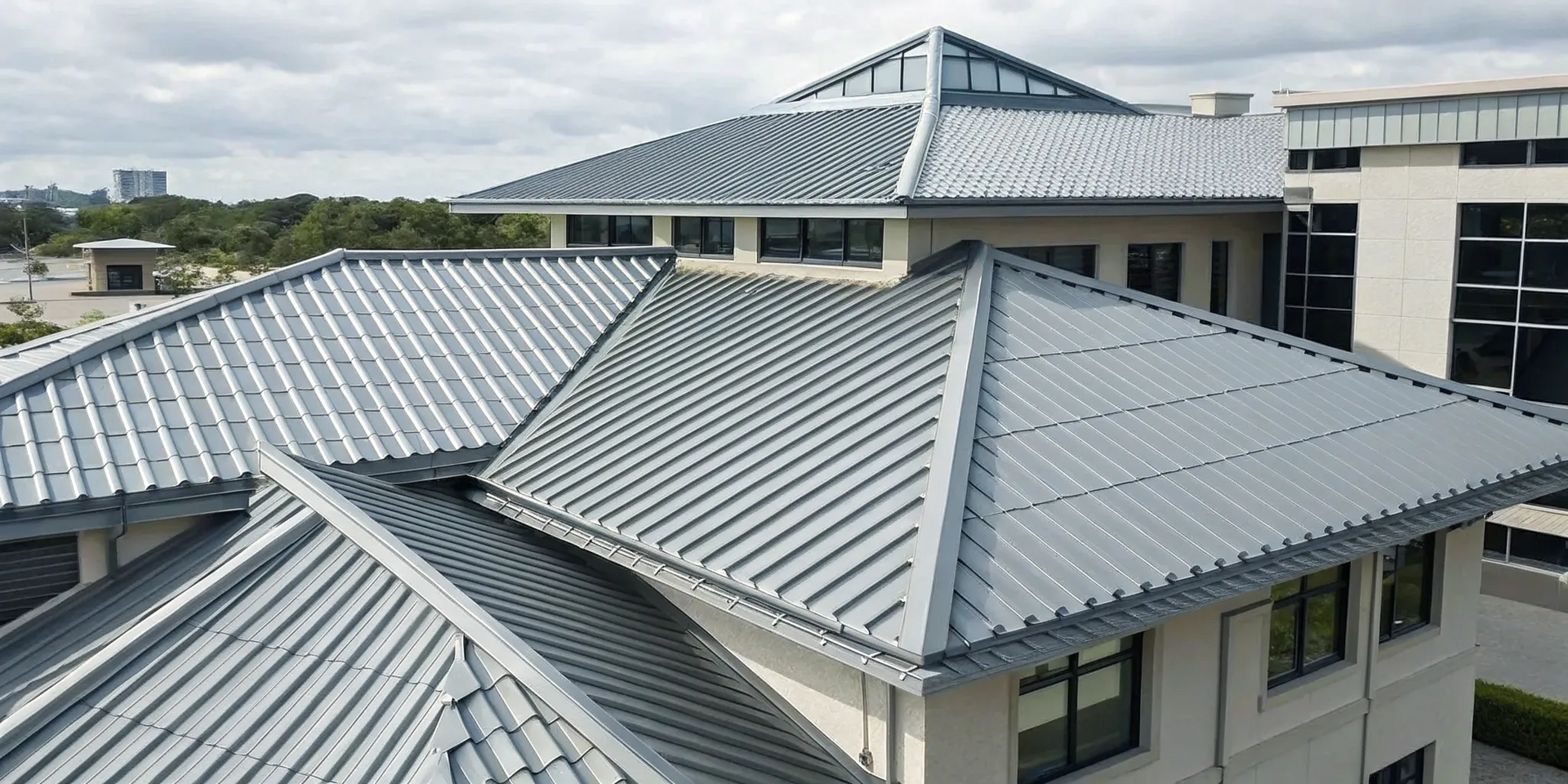
When it comes to a DIY metal roof installation, what you don't know can definitely hurt you. A misaligned first panel, an over-tightened screw, or a skipped underlayment can compromise the entire system, leading to leaks and costly repairs down the road. It’s the small details that make the difference between a roof that lasts 50 years and one that fails in five. Before you climb that ladder, it’s crucial to understand the common pitfalls. We’re here to guide you through the process, highlighting the critical steps and frequent mistakes so you can approach your project with confidence and get the professional-quality results your home deserves.
Key Takeaways
- Start with a solid base: Your new roof is only as good as the surface beneath it. Always repair the roof deck and install a quality underlayment to protect your home from moisture and condensation.
- Focus on the small details: Proper installation is all about precision. Take your time aligning the first panel, use the correct fastening technique to allow for metal expansion, and carefully flash all roof penetrations.
- Recognize when to hire an expert: While DIY is tempting, complex roofs with multiple valleys or skylights are best left to professionals. A pro handles permits, ensures the job is up to code, and protects your warranty.
Why Choose a Metal Roof?
When you’re thinking about a new roof, you’re making a major investment in your home’s safety and value. While asphalt shingles are a common sight, metal roofing has become an incredibly popular choice for good reason. It’s a durable, efficient, and stylish option that offers some fantastic long-term benefits. If you're looking for a material that stands the test of time, helps you save money on energy bills, and frees you from the cycle of constant upkeep, a metal roof might be the perfect fit for your home. It's a smart choice that pays you back over the years.
Choosing the right residential roofing material is a big decision, and metal offers a compelling case. It’s not just about function; modern metal roofs come in a wide array of colors and styles, from sleek standing seams to panels that mimic the look of traditional shingles, slate, or tiles. This versatility means you don’t have to sacrifice curb appeal for performance. In fact, a metal roof can significantly enhance your home's aesthetic while providing superior protection. Let’s walk through the top reasons why so many homeowners are making the switch to metal.
They Last for Decades
One of the most significant advantages of a metal roof is its incredible lifespan. While a typical asphalt shingle roof might need replacing every 15 to 30 years, metal roofs can last a very long time, usually 50 to 70 years. Think about that for a moment. A metal roof could easily be the last roof you ever need to install on your home. This longevity means you avoid the recurring cost and hassle of replacement that comes with other materials. It’s a true long-term solution that provides peace of mind for decades, protecting your home through countless seasons and storms.
Save on Energy Bills
Who doesn’t want to lower their monthly utility costs? A metal roof can make a real difference, especially during those hot Georgia summers. Unlike asphalt, which absorbs and holds heat, metal roofs reflect heat from the sun. This simple feature can help keep your house cooler and lower your air conditioning bills. By reducing the amount of heat that transfers into your attic and living spaces, your HVAC system doesn't have to work as hard to maintain a comfortable temperature. This energy efficiency is not only great for your wallet but also a more environmentally friendly choice for your home.
Enjoy Low-Maintenance Living
If you’d rather spend your weekends enjoying your home than working on it, a metal roof is an excellent choice. Metal roofs are chosen for their modern look, low need for upkeep, and long life. They are incredibly resilient and don’t require the regular maintenance that other roofing materials do. Metal is resistant to cracking, shrinking, and eroding. It can also stand up to high winds, and it won’t be damaged by pests like termites or rodents. Plus, it’s fire-resistant, which can add an extra layer of safety to your home. With a metal roof, you can spend less time worrying about repairs and more time living.
What You'll Need for the Job
Before you climb that ladder, a little prep work on the ground will set you up for success. Gathering the right materials and tools is half the battle in any DIY project, especially roofing. Getting everything organized ahead of time means you can work more efficiently and safely once you start the installation. Let’s walk through exactly what you’ll need.
Choosing Your Metal Panels
First things first: the panels. The type of metal panel you choose impacts both the installation and your roof's long-term performance. For a DIY project, I generally recommend looking at standing seam panels. Their design cleverly hides the fasteners, which minimizes potential leak points and gives your roof a clean, modern look. The alternative is exposed fastener panels. While often quicker to install, the screws are visible and can wear out over time, meaning you might be back on the roof replacing them down the road. Your choice depends on balancing upfront effort with future maintenance.
The Essentials: Underlayment, Fasteners, and Flashing
Don’t overlook what goes underneath your metal panels. A quality underlayment is your roof’s secret weapon against moisture, acting as a critical barrier to prevent leaks caused by condensation. You’ll want to use a solid material, like 3/8-inch plywood covered with tar paper or a modern synthetic underlayment. When securing the panels, precision is key. Place your screws no more than 24 inches apart on the panels. For the gable trim along the edges of the roof, place them closer together, about every 12 inches, to ensure a tight, secure fit that can stand up to the elements.
Must-Have Tools and Safety Gear
Working with metal requires a few specialized tools. You’ll definitely need a good set of metal snips for making left, right, and straight cuts, and an 18-inch hand brake will be invaluable for bending trim pieces. For making long, straight cuts on the panels, consider renting a nibbler or power shears from a local tool shop. Most importantly, prioritize your safety. Before you step onto the roof, make sure you have the proper fall protection gear, including a harness and safety ropes. It’s a non-negotiable part of staying safe while you work.
How to Install a Metal Roof: Step by Step
Installing a metal roof is a significant but rewarding project. While it's definitely an advanced DIY undertaking, breaking it down into clear, manageable steps can make the process much smoother. Careful planning and attention to detail are your best friends here. Let’s walk through the key stages of installing a durable, beautiful metal roof.
Step 1: Prep Your Roof Surface
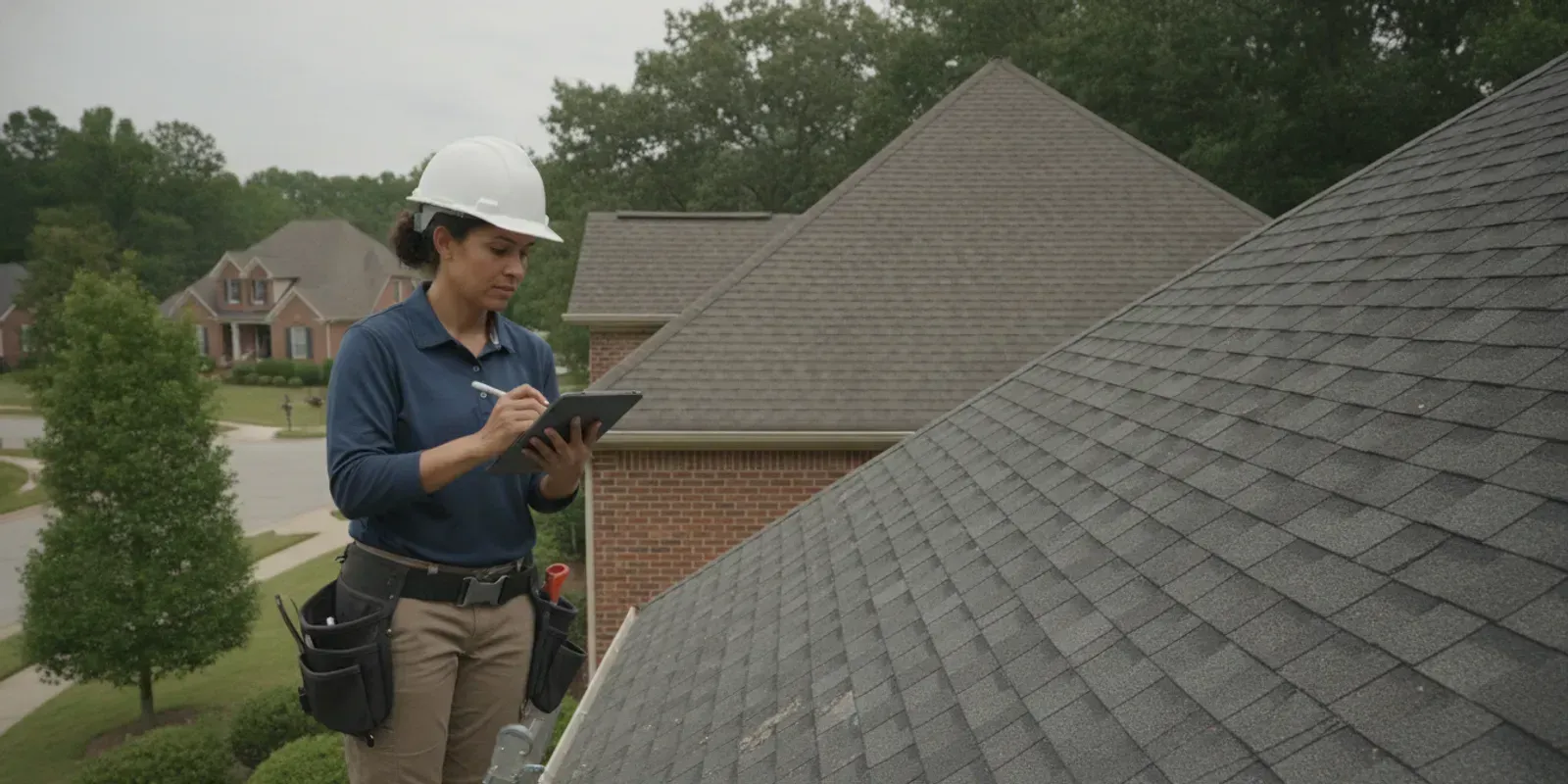
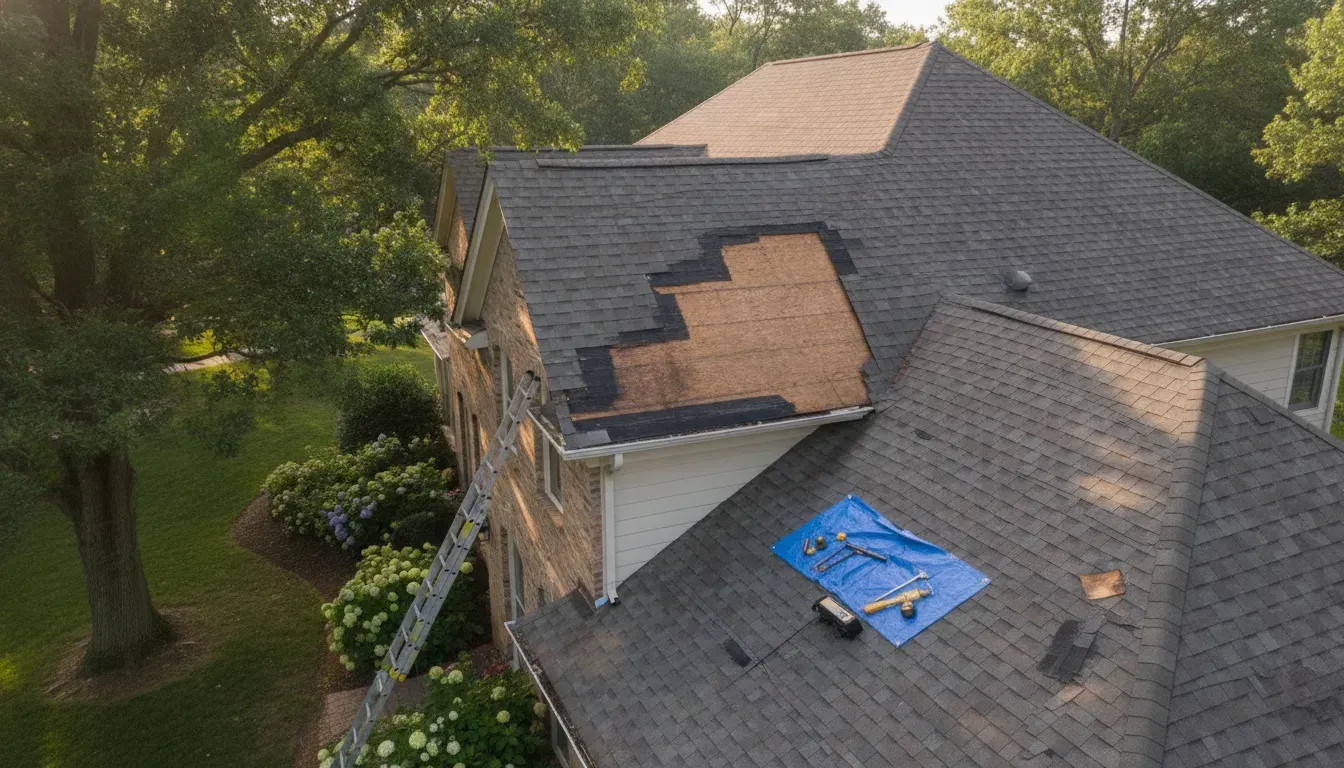
A successful installation starts with a solid foundation. Before a single panel goes on, you need to ensure your roof deck is clean, dry, and structurally sound. This means removing the old roofing material, inspecting the underlying wood for any signs of rot or damage, and making necessary repairs. If you find any soft spots, now is the time to replace that sheathing. For some homeowners, a complete tear-off is the best route, but if you have a single, smooth layer of asphalt shingles, you might be able to install the metal roof over it. Always check your local building codes first to see what’s allowed. A thorough inspection is key to avoiding future problems with your residential roofing system.
Step 2: Lay the Underlayment
Don’t even think about skipping this step. The underlayment is a water-resistant barrier that provides a critical secondary layer of protection against moisture. If you skip it, you risk major leaks caused by condensation that can form on the underside of the metal panels. Always use a high-quality synthetic underlayment designed for metal roofing. Start by rolling it out along the bottom edge of the roof, working your way up. Make sure each new row overlaps the one below it by several inches. This lapping technique ensures that any water that gets underneath the panels will flow down and off the roof, keeping your home dry and protected.
Step 3: Install and Secure the Panels
This is where your roof really starts to take shape. The most important part of this step is getting the very first panel perfectly straight and aligned with the edge of the roof. Every other panel will line up with this one, so take your time to get it right. As you lay each subsequent panel, it will overlap the previous one, creating an interlocking seam that sheds water effectively. When fastening the panels, use screws with rubber washers to create a watertight seal. Place your screws no more than 24 inches apart to ensure the panels are secure against wind and weather. This precision is just as important for large commercial roofing projects as it is for homes.
Step 4: Add the Finishing Touches
The final step is all about sealing the edges and openings to make your roof completely weatherproof. This involves installing flashing around chimneys, vents, and skylights, as well as adding trim and ridge caps. Every penetration in your roof is a potential spot for a leak, so proper sealing is essential. Once everything is installed, do a final sweep of the roof. Be sure to clean up any small metal shavings or filings left over from cutting the panels. If you leave them on the surface, they will rust and can cause unsightly stains on your brand-new roof. These finishing details are what separate a good roof from a great one.
Don't Make These Metal Roofing Mistakes
Installing a metal roof can be a rewarding project, but it demands precision. A few small mistakes during installation can lead to big problems like leaks, cosmetic issues, or even a shortened lifespan for your roof. Getting the details right is what separates a weekend project from a long-term, weatherproof investment. Let’s walk through some of the most common missteps and how you can avoid them to ensure your new roof performs beautifully for years to come.
Poor Fastening and Misaligned Panels
The way you fasten your metal panels is critical to the roof's strength and durability. Think of the first panel as the foundation for the entire roof; if it isn't perfectly straight, every subsequent panel will be slightly off, creating a domino effect of misalignment. Take the extra time to ensure that first piece is true. When it comes to securing the panels, follow a consistent pattern. Screws should be placed no more than 24 inches apart on the panels and every 12 inches on the gable trim. This level of detail ensures a secure, wind-resistant finish and is a hallmark of professional residential roofing installation.
Skipping Underlayment or Bad Sealing
Your metal panels are the primary barrier against rain and snow, but the underlayment is your essential backup. This layer, often a special synthetic film or tar paper over plywood, protects your roof deck from condensation that can form on the underside of the metal. Skipping this step is a recipe for slow leaks and water damage that you might not notice until it’s too late. A properly installed metal roof should shed water so effectively that the underlayment never gets wet, but having it there is non-negotiable for a truly weatherproof system.
Forgetting About Thermal Expansion
Metal naturally expands and contracts as the temperature changes throughout the day and across seasons. Your installation method needs to account for this movement. When driving screws, aim for the sweet spot: not too tight, not too loose. The screw should be just snug enough to lightly compress the rubber washer beneath the screw head, creating a watertight seal. If you overtighten the screws, you risk restricting the panel's movement, which can cause it to warp or buckle over time. This subtle detail makes a huge difference in the roof's long-term performance.
Ignoring the Weather Forecast
Planning your project around the weather is about more than just your personal comfort. Trying to install a roof in high winds or on a rainy day is not only dangerous but can also compromise the quality of your work. Metal panels can be difficult to handle in the wind, and sealants may not cure correctly in wet or cold conditions. Rushing to finish before a storm rolls in is a common cause of mistakes. Give yourself a clear weather window and don't try to take shortcuts. Patience and careful planning are your best tools for a successful installation.
Safety First: How to Stay Safe on the Roof
Working on a roof is no small task, and your safety should always be the top priority. Before you even think about stepping onto a ladder, it’s essential to have a solid plan for protecting yourself. Installing a metal roof is an advanced DIY project, and treating it with the respect it deserves means taking every precaution seriously. From the gear you wear to how you handle your tools, every step you take can make the difference between a successful project and a serious injury. Let’s walk through the non-negotiables for staying safe while you work.
Gear Up: Your PPE Checklist
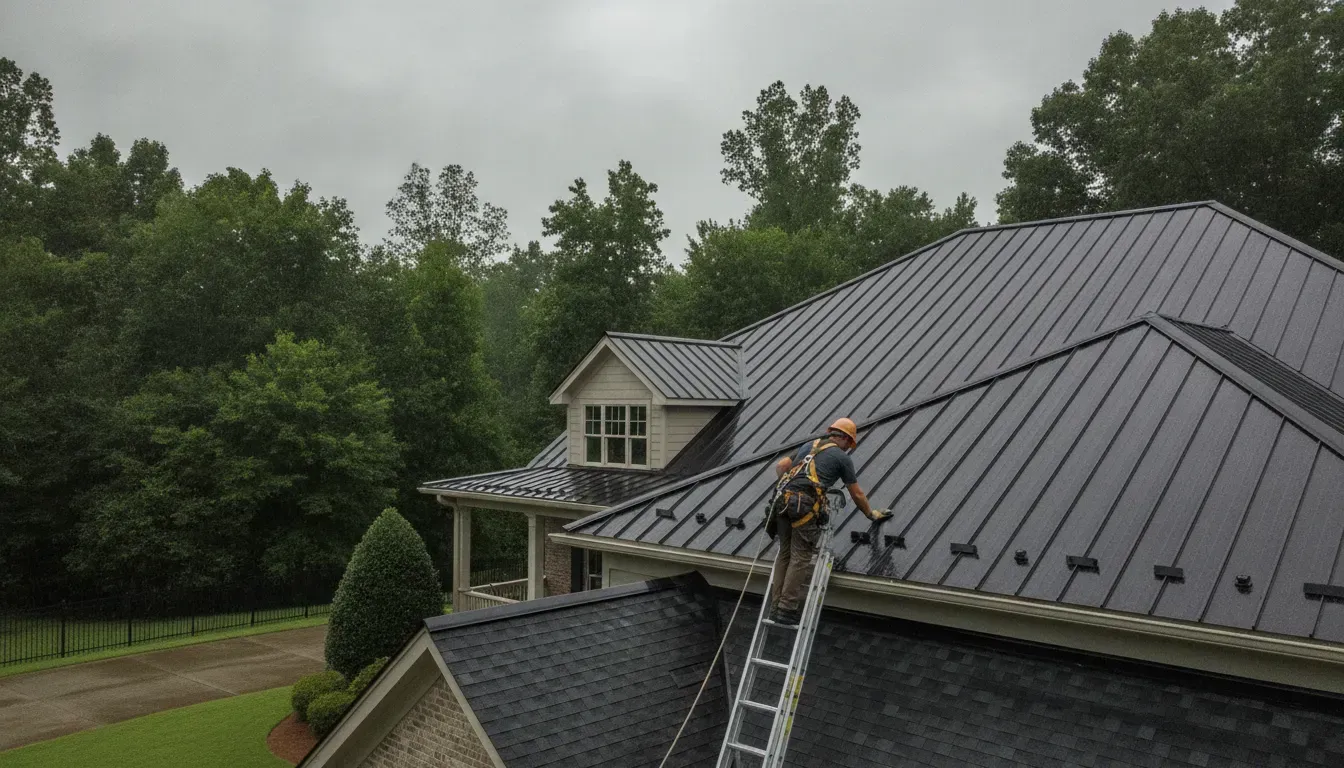
Your first line of defense is your personal protective equipment, or PPE. This isn’t the place to cut corners. Start with high-traction, soft-soled work boots to give you a secure grip on the roof surface without scratching the metal panels. You’ll also need safety glasses to protect your eyes from metal shavings and work gloves to prevent cuts from sharp edges. Most importantly, you will need fall protection gear. This includes a safety harness, a lanyard, and a roof anchor. It might feel like a hassle to set up, but it’s a critical piece of equipment that can save your life.
Master Ladder Safety and Fall Protection
Getting on and off the roof safely is just as important as the work you do up there. Always inspect your ladder for damage before using it and place it on firm, level ground. A good rule of thumb is the 4-to-1 ratio: for every four feet of height, the base of the ladder should be one foot away from the wall. Make sure the ladder extends at least three feet above the roofline so you have something to hold onto. When climbing, always maintain three points of contact (two hands and a foot, or two feet and a hand). Once you’re on the roof, your safety harness should be securely attached to the anchor at all times.
Handle Your Tools Like a Pro
Metal roofing requires specific tools that can be dangerous if used improperly. You’ll be working with metal snips, power shears, and other sharp instruments designed to cut through steel. Before you start, read the instruction manual for every tool you use. Understand how each one works and follow all the recommended safety precautions. Keep your work area organized to avoid tripping hazards, and never leave tools lying where they could slide off the roof. When you handle your equipment with confidence and care, you not only get better results but also create a much safer environment for your residential roofing project.
Tackling Tricky Spots on Your Roof
Even the most straightforward roof has its challenges. Chimneys, vents, skylights, and valleys are where most DIY installations run into trouble. These features interrupt the clean lines of your roof panels and create opportunities for water to sneak in if they aren't handled with absolute precision. Getting these areas right is what separates a durable, weatherproof roof from one that causes headaches down the road. It requires patience, careful measurement, and a solid understanding of how to create a watertight seal. Let’s walk through how to approach these tricky spots.
How to Work Around Chimneys and Vents
Anything that pokes through your roof, like a vent pipe or a chimney, needs special attention. This is where proper flashing and sealing are non-negotiable. As one DIYer shared from experience, you have to "pay close attention to how you seal around anything that sticks out of the roof." This means carefully cutting your metal panels to fit snugly around the protrusion, then installing flashing in layers to direct water away from the opening. You’ll use a high-quality sealant designed for metal roofing, but remember that sealant isn't a substitute for correctly installed flashing. If you have any doubts, getting help with complex skylight services can prevent costly water damage.
Installing Panels Around Skylights
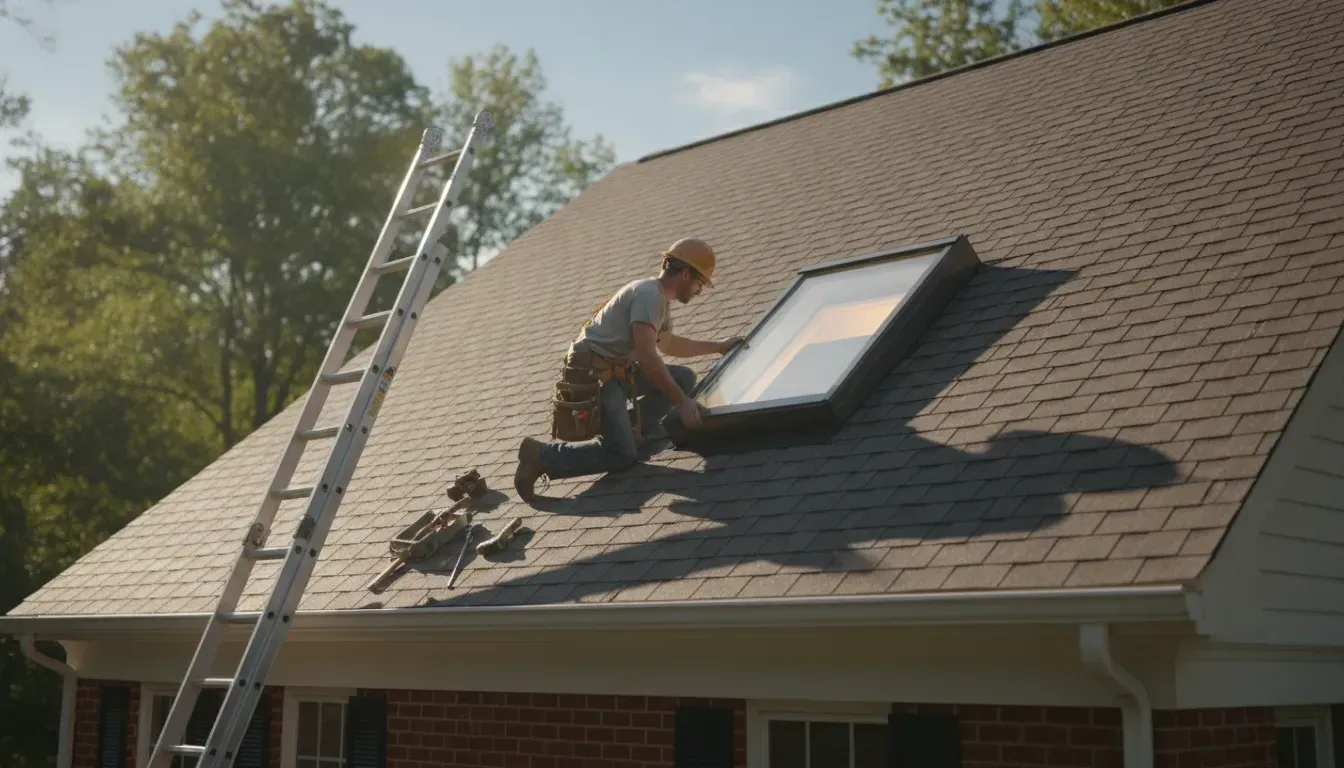
Skylights are fantastic for letting in natural light, but they can be a real puzzle during a metal roof installation. Just like with vents and chimneys, the goal is to create a completely waterproof barrier. The challenge is that "cutting around skylights and chimneys can be hard," requiring precise cuts on your panels to match the skylight's frame. You'll need to install a custom flashing kit specifically designed for your skylight and metal roofing profile. This involves fitting pieces around the base, sides, and top of the skylight in a specific order to ensure water sheds properly. Take your time, measure multiple times before you cut, and follow the manufacturer’s instructions to the letter.
Finishing Valleys and Ridge Caps
Valleys, where two roof planes meet, and ridge caps, which cover the peak of the roof, are critical finishing touches. These areas manage a large volume of water, so they must be installed perfectly. A professional guide notes, "The installation process needs careful layering, exact measurements, and proper ways of fastening everything together." For valleys, this means installing a special valley flashing or panel before you lay the main roof panels over it. For the ridge cap, you’ll need to ensure it’s vented correctly to allow your attic to breathe while keeping rain and pests out. This final step secures your entire residential roofing system and gives it a clean, professional look.
DIY vs. Pro: When to Call for Help
Tackling a big project yourself can be incredibly rewarding. But when it comes to something as critical as your roof, it’s important to know when to trade the tool belt for the telephone. A metal roof is a significant investment, and a flawless installation is key to its longevity. While a straightforward, low-pitch roof on a small structure might be a manageable DIY, most residential projects have complexities that are best handled by an experienced crew. Let’s walk through a few scenarios where calling a professional is the smartest move.
If Your Roof Design is Complex
Take a look at your roofline. Is it a simple, flat plane, or does it have multiple peaks, valleys, dormers, or skylights? Features like these make a roofing project exponentially more difficult. Every angle and intersection requires precise measurements, custom cuts, and specialized flashing to create a watertight seal. As many experienced builders will tell you, dealing with different slopes and valleys requires real-world experience. An improperly sealed valley can channel water directly into your home, turning your DIY dream into a costly nightmare. For these intricate jobs, a professional’s expertise in residential roofing is invaluable.
For Navigating Building Codes and Permits
Before you even order materials, you have to deal with local building codes and permits. These regulations vary by city and county and dictate everything from the type of underlayment you can use to the specific fastening patterns required for your area. A professional contractor handles this process every day. They know exactly what paperwork is needed, what local inspectors look for, and how to ensure your new roof is fully compliant. This inside knowledge prevents frustrating delays and potential fines, making the entire project run much more smoothly and saving you a major headache.
To Protect Your Warranty and Investment
A new metal roof comes with a hefty manufacturer’s warranty, which is a huge part of its value. However, most of these warranties come with a major condition: the roof must be installed according to the manufacturer's exact specifications. A single mistake, like using the wrong fasteners or improperly overlapping panels, can void the warranty completely. When installed correctly, water runs off without ever touching the underlayment, safeguarding your home. This level of precision is why manufacturers often require installation by certified professionals to honor their warranties. Choosing a contractor with top-tier certifications, like an Owens Corning Platinum Preferred contractor, ensures your roof is installed to the highest standard and your investment is fully protected.
Related Articles
- Advantages and Disadvantages of Metal Roofing | Total Roof Atlanta
- Budgeting for a Metal Roof: Understanding Costs and ROI
- What are seamless gutters for my home? | Total Roof Solutions
- Roofers in McDonough, GA | Roofing & Gutter Services – Total Roof Solutions
Frequently Asked Questions
Can I install a metal roof directly over my old asphalt shingles? This is a common question, and the answer is sometimes. It often depends on your local building codes and the condition of your current roof. If you only have one layer of shingles and your roof deck is in solid shape, it might be possible. However, a successful metal roof installation relies on a smooth, stable foundation. Any existing damage or soft spots in the underlying wood must be repaired first, which is why a complete tear-off is often the recommended approach.
Are metal roofs noisy when it rains? That's a popular myth, but it’s not the reality for modern metal roofing. The idea of a loud, tinny roof comes from old barns or sheds where the metal was installed without any decking underneath. When installed on a home with a solid roof deck, underlayment, and proper attic insulation, a metal roof is no louder during a rainstorm than a roof made of asphalt shingles or tile.
What is the single most important step to get right during installation? While every step is important, getting the very first panel perfectly straight and square to the roof edge is absolutely critical. Every other panel on the roof will align with that first one. If it’s even slightly off, the mistake will become more and more obvious as you move across the roof, resulting in a crooked and potentially leaky installation. Taking extra time to get this foundational step right sets the entire project up for success.
How exactly does a metal roof help lower my energy bills? A metal roof saves you money by reflecting the sun's heat away from your home. Asphalt shingles, on the other hand, tend to absorb and hold that heat, which then transfers into your attic and living spaces. By keeping your attic cooler, a metal roof reduces the workload on your air conditioning system, especially during hot summers. This means your A/C runs less often, leading to noticeable savings on your monthly utility bills.
Why is hiring a certified professional so important for my roof's warranty? Metal roofing materials come with excellent, long-term manufacturer warranties, but they have a catch. These warranties are only valid if the roof is installed exactly according to the manufacturer's strict specifications. A small mistake, like using the wrong type of screw or improperly sealing the flashing, can void your warranty entirely. Hiring a certified contractor ensures every detail is handled correctly, which protects your investment and guarantees your warranty remains intact for decades.