Gutter Guards Lifting Shingles: Signs & Solutions
Stephen Griswell • May 7, 2026
You invested in gutter guards to protect your home, not to create a new set of problems. So, it can be alarming to look up at your roofline and wonder if they’re doing more harm than good. The question of whether you should worry about gutter guards lifting shingles is a serious one, and the answer is yes, it can happen. This issue often stems from improper installation or choosing a system that isn’t compatible with your specific roof. A poorly fitted guard can break the watertight seal of your shingles, leaving your home vulnerable to leaks and rot. We’ll walk you through the common causes and show you how professional installation is the key to avoiding this costly mistake.
Key Takeaways
- Prioritize Professional Installation : Shingle damage is rarely the fault of the gutter guard itself; it's almost always caused by poor installation. Hiring a professional ensures the guards are fitted correctly without breaking your roof's watertight seal, which protects you from leaks and keeps your warranty valid.
- Choose the Right Product and Maintain It: Your roof type dictates the right gutter guard, as a mismatched product can cause damage. Also, remember that guards are low-maintenance, not no-maintenance; regular cleanings are still needed to ensure they function properly and protect your home.
- Act on Warning Signs Immediately: A lifted shingle is a serious issue that can lead to water damage, mold, and rot. Look for curled shingles above your gutters, water stains on your ceiling, or overflowing guards. Spotting these signs early and calling a professional can save you from major, costly repairs.
What Are Gutter Guards and How Do They Work?
If you’re tired of climbing a ladder to scoop handfuls of wet leaves out of your gutters, you’ve probably considered gutter guards. Often called leaf guards, these products are essentially protective coverings that fit over your open gutters. The concept is simple: they act as a filter, blocking leaves, twigs, pine needles, and other debris while allowing rainwater to flow through freely. When they work correctly, they can save you a ton of time on maintenance and help protect your home from water damage. A properly functioning gutter system is one of your home's first lines of defense against the elements, and guards are meant to keep it that way.
However, not all gutter guards are created equal. The market is filled with different designs and materials, and the way they are installed can make all the difference between a protected home and a new set of problems, like lifted shingles. This is a common concern for homeowners, and for good reason. An improperly installed guard can do more harm than good, potentially compromising your roof. Understanding the basics of how they’re supposed to function and the different options available is the first step in making a smart choice for your home. Before you invest in a system, it’s important to know what you’re getting into.
An Overview of Gutter Guard Types
When you start shopping for gutter guards, you'll find there are five main styles to choose from: screen, micro-mesh, reverse curve, brush, and foam. Each one uses a different method to keep debris out. Screen guards are one of the most common and affordable options, featuring holes that let water pass through. Micro-mesh guards are similar but have tiny openings that can block even small particles like shingle grit.
Reverse curve guards work by directing water over a rounded edge and into the gutter while leaves slide off the side. Brush guards look like giant pipe cleaners that sit inside your gutters, and foam guards are triangular foam inserts that fill the gutter, allowing water to seep through. The different types of gutter guards each come with their own set of benefits and drawbacks, so the right choice often depends on your specific needs and budget.
How Gutter Guards Are Supposed to Protect Your Home
In a perfect world, gutter guards keep leaves and other debris out of your gutters so water can flow freely away from your house. This simple function is crucial for protecting your home. When your gutters get clogged, rainwater can overflow and run down your siding, pool around your foundation, and even seep back under your roof, causing rot and water damage. Gutter guards are designed to prevent this, ensuring your gutter system does its job effectively.
By keeping your gutters clear, these guards help prevent them from sagging under the weight of wet debris and standing water. This not only protects your home from costly water-related repairs but also saves you from the risky task of cleaning your gutters multiple times a year. The goal is a low-maintenance system that protects your roof, siding, and foundation from the top down.
Can Gutter Guards Actually Lift Your Shingles?
It’s a fair question: can the very product meant to protect your gutters actually end up harming your roof? The short answer is yes, gutter guards can lift your shingles, but it’s not an automatic outcome. This problem almost always comes down to two key factors: the quality of the gutter guard itself and, most importantly, the quality of the installation. When installed correctly by a professional, a high-quality gutter guard system integrates seamlessly with your roofline, protecting both your shingles and your gutters.
The issue arises when guards are installed improperly or when the wrong type of product is used for your specific roof. A poorly fitted guard can create pressure points, break the watertight seal of your shingles, and leave your roof vulnerable to leaks and water damage. Think of it as a puzzle; every piece, from the guard design to the fastener placement, must fit perfectly. Below, we’ll look at the common culprits behind lifted shingles and what you can do to avoid them. Our goal is to ensure your gutter system provides protection, not problems.
The Dangers of Improper Installation
More often than not, when gutter guards cause shingles to lift, improper installation is the culprit. Even a top-of-the-line product can cause serious damage if it isn't installed with precision and expertise. One of the most common mistakes is sliding the edge of the guard too far underneath the first row of shingles. This action can create upward pressure that breaks the crucial seal that keeps water out.
Another installation error is overtightening the fasteners, which can warp the guard and put stress on the edge of your roof. These installation issues are why a DIY approach can be so risky. A professional installer understands the nuances of how a roof and gutter system work together and can prevent these simple but costly mistakes.
Why Material and Design Quality Matter
Beyond the installation, the material and design of the gutter guard play a huge role in whether it will coexist peacefully with your shingles. Low-quality guards made from flimsy plastic or overly rigid metal can cause problems. For instance, some stiff materials don’t allow for the natural expansion and contraction that your roof undergoes with temperature changes. This can cause the guard to push up against the shingles over time, eventually lifting them.
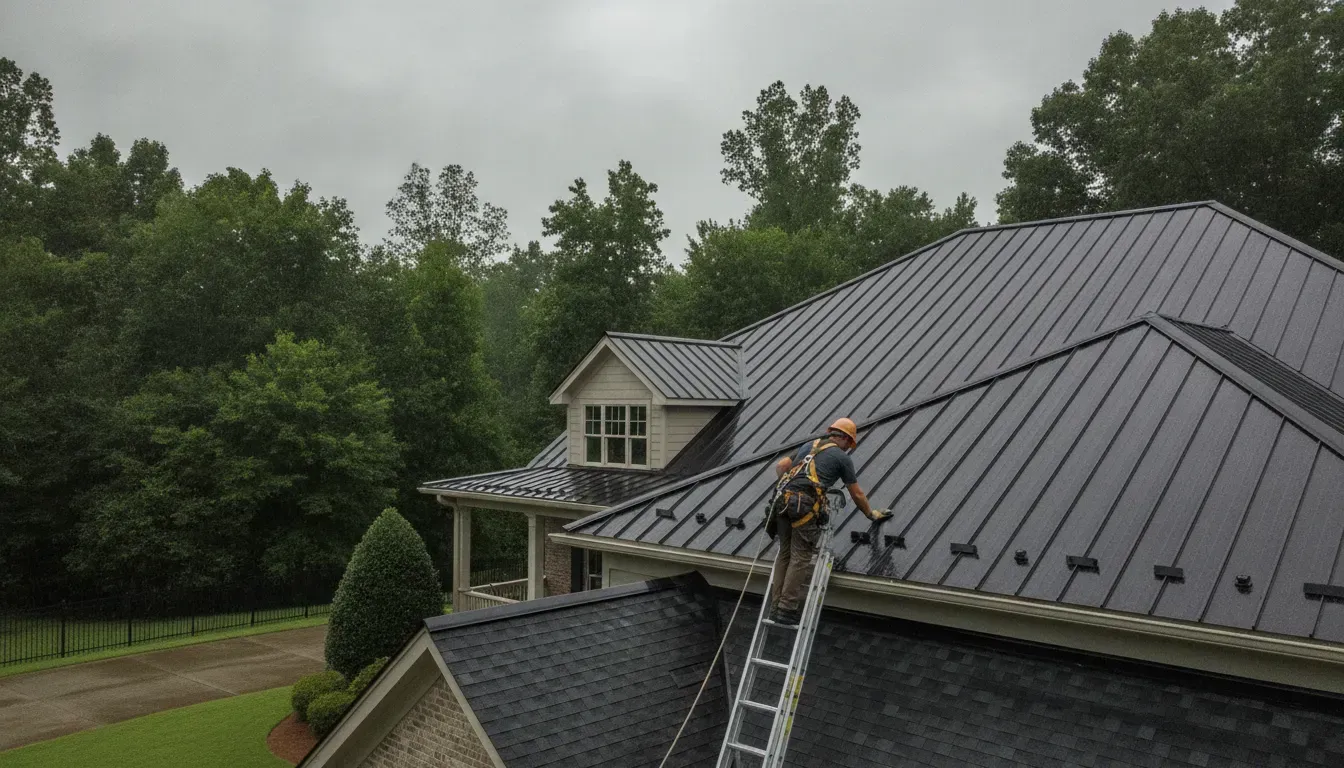
It’s also critical to understand that there is no one-size-fits-all solution. The best type of gutter guard for your home depends on your specific roof type, its pitch, and the kind of shingles you have. A guard that works perfectly on an asphalt shingle roof might be a terrible choice for a metal or tile roof.
Gutter Guard Designs That Can Cause Problems
There are several main types of gutter guards, including micro-mesh, screens, reverse-curve, brushes, and foam inserts. While each has its pros and cons, some designs are more likely to cause issues if not chosen carefully. For example, some reverse-curve guards are designed to slide under the first row of shingles by default, increasing the risk of lifting if the angle isn't perfect.
Foam inserts, which are triangular pieces of foam that sit inside the gutter, are another design to be cautious with. While they seem like a simple, effective solution for blocking debris, they can become clogged with fine sediment over time. If they aren't perfectly fitted and regularly maintained, they can trap water and even contribute to lifting if they swell or freeze.
How to Spot the Warning Signs of Lifted Shingles
Catching shingle problems early can save you from headaches and expensive repairs. When gutter guards are installed incorrectly, they can lift the edges of your shingles, breaking their watertight seal and leaving your home vulnerable. The good news is that the warning signs are often visible if you know where to look. You can spot trouble by inspecting your roofline, checking for water inside your home, and paying attention to your gutters.
What to Look For on Your Roof
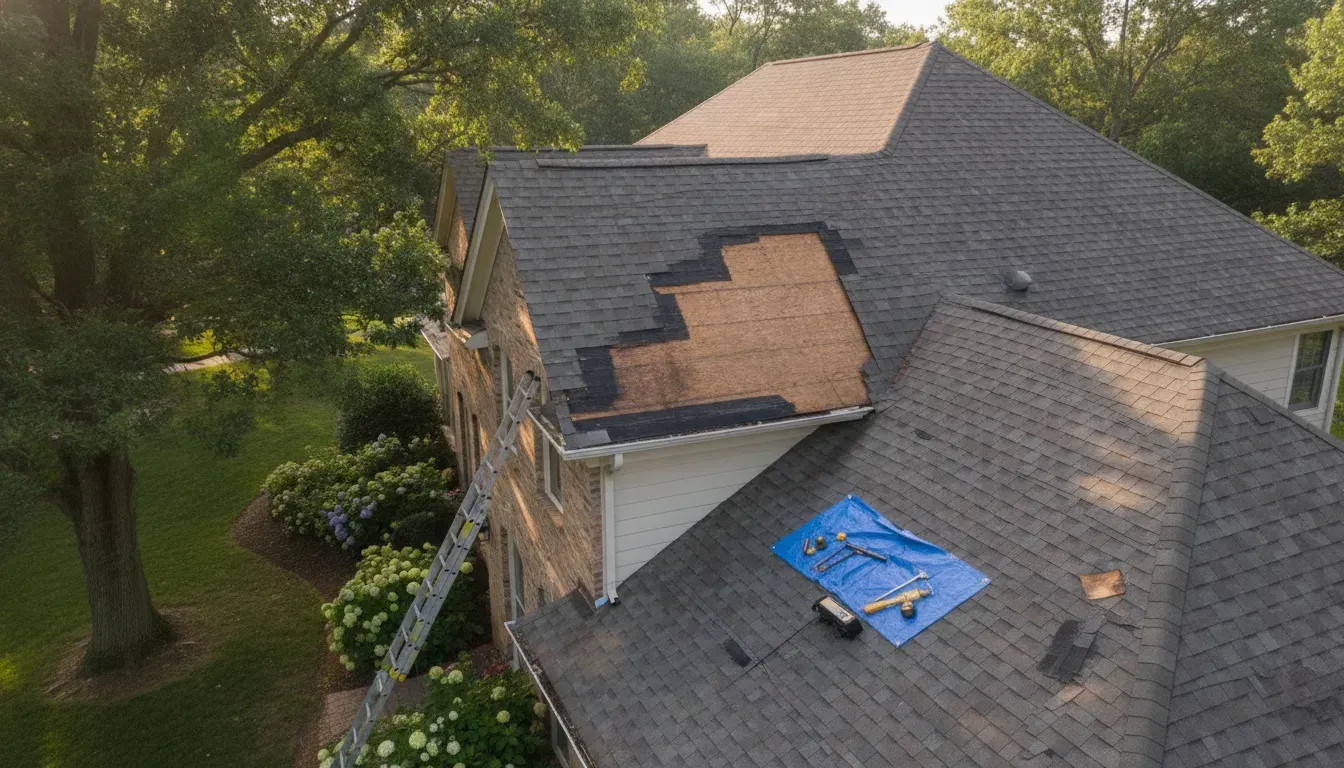
You don’t need to climb a ladder to check your roof’s health. From the ground, walk around your house and look up at the roof’s edge. Do the shingles lie flat, or do some appear curled, raised, or buckled right above the gutters? This is a classic sign of lifting. It often happens when gutter guards are pushed too far under the shingles, creating upward pressure that breaks the adhesive seal. Overly tight fasteners can also cause lifting. A compromised seal is an open invitation for water, which is why maintaining your residential roofing is so important.
Checking for Water Damage Inside Your Home
Sometimes, the first clue of a roof problem isn't outside at all, but inside your home. Lifted shingles create an entry point for rainwater to seep underneath your roofing materials. Inside, look up. Check your ceilings and the tops of your walls for yellowish or brownish water stains. Other signs include bubbling or peeling paint, or a musty odor that could indicate hidden mold. These are clear indicators that water has breached your roof's defenses and is damaging your home's structure, including insulation and the wooden roof deck.
Noticing Changes in Your Gutters
Your gutters can also tell you a lot about your shingles. While gutter guards are meant to keep debris out, leaves and twigs can build up on top of them. This pile-up traps moisture and can become heavy, putting pressure on the shingles and pushing them upward. Look at the guards themselves. Are they bent, warped, or pulling away from the roof? If your current system is causing problems, it might be time for a replacement. Choosing the right gutters and guards for your specific roof type is essential for protecting your home without causing damage.
What Happens if You Ignore Lifted Shingles?
Seeing a few lifted shingles might not seem like a big deal, but it’s one of those small problems that can quickly spiral into a major headache. Think of it as a tiny crack in a dam. At first, it’s just a trickle, but ignoring it invites a flood of expensive and stressful issues. Your roof is your home's first line of defense against the elements, and even a small breach can compromise the entire structure. When shingles lift, they break the protective seal that keeps water out, creating a direct path for moisture to get into your home's most vulnerable areas.
Addressing lifted shingles promptly is one of the smartest things you can do to protect your investment and maintain your peace of mind. Putting off this repair can lead to water damage, voided warranties, and a significant drop in your home's value. It’s a gamble that simply isn’t worth taking, especially when a professional fix is straightforward and effective. The consequences aren't just financial; they can affect your family's health and the overall safety of your house. Let's break down exactly what's at stake when you put off this seemingly minor repair.
The Risk of Water Damage and Structural Issues
Lifted shingles are an open invitation for water to seep underneath your roofing materials. Once moisture gets in, it can travel down into your home’s structure, leading to stained ceilings, peeling paint, and damaged walls. But the visible signs are often just the beginning. Trapped moisture within your attic and walls creates the perfect environment for mold and mildew to grow, which can pose health risks to your family. Over time, this persistent dampness will cause the wooden decking of your residential roof to rot, weakening its structural integrity. What started as a minor shingle issue can eventually lead to a sagging roof and the need for a complete, and costly, replacement.
How It Can Affect Your Warranty and Insurance
Did you know that ignoring lifted shingles could void your roof’s warranty? Many roofing warranties require homeowners to perform regular maintenance and address issues as they arise. If your gutter guards were installed improperly by nailing through the shingles, the manufacturer could argue that the damage isn't covered. This is a detail many homeowners overlook until it's too late. Similarly, your homeowner's insurance policy might not cover damage that results from neglect. If an adjuster determines that the water damage was caused by a long-standing, unaddressed problem like lifted shingles, your claim could be denied, leaving you to foot the entire bill for repairs.
The Impact on Repair Costs and Home Value
It’s simple: the longer you wait, the more expensive the fix will be. A few lifted shingles can often be repaired quickly and affordably by a professional. However, if you ignore the problem, you’re looking at much larger costs associated with repairing water damage, remediating mold, and potentially replacing entire sections of your roof. Beyond the immediate repair costs, a damaged roof can significantly lower your home's value. A faulty roof is a major red flag for potential buyers and can make your home much harder to sell. Investing in proper gutter systems and ensuring your shingles are secure protects your home's curb appeal and its long-term market value.
How to Prevent Gutter Guards from Damaging Your Roof
Gutter guards are meant to make your life easier, not cause expensive roof problems. The good news is that shingle damage from gutter guards is almost always preventable. It all comes down to a smart approach from the very beginning. By focusing on proper installation, using the right products for your home, and understanding what can go wrong, you can protect your investment and keep your roof in great shape. A little bit of prevention goes a long way in ensuring your gutter guards do their job effectively without creating a new headache for you as a homeowner. Let's walk through the key steps to keep your roof safe and sound.
Why Professional Installation Is Key
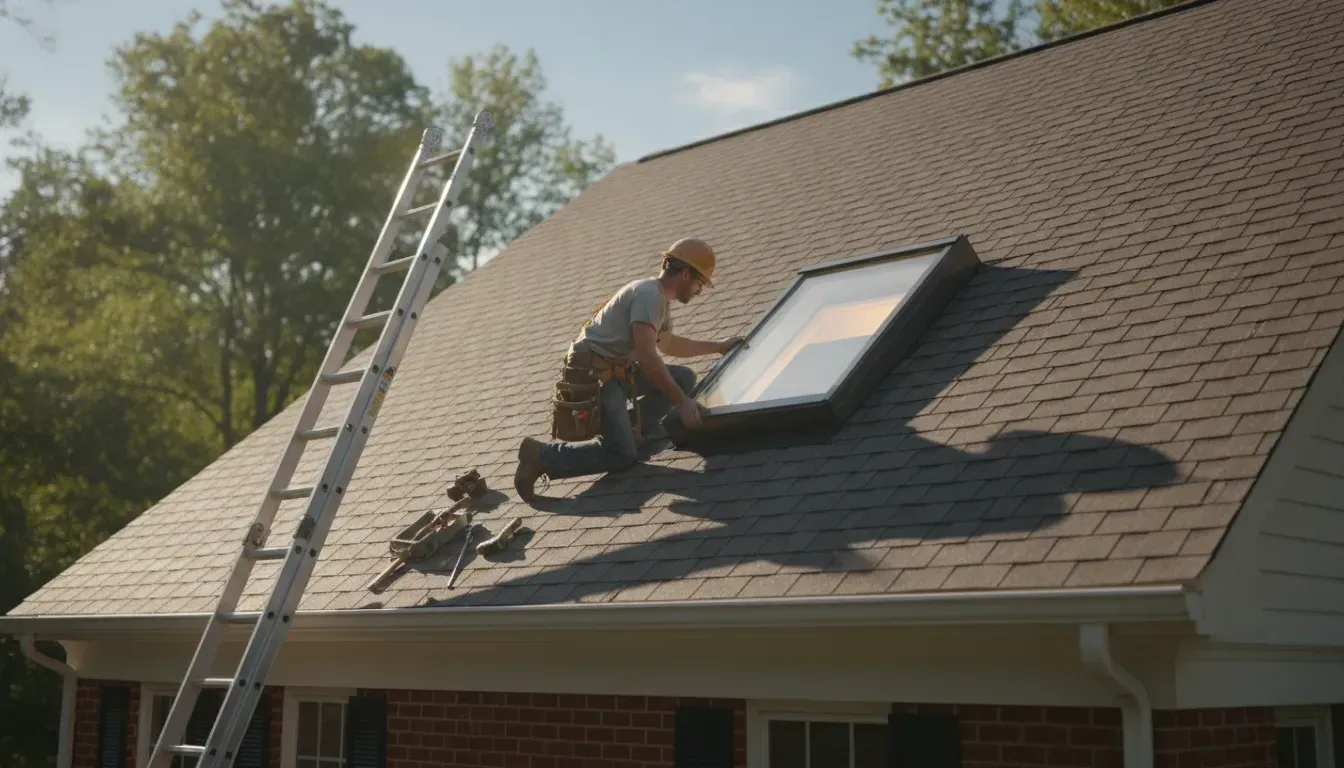
It can be tempting to try installing gutter guards yourself, but this is one of those jobs where professional expertise really pays off. A trained installer understands how your roofing and gutter systems work together. They know exactly how to position and secure the guards without lifting shingles or compromising your roof's integrity. A professional gutter installation ensures the guards are not only secure but also function correctly, allowing water to flow freely while keeping debris out. This small investment upfront can save you from major repair bills down the road and give you peace of mind that the job was done right the first time.
Common Installation Mistakes to Avoid
Even with the best intentions, a few common installation errors can lead to lifted shingles. One major mistake is sliding the guards too far underneath the shingles, which can break the watertight seal and create an entry point for wind-driven rain. Another critical error is using nails or screws that penetrate the shingles themselves. This creates direct pathways for water to seep in, leading to rot and leaks in your residential roofing system. Finally, over-tightening the fasteners can put unnecessary pressure on the edge of your roof, causing shingles to bend or crack over time. A professional installer knows to avoid these exact pitfalls.
Choosing the Right Materials for Your Home
Not all gutter guards are created equal, and one size definitely does not fit all. The right guard for your home depends on your specific roof type, whether it's asphalt shingle, metal, or tile, as well as the style of your gutters. Using a product that isn't compatible with your roofing material can cause friction, improper seating, and eventual damage. A knowledgeable contractor will help you select a system designed to integrate seamlessly with your home's exterior. When you choose the right team, they can recommend materials that offer the best protection without putting your shingles at risk.
How to Maintain Your Gutters and Guards
Gutter guards are a fantastic investment for your home, but they aren’t a "set it and forget it" solution. To get the most out of them, a little regular maintenance goes a long way. Consistent care ensures your guards and gutters work together to channel water away from your home, preventing the very problems they were installed to solve, like water damage and foundation issues. Keeping up with maintenance is simple and can save you from costly repairs down the road.
Your Regular Inspection Checklist
A quick visual inspection a few times a year, especially after a big storm, can help you catch problems before they escalate. From the ground, or safely from a ladder, look for any signs of trouble. Pay close attention to the area where the guards meet your roofline. You’ll want to check for any shingles that appear bent, lifted, or out of place. Also, scan the tops of the guards for any significant debris buildup. While they block most leaves, smaller materials can sometimes accumulate. Finally, make sure the gutters themselves aren’t sagging or pulling away from the house. Catching these issues early is key to protecting your entire residential roofing system.
Essential Cleaning and Care Tips
Even the best gutter guards need a cleaning now and then to keep them working efficiently. Debris like pine needles, seeds, and shingle grit can build up over time and obstruct water flow. For most light debris, you can simply use a leaf blower or a garden hose with a spray nozzle to clear the surface of the guards. If you encounter more stubborn buildup, a soft-bristled brush can gently scrub it away without damaging the guards or your shingles. After clearing the surface, it's a good idea to flush the system with water to ensure your gutters and downspouts are completely clear and water is flowing freely away from your foundation.
Seasonal Care and Ice Dam Prevention
Your maintenance routine should adapt to the seasons. In the fall, after most of the leaves have dropped, is the perfect time for a thorough cleaning. This prevents a winter-long clog that can lead to ice dams. Trimming back any tree branches that hang over your roof will also significantly reduce the amount of debris that lands on it in the first place. In the winter, clogged gutters can trap water, which then freezes and expands, forcing its way under your shingles. This creates ice dams that can cause serious water damage to your roof, attic, and interior walls. If you notice persistent ice buildup or signs of damage, it's wise to get a professional opinion from a team you can trust.
When Should You Call a Professional?
While the DIY spirit is admirable, some home maintenance tasks are best left to the experts, especially when they involve your roof. Gutter guard installation might seem straightforward, but a small mistake can lead to big, expensive problems. Knowing when to step back and call a professional is key to protecting your home’s structure and value. If you’re seeing signs that your gutter guards are doing more harm than good, it’s time to get an expert opinion.
Signs It's Time to Get an Expert Opinion
The most obvious red flag is seeing your gutter guards physically lifting your roof shingles. If the edge of a shingle is curled up where the guard slides underneath, you have a problem. This isn't just a cosmetic issue; it breaks the watertight seal that protects your roof deck from moisture. Once that seal is compromised, water can seep underneath, leading to rot, leaks, and costly water damage inside your home. Don't ignore this.
Other signs include water overflowing from your gutters even with guards installed, or noticing that the guards themselves look warped or loose. If you spot any of these issues, it’s time to call for a professional inspection of your gutter system. A trained eye can quickly assess the situation and determine the extent of the problem before it gets worse.
What to Expect from a Professional Installation
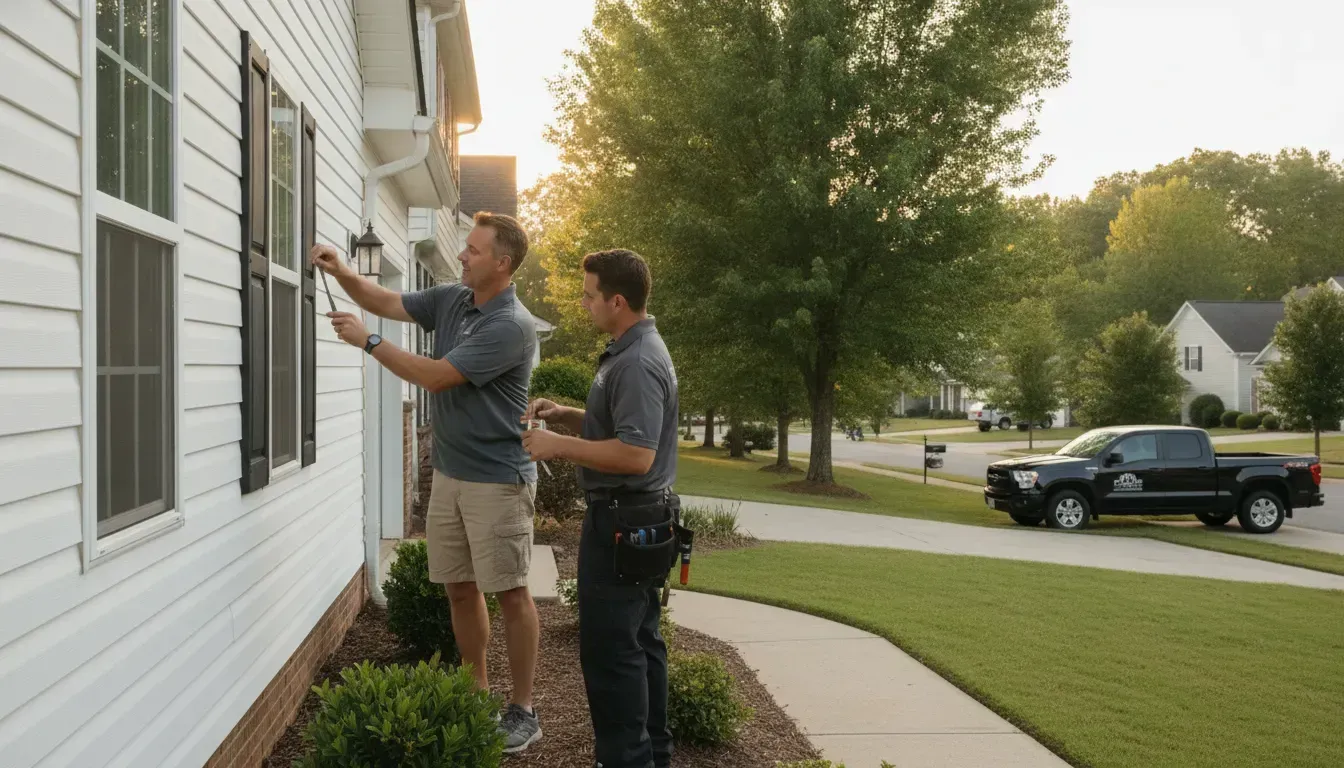
When you hire a professional, you're paying for peace of mind. An experienced contractor knows how to install gutter guards correctly without damaging your shingles or voiding your roof’s warranty. They understand that every roof is different and won't take a one-size-fits-all approach. Instead, they will evaluate your roof's pitch, your shingle type, and your existing gutter system to ensure a secure and effective fit.
A true professional will also explain the installation process clearly and discuss how their work impacts your residential roofing warranty. They have the right tools and safety equipment to do the job efficiently and securely, ensuring the guards are properly fastened. This expertise prevents the very issues that improper installation causes, like lifted shingles and poor water flow, so your home stays protected as intended.
How to Choose the Right Contractor
Finding the right contractor is crucial. Start by looking for a company that is licensed, insured, and has a long history of quality work in your area. Ask for proof of these credentials. A reputable contractor will also have specific certifications that speak to their expertise. For example, being an Owens Corning Platinum Preferred contractor shows a commitment to using high-quality materials and adhering to strict installation standards.
When you speak with potential contractors, ask them which gutter guard systems they recommend for your specific roof type and why. A knowledgeable professional will be able to explain the pros and cons of different products. You can learn a lot about a company by their transparency and willingness to educate you. Look for a team that prioritizes detailed craftsmanship and stands behind their work with strong warranties.
Related Articles
- The Ultimate Guide to Gutter Guard Installation
- Are Gutter Guards Worth the Cost? A Homeowner's Guide
- Asphalt vs Architectural Shingles: A Homeowner's Guide
Frequently Asked Questions
Will gutter guards automatically lift my shingles? Not at all. Gutter guards themselves are not the problem; the issue almost always comes down to the quality of the installation. When a skilled professional installs a high-quality system, it integrates with your roofline without causing any harm. Problems arise from improper installation, such as sliding the guard too far underneath the shingles or using the wrong fasteners, which can break your roof's watertight seal.
Is it really necessary to hire a professional, or can I install them myself? While it can be tempting to go the DIY route, this is one job where professional expertise is worth the investment. An experienced installer understands the specific needs of your roof's pitch and shingle type, ensuring the guards are secured correctly without voiding your roof’s warranty. Paying for a professional installation is a small upfront cost that helps you avoid much larger, more expensive repairs down the road.
How can I tell if my current gutter guards are damaging my roof? You can often spot the warning signs right from the ground. Take a walk around your house and look up at the roofline just above the gutters. If you see shingles that appear curled, bent, or raised up, that's a clear red flag. You should also look for water stains on your ceilings or walls inside, as this can indicate that water is getting past a compromised shingle seal.
Are certain types of gutter guards more likely to cause problems? Yes, the design and material of the guard play a significant role. Some styles, like certain reverse-curve guards that must slide under the first row of shingles, carry a higher risk of causing lifting if they aren't installed with absolute precision. The most important factor is choosing a system that is compatible with your specific roof. A good contractor will help you select a product that fits your home's needs instead of pushing a one-size-fits-all solution.
I thought the point of gutter guards was to stop cleaning my gutters. Do I still need to do maintenance? Gutter guards drastically reduce your maintenance tasks, but they don't eliminate them entirely. It's better to think of them as a low-maintenance solution, not a no-maintenance one. Small debris like pine needles, seeds, and shingle grit can still settle on top of the guards over time. A quick rinse with a garden hose or a gentle sweep with a soft brush once or twice a year is usually all you need to keep them working perfectly.