Are Gutter Guards Worth the Cost? A Homeowner's Guide
Stephen Griswell • March 5, 2026
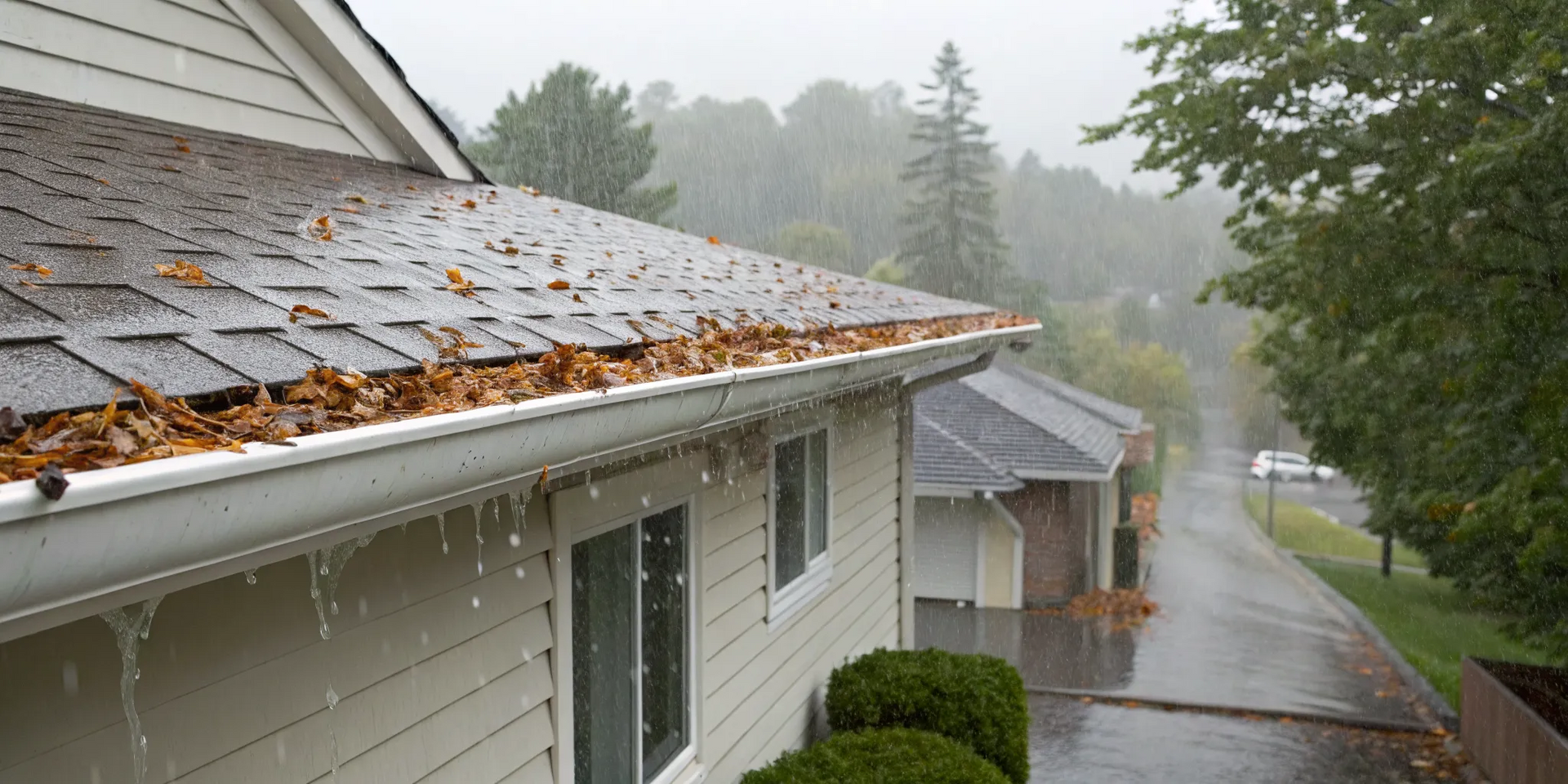
Climbing a ladder to scoop handfuls of wet, decaying leaves out of your gutters is one of the least glamorous parts of homeownership. It’s a messy, repetitive chore that many of us would gladly pay to avoid. Gutter guards promise to be the perfect solution, a one-time installation that frees you from this seasonal task forever. But they come with a significant upfront cost, which leaves many homeowners asking the same question: are gutter guards worth the cost? This guide will give you an honest look at the real-world performance, breaking down the pros, cons, and hidden maintenance so you can decide if this investment is the right move for your home and your budget.
Key Takeaways
- Think Less Maintenance, Not No Maintenance: Gutter guards are a powerful tool for reducing how often you clean your gutters, not eliminating the task completely. They effectively block large debris, but you will still need to clear their surfaces occasionally to ensure water flows properly.
- The Cost Is an Investment in Prevention: The true value of gutter guards comes from protecting your home against expensive water damage. By preventing clogs, they safeguard your foundation, siding, and roof, which can save you thousands in future repair bills.
- The Best Guard Depends on Your Home: There is no single best gutter guard for every house. The right choice is specific to your needs, so consider factors like the types of trees on your property and your roof's design to find a system that offers the best protection.
How Do Gutter Guards Actually Work?
At their core, gutter guards are pretty simple: they act as a filter for your gutter system. Think of them as a protective shield that sits over your open gutters, designed to block leaves, twigs, pine needles, and other debris from getting in and causing clogs. The main goal is to let rainwater flow freely through the gutters and down the downspouts, directing it safely away from your home’s foundation, walls, and landscaping. When your gutters are clear, they can do their job effectively, preventing the overflow that can lead to water damage, siding stains, and even basement flooding.
It’s a common misconception that installing gutter guards means you’ll never have to think about your gutters again. While they drastically cut down on the frequency and intensity of cleanings, they aren’t a completely hands-off solution. Over time, smaller particles like shingle grit, dirt, and pollen can accumulate on top of the guards or even pass through finer screens. This means you’ll still need to perform some occasional maintenance, like brushing off the surface, to keep everything working as it should. The big difference is you’ll be doing minor upkeep a couple of times a year instead of scooping out handfuls of heavy, waterlogged debris from a ladder every few months.
A Look at the Different Types
"Gutter guard" is a broad term that covers several different designs, each with a unique approach to filtering debris. Understanding these options is the first step in figuring out what might work for your home. The most common styles you’ll come across include mesh screens, which are metal or plastic sheets with holes that cover the gutter. A finer version of this is the micro-mesh guard, which uses a steel mesh to block even tiny particles.
Other popular designs are reverse-curve guards, which rely on surface tension to guide water in while debris slides off. You might also see brush guards, which look like giant pipe cleaners that sit inside your gutters, or foam inserts, which are porous blocks that fill the gutter channel. Each type has its own set of pros and cons depending on the kinds of trees you have and the amount of rainfall your area gets.
Breaking Down How Each Style Functions
Each type of gutter guard uses a different mechanism to separate water from debris. Mesh and micro-mesh guards work as a straightforward physical barrier. Water falls through the holes while leaves and twigs stay on top to be blown away by the wind. Micro-mesh is particularly effective at stopping smaller items like pine needles and shingle grit. Reverse-curve guards have a sloped or curved top that allows debris to slide right off the roof. Water clings to the curved surface and flows into a small opening, a principle known as surface tension.
Brush and foam guards function differently since they sit directly inside the gutter. They allow water to seep through their porous material while catching leaves on top. The idea is that the trapped debris will dry out and blow away, though it sometimes needs to be removed by hand. The effectiveness of each style can vary, so it’s important to consider your specific needs when making a choice.
What's the Real Cost of Gutter Guards?
When you’re thinking about adding gutter guards to your home, one of the first questions that comes to mind is, "How much is this going to cost?" The truth is, the price can vary quite a bit. The final number on your quote depends on whether you hire a professional or tackle the project yourself, the type of guards you choose, and the size of your home.
Understanding these costs upfront helps you make a smart decision for your budget and your property. Let's break down what you can expect to invest, from professional installation to a weekend DIY project, and explore the key factors that will shape your total expense. This way, you can weigh the price against the long-term benefits of cleaner, more effective gutters.
The Price of Professional Installation
Hiring a professional to install your gutter guards is the most hands-off approach, and the price reflects that convenience and expertise. For a typical home with about 200 feet of gutters, you can expect the cost for professional installation to range from around $4,334 to $5,168. This price generally includes the materials, labor, and often a warranty for the work and the product. While it’s a significant investment, you’re paying for the peace of mind that comes with knowing the job was done correctly by an experienced team, ensuring your gutter guards perform as they should from day one.
What to Expect with DIY Costs
If you're comfortable on a ladder and enjoy home improvement projects, a DIY installation can save you a lot on labor costs. The materials themselves are quite affordable. Basic foam or screen guards can cost as little as $1 to $3 per linear foot. For more advanced systems, like high-quality micro-mesh or reverse-curve designs, you might spend between $2 to $10 or more per foot. Keep in mind that you'll also need the right tools and a free weekend. While the initial savings are appealing, remember that an incorrect installation can lead to clogs or water damage, so it's a trade-off between cost and risk.
Key Factors That Influence the Final Price
Several key elements will determine the final cost of your gutter guard project. The type of guard you select is a major factor; simple screens are much less expensive than durable, high-performance micro-mesh systems. The size of your home also plays a big role, as more linear feet of gutters means more materials and, if you hire a pro, more labor. Finally, your local environment matters. If your home is surrounded by pine trees, you’ll need a guard designed to block fine needles, which might cost more than a standard leaf screen. Considering these factors will help you get a more accurate estimate.
The Pros: What Are the Benefits of Gutter Guards?
If you're weighing the decision to install gutter guards, understanding the benefits can make the choice much clearer. Beyond just keeping leaves out, these systems offer significant advantages that protect your home, save you time, and even prevent some unwelcome surprises. From safeguarding your foundation against water damage to making your property more appealing to future buyers, the right gutter protection is a smart, proactive investment in your home’s health and longevity. Let's break down the key benefits you can expect.
Spend Less Time Cleaning Gutters
Let’s be honest, nobody enjoys climbing a ladder to scoop handfuls of soggy, decaying leaves out of the gutters. This is easily one of the biggest draws of gutter guards. By blocking leaves, twigs, and other debris, they drastically cut down on how often you need to perform this dreaded chore. While they aren't completely "set it and forget it" (you'll still want to sweep off the tops occasionally), they can turn a seasonal headache into a quick annual check-up. This not only saves you time and effort but can also save you money on professional gutter cleaning services, which can add up year after year.
Protect Your Home from Water Damage
Clogged gutters are more than just an eyesore; they're a serious threat to your home. When water can't flow freely, it spills over the sides, running down your siding and pooling around your foundation. This can lead to a whole host of expensive problems, including a leaky roof, water in the basement, and even cracks in your foundation. Gutter guards are your first line of defense against this. By keeping the channels clear, they ensure rainwater is directed away from your home, just as it should be. This simple upgrade helps protect your home's structural integrity and prevents costly water damage repairs.
Keep Pests from Moving In
That mucky buildup of wet leaves and twigs in your gutters? It looks like a five-star resort to pests. Clogged gutters create the perfect damp, sheltered environment for mosquitoes to breed, wasps to build nests, and rodents to take up residence. Gutter guards make your home far less inviting by covering this potential habitat. By blocking debris from accumulating, you eliminate the standing water and decaying organic material that attracts these unwanted guests. It’s a simple, effective way to prevent pest infestations and keep your home healthier and more comfortable for your family, not for critters.
A Smart Upgrade for Your Home's Value
When it comes to home maintenance, proactive upgrades always pay off. Gutter guards are a smart investment that can improve your home's value and curb appeal. They prevent the unsightly dark streaks, or "tiger stripes," that form on gutters and fascia when dirty water overflows. For potential buyers, a home with gutter guards signals that the property has been well-cared for and is protected from common water-related issues. It’s one less maintenance task for them to worry about, which can be a compelling selling point. This thoughtful feature shows you’ve invested in protecting the home’s exterior and foundation, making it more attractive on the market.
The Cons: What Are the Downsides?
Gutter guards sound like a dream come true, and in many ways, they are. But before you decide they're the right fit for your home, it's smart to look at the other side of the coin. Like any home improvement project, they come with a few potential drawbacks that are worth considering. Being aware of the downsides helps you set realistic expectations and make a choice you’ll be happy with for years to come. From the initial cost to ongoing upkeep, let's walk through some of the challenges you might face with gutter guards so you can make a fully informed decision.
Why They Aren't Completely Maintenance-Free
One of the biggest myths about gutter guards is that they are a "set it and forget it" solution. While they drastically reduce how often you need to clean your gutters, they don't eliminate the task entirely. Debris like leaves, twigs, and pine needles can still pile up on top of the guards, especially if you have a lot of trees. If this layer gets thick enough, it can block water from entering the gutters, causing it to sheet over the side. You'll still need to clear off the tops of the guards periodically to keep them working effectively and ensure water flows freely into your gutters.
Understanding the Upfront Investment
There's no getting around it: gutter guards are an investment. The average cost for professional installation can range from a few thousand dollars to more, depending on the size of your home and the type of guard you choose. This upfront expense can be a significant factor for many homeowners. While you're saving time and potential future repair costs, it's important to budget for the initial installation. Getting a professional quote for your specific gutter system is the best way to understand what the investment will look like for your property and weigh it against the long-term benefits.
Dealing with Small Debris and Clogs
Gutter guards are great at blocking large leaves, but they aren't always perfect when it comes to smaller particles. Things like pine needles, shingle grit, and seeds can sometimes slip through the mesh or openings. Over time, this fine debris can mix with water to form a thick sludge at the bottom of your gutters. This can lead to clogs that are actually more difficult to clear because you have to remove a section of the guard to get to them. This is especially true for certain types of trees, so consider the foliage around your home when choosing a guard style.
Common Issues You Might Encounter
Beyond clogs, a few other issues can pop up. If organic debris gets trapped and stays damp on or under the guards, it can create an environment for moss and algae to grow, which could eventually spread to your roof. In colder climates, ice dams can also be a concern. While some guards are designed to help, others can sometimes make the problem worse by preventing snow and ice from melting and draining away properly. Heavy rainfall can also overwhelm some systems, causing water to overshoot the gutters entirely, which defeats their purpose of protecting your foundation.
How Do Popular Gutter Guard Brands Stack Up?
Once you start looking into gutter guards, you’ll quickly realize there are a lot of options out there. From nationally advertised brands to products available at your local hardware store, it can be tough to tell which ones are truly effective. Not all gutter guards are created equal, and the best choice for your home depends on your roof type, local climate, and the kind of trees you have nearby. Let’s break down how some of the most popular brands compare in the areas that matter most: design, durability, cost, and real-world performance.
Comparing Materials and Design
The effectiveness of a gutter guard comes down to its material and design. Most guards are made from aluminum, stainless steel, or durable plastic, but the real difference is in how they keep debris out. Micro-mesh screens, like those used by LeafFilter and Leaf Blaster Pro, are designed to block even the smallest particles like shingle grit and pine needles. Other systems use a reverse-curve design, which relies on surface tension to guide water into the gutter while leaves and larger debris slide off the edge. Each type of gutter guard has its strengths, so it’s important to match the design to the specific debris your home deals with most.
A Look at Warranties and Lifespan
A strong warranty is a good indicator of a company's confidence in its product. Some brands offer impressive lifetime warranties that promise your gutters will never clog again. For example, Leafguard provides a lifetime clog-free warranty on its one-piece system, which is a huge selling point for homeowners looking for a long-term, low-maintenance solution. When you’re comparing warranties, look beyond the word "lifetime." Check the fine print to see what’s actually covered. Does it include both materials and performance? Is the warranty transferable if you sell your home? A solid guarantee can make a higher upfront cost well worth it.
Balancing Cost with Performance
Gutter guard prices can vary significantly, so it’s smart to get a few quotes before making a decision. As you gather estimates, you’ll see that professionally installed systems from brands like Gutter Helmet or MasterShield often come with a higher price tag than the DIY options you can buy off the shelf. Remember that you’re paying for more than just the product; you’re also paying for durable materials, professional gutter installation, and a reliable warranty. While it’s tempting to go with the cheapest option, it’s more important to find a system that offers the best long-term value and performance for your budget.
What Other Homeowners Are Saying
Reading reviews from other homeowners can give you a realistic idea of how a gutter guard performs day-to-day. While marketing materials promise a perfect, maintenance-free world, customer feedback often tells a more complete story. For instance, homeowners with micro-mesh guards sometimes report that while the guards block everything, they can accumulate a layer of fine debris like shingle granules and organic matter on top that needs to be brushed off occasionally. Looking at reviews of top-selling guards helps you understand the actual level of upkeep required and sets the right expectations from the start.
Do Gutter Guards Live Up to the Hype?
Gutter guards promise a future with less ladder-climbing and no more scooping handfuls of soggy leaves. It’s an appealing idea, but does the reality match the marketing? The truth is, their performance depends heavily on the type of guard you choose, the kind of debris your trees produce, and the weather in your area. While they are designed to stop leaves and other junk from clogging up your gutters, they aren't a completely "set it and forget it" solution.
Think of them as a powerful tool that significantly reduces your gutter maintenance, rather than eliminating it entirely. They can be a fantastic investment for many homeowners, preventing clogs that lead to water damage and saving you from frequent, risky cleanings. But to decide if they’re right for you, it helps to look at how they actually perform when put to the test by Mother Nature. The effectiveness of a gutter guard system isn't just about stopping leaves; it's about how it manages water flow during a light spring shower versus a torrential summer storm, and how it holds up to the specific challenges of your property. Let's break down how they handle everything from pesky pine needles to heavy southern downpours.
How They Handle Leaves, Pine needles, and More
The main job of a gutter guard is to act as a filter, letting water in while keeping debris out. For large leaves, twigs, and acorns, most guards do a great job. The problem often comes from smaller debris. If your yard is full of pine trees, you know that their needles can get into the tiniest spaces. The same goes for shingle grit and small seeds. While many guards block the big stuff, some designs can still allow these smaller particles to slip through. Over time, this can create a layer of sludge at the bottom of your gutter that still needs to be cleaned out, though much less frequently. The effectiveness really comes down to the design; for instance, a micro-mesh screen will block more than a simple foam insert.
Performance Through Rain, Snow, and Ice
In a typical Georgia rainstorm, a properly installed gutter guard system works beautifully. By keeping the channel clear, it allows rainwater to flow freely through the gutters and downspouts, directing it safely away from your home’s foundation. During the winter, they can also help prevent ice dams. Ice dams form when snow melts, refreezes at the edge of the roof, and blocks water from draining, which can cause serious damage. Because guards keep gutters from filling with icy slush, they can reduce this risk. However, it's important to note that some guards can allow ice to form on their surface, which can sometimes make the problem worse if you don't have the right type for your home.
What Happens During Heavy Storms?
We get some serious rain here in the Atlanta area, and a heavy storm is the ultimate test for any gutter system. The biggest risk during a downpour is a sudden clog from a rush of wind-blown debris, causing water to overflow and cascade down your siding or pool around your foundation. This is where gutter guards truly shine. They prevent those sudden, overwhelming blockages, ensuring your gutters can handle the deluge of water as intended. High-quality, professionally installed guards are engineered to manage a high volume of water without being overwhelmed. While a fine mesh might get temporarily covered by wet leaves, the water typically sheets over the debris and into the gutter, keeping your home protected when it matters most.
DIY vs. Professional Installation: Which Is Right for You?
Once you’ve decided that gutter guards are a good fit for your home, the next big question is who will install them. You can save some money by tackling the project yourself, but hiring a professional often provides a smoother, more reliable result. Let's walk through the pros and cons of each approach so you can figure out what makes the most sense for you, your home, and your budget.
The Case for Hiring a Pro
Handing over your gutter guard installation to a professional team is about more than just convenience. Experts have the right tools and experience to ensure the guards are fitted perfectly to your specific gutter system, which is crucial for them to work correctly. A professional can get the job done quickly and efficiently, saving you a weekend of work. Plus, many professional gutter services come with warranties on both the materials and the labor. This gives you peace of mind knowing that if anything goes wrong, you’re covered. An experienced installer might also spot other potential issues with your roof or gutters that you could miss, preventing bigger problems down the road.
The Challenges of a DIY Project
The main appeal of a DIY installation is saving money on labor costs, and that’s a big motivator for many homeowners. However, it’s important to be realistic about what the job involves. You’ll need to set aside a good chunk of time, feel comfortable and safe working on a ladder, and have the right tools for the job. An improper installation can lead to water overflowing and damaging your fascia or foundation, which is the exact problem you're trying to avoid. It's also worth checking the warranty on the gutter guards you buy. Some manufacturers will void the warranty if the product isn’t installed by a certified professional, which could be a costly oversight.
Deciding if Pro Installation Is Worth the Cost
To figure out if professional installation is worth the investment, start by looking at what you currently spend on gutter cleaning. Many homeowners pay between $100 and $300 for a cleaning service at least twice a year. By installing gutter guards, you can cut that down to once a year or even less, which means the system can pay for itself over time. For homes with multiple stories or complex residential roofing systems, hiring a pro is often the safest and most effective choice. Ultimately, paying for a professional installation is an investment in quality, safety, and long-term performance for your home.
How to Choose the Best Gutter Guards for Your Home
Once you've decided to invest in gutter guards, the next step is figuring out which ones are right for your home. It's not a one-size-fits-all solution. The best choice depends on your local climate, the style of your roof, and even the type of gutters you already have. Thinking through these factors will help you find a system that truly protects your home and gives you peace of mind.
Matching the Material to Your Climate
Here in Georgia, we get our fair share of heavy rain and have plenty of pine trees. The type of debris your trees drop and your local weather patterns play a huge role in choosing the right gutter guard material. For instance, if your yard is full of pine trees, you know how easily those needles can slip through standard screens. In this case, a micro-mesh gutter guard is often the most effective choice. Its fine screen blocks even small debris while allowing rainwater to flow freely. Considering your specific environment ensures your gutters stay clear when you need them most.
Finding the Right Design for Your Roof
The shape and complexity of your roof are just as important as the weather. If you have a multi-story house or a roof with steep angles and multiple valleys, you know that cleaning the gutters is a difficult and risky job. This is where gutter guards become a major safety feature, reducing how often you need to climb a ladder. The right design should complement your home's architecture while providing maximum protection. A professional can help you select a system that works seamlessly with your roofline, ensuring every corner is covered. Our team at Total Roof Solutions specializes in finding the perfect gutter solutions for any style of home.
Checking for Gutter Compatibility
Finally, you need to make sure the guards you choose are compatible with your existing gutters. A gutter guard is only effective if it fits securely and covers the gutter channel completely, creating a barrier that keeps leaves and twigs out. If there are gaps or the guard doesn't sit properly, debris can still get in, leading to the very clogs you're trying to prevent. Before you commit, it’s a good idea to confirm the compatibility of the guard system with your gutters. A professional installation guarantees a perfect fit, so you can be confident your investment is working as it should.
The Final Verdict: Are Gutter Guards Worth It?
So, after weighing the pros and cons, what’s the final call on gutter guards? The honest answer is: it depends. For some homeowners, they are an absolute game-changer, saving time, money, and stress. For others, the upfront cost might not make sense for their specific situation. The right choice comes down to your home’s location, your budget, and how much you value the convenience and protection they offer.
To help you make a confident decision, let’s break down the return on investment and long-term value. Think about how many trees are on your property and how often you find yourself cleaning out your gutters or paying someone else to do it. This will give you a clear picture of whether gutter guards are a smart investment for your home.
When Do Gutter Guards Pay for Themselves?
Let's talk numbers. The upfront cost of gutter guards can feel significant, but it’s helpful to think of it as a long-term investment. For many homes, especially those surrounded by trees, gutter guards can pay for themselves in as little as five years. Think about what you currently spend on professional gutter cleaning. If you’re paying a few hundred dollars for cleanings twice a year, those costs add up quickly. By reducing the need for frequent cleanings, gutter guards help you keep that money in your pocket. The real savings, however, come from preventing a single, costly water damage incident that could set you back thousands.
What Determines Their Long-Term Value?
The true value of gutter guards goes beyond just skipping a few cleanings. Their main job is to prevent clogged gutters, which are a primary cause of expensive home repairs. When water can’t flow freely, it can spill over and damage your siding, seep into your foundation, or cause basement leaks. Gutter guards are your first line of defense against this kind of water damage. While they aren't completely maintenance-free (you'll still need to clear debris from the surface occasionally), they drastically reduce the risk of clogs. This long-term protection for your home’s structure is where their value truly shines, offering peace of mind every time it rains.
Exploring Other Gutter Protection Options
Gutter guards aren't the only solution for keeping your gutters clear. If you're on the fence, you have other options to consider. Some homeowners opt for a DIY approach, purchasing micromesh guards online and installing them themselves to save on labor costs. While this can be effective, it requires being comfortable and safe on a ladder. Another straightforward alternative is to simply stick with regular professional cleanings. For homes with few surrounding trees, scheduling a cleaning once or twice a year may be all you need. If you decide this is the best route, our team offers expert gutter services to keep your system flowing perfectly.
Related Articles
- Essential Gutter Installation Cost Factors: An In-Depth Analysis
- Essential Gutter Inspection Checklist for Homeowners
- Average Cost of New Gutters: A Comprehensive Pricing Guide for 2025
- Essential Seasonal Gutter Maintenance Tips for Every Homeowner
- Understanding Local Gutter Installation Costs: A Comparative Guide
Frequently Asked Questions
Do I really never have to clean my gutters again with gutter guards? That’s the million-dollar question, isn’t it? While gutter guards are fantastic, they aren’t a completely hands-off solution. Think of them as turning a major, messy chore into a simple bit of upkeep. You’ll still want to brush leaves and twigs off the surface once or twice a year to keep everything flowing smoothly. The big win is that you’re no longer climbing a ladder to scoop out handfuls of heavy, waterlogged gunk from inside the gutters.
Which type of gutter guard is best for dealing with pine needles? Pine needles are notoriously difficult because they can slip through the smallest gaps. If your property is surrounded by pine trees, your best bet is almost always a micro-mesh guard. The screen on these systems is woven extremely fine, creating a barrier that is tight enough to block those pesky needles while still letting rainwater pass through easily.
Can gutter guards handle the heavy downpours we get in Georgia? Yes, a well-designed and properly installed system is built to handle significant rainfall. During a heavy storm, their main job is to prevent a sudden rush of wind-blown debris from creating an instant clog. This ensures the massive volume of water can flow freely through the gutters and away from your home’s foundation, protecting your property when it’s most vulnerable.
Are gutter guards worth the investment if I don't have many trees? It’s a fair question. Even without a lot of trees dropping leaves directly onto your roof, your gutters still collect shingle grit, dirt, and wind-blown debris from the neighborhood. Gutter guards provide a reliable barrier against this buildup and also prevent birds and pests from building nests. Their primary value is in preventing clogs that lead to water damage, a risk every home faces.
What happens if a clog forms under the gutter guard? This can happen over several years, especially if fine particles like shingle grit and dirt manage to wash into the gutter and form a sludge. Clearing this type of clog can be more involved than a standard cleaning because a section of the guard often needs to be removed to get access. This is a key reason why choosing a high-quality product and ensuring a professional installation are so important from the very beginning.