Asphalt vs Architectural Shingles: A Homeowner's Guide
Stephen Griswell • March 17, 2026
Living in Georgia, we know our roofs have to work hard. Between the intense summer sun and the powerful thunderstorms that can roll in with little warning, choosing a durable material is non-negotiable. When you’re weighing asphalt shingles vs architectural shingles, you’re really deciding on the level of protection you want for your home. Standard 3-tab shingles offer solid, reliable coverage, but architectural shingles are specifically engineered to be heavier, stronger, and more resistant to high winds. That extra resilience can mean the difference between a minor repair and a major headache after a storm. Let’s look at how each option holds up to our local climate.
Key Takeaways
- Choose your style based on dimension: Architectural shingles provide a textured, high-end look with their multi-layered design, while 3-tab shingles offer a classic, flat appearance for a more traditional home.
- Balance your budget with long-term value: While 3-tab shingles have a lower upfront cost, architectural shingles often prove more cost-effective over time due to their extended lifespan and fewer repair needs.
- Prioritize performance for local weather: Architectural shingles are built to withstand Georgia's high winds and storms far better than 3-tab shingles, making them a more durable and secure choice for your home.
Asphalt vs. Architectural Shingles: What's the Difference?
When you start looking into a new roof, you’ll quickly find that “asphalt shingle” is a broad category. The two main players you’ll be choosing between are traditional 3-tab shingles and the more modern architectural shingles. While both are made from asphalt, they differ significantly in their construction, appearance, performance, and price. Understanding these differences is the first step to picking the right protection and style for your home.
Think of it like this: both options will get the job done, but one is built for basic, reliable performance while the other is designed for enhanced durability and curb appeal. The choice isn't just about how your roof looks; it's about how long it will last, how well it stands up to Georgia's weather, and what kind of value it adds to your property over time. Making an informed decision now can save you from headaches and unexpected costs down the road. We'll walk you through the key characteristics of each, from their visual texture to their wind resistance, helping you see why one might be a better fit for your home and budget than the other. Let’s break down what sets these two popular shingle types apart so you can feel confident in your investment.
The Classic: 3-Tab Asphalt Shingles
For decades, 3-tab shingles have been the go-to choice for affordable residential roofing. You can spot them easily by their flat, uniform look. Each shingle is a single layer cut to look like three separate tabs, creating a simple, repeating pattern across the roof. They are lightweight and generally the most budget-friendly option upfront.
While their lower cost is a major plus, it comes with a trade-off in longevity. A 3-tab roof typically lasts between 15 and 20 years and has a lower wind resistance rating, usually around 60 mph. They are a solid, practical choice for homeowners on a tight budget or for rental properties where basic function is the main priority.
The Upgrade: Architectural Shingles
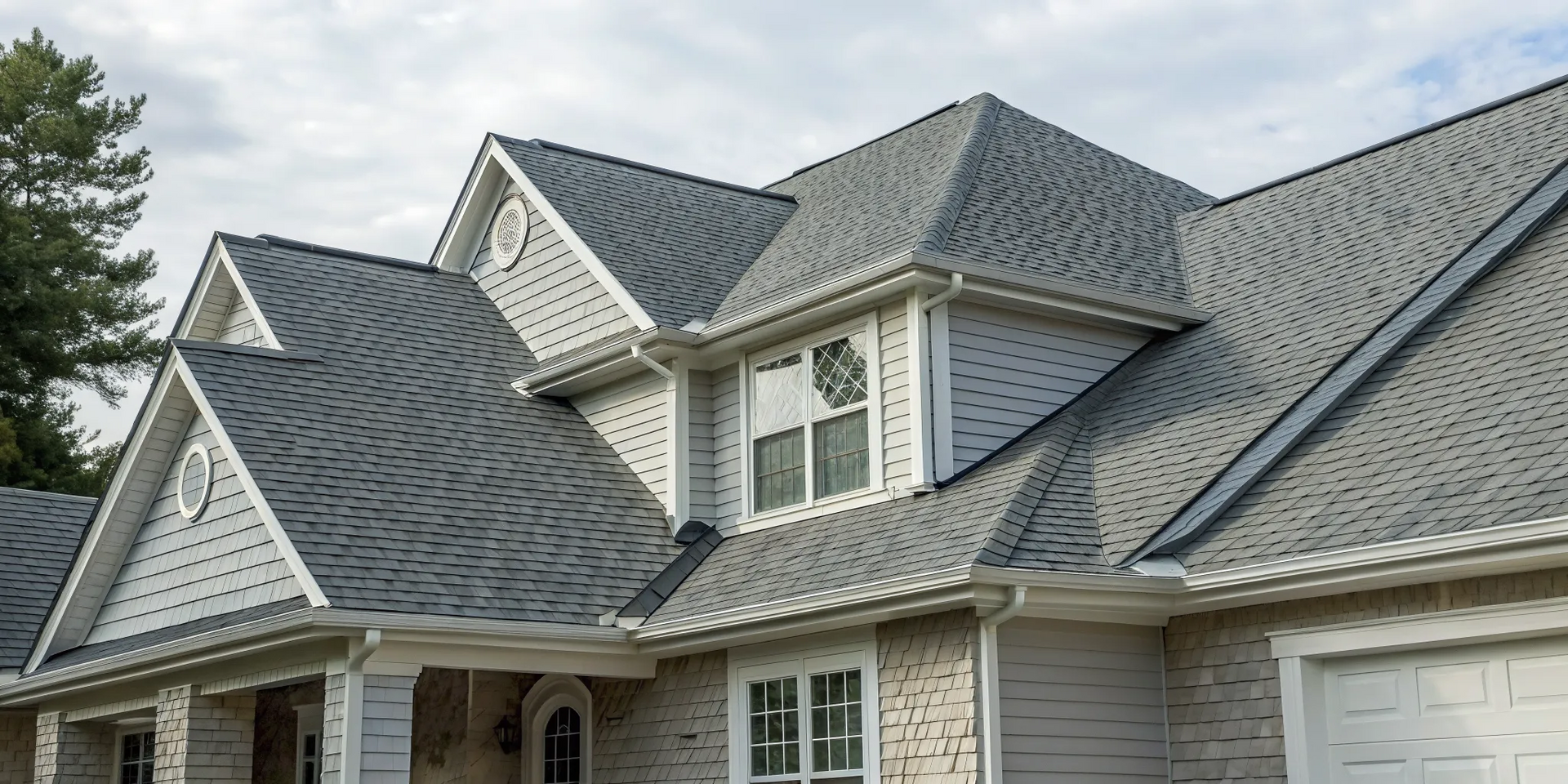
Architectural shingles, also known as dimensional shingles, represent a significant step up in both quality and style. Instead of a single flat layer, they are made with two or more layers of asphalt laminated together. This construction creates a thicker, more durable shingle with a varied, dimensional appearance that can mimic the look of natural materials like slate or wood shakes. This added texture instantly enhances your home’s curb appeal.
Beyond looks, architectural shingles offer superior performance. They typically last 25 to 50 years and can withstand winds of 110 to 130 mph, making them a much better choice for Georgia’s stormy weather. As an Owens Corning Platinum Preferred contractor, we often recommend these for their long-term value and resilience.
How Do Asphalt and Architectural Shingles Compare?
When you start looking at roofing materials, you’ll quickly see that not all shingles are created equal. While both 3-tab and architectural shingles are made from asphalt, their construction, appearance, and performance are worlds apart. Think of it like choosing between standard and premium options for any major home feature; both are functional, but one offers superior performance and a more refined look. Understanding these key differences will help you decide which option is the right fit for your home’s protection and your personal style. Let's break down how they stack up against each other in the areas that matter most.
How They're Made
The biggest difference between these two shingle types starts with their basic construction. A traditional 3-tab asphalt shingle is made from a single, flat layer of asphalt. It’s lightweight and uniform, which gives it that classic, simple look you see on many homes. Architectural shingles, on the other hand, are a bit more complex. They consist of two or more layers of asphalt that are laminated together. This multi-layer design creates a thicker, more substantial shingle that has a varied, dimensional appearance. This construction isn't just for looks; the added thickness and weight play a huge role in the shingle's overall strength and longevity.
Curb Appeal and Style Choices
Your roof makes up a huge part of your home's exterior, so how it looks is a big deal. This is where architectural shingles really shine. Because of their laminated construction, they create depth and texture that can mimic the look of more expensive materials like natural slate or cedar shakes. They come in a wide variety of colors and patterns, giving your home a more custom, high-end appearance that can seriously improve its curb appeal. In contrast, 3-tab shingles offer a flat, uniform look. While they are a perfectly functional choice for any residential roofing project, their color palette is more limited, and they don't provide the same visual interest or design flexibility.
Weight and Durability
The way these shingles are built directly impacts how tough they are. Architectural shingles are significantly heavier than 3-tab shingles, often by as much as 50%. This extra weight comes from their thicker base, stronger adhesive, and higher-quality asphalt. All of this adds up to a much more durable shingle that is better equipped to handle wear and tear over the years. This enhanced durability means architectural shingles are more resistant to common issues like curling and cracking. They also boast a longer lifespan, typically lasting 25 to 30 years, with some premium options lasting even longer. A 3-tab shingle roof generally has a lifespan of about 15 to 20 years, making durability a key factor for both homeowners and business owners considering a commercial roofing project.
Let's Talk Budget: Comparing Shingle Costs
Okay, let's get straight to one of the biggest questions on every homeowner's mind: how much is this going to cost? Your roof is a major investment, and the price tag is a huge part of the decision. When you're comparing 3-tab and architectural shingles, you're really looking at a classic case of upfront cost versus long-term value. One option is easier on your wallet right now, while the other is designed to save you money and headaches down the road. It's a common dilemma, and there's no single right answer for everyone.
Understanding the full financial picture is key. It’s not just about the initial quote; it’s about how long that roof will protect your home, how well it holds up to Georgia’s weather, and how it impacts your home's resale value. We believe in giving you all the information so you can feel confident in your choice. We also know that a new roof is a significant expense, which is why we offer flexible financing options to help make the best decision for your home more accessible. Let's break down the numbers so you can see exactly what you’re investing in, from the day of installation to decades from now.
The Initial Investment
When you first look at the price tags, 3-tab shingles are the more budget-friendly option. Typically, architectural shingles have a higher upfront cost, often running about 40% to 50% more than their 3-tab counterparts. To put it in perspective, you might see 3-tab shingles priced around $25 to $30 per bundle, while architectural shingles can range from $35 to $45 per bundle. For a full residential roofing project, that difference can certainly add up. If your primary focus is keeping initial costs as low as possible, 3-tab shingles present a compelling case and are a solid, reliable choice for many homeowners.
Long-Term Value and ROI
This is where the script flips. While architectural shingles require a larger initial investment, they deliver significant long-term value. These shingles are built to last much longer, typically 25 to 30 years, with some premium options lasting up to 50 years. This incredible durability means you won't have to think about replacing your roof again for a very long time, saving you thousands in the long run. They are also far more resistant to curling, cracking, and storm damage, which means fewer repair bills. A stronger, longer-lasting roof not only protects your home better but also adds to its resale value, making it a smart return on investment.
Which Shingle Lasts Longer?
This is a big question, and probably one of the most important ones you'll ask when choosing a new roof. The lifespan of your shingles directly impacts your long-term budget and peace of mind. A roof isn't something you want to replace every decade, so understanding how long each option holds up is key to making a smart investment. It’s about finding the right balance between your immediate budget and the value you’ll get over the next 20, 30, or even 50 years.
The numbers you see on the packaging are a great starting point, but a shingle’s true lifespan depends on a few key factors. Quality installation is non-negotiable, as even the best materials will fail if not installed correctly. Regular maintenance also plays a role. And, of course, there’s our local Georgia climate. The intense summer sun, high humidity, and seasonal storms put a lot of stress on a roof. Both asphalt and architectural shingles offer reliable protection, but one definitely has the edge when it comes to longevity. Let's break down what you can realistically expect from each type right here in the Atlanta area.
Lifespan of Asphalt Shingles
Standard 3-tab asphalt shingles are the classic, budget-friendly choice for many homeowners. On average, you can expect them to last about 15 to 20 years. However, their lifespan can be shorter in areas with harsh weather. Here in Georgia, that means the constant exposure to UV rays can cause the shingles to become brittle over time, and strong thunderstorms can test their limits. Because of this, a 3-tab shingle roof might land on the lower end of that range, closer to 12 to 15 years. While they provide solid protection for a while, they are more susceptible to wind damage and wear. They are a dependable option for residential roofing if initial cost is your primary concern.
Longevity of Architectural Shingles
If you’re looking for a roof that’s built to last, architectural shingles are the clear winner. These shingles are designed for durability, typically lasting 25 to 30 years, with some premium options lasting up to 50 years. Their secret is in their construction; they are made with multiple, laminated layers of material. This makes them thicker, heavier, and much better at resisting wind uplift, often rated for winds of 110 mph or more. As an Owens Corning Platinum Preferred contractor, we see firsthand how well these premium shingles perform. For homeowners in the Atlanta area, this added resilience provides incredible peace of mind during storm season. The longer lifespan means you won't have to think about a roof replacement again for a very long time.
How Do They Handle Georgia Weather?
Living in Georgia means preparing for a bit of everything, from intense summer sun to powerful thunderstorms that seem to pop up out of nowhere. Your roof is your home's first line of defense against these elements, so choosing a material that can stand up to our specific climate is essential. Both 3-tab and architectural shingles are designed to handle the weather, but their construction leads to different levels of performance, especially when the wind and rain start picking up.
Standing Up to Storms and Wind
When a severe storm rolls through, the last thing you want to worry about is your roof. This is where the difference between the two shingle types becomes most apparent. Because architectural shingles are made with two fused layers, they are thicker, heavier, and far more resistant to high winds. Most architectural shingles are rated to withstand winds of up to 130 miles per hour. In contrast, traditional 3-tab shingles typically have a wind resistance of only 60 to 70 miles per hour. For homeowners in Georgia, that extra resilience provides significant peace of mind and is a key reason many opt for this upgrade in their residential roofing projects.
Performance in Heat, Sun, and Rain
Storms are only part of the equation; a roof also has to endure the relentless summer heat and sun. The multi-layered construction of architectural shingles gives them an edge here, too. This added thickness helps them resist the cracking and curling that can happen after years of sun exposure. While both shingle types are effective at shedding rainwater, architectural shingles' durability often translates to a longer, healthier lifespan. Regardless of your choice, regular inspections are crucial for any roof, especially on commercial roofing systems. Catching small issues caused by heat or humidity early on is the best way to prevent them from turning into bigger, more expensive problems down the road.
What's Required for Upkeep?
No matter which shingle you choose, a little proactive care is the secret to getting the most out of your investment. Both 3-tab and architectural shingles are designed to be low-maintenance, but that doesn't mean "no-maintenance." A consistent upkeep routine protects your roof from premature aging, keeps it looking great, and helps you spot small issues before they turn into costly headaches. Think of it as simple preventative care for one of your home's most important assets. By staying on top of inspections and minor repairs, you ensure your roof can do its job effectively for years to come.
Routine Inspections and Cleaning
The best way to prolong your roof's life is to keep a close eye on it. We recommend having a professional conduct a thorough inspection twice a year, ideally in the spring and fall, and after any major storm passes through our area. A trained eye can spot subtle signs of wear and tear that are easy to miss from the ground. Regular cleaning is also key. You’ll want to remove any leaves, pine needles, branches, or other debris that can pile up on your roof and in your gutters. This buildup traps moisture against the shingles, which can lead to discoloration, algae growth, and even rot over time. A clean roof is a healthy roof.
Handling Repairs
If you spot a missing, cracked, or curling shingle, it’s important to act quickly. Even a single damaged shingle can compromise your roof's ability to shed water, creating an entry point for leaks. While it might be tempting to climb up there yourself, shingle repairs are best left to a trained contract roofer. A professional will not only fix the immediate problem but will also ensure the repair integrates seamlessly with the rest of your roofing system. They have the right tools, materials like roofing cement, and safety equipment to replace damaged shingles correctly, maintaining the integrity of your roof and keeping your warranty intact. Prompt repairs are always more affordable than dealing with extensive water damage later.
Weighing the Pros and Cons
Deciding on the right shingle for your home comes down to balancing your budget, style preferences, and long-term goals. Both 3-tab asphalt and architectural shingles are excellent choices, but they serve different needs. Let's break down the key advantages of each and clear up some common misconceptions to help you feel confident in your decision. Think of it as creating a simple checklist of what matters most to you for your home's roof.
The Case for Asphalt Shingles
If your top priority is finding an affordable and reliable roofing solution, 3-tab asphalt shingles are hard to beat. They are the go-to for homeowners who need a quality roof without a premium price tag. Their flat, uniform appearance provides a classic, clean look that complements many traditional home styles. While they are the more budget-conscious option, modern asphalt shingles still offer solid protection and come in a variety of colors to match your home’s exterior. For many homeowners, they represent a practical and effective residential roofing solution that protects their investment and looks great.
The Case for Architectural Shingles
For those looking to invest in superior durability and standout curb appeal, architectural shingles are the clear winner. Their laminated, multi-dimensional design not only creates a beautiful, textured look but also makes them stronger and heavier, offering better resistance to wind and weather damage. While they come with a higher initial cost, their extended lifespan and robust performance often translate to a better long-term value. More and more homeowners are choosing architectural shingles because they see it as a smart investment that enhances both the safety and the beauty of their property.
Common Myths About Shingles
Let's clear the air on a few things you might have heard. One common myth is that asphalt shingles are a hassle that requires constant repairs. The truth is, a roof with quality shingles and proper installation will stand strong for years with minimal upkeep. Another misconception is that seeing granules in your gutters is always a bad sign. While excessive granule loss can signal an aging roof, a small amount of shedding is perfectly normal, especially right after a new roof is installed. Don't let these myths steer you away from what could be the perfect choice for your home.
How to Choose the Right Shingle for Your Home
Picking the right shingle feels like a big decision, but it doesn't have to be overwhelming. When you break it down into a few key areas, the best choice for your home becomes much clearer. It really comes down to balancing your budget, your home’s style, and the protection you need from our Georgia weather. Let’s walk through these factors to help you find the perfect fit.
Consider Your Budget and Financing
For most of us, the budget is the first place to start. Three-tab asphalt shingles are the more economical option upfront, costing around $25 to $30 per bundle. They are a solid, reliable choice if you're working with a tighter budget. Architectural shingles have a higher initial price, usually between $35 and $45 per bundle. While that’s about 40% to 50% more at first, they often provide better long-term value because they last so much longer. A new roof is a major home investment, which is why we offer flexible financing options to make the project more manageable.
Match Your Home's Style
Your roof plays a massive role in your home's curb appeal. Three-tab shingles offer a flat, uniform look that works well for many traditional homes. It’s a classic appearance that gets the job done. If you want to add more character and dimension, architectural shingles are a fantastic choice. They are thicker and layered, creating a textured look that can mimic high-end materials like natural slate or wood shakes. This added dimension can dramatically improve your home's overall look and even increase its resale value. Think about the statement you want your home to make from the street.
Factor in Our Local Climate and Warranties
Here in Georgia, our roofs have to stand up to a lot, from intense sun to strong thunderstorms. This is where architectural shingles really shine. They are rated to withstand winds between 80 and 130 mph, while three-tab shingles are rated for winds of 60 to 70 mph. That extra protection provides peace of mind during storm season. Warranties also tell a big part of the story. Architectural shingles usually come with longer warranties, often for 20 to 30 years or more. As an Owens Corning Platinum Preferred contractor, we provide strong warranties that ensure your investment is protected for decades.
Related Articles
- Different types of roof shingles | Total Roof Solutions
- Which Type of Asphalt Shingles Should I Use? | Total Roof Atlanta
- Breaking Down the Average Cost of a New Roof in Atlanta: What Homeowners Need to Know
- Key Insights Into Residential Roofing Warranties in Atlanta
- Budget Breakdown: Roofing Material Cost Considerations
Frequently Asked Questions
Are architectural shingles really worth the extra cost? That's the big question, isn't it? While architectural shingles do have a higher upfront price, they often provide better long-term value. Think of it as an investment. You're paying more now for a roof that will likely last decades longer, require fewer repairs, and stand up much better to storm winds. Over the life of the roof, that durability can save you a significant amount of money and give you valuable peace of mind.
How much more durable are architectural shingles in a storm? The difference is significant, especially here in Georgia. A standard 3-tab shingle is typically rated to handle winds around 60 to 70 mph. Architectural shingles, because of their heavier, multi-layer construction, are usually rated for winds up to 130 mph. That added strength means they are far less likely to be lifted or damaged during the severe thunderstorms we often experience.
Will upgrading to architectural shingles increase my home's value? Yes, it absolutely can. The enhanced curb appeal from the dimensional, high-end look of architectural shingles makes a great first impression. Beyond aesthetics, a newer, more durable roof is a major selling point for potential buyers. They see a long-lasting, resilient roof as one less major expense they'll have to worry about, which can make your home more attractive on the market.
Can I just put a new layer of shingles over my old ones? While this is sometimes possible, it's generally not recommended. Placing a new layer of shingles over an old one adds a lot of extra weight to your roof's structure. It can also trap heat and moisture, potentially shortening the lifespan of your new shingles. Most importantly, it prevents a roofer from inspecting the underlying roof deck for rot or damage, which is a critical step in a proper roof replacement.
Besides the lower price, is there any reason to choose 3-tab shingles? The primary advantage of 3-tab shingles is their affordability, which makes them a great choice for homeowners on a strict budget or for use on rental properties. They provide reliable, basic protection and have a classic, uniform look that suits many home styles. If your main goal is to get a solid new roof for the lowest initial cost, 3-tab shingles are a perfectly dependable option.