Your Hail Damage Roof Repair Insurance Claim Made Easy
Stephen Griswell • May 12, 2026
After a hailstorm, it’s easy to assume that if you don’t see large holes or missing shingles, your roof is fine. This is a common and costly mistake. Hail damage is often subtle, creating small, circular bruises that knock off the protective granules and fracture the shingle matting underneath. These hidden weak points expose your roof to UV degradation and water intrusion, which can take months or even years to show up as a leak in your ceiling. This guide explains how to spot these deceptive signs and provides a clear roadmap for filing a successful hail damage roof repair insurance claim before minor issues become major headaches.
Key Takeaways
- Build Your Case with Evidence: After a storm, your first job is to document everything. Take detailed photos and videos of all potential damage, and get a professional inspection to uncover hidden issues like shingle bruising. This proof is essential for a successful insurance claim.
- Know the Insurance Playbook: Your insurance policy has rules you need to follow. Understand your coverage and deductible, file your claim quickly, and never accept the first settlement offer without comparing it to a professional estimate from a trusted contractor.
- Hire an Expert Ally: You do not have to manage a hail claim alone. A reputable roofing contractor acts as your partner, providing an accurate damage assessment and advocating for you with the insurance adjuster to ensure your settlement is fair and complete.
How Hail Damages Your Roof
When a hailstorm rolls through, the sound of ice hitting your roof can be unsettling. While you might be tempted to breathe a sigh of relief if you don't see any immediate leaks, hail damage is often subtle and can create serious problems down the road. The impact from hail, no matter the size, can weaken your roof in several ways, compromising its ability to protect your home. Understanding the specific types of damage can help you know what to look for after a storm and why a professional inspection is so important for your home's long-term health.
Granule Loss
The most common type of hail damage is granule loss. Those tiny, sand-like particles on your asphalt shingles are more than just decoration; they are your roof's first line of defense against the sun's harsh UV rays. When hail hits, it acts like a hammer, knocking these protective granules loose. You might see them collecting in your gutters or at the bottom of your downspouts. Without this granular coating, the underlying asphalt is exposed, causing the shingle to become brittle and age much faster. This premature aging significantly shortens your roof's lifespan and makes it vulnerable to future leaks and weather events.
Cracked or Bruised Shingles
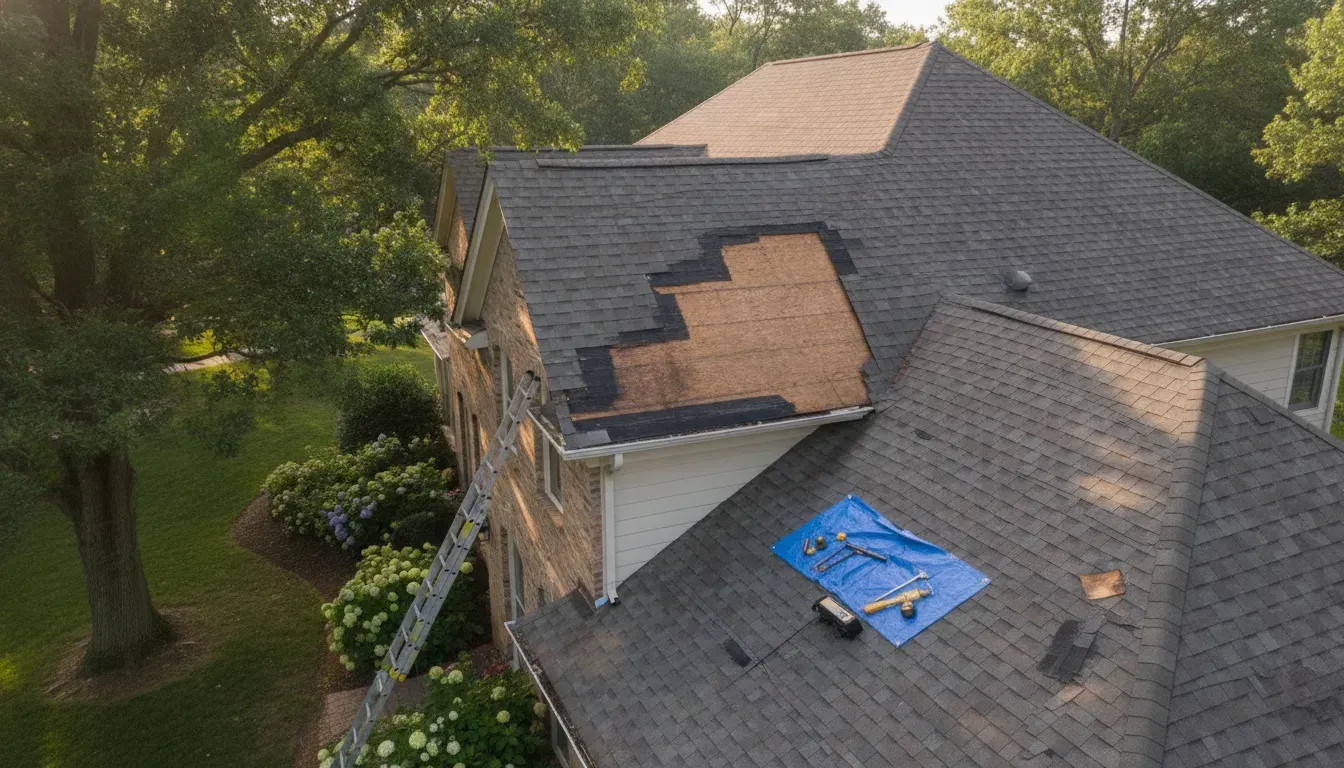
Larger hailstones can do more than just strip away granules; they can crack or bruise the shingles themselves. A crack is easy to spot, but a "bruise" is more deceptive. It looks like a dark, soft spot on the shingle where the impact has fractured the underlying fiberglass mat without breaking the surface. You can often feel it as a slight indentation. This hidden damage is a weak point that allows water to seep in over time, leading to slow leaks that can cause rot and mold in your attic and ceiling. The structure of the hailstone itself, with its dense layers of ice, delivers a powerful blow that compromises the shingle's integrity.
Dented Flashing and Gutters
Your roof isn't just shingles. Hail can also wreak havoc on the metal components of your roofing system. Check your roof vents, flashing (the metal strips around chimneys and valleys), and especially your gutters for dents and dings. While a few cosmetic dents might not seem like a big deal, significant damage to flashing can break the watertight seal it creates, providing a direct path for water to enter your home. Dented gutters can't channel water effectively, causing it to overflow and pool around your foundation. Since strong winds often accompany hailstorms, hail can fall sideways, causing even more damage to these vertical surfaces.
Hidden Structural Damage
In the most severe cases, hail can cause damage that goes far beyond the surface. Extremely large hailstones or a prolonged storm that drops a high volume of hail in one area can have enough force to crack the underlying roof decking. This is the wooden foundation of your roof that the shingles are attached to. A fractured deck is a serious structural problem that compromises the stability of your entire residential roofing system and can lead to major, immediate leaks. This type of damage is almost impossible to see from the ground and is a key reason why having a professional safely inspect your roof after a significant storm is non-negotiable.
How to Spot Hail Damage on Your Roof
After a hailstorm passes, it’s natural to worry about your roof. Spotting damage early can save you from more extensive and costly problems down the line, like leaks and structural issues. While some signs of hail are obvious, others are subtle and require a trained eye. You can start with a simple inspection from the ground to get a general idea of the situation. From there, you can decide if it’s time to call in a professional for a closer look. Here’s a straightforward guide to help you identify potential hail damage.
Check for Damage from the Ground
Your first step should always be a safe inspection from the ground. Walk around your property and look for any immediate signs of trouble. You might notice dents on your metal gutters, downspouts, or roof vents. Check the ground for fallen shingles or an accumulation of black, sand-like asphalt granules in your gutter runoff areas. The Insurance Information Institute explains that hail can damage more than just your roof, so also look for dings on siding, window screens, or air conditioning units. These clues can indicate the storm was severe enough to harm your shingles, even if you can't see the impacts directly from where you're standing.
Look for These Signs Up Close
If you can safely get a closer view, or when a professional arrives, there are more specific signs to look for. On asphalt shingles, hail hits can create dark, circular bruises where granules have been knocked away, exposing the matting underneath. These spots might feel soft to the touch, like a bruise on a piece of fruit. The National Roofing Contractors Association points out that you should also look for cracked or broken shingles and dents in any metal roofing components. If you find any of these issues, take clear photos from different angles. Documenting the damage is a critical first step for a successful insurance claim.
Know When to Call a Professional
Hail damage isn't always obvious, and it’s easy to miss subtle signs that could lead to big problems later. If you suspect damage or just want peace of mind after a storm, your best bet is to call a professional. A qualified roofing contractor has the training and experience to perform a thorough inspection without risking your safety. At Total Roof Solutions, our team is skilled at identifying all forms of hail damage, from the clearest impacts to the most hidden bruises. We provide detailed assessments for both residential roofing and commercial properties, giving you the accurate information you need to move forward with your insurance claim and repairs.
Does Homeowners Insurance Cover Hail Damage?
After a hailstorm, one of the first questions that pops into your head is probably, "Am I covered for this?" It’s a valid concern, and the answer can feel complicated. The good news is that, in most cases, your homeowners insurance policy is designed to protect you from this exact kind of event. However, the specifics of your coverage can vary quite a bit. Understanding your policy is the first and most important step in getting your home back to normal without unexpected financial stress. Let's walk through what you need to know about how insurance handles hail damage.
Understanding Your Coverage
For most homeowners, hail damage falls under the dwelling protection portion of your policy. This means that damage to the structure of your home, including the roof, siding, and gutters, is typically covered. According to the Insurance Information Institute, standard homeowners policies cover damage from hail. The key is that the damage must be from a specific event, not a result of your roof simply getting old or not being properly maintained. So, if a sudden Georgia hailstorm leaves its mark, your policy is there to help you handle the repairs.
Actual Cash Value vs. Replacement Cost
When you file a claim, you’ll encounter two important terms: Actual Cash Value (ACV) and Replacement Cost (RC). Knowing the difference is crucial because it directly impacts your payout. An ACV policy pays for the value of your roof at the time of the damage, which includes depreciation for its age and wear. A Replacement Cost policy, on the other hand, pays the full amount to replace your roof with new materials of a similar quality. The National Association of Insurance Commissioners clarifies that with Replacement Cost coverage, your insurer will pay to make you whole again with a brand-new roof. Always check your policy to see which type of coverage you have.
Watch Out for These Exclusions
While hail damage is usually covered, policies can have specific exclusions. For example, if your roof was already in poor condition, your insurer might argue the hail damage was worsened by neglect and deny part or all of your claim. Some policies may also have cosmetic exclusions, meaning they won’t pay for dents and dings that don’t affect the roof's function. In certain hail-prone regions, insurers might even require a separate, higher deductible specifically for hail or wind damage. The best way to avoid surprises is to read your policy documents carefully before you ever need to file a claim.
Factors That Affect Your Payout
Several things can influence the final amount you receive from your insurance company. Your deductible, which is the amount you pay out of pocket before your coverage kicks in, is a major factor. A higher deductible usually means a lower premium, but you'll have to cover more of the repair cost yourself. The age and condition of your roof also play a significant role, especially if you have an ACV policy. An older, worn roof will have depreciated more, resulting in a lower payout. This is why investing in a durable, high-quality residential roof from the start can make a big difference down the line.
Filing Your Hail Damage Claim: A Step-by-Step Guide
Discovering hail damage on your roof can feel overwhelming, but the insurance claim process doesn't have to be. Think of it as a series of manageable steps. By staying organized and knowing what to expect, you can make sure you get a fair settlement that covers all necessary repairs. This guide breaks down the entire process, from the initial damage assessment to hiring a contractor, so you can feel confident and in control. Following these steps will help you work effectively with your insurance company and restore your home to its pre-storm condition.
Step 1: Document the Damage
Your first move after a storm is to safely assess and document everything. Hail is a surprisingly destructive force that can harm roofs, siding, and more, so thorough documentation is key. From the safety of the ground, take photos and videos of any visible damage to your roof, gutters, siding, and windows. If you can safely get a closer look, photograph any dented flashing, cracked shingles, or areas with significant granule loss. Note the date and time of the storm and your inspection. This collection of evidence will be the foundation of your insurance claim, providing clear proof of the storm's impact on your property.
Step 2: Review Your Policy
Before you even pick up the phone, pull out your homeowners insurance policy and give it a read. You need to understand exactly what your policy covers when it comes to hail. Look for the section on "perils" or "acts of God" to confirm hail damage is included. Pay close attention to your deductible, which is the amount you'll pay out of pocket before your insurance kicks in. Also, check for any specific requirements or deadlines for filing a claim. Understanding these details upfront will prevent surprises and help you have a more productive conversation with your insurance provider.
Step 3: Contact Your Insurance Company
With your initial documentation and policy details in hand, it's time to contact your insurance company to start the claims process. You can usually do this online or over the phone. Be prepared to provide your policy number, the date the damage occurred, and a general description of what happened. An agent will assign you a claim number and explain the next steps, which typically involve scheduling a visit from an insurance adjuster. Keep your claim number handy, as you will need it for all future communication about your claim.
Step 4: Get a Professional Estimate
This is a crucial step that many homeowners skip. Before the insurance adjuster visits, have a trusted, local roofing contractor inspect your roof and provide a detailed written estimate for the repairs. A professional roofer can identify subtle damage that you or even an adjuster might miss. This estimate serves as a valuable baseline and a powerful tool when negotiating with your insurance company. It shows you've done your homework and provides a clear, expert-backed scope of the work needed for your residential roofing repairs.
Step 5: Prepare for the Adjuster
When the insurance adjuster schedules their visit, try to be home to meet them. Walk them through the damage you've documented and share the professional estimate you obtained. Adjusters are trained to look for specific damage patterns, as hail often falls in long paths called 'hail swaths'. Having your own contractor's report helps ensure nothing is overlooked. Be polite and cooperative, but also be a firm advocate for your home. Your goal is to make sure the adjuster gets a complete and accurate picture of the damage so their report reflects the true cost of restoration.
Step 6: Review the Settlement Offer
After the adjuster's inspection, you will receive a summary of the damages and a settlement offer. Do not feel pressured to accept the first offer immediately. Carefully compare the adjuster's report with your contractor's estimate. Make sure the scope of work and the costs are comparable. If there are significant discrepancies, or if items are missing from the adjuster's report, contact your insurance company to discuss them. You have the right to question the offer and provide additional documentation to support your claim for a fair settlement.
Step 7: Hire a Licensed Contractor for Repairs
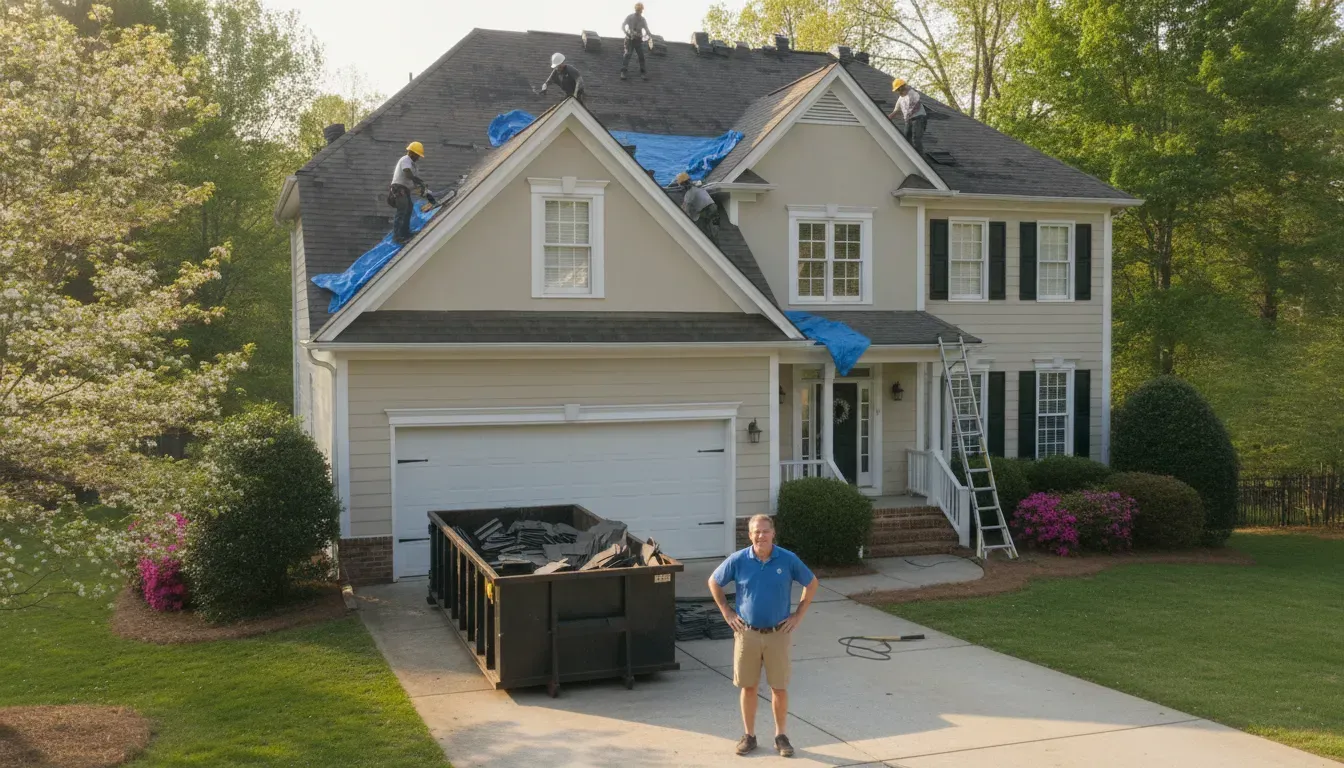
Once you have agreed on a settlement with your insurance company, you can hire a contractor to begin the repairs. It is critical to choose a reputable, licensed, and insured roofing company. While hailstorms are typically brief, the damage they leave behind requires expert repair. A trustworthy contractor will use quality materials and provide a warranty for their work, giving you peace of mind. Check their credentials and ask for local references. By selecting a qualified professional, you ensure your home is properly repaired and protected from future storms.
What Documents Do You Need for Your Claim?
When you file an insurance claim, your goal is to provide a clear, complete picture of the damage and the cost to fix it. Think of it as building a case for your roof. The more organized and thorough your documentation is, the smoother the process will be. Having the right paperwork ready helps your insurance company understand the extent of the hail damage and ensures you have the evidence to support your request for a fair settlement. It also shows that you are a proactive and responsible homeowner. Let’s walk through the essential documents you’ll want to gather.
Photos and Videos
Your smartphone is one of the most powerful tools you have after a hailstorm. Detailed photos and videos are the best evidence of the damage your roof sustained. The Insurance Information Institute suggests that good documentation can help you get a fair settlement. Be sure to capture the damage from multiple angles. Take wide shots to show the overall impact on different roof sections, then get close-ups of dented flashing, cracked or bruised shingles, and granule loss in the gutters. If it’s safe, place a ruler or coin next to the dents to show their size. A video walkthrough can also be very effective at showing the full scope of the problem.
Repair Estimates
Your insurance adjuster will create their own estimate, but you should always get an independent one from a trusted professional. In fact, getting a few estimates from licensed contractors is a smart move. The National Association of Insurance Commissioners advises that multiple estimates provide a more accurate picture of the true repair costs, which gives you a solid foundation for discussions with your insurer. A detailed estimate from a reputable company like Total Roof Solutions will outline the specific work needed, material costs, and labor, serving as a crucial piece of evidence for your claim. This professional assessment ensures all damage, including issues an untrained eye might miss, is properly documented.
Maintenance Records
Proof that you’ve taken good care of your roof can be a game-changer for your claim. Insurance companies want to see that the damage was caused by the storm, not by pre-existing issues or neglect. According to the Insurance Institute for Business & Home Safety, showing a history of proactive maintenance can work in your favor. Gather any receipts or invoices you have for past roof inspections, minor repairs, or gutter cleanings. This paperwork establishes a baseline for your roof’s condition before the hail hit, making it much harder for an insurer to argue that the damage was due to a lack of upkeep. It demonstrates your commitment to protecting your property.
Policy and Claim Forms
Before you even call your insurance agent, take some time to locate and review your homeowners insurance policy. Understanding your specific coverage, including your deductible and any exclusions for cosmetic damage, is essential. The Federal Emergency Management Agency (FEMA) highlights that knowing your policy details and correctly filling out the necessary forms can help speed up the entire process. Keep your policy documents in an accessible folder along with any claim forms your insurer provides. Having everything organized and ready to go will make your conversations with the adjuster more productive and help you stay on top of every step.
Don't Believe These Hail Damage Claim Myths
When it comes to hail damage, what you don’t know can hurt your wallet. Misinformation about the insurance claim process is common, and believing these myths can lead to denied claims or settlements that don’t cover your repair costs. Let’s clear up some of the most persistent myths so you can approach your claim with confidence and get the coverage you deserve.
"Hail damage is always obvious."
This is one of the most dangerous myths out there. While large hailstones can leave behind very obvious dents and cracks, a lot of hail damage is hard to spot from the ground. According to the Insurance Information Institute, hail can cause subtle damage that isn't immediately visible but can lead to serious issues like leaks over time. Your shingles might have small bruises or granule loss that exposes the underlying asphalt to UV rays, causing it to deteriorate much faster. Without a trained eye, you could easily miss these signs and find yourself dealing with a much bigger problem down the road. That’s why a professional inspection is so important after a storm.
"My insurance will cover everything."
It would be nice if this were true, but unfortunately, it’s not always the case. Homeowners insurance policies are not blank checks. They come with deductibles, which is the amount you have to pay out of pocket before your coverage kicks in. Your policy also has coverage limits and may contain specific exclusions. For example, some policies only cover the "actual cash value" of your old roof, which accounts for depreciation, rather than the full "replacement cost." It's essential that you review your policy to understand exactly what is and isn't covered before you file a claim. Knowing these details will help you set realistic expectations.
"DIY repairs won't affect my claim."
After a storm, it’s tempting to climb up on the roof and start fixing things yourself. However, making permanent repairs before your insurance adjuster has inspected the damage can cause major problems for your claim. Your insurer needs to see the full extent of the storm’s impact to assess your claim accurately. If you’ve already replaced shingles or patched areas, they might argue that they can’t verify the original damage, leading to complications in your claim process. While you should take temporary measures to prevent further damage, like placing a tarp over a hole, always wait for your adjuster’s approval before starting any permanent repair work.
"I can file a claim anytime."
Time is of the essence after a hailstorm. Most insurance policies include a clause that requires you to report damage in a timely manner, often within one year of the storm. If you wait too long, your insurer could deny your claim on the grounds that you failed to file within the specified period. Waiting also allows the initial damage to worsen, which can lead to leaks, mold, and structural issues that might not be covered. The best course of action is to report damage as soon as possible after you suspect it has occurred. This protects your eligibility for coverage and helps you get your home secured faster.
The Hail Damage Claim Process: What to Expect
Filing an insurance claim can feel like a big undertaking, but knowing what's ahead can make all the difference. The process isn't always linear, and the timeline can shift based on your insurance provider and the severity of the damage to your roof. It's helpful to have a general idea of the steps so you can feel prepared and in control. From the initial filing to handling unexpected issues, here’s what you can generally expect.
Understanding the Timeline
After you file your claim, how long does it take to get resolved? While there’s no single answer, most insurance companies try to settle homeowners insurance claims within about 30 days. However, this can take longer if the damage is widespread across your area (like after a major hailstorm) or if your claim is particularly complex. The most important thing you can do to keep the process moving is to report the damage to your insurer as soon as you notice it. A prompt start often leads to a smoother, quicker resolution, getting you closer to the repairs your home needs.
Handling Supplemental Claims and Re-Inspections
Sometimes, the full extent of hail damage isn't visible during the initial inspection. Your insurance adjuster might miss hidden issues, or more damage could be uncovered once your contractor starts the repair work. This is where a supplemental claim comes in. It’s an additional claim you can file for newly discovered damage. The National Association of Insurance Commissioners advises homeowners to keep detailed records of all findings to support these claims related to their homeowners insurance. This is another reason why working with an experienced contractor is so valuable; we can document everything properly and communicate directly with your adjuster to ensure nothing is overlooked.
When to Hire a Public Adjuster
While your roofing contractor and insurance adjuster can handle most claims, there are times when you might want extra support. A public adjuster is an independent professional you can hire to manage your claim and negotiate with the insurance company on your behalf. Their job is to advocate for you, the policyholder, and ensure you receive a fair settlement. Consider hiring one if your claim is very large, complex, or if you feel the settlement offer from your insurer is unfairly low. They work for a percentage of the settlement, giving them an incentive to get you the best possible outcome.
Avoid These Mistakes with Your Hail Damage Claim
Filing a hail damage claim can feel like a complicated puzzle, but knowing what not to do is half the battle. Many homeowners accidentally make missteps that can delay their claim, reduce their payout, or even lead to a denial. By avoiding a few common pitfalls, you can make the process smoother and ensure you get the full compensation you need for your roof repairs. Let's walk through the biggest mistakes to steer clear of after a hailstorm hits.
Waiting Too Long to File
After a storm, life is chaotic, and calling your insurance company might not be your first thought. However, putting it off for too long is a critical error. Most insurance policies have a strict deadline for filing claims, and if you miss it, you could lose your chance for coverage entirely. The Insurance Information Institute stresses that you must report a claim promptly. The sooner you start the process, the better. A delay can make it harder to prove the damage was from a specific storm, giving the insurance company a reason to question your claim. Don't wait; contact your insurer as soon as it's safe to do so.
Accepting the First Settlement Offer
When the insurance company sends their first settlement offer, it can be tempting to accept it and move on. Resist that urge. The initial offer is often just a starting point, and it might not cover the full cost of a quality repair. Insurance adjusters are working to manage costs for their company, and their first assessment may overlook hidden damage or underestimate labor costs. The National Association of Insurance Commissioners points out that many people accept the first offer without realizing they may be entitled to more. Always review the offer carefully with a professional estimate in hand before you agree to anything.
Making Repairs Before the Inspection
Your instinct might be to start fixing things right away, but making permanent repairs before the adjuster's visit is a major mistake. The adjuster needs to see the full scope of the hail damage to make an accurate assessment. If you've already replaced shingles or fixed dents, you've erased the evidence they need to approve your claim. FEMA advises homeowners not to make repairs until the insurance company can assess the damage. You can and should take temporary measures to prevent further issues, like placing a tarp over a leak, but hold off on any major work until your claim is fully documented and approved.
Hiring an Unlicensed Contractor
After a big storm, you might see an influx of "storm chaser" contractors offering quick, cheap repairs. Be very careful. Hiring an unlicensed or uninsured contractor is one of the riskiest things you can do. If their work is poor, you'll have little recourse, and your insurance company may refuse to pay for repairs done by an unvetted company. The Better Business Bureau recommends you always verify that your contractor is licensed and insured. Working with a certified, reputable company like Total Roof Solutions protects you and ensures the job is done right, meeting all insurance requirements and local building codes.
Getting Only One Estimate
Relying on a single repair estimate, especially the one from your insurance adjuster, can leave you short-changed. The adjuster's estimate might be based on lower-quality materials or miss certain aspects of the repair job. To get a true picture of your repair costs, you should get at least two or three detailed estimates from reputable roofing contractors. The Insurance Institute for Business & Home Safety notes that getting multiple quotes helps you understand the range of costs and ensures your settlement will be enough to cover a quality repair. This gives you the documentation you need to negotiate with your insurer if their initial offer is too low.
How a Trusted Roofing Contractor Can Strengthen Your Claim
After a storm, you might feel overwhelmed by the insurance process. The good news is you don't have to go through it alone. Working with a trusted roofing contractor isn't just about getting the repairs done; it's about having an expert on your side. A great roofer acts as your partner, providing the evidence and expertise needed to make sure your claim is handled fairly and accurately. They can be the difference between a stressful, drawn-out process and a smooth, successful resolution.
Choosing the Right Roofing Partner
Your roofing partner's first job is to give you a clear picture of the situation. A professional contractor provides a thorough inspection and a detailed report, which is the foundation of your insurance claim. They know exactly what to look for and how to document everything with clear photos and descriptions. This evidence is critical for your insurance company. An experienced roofer also understands the ins and outs of insurance policies and can help you make sense of the often confusing paperwork and terminology. Think of them as your guide through the claims process, ensuring everything is in order.
How Total Roof Solutions Supports Your Claim Process
At Total Roof Solutions, we see ourselves as your advocate from start to finish. Our process begins with a comprehensive residential roofing inspection to accurately assess all hail damage, even the kind that’s hard to spot. We then provide you with detailed documentation to support your claim. Our team has decades of experience working with insurance companies in the Atlanta area. We guide you through every step, answer your questions, and can even meet with the adjuster on-site to ensure they see the full extent of the damage. Our goal is to make sure your settlement covers the cost of a quality repair, restoring your home and your peace of mind.
Related Articles
- How to Get Insurance to Pay for Roof Replacement in Georgia
- Discover Tools for Calculating Atlanta Roof Replacement Costs
- How Material Choices Drive Your Roofing Project Costs
- Effective Strategies for Comparing Gutter Installation Estimates
- Discover How to Easily Locate Affordable Gutter Installers in Your Area
Frequently Asked Questions
My roof doesn't look that bad after the storm. Should I still call for an inspection? Yes, you absolutely should. Much of the damage hail causes, like shingle bruising and granule loss, is nearly impossible to see from the ground. These subtle issues can compromise your roof's integrity and lead to slow leaks or premature aging down the road. A professional inspection is the only way to know for sure if your roof is still in good shape. It gives you peace of mind and ensures you catch small problems before they become expensive ones.
Will filing a hail damage claim make my insurance rates go up? This is a common worry, but typically, insurance companies cannot raise your individual rates for filing a claim related to a natural event, often called an "act of God." Instead, if a widespread storm causes extensive damage in your area, the provider might raise rates for everyone in that region. Your policy is there to protect you from events like this, so you should not hesitate to file a legitimate claim to get the repairs your home needs.
What should I do if my contractor's estimate is much higher than the insurance adjuster's offer? Don't worry, this happens frequently. The first step is to have your contractor carefully review the adjuster's report. They can identify what might be missing, such as costs for specific materials, labor steps, or code requirements. A professional roofer will then provide clear documentation to justify the need for a higher amount and can communicate directly with the insurance company to negotiate a supplement. This is a key reason to work with an experienced contractor who understands the process.
My policy mentions a separate "hail deductible." What does that mean? In areas that experience frequent hailstorms, some insurance policies include a special deductible specifically for hail or wind damage. Instead of a flat dollar amount (like $1,000), this deductible is often a percentage of your home's total insured value, for example, 1% or 2%. This can make your out-of-pocket cost higher than your standard deductible, so it's important to review your policy to understand exactly what you would be responsible for paying.
How can I tell a reputable roofer from a "storm chaser"? A reputable contractor will have deep roots in your local community, a permanent business address, and a long history of service. They will be fully licensed and insured and should be happy to provide you with local references. In contrast, storm chasers often appear right after a storm, may use high-pressure sales tactics, and might ask for a large payment upfront. Always look for official certifications, like being an Owens Corning Platinum Preferred contractor, as a clear sign of quality and reliability.