How Do You Repair a Leaking Skylight? A 6-Step Guide
Stephen Griswell • May 11, 2026
Skylights are a wonderful feature, bathing our rooms in natural light and making spaces feel more open. The only downside is their potential to leak. But what if you could prevent that from happening in the first place? Proactive maintenance is the best defense against water damage and costly repairs. By understanding how your skylight works and what its common weak points are, you can stay ahead of problems. The best answer to the question "how do you repair a leaking skylight" is to avoid needing to ask it. This guide will show you how to perform simple seasonal inspections and maintenance that will keep your skylight watertight and your home protected for years to come.
Key Takeaways
- Check the Surroundings First: Leaks often start with the materials around your skylight, not the glass itself. Inspect for worn-out metal flashing, cracked rubber seals, or piled-up debris that stops water from draining properly.
- Address Subtle Clues Immediately: Don't wait for a visible drip to take action. Treat subtle signs like ceiling stains, condensation trapped between the glass panes, or a musty smell as urgent warnings that your skylight needs attention.
- Adopt a Maintenance Routine: You can prevent most future leaks with simple, regular care. Make it a habit to clear debris from around the unit, perform visual inspections after major storms, and schedule professional roof check-ups to catch hidden issues early.
Why Is My Skylight Leaking? Common Culprits
Finding a puddle under your skylight is frustrating, but don't panic. A leaking skylight is a common issue, and figuring out the cause is the first step to fixing it for good. Water is tricky and can travel from the entry point before it shows up on your ceiling, so a little detective work is often needed. Most leaks trace back to just a few usual suspects, from aging materials that have worn out their welcome to simple blockages that disrupt water flow. Understanding what’s causing the problem will help you decide whether it’s a quick fix or a job for a professional.
Worn-Out Flashing
More often than not, the problem isn't the skylight itself but the flashing around it. Flashing is a thin layer of metal that creates a waterproof seal between your skylight and your roof. It’s your skylight’s primary defense against rain. Over time, exposure to the elements can cause this metal to corrode, warp, or lift. An improper installation can also leave gaps from the start. When the flashing fails, it creates a direct path for water to seep into your home’s structure. Because it’s such a critical part of your residential roofing system, keeping the flashing in good shape is essential.
Damaged Rubber Seals
Think of the rubber gasket around your skylight's glass as another line of defense. This seal is designed to create a watertight barrier, preventing moisture from getting between the glass and the frame. Like any rubber product, these seals can become brittle, dry, and cracked after years of enduring hot summers and cold winters. Once the seal is compromised, water can easily slip through the cracks and drip inside, even if the flashing is perfectly intact. This is a common issue in older skylights, as the materials simply break down with age and sun exposure.
Cracked Glass or Frame
While less common, direct damage to the skylight unit is a definite cause for leaks. A stray tree branch during a storm, a hard impact from hail, or even stress from the house settling can crack the glass pane. Similarly, the frame holding the glass can warp, bend, or crack over time, breaking the watertight seal. A crack in the glass is usually easy to spot, but damage to the frame can be more subtle. If you see condensation building up between the panes of a double-paned skylight, it’s a clear sign that the seal is broken and moisture is getting in.
Clogged Gutters and Debris
Sometimes, the leak has less to do with the skylight and more to do with what’s happening around it. Your roof is designed to shed water efficiently into your gutters and away from your home. When leaves, pine needles, and other debris clog your roof valleys and gutters, that water has nowhere to go. Instead, it pools on the roof, rising above the top edge of the skylight’s flashing. This standing water can then easily find its way underneath the seals and into your home, causing a leak that wouldn't happen otherwise.
Old Roofing and Loose Hardware
The area where your skylight meets your roof is a dynamic space. As your roof ages, the materials around the skylight expand and contract with temperature changes, which can weaken the surrounding structure. Shingles may curl or lift, creating openings for water. At the same time, the constant vibration from wind and weather can cause the screws and bolts holding the skylight in place to loosen. Even a slightly loose fastener can create a small gap, and that’s all water needs to start a leak. This is why regular commercial roofing and residential roof inspections are so important.
How to Spot a Skylight Leak
Catching a leak early can save you a lot of headaches and money down the road. While a steady drip is an unmistakable sign of trouble, some clues are much more subtle. Knowing what to look for inside your home can help you identify a problem before it causes major damage to your ceiling, walls, or even your home's structure. Pay attention to any changes around your skylight, especially after heavy rain. These signs are your home’s way of telling you it needs a little help.
Ceiling Stains and Damage
The most common red flag is visible water damage on the ceiling or walls surrounding the skylight. You might notice yellowish or brownish stains, peeling paint, or bubbling drywall. These spots indicate that water has been seeping in and soaking into the materials. If you touch the area, it might feel damp or soft. Ignoring these signs can lead to more extensive issues like wood rot and mold growth, which can be costly to fix and potentially harmful to your health. Acting quickly when you first see a stain is the best way to prevent a small problem from becoming a huge one.
Condensation Between Panes
Have you noticed your skylight looks foggy or has moisture trapped between the glass panes? This is a sign that the seal has failed. A properly sealed skylight is an insulated unit, and condensation forming on the inside of the glass (between the panes) means that seal is broken. This allows moisture-laden air to get trapped, reducing your home's energy efficiency and indicating a weak point where water could eventually get through. While some condensation on the room-facing side of the glass can be normal depending on humidity, moisture between the panes is a clear signal that your skylight needs attention.
Drafts or Musty Odors
Your senses can be powerful tools for leak detection. If you feel a noticeable draft when you stand under your skylight, it could mean the seals are no longer airtight. An even more telling sign is a persistent musty or earthy smell in the room. This odor often points to hidden moisture and the beginning of mold or mildew growth within your ceiling or walls, even if you can't see any visible stains yet. Don't just cover up the smell with an air freshener; treat it as an early warning that water is getting in somewhere it shouldn't be.
Urgent Signs vs. Watch-and-Wait
It's important to know when to act immediately. If you see water actively dripping from your skylight, that’s an emergency. This isn't a "watch-and-wait" situation; it's a sign of a significant failure that requires immediate professional help to prevent widespread damage. On the other hand, a small amount of condensation might seem less urgent, but it still points to a failing seal that will likely worsen over time. The best approach is to address any sign of a leak, big or small, as soon as you notice it. A professional can perform a thorough inspection to find the source and recommend the right skylight services before a minor issue escalates.
How to Fix a Leaking Skylight: A Step-by-Step Guide
If you’ve noticed a drip or a water stain near your skylight, you know that sinking feeling. But don’t panic. With the right approach, you can tackle the problem head-on. This guide will walk you through the steps to find and fix a leaking skylight. Remember, working on a roof can be risky, so always prioritize your safety. If at any point you feel unsure, it’s always best to call in a professional.
Gather Your Tools and Materials
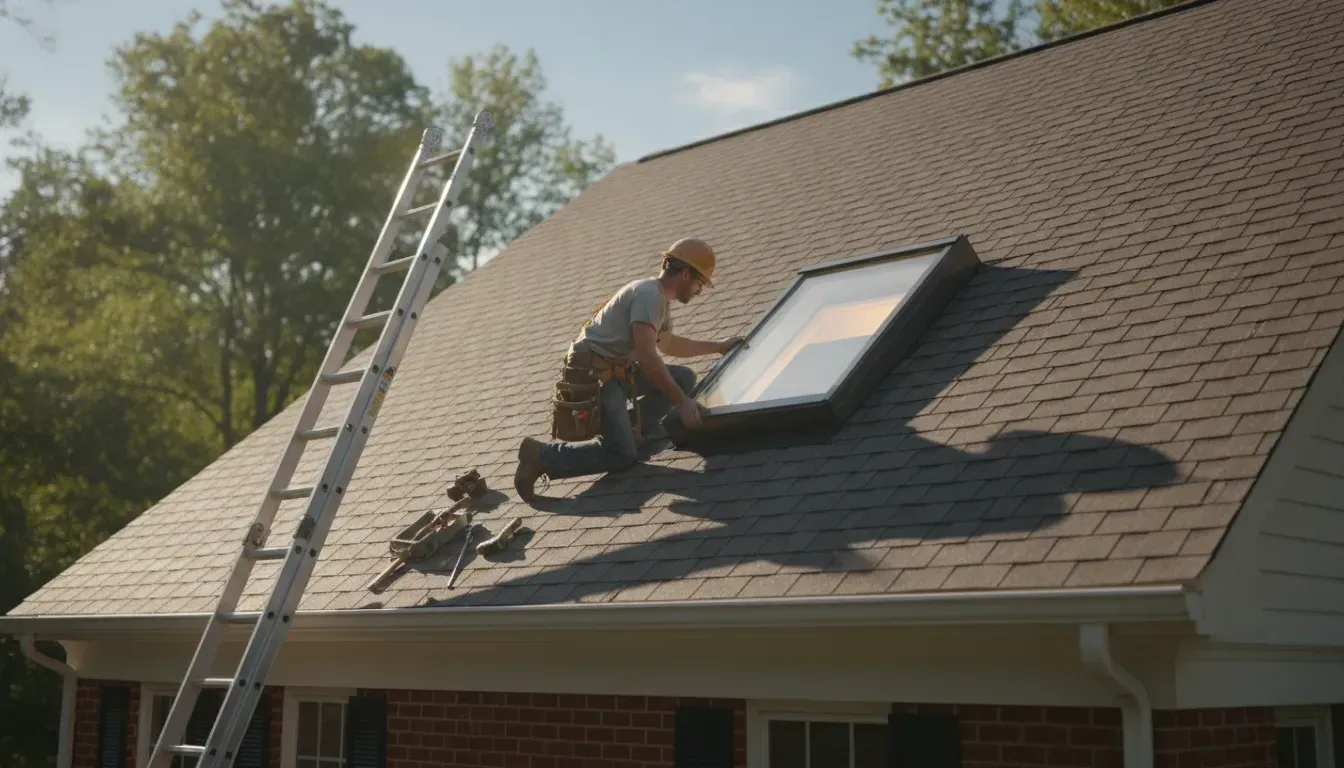
Before you even think about climbing a ladder, make sure you have everything you need. A mid-project trip to the hardware store is frustrating, especially when you’re on the roof. You’ll likely need a sturdy ladder, a caulking gun, a utility knife, a wire brush, a pry bar, a hammer, and roofing nails or screws. For materials, grab some high-quality, weatherproof silicone sealant and potentially some roofing cement or new flashing. Having the right gear is half the battle, but if you're not comfortable with the job, it's always smarter to hire a professional. We have all the specialized tools and safety equipment to get it done right.
Work Safely: Essential Precautions
Let’s be direct: getting on a roof is dangerous. Your safety is the most important part of this entire process. Never work on a wet, icy, or windy day. Always use a sturdy ladder placed on level ground and have someone act as a spotter. Wear slip-resistant shoes with good grip. As one safety guide notes, "Falls can cause serious injury or death," so never take unnecessary risks. If your roof is steep or you’re not confident in your ability to move around safely, please leave the work to us. Our team is trained in safety protocols and has the right gear to handle any roofing job without incident.
Step 1: Find the Leak's Source
Finding the exact source of a leak can be tricky. Water can travel along roof structures before it drips inside, so the interior spot might not line up with the exterior problem. Start by getting on the roof and carefully inspecting the skylight. Look for obvious issues like cracked glass or a damaged frame. Next, check the flashing, which is the metal material that seals the skylight to the roof. Make sure it's clear of leaves or debris. Look closely for any cracks or gaps in the flashing or the surrounding shingles where water could seep in.
Step 2: Clear Away Debris
Sometimes, the fix is surprisingly simple. Over time, leaves, pine needles, and other debris can build up around your skylight, creating a dam that prevents water from draining properly. This pooled water can then find its way under the flashing and into your home. Using a soft brush or your hands (with gloves, of course), carefully clear away any buildup. As one expert points out, you need to "remove any leaves or dirt around the skylight so water can drain easily." This simple step can sometimes solve the problem entirely and is a key part of regular gutter and roof maintenance.
Step 3: Replace or Reseal the Gasket
The rubber gasket or seal around the skylight glass is a common failure point. Over years of exposure to sun and weather, it can become dry, cracked, and brittle. Carefully inspect the seal all the way around the glass. If you see damage, you’ll need to address it. You can often "remove old sealant and put on new" to restore a watertight barrier. Use a utility knife to carefully cut away the old, damaged sealant. Clean the surface thoroughly with a wire brush and then apply a new, continuous bead of high-quality silicone sealant.
Step 4: Repair the Flashing
Flashing is your skylight’s primary defense against water. As one roofer explains, "Flashing is the material that seals the skylight to the roof. If it's old or put in wrong, water can get through." Inspect the metal flashing for any bent sections, gaps, or rust. If you find small gaps, you can often seal them with roofing cement. Apply it underneath the shingle and flashing, then press it down firmly and secure it with a roofing nail. If the flashing is extensively damaged or rusted, it will need to be replaced, which is a more complex job that often requires professional residential roofing expertise.
Step 5: Tighten Loose Hardware
Vibrations, temperature changes, and settling can cause the screws and bolts holding your skylight in place to loosen over time. This can create small gaps that allow water to penetrate. While you’re on the roof, take a moment to check all the visible hardware. Use a screwdriver or wrench to gently tighten anything that feels loose. Be careful not to overtighten, as this could crack the frame or the glass. If you find any screws that are rusted or stripped, it's a good idea to replace them with new, corrosion-resistant ones to ensure a secure fit for years to come.
Step 6: Apply a New Seal
Once you’ve cleaned the area, repaired the flashing, and tightened the hardware, it’s time to apply a final, protective seal. Using your caulking gun, apply a generous bead of weatherproof silicone sealant around the entire perimeter of the skylight. You want to "put a good amount of silicone sealant all around the skylight, covering both the glass and the frame." This creates a durable, flexible barrier that seals any remaining gaps between the skylight frame and the flashing. Smooth the bead with a gloved finger for a clean, professional finish that will effectively keep water out.
DIY Mistakes to Avoid
While a DIY fix can be satisfying, a few common mistakes can make the problem worse. Using the wrong type of sealant, like interior caulk, is a frequent error; it will quickly fail under harsh weather. Another issue is misdiagnosing the leak. As roofing pros note, "Leaks can be tricky to find. Sometimes it's best to call a commercial roofer to find the exact source of the leak." The same is true for homes. You might seal the skylight perfectly, only to find the leak was actually from a damaged shingle a few feet away. The biggest mistake is underestimating the danger of working on a roof. For a guaranteed fix and your own peace of mind, consider our professional skylight services.
When to Call a Professional for Skylight Repair
While tackling home repairs yourself can be satisfying, a leaking skylight is one of those jobs where calling for backup is the smartest move. Your roof is your home’s first line of defense, and a small mistake can lead to much bigger, more expensive problems down the road. Knowing when to step back and let a professional handle it protects your home and your peace of mind.
Signs It's Time to Call a Pro
It’s tempting to think a little sealant will solve the problem, but skylight leaks are often more complex than they appear. It’s best to call a professional roofer as soon as you spot trouble. They have the experience to find the true source of the leak, not just patch a symptom. You should definitely make the call if you notice a leak for the first time, a previous DIY fix has failed, or you see cracks in the glass or condensation trapped between the panes. A professional can provide a thorough inspection and ensure the skylight services you receive solve the problem for good.
Repair or Replace Your Skylight?
This is a common question, and the answer depends on your skylight’s age and the extent of the damage. A simple repair might be enough for a newer skylight with a minor issue. However, if your skylight is more than 15 years old, looks discolored, or feels drafty, a replacement is often the better long-term investment. A new unit offers improved energy efficiency and a fresh warranty. If you see significant issues like large cracks, shattered glass, or water damage spreading to the surrounding roof, replacement is almost always the right call. A professional can give you an honest assessment to help you decide.
Understanding Repair Costs
Budgeting for a home repair can be stressful, so it helps to have a general idea of what to expect. Minor repairs, like fixing a seal, can be relatively inexpensive, while more complex flashing or leak repairs will cost more. A full replacement is the most significant investment upfront, but it can save you money over time by preventing future leaks and improving energy efficiency. At Total Roof Solutions, we believe in transparent pricing and offer flexible financing options to fit your budget. We are happy to provide a detailed estimate so you know exactly what to expect before any work begins.
Will Insurance Cover the Leak?
This is the question on every homeowner’s mind. The good news is that your homeowner's insurance often covers skylight damage, but it depends on your policy and the cause of the leak. Generally, insurance is designed to cover sudden and accidental events, like damage from a storm or a fallen tree branch. Leaks caused by old age, wear and tear, or a lack of maintenance are typically not covered. The best first step is to review your policy and contact your insurance agent. A professional roofer can provide the proper documentation of the damage to support your claim for your entire residential roofing system.
How to Prevent Future Skylight Leaks
Once your skylight is repaired, the last thing you want is a repeat performance. A little proactive care goes a long way in preventing future leaks and protecting your home from water damage. Think of it as simple, preventative maintenance that saves you time, money, and stress down the road. By staying on top of a few key tasks, you can ensure your skylight remains a source of light and beauty, not a source of leaks.
Perform Seasonal Inspections
Giving your skylight a quick check-up with the changing seasons is one of the smartest things you can do. You don’t need to be a roofing pro to spot potential trouble. At least once a year, especially before the winter rains arrive, take a look from both inside and outside if you can do so safely. Look for cracked seals, peeling sealant, or any gaps forming around the frame. From inside, check for new, faint water stains or discoloration on the drywall. Catching these small issues early allows you to handle them before they turn into a major leak, making it a crucial part of your home’s residential roofing maintenance routine.
Keep Your Skylight and Roof Clear
Debris is a skylight’s worst enemy. When leaves, pine needles, and dirt pile up around the frame, they trap moisture and prevent water from draining properly. This standing water can eventually work its way under the flashing and into your home. Make it a habit to clear away any buildup from your skylight and the surrounding roof area. In the winter, heavy snow can also cause problems, creating pressure or forming ice dams that force water underneath the seals. A roof rake can help you safely remove snow from a distance. Keeping the area clear is just as important as maintaining your gutters to ensure water flows freely away from your home.
Schedule Professional Roof Check-Ups
While your own inspections are valuable, they can’t replace the trained eye of an expert. Scheduling a professional roof check-up every few years is a wise investment. A professional roofer can spot subtle signs of wear and tear that are easy to miss, like failing flashing hidden under shingles or issues with the roof deck itself. Sometimes, a skylight leak is a symptom of a larger roofing problem. If you’ve tried a DIY fix that didn’t last or if you suspect the issue is more complex, it’s time to call for help. Our team at Total Roof Solutions has decades of experience and can give you a clear, honest assessment of your roof’s health. You can learn more about us and our commitment to quality craftsmanship.
Related Articles
- Your Guide to Skylight Installation Done Right
- 24 Hour Emergency Roof Repair: What to Do First
- A Guide to the Commercial Roof Repair Process
- New Roof Cost in Atlanta: 5 Factors | Total Roof Solutions
- Key Factors in a Commercial Roof Replacement
Frequently Asked Questions
My skylight only leaks during heavy, driving rain. Is it still a serious problem? Yes, you should treat any leak as a serious issue. A leak that only appears during heavy rain is often a sign of failing flashing or a problem with how water is flowing on your roof. While it might seem minor, that water is still getting into your home's structure. Over time, this intermittent moisture can lead to wood rot, damaged insulation, and mold growth, which are much bigger problems to fix.
How do I know if I should repair my skylight or just replace the whole thing? The decision to repair or replace often comes down to age and the type of damage. If your skylight is relatively new and the issue is a simple seal failure, a repair is usually a great option. However, if your skylight is over 15 years old, has cracked glass, shows condensation between the panes, or has widespread damage to its frame, a replacement is typically the smarter long-term investment for energy efficiency and peace of mind.
Can I really fix a leaking skylight myself? For a simple issue like clearing debris, a DIY approach is fine. However, most skylight repairs involve getting on the roof, which is inherently risky. It's also easy to misdiagnose the source of the leak or use the wrong materials, which can make the problem worse. If you're not completely comfortable working at heights or if the fix involves replacing flashing, it's always best to call a professional.
What's the difference between condensation on my skylight and a real leak? Condensation on the interior, room-facing side of the glass is usually just a sign of high humidity inside your home. However, if you see fog or moisture trapped between the two panes of glass, that's a problem. It means the airtight seal has failed. While it isn't an active leak yet, this failure compromises your home's insulation and is a clear warning sign that the skylight is failing and will likely leak in the future.
How can I tell if the leak is from the skylight itself or from another part of my roof? This can be tricky, as water can travel before it shows up on your ceiling. Generally, if the water stains or drips are tightly contained to the area immediately around the skylight's frame, the skylight is the likely culprit. If the stains appear farther away or seem to start higher up the ceiling, the problem could be a damaged shingle or failing flashing elsewhere on your roof. A professional inspection is the only way to know for sure.