Hurricane Damage Roof Repair: A Homeowner's Guide
Stephen Griswell • May 28, 2026
After a hurricane, you might walk your property and feel a sense of relief if you don’t see shingles scattered across the lawn. Unfortunately, this doesn't mean your roof is in the clear. High winds can lift shingles and break their waterproof seals without blowing them off completely, creating hidden pathways for water to enter your home. This unseen damage can lead to slow leaks, wood rot, and mold issues long after the storm has passed. We’ll explain how to spot these subtle but serious problems and why a professional inspection is essential for any hurricane damage roof repair, ensuring you address the root cause, not just the symptoms.
Key Takeaways
- Focus on safety and documentation first: After a storm, check for damage from the ground and take plenty of photos and videos for your insurance claim before making any temporary repairs.
- Partner with a professional for inspections and claims : A trusted local roofer is your best advocate; they can give you an honest damage assessment and help ensure your insurance provider covers everything fairly.
- Strengthen your roof to prevent future damage: Being proactive is your best defense against the next storm, so consider upgrading to impact-resistant shingles, reinforcing your roof structure, and getting regular inspections to catch small problems early.
What Does Hurricane Roof Damage Look Like?
After a hurricane passes, your first instinct might be to check on your roof. That’s a good impulse, but it’s important to know what you’re looking for and to do it safely. Hurricane damage isn’t always as obvious as a tree limb crashing through your living room. High winds and driving rain can cause a range of problems, from subtle issues that worsen over time to major structural failures.
The key is to perform a thorough visual inspection from a safe vantage point, like the ground or a second-story window. Look for anything that seems out of place. Even small changes can signal a much larger problem. This initial assessment will help you understand the extent of the damage and give you the information you need when you call a professional for help. Remember, your safety is the top priority, so never climb on a wet or potentially unstable roof.
Check for Missing or Damaged Shingles
Start your inspection from the ground. Walk around your property and look for any shingles that have blown off and landed in your yard or on your driveway. Even one missing shingle can compromise your roof's ability to protect your home, creating a direct path for water to get in.
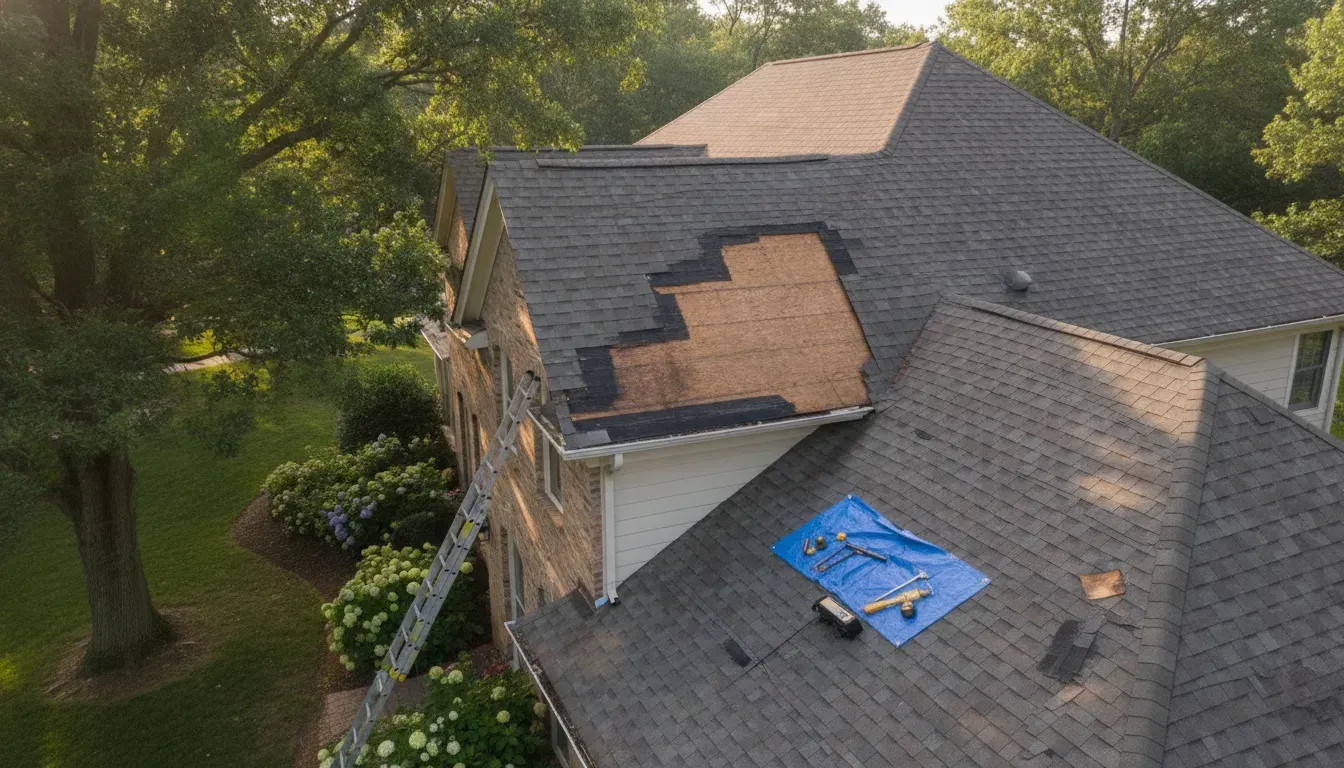
Next, use binoculars to get a closer look at the roof itself. Scan for shingles that are cracked, curled at the edges, or look "bruised," which often appears as dark spots where the protective granules have been scraped away by wind and debris. High winds can also lift shingles, breaking the sealant that holds them down. This damage is hard to see but leaves your home vulnerable to leaks in the next rainstorm. Any visible shingle damage is a clear sign you need a professional residential roofing inspection.
Look for Leaks and Interior Water Damage
Sometimes, the first sign of roof damage appears inside your home. Before you even step outside, take a walk through your house and look up. Check your ceilings and walls for any tell-tale signs of water intrusion. This can include dark or discolored water stains, bubbling or peeling paint, and visible drips.
Don’t forget to check your attic. If it’s safe to do so, poke your head up there with a flashlight and look for wet insulation, damp spots on the wood decking, or a musty smell. A leak can travel from its entry point, so water showing up in your kitchen might be from damage on a completely different part of the roof. Catching these interior signs early can help you address the source of the leak before it leads to more serious issues like mold growth or wood rot.
Inspect Gutters and Structural Components
Your gutters are your roof’s first line of defense for water management, and they often take a beating during a hurricane. From the ground, check your gutters and downspouts for any dents, bending, or sections that have pulled away from the house. If they are full of shingle granules, that’s a red flag that your shingles have sustained significant wear and are nearing the end of their life.
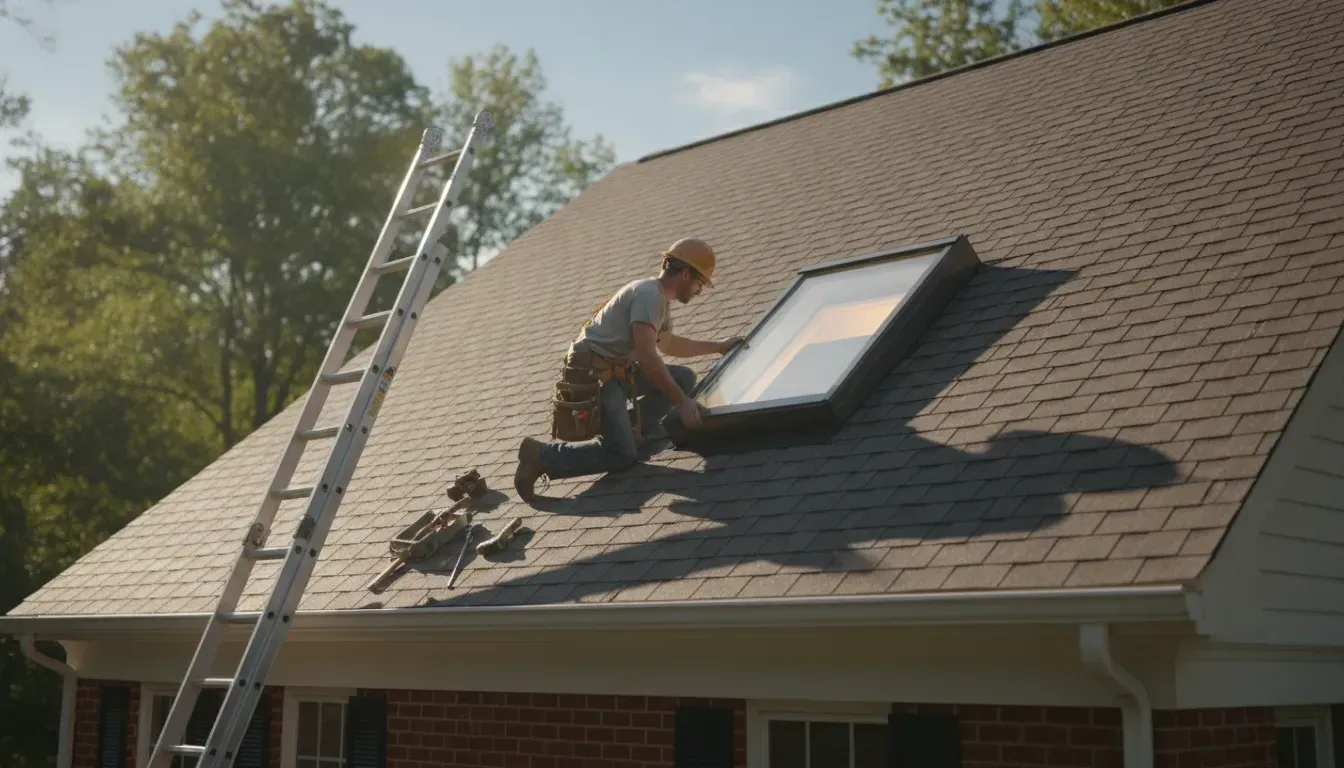
Damaged or clogged gutters can't properly channel water away from your home, which can lead to water pooling around your foundation. Also, take a look at other roof components like vents, flashing around the chimney, and skylights. Make sure nothing is loose, bent, or missing. These elements are common failure points during high winds, and any damage to them can easily create a leak.
Spot Hidden Damage You Can't See From the Ground
While a ground-level inspection is a great start, the truth is that some of the most serious storm damage isn't visible from below. As mentioned, high winds can lift shingles and break their waterproof seal without blowing them off entirely. This creates a hidden entry point for water that you would never spot from your yard. Hail can also create small, subtle dents and cracks that compromise the shingle's integrity over time.
This is why it's so important to have a professional roofing contractor inspect your roof after a major storm. A trained expert from a company like Total Roof Solutions knows how to safely get on your roof and has the trained eye to spot problems you might miss. They can identify subtle damage, assess the roof’s structural integrity, and give you a complete picture of what needs to be done to secure your home.
Your First Steps After a Hurricane
The moments after a hurricane passes can feel overwhelming, but taking a few key steps right away can protect your home from further harm and set you up for a smooth recovery process. With a clear head and a methodical approach, you can tackle the situation effectively.
Put Safety First
Before you even think about your roof, you need to confirm that the area around your home is safe. Storms leave behind serious hazards like downed power lines, unstable tree limbs, and sharp debris hidden in standing water. Be extremely cautious when you step outside and keep a safe distance from any visible dangers.
It’s tempting to want to climb up and see the damage for yourself, but please don’t. A storm-damaged roof can be incredibly unstable and slippery, making it a serious fall risk. Your safety, and your family's safety, is the absolute top priority. You can get a good sense of the damage from the ground, which we’ll cover next. For now, focus on making sure everyone is okay and you can stay safe in your home's immediate vicinity.
Document All Damage Before Making Repairs
Once it's safe to move around your property, your next job is to become a detective. Before you move a single branch or nail down a tarp, you need to document everything for your insurance claim. Grab your phone and take as many photos and videos as you can. Capture wide shots of your entire roof and close-ups of any specific damage you see, like missing shingles or dented flashing.
Don't forget to check inside your home, too. Look for water stains on ceilings, bubbling paint in your attic, or drips around light fixtures and windows. Write down a detailed list of every issue you find, noting the location and extent of the damage. This evidence is crucial for ensuring your insurance provider understands the full scope of your residential roofing needs and processes your claim smoothly.
Tarp Your Roof to Prevent More Damage
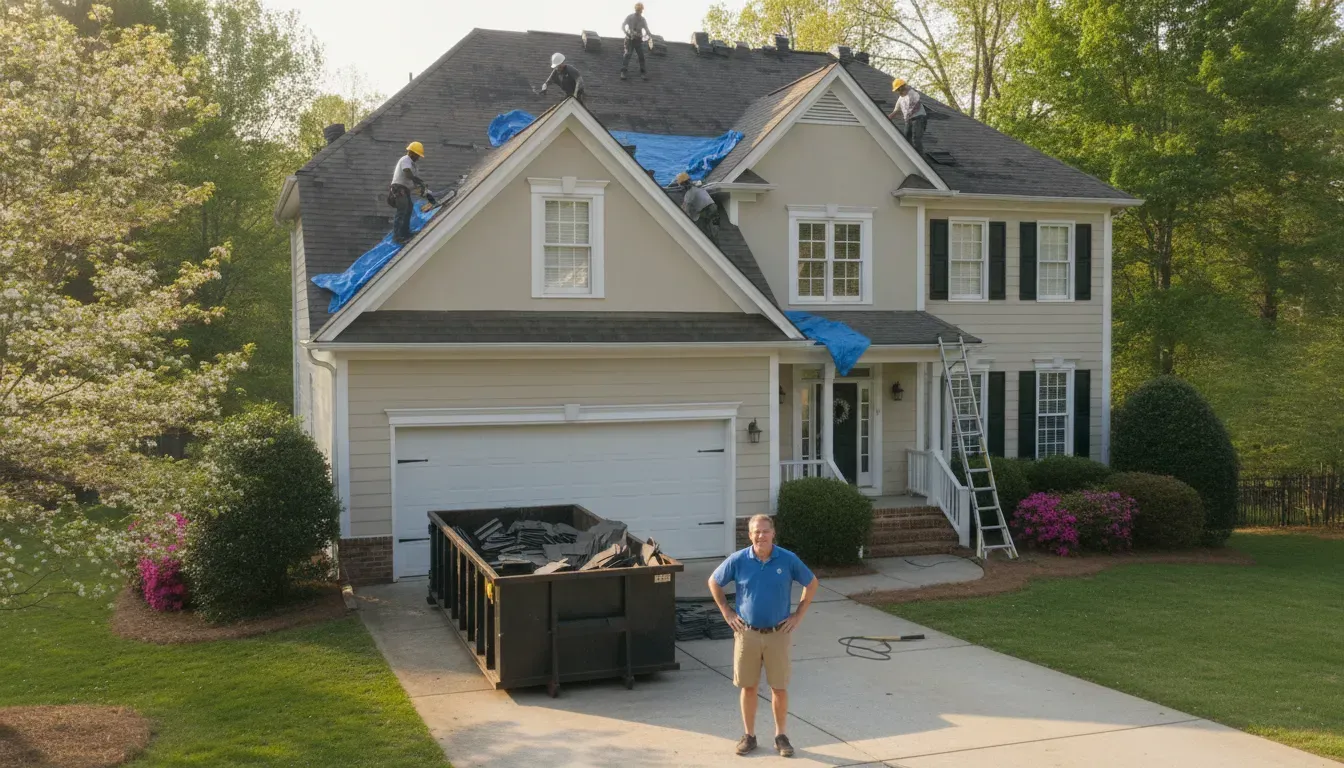
If you have obvious holes in your roof and more rain is on the way, you need to act fast to prevent further water damage inside your home. A heavy-duty tarp can be a good temporary solution to cover the affected area. This is what we call a "dry-in," and it’s meant to be a stopgap measure, not a long-term fix.
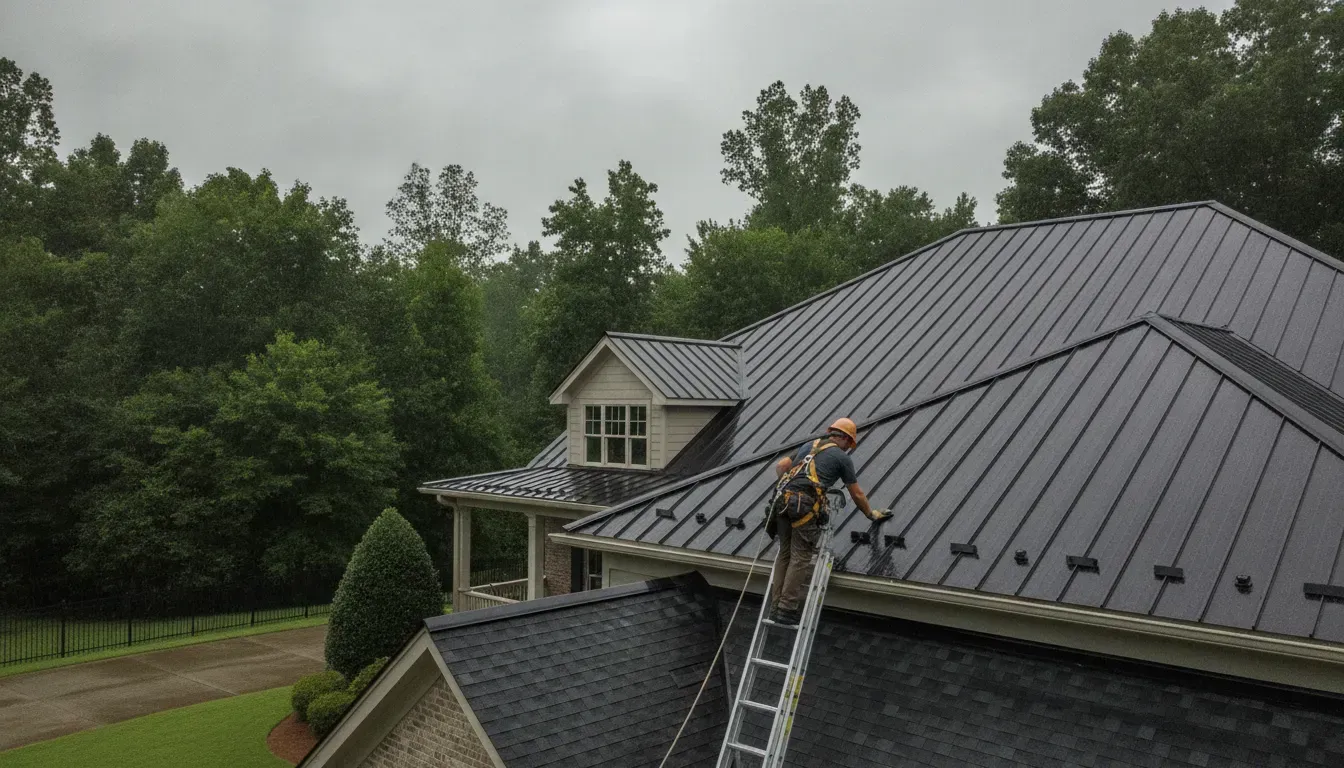
However, your safety is still the priority. If you can’t secure the tarp without climbing onto the roof, don’t attempt it. A professional roofer has the right safety equipment to handle this for you. A poorly installed tarp can also catch wind and cause even more damage. The goal is simply to minimize water intrusion until a professional can assess the situation and perform a proper, secure repair.
Check for Other Structural Issues
You can learn a lot about your roof's condition from the safety of the ground. If you have a pair of binoculars, use them to get a closer look. Scan the entire roof for missing, cracked, or bruised-looking shingles. Look for debris, like large tree limbs, that may have caused impact damage. Pay close attention to any sagging spots, as this could indicate a serious structural problem.
While you're at it, inspect other components connected to your roof. Are your vents and flashing still intact? Are your gutters bent, detached, or clogged with shingle granules? These details provide important clues about the overall health of your roofing system and help a professional contractor know exactly where to focus their inspection.
Repair or Replace Your Roof? How to Decide
Figuring out whether to repair or replace your roof after a hurricane is a major decision. A repair might seem cheaper upfront, but a replacement could save you money and stress in the long run. While a professional inspection is the only way to know for sure, understanding a few key factors can help you prepare for that conversation with your contractor. Think about the age of your roof, the extent of the damage, and your long-term goals for your home. These elements will guide you toward the most practical and cost-effective solution for your situation.
Apply the 25% Rule
A helpful guideline many roofers use is the "25% Rule." It’s a simple concept: if more than 25% of your roof’s surface is damaged, a full replacement is usually the better option. Attempting to patch extensive damage can be inefficient and may not fully address underlying issues. Plus, trying to match new shingles to older, weathered ones can leave your roof with a checkerboard look. When damage is that widespread, the labor and material costs for repairs can start to approach the cost of a new roof, making a full residential roofing replacement the smarter investment for protecting your home.
Factor in Any Structural Damage
Sometimes, the damage you see on the surface is just the beginning. Widespread missing, cracked, or curling shingles are clear signs of trouble. If you've been dealing with recurring leaks even before the storm, it’s a strong signal that your roof system is failing. An even more serious red flag is a sagging roof deck. If you notice any dips or waves in your roofline, it points to a structural problem that repairs alone cannot fix. An experienced team can spot these critical issues and determine if the underlying structure has been compromised by water or wind.
Decide if It's Time to Upgrade Materials
If you’re already facing a major repair or a full replacement, you have a great opportunity to strengthen your home against future storms. Instead of just replacing what you had, consider upgrading to superior materials. Impact-resistant shingles, for example, are designed to withstand hail and high winds far better than standard shingles. As an Owens Corning Platinum Preferred contractor, we can install high-performance materials that not only offer better protection but can also improve your home's energy efficiency. This is also the perfect time to inspect your gutters and ensure they are securely fastened and ready to handle heavy rainfall.
Will Insurance Cover Your Damaged Roof?
After a hurricane, one of the first questions on your mind is likely, "Who is going to pay for this?" The insurance claims process can feel like a maze, but with the right information, you can approach it confidently and get the coverage you deserve. Your homeowner's policy is there for moments like this, but knowing how it works is key to a successful claim. It’s all about understanding your coverage, documenting everything, and having the right professionals on your side.
Understand What Your Policy Covers (and What It Doesn't)
Most standard home insurance policies are designed to cover damage from sudden events like hurricanes, windstorms, and hail. This means if the storm tore off shingles or caused a tree to fall on your house, your insurance will likely help pay for the repairs or replacement, after you meet your deductible. However, policies almost never cover damage that results from old age or a lack of maintenance. If your roof was already in poor condition before the storm, your insurer might argue the damage was inevitable and deny your claim. That’s why routine upkeep and knowing your roof's age are so important for your home's residential roofing system.
Avoid These Common Claim Mistakes
What you say to your insurance adjuster can make or break your claim. Be careful with your words. Avoid saying things like, "My roof was pretty old," or, "It’s been leaking for a little while." Statements like these can give the adjuster a reason to attribute the damage to pre-existing issues rather than the storm, potentially leading to a denial. Instead, stick to the facts about the hurricane and the damage it caused. Your best defense is thorough documentation. Take clear photos and videos of everything as soon as it’s safe, and keep a log of every conversation you have with your insurance company. Working with a team you trust makes all the difference, which is why we're proud of our long history in the community. You can learn more about us and our commitment to our neighbors.
File Your Insurance Claim Correctly
Filing your claim properly from the start can save you a lot of headaches. First, contact your insurance provider as soon as possible to report the damage. Have your policy number ready and be prepared to describe what happened. Next, provide them with the detailed photos and videos you took of the damage. This evidence is crucial. Your insurer will then schedule a time for an adjuster to come out and inspect the roof in person. Remember to also check for related issues, as high winds and heavy rain can easily damage your home's gutters and siding, which may also be covered under your claim.
Know When to Hire a Public Adjuster
While a public adjuster is one option, a powerful first step is to have your own trusted roofing contractor present when the insurance adjuster inspects your roof. An experienced roofer can point out damage the adjuster might overlook, from subtle hail impacts to compromised flashing. They speak the same language as the adjuster and can advocate on your behalf to ensure the assessment is fair and complete. This is also your best defense against "storm chasers," the out-of-town companies that flock to disaster areas. By partnering with a local, certified contractor, you have an expert in your corner from day one. We at Total Roof Solutions are always ready to provide that expert assessment for you.
How to Hire the Right Roofing Contractor
After a hurricane, your priority is to find a trustworthy professional to handle your repairs. The contractor you choose can make all the difference in the quality of the repair and your experience with the insurance process. Taking the time to vet your options carefully will protect your investment and give you peace of mind. Look for a local, experienced company that can guide you through every step, from the initial inspection to the final cleanup, ensuring your home is safe and secure.
Verify Licenses, Insurance, and Certifications
Before you let anyone on your roof, confirm they are properly credentialed. A reputable contractor should readily provide proof of a state license, general liability insurance, and worker's compensation. The license shows they meet state standards, while insurance protects you from liability if a worker is injured on your property. Also, ask about certifications. For example, being an Owens Corning Platinum Preferred contractor means a company has met strict standards for professionalism, reliability, and craftsmanship, which often translates to better warranties for you.
How to Spot and Avoid Storm Chasers
Be cautious of "storm chasers." These are out-of-town contractors who sweep into areas hit by severe weather, perform quick, often shoddy work, and then disappear. Red flags include high-pressure tactics, demands for large upfront payments in cash, and an inability to provide a local address or references. Always choose a local roofing company with a permanent physical office and a long-standing reputation in your community. A local contractor is familiar with Georgia's building codes, has established relationships with suppliers, and will be there to stand by their work long after the storm is gone.
Get an Independent Inspection Before the Adjuster Comes
Your insurance company will send an adjuster to assess the damage, but it’s wise to get a professional inspection from a roofer first. A qualified contractor works for you, not the insurance company. They will conduct a thorough inspection of your entire roofing system, documenting all damage, some of which may not be obvious to an untrained eye. This detailed report gives you a complete picture of the necessary repairs and serves as a valuable baseline when you discuss the damage with your insurance adjuster, ensuring nothing gets overlooked.
Ask These Questions Before Signing a Contract
Never sign a contract without understanding all the details. A professional contractor will be happy to answer your questions and provide everything in writing.
Here are a few key questions to ask:
- Can you provide a detailed, itemized estimate?
- What is the full name and address of the company?
- What warranties do you offer for materials and labor?
- What is the projected timeline for the project?
- Will you be installing new gutters and flashing as part of the repair?
- How will you protect my property during construction, and what does cleanup involve?
Prepare Your Roof for the Next Storm
After you’ve managed repairs from one storm, the last thing you want is to go through it all again. Taking proactive steps to strengthen your roof is one of the smartest investments you can make in your home. It’s not just about fixing what’s broken; it’s about building a stronger defense for the future. By focusing on key structural reinforcements, material upgrades, and regular maintenance, you can significantly reduce the risk of severe damage next time a hurricane is on the horizon. This preparation gives you peace of mind, knowing your home is as ready as it can be.
Reinforce Your Roof Deck and Add Hurricane Straps
Think of your roof deck as the foundation for your shingles. It’s the layer of wood sheathing that covers your rafters and supports the entire roofing system. If this deck is weak, your whole roof is vulnerable. Reinforcing the roof deck, often by ensuring it's properly nailed or by adding another layer of sheathing, dramatically improves its ability to resist high winds. For even greater protection, we can install hurricane straps or clips. These metal connectors anchor your roof trusses to the walls of your house, helping to prevent the roof from lifting off during extreme wind events. This is a critical upgrade for any home in a storm-prone area and a core part of our residential roofing fortification services.
Upgrade to Impact-Resistant Shingles
Not all shingles are created equal. If your roof is older or has standard shingles, consider upgrading to impact-resistant (IR) ones. These shingles are specifically designed and tested to withstand hail and flying debris much better than conventional options. As an Owens Corning Platinum Preferred contractor, we often recommend their Duration® series shingles, which offer exceptional durability and wind resistance. While the initial cost is higher, this upgrade is a proactive investment that can save you thousands in future repairs. It may even qualify you for a discount on your homeowner's insurance policy, so be sure to check with your provider. It’s a powerful way to protect your home for years to come.
Secure Vents, Flashing, and Gutters
A roof is a system of many parts, and its weakest link can cause a total failure. Vents, flashing, and gutters are common culprits. Flashing, the metal strips that seal the seams around chimneys, skylights, and vents, can peel up in high winds, creating a direct path for water to enter your home. We make sure these components are securely fastened and sealed. Your gutters are also crucial. If they are clogged or loose, they can rip away from the roof during a storm, taking parts of the fascia and soffit with them. A thorough check ensures everything is tightly secured and ready to handle heavy rain and wind.
Schedule Routine Roof Inspections
The single best way to prepare for a storm is to know the exact condition of your roof ahead of time. Scheduling routine professional inspections allows you to identify and address small issues before they become catastrophic failures during a hurricane. A trained eye can spot subtle signs of wear, loose shingles, or compromised seals that an untrained person might miss. We recommend having your roof inspected at least once a year and always after a major weather event. This consistent maintenance is the key to extending the life of your roof and ensuring it performs when you need it most. Our team has decades of experience and knows exactly what to look for to keep your home safe.
Related Articles
- Winter Roof Replacement: A Smart Move or Risky Choice?
- Essential Gutter Installation Cost Factors: An In-Depth Analysis
- Understanding Local Gutter Installation Costs: A Comparative Guide
- Selecting the Ideal Flat Roof System for Atlanta Businesses
- Benefits of PVC Roofing for Atlanta's Commercial Buildings
Frequently Asked Questions
Should I call my insurance company or a roofer first after a storm? This is a great question, and honestly, it's a bit of a "chicken or the egg" situation. While you definitely need to notify your insurance provider quickly, I often advise homeowners to call a trusted, local roofer for an inspection at the same time. Having a professional assessment in hand gives you a clear, detailed report of the damage. This report can be incredibly helpful when you talk to your insurance adjuster, ensuring that nothing is overlooked and you have an expert opinion from the very beginning.
My roof looks okay from the ground. Do I really need a professional inspection? I completely understand the hesitation, but yes, a professional inspection is still a very good idea. High winds can cause significant damage that is practically invisible from your yard. For example, wind can lift shingles, break their waterproof seal, and then lay them right back down. The shingle looks fine, but the seal is broken, creating a hidden entry point for rain. A trained inspector knows how to spot these subtle but serious issues that can lead to major leaks down the road.
Is a small leak really that urgent? A small leak might seem like a minor annoyance, but it's often a symptom of a much larger problem. That little drip is your roof's way of telling you something is wrong. Water can travel, so a stain on your ceiling might originate from a completely different part of the roof. Ignoring it allows water to soak into your insulation, drywall, and wooden frame, which can lead to wood rot and mold growth. It's always best to address the source of the leak right away.
What's the most important thing to look for when hiring a contractor after a storm? After a storm, the single most important factor is choosing a contractor who is local and has an established reputation in your community. A local company has a physical office, a history of work in the area, and a reputation they need to protect. They will be here to stand by their warranty long after the job is done. This is your best defense against "storm chasers" who often perform low-quality work and then become impossible to contact when problems arise.
If I have to replace my roof, what upgrades actually make a difference for future hurricanes? If you're facing a replacement, it's a perfect opportunity to strengthen your home's defenses. Two of the most effective upgrades are impact-resistant shingles and roof deck reinforcement. Impact-resistant shingles are built to handle hail and flying debris far better than standard options. Reinforcing the roof deck and adding hurricane straps, which anchor the roof to the walls, provides structural integrity that helps prevent the entire roof from lifting off in extreme winds.