Winter Roof Replacement: A Smart Move or Risky Choice?
SEO Analysis • November 14, 2024
As winter approaches, many homeowners start to think about the condition of their roofs. Is it time for a replacement? Should you wait until spring? This blog will explore the pros and cons of winter roof replacement, helping you make an informed decision.
Understanding the Basics of Roof Replacement
Before diving into winter roof replacement, it’s essential to understand what roof replacement entails.
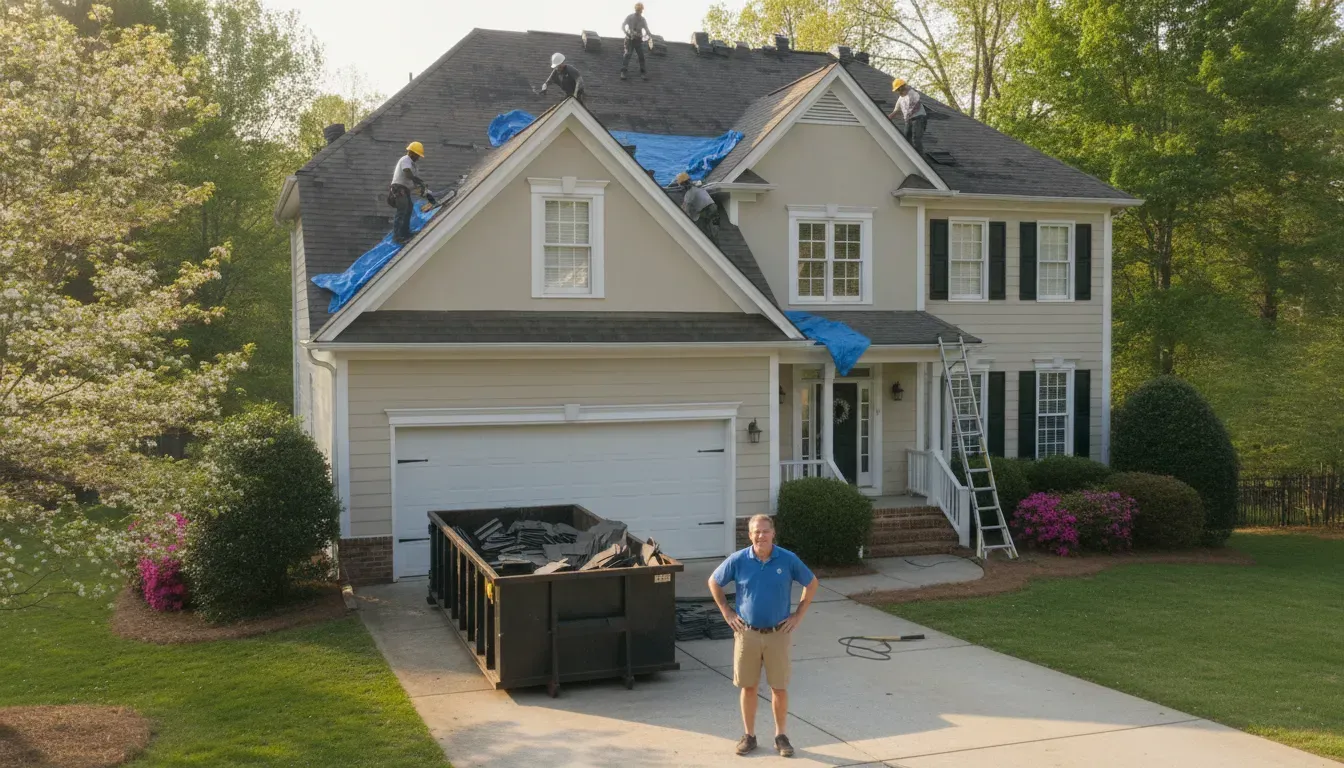
Roof replacement involves removing the existing roofing materials and
affordable roof repair Butts and replacing them with new ones. This process can include various materials such as asphalt shingles, metal roofing, or tiles. The choice of material affects the durability, cost, and aesthetics of your roof.
Why Consider Roof Replacement in Winter?
There are several reasons why a homeowner might consider replacing their roof during the winter months:
A. Availability of Contractors:
Many roofing companies experience a slowdown in business during winter. This means you might have an easier time scheduling a contractor and could potentially negotiate better pricing.
B. Urgent Repairs:
If your roof leaks or has significant damage, waiting until spring could lead to further issues such as water damage to your home’s interior, mold growth, or structural damage.
C. Material Technology:
Modern roofing materials are designed to withstand colder temperatures. Many roofing products can be installed in lower temperatures without compromising quality.
D. Prevention of Ice Dams:
If your roof has poor insulation, snow can melt and refreeze, causing ice dams. Replacing your roof help to improve insulation and ventilation, potentially preventing these problems.
The Risks of Winter Roof Replacement
While there are advantages to replacing your roof in winter, there are also risks to consider:
A. Cold Weather Impact:
Working in cold temperatures can be challenging for roofing contractors. Roof Restoration Clayton in cold weather can make materials brittle and more difficult to handle, requiring extra care to ensure quality results.
B. Snow and Ice:
Snow and ice create unsafe working conditions. If there’s too much snow on your roof, contractors may need to wait for it to melt or remove it, which can add to the time and cost of the project.
C. Shorter Days:
Winter days are shorter, which can affect the timeline of your roof replacement. This might lead to rushed work or delays.
D. Potential Damage to Materials:
Some roofing materials may not adhere properly in cold weather. For instance, asphalt shingles need a specific temperature to seal correctly. If temperatures drop too low, the shingles might not bond well, leading to future leaks.
E. Increased Heating Costs:
If your roof is removed in winter, your home may lose heat, increasing heating costs during the replacement period.
Factors to Consider Before Winter Replacement
If you're considering a winter roof replacement, here are some important factors to think about:
A. Current Roof Condition:
Assess the current condition of your roof. If it is leaking, sagging, or has extensive damage, it may be necessary to replace it immediately, regardless of the season.
B. Weather Forecast:
Check the weather forecast before scheduling your roof replacement. Contractors need to work in dry conditions, and if snow or rain is expected, it might be wise to wait.
C. Type of Roofing Material:
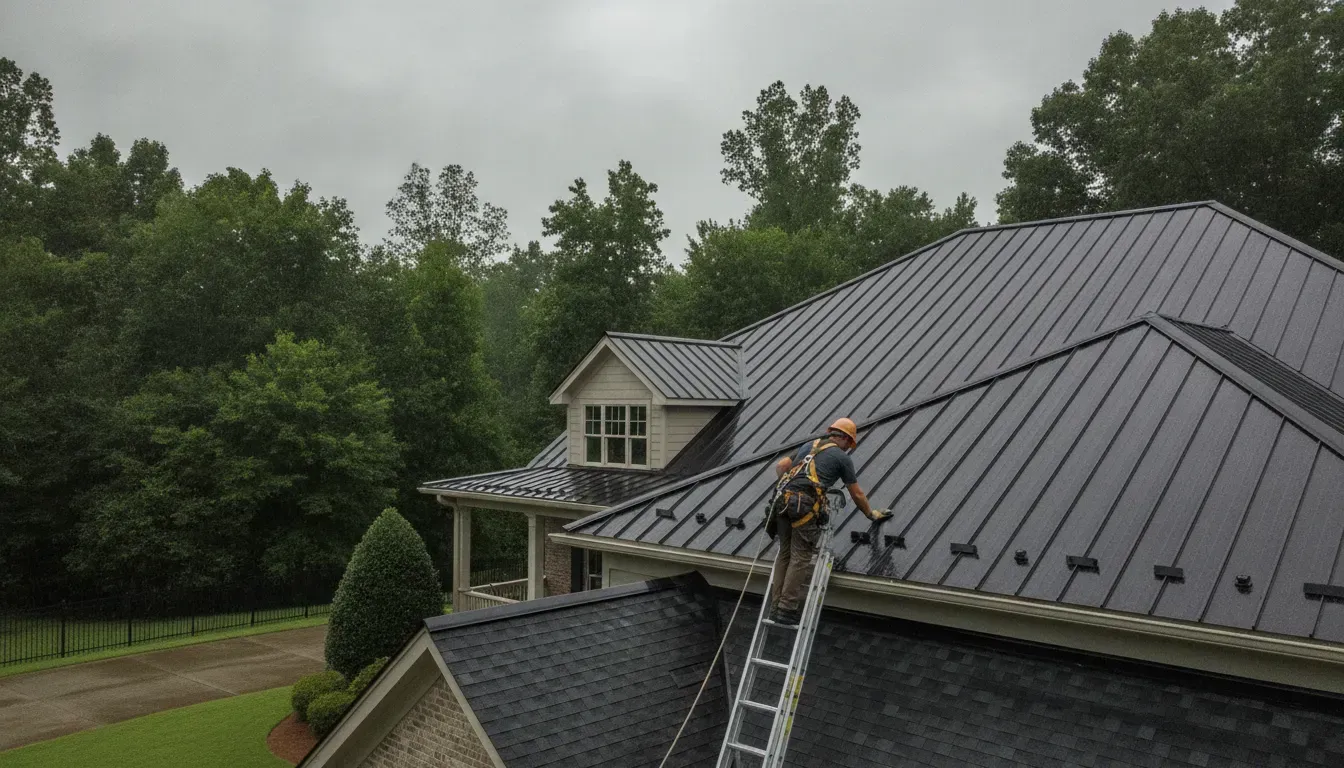
Some materials are better suited for winter installation. For example, metal roofs can often be installed in cold weather without issues, while traditional asphalt shingles may require warmer temperatures.
D. Contractor’s Experience:
Make sure to hire a contractor experienced in winter roofing. They should have a good understanding of how cold weather affects roofing materials and installation techniques.
E. Local Climate:
Consider the typical winter climate in your area. If your region experiences mild winters, it might be easier to schedule a replacement than in areas with heavy snowfall and freezing temperatures.
Cost Considerations
The cost of roof replacement vary significantly based on several factors, including:
A. Roof Size and Complexity:
The larger and more complex your roof, the more costly the replacement.
B. Material Costs:
Different roofing materials come with varying costs. Metal roofs are more costlier than asphalt shingles but may offer greater durability.
C. Labor Costs:
Labor costs may be higher in winter due to the added challenges of working in cold weather. However, with less demand for roofing services, you might find lower prices overall.
D. Hidden Damage:
Once the old roof is removed, contractors may discover hidden issues that need repair, adding to the overall cost.
Advantages of Choosing a Winter Replacement
If you decide that winter roof replacement is the right choice for you, consider the following advantages. Roof maintenance Henry during winter can help ensure timely repairs, prevent leaks, and extend the life of your roofing materials.
A. Faster Service:
With fewer jobs in winter, contractors may be able to complete your roof replacement more quickly than during peak seasons.
B. Discounts and Promotions:
Many roofing companies offer discounts in winter to encourage business. This can save you money on your roof replacement.
C. Improved Energy Efficiency:
Replacing an old, inefficient roof with a new one that improves your home’s insulation and reduce heating costs during winter.
D. Preventative Maintenance:
Taking care of your roof in winter can prevent more significant issues from developing in the spring and summer, such as leaks or structural damage.
How to Prepare for Winter Roof Replacement
If you’ve decided to go ahead with a winter roof replacement, here are some tips to prepare:
A. Clear the Area:
Ensure that the area around your home is clear of snow, ice, and debris. This also provides a safe working environment for the contractors.
B. Remove Ice and Snow:
If there’s snow or ice on your roof, you might need to have it removed before the work begins. Your contractor can assist with this.
C. Communicate with Your Contractor:
Keep an open line of communication with your contractor about the timeline, materials, and any potential weather-related delays.
D. Prepare Your Home:
During the replacement, your home may lose heat. Consider preparing by covering windows and doors to minimize heat loss.
E. Plan for Debris Removal:
Be prepared for debris and materials to be removed from your roof. This might require you to move vehicles or clear pathways.
Conclusion
Winter roof replacement can be a smart move for some homeowners, particularly if there are pressing issues with the current roof. However, it’s essential to weigh the risks as well as benefits before making a decision.
Understanding the factors involved in winter roof replacement and preparing adequately ensures that your roofing project goes smoothly. Whether you choose to replace your roof in winter or wait for warmer weather, staying informed will help you make the best decision for your home.
Remember, consulting with a trusted roofing contractor is always a good idea. They can provide insights specific to your roof's condition and local climate, helping you navigate the complexities of roof replacement in any season.