What Is the Average Cost of a New Roof in Atlanta? Key Insights for Budgeting

SEO Analysis • March 11, 2025


Homeowners needing a roof replacement always balk at beginning the task. They often think it's not in their budget or don't know where to find a reputable roofing company. As far as cost is concerned, it may not be as much as expected, with competitive rates offered by reliable companies, especially in the off-season. Finding out exactly what the cost will be helps homeowners budget wisely and be prepared for the day when they need a new roof.


When it comes to roof replacement in Atlanta, many homeowners are unsure about the average costs involved and how to budget effectively. Studies show that prices can vary significantly based on materials used, like copper, and home pitch. This blog post will provide key insights on the average cost of a new roof in Atlanta, highlight the best roofing materials, and guide you on creating a comprehensive budget for your roofing project. By understanding these aspects, readers can tackle common concerns such as mildew development and guarantee a smooth installation process.


Understand the Average Cost of a New Roof in Atlanta


The average cost of a new roof in Atlanta varies significantly based on several factors. This section will analyze roofing materials, such as wood shingle options, and their price variations. Additionally, labor costs for roofing installation, potential expenses for ventilation, and the impact of roof size and complexity will be evaluated. Understanding these aspects will provide valuable insights for budgeting roofing projects, including roof replacement in Atlanta, and exploring financing options.


Analyze Roofing Materials and Their Price Variations


When considering the average cost of a new roof in Atlanta, the choice of materials plays a critical role in determining the overall roof replacement cost. For instance, wood shingles can provide a classic aesthetic but may require higher initial investment compared to standard asphalt shingles. Additionally, the roof pitch significantly impacts material requirements and installation complexity, which can affect labor costs. Homeowners should thoroughly evaluate their preferences and budget constraints when selecting roofing materials to align with long-term maintenance and insurance implications.


The condition of the existing decking and attic is another essential factor influencing roofing costs. If the decking is damaged or requires replacement, this can add to the overall project expenses. Moreover, proper ventilation in the attic is crucial for maintaining both the roof’s integrity and energy efficiency. By analyzing these various components, homeowners can better anticipate costs and make informed decisions that not only meet their immediate needs but also enhance their property’s value and longevity.


Consider Labor Costs for Roofing Installation


Labor costs for roofing installation in metro Atlanta can significantly influence the overall expenses for homeowners. These costs are impacted by factors such as the complexity of the project, the type of roofing materials chosen, and the skill level of the contractors involved. Generally, experienced professionals may charge a premium, but their expertise can lead to a more durable and effective roof system, which is crucial for avoiding future roof repair needs.


Homeowners should also consider the potential for additional expenses related to labor, such as the removal of existing roofs or the need for repairs to the underlying structure. Understanding these factors can help homeowners better budget for their roofing projects. By evaluating labor costs alongside other expenses, such as window replacement cost or roofing materials, they can plan more effectively and make sure their investment yields long-term benefits for their properties.


Explore Potential Additional Expenses in Roofing Projects


When creating a roof replacement estimate, homeowners in Atlanta should factor in additional expenses beyond just materials and labor. Issues like damage from hail may necessitate unforeseen repairs to the underlying structure or even the chimney, adding to the overall cost. Homeowners can minimize surprises by consulting with reputable roofing contractors who can assess the existing conditions and provide a comprehensive quote that includes potential additional expenses.


Moreover, any necessary upgrades or construction modifications should be included in the total budget. For instance, if the current roof requires reinforcement or if the homeowner opts for a high-quality asphalt shingle, this could influence the final expenses. By anticipating these costs and planning accordingly, homeowners can make sure their roofing project remains within budget while addressing all necessary repairs and enhancements for long-term durability.


Evaluate the Costs of Roof Repairs Versus Replacement


Homeowners in Atlanta often face the dilemma of choosing between roof repairs and a full replacement. While minor leaks may be manageable through targeted repairs, persistent problems indicate that a complete overhaul might be a more cost-effective solution in the long run. Investing in high-quality residential roofing can lead to energy savings and improved property value, especially if the current system is outdated or not up to manufacturing standards.


When evaluating costs, it is essential to assess the roof's overall condition, including factors such as the materials used and any underlying structural issues. For example, if repairs frequently occur, the accumulated costs can surpass those of a new roof. By understanding the implications of both options, homeowners can make informed decisions that align with their financial goals and protect the longevity of their investment.


Review Financing Options for Roofing Projects


Homeowners exploring roof replacement options in Atlanta should consider various financing methods to manage costs effectively. Many roofing services offer payment plans that allow customers to spread expenses over time, making it easier to afford necessary upgrades, such as a new metal roof or concrete flat roof. Additionally, some contractors provide assistance in identifying potential financing programs or home improvement loans, which can help ease the financial burden associated with roof installation.


It is also advisable for homeowners to research local grants or incentives for energy-efficient roofing solutions. For instance, choosing a metal roof may qualify for rebates or tax incentives. By examining these financing options, homeowners can better align their roofing projects with their budgets while they invest in durable and sustainable roofing materials that enhance property value and long-term performance.


Factor in the Impact of Roof Size and Complexity on Pricing


The size and complexity of a roof significantly influence its overall cost. Larger roofs require more materials, such as shingles and flashing, and typically involve more intricate designs, which can increase labor expenses. For homeowners, working with an experienced roofing contractor can provide clarity on how these factors affect pricing and help develop a suitable budget that considers potential costs for water damage protection and ongoing safety enhancements.


Complex roof structures may necessitate additional services from skilled roofers, including specialized installation techniques and extra safety measures. A knowledgeable contractor can assess the specifics of the roofing project and provide insights on expected costs associated with various complexities, making sure homeowners are prepared for both immediate and long-term expenses. This understanding can lead to informed decision-making that prioritizes both quality and financial planning.


Identify the Best Roofing Materials for Atlanta Homes


Understanding the best roofing materials for Atlanta homes is vital for homeowners planning to replace their roofs. Key considerations include comparing the benefits of asphalt shingles and metal roofing, investigating the longevity and advantages of tile roofs, and examining the suitability of flat roofs for local climates. Furthermore, assessing the environmental impact of various options, weighing aesthetic appeal, and factoring in local building regulations and warranties are essential for making informed decisions. This guidance helps homeowners select materials that align with their needs and enhance their property value.


Compare the Benefits of Asphalt Shingles and Metal Roofing


Asphalt shingles and steel roofing each offer unique advantages, catering to varying homeowner needs in Atlanta. Asphalt shingles are often favored for their affordability and aesthetic versatility, making them suitable for a wide range of architectural styles. However, they may require more frequent inspection and maintenance due to wear and tear, resulting in shorter lifespans compared to metal roofs, which are known for their exceptional durability and resistance to extreme weather conditions.


Metal roofing, especially in steel, boasts longevity and the ability to withstand the challenges posed by Atlanta's climate. Homeowners can benefit from potential energy savings and reduced insurance costs, as steel roofs typically comply with local building codes aimed at enhancing safety and property value. Although the initial investment may be higher, the long-term performance and low maintenance of metal options can offset these costs, making them a wise choice for those prioritizing durability and value over time.


Investigate the Longevity of Tile Roofs and Their Advantages


Tile roofs, including slate options, are well-regarded for their longevity, often lasting over 50 years with proper maintenance. This durability can significantly impact roof replacement costs, giving homeowners a long-term solution that reduces the frequency of renovations. Additionally, policies related to homeowners’ insurance may offer benefits for those choosing tile roofs due to their resilience against harsh weather conditions, which can also contribute to minimizing repair expenses over time.


Moreover, the aesthetic appeal of tile roofs can enhance the overall value of a property, making them a popular choice for homeowners looking to improve their home’s exterior. With a tile roof, homeowners may also notice a positive effect on their indoor climate, as these materials effectively regulate temperatures and help lower cooling costs. By investing in a durable roofing solution, homeowners can enjoy peace of mind knowing that their ceiling and interior spaces are protected from the elements, while also boosting their property's marketability.


Examine the Suitability of Flat Roofs for Local Climates


Flat roofs can be a suitable option for certain structures in Atlanta, especially commercial buildings that benefit from ease of accessibility for maintenance and repair. Their design allows for efficient water drainage, which is crucial for preventing water pooling, particularly in the rainy season. When evaluating this choice, property owners should also consider the return on investment, as flat roofs may require more frequent roofing replacement compared to pitched roofs, influencing long-term budget plans.


Longevity can vary with flat roofing materials, so selecting high-quality options is essential for maximizing durability. For instance, while some may opt for a rubber membrane or modified bitumen, these materials can offer different lifespans and maintenance needs. Understanding the suitability of flat roofs, alongside assessing any additional structural requirements, helps homeowners make informed decisions that align with their specific climate challenges and property needs.


Assess the Environmental Impact of Different Roofing Options


Assessing the environmental impact of different roofing options is essential for homeowners in Atlanta, especially considering severe weather conditions common in Georgia. Selecting sustainable materials can significantly reduce energy consumption and utility expenses over time. For instance, metal roofs not only have a long lifespan but also reflect sunlight, helping to keep indoor temperatures lower and reducing the need for air conditioning during the hot summer months.


Moreover, roofing choices like a gable roof can improve ventilation, enhancing energy efficiency throughout the home. Homeowners should consider both the initial cost and the long-term benefits of various roofing materials. By investing in environmentally friendly options, they not only contribute to sustainability but also potentially increase the value of their property while providing resilience against Atlanta's challenging climate.


Weigh the Aesthetic Appeal of Various Roofing Styles


The aesthetic appeal of roofing styles can significantly enhance the overall look of Atlanta homes, influencing the property’s value and neighborhood character. Styles such as dormers not only add visual interest but can also improve energy efficiency by providing better ventilation. Additionally, material choices that withstand strong wind can complement the home’s design while giving durability against the elements, which may positively impact insurance policy rates.


Selecting a roofing style that aligns with the architectural features of a home, such as a low-slope or steep-pitched roof, is essential for maximizing curb appeal. For instance, a high-quality metal roof may provide not only a modern, sleek look but also long-term cost savings measured in square foot efficiency. Homeowners should consider these factors carefully to make sure their investment in roofing not only meets their immediate aesthetic desires but contributes to the home's enduring performance and value.


Consider Local Building Regulations and Material Warranties


Understanding local building regulations is essential for homeowners in Atlanta who wish to select the best roofing materials, such as metal or gable roofs. Regulations can vary by zip code, impacting the types of materials and designs permitted in certain areas. By adhering to these guidelines, customers can make sure their roofing projects not only meet legal standards but also enhance the overall safety and aesthetic appeal of their homes.


In addition to regulations, exploring material warranties is crucial for long-term investment. High-quality materials often come with substantial warranties, which provide peace of mind against defects or premature deterioration. For instance, metal roofs typically feature extensive warranties due to their durability, making them a wise choice in Atlanta's challenging climate, where weather conditions can accelerate wear and tear. Understanding these warranties helps customers choose materials that will deliver both durability and value over time.


Create a Comprehensive Budget for Your Roofing Project


Creating a comprehensive budget for roofing projects in Atlanta involves several key components. Homeowners must identify all potential costs associated with roof installation, including fees for various materials like EPDM rubber. Setting aside savings for unexpected expenses helps them manage issues that arise during the replacement process, while also exploring local grants or rebates for upgrades.


Establishing a clear timeline and budget milestones is essential for staying on track. Additionally, reviewing payment options and scheduling with contractors can facilitate a smooth roofing experience. This planning allows effective allocation of funds and maximizes value while addressing important considerations, such as pest control during installation.


List All Potential Costs Associated With Roof Installation


Understanding all potential costs associated with roof installation is essential for homeowners embarking on a home improvement journey in Atlanta. Key expenses include the price of materials, such as clay tiles or asphalt shingles, which vary significantly in quality and durability. Additionally, homeowners should budget for the labor involved in residential roofing services, as costs may increase based on the roof's length and complexity, including features like valleys or intricate designs.


Other factors impacting the overall cost of installation include the need for underlayment, flashing, and ventilation systems that add to the roof's longevity. Homeowners should also consider disposal fees for old roofing materials and any structural repairs required during the installation process. By taking a comprehensive approach to budgeting, including these potential expenses, homeowners can make informed decisions that align with their financial goals while receiving quality and durability in their roofing projects.


Include Savings for Unexpected Expenses During the Project


When planning a roofing project, homeowners in Atlanta should allocate a portion of their budget for unexpected expenses. Issues such as hidden damage to underlying structures or the need for additional materials can arise during installation. By setting aside funds for these contingencies, property owners can avoid financial strain if they encounter unforeseen complications that require immediate attention.


Furthermore, including savings for potential expenses can enhance overall project management. For instance, a sudden storm may lead to additional protective measures or temporary repairs. A well-prepared budget not only improves peace of mind but also confirms the roofing project stays on track, effectively safeguarding the investment made in residential roofing.


Research Local Grants or Rebates for Roofing Upgrades


Researching local grants or rebates for roofing upgrades can substantially impact the budget for a new roof in Atlanta. Many homeowners may not be aware of available programs that provide financial assistance for energy-efficient roofing projects. By contacting local government offices or community organizations, property owners can uncover potential incentives that lower their overall costs, making high-quality roofing materials more accessible.


Furthermore, some utility companies in Georgia offer rebates for homeowners who invest in energy-saving roofing options. For instance, selecting materials with high solar reflectance can yield incentives that contribute to reduced energy expenses over time. By taking advantage of these financial opportunities, homeowners can enhance their roofing projects while also improving their property's long-term sustainability and value.


Set a Timeline and Budget Milestones for Your Roof Project


Setting a timeline and defining budget milestones are essential steps for homeowners planning a roofing project in Atlanta. Establishing a clear timeframe helps in coordinating with contractors, securing permits, and minimizing disruptions to daily life. By outlining key phases, such as material selection and installation, homeowners can guarantee their roofing project maintains momentum while aligning with their budgetary constraints.


Budget milestones should reflect both expected and potential expenses at various stages. For instance, homeowners might allocate funds for an initial deposit upon contract signing and additional payments tied to specific completion benchmarks. This structured approach not only fosters accountability throughout the project but also allows homeowners to adjust their budget as needed, making sure the overall costs align with their financial goals without unexpected burdens.


Review Payment Options and Scheduling With Contractors


Engaging with contractors about payment options is an essential step for homeowners planning a roofing project in Atlanta. Many roofing companies offer flexible payment plans that allow homeowners to make payments over time, easing the financial burden of a new roof. By discussing these payment arrangements early in the process, homeowners can find a solution that fits their budget and provides successful completion of their roofing project.


Additionally, scheduling with contractors is crucial for timely project completion. Homeowners should communicate their preferred timelines and be aware of the contractors' availability. Establishing a clear schedule helps in coordinating the roofing process, thereby minimizing disruptions and making sure all aspects of the project align with the intended budget and duration.


Find Reputable Roofing Contractors in Atlanta


Finding reputable roofing contractors in Atlanta is essential for a successful project. Homeowners should evaluate online reviews and testimonials to gauge local contractor performance. It's also vital to check for insurance and licensing details, obtain multiple quotes, and consider contractor experience and their project portfolio. Analyzing contracts and warranties before signing, along with asking for references, will help verify the reliability of chosen contractors.


Evaluate Online Reviews and Testimonials for Local Contractors


Evaluating online reviews and testimonials can provide homeowners in Atlanta with critical insights into the reliability and performance of local roofing contractors. Reputable platforms, such as Google and Yelp, often feature genuine feedback from past clients, allowing potential customers to compare experiences and service quality. This evaluation assists homeowners in making informed decisions, particularly in terms of understanding the average cost of a new roof and helping them get the best value for their investment.


When assessing reviews, homeowners should look for consistent themes, such as punctuality, communication skills, and overall satisfaction with the completed work. Contractors with a strong track record of positive feedback are more likely to deliver dependable services at competitive prices. Engaging with these reviews helps prospective clients weigh their options effectively and select a roofing contractor who aligns with their needs and budget considerations.


Recommend Checking for Insurance and Licensing Details


When selecting a roofing contractor in Atlanta, it is crucial to verify their insurance and licensing details. Licensed contractors must adhere to local regulations and building codes, which guarantees the work meets safety standards. Additionally, insurance coverage protects homeowners from liability in case of accidents during the roofing project, safeguarding their investment in a new roof.


Homeowners should request proof of both insurance and licensing before hiring a contractor. This step not only assures compliance with local laws but also provides peace of mind regarding the quality of work to be performed. By choosing a reputable contractor with the proper credentials, homeowners can rest assured that their roofing project is in capable hands, minimizing the risk of unexpected costs associated with faulty installations or inadequate repairs.


Suggest Obtaining Multiple Quotes From Different Contractors


Obtaining multiple quotes from different contractors is a crucial step for homeowners in Atlanta looking to understand the average cost of a new roof. By gathering estimates from various licensed and experienced professionals, homeowners can compare pricing, services offered, and overall value. This practice not only reveals the competition of roofing services but also helps identify potential red flags, such as unusually low bids that may indicate subpar materials or labor.


In addition to cost comparison, multiple quotes provide opportunities for homeowners to ask questions and gauge each contractor's expertise and customer service quality. Engaging with different contractors allows them to present specific concerns regarding their roofing needs so that selected materials and methods align with long-term goals. Evaluating the differences in quotes helps homeowners make informed decisions, ultimately leading to a successful roofing project that meets both their budget and quality expectations.


Discuss the Importance of Contractor Experience and Portfolio


Contractor experience plays a vital role in the success of roofing projects in Atlanta. An experienced contractor brings valuable knowledge about local building codes and regulations, which secures compliance and safety during installation. Furthermore, a well-established contractor is likely to have a portfolio showcasing previous work, providing homeowners with insight into their quality and craftsmanship. This information can ease concerns about the reliability of the services being offered, helping homeowners feel more confident in their choice.


A comprehensive portfolio highlights the contractor’s versatility and capability in handling various roofing materials and styles, from asphalt shingles to metal roofs. By reviewing such portfolios, homeowners can assess whether the contractor's aesthetic aligns with their vision for the property. Additionally, it serves as a direct indicator of past performance, enabling homeowners to choose a professional with a proven track record, ultimately contributing to long-term satisfaction and enhancing the property’s value.


Analyze Contracts and Warranties Before Signing


Before signing any contract with roofing contractors in Atlanta, homeowners should take the time to thoroughly analyze the terms and conditions outlined in the agreement. Key details to look for include the scope of work, payment terms, and timelines for project completion. This careful evaluation can help prevent misunderstandings and protect against unexpected costs that may arise during the roofing project.


Warranties offered by roofing contractors are equally important, as they provide assurance regarding the quality of materials and workmanship. Homeowners should inquire about both manufacturer and workmanship warranties, helping them understand what is covered and for how long. Reviewing these details allows homeowners to make informed choices, ultimately supporting their budgeting efforts by safeguarding their investment in a new roof.


Ask for References to Verify Contractor Reliability


When selecting a roofing contractor in Atlanta, asking for references is a vital step in verifying the reliability of the professional. Speaking with previous clients allows homeowners to gain insight into the contractor's performance, communication style, and overall satisfaction with the completed work. This feedback can help them discern which contractors consistently deliver quality service and products that align with budgeting needs for roofing projects.


Homeowners should not only request references but also follow up by asking specific questions about the contractor's work. Inquiries about the time taken for project completion, adherence to budgets, and the quality of materials used can reveal critical information that influences decision-making. By gathering references and discussing past projects, homeowners can make informed choices so their investment leads to a durable and aesthetically pleasing roofing solution.


Prepare for Your Roof Installation Day


Preparing for roof installation day is essential for a smooth project. Homeowners should clear the area around their home for easy access and inform neighbors about the upcoming work. Making sure pets are kept safe is also crucial. Additionally, creating a checklist for materials and equipment, planning for potential weather disruptions, and communicating preferences with the roofing team will contribute to an efficient installation process.


Clear the Area Around Your Home for Easy Access


Clearing the area around the home before roof installation is crucial for a smooth and efficient project. Homeowners should remove any vehicles, outdoor furniture, and decor items that may obstruct access for the roofing crew. This preparation not only facilitates the safe movement of workers but also protects personal belongings from potential damage during the installation process.


Furthermore, homeowners must consider the safety of pets and children on the installation day. Keeping pets indoors or in a secure area away from work zones minimizes distractions and potential hazards. By proactively creating a clean and accessible environment, homeowners contribute to a more organized roofing project, ultimately enhancing the overall efficiency and effectiveness of their investment in a new roof.


Inform Neighbors About the Upcoming Roofing Work


Informing neighbors about upcoming roofing work is a key step for homeowners in Atlanta planning a roof installation. Not only does it preserve good relationships within the community, but it also allows neighbors to prepare for potential disruptions, such as noise and increased traffic around the property. Providing this heads-up can help avoid misunderstandings and make sure everyone is on the same page regarding the project timeline.


Homeowners should consider sending a simple note or having a quick conversation with their neighbors to explain the roofing project and its expected duration. This proactive communication can be particularly valuable for those living in close proximity, as some might require adjustments to their schedules during the installation. Taking the time to inform neighbors can result in a smoother process and contribute positively to the overall neighborhood dynamic.


Ensure Pets Are Kept Safe During the Project


Keeping pets safe during a roofing project is a critical consideration for homeowners in Atlanta. Loud noises, unfamiliar workers, and increased activity around the home can create stress for animals, leading to potential safety concerns. Homeowners should make sure their pets are secure in a quiet room away from the work area or consider utilizing a pet boarding facility for the duration of the project, allowing both pets and workers to remain safe.


In addition to securing pets, homeowners must communicate with family members about potential hazards associated with the roofing installation. Informing everyone about the need to keep pets indoors and away from areas where work is being performed can prevent accidents. By prioritizing pet safety, homeowners can deliver a smoother installation experience while alleviating concerns about their furry companions during this busy time.


Create a Checklist for Materials and Equipment Needed


Creating a checklist for materials and equipment needed for roof installation helps streamline the process, making sure all crucial items are available before work begins. This preparation can include roofing materials such as shingles, underlayment, and flashing, along with tools like nail guns, ladders, and safety gear. Having everything organized prevents delays and unexpected costs that can arise from missing items during the installation.


Homeowners should also consider including cleanup supplies in their checklist, such as tarps and debris bags, to efficiently manage waste generated during the project. By preparing this checklist ahead of time, homeowners can contribute to a smoother installation experience and maintain focus on budget while their new roof is finished safely and effectively.


Plan for Weather Disruptions on the Installation Day


Planning for weather disruptions on installation day is crucial for maintaining the schedule and budget of roofing projects in Atlanta. Contractors typically monitor weather forecasts closely and may provide advice on timing to avoid rain or strong winds that can hinder work. Homeowners can prepare by making sure the roofing materials are ready and securely stored, minimizing delays caused by unfavorable conditions.


Moreover, having a flexible timeline allows teams to adjust their schedules in response to unexpected weather changes. Homeowners should communicate with their roofing contractors before installation to discuss contingency plans, including potential delays and how they may affect overall project costs. This proactive approach helps manage expectations and enables effective adjustments and a smooth roofing installation process.


Communicate Your Preferences With the Roofing Team


Effective communication with the roofing team is crucial for guaranteeing the roofing project in Atlanta meets the homeowner's expectations. Homeowners should clearly articulate their preferences regarding materials, design, and any specific requirements they have for their new roof. This dialogue not only helps the team understand the vision but also allows them to provide insights into cost implications and potential alternatives that align with the homeowner's budget.


Engaging in open discussions with the roofing professionals can lead to a more satisfactory experience. Homeowners may want to share concerns about noise levels, work hours, or safety measures so that all needs are considered. By establishing clear lines of communication, homeowners can create a collaborative environment that prioritizes both quality and cost-effectiveness in their roofing project, ultimately resulting in a durable roof that enhances the property's value.


Maintain Your New Roof for Longevity


Scheduling regular roof inspections and maintenance is crucial for maximizing the lifespan of a new roof. Homeowners should clean gutters and downspouts to prevent water damage, check for signs of wear or leaks after storms, and consider professional maintenance agreements with contractors. Addressing issues promptly can avoid costly repairs, while documenting maintenance activities provides a useful reference for future needs.


Schedule Regular Roof Inspections and Maintenance


Scheduling regular roof inspections and maintenance is essential for the longevity of a new roof. Homeowners in Atlanta should aim to have their roofs inspected at least once a year and after significant weather events, such as storms or heavy rains. These proactive measures help identify potential issues early, preventing costly repairs down the line and optimizing the roof's performance.


Moreover, routine maintenance tasks like cleaning gutters and checking for signs of wear can contribute significantly to a roof's lifespan. By investing time in these simple upkeep activities, homeowners can safeguard their roofs against leaks and other damages, which can affect not just the roof itself but also the structure of the home. This proactive approach enhances overall property value and aligns with the financial goals of homeowners looking to maximize their investment in roofing services.


Clean Gutters and Downspouts to Prevent Damage


Regularly cleaning gutters and downspouts is essential for maintaining a new roof's longevity, particularly in Atlanta's variable climate. Clogged gutters can lead to water overflow, causing damage to roofing materials and the underlying structure. Homeowners should make sure their gutters are free from debris to facilitate proper drainage, minimizing the risk of costly repairs down the line.


In addition to preventing water damage, well-maintained gutters support overall roof performance, ultimately contributing to the property's value. Homeowners may consider scheduling seasonal cleanings or installing gutter guards to alleviate maintenance concerns. By proactively addressing gutter upkeep, individuals can protect their roofing investment and enhance the overall efficiency and durability of their home.


Check for Signs of Wear or Leaks After Storms


After a storm, homeowners in Atlanta should promptly inspect their roofs for signs of wear or leaks. Attention to small issues, such as missing shingles, cracked tiles, or water stains on ceilings, can prevent costly repairs and extend the lifespan of the roofing system. Implementing this proactive approach helps make sure any potential problems are addressed before they escalate into more significant expenses.


In addition to visual inspections, it is advisable for homeowners to check the attic for signs of moisture or leaks following severe weather. This area often reveals hidden water damage that might not be immediately visible from outside. Addressing these issues quickly not only safeguards the roof's integrity but also protects the overall structure of the home, aligning with effective budgeting strategies for maintaining a new roof in Atlanta.


Consider Professional Maintenance Agreements With Contractors


Engaging in professional maintenance agreements with contractors can provide significant value for homeowners in Atlanta. These agreements often include routine inspections, annual maintenance, and emergency repairs, helping to spot potential issues before they escalate into costly problems. For example, a maintenance plan can make sure the roof remains structurally sound and free from leaks, ultimately extending its lifespan and protecting the homeowner’s investment.


Moreover, opting for such agreements can lead to more predictable budgeting for roofing services. Homeowners can allocate funds knowing that regular upkeep is taken care of, reducing the likelihood of unexpected expenses caused by neglect. This proactive approach not only enhances the roof's durability but also contributes to maintaining property value, making it a wise choice for those looking to optimize their roofing investment in Atlanta's varied climate.


Address Issues Promptly to Avoid Costly Repairs


Addressing roofing issues promptly is essential for avoiding costly repairs in Atlanta. For instance, if a homeowner notices a small leak, taking swift action to seal it can prevent water damage that may compromise the integrity of the roof and the structure beneath it. Regular inspections after significant weather events are a practical way for property owners to identify such problems early so a minor issue does not escalate into a major repair that could strain their roofing budget.


Homeowners should also prioritize maintaining proper ventilation in their roofs, as inadequate airflow can lead to moisture buildup and damage. By engaging with professional roofing services to conduct routine check-ups, homeowners can mitigate risks associated with neglecting these issues. This proactive maintenance approach not only extends the lifespan of a new roof but also protects their investment, contributing to long-term savings and enhancing the overall property value.


Document Maintenance Activities for Future Reference


Documenting maintenance activities is essential for homeowners in Atlanta aiming to prolong the lifespan of their new roof. Keeping a detailed record of inspections, repairs, and routine upkeep creates a valuable reference that can inform future maintenance decisions. This documentation not only helps track the condition of the roof over time but also aids in identifying any emerging issues promptly, ultimately contributing to a well-maintained roofing system.


Furthermore, having a comprehensive maintenance log can be beneficial when dealing with insurance claims or warranty concerns. Homeowners can quickly provide evidence of routine check-ups and necessary repairs, which may enhance their credibility and expedite any claims process. By prioritizing documentation, individuals not only elevate their investment in roofing services but also foster a proactive approach to home maintenance that safeguards their property against unexpected costs and damages.

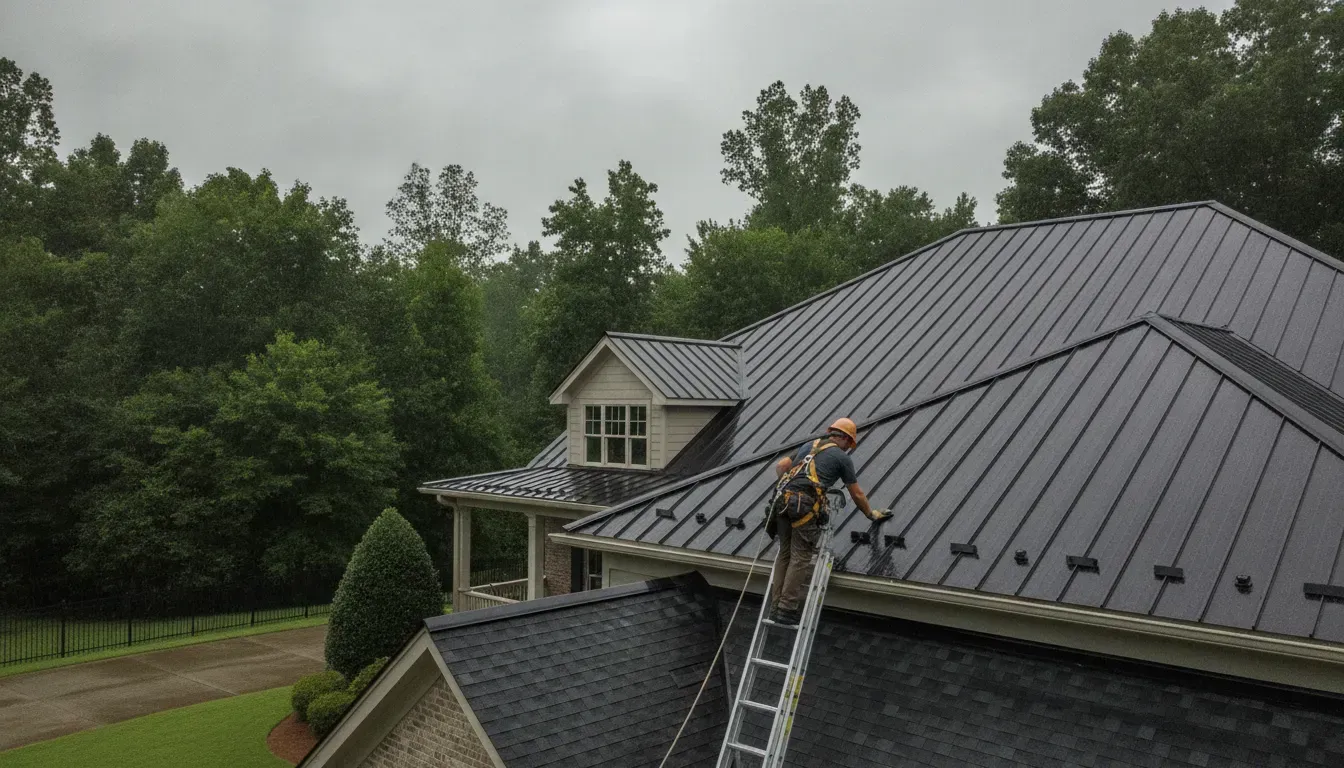
metal over shingle roofs
By SEO Analysis January 27, 2026
Can you put a metal roof over shingles? Learn when it’s allowed, pros and cons, code rules, moisture risks, and when a tear-off is the better option.
By SEO Analysis January 12, 2026
Replacing a roof is a major decision for any homeowner. A roof protects the structure, controls moisture, and supports energy efficiency. When problems increase, many homeowners ask one clear question: should I replace my roof now, or should I continue with home roof repairs? This guide provides everything you need to know before proceeding with a roof replacement . The goal is to help you understand residential roof replacement so you can make the right decision for your home, your budget, and your long-term plans. What Roof Replacement Means A roof replacement means removing the existing roofing system and installing a new roof. Contractors remove old shingles, underlayment, and damaged materials. They inspect the roof deck and repair structural issues if needed. They then complete a new roof installation using approved materials. This process is different from repairs. Repairs fix limited damage. Replacement rebuilds the entire roofing system. Signs You May Need to Replace Your Roof Roof Age Roof age is a key factor. Asphalt shingle roofs often last 20 to 25 years. Metal roofs last longer. Tile and slate roofs can last several decades. If your roof is near or past its expected lifespan, replacement is often the right option. Frequent Home Roof Repairs If you schedule repairs every year, costs increase over time. Multiple leaks or repeated shingle damage often signal system failure. At that point, replacement may cost less than ongoing repairs. Widespread Damage Damage across large areas often requires replacement. Common signs include: Missing or cracked shingles across the roof Soft or rotted roof decking Sagging roof lines Water stains in multiple attic areas Localized damage may support repair. Widespread damage usually supports replacement. Storm and Weather Exposure Severe weather shortens roof life. If storms cause repeated damage, a residential roof replacement may provide better long-term protection. Roof Repair vs Roof Replacement Roof Repair Fixes isolated problems Lower upfront cost Shorter project timeline Limited lifespan extension Residential Roof Replacement Rebuilds the entire roofing system Higher upfront cost Longer project timeline Long-term durability and warranty When repairs no longer provide stability, replacement becomes the practical solution. Benefits of Residential Roof Replacement Long-Term Protection A new roof provides complete coverage. New underlayment and flashing reduce leak risk. Updated materials handle weather better. Increased Home Value A roof replacement improves curb appeal. Buyers prefer homes with a recently roof installed. Appraisers also consider roof age and condition. Improved Energy Efficiency Modern roofing materials reflect heat more effectively. Proper ventilation improves airflow and helps reduce energy costs. Warranty Coverage Most residential roofing replacement projects include manufacturer and workmanship warranties. These warranties reduce long-term risk. Types of Roofing Materials Asphalt Shingles Most common residential material Affordable and reliable Available in many colors and styles Architectural Shingles Thicker than standard shingles Longer lifespan Better wind resistance Metal Roofing Long lifespan Energy efficient Higher upfront cost Tile Roofing Durable and heavy Requires strong roof structure Long service life Slate Roofing Premium roofing material Very long lifespan Higher cost and weight Material choice affects cost, durability, and appearance. Understanding the Roof Replacement Process Step 1: Inspection A professional roofer inspects shingles, flashing, decking, and attic ventilation. This step confirms whether replacement is necessary. Step 2: Estimate and Planning You receive a detailed estimate that includes materials, labor, timeline, and disposal. Contractors also explain permits and inspections. Step 3: Material Selection You choose roofing materials, colors, and styles. The contractor confirms compatibility with your home. Step 4: Tear-Off Crews remove the old roof and dispose of debris safely. This exposes the roof deck for inspection. Step 5: Deck Repair If the deck shows damage, crews repair it. A solid deck is required for a proper new roof installation. Step 6: Installation Contractors install underlayment, flashing, and roofing materials. Everything is installed according to code and manufacturer requirements. Step 7: Final Inspection The contractor inspects the completed roof. Local inspectors may also review the work. How Long Roof Replacement Takes Most residential roof replacement projects take one to three days. Larger or more complex roofs may take longer. Weather conditions can also affect timing. Cost Factors to Consider Several factors affect roof replacement cost: Roof size and slope Roofing material type Structural repairs Labor rates Permit and disposal fees Understanding these factors helps you plan your budget. Budgeting for Roof Replacement Plan early when possible. Get multiple estimates. Ask for itemized pricing. Understand payment schedules. Some contractors offer financing options. Common Mistakes to Avoid Waiting too long to replace the roof Choosing price over quality Ignoring ventilation needs Skipping professional inspections Avoiding these mistakes protects your investment. Roof Replacement and Home Insurance Insurance may cover roof replacement after storm damage. Coverage depends on policy terms and roof age. Document damage and contact your provider promptly. Permits and Building Codes Most roof replacements require permits. Licensed contractors handle this process. Permits ensure the roof installed meets safety and code requirements. Preparing Your Home for Roof Replacement Before Installation Clear driveways and walkways Remove wall decorations Protect attic items Notify neighbors During Installation Expect noise and vibration. Crews manage debris and safety areas. After Installation Inspect the yard for nails. Review warranty documents. Schedule follow-up inspections if recommended. How Long a New Roof Lasts Roof lifespan depends on material and installation quality: Asphalt shingles: 20–25 years Architectural shingles: 25–30 years Metal roofing: 40–70 years Tile or slate roofing: 50+ years Proper maintenance extends roof life. Maintaining Your New Roof Schedule annual inspections Clean gutters regularly Trim overhanging branches Address small issues early Maintenance helps reduce future repair costs. When to Replace My Roof Instead of Repairing You should replace my roof when: Repairs occur frequently Damage affects large areas Roof age exceeds lifespan Structural problems exist Replacement offers stability and long-term savings. Residential Roofing Replacement and Resale Buyers value a new roof. Homes with recent residential roofing replacement often sell faster and face fewer inspection issues. Choosing the Right Roofing Contractor Look for: Proper licensing and insurance Clear written estimates Warranty coverage Local experience Strong customer reviews The right contractor ensures quality results. FAQ How do I know when to replace my roof? Check roof age, damage extent, and repair history. Widespread or frequent issues usually indicate replacement. Can I live in my home during roof replacement? Yes. Most homeowners stay in the home, though noise is expected during work hours. How much does residential roof replacement cost? Costs vary by roof size, material, and repairs needed. A professional inspection provides accurate pricing. Does a new roof increase home value? Yes. A new roof installation improves curb appeal and buyer confidence. Get a Free Roof Replacement Estimate with Total Roof Solutions Roof replacement is a major project, but it delivers long-term protection and value. When repairs no longer solve the problem, replacing the roof is the smart choice. If you are considering a roof replacement, Total Roof Solutions is ready to help. Our team provides professional inspections, clear estimates, and expert residential roof replacement services. Contact Total Roof Solutions today to schedule your roof evaluation and move forward with confidence.
By SEO Analysis January 5, 2026
Roof inspections are the basis for every roofing repair or replacement estimate. Skilled, experienced contractors go over every inch of your home's roof, looking for storm damage, minor issues, and things that may cause problems in the future. They discuss your roof's condition with you and recommend remedies to bring it up to speed. Depending on their advice, you could be looking at a quick repair job or a full roof replacement, which dictates the overall price. There’s no single price tag for roof repairs. Costs come from materials, labor, permits, site conditions, and local market forces. Knowing those drivers helps homeowners set realistic budgets and avoid surprises. This guide walks through the main cost factors for residential roof repair in 2026: material choice, damage type, roof size and pitch, accessibility, labor and permit fees, and local location effects. You’ll get simple rules of thumb for repair vs. replace, how permits and labor affect costs in the Atlanta/McDonough area, and practical financing or insurance options to lower out-of-pocket expenses. We use clear examples, compact tables that link factors to typical impacts, and actionable checklists so you can compare options and request an accurate local estimate. Relevant local terms like roof repair costs in Atlanta , asphalt shingle repair cost, roof pitch and repair pricing, and roof repair permits in Georgia appear where they help homeowners find local, helpful information. What Are the Main Factors Affecting Residential Roof Repair Costs? The biggest cost drivers change how much material, crew time, and admin work a job needs. They decide whether a visit is a quick patch or a multi-day project. Key factors include materials (shingles, flashing, underlayment), damage type and severity (minor leak versus structural rot), roof size and pitch, access, labor rates, permits, and local market conditions. Fixing minor problems early usually keeps costs down because it prevents interior damage and mold that can multiply the bill. The most reliable next step is a professional inspection that identifies the exact scope. Many local, licensed contractors in McDonough provide inspections and free estimates that translate these factors into a written cost breakdown. How Do Roofing Materials Influence Repair Prices? The roofing material sets both the cost of the parts and the skill required for the work, so material choice directly affects price and long‑term performance. Asphalt shingle repairs are usually the most affordable because materials are common and crews can work quickly; patching and replacing a few shingles is routine. Metal, tile, and slate call for specialty tools and tradespeople, which can raise costs and sometimes require extra time to match materials. Consider lifespan, too: cheaper materials may require more frequent repairs, while higher-cost options often reduce maintenance costs over time and shift the repair-vs-replace calculation. Common material differences: Asphalt shingles: lower material cost, faster repairs. Metal: higher parts cost and specialized fastening/detail work. Tile/slate: highest labor skill and matching/replacement costs. Specialty materials also increase the risk of hidden costs, as matching pieces and careful removal often require experienced crews. What Types of Roof Damage Affect Repair Expenses? Damage type tells you whether a fix is cosmetic, functional, or structural. Those tiers span very different price ranges and future risks. Minor problems like a few missing shingles or a leaking pipe boot usually need local repairs and limited labor. By contrast, flashing failures, extensive water intrusion, rot, or storm damage can require tear‑off, decking replacement, or interior maintenance. Hidden issues such as wet insulation, mold, or compromised decking can quickly expand the scope and bring in other trades, raising the combined cost. Finding severity early reduces the risk that a small repair will turn into a costly replacement and interior remediation. Typical repair categories: Minor leak patches and shingle replacement. Flashing or pipe boot repairs and replacements. Decking or underlayment replacement because of rot. These categories help homeowners set expectations and estimate likely price brackets before contractor bids arrive. How Do Roof Size, Pitch, and Accessibility Affect Repair Costs? Roof shape and site conditions translate directly into labor hours, equipment needs, and safety measures, the largest drivers of labor-based pricing. Roof area (measured in squares or square feet) scales materials and crew time, so larger roofs cost more. Pitch increases fall‑protection needs and slows crews; steep roofs often require harnesses, roof jacks, scaffolding, or staging that add rental fees and extra hours. Tight yards, trees, or limited parking require more manual carrying and landscaping protection, which increases labor and handling fees. Why Does Roof Pitch Increase Labor and Equipment Costs? Steeper roofs make the work harder and the safety requirements stricter, which lengthen jobs and increase gear requirements. Slopes slow crew speed and usually require harnesses, roof jacks, or scaffolding; those controls take extra setup time and sometimes rental fees. The slower pace and added protections expand labor hours. They may require a larger crew for safe material handling, so identical material repairs on different pitches can have notably different labor costs. Treat pitch as a predictable multiplier when comparing bids. Always compare quotes that break out fall protection, staging, and crew size, rather than relying on a flat per-square price with no detail. How Does Roof Accessibility Impact Labor Rates and Project Time? Accessibility determines how fast crews can set up and move materials, which changes hourly totals and potential add‑on fees. Tight yards, gates, or valuable landscaping require extra protection and more manual carry, which increases labor hours and slows progress. Limited parking or driveway access can force longer handling routes or off‑site staging, adding logistics time that contractors often include in estimates. These access issues can also extend timelines and affect seasonal pricing. When you request bids, note access constraints and ask contractors to list handling and protection charges so line items are transparent and comparable. What Role Do Labor Costs, Permits, and Location Play in Roof Repair Pricing? Labor, permits, and local market conditions are external variables that shift final pricing by region and season. Labor is a large portion of most repair estimates because it covers skilled crews, licensing, insurance, and warranties. Permits and inspections add fixed administrative fees and can create scheduling delays for permitted work; disposal costs for tear‑offs and waste hauling are another practical expense. Peak demand, after storms for example, pushes up labor rates and extends lead times, while slower seasons can produce more competitive pricing. Homeowners in McDonough and the greater Atlanta region should expect permit and disposal fees to appear as separate items on estimates. Local, licensed providers like Total Roof Solutions know the McDonough permit rules and typical labor rates, which help produce accurate, region‑aware bids. How Do Local Labor Rates and Contractor Expertise Affect Total Costs? Local labor rates reflect wages, demand, and crew experience; experienced contractors can charge more up front but often reduce rework and warranty claims. Labor usually accounts for a large share of the invoice, and the mix of hourly crews and fixed bids affects risk allocation. A seasoned team lowers hidden costs by spotting secondary damage early, using proven installation practices, and offering material and workmanship warranties that protect homeowners. Always verify licensing, insurance, and warranty terms so you can weigh higher upfront labor costs against long‑term value and fewer callbacks. When Are Permits and Inspections Required, and What Are Their Fees? Permits are generally required for full replacements, structural decking repairs, and some substantial reroofing projects; small, isolated repairs often don’t need one. Fee schedules and inspection timelines vary by municipality and scope. In McDonough and the surrounding Atlanta area, check local building department rules or hire a licensed contractor who handles permit management. Skipping required permits can lead to fines or problems at sale, so following the code protects your investment. When you get estimates, ask if the contractor will secure permits and handle inspections as part of the quoted price to avoid surprise administrative costs. When Should You Repair or Replace Your Roof to Manage Costs Effectively? The repair vs. replace decision depends on roof age, extent and frequency of problems, and the relative cost of repeated fixes versus a new roof. Repair is often appropriate for localized roof issues with useful life remaining. Replacement makes sense for repeated leaks, large areas of missing shingles, extensive rot, or a roof near the end of its expected life. A practical rule: if a single repair approaches a significant portion of a replacement estimate or problems return quickly, replacement is usually the smarter financial choice. Factor in long‑term value, energy savings, and resale impact when deciding. Repair : Localized damage, newer roof, minor leaks. Replace : Widespread damage, structural rot, and a roof near the end of its life. Rule of thumb : If a repair is about 30–50% of replacement cost, consider replacement. Homeowners often use financing to manage large projects; licensed contractors can assist with insurance claims and offer financing plans to spread payments. Those options can lower the upfront burden and make timely repairs or replacements possible, which often saves money compared to overreacting to emergency failures. What Signs Indicate That Roof Replacement Is More Cost-Effective Than Repair? Signs that replacement is likely the better option include repeated leaks, big patches of missing shingles, visible decking rot, sagging, or a roof near the end of its expected lifespan. Ongoing callbacks after repairs or numerous roof penetrations are also red flags that problems are systemic rather than isolated. If an inspection shows recurring or widespread issues, consolidating into a single replacement often saves money and hassle over the long term. Replacing at the right time also improves energy efficiency and curb appeal, making it a real homeowner benefit. Plan replacement when it stops being a temporary fix and becomes the long‑term, cost‑effective solution. How Can Financing Options Help Homeowners Afford Roof Repairs? Financing spreads the cost of extensive repairs or replacements and makes timely decisions more manageable, reducing the risk of interior damage and emergency expenses. Options include home‑improvement loans, home‑equity lines, contractor financing, and insurance payouts for storm damage. Each choice involves trade-offs in interest, terms, and approval speed, so compare total interest and fees with the cost of delayed repairs. Talk about payment options early with contractors. Many local providers can help with insurance documentation and connect you with financing options that fit your budget and timeline. Weigh total borrowing costs against the potential for higher repair bills or interior damage if work is postponed. For licensed, insured, and bonded residential roof and gutter services in McDonough and the greater Atlanta area, request a free inspection and estimate from Total Roof Solutions. We’ll provide a clear, written cost breakdown that reflects your material choices, permit needs, and available financing or insurance assistance. Frequently Asked Questions What are the common signs that indicate a roof needs repair? Look for missing or damaged shingles, water stains on ceilings or walls, visible sagging, and active leaks during rain. Finding shingle granules in gutters, mold growth, higher energy bills, or attic drafts are also warning signs. Regular inspections catch issues early and prevent minor problems from becoming costly repairs. How can I find a reliable roofing contractor? Start with recommendations from friends, family, or neighbors, and check online reviews. Confirm the contractor is licensed, insured, and has good references. Get multiple written estimates, compare scope and warranties, and ask to see past work. A reputable contractor will explain the process clearly and provide a detailed, written quote. What financing options are available for roof repairs? Financing choices include home‑improvement loans, personal loans, home‑equity lines of credit, and contractor financing plans. Insurance payouts may cover storm damage. Compare interest rates, terms, and fees to pick the option that fits your budget and urgency. Many contractors can help with financing applications and insurance paperwork. How often should I have my roof inspected? Have your roof inspected at least once a year, ideally in spring or fall, and after significant storms. Regular checks help catch minor issues before they grow and extend roof life. Homeowners should also conduct periodic visual checks for apparent damage. What should I expect during a roof inspection? A qualified inspector will evaluate shingles, flashing, gutters, and overall roof condition and may check the attic for moisture or insulation problems. After the inspection, you should receive a report with findings, recommended repairs, and an estimate. Use that report to compare contractor bids and plan next steps. Are there any warranties available for roof repairs? Yes. Many contractors offer workmanship warranties alongside manufacturer material warranties. Coverage and length vary, so ask what’s included and any conditions. Clear warranty terms give you protection and peace of mind after the job is finished. What are the environmental considerations for roofing materials? Consider durability, energy efficiency, and recyclability when choosing materials. Metal and some high‑quality shingles last longer and can be more energy‑efficient. Some manufacturers offer recycled or sustainably produced options. Choosing an energy‑efficient roof can lower heating and cooling costs and reduce your home’s environmental footprint. Get Solid Roof Assessments and Quotes from Total Roof To get a free estimate from a contractor who knows McDonough permitting and storm‑claim processes, contact Total Roof Solutions. We offer inspections, warranties on materials and workmanship, and financing options to help you move forward with confidence. Contact Total Roof today!
By SEO Analysis December 23, 2025
Torch down roofing is a proven solution for flat and low-slope roofs. Many property owners hear the term but do not fully understand how it works or when it makes sense. Others want to know if torch down roofing is better than other flat roof systems. This guide explains everything you need to know before choosing this roofing option. We will cover what torch down roofing is, how it works, the materials involved, installation details, repair options, and when roof replacement is the better choice. The goal is clarity. By the end of this article, you will understand if torch down roofing fits your property. What Is Torch Down Roofing Torch down roofing is a modified bitumen roofing system. It uses rolls of asphalt-based material that installers heat with an open flame. The heat melts the underside of the material, allowing it to bond directly to the roof surface. This system is most common on flat roofs or low-slope roofs. It is used on residential buildings, commercial properties, and multi-family structures. When people ask what is torch down roofing, the simplest answer is this: it is a heat-applied roofing system designed to create a sealed, waterproof surface. How Torch Down Roofing Works Torch down roofing installs in layers. Each layer serves a purpose. First, the installer prepares the roof deck. The surface must be clean, dry, and smooth. Next, a base sheet may be installed. This layer adds stability and protection. Then the installer applies the torch down roofing material. A propane torch heats the roll as it unrolls across the roof. The heat melts the asphalt backing. The material bonds to the surface as it cools. This process creates a strong seal. It reduces seams. It prevents water intrusion. Torch Down Roofing Material Explained Torch down roofing material consists of modified bitumen. Bitumen is asphalt. Manufacturers modify it with polymers to improve flexibility and durability. Common material components include: Asphalt compound Reinforcing fabric (polyester or fiberglass) Granulated top surface or smooth surface The top layer often includes mineral granules. These granules protect against UV damage and weather exposure. Torch down roofing material resists cracking. It handles temperature changes well. It performs reliably in harsh conditions. Torch Down Roll Roofing Torch down roll roofing comes in large rolls. Installers apply each roll in sections. They overlap seams to ensure full coverage. Each roll bonds to the roof using heat. This method reduces the need for fasteners. Fewer fasteners mean fewer penetration points. Torch down roll roofing works well on roofs with minimal slope. Water flows across the sealed surface without pooling in seams. Types of Torch Down Roofing Systems There are two main system types. Two-Layer Torch Down System This system includes: Base sheet Cap sheet The base sheet adds strength. The cap sheet provides weather protection. This system offers better durability and longer lifespan. Three-Layer Torch Down System This system includes: Base sheet Interply sheet Cap sheet The added layer increases thickness and strength. This option suits roofs with higher exposure or heavier use. Torch Down Roofing Details Torch down roofing details matter. Poor detailing leads to leaks. Professional installation is critical. Important detail areas include: Seams and overlaps Roof edges Flashing around vents and drains Wall transitions Parapet walls Installers must apply even heat. They must avoid overheating. Proper technique ensures strong adhesion without damaging the material. Benefits of Torch Down Roofing Strong Waterproofing Torch down roofing creates a continuous seal. Heat bonding reduces seam failure. This system handles standing water better than many alternatives. Durability The material resists tearing and cracking. It handles foot traffic better than single-ply systems. Cost Control Torch down roofing often costs less than premium flat roof systems. It balances performance and affordability. Proven Performance This system has decades of use. Contractors understand its behavior and maintenance needs. Limitations of Torch Down Roofing Fire Risk During Installation Open flames create risk. Only trained professionals should install this system. Not Ideal for All Roofs Torch down roofing works best on flat or low-slope roofs. Steep roofs require different systems. Skilled Labor Required Improper installation causes failure. Experience matters with this roofing type. Torch Down Roofing vs Other Flat Roofing Systems Torch Down Roofing vs TPO Torch down roofing offers thicker material. TPO offers lighter weight and reflective surfaces. Torch down handles foot traffic better. Torch Down Roofing vs EPDM EPDM uses rubber sheets and adhesives. Torch down uses heat bonding. Torch down offers better puncture resistance. Torch Down Roofing vs Built-Up Roofing Built-up roofing uses multiple asphalt layers. Torch down installs faster and uses fewer materials. When Torch Down Roofing Makes Sense Torch down roofing works best when: The roof has low slope or is flat The property needs strong waterproofing Budget matters The roof sees moderate foot traffic It suits residential flat roofs, garages, commercial buildings, and apartment complexes. Torch Down Roofing and Roof Repair Torch down roofing supports effective roof repair. Contractors can patch damaged areas without replacing the full roof. Common repair situations include: Small punctures Seam separation Flashing failure Surface wear Timely roof repair extends system life. Ignoring damage leads to moisture intrusion. When Roof Replacement Is Better Roof replacement becomes necessary when: Damage is widespread The roof deck shows rot The system reaches end of lifespan Repairs repeat frequently Torch down roofing typically lasts 15 to 20 years. Age, exposure, and maintenance affect lifespan. Signs Torch Down Roofing Needs Attention Watch for these warning signs: Blistering or bubbling Cracks in surface Loose seams Ponding water Interior leaks Early inspection prevents major failure. Torch Down Roofing Installation Process Step 1: Roof Inspection Contractors inspect the deck, drainage, and structure. They confirm suitability for torch down roofing. Step 2: Surface Preparation Crews clean the surface. They repair damaged decking. A smooth base is required. Step 3: Base Sheet Installation The base layer installs using adhesive or mechanical fasteners. Step 4: Torch Application Installers heat the torch down roll roofing as they apply it. They control flame and pressure. Step 5: Detail Work Crews seal seams, edges, and penetrations. Flashing receives extra attention. Step 6: Final Inspection The contractor checks adhesion and drainage. They confirm system integrity. Safety Considerations Torch down roofing requires strict safety protocols: Fire extinguishers on site Trained installers only Controlled flame use Protective equipment Safety planning protects property and workers. Maintenance for Torch Down Roofing Maintenance extends lifespan. Recommended practices: Annual inspections Clear debris and drains Repair small issues early Monitor seams and flashing Routine care reduces roof replacement risk. Torch Down Roofing Lifespan Most torch down systems last 15 to 20 years. Proper installation and maintenance can extend service life. Environmental exposure affects durability. High heat, standing water, and heavy use shorten lifespan. Cost Factors for Torch Down Roofing Pricing depends on: Roof size System type Number of layers Deck condition Labor access Torch down roofing often costs less than premium flat roof systems but more than basic repairs. Torch Down Roofing for Residential Properties Torch down roofing works well for: Flat residential roofs Attached garages Additions Multi-unit housing Homeowners choose this system for durability and cost control. Common Mistakes to Avoid Avoid these issues: Hiring untrained installers Ignoring drainage design Skipping inspections Delaying roof repair Mistakes shorten roof life and increase costs. FAQs What is torch down roofing best used for? Torch down roofing works best on flat or low-slope roofs where waterproofing matters most. Is torch down roofing safe? Yes, when installed by trained professionals using proper safety procedures. Can torch down roofing be repaired? Yes. Contractors can perform roof repair on damaged sections without full replacement. How long does torch down roofing last? Most systems last 15 to 20 years with proper maintenance. Get a Free Roof Estimate Today Torch down roofing remains a reliable solution for flat and low-slope roofs. It offers strong waterproofing, durability, and cost efficiency. Understanding torch down roofing details helps property owners make informed decisions. When installed correctly, this system delivers consistent performance. When damage grows or age increases, roof replacement becomes the right move. If you are considering torch down roofing, Total Roof Solutions can help. Our team provides expert inspections, professional installation, and reliable roof repair and roof replacement services. Contact Total Roof Solutions today to schedule an evaluation and get clear answers for your roofing needs.
By SEO Analysis December 16, 2025
When your home roof starts showing signs of wear, you ask yourself: should I arrange a roof repair or go for a full roof replacement? At Total Roof Solutions we deal with this question often. Let’s talk like two neighbors having coffee: your roof has issues, you want solutions. You want facts. You want direct answers. You don’t want jargon. In this article we will cover both sides— roof repair and replacement roof —so you can decide with confidence. We will use clear language. We will define terms. We will show when home roof repairs make sense, and when roof replacements are the smarter move. We also include a detailed FAQ at the end and a strong call to action. Let’s dive in. What is a Roof Repair? A roof repair refers to fixing specific, isolated issues on your roof. Rather than replacing the entire surface, the work addresses trouble spots. Examples: Replacing a few missing shingles. Repairing flashing around a chimney or vent. Fixing a small leak in the roof deck. Repair is generally less expensive up front. It usually takes less time. It serves to extend the life of the roof without replacing the full system. Many times home roof repairs make sense when the damage is limited. What is a Roof Replacement? A replacement roof means removing the existing roofing materials (shingles, underlayment, sometimes decking) and installing a new roofing system. This is more than a patch. It gives a clean slate. Key features often include: New underlayment, new shingles or other materials. Possibly updated flashing and ventilation. A warranty on the full roof system. A full roof replacement costs more initially but can save money in the long run if your current roof is old or heavily damaged. When Roof Repair Makes Sense You should lean toward home roof repairs when: The damage is isolated (for example: a few missing shingles, a minor leak). The roof is relatively new (e.g., less than 10-15 years old for asphalt shingle). You plan to sell soon and want to control cost rather than invest heavily. You have the budget flexibility to monitor and maintain the roof rather than invest now in a full replacement. Here are clear signs repair is appropriate: Visual cues show missing or damaged shingles in one area only. There is no sagging or widespread structural damage. The rest of the roof shows good condition: minimal wear, no repeated leaks. You expect to stay in the home for only a short time, so maximizing near-term value is key. Repair approach gives you a quicker, lower-cost path to keep your home protected while you plan for long-term decision. When Roof Replacement Is the Better Choice You should consider a full roof replacement when: The roof is old, nearing or past its expected lifespan. For example, asphalt shingle roofs often last between 20-25 years. There is widespread damage: many missing shingles, multiple leaks, visible rot, or structural concerns. You have had many home roof repairs in recent years and the costs add up. You want to increase your home’s resale value, improve energy efficiency, or minimize future roof service calls. The underlying decking or structure is compromised, which means patching won’t solve the root problem. Replacement gives you peace of mind. It means fewer surprises. You reduce long-term risk. How to Evaluate Your Roof: Step-by-Step Here is a clear process you can follow: Check the roof age Ask when the current roof was installed. If it’s over 15-20 years old (for asphalt shingles) replacement likely makes sense. Inspect for damage Look for missing or curled shingles, dark streaks, moss growth, sagging roof deck, visible leaks in the attic. Assess the extent Is the damage localized (one area) or spread across the roof? Localized damage tends toward repair. Widespread calls for replacement. Check past repair history Have you needed multiple repairs recently? If yes, replacement likely is smarter. Consider long-term plans How long do you plan to stay in the home? If you plan long-term, replacement becomes more cost-effective. Review available budget Weigh immediate cost (repair vs replacement) and long-term value. Use multiple quotes. Consult a professional roofing contractor A qualified roofer can inspect hidden issues like underlayment damage, decking rot, ventilation problems, and provide a realistic estimate. Cost Considerations: Repair vs Replacement Let’s look at typical cost profiles (these vary by region, material, size). Roof repair: Costs vary widely, from a few hundred dollars to several thousand depending on issue. Roof replacement: Higher cost upfront but fewer ongoing costs. For example, some data suggest full replacement may cost multiple thousands of dollars. Here are factors that affect cost: Roof size and pitch (steep roofs cost more). Roofing material selected (asphalt shingles cost less than metal, tile, or slate). Accessibility and structural work needed (decking, underlayment, flashing). Labor rates in your region. Disposal of old roof materials (for replacement). Additional services: ventilation upgrade, insulation, gutter replacement. Benefits and Drawbacks of Each Option Roof Repair Benefits: Lower initial cost. Quicker to complete. Less disruption to home life. Drawbacks: May only delay the inevitable if the roof is near the end of its life. Patches may not match the rest of the roof, impacting aesthetics. Hidden damage may remain and cause future leaks or failures. Roof Replacement Benefits: Grants a full, fresh roof system with warranty. Less chance of repeated repair calls. Potential for improved energy efficiency and higher home value. Drawbacks: Higher upfront cost. More disruption (noise, cleanup, longer timeframe). If done prematurely when the existing roof still had life, might feel like unnecessary expense. Common Myths and Mistakes Myth: “A small leak always means full replacement.” Not true. If damage is limited and the roof is relatively young, repair may suffice. Myth: “Replacement always improves value more than any repair.” Not always; the value gain depends on the home market, roof material, and condition. Mistake: Ignoring minor issues. Small issues left unchecked can mushroom into big problems. Mistake: Choosing repair simply because it costs less now without reviewing long-term implications. How Total Roof Solutions Can Help You We perform comprehensive roof inspections to assess damage, age, and overall condition. We provide clear quotes for both roof repair and replacement options. We work with high-quality materials and certified installers to ensure your home receives lasting protection. We offer guidance tailored to your home’s needs, budget, and your plans for the future. FAQ Section 1. How do I know if my roof needs repair or replacement? Check the roof’s age, inspect for damage (missing shingles, leaks, sagging), review how many repairs you’ve had. If damage is broad or the roof is old, replacement likely is better. 2. Can I repair part of the roof instead of replacing the whole thing? Yes. If the damage is isolated to a section, you can opt for spot repair or partial replacement. But matching the new portion to the old can be tricky. 3. Will repairing the roof save money compared to replacing it? Often yes in the short term. But if you need frequent residential roof repairs , the cumulative cost may exceed that of one replacement. 4. What if I plan to sell my home soon—should I replace the roof or just repair it? If you plan to sell very soon (within 1-2 years) and your roof is still in decent condition, a repair may suffice. If the roof is old or shows major issues, replacement may yield better buyer appeal. 5. Does roof replacement improve energy efficiency? Yes. Newer roofing materials, improved underlayment, better ventilation and insulation can reduce heat gain/loss. Many roof-service providers note that replacement boosts efficiency. Ready for a Free Roof Estimate? Choosing between roof repair vs roof replacement is a major decision. You need clear facts, tailored options, and no surprises. At Total Roof Solutions we help you weigh your current condition, long-term plans, and budget. If you’re ready to explore your options—whether you aim for a targeted roof repair or are considering a full replacement roof— contact us today for a free inspection and quote . Protect your home now and make the choice that serves you best in the long run.
By SEO Analysis December 2, 2025
When homeowners begin to notice wear and tear on their roof, storm damage, or leaks, they cringe. Paying for roof repairs can be a hard blow to any household budget. Additionally, finding a reputable local company in Atlanta that delivers high-quality work can be challenging. The solution is finding a highly-rated team with a solid reputation that gives honest quotes, so homeowners know how to budget and avoid unnecessary add-ons. Feeling unsure about the cost of residential roof repairs can lead to unexpected expenses or put off necessary maintenance. This guide provides clear cost ranges, explains the key factors that influence pricing, outlines financing strategies, and shows you how to get accurate estimates. You’ll learn about average repair expenses, the elements that affect pricing, from the materials you choose to how severe the damage is, detailed breakdowns for leaks, shingles, metal, and flat roofs, plus tips on handling insurance claims and deciding whether to repair or replace your roof. Along the way, discover why Total Roof’s certified crews in Atlanta deliver top-notch workmanship at straightforward prices. What's the Average Price Tag for Residential Roof Repair? The average cost to repair a residential roof typically falls between $400 and $1,650, depending on the type of damage, the roofing material, and labor rates. Residential roof repair is designed to fix issues like leaks, missing shingles, and storm damage with minimal disruption, restoring your roof’s structural integrity. For many homeowners, understanding these benchmarks helps prevent overpaying and makes budgeting much easier. Getting familiar with common repair services helps establish baseline expenses before diving into specific price variations. What Are the Typical Price Ranges for Common Roof Repairs? Common residential roof repairs include fixing leaks, replacing shingles, repairing flashing, and restoring storm damage. Leak repair services generally cost between $150 and $600, depending on the severity of the leak. Replacing damaged shingles typically ranges from $400 to $1,200. Flashing repair costs usually range from $300 to $800, while storm damage repairs can cost between $800 and $1,650. These price brackets align with national averages and reflect local conditions in Atlanta. Understanding these price ranges helps you prepare your budget before requesting estimates. How Do Roof Repair Costs Differ by Location, Especially in Atlanta? Roof repair costs can vary significantly from one region to another due to differences in labor rates, the availability of materials, and local weather patterns. In Atlanta, average labor rates are $45–$75 per hour, and the frequent occurrence of storms tends to increase repair costs. Areas along the coast or in northern states might see higher rates for repairs needed due to snow loads, while rural areas often benefit from lower overhead costs. These geographic variations can shift the price of a $750 shingle repair by more than 15%. Being aware of local cost drivers helps you create a realistic budget and choose the right contractor. What Are National vs. Local Cost Comparisons for Roof Repairs? Across the nation, homeowners typically spend between $370 and $1,649 on roof repairs, with a median cost of $999. Here in Atlanta, repair prices tend to be 5–10% higher than the national median, primarily due to the region's higher frequency of storms and labor costs. In contrast, some markets in the Midwest report repair costs up to 20% lower than the national average. Comparing these figures helps you determine whether a local quote aligns with broader industry benchmarks. Analyzing both national and local data prepares you to evaluate quotes with a solid understanding of the market. What Factors Influence Residential Roof Repair Prices? The price of residential roof repair is shaped by several interconnected factors that determine the overall expense. These include the extent of the damage, the type of material used, the size and complexity of the roof, labor rates, accessibility, and how urgently the repair is needed. A thorough understanding of each element will help you project costs more accurately and avoid unexpected expenses. Exploring these factors in detail reveals how each aspect contributes to the final repair estimate. How Does the Extent and Type of Roof Damage Affect the Cost? The scope of the damage directly impacts the repair cost by determining the materials required, the labor time needed, and the safety measures necessary. A minor leak under a single shingle might take 1–2 hours and require minimal parts, whereas widespread storm damage across multiple roof sections could take days and necessitate advanced repair techniques. Minor punctures typically cost between $150–$400, while large membrane tears can exceed $1,200. The severity of the damage thus influences both material costs and the time the crew needs to be on-site. How Do Roofing Materials Impact Repair Pricing? Different roofing materials require unique repair methods and parts, leading to varied pricing. Repairing asphalt shingles is generally the most affordable option, while metal roofing repairs involve specialized tools and sealants. Flat roof membranes (like EPDM or TPO) require specific adhesive applications and seam welding, which increases labor costs. The choice of material can change a basic repair from $375 to over $1,000. Choosing durable materials not only affects immediate repair costs but also contributes to long-term savings on maintenance. How Do Roof Size, Pitch, and Complexity Affect Labor Costs? Larger roofs mean more square footage to cover, which increases the amount of material needed and the labor hours required. Steeper roof pitches necessitate additional safety equipment and specialized harnesses, potentially increasing labor rates by 10–20%. Complicated roof designs with multiple valleys and dormers require precise cutting and fitting, which can extend project duration by up to 30%. A larger and more unique roof typically results in higher labor costs and overall repair expenses. What Role Do Labor Rates and Geographic Location Play? Labor rates are influenced by local wage standards, insurance costs, and contractor overhead. In urban areas like Atlanta, rates typically range from $45–$75 per hour, while in rural communities, they might be closer to $30–$50. During peak seasons, high demand can push labor rates up by 15% due to scheduling constraints. Regional economic conditions directly impact the wage component of repair pricing. Understanding these labor variations helps you benchmark quotes and negotiate fair hourly rates. How Do Accessibility and Urgency Affect Repair Costs? Roofs that are difficult to access, such as those with steep angles or limited ground clearance, may require specialized equipment, including scaffolding or boom lifts, which can add $200–$800 to the total cost. Emergency repairs scheduled outside of normal business hours often come with premium fees, potentially up to 25% higher than standard rates. Responding urgently to active leaks frequently involves expedited crew deployment, increasing labor and logistics charges. Factors like accessibility and timing can quickly escalate repair pricing when extra resources are needed. What Does It Cost to Repair Specific Residential Roof Issues? Repair costs vary depending on the specific issue, reflecting the materials required, the complexity of the labor involved, and the level of expertise needed. From simple leak patches to extensive storm damage restoration, each problem comes with its own price profile. This section breaks down common scenarios so you can match your roof’s needs with realistic cost estimates. What Is the Cost to Fix a Roof Leak? Fixing a roof leak typically costs between $150 and $600, depending on the location of the leak and the type of roofing material used. Small shingle leaks usually average $150–$300, while leaks originating under flashing or in valleys might require $350–$600. Catching and repairing leaks quickly prevents secondary damage, making this an essential investment to protect your home’s structural integrity. Addressing leaks promptly minimizes both immediate repair costs and potential interior water damage. How Much Does Asphalt Shingle Repair Cost? Repairing asphalt shingles typically involves replacing damaged shingles, underlayment, and sealant. The average cost runs from $100 to $400 per square (100 sq ft), with minor section replacements starting around $250. Complete replacement of larger asphalt shingle sections can cost up to $1,200, especially for steep or intricate roof areas. Getting accurate estimates depends on the quality of the shingles, the roof’s pitch, and the extent of the section needing replacement. How Can Homeowners Finance Residential Roof Repairs? Financing residential roof repairs can help bridge budget gaps and allow for critical maintenance to be completed without delay. Available options include loans, lines of credit, payment plans, and insurance claims. Each of these solutions comes with its own set of terms, interest rates, and approval processes. Exploring these avenues helps homeowners move forward with necessary repairs without putting them off. What Are the Available Financing Options for Roof Repairs? Secured Home Equity Loans offer attractive low interest rates but require your home as collateral. Unsecured Personal Loans can provide quicker approval but typically come with higher interest rates. Credit Cards are useful for smaller repairs but involve variable interest rates. Contractor Payment Plans allow you to split costs into manageable monthly installments. Choosing the right option involves balancing the overall cost, repayment period, and the speed of approval. How Do Homeowners File Insurance Claims for Roof Repair? Document the damage immediately by taking photos and making detailed notes. Carefully review your policy coverage for wind, hail, or accidental damage. Contact your insurance provider to initiate the claim and get a claim number. Schedule a professional inspection for an official assessment of the damage. Submit repair estimates and the adjuster's report for approval. Following these steps can streamline the claims process and help you maximize your reimbursement. What Should You Know About Roof Repair Warranties? Roof repair warranties generally fall into three main categories: Manufacturer Warranties cover defects in materials for periods ranging from 20 to 50 years. Workmanship Warranties guarantee the quality of the installation for 1 to 10 years. Extended Service Plans offer ongoing inspections and minor maintenance services. Understanding the scope and exclusions of each warranty helps secure long-term protection for your investment. How to Get an Accurate Roof Repair Estimate Accurate estimates provide a clear outline of the project's full scope, including the quality of materials, labor involved, and expected timeframes. Detailed proposals guide homeowners in making informed decisions and help prevent hidden costs. Knowing what to expect in an estimate results in fair pricing and clear communication throughout the process. Why Is It Important to Get Multiple Roof Repair Quotes? Obtaining at least three quotes allows you to: Compare the quality of materials and labor rates offered by different contractors. Identify any outlier pricing that might indicate hidden fees or unnecessary charges. Assess the responsiveness and professionalism of each contractor. Negotiate better terms by leveraging competitive offers. Getting multiple quotes helps you choose the best combination of value and quality for your project. What Should a Detailed Roof Repair Estimate Include? A comprehensive estimate should list: The scope of work, with itemized tasks clearly defined. Specific material details, including brand names. Estimated labor hours, hourly rates, and the size of the crew. The projected timeline for completion, along with key milestones. The payment schedule and terms. Having all these details in writing establishes clear expectations and accountability from both parties. How Can You Get Transparent and Fair Pricing? You can get fair pricing by: Requesting itemized breakdowns for both materials and labor. Verifying that the contractor is properly licensed and insured. Asking for references and recent project photos. Comparing the warranty coverage offered by different providers. Transparency in every estimate helps prevent surprises and builds a foundation of trust. When Should You Repair vs. Replace Your Residential Roof? Deciding between repairing and replacing your roof involves weighing the current repair costs against the overall long-term health of your roof. Minor, isolated issues often make repair the sensible choice, while extensive deterioration typically justifies a full replacement. This comparison helps clarify when investing in a new roof offers better long-term value.  What Factors Indicate If Repair Is a Worthwhile Investment? Repairing your roof is often cost-effective when: The roof is less than 10 years old. The damage is confined to specific, isolated areas. The underlying structure and decking are still in good condition. The material warranties are still active. Carefully assessing these factors can help you avoid unnecessary replacement expenses. How Can Timely Repairs Extend Your Roof’s Lifespan? Addressing issues promptly helps prevent moisture intrusion and rot, thereby preserving the integrity of your roof’s decking and underlayment. Stopping small leaks before they spread can add 5–10 years to your roof’s overall lifespan, ultimately saving you money on future full-replacement costs. Proactive maintenance keeps your roof performing optimally and provides homeowners with peace of mind. Why Choose Total Roof for Your Residential Roof Repair Needs in Atlanta? Total Roof combines local expertise, industry certifications, and a steadfast commitment to delivering lasting results. As a licensed residential roofing contractor serving the Atlanta metro area, Total Roof is dedicated to providing transparent pricing and exceptional workmanship on every project we undertake. What Expertise and Certifications Does Total Roof Offer? Total Roof holds key industry certifications and qualifications: Master Elite certification from leading shingle manufacturers. Advanced training in specialized metal and flat roof repair techniques. Active membership in professional roofing associations. Continuous safety and quality training for all our crews. These credentials guarantee that your repairs are performed by skilled professionals who adhere to all building codes. How Does Total Roof Provide Quality Workmanship and Customer Satisfaction? Total Roof implements rigorous quality control protocols: Detailed pre-repair inspections are conducted to identify all underlying issues. Our licensed and insured crews strictly follow the manufacturer's best practices. Comprehensive warranties cover both materials and labor for your peace of mind. Follow-up inspections are performed to confirm the effectiveness of the repairs. This unwavering dedication to excellence builds trust and long-term customer satisfaction. How Can You Contact Total Roof for a Residential Roof Repair Estimate? To schedule a no-obligation roof repair estimate, please contact Total Roof by phone or email. Our team is ready to respond promptly, assess your needs, discuss financing options, and provide transparent pricing tailored to your home’s specific requirements. Respecting your time and budget, Total Roof makes professional roof repair a straightforward and reliable experience. Get Quality Repair at Total Roof Understanding residential roof repair costs helps you protect your home and make wise budget decisions. By comparing average costs, analyzing the factors that influence pricing, exploring financing options, and choosing an expert contractor like Total Roof, you can approach every repair decision with confidence and keep your home protected by a durable, watertight roof.
By SEO Analysis November 18, 2025
Imagine standing in your kitchen, cooking dinner, and suddenly feeling drops of water on your neck. You look up and see a wet patch on the roof directly above you. This is one of the most stressful scenarios for a homeowner. Roof repair is notoriously expensive, especially if what you can see is only a small part of the damage. Knowing who to trust in Atlanta for honest quotes, no unnecessary add-ons, and superior repair helps alleviate budget concerns. When your home's roof needs attention, understanding the associated costs is key to making informed decisions and protecting your property. Residential roof repair costs encompass the combined expenses for materials, skilled labor, and any necessary regulatory fees to address damage, preserving your roof's structural integrity and preventing further interior issues. Clear, upfront pricing helps you avoid unexpected expenses and safeguards your home's value through proactive maintenance. This guide will walk you through the typical cost ranges for common repairs, the factors that influence pricing, a breakdown of expenses by repair type, how to decide between repairing and replacing your roof, available financing solutions, and essential tips for getting accurate estimates. By the end, you'll be well-equipped to budget effectively for residential roof repair services . What Is the Average Cost of Residential Roof Repair? Across the nation, residential roof repair projects typically range from $392 to $1,932, with an average investment of $1,154. This range reflects the varying degrees of damage and the specific materials required for each level of damage. Knowing this average helps homeowners plan their finances and prioritize necessary fixes before minor issues escalate into major, more expensive problems. How Much Does Roof Repair Cost? [2025 Data] According to insights from Angi, U.S. homeowners typically invest around $1,154 for roof repairs, with costs commonly ranging from $392 to $1,932. Several significant factors influence these prices, including your home's geographic location, the type of roofing material used, the overall size and design of your roof, and prevailing labor rates, which average between $45 and $75 per hour. This data aligns with the average cost and range presented here, offering valuable additional details on labor expenses and other key elements that shape repair pricing. What Is the Cost of Roof Repair? (2025 Pricing) Research from This Old House suggests that the average cost for residential roof repair in the U.S. hovers around $1,147, with typical expenses falling between $392 and $1,913. Key factors influencing these costs include the age of your roof, the prevailing weather conditions, the time of year, and local labor rates. This research directly supports the average cost range detailed in this article and provides further insight into the various factors that impact repair pricing. How Do Costs Vary by Roofing Material? The type of roofing material significantly impacts repair expenses, as each substrate requires different skills and replacement components. For asphalt shingles, minor fixes typically range from $100 to $300. Metal roof patching can cost between $250 and $700 due to the specialized sealing techniques involved. Repairs for flat EPDM or TPO membranes typically range from $300 to $900, requiring specialized adhesives and precise temperature control. More premium materials like tile or slate can start at $500 for minor tile replacements, reflecting their delicate nature and the need for skilled labor. Understanding these material-specific costs helps you identify the most economical repair options that align with your existing roofing system and your long-term expectations. What Are the Local Cost Differences in Atlanta and the Surrounding Areas? In the Atlanta area, the average cost of residential roof repair tends to be about 10–15% lower than the national average. Minor leak fixes often range from $135 to $400, and shingle replacements typically cost between $45 and $700. Local labor rates usually range from $50 to $65 per hour, influenced by the competitive market of roofing contractors in the Metro Atlanta region. Permitting fees in Fulton County usually range from $80 to $200, adding a modest amount to overall estimates. These local insights are invaluable for Atlanta homeowners looking to establish realistic budgets and tap into the expertise available through Residential Roof Repair Services in Atlanta. Which Factors Influence Residential Roof Repair Costs? How Does Roofing Material Affect Repair Pricing? Your roofing material is a primary driver of repair costs, influencing both the price of components and the labor involved. Asphalt shingles are generally the most budget-friendly option, with repair parts costing $1–$3 per shingle and installation labor ranging from $45 to $60 per hour. Metal panels typically cost $3–$7 per square foot, with labor for welding or seam sealing running $60–$85 hourly. Flat roofs (EPDM/TPO) require specialized adhesives and heat-welding tools, resulting in material costs of $1.50–$4 per square foot and labor costs of $55–$75 per hour. Higher-end tile or slate materials naturally increase costs due to their fragility and the specialized handling required for replacement. How Does the Type and Extent of Roof Damage Impact Cost? The severity of the damage directly dictates the amount of labor and materials needed. A small puncture or a single missing shingle usually requires less than an hour of work and minimal parts, resulting in a total cost of $150–$450. More significant leaks that involve replacing underlayment or patching multiple shingle layers can take several hours and cost between $500 and $1,200. Structural damage, such as rot near the eaves or compromised underlayment, necessitates removal and rebuilding, potentially increasing costs from $1,000 to $2,500, depending on the size of the affected area. Identifying the full extent of the damage through a professional inspection is crucial to avoid underestimations and unexpected expenses. What Role Do Roof Size and Pitch Play in Pricing? The square footage of your roof and its slope directly impact the labor intensity and the safety measures required. Larger roofs naturally demand more materials and additional crew hours. A steep roof pitch, such as a 9/12 slope, can increase labor rates by 10–20% due to the enhanced safety protocols and equipment needed, like fall protection systems. Roofing contractors often factor in a per-square-foot cost for safety harnesses, scaffolding, and extended setup times. Accurately measuring your roof's dimensions and pitch enables a precise estimate and accounts for the extra precautions necessary on steeper inclines. How Do Labor Rates and Seasonal Timing Affect Costs? Labor costs can fluctuate based on market demand and the time of year. During the busy summer months, hourly rates for roofing crews might increase by 10–15%. Conversely, off-season rates in winter could offer savings of 5–10% due to lower demand. Emergency repairs, especially those needed after storms or during periods of heavy rain, often come with a premium, potentially adding $50–$100 per hour for rapid response teams. Understanding these seasonal trends can help you schedule non-urgent repairs during more cost-effective times and anticipate potential surcharges when weather events necessitate expedited service. When Are Permits and Inspections Required and What Do They Cost? Local regulations often require permits for significant roof alterations, with fees typically ranging from $70 to $250, depending on the project's scope and local building codes. Inspections by municipal officials can add another $75–$150 to the overall cost. While minor repairs like patching or replacing a few shingles might not require a permit in some areas, more extensive work, such as full deck replacements or structural fixes, almost always does. It's essential to verify permit requirements early in the planning process to avoid delays and unforeseen expenses. What Are the Typical Costs for Common Roof Repair Types? How Much Does Roof Leak Repair Usually Cost? Roof leak repair involves pinpointing the source of water intrusion and then resealing or replacing the affected components to prevent further damage. Minor puncture fixes typically cost between $150 and $450. More substantial leaks that require replacing underlayment or patching decking can range from $500 to $1,200. Addressing leaks promptly can significantly reduce the scope and cost of the repair. What Is the Cost to Replace Missing or Damaged Shingles? Replacing a small number of asphalt shingles, typically one to five, usually costs between $50 and $200, covering both labor and the cost of the shingles themselves ($1–$3 each). For more extensive damage requiring the replacement of multiple bundles of shingles, costs can range from $300 to $800, as this often includes the labor for tear-off, disposal, and potential underlayment repair. How Much Does Flashing Repair Cost? Flashing repair focuses on replacing or sealing the metal channels found around roof penetrations and in valleys. Basic caulking and seal replacement can start around $200. However, a complete replacement of the flashing system, depending on the linear footage and accessibility, often ranges from $400 to $600. What Are the Costs for Soffit and Fascia Repairs? Soffit and fascia sections are crucial for protecting your roof edges and providing proper ventilation. Repairing small areas of rot or replacing damaged boards typically costs between $300 and $600. If the damage is more extensive, requiring full soffit replacement, the installation of new vents, or fascia wrapping, the cost can range from $700 to $1,000, depending on the materials chosen and the labor involved. When Should You Repair vs. Replace Your Roof? Deciding whether to repair or replace your roof involves carefully weighing the immediate costs against the long-term value and the remaining lifespan of your current roof. What Are the Cost Differences Between Repair and Replacement? A partial roof repair can range from $150 to $2,000, depending on the specific damage. In contrast, a full roof replacement for an average 2,000 sq ft asphalt shingle roof typically costs between $5,800 and $12,000 nationwide. Replacement involves the complete removal of the old roof, the installation of new underlayment, and the use of new materials, as well as labor and disposal fees. While replacement expenses can be double or triple that of repairs, it effectively resets the roof's service life. What Factors Determine When Replacement Is More Cost-Effective? Replacing your roof often becomes the more cost-effective choice when repairs would affect more than 30% of the roof area, when damage occurs repeatedly, or when the roof is nearing or exceeding 20–25 years of age. Significant structural issues, multiple patched leaks, or failing underlayment are strong indicators that ongoing repairs will soon outweigh the investment in a new roof. How Does Roof Replacement Cost Compare to Repair Costs? While minor repairs may only cost a few hundred dollars, the average cost for a complete roof replacement is around $9,500, with a broad range of $5,800 to $46,000, depending heavily on material choices (such as metal, tile, or slate) and the size of your home. Considering the long-term benefits, such as extended warranties and potential energy efficiency upgrades, a replacement often leads to greater savings over time through reduced maintenance and improved insulation. What Financing Options Are Available for Residential Roof Repairs? Financing can make necessary roof repairs more accessible by allowing you to spread payments over time. What Payment Plans and Loans Can Help Homeowners Afford Repairs? For larger projects, home equity loans and lines of credit offer competitive interest rates, typically between 3–7%. Specialized home improvement loans designed for roofing work can provide fixed rates and repayment terms of up to 15 years. Additionally, some roofing contractors offer in-house financing options, which may include promotional zero-interest periods or low-interest plans, making even emergency repairs more manageable. How Do Financing Terms Affect Overall Repair Costs? Choosing longer loan terms will result in lower monthly payments but will increase the total amount of interest paid over the life of the loan, potentially adding 10–20% to the overall project cost. Short-term loans reduce the total interest paid but increase your monthly financial obligation. Carefully comparing the Annual Percentage Rate (APR), repayment period, and any associated origination fees is essential for selecting the financing option that best balances your cash flow needs with overall cost efficiency. How Can You Get an Accurate Residential Roof Repair Estimate? Securing a detailed and transparent estimate is crucial for understanding the full scope of work and associated costs before any repairs begin. What Should You Expect in a Professional Roof Repair Estimate? A comprehensive estimate should provide a line-item breakdown of all costs, including materials, estimated labor hours, permit fees, and any charges for removal or disposal. It should clearly specify the areas to be repaired, outline any guarantees or warranties offered, and provide an estimated timeline for completion. The inclusion of warranty details for both workmanship and materials builds trust and accountability. How Do You Choose the Best Roofing Contractor for Cost and Quality? When selecting a roofing contractor, look for local licensing, a strong history of positive customer reviews, and relevant manufacturer certifications. Ensure they carry adequate insurance and provide written warranties for their work. Clear communication regarding the project timeline is also vital. Contractors with proven expertise in your specific roofing material will provide the most efficient and durable repairs. What Are Tips for Comparing Multiple Roof Repair Quotes? It's advisable to obtain at least three estimates for the same scope of work. When comparing them, pay close attention to the brands of materials used, labor rates, warranty terms, and payment schedules. Don't hesitate to ask for explanations regarding any differences in their proposed approaches, such as variations in underlayment quality or how permits are handled, to make an informed decision based on overall value, not just the lowest price. What Are the Most Frequently Asked Questions About Roof Repair Costs? Homeowners often seek clarification on the factors that influence costs and strategies for saving money to avoid unexpected expenses. How Much Does It Cost to Repair a Small Roof Leak? Repairing a minor roof leak typically costs between $150 and $450, with the final price depending on the location, severity, and type of roofing material involved. What Factors Affect Residential Roof Repair Costs? The primary factors influencing residential roof repair costs include the type of roofing material, the extent of the damage, the size and pitch of the roof, local labor rates, seasonal demand, and any required permits or inspections. Is It Cheaper to Repair or Replace a Roof? Minor repairs are significantly less expensive than a complete roof replacement. However, for extensive damage or an aging roof system, replacement often proves to be more cost-effective in the long run. How Much Does It Cost to Replace Roof Shingles? Replacing just a few asphalt shingles can cost between $50 and $200. For larger-scale replacements involving multiple bundles and potential underlayment repair, costs can range from $300 to $800. Are Emergency Roof Repairs More Expensive? Yes, emergency repairs, particularly those performed after storms or outside of standard business hours, typically involve higher labor rates. You can often expect a surcharge of 10–20% to expedite the response and service. Final Thoughts Addressing roof issues promptly is essential for maintaining your roof's integrity. Having a clear understanding of costs helps you protect your investment through professional guidance and transparent pricing. When you're ready to schedule an inspection or receive a personalized cost estimate, the certified team at Total Roof can provide efficient, high-quality service tailored to your specific needs and budget. Rely on our local expertise and commitment to clear, upfront pricing so your home's roof is protected for years to come. Contact us today for more information or a quote.
By SEO Analysis November 4, 2025
Few things cause more stress for a Georgia homeowner than discovering roof damage. Missing shingles, a sagging roofline, or leaks after a storm don’t just threaten your home’s appearance—they threaten your entire structure. Left unchecked, water damage can destroy insulation, warp drywall, rot wood framing, and invite pests and mold into your attic and walls. Unfortunately, roof repairs and replacements can be expensive. The good news? If your damage was caused by a covered event, your homeowners insurance may pay for all or part of the cost to replace your roof. The key is knowing how to navigate the process correctly. At Total Roof Solutions, we help homeowners across Georgia—from McDonough and Atlanta to Savannah and beyond—get the insurance coverage they deserve. Below, we’ll walk you through how to get insurance to pay for roof replacement in Georgia , what your policy actually covers, how to file a successful claim, and what to do if your claim is denied. Understanding Roof Insurance Coverage in Georgia Before you ever file a claim, it’s essential to know what kind of roof damage your insurance policy actually covers—and what it doesn’t. Covered Perils Most homeowners insurance policies cover sudden and accidental damage caused by “perils” such as: Windstorms and hail Falling trees or debris Fire and smoke damage Lightning strikes Damage from weight of snow or ice In Georgia, wind and hail are the most common causes of roof insurance claims, especially during the state’s intense spring and summer storm seasons. If a storm blows through and tears off shingles, punctures your underlayment, or damages flashing and gutters, that typically qualifies as a covered event. What’s Not Covered: Exclusions On the other hand, wear and tear, aging, and neglect are almost never covered. Your insurer expects you to maintain your roof with regular inspections and maintenance. That means damage from the following is usually excluded: Long-term leaks or water intrusion Gradual shingle deterioration or granule loss Mold and rot caused by neglect Poor workmanship or unpermitted repairs Improper ventilation or installation issues If your roof is already 15–20 years old, your claim may also face extra scrutiny. Insurers may argue that the roof’s age—not the storm—was the main reason for failure. Deductibles Every homeowners policy includes a deductible, which is the amount you pay out of pocket before insurance kicks in. In Georgia, many policies use percentage-based wind or hail deductibles, typically 1% to 5% of your home’s insured value. That means if your home is insured for $300,000 and you have a 2% deductible, you’d owe $6,000 before your insurer covers the rest. Higher deductibles usually mean lower monthly premiums, but you’ll have to cover more when damage happens. Replacement Cost vs. Actual Cash Value One of the biggest factors determining how much your insurance pays for roof replacement is whether your policy uses Replacement Cost Value (RCV) or Actual Cash Value (ACV) coverage. Replacement Cost Value (RCV): Pays the full cost to replace your roof with materials of similar kind and quality, minus your deductible. Actual Cash Value (ACV): Pays only the depreciated value of your roof based on age and condition. For example, if you installed your roof 12 years ago, an ACV policy will deduct for depreciation, meaning your payout will be far less than the full replacement cost. RCV coverage, by contrast, pays for a brand-new roof. When choosing insurance roofing services, make sure you understand which type of policy you have—it can mean the difference between thousands of dollars out of pocket or a fully covered replacement. Step-by-Step: How to Get Insurance to Pay for Roof Replacement in Georgia Filing a roof claim can feel intimidating, especially if you’ve never done it before. But following the right steps, in the right order, can make all the difference. Here’s how the process works: 1. Inspect and Document the Damage After a storm or visible roof issue, the first step is to document everything. Take clear photos of any missing shingles, dented gutters, fallen branches, or visible holes. Look for interior signs like water stains, sagging drywall, or mold around ceiling vents. Record the date and time of the storm or event. If possible, reference local weather data confirming hail or wind activity in your ZIP code. Tip: Don’t climb onto the roof yourself—let a professional roofer handle the inspection safely. 2. Schedule a Professional Roof Inspection Before contacting your insurance company, call a licensed Georgia roofing contractor—preferably one experienced in insurance restoration work. At Total Roof Solutions, we provide free roof inspections and detailed reports identifying storm damage, photographs, and repair estimates that can be used for your claim. A professional inspection strengthens your case and helps you avoid claim denials caused by incomplete documentation. 3. Contact Your Insurance Company Once you have your inspection report and photos, contact your insurance provider. Be ready to: Explain what happened and when. Provide your documentation and photos. Request to file a roof damage claim. Pro tip: File as soon as possible—most policies require claims to be reported within a specific time window after the damage occurs. Delays can lead to denial. 4. Meet with the Insurance Adjuster After you file, your insurer will schedule an adjuster inspection to verify the damage and estimate repair costs. Have your roofing contractor present during this appointment. The adjuster represents the insurance company, and your roofer represents you. They’ll ensure all damage is identified, not just the obvious spots. Make sure the adjuster documents: Roof surface damage (shingle bruising, punctures, tears) Structural damage to decking or underlayment Damage to vents, flashing, gutters, and skylights Water intrusion evidence inside your home 5. Review the Insurance Estimate After inspection, your insurer will issue a claim estimate detailing what they’ll pay for. Review this document carefully. If your policy includes replacement cost coverage, you may initially receive a partial payment (the actual cash value). The remaining amount—called recoverable depreciation—is paid after the work is completed and verified. If the insurer’s estimate seems too low or omits necessary repairs, your contractor can help you submit a supplement to request additional funds. 6. Approve the Work and Begin Roof Replacement Once the claim is approved, you’ll sign a work authorization with your roofing company. Your roofer will then: Order materials that meet local code and match your home’s design Complete the replacement or roof insurance repairs Provide a warranty for both materials and workmanship At Total Roof Solutions, we coordinate directly with your insurance company so you don’t have to manage the back-and-forth. Our team ensures all repairs meet Georgia building standards and insurance documentation requirements. 7. Receive Final Payout After your new roof is installed, your roofer submits a completion certificate and final invoice to your insurance company. Once verified, you’ll receive the second payment (if applicable), covering any withheld depreciation. You’ll only be responsible for your deductible and any chosen upgrades. How to Maximize Your Roof Insurance Claim Even small mistakes can lead to claim delays or denials. Here are our top tips for maximizing your insurance payout: Document Everything Take photos and videos before, during, and after storms. Keep copies of inspection reports, receipts, and communications with your insurer. Maintain Your Roof Year-Round Insurance companies expect homeowners to maintain their roofs. Schedule annual inspections and clear debris to show that your roof was in good condition before the storm. Don’t Delay Repairs If you notice missing shingles or leaks, act fast. Insurers may deny claims for “failure to mitigate,” meaning you didn’t take timely steps to prevent further damage. Partner With a Trusted Roofing Company A reputable local roofer experienced in roof insurance restoration can make or break your claim. They’ll handle inspections, documentation, adjuster meetings, and ensure your roof is replaced properly and on budget. At Total Roof Solutions, our licensed, bonded, and insured team works with all major insurance carriers throughout Georgia. We’re not just roofers—we’re your insurance restoration advocates. Common Questions About Roof Insurance Repairs in Georgia Does homeowners insurance cover roof repairs? Yes—if the damage was sudden and caused by a covered peril like hail, wind, or fire. However, normal aging or poor maintenance is not covered. Are roof repairs covered by insurance if the roof is old? Possibly, but older roofs often have depreciated value under ACV policies. If your roof is more than 15 years old, insurers may only pay a portion of replacement costs. What’s the difference between roof repairs and roof replacement in a claim? If damage is limited to one area, your insurer may only pay for repairs. But if the damage affects a large portion of the roof or matching shingles are unavailable, they may cover a full replacement. What is roof insurance restoration? Roof insurance restoration is the process of repairing or replacing your roof after a covered event, with the costs reimbursed by your homeowners insurance. How long do I have to file a claim in Georgia? Most insurance providers require claims within 6–12 months of the damage, but always check your policy for deadlines. Will filing a roof claim raise my insurance premium? It depends. One weather-related claim may not raise rates significantly, but multiple claims in a short period can affect premiums or renewals. What if my claim is denied? If your claim is denied, request the reason in writing. You can appeal the decision, provide additional documentation, or consult a public adjuster or attorney specializing in property insurance claims. Why Choose Total Roof Solutions for Insurance Roofing Services in Georgia At Total Roof Solutions, we’ve built our reputation on integrity, craftsmanship, and customer advocacy. Our team works side by side with Georgia homeowners to ensure every valid insurance claim is approved and every roof replacement meets our Platinum Preferred Owens Corning standards. When you work with us, you get: Free roof inspections and detailed damage reports Expert claim assistance and adjuster coordination Licensed, bonded, and insured professionals Top-quality materials backed by warranty Fast, clean, and code-compliant installations Whether you live in McDonough, Atlanta, or anywhere across Georgia, we’re here to make your insurance roof replacement as smooth and stress-free as possible. Your roof protects everything under it—and when it’s damaged, you shouldn’t have to fight your insurance company to restore your home. Understanding your policy, documenting damage, and working with a trusted roofing expert are the keys to getting your claim approved. At Total Roof Solutions, we specialize in helping Georgia homeowners get insurance to pay for roof replacements quickly, fairly, and with minimal hassle. Has your roof been damaged by a recent storm? Don’t wait. Contact Total Roof Solutions today for a free roof inspection and insurance claim consultation. Our team will evaluate your damage, review your coverage, and walk you through the entire process—so you can get your roof replaced and your peace of mind restored. Call today or request a free estimate online to schedule your free inspection and claim assistance.
By SEO Analysis October 16, 2025
Modern roofing materials make selecting a new roof more complicated for home and commercial property owners. With advanced options to choose from, investing in the ideal roofing material for your unique property becomes even more critical to projected ROI. Professional Atlanta roofing companies like Total Roof can guide property owners to the best value, durability, and long-term performance they expect. Choosing the right roofing material directly determines both upfront expenses and long-term savings, as it shapes the overall project pricing, installation complexity, and maintenance requirements. Understanding how material choice drives your roofing project costs empowers commercial property owners to budget accurately, optimize return on investment, and avoid unexpected expenses. This article explains the key cost factors, compares common commercial roofing materials, explores energy-efficient options, helps determine whether to repair or replace, provides transparent estimates, highlights emerging trends, and breaks down the lifespan and total cost of ownership. Alongside specialized commercial services, Total Roof also delivers reliable “residential roof replacement in Atlanta” solutions for homeowners seeking expert gutter and roof care. What Are the Key Factors That Influence Commercial Roofing Project Costs? Commercial roofing project costs depend on several interrelated factors that define material expenses, labor charges, regulatory fees, and hidden overhead. By identifying each driver, building owners can forecast budgets more accurately and select materials that align with both performance and cost goals. How Does Roofing Material Impact Overall Project Pricing? The choice of roofing material sets the baseline expense, as different membranes, metals, and built-up systems carry variable price tags and installation requirements. High-performance membranes, such as TPO or metal panels, cost more per square foot but reduce long-term maintenance and energy bills. In contrast, budget single-ply options lower the initial outlay at the expense of shorter lifespans. Material cost influences the total price by dictating required square footage, seam methods, and handling procedures for installers. What Role Do Labor Costs Play in Roofing Material Selection? Labor costs vary depending on the material, roof slope, and contractor expertise. Intricate metal panel systems require specialized crews and precise installation, resulting in labor rates of $400–$800 per roofing square (100 square feet). In contrast, simpler EPDM installations typically average $300–$600 per square. Labor charges can account for 30–50 percent of the total project cost, so selecting a material aligned with skilled crew availability helps control expenses and manage the schedule. How Do Roof Size and Complexity Affect Material and Labor Costs? Larger roof areas increase material quantity proportionally; however, complicated roof geometries, such as multiple hips, penetrations, and steep slopes, require additional cuts, flashings, and safety measures, resulting in a 10–25 percent increase in labor and material waste. Flat, uncomplicated rooftops streamline installation and minimize offcut waste, lowering both product spend and crew hours. How Do Location and Local Building Codes Influence Material Costs? Regional differences in material supply, shipping fees, and prevailing wage laws can result in per-square-foot pricing shifts of up to 15 percent. Local building codes may require fire-resistant or energy-efficient membrane types, which can drive up approved material costs while maintaining compliance. Coastal areas often require wind-rated systems, affecting both product choice and installation methods. What Are the Hidden Costs in Commercial Roof Replacement Projects? Beyond materials and labor, commercial roof projects incur additional costs, including permits, inspections, waste disposal, and permitting fees. Adding scaffold rentals, crane lifts for heavy systems, and tear-off disposal can increase total costs by 5–10 percent. Factoring these contingencies into the budget prevents last-minute overruns and results in a smooth project close-out. Which Commercial Roofing Materials Are Most Common and How Do Their Costs Compare? Commercial roofing materials range from single-ply membranes to metal and built-up systems. The table below compares typical cost per square foot, expected service life, and primary advantages to guide material selection and price planning. Commercial Roofing Material Costs The cost of commercial roofing materials varies significantly depending on the type of material, with factors such as labor, roof size, and local building codes influencing the overall project expenses. For example, TPO roofing can cost between $5 and $12 per square foot, while standing-seam metal roofing can range from $7 to $18 per square foot. What Is the Cost Range and Benefits of TPO Roofing for Commercial Buildings? TPO (thermoplastic polyolefin) roofing costs $5–$12 per square foot and offers high energy reflectivity, reducing cooling bills by up to 15–20 percent. Its heat-welded seams create a seamless membrane that resists UV damage and chemical exposure, making it a cost-effective choice for flat or low-slope commercial rooftops. How Does EPDM Roofing Compare in Cost and Performance? EPDM (ethylene propylene diene monomer) typically ranges from $4 to $10 per square foot, providing a durable rubber surface that withstands temperature fluctuations and extreme weather conditions. Its strong resistance to ozone and UV radiation extends its lifespan to 25–30 years with minimal maintenance, delivering predictable performance in diverse climates. What Are the Pricing and Longevity Features of Metal Roofing Systems? Standing-seam metal roofing starts at $7 per square foot and can reach $18 per square foot for premium aluminum or copper options. Metal roofs boast lifespans of 40–70 years, fire resistance, and recyclability. High upfront investment is offset by decades of low-maintenance service and energy savings from reflective coatings. How Does EPDM Roofing Compare in Cost and Performance? Modified bitumen roofs cost $6–$14 per square foot and combine asphalt’s waterproofing with polymer modifiers for enhanced flexibility. Multi-ply layering offers affordable repair options and strong resistance to punctures, making it a budget-friendly membrane with a 15–20 year service window. What Are the Durability and Cost Considerations of Built-Up Roofing (BUR)? Built-Up Roofing systems average $5–$11 per square foot and consist of alternating bitumen and reinforcement felts to form multiple waterproof barriers. BUR delivers 20–30 years of protection and can be maintained through surface rejuvenation, balancing moderate initial cost with extended durability. How Can Choosing Energy-Efficient Roofing Materials Reduce Long-Term Costs? Investing in energy-efficient roofing materials lowers operational expenses by reducing heating and cooling loads. Reflective membranes, insulation upgrades, and green roof installations work together to optimize building comfort and drive down utility bills over the roof’s lifespan. Energy Efficiency and Roofing ROI Energy-efficient roofing materials, such as white TPO membranes, can reduce cooling costs by reflecting solar radiation and reducing heat absorption. These savings can significantly improve the return on investment (ROI) over the roof's lifespan, potentially offsetting the initial higher costs of these materials. U.S. Department of Energy, Energy Efficiency and Renewable Energy (2023) This citation supports the article’s claims about the energy-saving benefits of specific roofing materials and their impact on long-term costs. Which Roofing Materials Offer the Best Energy Efficiency for Commercial Buildings? Cool roofs, like white TPO and PVC membranes, reflect solar heat, while insulated metal panels combine reflectivity with high R-values. Green roofs incorporate vegetation layers that enhance insulation and stormwater management, offering multiple environmental and cost benefits. How Do Energy Savings Affect the Return on Investment (ROI) of Roofing Materials? Energy savings amplify ROI by cutting utility expenses by 10–25 percent annually. A reflective TPO roof, which initially costs 10–15 percent more, can recoup the premium through lower cooling bills within five years, thereby enhancing asset value and reducing the total cost of ownership. What Are the Cost Implications of Sustainable and Green Roofing Options? Sustainable materials, like solar-ready membranes and vegetated roof systems, carry higher upfront costs, often 20–30 percent above conventional options, but yield incentives, tax credits, and reduced loads on HVAC systems. Over time, these benefits offset the initial investment and support corporate sustainability goals. When Should Commercial Property Owners Choose Roof Repair vs. Roof Replacement? Deciding between repair and replacement hinges on material condition, project budget, and long-term plans. Repairs address isolated issues, such as membrane tears or flashing failures, while complete replacement becomes necessary when age, widespread damage, or performance deficits threaten the building's integrity. How Do Material Choices Affect Repair Costs Compared to Replacement? Repairing a metal panel seam costs $2–$5 per linear foot, whereas replacing entire sections runs $7–$18 per square foot. Single-ply membranes allow for patch repairs at $5–$8 per square foot, versus full membrane replacement at $5–$12 per square foot, making minor patching more affordable but less durable in the long term. What Are the Financial Benefits of Timely Roof Replacement? Replacing an aging roof before leaks emerge prevents interior damage, mold remediation, and tenant disruptions that can cost two to three times the roof investment. Planned replacement secures better warranty coverage, stabilizes insurance rates, and preserves building value. How Does Material Durability Influence Repair Frequency and Costs? Durable systems, such as metal roofs and EPDM, require fewer interventions, often only once every 10–15 years, while lower-cost membranes may need patching or recoating every 3–7 years. Fewer repairs translate to lower service fees and minimal operational downtime. How Can Commercial Property Owners Manage Roofing Estimates and Avoid Cost Surprises? A transparent estimate clearly breaks down each cost component, enabling owners to compare proposals and identify any gaps. Clear documentation of material brands, labor rates, and regulatory fees builds trust and helps bids reflect true project scope. What Should Be Included in a Transparent Roofing Material Cost Estimate? An accurate estimate includes the material type and grade, square footage, waste allowance, labor hours and rates, permit and inspection fees, disposal charges, and warranty terms. Itemizing each element prevents hidden markups and aligns expectations. How Do Supply Chain and Labor Market Trends Affect Roofing Costs? Global supply fluctuations can add 5–10 percent to material prices, while local labor shortages drive up hourly rates. Contractors who lock in pricing and maintain supplier partnerships deliver greater cost stability and timely project delivery. Why Is Choosing a Reputable Roofing Contractor Important for Cost Control? Experienced contractors streamline project management, secure competitive material pricing, and reduce change orders by anticipating site challenges. As specialists in both commercial installations and residential work, such as “residential roof replacement in Atlanta,” Total Roof delivers precise budgeting, quality craftsmanship, and dependable timelines. What Are the Emerging Trends and Future Cost Drivers in Commercial Roofing Materials? Advances in materials and technology continue to reshape the cost landscape, introducing smarter systems and sustainable solutions that alter long-term budget planning. How Are Advanced Technologies Impacting Roofing Material Costs? Drone-assisted inspections, sensor-enabled smart roofs, and automated seam-welding machines improve installation accuracy and reduce labor hours. While equipment investments add to initial costs, they lower the risk of rework and warranty claims. What Is the Market Outlook for Commercial Roofing Materials Through 2032? The global market is projected to grow from approximately $134 billion in 2024 to around $193 billion by 2032, at a 4.2% CAGR, driven by demand for energy-efficient systems and durable materials. The U.S. sector anticipates even faster growth, driven by increasing infrastructure investment and sustainability mandates. How Will Sustainability and Energy Efficiency Shape Future Roofing Costs? Stricter building codes and incentive programs will favor high-performance, eco-friendly membranes and green roof designs. As sustainable options become standard, early adopters gain cost advantages through rebates and lower lifetime operating expenses. Summing Up Selecting the right roofing material transforms your budget forecasting, operational expenses, and asset longevity. By weighing key cost drivers, comparing material profiles, exploring energy-saving options, and partnering with an experienced contractor like Total Roof, commercial property owners can secure predictable pricing and optimize their return on investment. For precise guidance on both commercial installations and residential roof replacement in Atlanta, contact Total Roof’s experts to develop a tailored proposal that fits your building’s needs and financial goals.
By SEO Analysis October 2, 2025
If you own a home but have never invested in a roof replacement , you're in for a process that takes some research. From choosing a reliable roofing company to selecting the right material and evaluating energy savings over time, the process can become quite involved. Consulting with a highly rated Atlanta roof replacement team can help you cut through the noise, choose the right material, and get a proper quote with no budget pitfalls. Choosing a roofing material is more than just comparing sticker prices; it dictates long-term expenses, energy bills, insurance premiums, and ultimately, the resale value. Homeowners who understand how the roofing material affects the overall price gain control over both immediate investment and future savings. This article maps out the initial versus long-term costs of asphalt shingles, metal roofing, tile, and wood shake; examines installation difficulty and labor variations; breaks down ongoing maintenance and repair expenses; explores energy efficiency impacts; reviews warranties, insurance, and resale value; uncovers unforeseen fees; and reveals actionable strategies to reduce hidden roofing costs. By the end, you can plan a durable, cost-effective roof with confidence and know when to consult a professional for transparent pricing.  What Are the Initial and Long-Term Costs of Different Roofing Materials? The initial cost covers the purchase and installation, while the long-term expense captures maintenance, repair, and eventual replacement. Understanding both phases helps homeowners avoid surprises and optimize their return on investment. For example, a material with a low upfront cost but a high repair frequency can exceed its initial savings within a decade. How Do Asphalt Shingles Compare in Upfront and Maintenance Costs? Asphalt shingles typically cost less to purchase and install, yet they require more frequent maintenance. Definition & Mechanism: Asphalt shingles consist of fiberglass or organic mat coated with asphalt and mineral granules. Benefit: They offer a low entry price and straightforward repair processes. Example: A standard 30-year shingle may need spot repairs every 5–7 years. Asphalt Shingle Lifespan and Costs Asphalt shingles, a common roofing choice, typically have a lifespan of 20–30 years and can cost between $3.00 and $5.00 per square foot. However, they often require more frequent maintenance, with average annual expenses ranging from $100 to $200. What Are the Long-Term Durability and Repair Costs of Metal Roofing? Metal roofing demands a higher initial investment but lowers repair frequency. Definition & Mechanism: Panels of steel, aluminum, or copper interlock to form a protective barrier. Benefit: Reflective surfaces reduce wear and tear while resisting rot and insect damage. Example: Metal roofs often carry warranties of 40–70 years with minimal patching required. Metal Roofing Durability and ROI Metal roofing, although it has a higher initial cost of $6.00–$12.00 per square foot, often provides a superior return on investment due to its long lifespan, which can range from 40 to 70 years. This longevity translates to lower maintenance needs and costs over time. How Do Tile and Wood Shake Roofs Affect Replacement and Maintenance Budgets? Clay or concrete tile and wood shake blend aesthetic appeal with unique upkeep needs. Definition & Mechanism: Tile rests on battens and underlayment, while wood shake comprises hand-split cedar shakes. Benefit: Tile offers exceptional longevity; wood shake conveys rustic charm. Example: Tile can last 50+ years but needs re-bedding and periodic underlayment upgrades, whereas wood shake typically requires annual cleaning and treatment. How Does Installation Difficulty Influence Labor Costs for Different Roofing Materials? Labor cost hinges on material handling, roof slope, specialized tools, and crew expertise. Complicated installations raise project duration and hourly rates, directly adding to the overall price. What Installation Challenges Increase Costs for Tile and Slate Roofing? Heavy weight and precision placement demand extra time and equipment. Structural Reinforcement – Roof deck may require added support for a 10–15 lb/sq ft load. Batting and Underlayment – Multiple underlayment layers and mortar beds extend labor hours. Breakage Risk – Handling fragile tiles/slate increases waste and replacement time. How Do Roof Slope and Material Weight Affect Installation Pricing? Steeper slopes and heavier materials increase safety requirements and necessitate larger crew sizes. Steep pitches (over 6:12) require harness systems and scaffold rentals. Heavier products, such as tile or concrete, add rigging costs and slower placement rates. Shingle installations on low-slope roofs can proceed with basic safety gear. Together, slope and weight illustrate specialized labor demands. What Specialized Tools or Skills Are Required for Metal and Wood Shake Roofs? Metal and wood shake installations rely on precision cutting tools and certified training. Metal Snips & Shears – For precise seam fitting and customized flashing. Standing Seam Machines – Hydraulic or manual crimping tools for concealed fastener panels. Shake Splitters & Seamers – To trim and space each shake uniformly for wood roofing. What Are the Typical Maintenance and Repair Expenses Over Time for Roofing Materials? Routine inspections and prompt repairs prevent minor issues from escalating into major problems. Each material demands a unique maintenance schedule with associated costs that accumulate over decades. How Often Do Asphalt Shingles Require Maintenance and What Are the Costs? Asphalt roofs need annual inspections and minor repairs every 5–7 years. Average inspection: $150–$250 per visit Spot repair (per shingle): $2–$5 each Granule replacement and sealant application every decade: $300–$600 What Repair Costs Are Common for Metal Roofing and How Do They Affect Budgets? Metal roofs benefit from minimal routine maintenance but require occasional resealing and fastener checks. Resealing seams: $200–$500 per 100 ft seam Fastener replacement: $1–$3 each for missing screws or caps Panel realignment or patching: $300–$800 per section How Do Tile and Wood Shake Roofs Impact Annual Maintenance Expenses? Tile and wood shake require cleaning, treatment, and underlayment checks. Tile re-bedding and mortar touch-ups: $500–$1,200 every 15–20 years Wood shake cleaning and chemical treatment: $0.25–$0.50 per sq ft annually Underlayment replacement beneath shakes: $2.50–$4.00 per sq ft when needed How Do Roofing Materials Affect Energy Efficiency and Utility Bills? Reflectivity, emissivity, and insulation synergy determine how much heat enters or escapes a building, influencing HVAC runtime and energy bills. Selecting a high-performance roof can significantly reduce cooling and heating costs. Which Roofing Materials Provide Reflective Properties to Reduce Energy Costs? Cool roofs with reflective coatings or light-colored surfaces bounce solar radiation away. Metal Roofing with Reflective Coating – Reflectance up to 70%, lowering attic temperature by 20–40°F. Clay or Concrete Tile – Natural clay provides 20–30% reflectivity; specialty finishes exceed 80%. Cool Asphalt Shingles – Granules with reflective additives boost albedo by 15–25%. How Does Roof Insulation Interact with Material Choice to Influence Utility Savings? Insulation underlayment and ventilation channels work with material properties to trap or expel heat. Radiant Barrier Underlayment – Reflects heat into the attic space during winter and confines it during summer. Ventilated Ridge and Soffit Systems – Encourage airflow that complements reflective roofing, improving overall R-value. Integrated Roof Deck Insulation – Spray foam or rigid boards installed beneath the decking can amplify energy performance by up to R-7. What Are the Long-Term Financial Benefits of Energy-Efficient Roofing? Lower monthly utility bills, extended equipment life, and potential tax credits deliver financial gains. Annual cooling savings: $100–$300 for an average home in warm climates HVAC equipment life extension: 5–10 years due to reduced runtime Possible incentives: State or local rebates of $0.10–$0.50 per sq ft How Do Warranties, Insurance, and Resale Value Influence the True Cost of Roofing Materials? Beyond material and labor, warranties, insurance premiums, and property value impacts create hidden financial dimensions that homeowners must consider. What Should Homeowners Know About Roofing Material Warranties? Manufacturer and workmanship warranties vary in coverage and duration. Manufacturer Warranty – Covers material defects for 20–50 years; prorated vs. non-prorated terms matter. Workmanship Warranty – Offered by installers like Total Roof, typically covers labor for 5–10 years. Extended Warranty Options – An additional cost, but reduces the long-term risk of structural or weather-related failures. How Do Roofing Materials Affect Home Insurance Premiums? Insurers often offer discounts for impact-resistant or fire-rated roofs. Class 4 impact-rated shingles: Up to 40% discount on hail coverage Metal roofing with fire rating: Up to 10–15% reduction in premium Documentation of upgrades: Proof of material and installation quality accelerates claims processing Can Roofing Material Choice Increase Property Resale Value? A quality roof signals structural integrity and energy efficiency to buyers. ROI on roof replacement: 60–70% of project cost recouped at resale Premium for metal or tile roofs: Up to 4% increase in home sale price Curb appeal factor: Visible, well-maintained materials boost perceived home value What Unforeseen Costs Should You Expect Beyond Material and Labor? Permits, waste disposal, and market fluctuations can introduce unexpected extra charges that inflate project budgets. How Do Permits and Disposal Fees Add to Roofing Project Costs? Local building codes require permits and proper disposal of old materials. Permit fees: $100–$500 depending on jurisdiction Dumpster rental and disposal: $300–$600 per project Hazardous material handling (asbestos in old underlayment): Up to $1,000 in specialized fees What Impact Do Supply Chain Disruptions Have on Material Availability and Pricing? Global events affect manufacturing lead times and spot prices. Shortages of specialty metals or polymers can delay projects by weeks Price spikes during high demand: 10–30% increase per sq ft Bulk purchasing strategies help lock in costs but require storage coordination How Does Sourcing Sustainable Roofing Materials Affect Project Budgets? Eco-friendly options often carry premium price tags and longer lead times. Recycled metal roofing: 10–15% higher upfront cost, 95% recyclable at end of life FSC-certified wood shakes: 20–30% premium for sustainably harvested products Solar-ready shingles or photovoltaic tiles: 2–3 times the cost of conventional shingles How Can Homeowners Save Money by Understanding Hidden Roofing Material Costs? Anticipating potential expenses and choosing quality installation helps minimize surprises and maximize long-term savings. What Are the Top Tips for Avoiding Unexpected Roofing Expenses? Homeowners can take these steps to protect their budget: Schedule a comprehensive roof inspection before bidding to identify structural issues. Obtain multiple material and labor quotes to compare detailed cost breakdowns. Review permit requirements and factor disposal fees into bids early. Include a contingency budget of 10–15% for market or permit fluctuations. Inquire about bundled services (e.g., gutter replacement) to take advantage of package discounts. How Does Choosing Quality Installation Reduce Long-Term Costs? Expert installation prevents leaks, material damage, and workmanship claims. Certified crews follow manufacturer guidelines, preserving warranties. Proper flashing and underlayment can reduce the frequency of repairs. Precision cutting and sealing on tile or metal avoids costly rework. Quality execution leads to fewer hidden repairs and a stronger overall roof system. When Should You Consult a Roofing Contractor to Identify Hidden Costs? Early engagement with a professional contractor helps uncover structural or code issues that might otherwise surface during the project. Before signing contracts, request a detailed scope that lists material grades, underlayment types, and site-specific risks. During the design selection process, inquire about supply chain lead times and warranty options. If unforeseen issues arise on inspection (e.g., rotted decking), involve a certified contractor to estimate repair costs rather than assuming DIY fixes. Summing Up By combining thorough planning, quality workmanship, and strategic material choices, homeowners can effectively manage both the visible and hidden costs of a new roof. For more detailed cost information or an estimate for your property, contact Total Roof today.