How to Choose the Best Commercial Roofing Contractors

Stephen Griswell • March 20, 2026
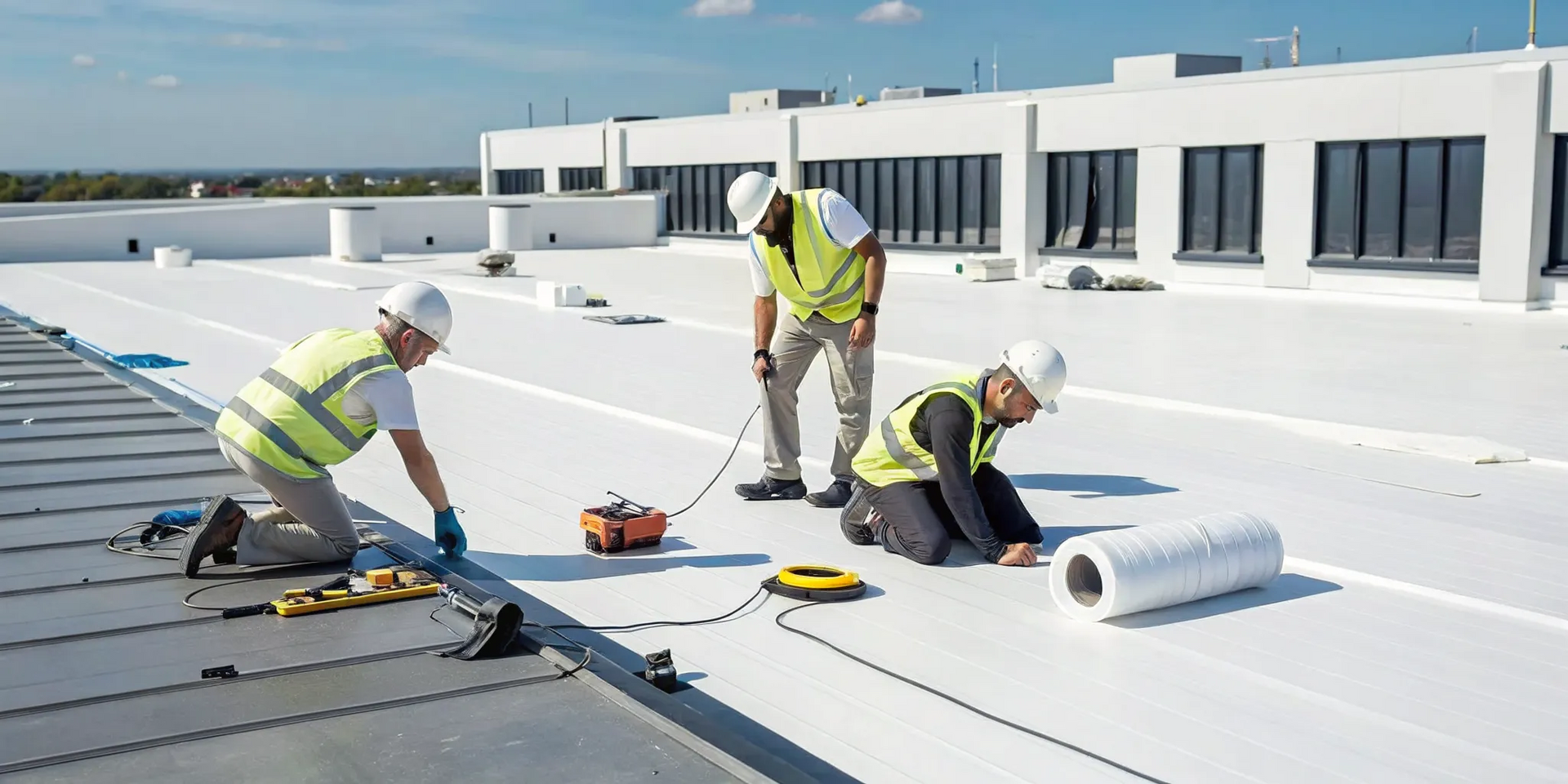
Every business owner knows to check for a license and insurance. But let’s be honest, that’s the bare minimum. Those credentials don’t tell you about a contractor’s attention to detail, their communication during a project, or the quality of their work when no one is watching. Finding the 'best commercial roofing contractors' means looking beyond the basic checklist and identifying a true partner who is invested in the long-term integrity of your building. This article will guide you through the less obvious, but far more important, qualities to look for, from the specific materials they use to the strength of their warranties and their reputation in the community.


CONTACT US


Key Takeaways

  • Create content that solves problems: Focus on answering the specific questions your ideal customers are searching for. When you provide genuine value and establish yourself as a trusted expert, viewers have a compelling reason to subscribe for more helpful advice.
  • Optimize every video for discovery: Help your audience find you by using relevant keywords in your titles, descriptions, and tags. A great video is only effective if people can see it, so pair your quality content with strong, clickable thumbnails to stand out in search results.
  • Turn viewers into a community: Don't just post videos; build relationships. Actively ask for subscriptions using end screens, respond to comments to show you're engaged, and promote your channel on your website and social media to create a loyal following.

Your YouTube Growth Cheat Sheet

Growing a YouTube channel can sometimes feel like shouting into the void. You pour your heart into creating amazing videos, hit publish, and then… crickets. If you’re tired of wondering why your subscriber count is stuck, you’re in the right place. Getting more subscribers isn’t about finding a single magic bullet or a viral fluke; it’s about building a system of smart, repeatable habits that attract viewers and turn them into loyal fans. Think of this as your personal cheat sheet, a guide packed with actionable strategies that cover every angle of channel growth.

We’ll get into everything from nailing your content strategy to optimizing your videos so the right people can find them. It all starts with a simple foundation: creating valuable content for a specific audience and then consistently showing up for them. The YouTube algorithm is designed to connect viewers with videos they’ll enjoy, and your job is to give it all the right signals. This means focusing on high-quality production, writing compelling titles, and engaging with the community you’re building. Forget the hacks and shortcuts. Instead, let’s focus on the proven tactics that create sustainable, long-term growth and help you build a thriving channel you’re proud of.

21 Ways to Get More YouTube Subscribers

As a business owner, you’re always looking for new ways to connect with customers and showcase your expertise. Whether you're a general contractor, a realtor, or a property manager, video is one of the most powerful tools in your marketing toolkit. YouTube, in particular, offers a unique platform to build trust, demonstrate your craftsmanship, and educate potential clients before they even pick up the phone. Think of it as a visual portfolio that works for you 24/7. A well-managed channel can show potential clients exactly how you handle a complex residential roofing project or the care you put into a seamless gutter installation.

But starting a channel is one thing; growing a dedicated audience of subscribers is another. Subscribers are your most engaged viewers. They’re the ones who get notified about your new videos, are more likely to watch your content regularly, and eventually become loyal customers or refer you to others. Growing that subscriber base is key to turning your YouTube channel from a simple video gallery into a powerful lead-generation machine. To help you get there, we’ve put together 21 actionable steps you can take to attract more subscribers and build a thriving community around your brand.

1. Create Content Your Audience Craves

The foundation of any successful YouTube channel is content that people actually want to watch. Before you hit record, think about your ideal customer. What are their biggest questions or problems? For instance, a homeowner might be searching for "signs of a roof leak" or "how to choose an asphalt shingle color." Creating videos that answer these specific questions provides immediate value and positions you as a trusted expert. The more you help your audience solve their problems, the more likely they are to hit subscribe to see what other helpful advice you’ll share next. Think of each video as a chance to build a relationship by proving your expertise.

2. Polish Your Production Quality

You don’t need a Hollywood film crew, but your video quality does reflect your brand’s professionalism. A shaky, poorly lit video can make a potential customer question your attention to detail. Invest in the basics: a simple tripod for your smartphone to keep shots steady, a small microphone to ensure your audio is crisp and clear, and good lighting. Natural light from a window is often best. The most important step is to ruthlessly edit your videos. Cut out any mistakes, long pauses, or rambling sections. A tight, well-edited video shows that you respect your viewer's time and helps you come across as confident and professional.

3. Define Your Channel's Niche

You can’t be everything to everyone. Instead of creating broad content, focus on a specific niche. For a contractor, your niche might be "high-end exterior renovations" or "storm damage restoration for commercial properties." Defining your focus helps you attract a dedicated audience that is genuinely interested in your specific expertise. When a viewer knows your channel is the go-to resource for their particular need, they have a compelling reason to subscribe. This targeted approach ensures that you’re not just getting random viewers; you’re building a community of potential customers who value what you have to say.

4. Build a Smart Keyword Strategy

People find videos on YouTube by searching for them. A smart keyword strategy is what helps your videos show up in those search results. Think about the words and phrases your potential customers would type into the search bar. Tools like Google Keyword Planner can help you discover what people are looking for. Once you have a list of relevant keywords, include them naturally in your video titles, descriptions, and tags. For example, a video titled "How to Install Gutter Guards in McDonough, GA" is much more likely to be found by a local homeowner than one simply called "Gutter Project."

5. Establish a Consistent Posting Schedule

Imagine your favorite TV show aired on a random day and time each week; you’d probably stop trying to watch it. The same goes for YouTube. A consistent posting schedule trains your audience to expect new content from you regularly. Whether you decide to post once a week or once a month, pick a schedule you can stick to and let your audience know what it is. Consistency signals to both viewers and the YouTube algorithm that your channel is active and reliable. This predictability builds anticipation and keeps your subscribers engaged and coming back for more.

6. Repurpose Long Videos into YouTube Shorts

Not everyone has time to watch a 15-minute video. YouTube Shorts are vertical, bite-sized videos (under 60 seconds) that are perfect for capturing attention quickly. You can easily create Shorts by repurposing clips from your longer videos. Pull out a quick tip, a dramatic before-and-after shot, or a compelling customer testimonial. Shorts are a fantastic way to reach new audiences who might not have discovered your channel otherwise. If they like your short-form content, they’ll be more inclined to check out your longer videos and hit the subscribe button.

7. Write Irresistible Video Titles

Your video's title is its first impression, and it has a huge impact on whether someone decides to click. A great title is clear, intriguing, and includes your main keyword. Instead of a generic title like "Roofing Job," try something more compelling like "Watch Us Transform This Historic Home's Roof" or "5 Critical Mistakes to Avoid When Filing a Roof Insurance Claim." Using numbers, asking questions, and creating a sense of urgency can all make your titles more clickable. A great title gets the click, and great content earns the subscription.

8. Design Click-Worthy Thumbnails

Along with your title, the thumbnail is the most important factor in getting someone to watch your video. It’s the small preview image that viewers see when scrolling through YouTube. Your thumbnail should be bright, clear, and visually represent what the video is about. Use high-quality images, bold text, and contrasting colors to make it stand out. Including a person's face, especially one showing emotion, can also draw the eye. A well-designed thumbnail acts like a mini-billboard for your video, and a great one can dramatically increase your views and, consequently, your subscribers.

9. Craft Compelling Video Descriptions

The video description is prime real estate for telling viewers and the YouTube algorithm what your video is about. The first few lines are the most important, as they appear in search results. Start with a clear, engaging summary of the video that includes your main keywords. Below that, you can add more details, link to your company website, and include a direct call-to-action. Don't be afraid to simply ask people to subscribe. A simple line like, "If you found this helpful, subscribe for more home exterior tips!" can make a big difference.

10. Use Tags to Improve Discoverability

Tags are another way to give YouTube context about your video's topic. Think of them as hidden keywords that help categorize your content. Use a mix of broad and specific tags. For a video about replacing a roof, you might use broad tags like "roofing" and "home improvement," as well as specific ones like "asphalt shingle replacement," "roofing contractors in Atlanta," and "Owens Corning shingles." This helps YouTube recommend your video to viewers who are watching other, similar content, which is a great way to get your channel in front of a relevant new audience.

11. Guide Viewers with YouTube Cards

YouTube Cards are small, interactive pop-ups that you can add to your videos. You can use them to suggest another one of your videos, link to a relevant playlist, or even poll your audience. Strategically placing a card that links to a related video can keep people watching your content for longer. For example, in a video about roof repair, you could add a card that links to your video on gutter maintenance. The longer someone stays on your channel, the more familiar they become with your brand and the more likely they are to subscribe.

12. Connect with Your Community in the Comments

The comment section is where you can build a real community around your channel. Make an effort to read and respond to as many comments as you can, especially in the first few hours after a video goes live. Answering questions and thanking people for their feedback shows that you’re engaged and that you value your audience. This interaction fosters a sense of loyalty and makes viewers feel like they’re part of a conversation. A strong community is a subscribed community, so don't neglect this powerful tool for connection.

13. Go Live with a Q&A or Webinar

Going live on YouTube is a fantastic way to connect with your audience in real time. You can host a live Q&A session where you answer common questions about your industry, or you could even stream a live "walk-through" of a recently completed project. Live sessions feel personal and unscripted, which helps build a stronger connection with your viewers. Announce your live stream in advance to build anticipation. The direct interaction you get during a live event can be incredibly effective at converting casual viewers into loyal subscribers.

14. Collaborate with Other Creators

Partnering with other creators or businesses in a related, non-competing field is a powerful way to cross-promote and reach new audiences. For example, a roofing contractor could collaborate with a local realtor, a home inspector, or a landscaping company. You could create a video together offering "Top 5 Tips for Increasing Your Home's Curb Appeal" and promote it to both of your audiences. This introduces your channel to a whole new group of relevant viewers who are likely to be interested in your services and subscribe for more content.

15. Run YouTube Ads to Reach New Viewers

If you have a marketing budget, running YouTube ads can be a highly effective way to get your channel in front of a targeted audience. You can promote one of your best videos to viewers based on their location, demographics, and interests. This is a great way to accelerate your channel's growth and attract subscribers who are your ideal customers. Start with a small budget to test what works, and focus on promoting a video that provides a lot of value and has a clear call-to-action to subscribe.

16. Embed Videos on Your Website and Blog

Your YouTube channel shouldn't exist in a silo. Promote your videos on your other marketing channels, especially your company website. You can embed relevant videos on your service pages or in blog posts. For example, on your "Commercial Roofing" page, you could embed a video showcasing a recent commercial project. This not only makes your website more engaging but also drives traffic from your site to your YouTube channel. Visitors who are already interested in your services are highly likely to subscribe for more video content.

17. Organize Your Content into Playlists

Playlists are a simple but powerful tool for increasing watch time. By grouping related videos together into a playlist, you encourage viewers to watch multiple videos in one session. When one video ends, the next one in the playlist automatically begins. You could create playlists for different topics, like "Roof Repair Tips," "Gutter Installation Guides," or "Customer Testimonials." This makes it easy for viewers to find the content they’re most interested in and keeps them on your channel longer, which often leads to a new subscription.

18. Pinpoint and Promote Your "Subscriber Magnet" Videos

Dive into your YouTube Analytics to see which of your videos are bringing in the most subscribers. These are your "subscriber magnet" videos. Once you've identified them, you should actively promote them. You can feature one in your channel trailer, add it to your end screens, and link to it with YouTube Cards in your other videos. Understanding what makes these videos so effective can also give you valuable insights into what kind of content you should create more of in the future. Double down on what works.

19. Use End Screens to Ask for the Subscription

The last 5-20 seconds of your video are a perfect opportunity to ask for a subscription. YouTube's end screen feature allows you to add a clickable subscribe button and a suggested video directly on top of your video. Always include an end screen that encourages viewers to subscribe and watch another video. You can even verbally remind them by saying something like, "If you enjoyed this video, please subscribe to our channel and check out this other video we think you'll love." This simple, direct ask can significantly increase your subscriber conversion rate.

20. Develop a Strong, Recognizable Channel Brand

A consistent brand makes your channel look professional and memorable. This includes your channel art, your video thumbnails, and even the way you talk and edit your videos. Use consistent colors, fonts, and logos across your channel to create a cohesive look and feel. Your brand is also about your personality. Are you the friendly, helpful expert? The no-nonsense pro? Developing a consistent brand identity helps viewers know what to expect from your channel and builds a loyal following of people who connect with your style.

21. Promote Your Channel Everywhere

Don't just wait for people to find you on YouTube. Promote your channel across all your marketing platforms. Add a link to your YouTube channel in your email signature, on your business cards, and in your social media bios. Share your new videos on Facebook, LinkedIn, and any other platforms where your customers spend their time. The more places you promote your channel, the more opportunities you create for people to discover your content and become subscribers. Think of it as creating multiple pathways that all lead back to your channel.


CONTACT US


Frequently Asked Questions

How long until I start seeing subscribers from these efforts? Growth on YouTube is a marathon, not a sprint. While you might see some initial traction, building a loyal subscriber base takes time and consistency. Focus on implementing these strategies steadily for a few months. The key is to create a library of valuable content. The more helpful videos you have, the more opportunities people have to find your channel and the more reasons they have to subscribe.

Do I need expensive camera gear to get started? Absolutely not. Your smartphone is more than capable of shooting high-quality video. The most important factors are clear audio and stable shots. A simple tripod and an inexpensive lavalier microphone will make a huge difference and show a level of professionalism that viewers appreciate. Great content and clear communication will always be more important than a fancy camera.

What's the best way to come up with video ideas my customers will actually watch? The best video ideas come directly from your customers. Pay attention to the questions they ask you during consultations, over the phone, or via email. Each question is a potential video topic. You can also type common industry phrases into the YouTube search bar and see what suggestions pop up. This shows you what people are actively looking for.

Should I focus on long videos or YouTube Shorts? You should use both, as they serve different purposes. Think of YouTube Shorts as your handshake; they are great for grabbing attention and introducing your channel to new people who might not have found you otherwise. Your longer videos are the conversation; they allow you to build trust, demonstrate your expertise in detail, and truly connect with potential clients. Use Shorts to lead viewers to your more in-depth content.

How do I find the right keywords for my videos? The easiest way to start is to think like your customer. What would you type into Google or YouTube if you had a leaky roof or needed new gutters? Use those exact phrases. You can also use YouTube's search bar as a tool. Start typing a phrase like "roof replacement" and see what autocomplete suggestions appear. Those are real searches from real people, and they make excellent keywords for your titles and descriptions.

By Stephen Griswell March 19, 2026
A fresh coat of paint is one of the most impactful ways to update your home’s curb appeal. But the secret to a job that lasts isn’t just in the can you buy; it’s in the preparation you do beforehand. The most expensive paint in the world will fail if it’s applied to a dirty or poorly prepped surface. Taking the time to properly clean, sand, and prime your wood is the single most important step for a durable, professional-looking finish. In this guide, we’ll cover those crucial prep steps and show you how to choose the best exterior paint for wood to protect your hard work. CONTACT US Key Takeaways Choose the Right Formula for Wood : A high-quality acrylic latex paint is your best bet for exterior wood. It offers the flexibility needed to handle temperature changes without cracking and provides superior protection against moisture and UV damage. Prep Work is the Key to Longevity : The secret to a paint job that lasts is the prep work. Taking the time to properly clean, sand, and prime the wood surface ensures the paint adheres correctly and gives you a smooth, durable finish. Consider the Specific Surface : The paint for your siding isn't always the best choice for your deck or trim. Select products designed for specific uses, like floor paint for decks, and choose a sheen that offers the right balance of durability and style for the area. What to Look for in an Exterior Wood Paint Choosing the right exterior paint can feel like a huge decision. Walk into any home improvement store, and the wall of color swatches and different paint types is enough to make anyone’s head spin. But the secret to a beautiful, long-lasting finish isn’t just about picking the perfect shade of blue. The best paint for your home’s wood exterior is one that acts as a shield, protecting your investment from the elements while keeping its color true for years. Think of exterior paint as your home's first line of defense. It needs to be tough enough to handle everything from scorching summer sun to heavy rain and humidity. When you're comparing cans, focus on three key factors: how well it will stand up to the weather, how well it covers the surface and holds its color, and how easy it is to work with. A high-quality paint will excel in all three areas, saving you from the headache of peeling, fading, and premature repainting. Making a smart choice now means less work and more enjoyment down the road. Weather Resistance and Durability Here in Georgia, our homes face intense sun, high humidity, and sudden storms. That’s why your exterior paint needs to be incredibly durable. Look for a formula that offers excellent weather resistance. The best options are designed to fend off damage from moisture and harsh UV rays, which can cause paint to break down and fade. For wood surfaces, a "100 percent acrylic" latex paint is often the top recommendation. Its flexibility allows it to expand and contract with the wood as temperatures change, which means it’s far less likely to crack and peel over time. This durability is a key part of our exterior renovations philosophy. Coverage and Color That Lasts Have you ever had to apply three or four coats of paint just to cover an old color? That’s often a sign of a lower-quality paint. Premium exterior paints contain more high-quality solids and pigments, making them thicker and more effective at hiding what’s underneath. This means you’ll get better coverage with fewer coats, saving you time and effort. These better ingredients also help the color stay vibrant and resist fading from sun exposure. A quality paint job can keep your wood siding looking fresh for up to seven years, making it a worthwhile investment in your home’s curb appeal and protection. Ease of Application and Cleanup A great paint job starts long before you dip a brush. Proper surface preparation is the most critical step for a lasting finish. Before you begin, always clean the wood surface thoroughly, let it dry completely, and scrape away any old, flaking paint. This ensures the new paint can bond properly. When it comes to the paint itself, latex and acrylic formulas are popular for a reason. They tend to dry quickly, often ready for a second coat in just a few hours. Plus, cleanup is simple, requiring just soap and water. This makes the entire painting process more efficient, whether you’re tackling it yourself or hiring professionals. Oil vs. Latex vs. Acrylic: Which Paint is for You? Walking down the paint aisle can feel overwhelming, but it gets easier when you understand the three main types of exterior paint : oil, latex, and acrylic. Each has unique strengths suited for different jobs. Choosing the right one is the first step toward a paint job that not only looks great but also protects your home’s exterior for years to come. Let's break down the pros and cons of each to help you decide. Oil-Based: The Heavy-Duty Option Oil-based paint is the classic choice for durability. It creates a tough, hard finish that stands up incredibly well to moisture and daily wear, making it ideal for high-traffic areas like porch floors and trim. Its slow drying time allows the paint to level out into a beautifully smooth coat. The downsides are a strong odor from volatile organic compounds (VOCs) and a more involved cleanup process that requires mineral spirits. It’s a powerful option when you need maximum protection for specific parts of your home. Latex: The All-Around Performer For a user-friendly experience, latex paint is a fantastic choice. These water-based paints have a low odor, dry quickly, and clean up easily with just soap and water. The biggest advantage of latex is its flexibility. It expands and contracts with the wood as temperatures change, which helps prevent cracking and peeling over time. This quality makes it an excellent choice for large surfaces like your home's exterior siding. Modern latex formulas also provide great coverage and stand up well to sunlight, keeping your home looking fresh. Acrylic: The Flexible and Vibrant Choice Think of acrylic paint as a premium, high-performance version of latex. In fact, most modern latex paints are acrylic blends. A 100% acrylic formula offers superior durability, adhesion, and flexibility, making it a top-tier choice for almost any exterior wood surface. Acrylics are especially good at resisting UV damage, so your colors will stay vibrant for longer. While it’s incredibly tough, it may not form the same rock-hard shell as an oil-based paint for surfaces that get a lot of scuffs. For most projects, however, acrylic is a smart investment. How to Choose the Right Exterior Paint for Your Project Picking the right exterior paint feels like a big commitment, but it doesn't have to be overwhelming. When you know what to look for, you can confidently choose a paint that will protect your home and look fantastic for years. It really comes down to three key things: your local weather, the condition of your wood, and finding the sweet spot between your budget and long-term quality. Thinking through these points will help you narrow down your options and make a choice you’ll be happy with. Consider Your Local Climate Here in Georgia, our homes deal with a lot, from intense summer sun and high humidity to sudden rainstorms. These conditions can be tough on exterior paint. That’s why it’s so important to choose a paint specifically formulated to handle our climate. Look for paints with excellent resistance to moisture and mildew, which can be a real issue in humid environments. You’ll also want a formula that can withstand strong UV rays without fading or cracking. A high-quality, weather-resistant paint acts as a shield for your wood, preventing damage and keeping your home looking fresh no matter what the forecast brings. Assess Your Wood's Type and Condition Before you even think about opening a can of paint, take a close look at the wood you’ll be working with. Is it smooth or rough? Is the old paint peeling, or is the wood bare? The condition of the surface dictates your prep work, which is the true secret to a lasting paint job. You’ll need to thoroughly clean the surface, let it dry completely, and scrape away any loose or flaking paint. This ensures the new paint can adhere properly. And don’t forget the primer . Even the most expensive paint will fail if it’s applied over a poorly prepped surface or a low-quality primer . Balance Your Budget with Long-Term Value It can be tempting to go for the cheapest paint on the shelf, but investing in a higher-quality product often saves you money and hassle down the road. The best exterior paints are designed for durability. They resist fading, chalking, and peeling, which means you won’t have to repaint nearly as often. Think of it as an investment in your home’s protection and curb appeal. Studies comparing different brands often show that premium paints hold their color and finish far better over time. When you factor in the cost of repainting sooner, a top-performing paint proves to be the more economical choice. Our Top Picks for Exterior Wood Paint With so many paint cans lining the shelves, picking the right one can feel like a huge decision. You want something that looks great and holds up against Georgia's sun and humidity. To make it easier, we've sorted through the options for you. Here are our top picks for exterior wood paint, broken down by budget and performance. Whether you're looking for a premium finish that lasts for over a decade or a reliable paint for a weekend DIY project, you'll find a great choice here. Our exterior renovation team often uses these brands for their reliability and beautiful finish. Pro-Grade Picks: Sherwin-Williams and Benjamin Moore When you want the absolute best protection and color retention, professional-grade paints are worth the investment. Sherwin-Williams Emerald Exterior Acrylic Latex is a top contender, known for its incredible resistance to moisture, mildew, and fading. It’s a formula built to last, often for 12 to 15 years. Another fantastic option is Benjamin Moore Aura Exterior Paint. It uses special Color Lock technology to keep your chosen shade vibrant and true, even after years of sun exposure. These paints are considered some of the best paints for exterior wood and are trusted by professionals for high-quality results. Quality Mid-Range Options: Behr and Sherwin-Williams You don't have to splurge to get a high-quality finish. There are excellent mid-range paints that offer a great balance of performance and price. Sherwin-Williams Duration Exterior Acrylic Latex is a standout because it's self-priming and flexible, which helps it resist peeling and blistering over time. Another one to consider is Behr Pro e600. In some multi-year tests, it was named one of the best exterior paint options and happens to be one of the most affordable in its class. These paints are perfect for homeowners who want a durable, beautiful finish without the premium price tag. Budget-Friendly Paints That Perform: Rust-Oleum Working on a budget doesn't mean you have to settle for a subpar paint job. There are several affordable paints that deliver impressive results, especially for smaller projects or quick refreshes. Rust-Oleum 2X Ultra Cover is a popular choice for DIYers because it provides amazing coverage, often requiring just a few light coats to completely transform a surface. Another solid option is Valspar Duramax, which gives you a durable finish without a hefty investment. These paints are great for projects like fences, sheds, or trim, proving that a fresh look can be both beautiful and budget-friendly. Don't Skip the Prep: Getting Your Wood Ready for Paint The secret to a paint job that looks incredible and lasts for years isn’t just about the paint you choose; it’s about the work you do before you even open the can. It’s tempting to jump right to the color, but skipping prep is the fastest way to a finish that chips, peels, and fades. Taking the time to properly prepare your wood surfaces ensures the paint can do its job, giving you a durable, professional-looking result that protects your home. Think of it as building a strong foundation for your new color. When it comes to exterior renovations , proper preparation is everything. The Essentials: Clean, Sand, and Prime First things first: your wood needs to be completely clean. Over time, exterior surfaces collect dirt, pollen, and mildew that prevent paint from sticking. Use a pressure washer on a low setting or a stiff brush with a good cleaning solution to scrub everything down. After rinsing, let the wood dry completely, which can take a day or two. Next, you’ll want to sand the surface. After scraping away any loose or peeling paint, a light sanding with medium-grit sandpaper smooths out rough spots and gives the new paint a slightly textured surface to grip. Finally, apply a coat of high-quality exterior primer. This step is crucial because it seals the wood, prevents natural wood oils and tannins from bleeding through, and creates a uniform base so your final color looks even and vibrant. Primer vs. All-in-One Paint: When to Use Each You’ve probably seen paints that claim to have primer mixed in. While these all-in-one products can be convenient for a quick refresh on a surface that’s already in great shape, they aren’t always the best choice. For bare wood, stained wood, or surfaces with imperfections, a separate, high-quality primer is your best bet for proper adhesion and durability. Primer is specifically formulated to bond to the surface and block stains, while paint is formulated for color and weather resistance. Combining them is a compromise. Using a dedicated primer is especially important when painting old wood siding or making a drastic color change, as it creates a reliable bond that self-priming paints can’t always match. Don't try to save money here; a quality base coat is a smart investment in your paint job’s longevity. Common Prep Mistakes to Sidestep Even the best paint won't perform well if it’s applied over a poorly prepped surface. One of the biggest mistakes is painting over dirty or damp wood. Always clean the surface well and give it plenty of time to dry completely, as trapped moisture will cause the new paint to bubble and peel. Another common error is skipping the scraping and sanding. If you paint over loose, flaky paint, you’re just gluing the new coat to an unstable foundation that will fail. Finally, don't undermine your project with a low-quality primer. It’s the critical link between the wood and your topcoat, so a cheap primer won't seal or bond properly, leading to a disappointing finish. If the prep work feels overwhelming, it’s a good sign to call in the pros at Total Roof Solutions to get the job done right. Matching the Paint to the Project Not all exterior surfaces are created equal, and the paint you choose for your siding might not be the best fit for your deck or trim. Different areas of your home face unique challenges, from high-foot traffic on a porch to direct sun exposure on shutters. Thinking about each part of your home as a separate project helps you select a paint that will not only look great but also provide the right kind of protection where it’s needed most. Let’s break down the best paint choices for the most common wood surfaces on your home’s exterior. The Best Paint for Wood Siding Your home’s siding is its first line of defense against the elements, so you need a paint that’s tough, durable, and built to last. For wood siding, a high-quality acrylic latex paint is almost always the right call. It’s flexible enough to expand and contract with the wood as temperatures change, which prevents cracking and peeling. A product like Sherwin-Williams Emerald Exterior Acrylic Latex Paint is a fantastic choice because it offers a mildew-resistant coating and a durable surface that stands up to dirt and rain. When you’re choosing a paint for your siding , always consider your local climate; here in Georgia, that means prioritizing moisture and mildew resistance. Choosing Paint for Trim and Shutters Trim and shutters are the finishing touches that give your home character, so the paint you choose for them matters. Since these are high-contact areas that you’ll likely want to clean from time to time, the paint’s finish is key. A satin or semi-gloss finish is ideal for trim and shutters because it’s durable and easy to wipe down. A glossier finish can create a sharp, modern look, while an eggshell or satin finish offers a softer, more rustic feel. This is your chance to add a pop of personality, so don't be afraid to pick a paint sheen that complements your siding and reflects your personal style. Durable Paints for Decks and Fences Decks and fences take a serious beating from both weather and wear. Between foot traffic, direct sunlight, and constant exposure to rain, these surfaces require a paint that’s exceptionally tough. You need a product specifically formulated for horizontal surfaces that can resist fading, peeling, and scuffing. While a spray paint like Rust-Oleum 2X Ultra Cover can work for quick touch-ups on a fence, be mindful of overspray. For a deck, a dedicated porch and floor paint will provide a much more durable, long-lasting finish. Always remember that proper prep, including a thorough cleaning and priming, is the most important step for a deck paint job that holds up. Setting Expectations: How Long Should Your Paint Job Last? A fresh coat of paint is one of the most satisfying home updates, but it’s also a significant investment of time and money. So, it’s completely fair to wonder, "How long will this actually last?" The answer isn't set in stone, as it depends on the quality of the paint, the prep work, and your local climate. However, you can get a pretty good idea of what to expect and how to get the most out of your paint job. Let's break down the typical lifespan and what you can do to extend it. Expected Lifespan by Paint Type Generally, a quality exterior paint job on wood siding should last between five and seven years, and sometimes even up to 10 years under ideal conditions. The key word here is quality. Higher-end acrylic latex paints often offer the best durability and color retention, giving you a longer-lasting finish. Cheaper paints might save you money upfront, but they often fade, crack, or peel much sooner, leading to more frequent repainting. Think of it as an investment: a premium paint, applied correctly, provides better protection and maintains its look for years, saving you from extra work down the road. How Weather Impacts Durability Here in Georgia, our homes face a unique set of challenges. The intense summer sun, high humidity, and heavy rain can be tough on exterior paint. UV rays can cause colors to fade, while moisture can lead to mildew, blistering, and peeling if it gets behind the paint film. That’s why it’s so important to choose a paint specifically formulated to handle these conditions. Look for paints with UV protection and mildew-resistant properties. A durable paint acts as the first line of defense for your home’s exterior, protecting the wood from the elements and keeping it looking great despite the weather. Creating a Simple Maintenance Plan You can help your paint job last longer with a little bit of care. The most critical step happens before a single drop of paint is applied: proper surface preparation. As the pros say, a paint job is only as good as the surface underneath it. This means ensuring the wood is clean, dry, and free of any peeling paint. Once the paint is on, a simple annual inspection can work wonders. Gently wash the siding to remove dirt and mildew, and keep an eye out for any small cracks or chips. Touching up these minor issues early prevents them from turning into bigger problems that require a full repaint. This proactive approach is a core part of our exterior renovation services . Pro Tips for a Flawless, Long-Lasting Finish A beautiful paint job is about more than just picking the right color. The real secret to a finish that stands the test of time lies in the application and the upkeep. With a few professional tricks up your sleeve, you can ensure your hard work pays off with a vibrant, durable coat that protects your home for years. Whether you’re tackling a small project or planning a full exterior refresh, these tips will help you get a professional-quality result. Of course, if the project feels too big or you want a perfect finish without the hassle, our team at Total Roof Solutions is always here to handle your exterior painting needs from start to finish. Application Tips for a Smooth Finish The foundation of a great paint job is laid long before you open the can. For maximum adhesion, you have to start with a surface that is clean, dry, and properly primed. Skipping this step is a recipe for peeling and chipping down the road. It’s also smart to invest in high-quality paint; it really does last longer and offers better protection against moisture and fading. Finally, pay attention to the weather forecast. Most paints need temperatures above 50°F for proper curing, so painting on a mild, dry day is key to achieving that smooth, durable finish you’re after. Your Guide to Seasonal Touch-Ups To keep your exterior paint looking its best, a little seasonal maintenance goes a long way. After a year or two, walk around your home and look for any small chips, cracks, or areas where the paint has worn thin, especially on window sills and door frames. Addressing these spots early prevents moisture from getting underneath the paint and causing bigger problems. When you do touch-ups, remember that applying multiple thin coats can offer better protection from the sun than one thick one. Keeping a small amount of your original paint properly sealed makes these quick fixes simple and seamless. Know the Signs: When It's Time to Repaint Even the best paint job has a lifespan. A quality exterior paint can keep stucco looking fresh for up to 10 years and wood siding for about seven, but climate and prep work play a huge role. Look for widespread cracking, peeling, or bubbling, which are clear signs that the paint is failing and no longer protecting your wood. Another telltale sign is significant fading or a chalky residue that comes off when you touch it. If you see these issues across large areas, it’s time to plan for a full repaint. Remember, even the most expensive paint won't last if it was applied over a poor-quality primer or a dirty surface. Related Articles The Ultimate Guide to Exterior House Painting The Ultimate Guide to Gutter Guard Installation CONTACT US Frequently Asked Questions What's the single most important factor when choosing an exterior paint for a home in Georgia ? For our climate, weather resistance is everything. You need a paint that can handle intense humidity, heavy rain, and strong UV rays without breaking down. Look for a 100 percent acrylic latex formula, as its flexibility helps it expand and contract with the wood during our temperature swings, which prevents cracking and peeling. Is it really necessary to use a separate primer, or can I just use a paint-and-primer-in-one? While all-in-one products are convenient for surfaces in good condition, a separate, high-quality primer is almost always the better choice for exterior wood. Primer is specifically designed to seal the wood, block stains from bleeding through, and create a strong bond for the topcoat. This step is especially critical for bare wood or when making a big color change, as it ensures a more durable and even finish. How do I decide between latex, acrylic, and oil-based paints? Think about the specific job. Oil-based paint creates a very hard, durable finish that's great for high-traffic areas like porch floors. However, modern acrylic latex paints are the best all-around choice for siding. They offer excellent flexibility to prevent cracking, great color retention against sun damage, and are much easier to clean up. Does spending more on a premium paint brand actually make a difference? Yes, it absolutely does. Premium paints contain higher-quality ingredients, like more pigments and better binders. This means you get better coverage with fewer coats and a finish that resists fading and chalking for much longer. While the upfront cost is higher, a top-tier paint can last years longer than a budget option, saving you the cost and effort of repainting sooner. My old paint is just a little flaky. Do I really have to scrape it all off before repainting? Yes, you need to address any and all unstable paint. Painting over flaking or peeling spots is like building on a shaky foundation; the new paint will just peel off along with the old layer underneath. Taking the time to scrape and sand those areas creates a solid surface for the new paint to grip, which is the key to a long-lasting finish.
Get the facts on asphalt shingles architectural options, including durability, style choices, lifesp
By Stephen Griswell March 18, 2026
Get the facts on asphalt shingles architectural options, including durability, style choices, lifespan, and tips for choosing the best roof for your home.
Gray asphalt vs architectural shingles on a modern home's multi-gabled roof.
By Stephen Griswell March 17, 2026
Get clear answers on asphalt shingles vs architectural shingles. Compare cost, durability, and style to choose the best roofing option for your home.
A durable roof of architectural asphalt shingles, key to a long lifespan.
By Stephen Griswell March 16, 2026
Get the facts on asphalt shingles lifespan, key factors that affect roof durability, and practical tips to help your shingles last as long as possible.
By Stephen Griswell March 11, 2026
Your commercial roof is a silent guardian for your business, but it has a lifespan. When problems arise, you face a critical decision: patch it up again or invest in a full replacement? Continuing with repairs on an aging system can feel like a losing battle, leading to surprise costs, operational disruptions, and potential damage to your inventory. This guide is designed to bring clarity to that choice. We’ll cover the key warning signs that signal it’s time for a commercial roof replacement, explore the best material options for our Georgia climate, and help you understand the long-term value of making a smart, proactive investment in your property. CONTACT US Key Takeaways Know when to replace, not just repair : While repairs can fix minor issues, a full replacement is the smarter long-term investment when you face recurring leaks, widespread damage, or an old roof that is no longer energy efficient. Choose the right partner and materials : Your roof's performance depends on selecting the best materials for your building and hiring a qualified contractor. Always verify their license, insurance, and manufacturer certifications to ensure a quality installation backed by strong warranties. Plan the project and protect your investment : A smooth roof replacement starts with a detailed inspection and a schedule that minimizes business disruption. After installation, a consistent maintenance plan is the best way to protect your new roof and maximize its lifespan. Is It Time to Replace Your Commercial Roof? Your commercial roof is one of the most critical components of your building, quietly protecting your assets, employees, and daily operations. But like any major system, it has a finite lifespan. Deciding whether to schedule another repair or invest in a full replacement is a significant choice. While routine maintenance can extend the life of your roof, there comes a point when a replacement is the smarter, safer, and more cost-effective option. Ignoring the warning signs can lead to bigger problems, like interior water damage, structural issues, and even business disruptions that impact your bottom line. Understanding what to look for can help you make a proactive decision instead of a reactive one. If you’re seeing persistent leaks, visible damage on the roof’s surface, or a steady increase in your energy bills, it might be time to consider a new commercial roofing system. Let’s walk through the key indicators that signal your roof is nearing the end of its service life. Spotting Leaks and Water Damage A leak is more than just a minor annoyance; it’s your roof’s most direct way of telling you something is wrong. Obvious signs include water stains on ceilings or walls, active drips during a storm, or the development of a musty smell that could indicate hidden mold or mildew. Even a small, slow leak can cause significant damage over time, compromising insulation, rotting wooden support structures, and creating an unsafe environment. If you find yourself constantly patching the same areas or discovering new leaks after every heavy rain, your roof’s integrity is likely compromised. Acting quickly is key to preventing small issues from turning into major structural problems. Identifying Visible Structural Issues You don’t always need to wait for a leak to know your roof is in trouble. A visual inspection can reveal a lot about its condition. Look for areas where the roof appears to be sagging or dipping, as this can indicate that water is pooling and the underlying structure is strained. On flat or low-slope roofs, be on the lookout for bubbles, blisters, or large cracks in the membrane. These are signs that moisture has gotten trapped or that the material is breaking down from sun exposure and age. These issues can severely disrupt your business operations if they lead to a sudden failure, making a proactive inspection from a trusted contractor a wise investment. Considering Your Roof's Age and Energy Bills Every roofing system has an expected lifespan. A TPO roof might last 20 to 30 years, while a built-up roof could last a bit longer. If your roof is approaching or has surpassed its expected service life, it’s time to start planning for a replacement, even if it isn’t showing major signs of failure yet. An older roof is not only more susceptible to damage but also less energy-efficient. If you’ve noticed your heating and cooling costs creeping up, your aging roof could be the culprit. Modern roofing materials offer better insulation and reflective properties, which can lower your energy consumption and save you money in the long run. What Are Your Commercial Roofing Options? Choosing the right material for your commercial roof is a major decision that impacts your budget, maintenance schedule, and energy costs for years to come. The best option for your property depends on your building’s design, the local climate, and your specific business needs. As a Mule Hide Certified Contractor , we specialize in installing high-performance roofing systems designed for durability and efficiency. Let’s walk through some of the most reliable and popular commercial roofing materials available today so you can make an informed choice for your business. Exploring TPO Roofing Systems If you have a flat or low-slope roof, TPO (Thermoplastic Polyolefin) is a fantastic modern option. This single-ply roofing membrane is one of the most popular choices for commercial buildings, and for good reason. TPO roofs are highly reflective, which means they bounce sunlight away from your building, helping to keep cooling costs down during those hot Georgia summers. They are also incredibly durable, offering strong resistance to punctures, tears, and water damage. Its flexible membrane and heat-welded seams create a seamless, watertight barrier that protects your property effectively. Understanding EPDM and PVC Membranes EPDM and PVC are two other excellent single-ply membrane options. EPDM, often called a rubber roof, is a synthetic rubber material known for its exceptional durability and long lifespan. It holds up well against sunlight and extreme temperatures, staying flexible in the cold without cracking. It’s also relatively easy to repair, which can save you money on maintenance down the line. PVC roofing is another thermoplastic membrane, similar to TPO, but with a unique advantage: it’s highly resistant to chemicals, oils, and grease. This makes it an ideal choice for restaurants or manufacturing facilities where rooftop vents might expel damaging substances. PVC is also lightweight, reflective, and offers great resistance to fire and wind. Considering Durable Metal Roofing When it comes to longevity, it’s hard to beat a metal roof. With proper maintenance, a quality metal roofing system can last 50 years or more, making it a smart long-term investment. Metal is incredibly strong, stands up to severe weather, and is highly resistant to fire. Beyond its strength, metal roofing is also versatile. It comes in a variety of materials, like steel and aluminum, and a wide range of colors and finishes to match your building’s aesthetic. Plus, it’s a sustainable choice, as many metal roofing materials are made from recycled content and are fully recyclable at the end of their life. A Look at Built-Up Roofing Systems Built-Up Roofing, or BUR, is the classic "tar-and-gravel" roof you might be familiar with. This system has been trusted for over a century and is still a go-to for many commercial properties with low-slope roofs. It’s constructed with multiple layers of asphalt and reinforcing fabrics, then topped with a layer of gravel or another aggregate. This multi-layer design creates a thick, seamless, and highly durable surface that provides exceptional waterproofing and protection against foot traffic and weather. While it’s a heavier option, its toughness and proven track record make it a solid, reliable choice. How to Choose the Right Commercial Roofing Contractor Selecting a contractor for your commercial roof replacement is a major decision. You're not just hiring someone to install a roof; you're choosing a partner to protect one of your most significant assets. The right contractor ensures the job is done correctly, safely, and with high-quality materials that last. A poor choice can lead to leaks, premature roof failure, and even voided material warranties, turning a major investment into a major liability. Taking the time to vet your options thoroughly will save you from costly repairs and headaches down the road. When you start your search, it’s easy to get overwhelmed by bids and promises. The best way to cut through the noise is to focus on what truly matters: a company with a solid history of successful projects, the right credentials to prove their expertise, and a reputation built on quality and customer satisfaction. Think of it like hiring a key employee for your business. You wouldn't hire someone without checking their resume, verifying their qualifications, and speaking to their references. The same diligence applies here. The contractor you choose will be responsible for the structural integrity of your building's first line of defense against the elements. Their team will be working on your property, so safety and professionalism are paramount. By focusing on the key areas of experience, licensing, and reputation, you can confidently find a team you can trust to handle the project professionally from start to finish, ensuring your investment is protected for decades to come. Verify Their Experience and Certifications When it comes to your business, you want a team that knows exactly what they’re doing. Look for a contractor with a proven track record in commercial roofing, not just residential projects. They should be familiar with the specific type of roofing system your building needs, whether it's TPO, EPDM, or metal. Ask to see a portfolio of their completed commercial work. Beyond general experience, check for manufacturer certifications. These show that the crew has been specially trained to install a specific brand’s materials according to their strict standards. For example, being a Mule Hide Certified Contractor means a team has proven expertise in installing single-ply roofing systems, which is often a requirement for the best material warranties. Confirm They Are Licensed and Insured This step is non-negotiable. Before you even consider a bid, confirm that the contractor is properly licensed and insured. A valid license proves they meet state and local regulations to operate legally. More importantly, proper insurance protects your business from liability. Ask for proof of both general liability insurance and workers' compensation. If a worker is injured on your property and the contractor isn't insured, you could be held financially responsible. A professional company will readily provide you with their documentation. This simple check shows that the contractor operates professionally and follows essential safety protocols, which is a clear indicator of their commitment to quality work. Ask About Warranties and Check References A reputable contractor stands behind their work, and the best way they show this is through strong warranties. You should receive two types: a manufacturer's warranty that covers the materials against defects and a workmanship warranty from the contractor that covers the installation itself. Be sure you understand the terms and duration of both. A long-term workmanship warranty is a sign of a contractor's confidence in their skills. Finally, ask for references from previous commercial clients, preferably from projects similar to yours. A confident contractor will be happy to connect you with past customers. Speaking with a reference gives you honest insight into their process, communication, and the quality of the final product. What Factors Into a Commercial Roof Replacement Cost? When you’re looking at a commercial roof replacement, the final price tag can feel like a big question mark. It’s a major investment in your property, and understanding the quote is the first step toward making a confident decision. The cost isn’t just a single number; it’s a combination of several key elements that work together. The materials you choose, the specific size and shape of your roof, and the labor required to get the job done all play a significant role. Let's break down what goes into the final number so you know exactly what to expect. How Your Material Choice Affects Price The type of material you select is one of the biggest factors in your total cost. The best option for your building depends on your budget, your property’s specific needs, and our local Georgia climate. Different commercial roofing systems come with varying price points and lifespans, which affects both your upfront investment and your long-term expenses. For example, a TPO roof might have a different initial cost compared to a metal roof, but each offers unique benefits in terms of durability and energy efficiency. We can walk you through the pros and cons of each material to find the perfect balance of performance and price for your property. The Role of Roof Size and Complexity It makes sense that a larger roof requires more materials and time, leading to a higher cost. But it’s not just about the total square footage. The complexity of your roof's design is just as important. A simple, flat roof is more straightforward to replace than one with multiple levels, steep pitches, or numerous obstacles. Features like HVAC units, vents, pipes, and skylights require precise cutting and sealing, which adds to the labor time and intricacy of the job. These complex details demand specialized techniques to ensure every inch of your new roof is secure and watertight, which is reflected in the project's cost. Factoring in Labor and the Project Timeline Labor is another significant component of your replacement cost, and it covers more than just the installation. The price includes the skill and experience of the crew responsible for protecting your asset. A more complex project requires a team with specialized training, which can influence the cost. At Total Roof Solutions, our experienced team is certified to handle intricate installations, ensuring the job is done right. The project timeline also matters. Proper planning helps manage resources efficiently, while factors like weather or the need for a quick turnaround can impact the schedule and overall cost. We work with you to create a timeline that minimizes disruption to your business. Repair or Replace? Making the Smart Decision Deciding between repairing your commercial roof and replacing it entirely is a major decision for any property owner. It’s not just about the upfront cost; it’s about protecting your investment, ensuring safety, and keeping your business running without a hitch. The best path forward depends on your roof's current condition, its age, and your long-term goals for the property. Let's walk through the key considerations to help you make a confident and informed choice for your building. When Repairs Are the Cost-Effective Choice If your roof is relatively young and the damage is contained to a small area, a professional repair is often the most sensible option. Think of issues like a few missing shingles, minor cracks, or a small, localized leak. Addressing these problems quickly prevents them from spreading and causing more extensive damage down the line. A targeted repair can restore your roof's integrity without the cost and disruption of a full replacement. Consider it proactive maintenance that extends the life of your existing roof and keeps your building protected from the elements. The Long-Term Value of a Full Replacement Sometimes, a repair is just a temporary patch on a much larger problem. If your roof is old, has widespread damage, or needs frequent fixes, a full replacement is likely the smarter long-term investment. Key factors to consider are the age of your roof and the extent of the damage. Constantly paying for repairs can add up quickly, eventually costing more than a new roof would have. A full commercial roof replacement provides a fresh start, giving you peace of mind and a reliable, long-lasting solution that protects your assets for decades to come. How a New Roof Impacts Energy Efficiency and Property Value A new roof does more than just keep the elements out; it can actively improve your bottom line. Modern roofing materials, especially TPO and PVC systems, are designed for energy efficiency. Their reflective surfaces can significantly lower cooling costs during hot Georgia summers. Beyond energy savings, a new roof is a major asset that increases your property's value and curb appeal. It also prevents the significant financial impact of roof failures, which can include business interruptions and damage to inventory. Investing in a quality roof from a trusted Owens Corning Platinum Preferred contractor protects your business operations and enhances your building's overall worth. How to Plan Your Commercial Roof Replacement A full commercial roof replacement is a significant project, and unlike a minor repair, it requires careful planning. Getting the details right from the start ensures the project runs smoothly, stays on budget, and protects your business. From financial planning and contractor selection to scheduling and long-term maintenance, every step matters. Here’s how to create a solid plan for your roof replacement. Start With a Professional Inspection and Assessment The first step in planning your roof replacement is a professional inspection. This is more than a quick look; it’s a thorough assessment that reveals your roof's true condition, uncovering hidden issues like trapped moisture or subtle structural weaknesses. This evaluation provides the critical information you need to make informed decisions about materials and scope. It also forms the basis for an accurate quote, so you can build a realistic budget without surprise costs. Think of it as the blueprint for your entire commercial roofing project. Create a Plan to Minimize Business Disruption A major concern for any business owner is how construction will affect daily operations. A roof replacement can be disruptive, but a good contractor will work with you to minimize the impact. Before work begins, discuss a logistics plan that might include scheduling loud work outside of business hours or creating safe pathways for customers. Proactive planning helps you avoid the much larger disruption of an emergency shutdown from a sudden roof failure. A thoughtful contractor understands that protecting your business is just as important as protecting your building, and we pride ourselves on being that kind of community-focused partner . Work Around Weather and Project Deadlines Timing is everything in roofing. Scheduling your replacement during a season with predictable, mild weather is ideal for a smooth installation. In Georgia, this often means planning for spring or fall to avoid intense summer heat or winter freezes. Working around the weather prevents delays and ensures materials are installed under optimal conditions. It’s also important to consider your own business calendar. Do you have a busy season to avoid? Discussing these factors with your contractor early allows you to create a timeline that works for everyone, ensuring the best outcome for your investment. How to Maintain Your New Commercial Roof Your new commercial roof is a significant investment in your property's future. To get the most out of it and ensure it performs for decades, a solid maintenance plan is essential. Proactive care protects your building from the elements, prevents unexpected repair bills, and helps you get the full value from your new roofing system. By staying on top of a few key tasks, you can keep your roof in excellent condition and avoid the stress of premature failures. Why You Need a Regular Inspection Schedule Setting up a regular inspection schedule is one of the smartest things you can do for your new roof. These routine check-ups help you catch minor issues like clogged drains, small punctures, or failing seals well before they turn into major headaches and expensive emergencies. By spotting these concerns early, you can keep repair costs down and significantly extend your roof’s useful life. A professional can identify subtle signs of wear and tear on your commercial roof that might otherwise go unnoticed, ensuring your building stays protected year-round. Simple Tips for Preventive Maintenance Beyond professional inspections, a few simple preventive steps can make a big difference. Start by making sure your drains and gutters are clear of leaves, dirt, and other debris to prevent water from pooling, which can cause serious damage over time. It’s also a good idea to trim any overhanging tree branches that could fall and puncture the roof membrane. Limiting foot traffic can also prevent unnecessary wear. Working with a qualified roofing contractor to create a maintenance plan tailored to your specific roof system is the best way to protect your investment and reduce long-term costs. Related Articles When Should You Have a Commercial Roof Replaced Instead of Repaired in Atlanta Commercial Roofing Options in Atlanta: A Comprehensive Guide Do Commercial Businesses Need to Shut Down During Roof Repair and Replacement CONTACT US Frequently Asked Questions How long can I expect a new commercial roof to last? The lifespan of your new roof really depends on the material you choose and how well you maintain it. For example, single-ply systems like TPO or EPDM typically last between 20 and 30 years. A durable metal roof, on the other hand, can protect your building for 50 years or even longer. Regular inspections and preventive care are the best ways to ensure you get the maximum life out of your investment. Will a new roof really lower my energy bills? Yes, it absolutely can, especially here in Georgia. Many modern roofing materials, particularly white TPO membranes, are highly reflective. This means they bounce solar heat away from your building instead of absorbing it. This simple feature can significantly reduce the workload on your HVAC system during hot summers, leading to noticeable savings on your cooling costs. What's the difference between a manufacturer's warranty and a workmanship warranty? This is a great question because both are critical. The manufacturer's warranty covers the roofing materials themselves against defects. The workmanship warranty, which is provided by the contractor, covers the quality of the installation. A strong workmanship warranty is a sign that your contractor is confident in their team's skill and stands behind their work. You should always receive both in writing. How can I minimize disruption to my business during the replacement? A professional roofing contractor will always work with you to create a plan that keeps your business running as smoothly as possible. This involves careful scheduling, such as performing the loudest work outside of your peak hours, and setting up clear, safe pathways for your employees and customers. Open communication with your project manager is key to ensuring the project has a minimal impact on your daily operations. What is the best type of roof for a commercial building in Georgia? There isn't one single "best" roof; the right choice depends on your building's structure, your budget, and your business needs. For many flat or low-slope roofs in our climate, TPO is a popular choice because its reflective properties help with energy costs. For buildings that need exceptional longevity and durability against severe weather, a metal roof is an excellent long-term investment. We can help you weigh the pros and cons of each option for your specific property.
By Stephen Griswell March 10, 2026
When you notice a water spot on the ceiling or debris on the ground, it’s easy to feel a sense of dread about what it means for your roof and your budget. The good news is that a proactive approach can save you significant time, money, and stress. Knowing what to look for and who to call is half the battle. This article breaks down the entire commercial roof repair journey into manageable steps. You’ll learn how to spot trouble early, what to expect from the repair process, and how to vet contractors to ensure you get quality work that lasts. CONTACT US Key Takeaways Identify problems early through proactive maintenance : Look for interior and exterior warning signs like water spots or damaged flashing, and stick to a regular inspection schedule to catch small issues before they become major headaches. Choose the right professional for the job : A successful repair depends on hiring a licensed, insured, and certified contractor who provides clear communication and detailed estimates, which is far safer than a risky DIY attempt. Weigh the long-term value of repair versus replacement : Consider your roof's age, the extent of the damage, and future costs to decide if a targeted repair is sufficient or if a full replacement is the smarter investment. Does Your Commercial Roof Need Repair? Look for These Signs Your commercial roof is your building's first line of defense, but it's easy to forget about it until a problem becomes obvious. Catching issues early can save you from costly repairs, protect your inventory, and prevent disruptions to your business. Knowing what to look for is the first step. A quick visual check from the ground and a look around your building's interior can reveal subtle clues that your roof needs attention. Here are the key signs that it’s time to call in a professional for a commercial roof inspection. Spotting Exterior Damage You don’t need to climb a ladder to spot some of the most common signs of roof trouble. From the ground, look for any obvious changes to the roof's surface. Watch out for cracked, torn, or missing sections of roofing material, especially after a storm. You might also notice damaged flashing, which is the metal stripping around vents, chimneys, and skylights. Another subtle sign is the appearance of bumps or loose fasteners under the roof membrane, which can indicate that the underlying structure is compromised. These issues can allow water to seep in, leading to more significant damage over time. If you see anything that looks out of place, it's a clear signal to get a professional opinion. Interior Warning Signs You Can't Ignore Sometimes, the first sign of a roof problem appears inside your building. Water spots on the ceiling or walls are a classic indicator of a leak, even if it seems small. Don't ignore them, as they often point to a bigger issue. Similarly, any signs of mold or a persistent musty smell could be caused by moisture getting in through a damaged roof. Have you noticed your energy bills creeping up for no reason? A compromised roof can damage your insulation, making your HVAC system work harder to maintain the building's temperature. These interior clues are your building's way of telling you it's time to have your commercial roof checked out. Checking for Drainage and Water Issues Proper water drainage is critical for the health of your commercial roof. After it rains, take a look at your roof if you can do so safely. Puddles of water that remain for more than 48 hours, often called "ponding," are a major red flag. This standing water adds significant weight to your roof and can mean the insulation is compressed or the drainage system isn't working correctly. It's also important to regularly check that your gutters and drains are clear of leaves, dirt, and other debris. Clogged gutters can cause water to back up and seep under the roofing material, leading to rot and structural damage. Common Commercial Roofing Materials and How to Repair Them Your building’s roof is its first line of defense, and the right repair strategy depends entirely on the material it's made from. Different systems have unique strengths and weaknesses, which means a one-size-fits-all approach just won’t work. Let's walk through some of the most common commercial roofing materials and what goes into fixing them properly so you know what to expect. Repairing TPO and EPDM Membrane Roofs TPO and EPDM are single-ply membrane roofs, popular for their durability and energy efficiency on flat or low-slope buildings. However, they can be vulnerable to punctures from foot traffic, falling debris, or tears along the seams where the material is joined. A proper repair starts with a thorough cleaning of the damaged area to ensure a strong bond. Next, a specialized patch is applied using heat-welding for TPO or a strong adhesive for EPDM. This process creates a watertight seal that restores the membrane’s integrity and prevents leaks from spreading. Handling Metal Roof Repairs Metal roofs are known for their impressive lifespan, but they aren’t indestructible. Common issues include loose or failing fasteners that allow water to seep in, rust formation in scratched areas, and punctures or dents from severe weather. The repair process often involves replacing worn-out fasteners with new, oversized ones that have a rubber washer to create a tight seal. For leaks or rust, the area is cleaned, treated for corrosion, and then sealed with a high-quality sealant or patch compatible with the specific type of metal. This ensures the repair will last and protect your investment. Fixing Built-Up Roofing Systems Built-up roofing, or BUR, is a classic system made of layered asphalt and reinforcing fabrics. Over time, these roofs can develop problems like blisters from trapped moisture, deep cracks from sun exposure, or areas where water pools. Repairing a BUR system is an intensive process. It involves carefully cutting away the damaged layers down to a stable substrate. Then, new layers of bitumen and fabric are applied, overlapping with the existing roof to create a seamless, durable patch. It’s crucial that this work is done by professionals who understand how to maintain the integrity of these complex, multi-layered systems. What to Expect During a Commercial Roof Repair Navigating a commercial roof repair can feel like a huge undertaking, but it doesn’t have to be overwhelming. When you know what to expect, you can plan accordingly and feel confident in the process. A professional repair project typically follows a clear, four-step path from the initial call to the final sign-off, ensuring your business is protected and the job is done right. Let’s walk through each stage so you’re prepared. Step 1: The Initial Assessment and Damage Evaluation The first thing we do is a thorough inspection of your roof. Commercial properties, especially here in Georgia, can take a beating from everything from intense sun to severe storms. A comprehensive initial assessment is the only way to understand the full extent of the damage and map out a precise repair plan. We’ll get on the roof to identify every issue, from obvious punctures and tears to less visible problems like membrane deterioration or water pooling. This detailed evaluation forms the foundation for an accurate estimate and an effective, long-lasting commercial roof repair. Step 2: Documenting Damage for Insurance Claims If the damage is covered by your insurance, detailed documentation is your best friend. We help you through this by taking extensive photos and videos of every problem area we find during our assessment. This visual evidence is crucial for building a strong insurance claim and making sure you receive the compensation you’re entitled to. We provide clear, professional documentation that explains the cause and extent of the damage, which simplifies the claims process for you and your insurance adjuster. This step ensures that all necessary repairs are accounted for and properly funded, removing a major headache from your plate. Step 3: Planning the Repair and Selecting Materials Once we understand the scope of work, we’ll create a detailed repair plan. This is where experience really matters. Instead of just offering the cheapest fix, we focus on providing the best long-term value for your property. As an Owens Corning Platinum Preferred contractor , we use only high-quality, durable materials designed for commercial applications. We’ll discuss your options, explaining the pros and cons of each material so you can make an informed decision that fits your budget and protects your investment for years to come. Step 4: Setting a Timeline and Managing the Project Clear communication is key to a smooth repair process. We’ll establish a realistic project timeline and keep you informed every step of the way. While unexpected challenges like weather delays can happen, our project management approach is designed to minimize disruptions to your business operations. We work efficiently to complete the repair on schedule and within budget, addressing any potential issues before they become major problems. Our goal is to handle the logistics so you can stay focused on running your business, confident that your property is in capable hands. How Much Do Commercial Roof Repairs Cost? Budgeting for a commercial roof repair can feel tricky because there isn't a single, standard price. The final cost depends on a unique set of circumstances specific to your building and the nature of the damage. Think of it less like buying a product off the shelf and more like a custom service tailored to your roof's specific needs. Several key elements play a role in determining the price, from the materials on your roof to the complexity of the fix. Understanding these variables will help you set a realistic budget and know what to expect. To make sure you're prepared, it’s helpful to know what drives repair costs, how to prevent unexpected expenses, and what a good estimate should look like. This knowledge empowers you to make informed decisions and protect your investment without breaking the bank. What Factors Influence Repair Prices? The cost of a commercial roof repair is shaped by a few major factors. First, the type of commercial roofing system you have, whether it's TPO, metal, or a built-up system, will significantly impact material and labor costs. The overall size of your roof and the specific area that needs attention also play a big part. A small patch job will naturally cost less than addressing widespread damage. The complexity of the job matters, too. Repairs on a flat, open roof are typically more straightforward than those on a roof with numerous vents, skylights, or HVAC units to work around. Finally, the extent of the damage is a crucial factor. A simple leak fix is one thing, but if there's underlying structural damage from prolonged water exposure, the repair will be more involved and costly. Avoiding Hidden Costs and Budget Surprises No one likes financial surprises, especially during a major repair. The best way to avoid hidden costs is to start with a thorough, professional roof inspection before any work begins. A detailed assessment can uncover underlying issues, like saturated insulation or deck rot, that aren't visible from the surface. Catching these problems early prevents them from becoming bigger, more expensive headaches down the road. Think of regular maintenance as your first line of defense. Sticking to a consistent inspection schedule and addressing small issues as they appear is far more cost-effective than waiting for a major failure. Timely, minor repairs protect your roof's integrity and can save you thousands in the long run by preventing catastrophic damage that could disrupt your business operations. How to Get an Accurate Estimate Getting a clear and accurate estimate is essential for planning your budget. When you're ready for quotes, reach out to a few reputable contractors to compare your options. A trustworthy estimate won't just give you a bottom-line number; it will provide a detailed breakdown of all anticipated costs, including labor, materials, and any necessary permits. This transparency helps you understand exactly what you're paying for. Don't hesitate to ask questions if something isn't clear. A good contractor will be happy to walk you through the estimate and explain each line item. It's also a smart practice to get everything in writing and document your conversations. This ensures everyone is on the same page from the start and helps create a smooth, accountable repair process. Common Challenges During a Commercial Roof Repair Even a well-planned commercial roof repair can hit a few snags. Knowing what to expect helps you prepare for potential issues and keep your project on track. From coordinating with tenants to dealing with unpredictable weather, a professional roofing partner will help you handle these challenges with clear communication and expert planning. The key is to work with a team that anticipates these problems and has proven strategies to solve them, ensuring your repair process is as smooth as possible from start to finish. Minimizing Business Disruptions and Communicating with Tenants One of the biggest concerns during a commercial roof repair is the impact on daily operations. Noise, debris, and restricted access can frustrate employees and tenants. A great contractor will work with you to create a detailed plan that minimizes disruptions. This includes scheduling noisy work during off-hours and maintaining clean, safe entryways. Effective communication is also essential. Keeping everyone informed about the repair schedule and what to expect helps manage expectations and maintains positive relationships with your tenants. Handling Weather Delays and Scheduling Conflicts Weather is the one variable no one can control. Rain, high winds, and extreme temperatures can bring roofing work to a halt, both for the safety of the crew and the quality of the installation. These weather-related obstacles can impact your project timeline. An experienced contractor will monitor the forecast closely, build contingency days into the schedule, and protect your building from the elements if work has to stop unexpectedly. They will also communicate proactively about any delays, so you’re never left wondering about the status of your project. Simplifying the Insurance Claim Process If your roof damage is covered by insurance, filing a claim can feel like a job in itself. Insurance companies often require extensive documentation to approve a claim, and the process can be confusing. Property owners need to know how to manage claims to ensure they receive fair payment for damages. A seasoned roofing contractor can be a huge asset here. We can provide detailed damage reports, high-quality photos, and precise estimates formatted in a way that insurance adjusters understand, helping to streamline the process and support your claim. Why DIY Commercial Roof Repair Is a Bad Idea While you might be tempted to handle a minor repair yourself to save money, it’s a risky move for commercial properties. Commercial roofing systems are complex and require specialized knowledge and equipment. A DIY attempt can easily lead to more significant damage, personal injury, and voiding your roof’s warranty. Professionals are insured, which protects you from liability if an accident occurs. Instead of taking a chance, it’s always better to solve commercial roofing challenges by hiring a licensed and insured contractor who can get the job done safely and correctly. How to Choose the Right Commercial Roofing Contractor The success of your commercial roof repair depends heavily on the team you hire. The right contractor brings not only technical skill but also professionalism, reliability, and peace of mind. Choosing the wrong one can lead to shoddy work, unexpected costs, and even legal trouble. So, how do you find a partner you can trust to protect your investment? It comes down to doing a little homework. You’ll want to verify their qualifications, look into their track record, and keep an eye out for any warning signs. Taking the time to vet your options thoroughly ensures your repair is done correctly the first time, minimizing disruptions to your business and protecting your property for years to come. Think of it less as a hiring decision and more as a long-term partnership for the health of your building. Look for Essential Qualifications and Certifications Before you even discuss your project, confirm the contractor has the essentials covered. Your roofing partner must be fully licensed, insured, and bonded to operate in your area. This isn't just paperwork; it’s your protection. Liability insurance covers any accidental property damage, while workers' compensation protects you if a crew member is injured on your property. Beyond the basics, look for contractors with certifications from top manufacturers . Credentials like being an Owens Corning Platinum Preferred or Mule Hide Certified contractor show that the team has received specialized training and is trusted to install materials to the highest standards. This often translates to better craftsmanship and access to stronger warranties. Evaluate Their Experience and Reputation A contractor’s history speaks volumes. Look for a company with a long, established presence in your local area and a portfolio of successful commercial roofing projects. An experienced team will understand local building codes and the specific challenges posed by our Georgia climate. Don’t just take their word for it. Ask for references from past commercial clients and check online reviews on platforms like Google and the Better Business Bureau. A reputable company will be happy to provide examples of their past work and connect you with satisfied customers. A proven track record is one of the best indicators of the quality and service you can expect for your own property. Red Flags to Watch Out For Knowing what to avoid is just as important as knowing what to look for. Be cautious of any contractor who uses high-pressure sales tactics or demands a large upfront payment before any work begins. A major red flag is an unusually low bid that is significantly cheaper than all other estimates. This often points to subpar materials, inexperienced labor, or a lack of proper insurance. Also, be wary of anyone who is difficult to contact or provides vague, unprofessional contracts. A trustworthy contractor will offer a detailed, written estimate that clearly outlines the scope of work, materials to be used, and a projected timeline. If a contractor can’t provide proof of insurance or licensing, walk away immediately. Repair or Replace? How to Decide for Your Commercial Roof Deciding whether to patch up a problem or invest in a full replacement is one of the biggest choices a property owner can make. A quick fix might seem tempting for your budget right now, but it could lead to bigger, more expensive issues down the road. On the other hand, a full replacement is a major investment. The right choice depends on a careful evaluation of your roof's age, its current condition, and your long-term business goals. Making an informed decision now protects your property, prevents disruptions, and gives you peace of mind for years to come. Considering Your Roof's Age and Condition Most commercial roofs have a lifespan of about 20 to 30 years, depending on the materials and quality of installation. If your roof is approaching this age range, replacement is often the more sensible long-term solution. Constant repairs on an old roof can feel like putting a bandage on a much larger problem. Look for signs of widespread wear, like extensive cracking, large blisters, or significant membrane shrinkage. Another major red flag is standing water. If you notice water pooling 48 hours after it rains, first check for clogged drains. If the drains are clear, the issue could be structural, which often points toward the need for a full commercial roof replacement. Weighing the Costs and Benefits The cost of a repair versus a replacement isn't just about the number on the estimate. You also have to consider the hidden costs of a failing roof. Think about potential business interruptions, damage to inventory or equipment, and the safety of your employees and customers. While a single, isolated repair can be cost-effective, frequent fixes for recurring leaks or damage will add up quickly. A full replacement, while a larger upfront investment, comes with a new warranty, improved energy efficiency, and the security of knowing your building is protected. The best way to understand your options is with a professional assessment to get a clear picture of your roof's health and a reliable cost-benefit analysis. Proactive Maintenance to Extend Your Roof's Lifespan The best way to handle a major roof repair is to prevent it from happening in the first place. Proactive maintenance is one of the smartest investments you can make for your commercial property. Instead of waiting for a leak to disrupt your business, a consistent maintenance plan helps you catch small issues before they become expensive disasters. Think of it as routine healthcare for your building, designed to keep it strong and resilient against the elements. A little preventative care can mean the difference between a minor fix and a full-scale replacement that halts your operations. A well-maintained roof not only protects your inventory, equipment, and employees but also lasts significantly longer, saving you from the premature cost of a full replacement. By staying ahead of wear and tear, you can better manage your budget and avoid unexpected expenses that always seem to pop up at the worst times. A little attention now goes a long way in preserving the integrity of your commercial roofing system and ensuring your business operations continue without a hitch. This approach keeps your building safe, secure, and professional-looking for years to come, giving you valuable peace of mind. The Importance of a Regular Inspection Schedule Regular inspections are your first line of defense in protecting your roof and making it last longer. We recommend having a professional inspect your commercial roof at least twice a year, typically in the spring and fall, to prepare for the harshest weather seasons. These check-ups allow a trained eye to spot subtle signs of weakness, like cracked seals or minor membrane damage, that could otherwise go unnoticed. It’s also critical to schedule an inspection after any severe weather event, like a hailstorm. Even if you don't see obvious damage from the ground, a professional can identify hidden issues that could lead to serious problems down the road. Keeping Your Drainage System Maintained Your roof’s drainage system is essential for protecting your entire building. When gutters, scuppers, and drains are clogged with leaves, dirt, and other debris, water has nowhere to go. This leads to pooling on your roof, which adds significant weight and stress to the structure and can quickly cause leaks. Keeping your roof’s drainage system clear is a simple but vital task. Regularly cleaning your roof and ensuring gutters and drains are free of blockages prevents water from backing up and seeping into the building, protecting both the roof and the foundation from costly water damage. Seasonal Prep and Emergency Planning A roof failure can bring your business to a grinding halt, so preparing for seasonal changes and potential emergencies is a must. Before winter, it’s important to clear away any debris that could trap moisture and cause ice dams. After a hot summer, an inspection can catch any damage caused by UV exposure. Beyond seasonal prep, having an emergency plan is crucial. Know who you’re going to call when a problem arises so you can act quickly to minimize damage. Partnering with a trusted roofing contractor like Total Roof Solutions means you have an expert team ready to respond when you need it most, ensuring your business is protected year-round. Partner with Total Roof Solutions for Your Commercial Roof Repair When your commercial property needs attention, choosing the right partner is the most important decision you’ll make. You need a team that not only has the technical skill but also understands the stakes for your business, tenants, and customers. At Total Roof Solutions, we get it. We know that a roof repair is more than just a project; it’s about protecting your investment and ensuring your operations continue smoothly. Our commitment is to provide a seamless experience from the first inspection to the final walkthrough, giving you complete confidence in the integrity of your roof. We bring decades of hands-on experience to every job, backed by elite industry certifications. As an Owens Corning Platinum Preferred and Mule Hide Certified Contractor, our team is trained to the highest standards in the industry. This means we use only durable, high-quality materials and apply them with detailed craftsmanship that lasts. You can learn more about our qualifications and community commitment on our About Us page. We don’t just fix roofs; we build long-term solutions that you can rely on for years to come, all supported by strong warranties. We specialize in a wide range of commercial roofing systems and understand the unique challenges that come with each. We prioritize clear, consistent communication throughout the repair process, so you’re never left wondering about timelines or progress. Our team works efficiently to minimize any disruption to your business, coordinating with you to create a schedule that respects your operational needs. From documenting damage for insurance claims to providing a transparent and accurate estimate, we are here to make the entire process straightforward and stress-free. Let’s work together to keep your property safe, secure, and in top condition. Related Articles Do Commercial Businesses Need to Shut Down During Roof Repair and Replacement? When Should You Have a Commercial Roof Replaced Instead of Repaired in Atlanta? Understanding the Costs: What to Expect for Residential Roof Repair Services CONTACT US Frequently Asked Questions How often should I have my commercial roof inspected? For most commercial properties, a professional inspection twice a year is the sweet spot, once in the spring and again in the fall. This allows a professional to catch any potential issues before the most extreme weather seasons hit. It's also a smart move to schedule an inspection after any major storm, even if you don't see any obvious damage from the ground. Will a roof repair disrupt my business? We understand that keeping your business running smoothly is your top priority. A professional contractor will work with you to create a repair plan that minimizes interference. This often involves scheduling loud work during off-hours, maintaining clear and safe access for your employees and customers, and communicating every step of the project so you always know what to expect. What's the main difference between repairing and replacing my roof ? A repair is the right choice when the damage is isolated to a specific area and the rest of your roof is still in good condition. It's a targeted fix for leaks, punctures, or flashing issues. A full replacement is necessary when the roof is nearing the end of its lifespan, the damage is widespread, or recurring repairs are no longer a cost-effective solution. Can I handle a small commercial roof leak myself? It might seem like a simple fix, but we strongly advise against DIY repairs on commercial roofs. These systems are far more complex than residential roofs and require specialized tools and knowledge. An improper repair can easily make the problem worse, void your roof's warranty, and create a serious safety risk for you or your employees. What should I look for in a good repair estimate? A trustworthy estimate should be clear, detailed, and transparent. Instead of just a single price, it should provide an itemized breakdown of all costs, including labor, specific materials, and any necessary permits. This level of detail shows that the contractor has done a thorough assessment and helps you understand exactly what you are paying for.
By Stephen Griswell March 9, 2026
When you think about a new roof, what comes to mind? For most people, it’s the familiar look of asphalt shingles. While they are a fantastic and popular choice, they are far from your only option. The world of roofing has expanded to include materials that offer incredible durability, unique styles, and even energy-saving benefits. Your roof plays a huge role in defining your home's character, and choosing the right material is your chance to make a statement. To help you see what's possible, we're going to walk through the top 5 types of roofing system, from timeless tile to rustic wood shakes, so you can discover the perfect match for your home's architecture and your personal style. CONTACT US Key Takeaways Choose a material that fits your home and budget : Each option, from classic asphalt shingles to premium slate, offers a different balance of style, durability, and cost. Consider what matters most to you for the long run. Look at the bigger picture before deciding : Your home's structure must be able to support heavier materials like tile, and your choice needs to stand up to Georgia's climate. Always check local building codes and HOA guidelines first. Calculate the long-term value, not just the upfront cost : A roof's true price includes future maintenance and potential energy savings. Investing in a quality installation protects your home and adds significant value, making it a smart financial decision. What Are the Top 5 Roofing Systems? When it's time for a new roof, you'll find there's a whole world of options beyond what you might see in your neighborhood. The right roofing system does more than just keep the rain out; it defines your home's character, impacts your energy bills, and plays a huge role in its long-term protection. Understanding the main types of roofing materials is the first step toward making a choice you'll be happy with for decades. Let's walk through the top five roofing systems to help you find the perfect fit for your home's style and your budget. 1. Shingle Roofing You see asphalt shingles everywhere for a good reason. They are one of the most popular and cost-effective choices for residential roofing. The most basic option is the 3-tab shingle, which offers a flat, uniform look. For a bit more investment, architectural shingles provide a more dimensional, high-end appearance and significantly better durability and wind resistance. As an Owens Corning Platinum Preferred contractor, we know that quality shingles, when installed correctly, offer reliable protection and great value. While traditional asphalt is common, you can also find shingles made from materials like stone-coated steel for maximum longevity. 2. Wood Shake Roofing If you love a classic, rustic aesthetic, a wood shake roof might be for you. Traditionally made from cedar, these roofs offer a natural, textured look that blends beautifully with many architectural styles. Wood is also a natural insulator, which can help with your home's energy efficiency. However, real wood requires regular maintenance to prevent splitting, warping, or moss growth. For homeowners who want the look without the upkeep, modern composite polymers and stamped metal can replicate the appearance of wood shakes with enhanced durability and fire resistance. 3. Slate Roofing For a truly luxurious and long-lasting roof, nothing compares to natural slate. Each tile is a piece of real stone, giving your home a timeless, high-end look with unique color variations. A properly installed slate roof can last for a century or more, making it a true lifetime investment. The biggest considerations are its significant weight and cost. Your home's structure must be able to support it, and the installation requires specialized expertise. If you love the style but not the price tag, materials like stamped steel and composite polymers offer a similar look at a lower cost and weight. 4. Tile Roofing Often associated with Spanish or Mediterranean architecture, tile roofs bring a distinct, earthy elegance to a home. Traditional tiles are made from fired clay or concrete, creating the classic barrel or "S" shape that is both beautiful and durable. They are excellent at shedding water and can withstand harsh weather conditions. Like slate, tile is heavy and requires a strong roof structure to support its weight. Today, you can achieve this timeless style with modern materials like polymer, concrete, and steel, which provide the same aesthetic with different performance characteristics and installation requirements. 5. Metal Panel Roofing Metal roofing has come a long way from its purely industrial roots. While you'll still see it on barns, modern standing seam metal roofs offer a clean, sleek look that complements contemporary and traditional homes alike. Metal is incredibly durable, fire-resistant, and reflects solar heat, which can help lower your cooling costs. It's also available in a wider range of colors than almost any other material. From steel and aluminum to high-end copper, a metal roofing system is a fantastic long-term solution that combines modern style with serious performance. Asphalt Shingles: A Classic for a Reason Walk through almost any neighborhood in Georgia, and you’ll see home after home topped with asphalt shingles. There’s a good reason for their popularity. Asphalt shingles offer a fantastic combination of affordability, style versatility, and reliable performance, making them a go-to choice for millions of homeowners. They come in a wide array of colors and styles, so you can easily find an option that complements your home’s exterior. Modern asphalt shingles are far more advanced than their predecessors. As an Owens Corning Platinum Preferred contractor , we work with some of the highest-quality shingles on the market, designed to withstand harsh weather, resist algae growth, and provide years of protection. Whether you're building a new home or replacing an old roof, asphalt shingles provide a dependable and attractive solution that fits most budgets. They are a key part of our residential roofing services because they deliver consistent value and curb appeal. Three-Tab vs. Architectural: What's the Difference? When you start looking at asphalt shingles, you’ll quickly hear two terms: three-tab and architectural. Three-tab shingles are made from a single, flat layer and have a uniform, brick-like pattern. They are the more traditional and budget-friendly option. Architectural shingles, also known as dimensional shingles, are the more popular choice today. They are thicker, with multiple layers of material laminated together. This construction creates a richer, more varied texture that can mimic the look of natural materials like wood shake or slate, adding significant depth and character to your roof. Understanding Lifespan and Durability An asphalt shingle roof typically lasts between 15 and 30 years, depending on the type of shingle and local climate conditions. Architectural shingles generally have a longer lifespan and better wind resistance than their three-tab counterparts due to their heavier, multi-layer construction. Here in Georgia, factors like intense sun, high humidity, and strong storms can impact any roof's longevity. Proper installation and regular maintenance are key to getting the most out of your investment. While other materials may offer a longer lifespan, modern asphalt shingles provide an excellent balance of durability and cost-effectiveness for most homeowners. Key Installation Considerations The best shingles in the world won’t perform well if they aren’t installed correctly. A great roof does more than just look good; it keeps water out, helps with energy efficiency, and requires minimal fixing. Proper installation ensures every component, from the underlayment and flashing to the ventilation system, works together to protect your home. When you’re planning a new roof, it’s helpful to think about the style you want first. From there, an experienced contractor can help you find the right materials to achieve that look while staying within your budget and meeting all local building codes. Our team’s decades of experience ensure every detail is handled with precision. Metal Roofs: Modern and Durable If you’re picturing a rusty tin roof on an old barn, it’s time for a fresh look. Today’s metal roofs are one of the most popular choices for both residential and commercial properties, and for good reason. They offer a sleek, modern aesthetic that can complement any architectural style, from a classic Georgia home to a contemporary office building. But their appeal goes far beyond looks. Metal roofing is a powerhouse of durability, longevity, and even energy efficiency. Forget the idea that metal is a loud, one-size-fits-all option. Modern metal roofing comes in a variety of materials, colors, and styles, including standing seam panels that create clean, vertical lines with hidden fasteners. This system is engineered to be incredibly tough, standing up to harsh weather while requiring very little maintenance over its long life. It’s an investment that not only protects your property but can also add significant value and curb appeal. If you're looking for a roof that blends high performance with sophisticated style, metal is an excellent contender. Choosing Your Metal: Steel, Aluminum, or Copper When you decide on a metal roof, you have a few great materials to choose from. The most common and budget-friendly option is steel, which is typically galvanized or coated with a protective layer to prevent rust and reflect heat. It’s a real workhorse. A step up is aluminum, which is naturally rust-proof and much lighter than steel, making it a fantastic choice for coastal areas or homes where weight is a concern. For a truly premium look, you might consider copper. It’s a stunning material that develops a beautiful green patina over time and can last for over a century. The Energy Efficiency of Metal Roofs In the Georgia heat, keeping your home cool can feel like a full-time job. A metal roof can be a huge help. Many metal roofing systems are considered "cool roofs" because they are designed to reflect solar radiation , preventing your home from absorbing as much heat from the sun. This simple feature can significantly reduce the workload on your air conditioner, potentially lowering your cooling costs by 10-25%. By keeping your attic and home cooler, a metal roof not only saves you money but also creates a more comfortable living environment year-round. Built to Last: Weather Resistance and Longevity When it comes to durability, metal roofs are in a class of their own. With a lifespan ranging from 40 to 80 years, they often last two to three times longer than traditional asphalt shingles. They are built to handle just about anything Mother Nature throws their way, from high winds and heavy downpours to hail. Plus, metal is naturally fire-resistant, adding an invaluable layer of safety to your property. The key to unlocking this incredible performance is proper installation. A well-installed commercial metal roof will ensure your investment is protected for decades to come. Tile Roofs: Timeless Style and Strength If you’re looking for a roof that truly makes a statement, tile is hard to beat. With its distinctive, sculpted appearance and incredible durability, a tile roof adds a touch of elegance and permanence to any home. Often associated with Spanish and Mediterranean architecture, tile roofing is a premium choice that offers superior protection against the elements, including fire, rot, and insects. While it comes with a higher upfront cost compared to materials like asphalt, its impressive lifespan of 50 years or more can make it a worthwhile investment that pays for itself over decades. Beyond its beauty, a tile roof is also a champion of energy efficiency. The individual tiles are installed in a way that creates a natural air pocket underneath, which helps insulate your home from the outside. This barrier reduces heat transfer, keeping your house cooler during those hot Georgia summers and potentially lowering your energy bills. This natural ventilation is a huge plus in our climate. Plus, tiles are made from natural, earth-friendly materials, making them a more sustainable option. Whether you choose traditional clay or modern concrete, a tile roof is a beautiful and practical choice for homeowners who value both style and substance. Clay or Concrete: Which Tile Is Right for You? When you picture a tile roof, you’re probably thinking of classic clay tiles. They offer that timeless, rustic look with natural reddish-brown tones that have graced buildings for centuries. Clay is incredibly durable and its color won’t fade over time because it's baked in, not just coated on the surface. On the other hand, concrete tiles are a versatile and often more affordable alternative. Modern manufacturing allows concrete to be molded into various shapes and dyed in a wide range of colors, even mimicking the look of natural clay or slate. Your choice really comes down to your budget and the specific aesthetic you want to achieve. Achieving a Mediterranean or Spanish Look There’s a reason tile is the go-to material for Mediterranean and Spanish-style homes. The curved, repeating patterns create beautiful shadow lines and a rich texture that feels both warm and sophisticated. This distinctive architectural style instantly enhances your home’s curb appeal, giving it a custom, high-end feel. Whether your home’s design is explicitly Mediterranean or you simply want to add a touch of that timeless, sun-baked elegance, a tile roof can completely transform its appearance. It’s a look that feels both classic and perfectly at home in the sunny South. Is Your Home Ready for the Weight of Tile? Before you set your heart on a tile roof, there’s a critical factor to consider: weight. Both clay and concrete tiles are significantly heavier than asphalt shingles. Because of this, not every home is built to support the additional load. Your home’s underlying structure, from the rafters to the foundation, must be strong enough to handle the weight safely. That’s why a professional assessment is non-negotiable. A qualified expert can inspect your home’s framing and determine if any reinforcement is needed before you can move forward with a tile roof installation. Slate Roofs: The Ultimate in Luxury If you’re looking for a roof that combines timeless elegance with incredible longevity, slate is in a class of its own. This premium material offers a sophisticated look that other systems can only imitate. A slate roof is more than just protection; it's a long-term investment in quality and curb appeal that can last for generations. While it comes with a higher upfront cost, its unique benefits make it a top choice for homeowners who want the absolute best for their property. The Unique Beauty of Natural Stone The appeal of slate starts with its natural origin. It's a high-end roof system made from natural slate tiles quarried from the earth and shaped by skilled craftspeople. Because it’s a natural product, each tile has subtle variations in color and texture, giving your roof a unique character that can't be mass-produced. From deep blacks and grays to greens and purples, the rich tones of slate create a stunning visual that complements many architectural styles. This is the kind of material that defines luxury residential roofing and truly sets a home apart from the rest. A Roof That Can Last a Century When it comes to durability, slate is the undisputed champion. While many roofing materials last 20 or 30 years, slate roofs can last over 100 years. A properly installed slate roof can genuinely protect your home for your entire lifetime and beyond, meaning you may never have to think about a roof replacement again. Slate is naturally resistant to fire, rot, and insects, and it stands up exceptionally well to harsh weather. It’s a true legacy material that provides peace of mind and adds significant long-term value to your home. Important Weight Considerations A critical factor to consider with slate is its weight. Slate is very heavy, and roofs often need extra support to handle the load. Before installation, a qualified professional must inspect your home’s framing to determine if it can bear the weight. In some cases, structural reinforcement is necessary, which adds to the project cost. This isn't a step you can skip. Working with an experienced team that understands the engineering requirements is essential for a safe installation. Our team at Total Roof Solutions has the expertise to assess your home and ensure it's ready for a beautiful, long-lasting slate roof. Wood Shakes: Rustic Charm and Natural Insulation Wood shakes offer a warm, rustic charm that’s hard to replicate. If you love a natural aesthetic that blends beautifully with the landscape, a wood shake roof might be the perfect choice. Each shingle has a unique texture, creating a one-of-a-kind look with incredible curb appeal. Beyond their beauty, wood shakes also come with practical benefits, from natural insulation to modern safety features that address old concerns. Let's look at what makes this classic roofing material a compelling option. Cedar and Beyond: Exploring Wood Options When you think of wood shakes, you’re likely picturing cedar. Cedar shake roofs are made from natural cedar wood, and it's one of the most beautiful roofing materials available. The shingles are made by hand-splitting or sawing cedar logs, which gives them a rugged, textured appearance. This craftsmanship results in a roof with rich color variations and deep shadow lines. Cedar is also naturally resistant to moisture and insects, making it a durable choice for your home’s residential roofing system. Its timeless appeal complements a wide range of architectural styles, from cozy cottages to grand, rustic homes. How Wood Roofs Provide Natural Insulation One of the standout features of a wood shake roof is its ability to help keep your home comfortable. Wood shakes provide excellent insulation due to their natural properties, helping to keep homes warm in winter and cool in summer. The cellular structure of wood contains air pockets, which act as a natural barrier against heat transfer. This means that during hot Georgia summers, your roof helps block the sun’s heat from entering your attic, reducing the strain on your air conditioning system. In the winter, it helps keep the warm air inside. This added insulation can contribute to lower energy bills over time. Modern Fire Treatments and Safety A common question about wood shakes revolves around fire safety. It's true that in the past, many insurance companies wouldn't cover homes with real wood shakes due to their fire risk. However, modern treatments can enhance fire resistance, making them much safer. Today, most wood shakes are pressure-treated with fire retardants to meet strict safety standards, earning them a Class A, B, or C fire rating. This process significantly reduces their flammability and helps homeowners get insurance coverage. When you work with a trusted contractor , you can be confident your wood roof is installed with modern safety in mind. Don't Fall for These Common Roofing Myths When it comes to your roof, a little bit of misinformation can lead to big, expensive problems. There are plenty of roofing myths floating around that sound true but can steer you toward poor decisions about maintenance, repairs, or even a full replacement. Believing these myths can cause you to neglect your roof until a minor issue becomes a major disaster, costing you more time, stress, and money in the long run. From how long a roof should last to how it should be inspected, these misconceptions are surprisingly common and can affect any homeowner. Let's clear the air and debunk some of the most persistent myths we hear. Understanding the truth about your roof helps you protect your home, make informed choices, and work confidently with your roofing contractor. It empowers you to ask the right questions and spot advice that just doesn't add up. Knowing what's fact and what's fiction is the first step in giving your residential roofing system the care it needs to protect your family for years to come. We'll walk through three common myths that could be putting your home at risk, so you can feel more secure about the roof over your head. Myth: All Roofs Have the Same Lifespan It’s a common belief that every roof has a standard 25-year lifespan, but that’s simply not the case. The longevity of your roof depends heavily on the materials used, the quality of the installation, and even your attic’s ventilation. For example, classic asphalt shingles typically last between 15 and 30 years, while a durable metal roof can protect your home for 40 to 70 years or more. Materials like slate and tile can last even longer. Understanding these differences is key when you’re planning for a future replacement or choosing a new roof. It helps you set realistic expectations and a budget that aligns with the performance you need for your home. Myth: A Ground Inspection Is Good Enough Many homeowners think a quick look from the driveway is enough to know if their roof is in good shape. While you might spot an obvious issue like a missing shingle, a ground-level view can be misleading. It won't reveal subtle signs of damage or underlying problems that can only be seen up close. Issues like compromised underlayment, failing flashing around chimneys, or granule loss on shingles are often invisible from the ground. A professional roof inspection is the only way to get a complete and accurate assessment of your roof’s health. A trained expert can safely identify hidden risks before they turn into leaks and costly water damage inside your home. Myth: New Roofs Are Maintenance-Free Investing in a new roof is a fantastic feeling, but it’s a mistake to think you can just set it and forget it. Even brand-new roofs need attention to perform their best for decades to come. Think of it like a new car; you still need to do regular oil changes to keep it running smoothly. Your roof is constantly exposed to the elements, from harsh sun and heavy rain to falling branches and accumulating debris in your gutters . Regular check-ups allow you to catch and address small issues, like sealed-up flashing or debris buildup, before they compromise your new roof. A little proactive care ensures your investment remains in top condition and protects your home as intended. How to Choose the Best Roofing System for Your Home Choosing a new roof is a major investment in your home’s safety and value. The best choice depends on practical factors, from our local Georgia weather to your home’s unique structure. Considering these key points will help you find a roofing system that not only looks great but also provides lasting protection. Factor in Your Local Climate Here in Georgia, our roofs face intense summer sun, high humidity, and heavy downpours. The best roof for your home is one that can handle these specific challenges. For example, architectural shingles offer superior wind resistance compared to standard options, which is crucial during storm season. Metal roofing is another excellent choice for our climate, as it reflects solar heat, helping keep your home cooler and your energy bills down. The right material for a dry climate isn't always the best fit for a home in the Atlanta area. Check Your Home's Structural Support Before you commit to a roofing style, you need to know what your house can handle. Some materials, like slate and concrete tiles, are extremely heavy and not every home is built to support them. A home might need extra structural support to hold the weight of these premium materials, so a professional assessment is crucial. Lighter materials like asphalt shingles or aluminum are suitable for nearly any home, but a structural inspection is always a wise first step before making a final decision. Know Your Local Codes and HOA Rules Your ideal roof might be limited by local regulations. Many counties in the Atlanta metro area have specific building codes that dictate which roofing materials are permitted for safety and durability. On top of that, if you live in a neighborhood with a Homeowners' Association (HOA), you’ll have another set of guidelines to follow. HOAs often have strict rules about materials and colors to maintain a consistent look throughout the community. It’s always best to check these requirements upfront to avoid any costly surprises down the road. Balance Your Budget with Long-Term Value While the upfront cost is a major factor, it’s not the only number to consider. A cheaper roof might save you money today but could cost more long-term through frequent repairs and an earlier replacement. Think about the long-term value. For example, a metal roof may have a higher initial price, but its long lifespan and energy efficiency can offer a great return on investment. When you start planning, think about the style you love, then explore materials that fit your budget and long-term goals. Breaking Down the Costs: What to Expect A new roof is one of the most important investments you’ll make in your home. Thinking about the price tag can feel overwhelming, but understanding the full financial picture, from the initial payment to long-term value, helps you make a confident decision. The total cost of a roof involves more than just the materials; it includes labor, potential repairs to the underlying structure, and the long-term expenses of maintenance. By looking at the complete cost, you can choose a roofing system that not only fits your budget today but also protects your home and your wallet for years to come. Let's walk through the key financial components you should consider. Upfront Installation Costs The initial price of your new roof will depend heavily on the material you choose. Each option comes at a different price point, reflecting its durability, lifespan, and aesthetic. Asphalt shingles are often the most budget-friendly choice, available in several styles from basic 3-tab to more robust dimensional and luxury shingles. If you’re looking for something with a longer lifespan, a metal roof is an excellent option, though its upfront cost is typically two to three times higher than asphalt. At the premium end of the scale, you’ll find materials like slate, which is one of the most expensive but also one of the most durable and beautiful options available for your residential roofing project. Long-Term Maintenance and Repair Expenses The cost of a roof doesn't end once the installation is complete. To get the most out of your investment, you’ll need to plan for ongoing care. Regular inspections and maintenance are key to preventing small issues from turning into major, expensive problems like leaks. Forgetting about your roof can lead to significant damage over time. One of the most critical maintenance tasks is keeping your gutters clean. Clogged gutters can cause water to back up under your shingles, leading to rot and damage to your roof deck and even your home’s foundation. A little proactive care goes a long way in extending your roof's life and avoiding surprise repair bills. Calculating Your Return on Investment A new roof is more than just a necessary expense; it’s an investment that adds significant value to your property. The best way to protect that investment is to ensure you have a high-quality system installed by a team of experienced professionals. A well-designed and properly installed roof is your best guarantee of durability. When you eventually sell your home, a newer roof with a transferable warranty can be a major selling point for potential buyers, making your home stand out in a competitive market. By understanding the balance between upfront costs and long-term benefits, you can choose a roof that provides lasting protection and a solid return on your investment. Finding the Perfect Roof for Your Georgia Home Choosing a new roof for your Georgia home is a big decision. It’s not just about picking a color you like; it’s about finding a system that can handle our unique climate. From the sweltering summer heat and humidity to the sudden thunderstorms that can roll through, your roof has a tough job. The right choice will protect your home for decades, while the wrong one can lead to headaches and costly repairs down the line. So, where do you start? First, think about the specific weather challenges in our area. A roof that works well in a dry, cool climate might not stand up to Georgia's humidity. You need materials that resist moisture, prevent algae growth, and reflect heat to help keep your home cool during those long summers. Failing to align the material with the local climate is one of the biggest mistakes a homeowner can make. Next, consider your home's architectural style. Whether you have a classic brick ranch, a stately colonial, or a modern craftsman, the roof is a major design element. You want it to complement your home's look, not clash with it. Thankfully, you don't have to sacrifice style for durability. Modern materials like stone-coated steel, composite polymers, and concrete tiles can mimic the look of traditional slate or wood shake while offering superior performance. The key is to first think about the look you want, then find materials that fit your needs and budget. Ultimately, the best guarantee of a long-lasting roof is a high-quality system installed by professionals. Even the best materials will fail if they aren't installed correctly. That’s why working with an experienced team is so important. We can walk you through the best residential roofing options for your specific home, ensuring you get a beautiful, durable roof that’s perfectly suited for life in Georgia. Related Articles Different types of roof shingles | Total Roof Solutions Choosing the Right Roofing Materials for Lasting Quality Best Ways to Fix Common Roofing Issues Budgeting for a Metal Roof: Understanding Costs and ROI Selecting the Ideal Flat Roof System for Atlanta Businesses CONTACT US Frequently Asked Questions Which roofing material offers the best long-term value? That really depends on your priorities and how long you plan to be in your home. Asphalt shingles have a lower upfront cost, making them a great value for many homeowners. However, a metal roof, while more expensive initially, can last two to three times longer and offers energy savings that add up over the years. The best value comes from balancing your immediate budget with the roof's lifespan and maintenance needs. What is the best type of roof for Georgia's hot and humid climate? For our specific weather, you want a roof that can handle intense sun and moisture. Metal roofing is a fantastic choice because it reflects solar heat, which can help lower your cooling bills. Architectural shingles are also very popular because they are built to resist high winds and prevent algae growth, which is common in our humidity. The key is choosing a material designed to perform well in our exact conditions. My roof doesn't leak. Do I still need a professional inspection? Yes, it's a great idea. A leak is often the last sign that a problem has become serious. A professional inspection can catch subtle issues you can't see from the ground, like failing flashing around a chimney, granule loss on your shingles, or poor attic ventilation. Finding these small problems early can prevent them from turning into major water damage and much more expensive repairs. How do I choose a roof that matches my home's style but is still durable? You don't have to choose between looks and performance. If you love the classic appearance of slate or wood shakes but are concerned about the weight or maintenance, there are excellent modern alternatives. Materials like stamped steel, concrete, and composite polymers can beautifully replicate those traditional styles while offering enhanced durability, fire resistance, and a lighter weight. You can achieve the exact aesthetic you want with materials built for modern life. How much should I budget for a new roof? The cost of a new roof can vary quite a bit because it depends on several factors: the size and complexity of your roof, the material you choose, and the condition of the underlying roof deck. For example, a simple asphalt shingle roof will cost less than a complex slate roof that requires structural reinforcement. The only way to get an accurate number is to have a professional provide a detailed estimate based on your specific home.
By Stephen Griswell March 6, 2026
When a storm hits or a tree branch falls, you don’t have time to research roofing contractors. The decisions you make in the first hour can save you thousands of dollars in secondary damage to your home’s structure, insulation, and belongings. Being prepared is key. This guide is your emergency playbook, giving you the information you need before a crisis strikes. We’ll cover how to safely manage the situation while you wait for help, what to look for in a trustworthy contractor, and how the process works. Having a plan and knowing who to trust for 24 hour emergency roof repair turns panic into proactive, effective action. CONTACT US Key Takeaways Act safely to minimize damage : When you spot a leak or structural issue, your first priority is safety. Stay off the roof, use buckets to catch water inside, and take clear photos of everything for your insurance claim. Vet your emergency roofer carefully : In a rush, it's still important to choose a qualified professional. Always confirm they are licensed and insured, ask about their immediate availability, and check recent reviews to ensure they have experience with urgent situations. Expect a two-part repair process : A professional response starts with a temporary fix, like tarping, to stop the immediate threat. This is followed by a thorough assessment and a scheduled permanent repair to fully restore your roof. What Counts as a Roofing Emergency? It can be tough to tell the difference between a roof issue that can wait and one that needs help right now. A few missing shingles might not seem like a big deal, but a sudden leak over your living room certainly is. So, what exactly makes a situation an emergency? A roofing emergency is any problem that immediately threatens the safety of your home's interior and its occupants. This could be damage from a severe storm, a fallen tree, or even a sudden structural failure that happens without warning. The key factor is active and uncontrolled damage. If water is actively pouring into your home or a part of your roof is structurally compromised, you can’t afford to wait. These problems don't just lead to cosmetic issues like water stains. They can quickly cause serious structural damage to your home's frame, ruin insulation, create electrical hazards, and lead to widespread mold growth. Understanding what qualifies as an emergency helps you act fast to protect your property and prevent a small problem from turning into a complete catastrophe that costs much more to fix down the line. It’s about stopping the damage in its tracks before it gets worse. Warning Signs You Can't Ignore Some of the most urgent warning signs show up inside your home. If you notice water actively dripping from your ceiling, it means your roof's defenses have been breached. You might also see dark, spreading stains on your ceilings or walls, which is a clear sign that water is accumulating and soaking through. In some cases, you might even be able to see daylight coming through your attic ceiling. These aren't just minor inconveniences; they are direct indicators that your residential roofing system has a serious failure. Ignoring them can lead to ruined insulation, damaged drywall, and dangerous mold growth, so it’s critical to call for help as soon as you spot them. Common Storm Damage Scenarios Georgia weather can be unpredictable, and storms are a primary cause of roofing emergencies. A major storm can leave behind obvious damage, like a tree branch crashing through your roof and creating a massive hole. High winds can also rip off large sections of shingles, leaving the underlayment exposed to rain. Even if you don't see a gaping hole, significant granule loss or widespread lifted shingles after a storm can constitute an emergency, as your roof is no longer watertight. These situations require immediate attention for both commercial roofing and residential properties, because the next rainfall could lead to extensive interior water damage. When Your Home's Structure Is at Risk The most critical roofing emergencies are those that compromise your home's structural integrity. If you notice your roof is visibly sagging or bowing inward, it’s a sign of a potential collapse. This can be caused by heavy water saturation from a long-term leak or sudden impact damage. A large hole from a fallen tree also falls into this category, as it weakens the entire roof frame. These are not just roofing problems; they are serious safety hazards that put you and your family at risk. In these situations, it's essential to contact a team of experienced professionals who can assess the danger and stabilize the structure. Found Roof Damage? Here's What to Do Now Discovering a leak or storm damage can feel overwhelming, but taking a few key steps right away can make a huge difference. Before you do anything else, take a deep breath. Here’s a clear, actionable plan to help you handle the situation safely and effectively while you wait for professional help to arrive. Prioritize Safety First Your safety, and your family's, is the top priority. If you see water dripping inside, stains spreading on the ceiling, or daylight coming through your attic, treat it as an emergency. Stay off the roof, especially if it’s wet or windy. It’s slippery and unstable, and it’s a job best left to professionals with the right safety gear. Also, be mindful of electrical hazards if water is near outlets or light fixtures. If you’re concerned, turn off the power to the affected area at the breaker box. The safest first step is always to call a trusted residential roofing expert to assess the situation. Contain the Interior Damage While you wait for your roofer, you can take steps to minimize damage inside your home. These temporary measures can save you from bigger headaches and more expensive repairs down the line. Place buckets or pans under active drips to catch the water. If the ceiling is bulging, you can carefully puncture the center with a small screwdriver to release the water and prevent a larger collapse. Move furniture, electronics, and other valuables out of the affected area. Use old towels or tarps to protect your floors. Containing the mess inside is a crucial step in protecting your home from further harm. Document Everything for Insurance Before any repairs begin, start documenting the damage for your insurance claim. Timely and thorough documentation is key to a smooth process. Use your phone to take clear photos and videos of everything. Capture the leak inside, any water stains, and damaged belongings. If you can safely do so from the ground, take pictures of the exterior damage, like missing shingles or fallen tree limbs. Keep a log of when you first noticed the damage and any steps you took to mitigate it. A professional roofer can provide a detailed inspection report, which will be essential for your claim. Working with an experienced team like Total Roof Solutions ensures you have the expert documentation you need. How an Emergency Roofer Can Help When your roof is suddenly damaged, it’s easy to feel overwhelmed. The good news is, you don’t have to handle it alone. A professional emergency roofer provides a calm, expert response that goes far beyond a simple patch job. They are trained to manage the crisis from start to finish, protecting your home from further harm and guiding you through the necessary next steps. Their process is designed to secure your property immediately, assess the full extent of the damage, and help you manage the complexities of insurance and permanent repairs. Immediate Tarping and Quick Fixes The first priority in any roofing emergency is to stop more damage from happening. An emergency roofer’s initial task is to implement temporary solutions that protect your home from the elements. This often involves securing a heavy-duty tarp over the affected area to prevent water from getting in. For smaller punctures or cracks, they might apply roofing cement or sealant as a quick fix. These measures are not permanent solutions, but they are critical for mitigating water damage to your home’s interior, insulation, and structure while you wait for a full repair. This immediate action is a key part of any professional residential roofing service. A Full Damage Assessment Once the immediate threat is under control, a professional roofer will conduct a thorough damage assessment. This is much more than a quick glance at a missing shingle. They will inspect the entire roof, attic, and surrounding structures to identify all points of failure, including hidden damage that might not be obvious. This detailed evaluation is essential for understanding the true scope of the problem and creating an accurate plan for repairs. Acting quickly can make a big difference; addressing roof emergencies within the first 24 hours can significantly lower the final repair costs by preventing secondary issues like mold or structural rot. Help with Your Insurance Claim Dealing with an insurance claim can be one of the most stressful parts of a roofing emergency. An experienced emergency roofer can be a huge asset here. They are accustomed to the documentation insurance companies require, providing detailed reports, photographs, and precise estimates to support your claim. Not all roofing contractors are prepared for the urgent paperwork and quick decisions involved in storm damage claims. A team with decades of experience can help you present a clear and complete picture to your insurer, ensuring the process moves along smoothly and you get the coverage you need for a proper restoration. How to Choose the Right Emergency Roofer When your roof is leaking and you're in a panic, it’s tempting to call the first roofer you find on Google. But taking a few extra minutes to choose the right contractor can save you from bigger problems down the road, like shoddy work or even legal issues. A true professional will not only stop the immediate damage but also provide a lasting solution and help you manage the insurance process. Finding a trustworthy emergency roofer comes down to a few key factors. You need someone who is qualified, responsive, and has a proven track record of handling urgent situations just like yours. Before you hire anyone, focus on verifying their credentials, confirming their availability, and checking what past customers have to say. These steps will help you feel confident that your home is in good hands, even when things feel chaotic. Making a calm, informed decision now will protect your property and give you peace of mind. Check for Licenses, Insurance, and Certifications This is non-negotiable. A licensed and insured contractor protects you from any liability if a worker gets injured on your property and ensures the repairs meet local building codes. Don't just take their word for it; ask to see proof of their general liability insurance and worker's compensation. A reputable company will provide this documentation without hesitation. Also, look for special certifications. For example, being an Owens Corning Platinum Preferred contractor shows a roofer has met high standards for professionalism and reliability. These credentials are a clear sign that you’re working with a team that takes its craft seriously and is committed to quality about us . Ask About Their Response Time and Availability In a roofing emergency, time is of the essence. A contractor's ability to respond quickly can significantly reduce the damage to your home's interior and structure. When you call, one of your first questions should be about their availability. Ask them directly: "How soon can you have a team at my property?" A true emergency service provider should offer 24/7 availability and be able to give you a clear timeline for their arrival. Vague answers are a red flag. You need a team that understands the urgency and is equipped to handle both commercial roofing and residential crises at a moment's notice. Read Reviews and Ask for References Before you commit, do a quick background check. Spend a few minutes reading online reviews on platforms like Google or the Better Business Bureau. Look for feedback that specifically mentions emergency services, timeliness, and communication. Homeowners who address roof damage within the first 24 hours often face much lower repair costs, so finding a reliable roofer is key. Don't be afraid to ask the company for references from past emergency jobs. Hearing directly from other homeowners who were in a similar situation can give you the confidence you need to make the right choice for your residential roofing needs. Understanding Emergency Roof Repair Costs When you’re dealing with a roofing emergency, one of the first questions that comes to mind is, "How much will this cost?" The honest answer is: it depends. The final price tag for an emergency repair is influenced by a few key factors, from the type of damage your roof has sustained to the materials needed to fix it. Understanding these variables can help you get a clearer picture of the potential costs and prepare for the road ahead. Let's break down what goes into the cost of an emergency roof repair. The Severity and Type of Damage The biggest factor determining the cost of your repair is the extent of the damage. A few missing shingles after a windstorm will be a much quicker and less expensive fix than repairing a large hole from a fallen tree branch. Common roofing emergencies range from minor leaks around flashing to major structural issues. An active leak that has started to cause water damage inside your home requires more intensive work than a simple exterior patch. A professional assessment is crucial to understand the full scope of the problem and get an accurate estimate for the necessary repairs. Required Materials and Roof Access The materials needed for the job also play a significant role in the overall cost. An immediate, temporary fix might just require a durable tarp and sealant to prevent further water intrusion until a permanent solution can be scheduled. The final repair will involve matching your existing roofing materials, whether that’s asphalt shingles, metal panels, or something else. The complexity of your roof design and how easy it is to access can also affect labor costs. A steep, multi-story roof will require more safety equipment and time to work on than a simple, single-story residential roof. Your Insurance and Financing Options Your homeowner's insurance policy will likely cover damage from unforeseen events like storms or falling trees. Acting fast is key, as addressing an emergency quickly can prevent more extensive, costly problems down the line. In fact, homeowners who tackle roof emergencies right away often face significantly lower repair costs. We can help you document the damage and work through the claims process with your insurance provider. For any out-of-pocket expenses or deductibles, we also offer flexible financing options to ensure you can get the critical repairs you need without financial strain. The Emergency Repair Process, Step-by-Step When you’re dealing with a sudden roof leak or storm damage, knowing what to expect can make a stressful situation feel much more manageable. Once you’ve taken steps to ensure your family’s safety and contain any interior damage, the next move is to call a professional. A reliable emergency roofer follows a clear process to protect your home, assess the situation, and get you on the path to a permanent fix. Here’s a look at what happens after you make that important call. The Initial Call and Assessment The moment our team arrives, our first priority is to conduct a thorough damage assessment. While you might see a few missing shingles or an obvious leak, a trained professional can spot underlying issues that aren’t visible to the untrained eye. We’ll carefully inspect the entire roofing system to understand the full extent of the damage. This initial evaluation is critical because it informs every next step, from the immediate temporary patch to the plan for a long-term solution. This professional assessment ensures we address the root cause of the problem, not just the symptoms, for both residential and commercial properties. Temporary Fixes vs. Permanent Solutions In a roofing emergency, the immediate goal is to stop the damage from getting worse. This usually involves a temporary fix, like securing a tarp over the affected area to prevent more water from getting into your home. These emergency repairs are essential for protecting your property while we plan a more permanent solution. Think of them as a critical first-aid measure, not the final cure. While these stopgap measures provide immediate relief from leaks, they are designed to hold things over until the weather clears and our team can perform a complete, lasting roof repair. Scheduling Your Final Repairs After the immediate threat is contained, the next step is to schedule your final repairs. It’s tempting to relax once the leak has stopped, but moving quickly is key. Delaying permanent repairs can lead to more significant structural issues and higher costs down the road. In fact, homeowners who address roof emergencies promptly often face much lower overall repair costs. We work with you to schedule the final work as soon as possible, ensuring your home is restored with durable materials and expert craftsmanship. Getting this on the calendar quickly is the final step to securing your home and your peace of mind. Related Articles Best Ways to Fix Common Roofing Issues From Leaks to Lifespan: 7 Signs It's Time for a New Roof Is It Possible to Replace My Roof During Winter? Winter Roof Replacement: A Smart Move or Risky Choice? Does Your Home Have Enough Ventilation? | Total Roof Solutions CONTACT US Frequently Asked Questions How do I know if my roof problem is a true emergency or if it can wait? The simplest way to tell is to look for active and uncontrolled damage. If water is currently dripping into your home, a tree has punctured your roof, or you see a section visibly sagging, that’s an emergency. The goal is to stop a problem that is actively harming your home's interior or structure. A few shingles in your yard after a storm might not require a middle-of-the-night call, but it still needs prompt attention before the next rain. When in doubt, it's always best to call a professional for an assessment. What should I do to protect my home while I wait for a roofer to arrive? Your first priority is safety, so please stay off the roof yourself. Inside, you can do a lot to minimize the damage. Place buckets or old towels under any drips to catch water and protect your floors. If you can, move furniture, rugs, and electronics out of the affected area. If you see a bulge forming on your ceiling, it's a sign that water is pooling. Carefully poking a small hole in the center can release that pressure and prevent a larger section of the ceiling from collapsing. Will my homeowner's insurance cover an emergency roof repair? In many cases, yes. Most standard homeowner's insurance policies cover damage from sudden, accidental events like storms, wind, or fallen trees. However, every policy is different, so it's important to review your specific coverage. The key is to document everything with photos and notes from the moment you notice the damage. A professional roofer can provide the detailed inspection report and estimate your insurance company will need to process your claim smoothly. What’s the difference between the temporary fix and the final repair? Think of the temporary fix as first aid for your house. When a roofer first arrives, their main goal is to stop the immediate threat, which usually means securing a heavy-duty tarp over the damaged area to keep rain out. This is a critical step that protects your home from further water damage. The permanent solution happens later, once the situation is stable. This is the comprehensive repair where we match your existing materials and fix the underlying issue to ensure your roof is secure for the long term. How can I be sure I'm hiring a trustworthy roofer in a crisis? It's smart to be cautious, especially when you're feeling pressured to make a quick decision. The most important step is to verify that the contractor is licensed and fully insured; ask to see their documentation. You can also look for established credentials, like being an Owens Corning Platinum Preferred contractor, which shows a commitment to high standards. Finally, take a few minutes to read recent online reviews to see what other homeowners have experienced with their emergency services. 
By Stephen Griswell March 5, 2026
Climbing a ladder to scoop handfuls of wet, decaying leaves out of your gutters is one of the least glamorous parts of homeownership. It’s a messy, repetitive chore that many of us would gladly pay to avoid. Gutter guards promise to be the perfect solution, a one-time installation that frees you from this seasonal task forever. But they come with a significant upfront cost, which leaves many homeowners asking the same question: are gutter guards worth the cost? This guide will give you an honest look at the real-world performance, breaking down the pros, cons, and hidden maintenance so you can decide if this investment is the right move for your home and your budget. CONTACT US Key Takeaways Think Less Maintenance, Not No Maintenance : Gutter guards are a powerful tool for reducing how often you clean your gutters, not eliminating the task completely. They effectively block large debris, but you will still need to clear their surfaces occasionally to ensure water flows properly. The Cost Is an Investment in Prevention : The true value of gutter guards comes from protecting your home against expensive water damage. By preventing clogs, they safeguard your foundation, siding, and roof, which can save you thousands in future repair bills. The Best Guard Depends on Your Home : There is no single best gutter guard for every house. The right choice is specific to your needs, so consider factors like the types of trees on your property and your roof's design to find a system that offers the best protection. How Do Gutter Guards Actually Work? At their core, gutter guards are pretty simple: they act as a filter for your gutter system. Think of them as a protective shield that sits over your open gutters, designed to block leaves, twigs, pine needles, and other debris from getting in and causing clogs. The main goal is to let rainwater flow freely through the gutters and down the downspouts, directing it safely away from your home’s foundation, walls, and landscaping. When your gutters are clear, they can do their job effectively, preventing the overflow that can lead to water damage, siding stains, and even basement flooding. It’s a common misconception that installing gutter guards means you’ll never have to think about your gutters again. While they drastically cut down on the frequency and intensity of cleanings, they aren’t a completely hands-off solution. Over time, smaller particles like shingle grit, dirt, and pollen can accumulate on top of the guards or even pass through finer screens. This means you’ll still need to perform some occasional maintenance, like brushing off the surface, to keep everything working as it should. The big difference is you’ll be doing minor upkeep a couple of times a year instead of scooping out handfuls of heavy, waterlogged debris from a ladder every few months. A Look at the Different Types "Gutter guard" is a broad term that covers several different designs, each with a unique approach to filtering debris. Understanding these options is the first step in figuring out what might work for your home. The most common styles you’ll come across include mesh screens, which are metal or plastic sheets with holes that cover the gutter. A finer version of this is the micro-mesh guard, which uses a steel mesh to block even tiny particles. Other popular designs are reverse-curve guards, which rely on surface tension to guide water in while debris slides off. You might also see brush guards, which look like giant pipe cleaners that sit inside your gutters, or foam inserts, which are porous blocks that fill the gutter channel. Each type has its own set of pros and cons depending on the kinds of trees you have and the amount of rainfall your area gets. Breaking Down How Each Style Functions Each type of gutter guard uses a different mechanism to separate water from debris. Mesh and micro-mesh guards work as a straightforward physical barrier. Water falls through the holes while leaves and twigs stay on top to be blown away by the wind. Micro-mesh is particularly effective at stopping smaller items like pine needles and shingle grit. Reverse-curve guards have a sloped or curved top that allows debris to slide right off the roof. Water clings to the curved surface and flows into a small opening, a principle known as surface tension . Brush and foam guards function differently since they sit directly inside the gutter. They allow water to seep through their porous material while catching leaves on top. The idea is that the trapped debris will dry out and blow away, though it sometimes needs to be removed by hand. The effectiveness of each style can vary, so it’s important to consider your specific needs when making a choice. What's the Real Cost of Gutter Guards? When you’re thinking about adding gutter guards to your home, one of the first questions that comes to mind is, "How much is this going to cost?" The truth is, the price can vary quite a bit. The final number on your quote depends on whether you hire a professional or tackle the project yourself, the type of guards you choose, and the size of your home. Understanding these costs upfront helps you make a smart decision for your budget and your property. Let's break down what you can expect to invest, from professional installation to a weekend DIY project, and explore the key factors that will shape your total expense. This way, you can weigh the price against the long-term benefits of cleaner, more effective gutters . The Price of Professional Installation Hiring a professional to install your gutter guards is the most hands-off approach, and the price reflects that convenience and expertise. For a typical home with about 200 feet of gutters, you can expect the cost for professional installation to range from around $4,334 to $5,168. This price generally includes the materials, labor, and often a warranty for the work and the product. While it’s a significant investment, you’re paying for the peace of mind that comes with knowing the job was done correctly by an experienced team, ensuring your gutter guards perform as they should from day one. What to Expect with DIY Costs If you're comfortable on a ladder and enjoy home improvement projects, a DIY installation can save you a lot on labor costs. The materials themselves are quite affordable. Basic foam or screen guards can cost as little as $1 to $3 per linear foot. For more advanced systems, like high-quality micro-mesh or reverse-curve designs, you might spend between $2 to $10 or more per foot. Keep in mind that you'll also need the right tools and a free weekend. While the initial savings are appealing, remember that an incorrect installation can lead to clogs or water damage, so it's a trade-off between cost and risk. Key Factors That Influence the Final Price Several key elements will determine the final cost of your gutter guard project. The type of guard you select is a major factor; simple screens are much less expensive than durable, high-performance micro-mesh systems. The size of your home also plays a big role, as more linear feet of gutters means more materials and, if you hire a pro, more labor. Finally, your local environment matters. If your home is surrounded by pine trees, you’ll need a guard designed to block fine needles, which might cost more than a standard leaf screen. Considering these factors will help you get a more accurate estimate. The Pros: What Are the Benefits of Gutter Guards? If you're weighing the decision to install gutter guards, understanding the benefits can make the choice much clearer. Beyond just keeping leaves out, these systems offer significant advantages that protect your home, save you time, and even prevent some unwelcome surprises. From safeguarding your foundation against water damage to making your property more appealing to future buyers, the right gutter protection is a smart, proactive investment in your home’s health and longevity. Let's break down the key benefits you can expect. Spend Less Time Cleaning Gutters Let’s be honest, nobody enjoys climbing a ladder to scoop handfuls of soggy, decaying leaves out of the gutters. This is easily one of the biggest draws of gutter guards. By blocking leaves, twigs, and other debris, they drastically cut down on how often you need to perform this dreaded chore. While they aren't completely "set it and forget it" (you'll still want to sweep off the tops occasionally), they can turn a seasonal headache into a quick annual check-up. This not only saves you time and effort but can also save you money on professional gutter cleaning services, which can add up year after year. Protect Your Home from Water Damage Clogged gutters are more than just an eyesore; they're a serious threat to your home. When water can't flow freely, it spills over the sides, running down your siding and pooling around your foundation. This can lead to a whole host of expensive problems, including a leaky roof, water in the basement, and even cracks in your foundation. Gutter guards are your first line of defense against this. By keeping the channels clear, they ensure rainwater is directed away from your home, just as it should be. This simple upgrade helps protect your home's structural integrity and prevents costly water damage repairs. Keep Pests from Moving In That mucky buildup of wet leaves and twigs in your gutters? It looks like a five-star resort to pests. Clogged gutters create the perfect damp, sheltered environment for mosquitoes to breed, wasps to build nests, and rodents to take up residence. Gutter guards make your home far less inviting by covering this potential habitat. By blocking debris from accumulating, you eliminate the standing water and decaying organic material that attracts these unwanted guests. It’s a simple, effective way to prevent pest infestations and keep your home healthier and more comfortable for your family, not for critters. A Smart Upgrade for Your Home's Value When it comes to home maintenance, proactive upgrades always pay off. Gutter guards are a smart investment that can improve your home's value and curb appeal. They prevent the unsightly dark streaks, or "tiger stripes," that form on gutters and fascia when dirty water overflows. For potential buyers, a home with gutter guards signals that the property has been well-cared for and is protected from common water-related issues. It’s one less maintenance task for them to worry about, which can be a compelling selling point. This thoughtful feature shows you’ve invested in protecting the home’s exterior and foundation , making it more attractive on the market. The Cons: What Are the Downsides? Gutter guards sound like a dream come true, and in many ways, they are. But before you decide they're the right fit for your home, it's smart to look at the other side of the coin. Like any home improvement project, they come with a few potential drawbacks that are worth considering. Being aware of the downsides helps you set realistic expectations and make a choice you’ll be happy with for years to come. From the initial cost to ongoing upkeep, let's walk through some of the challenges you might face with gutter guards so you can make a fully informed decision. Why They Aren't Completely Maintenance-Free One of the biggest myths about gutter guards is that they are a "set it and forget it" solution. While they drastically reduce how often you need to clean your gutters, they don't eliminate the task entirely. Debris like leaves, twigs, and pine needles can still pile up on top of the guards, especially if you have a lot of trees. If this layer gets thick enough, it can block water from entering the gutters, causing it to sheet over the side. You'll still need to clear off the tops of the guards periodically to keep them working effectively and ensure water flows freely into your gutters. Understanding the Upfront Investment There's no getting around it: gutter guards are an investment. The average cost for professional installation can range from a few thousand dollars to more, depending on the size of your home and the type of guard you choose. This upfront expense can be a significant factor for many homeowners. While you're saving time and potential future repair costs, it's important to budget for the initial installation. Getting a professional quote for your specific gutter system is the best way to understand what the investment will look like for your property and weigh it against the long-term benefits. Dealing with Small Debris and Clogs Gutter guards are great at blocking large leaves, but they aren't always perfect when it comes to smaller particles. Things like pine needles , shingle grit, and seeds can sometimes slip through the mesh or openings. Over time, this fine debris can mix with water to form a thick sludge at the bottom of your gutters. This can lead to clogs that are actually more difficult to clear because you have to remove a section of the guard to get to them. This is especially true for certain types of trees, so consider the foliage around your home when choosing a guard style. Common Issues You Might Encounter Beyond clogs, a few other issues can pop up. If organic debris gets trapped and stays damp on or under the guards, it can create an environment for moss and algae to grow, which could eventually spread to your roof. In colder climates, ice dams can also be a concern. While some guards are designed to help, others can sometimes make the problem worse by preventing snow and ice from melting and draining away properly. Heavy rainfall can also overwhelm some systems, causing water to overshoot the gutters entirely, which defeats their purpose of protecting your foundation. How Do Popular Gutter Guard Brands Stack Up? Once you start looking into gutter guards, you’ll quickly realize there are a lot of options out there. From nationally advertised brands to products available at your local hardware store, it can be tough to tell which ones are truly effective. Not all gutter guards are created equal, and the best choice for your home depends on your roof type, local climate, and the kind of trees you have nearby. Let’s break down how some of the most popular brands compare in the areas that matter most: design, durability, cost, and real-world performance. Comparing Materials and Design The effectiveness of a gutter guard comes down to its material and design. Most guards are made from aluminum, stainless steel, or durable plastic, but the real difference is in how they keep debris out. Micro-mesh screens, like those used by LeafFilter and Leaf Blaster Pro, are designed to block even the smallest particles like shingle grit and pine needles. Other systems use a reverse-curve design, which relies on surface tension to guide water into the gutter while leaves and larger debris slide off the edge. Each type of gutter guard has its strengths, so it’s important to match the design to the specific debris your home deals with most. A Look at Warranties and Lifespan A strong warranty is a good indicator of a company's confidence in its product. Some brands offer impressive lifetime warranties that promise your gutters will never clog again. For example, Leafguard provides a lifetime clog-free warranty on its one-piece system, which is a huge selling point for homeowners looking for a long-term, low-maintenance solution. When you’re comparing warranties, look beyond the word "lifetime." Check the fine print to see what’s actually covered. Does it include both materials and performance? Is the warranty transferable if you sell your home? A solid guarantee can make a higher upfront cost well worth it. Balancing Cost with Performance Gutter guard prices can vary significantly, so it’s smart to get a few quotes before making a decision. As you gather estimates, you’ll see that professionally installed systems from brands like Gutter Helmet or MasterShield often come with a higher price tag than the DIY options you can buy off the shelf. Remember that you’re paying for more than just the product; you’re also paying for durable materials, professional gutter installation , and a reliable warranty. While it’s tempting to go with the cheapest option, it’s more important to find a system that offers the best long-term value and performance for your budget. What Other Homeowners Are Saying Reading reviews from other homeowners can give you a realistic idea of how a gutter guard performs day-to-day. While marketing materials promise a perfect, maintenance-free world, customer feedback often tells a more complete story. For instance, homeowners with micro-mesh guards sometimes report that while the guards block everything, they can accumulate a layer of fine debris like shingle granules and organic matter on top that needs to be brushed off occasionally. Looking at reviews of top-selling guards helps you understand the actual level of upkeep required and sets the right expectations from the start. Do Gutter Guards Live Up to the Hype? Gutter guards promise a future with less ladder-climbing and no more scooping handfuls of soggy leaves. It’s an appealing idea, but does the reality match the marketing? The truth is, their performance depends heavily on the type of guard you choose, the kind of debris your trees produce, and the weather in your area. While they are designed to stop leaves and other junk from clogging up your gutters, they aren't a completely "set it and forget it" solution. Think of them as a powerful tool that significantly reduces your gutter maintenance, rather than eliminating it entirely. They can be a fantastic investment for many homeowners, preventing clogs that lead to water damage and saving you from frequent, risky cleanings. But to decide if they’re right for you, it helps to look at how they actually perform when put to the test by Mother Nature. The effectiveness of a gutter guard system isn't just about stopping leaves; it's about how it manages water flow during a light spring shower versus a torrential summer storm, and how it holds up to the specific challenges of your property. Let's break down how they handle everything from pesky pine needles to heavy southern downpours. How They Handle Leaves, Pine needles, and More The main job of a gutter guard is to act as a filter, letting water in while keeping debris out. For large leaves, twigs, and acorns, most guards do a great job. The problem often comes from smaller debris. If your yard is full of pine trees, you know that their needles can get into the tiniest spaces. The same goes for shingle grit and small seeds. While many guards block the big stuff, some designs can still allow these smaller particles to slip through. Over time, this can create a layer of sludge at the bottom of your gutter that still needs to be cleaned out, though much less frequently. The effectiveness really comes down to the design; for instance, a micro-mesh screen will block more than a simple foam insert. Performance Through Rain, Snow, and Ice In a typical Georgia rainstorm, a properly installed gutter guard system works beautifully. By keeping the channel clear, it allows rainwater to flow freely through the gutters and downspouts, directing it safely away from your home’s foundation. During the winter, they can also help prevent ice dams. Ice dams form when snow melts, refreezes at the edge of the roof, and blocks water from draining, which can cause serious damage. Because guards keep gutters from filling with icy slush, they can reduce this risk. However, it's important to note that some guards can allow ice to form on their surface, which can sometimes make the problem worse if you don't have the right type for your home. What Happens During Heavy Storms? We get some serious rain here in the Atlanta area, and a heavy storm is the ultimate test for any gutter system. The biggest risk during a downpour is a sudden clog from a rush of wind-blown debris, causing water to overflow and cascade down your siding or pool around your foundation. This is where gutter guards truly shine. They prevent those sudden, overwhelming blockages, ensuring your gutters can handle the deluge of water as intended. High-quality, professionally installed guards are engineered to manage a high volume of water without being overwhelmed. While a fine mesh might get temporarily covered by wet leaves, the water typically sheets over the debris and into the gutter, keeping your home protected when it matters most. DIY vs. Professional Installation: Which Is Right for You? Once you’ve decided that gutter guards are a good fit for your home, the next big question is who will install them. You can save some money by tackling the project yourself, but hiring a professional often provides a smoother, more reliable result. Let's walk through the pros and cons of each approach so you can figure out what makes the most sense for you, your home, and your budget. The Case for Hiring a Pro Handing over your gutter guard installation to a professional team is about more than just convenience. Experts have the right tools and experience to ensure the guards are fitted perfectly to your specific gutter system, which is crucial for them to work correctly. A professional can get the job done quickly and efficiently, saving you a weekend of work. Plus, many professional gutter services come with warranties on both the materials and the labor. This gives you peace of mind knowing that if anything goes wrong, you’re covered. An experienced installer might also spot other potential issues with your roof or gutters that you could miss, preventing bigger problems down the road. The Challenges of a DIY Project The main appeal of a DIY installation is saving money on labor costs, and that’s a big motivator for many homeowners. However, it’s important to be realistic about what the job involves. You’ll need to set aside a good chunk of time, feel comfortable and safe working on a ladder, and have the right tools for the job. An improper installation can lead to water overflowing and damaging your fascia or foundation, which is the exact problem you're trying to avoid. It's also worth checking the warranty on the gutter guards you buy. Some manufacturers will void the warranty if the product isn’t installed by a certified professional, which could be a costly oversight. Deciding if Pro Installation Is Worth the Cost To figure out if professional installation is worth the investment, start by looking at what you currently spend on gutter cleaning. Many homeowners pay between $100 and $300 for a cleaning service at least twice a year. By installing gutter guards, you can cut that down to once a year or even less, which means the system can pay for itself over time. For homes with multiple stories or complex residential roofing systems, hiring a pro is often the safest and most effective choice. Ultimately, paying for a professional installation is an investment in quality, safety, and long-term performance for your home. How to Choose the Best Gutter Guards for Your Home Once you've decided to invest in gutter guards, the next step is figuring out which ones are right for your home. It's not a one-size-fits-all solution. The best choice depends on your local climate, the style of your roof, and even the type of gutters you already have. Thinking through these factors will help you find a system that truly protects your home and gives you peace of mind. Matching the Material to Your Climate Here in Georgia, we get our fair share of heavy rain and have plenty of pine trees. The type of debris your trees drop and your local weather patterns play a huge role in choosing the right gutter guard material. For instance, if your yard is full of pine trees, you know how easily those needles can slip through standard screens. In this case, a micro-mesh gutter guard is often the most effective choice. Its fine screen blocks even small debris while allowing rainwater to flow freely. Considering your specific environment ensures your gutters stay clear when you need them most. Finding the Right Design for Your Roof The shape and complexity of your roof are just as important as the weather. If you have a multi-story house or a roof with steep angles and multiple valleys, you know that cleaning the gutters is a difficult and risky job. This is where gutter guards become a major safety feature, reducing how often you need to climb a ladder. The right design should complement your home's architecture while providing maximum protection. A professional can help you select a system that works seamlessly with your roofline, ensuring every corner is covered. Our team at Total Roof Solutions specializes in finding the perfect gutter solutions for any style of home. Checking for Gutter Compatibility Finally, you need to make sure the guards you choose are compatible with your existing gutters. A gutter guard is only effective if it fits securely and covers the gutter channel completely, creating a barrier that keeps leaves and twigs out. If there are gaps or the guard doesn't sit properly, debris can still get in, leading to the very clogs you're trying to prevent. Before you commit, it’s a good idea to confirm the compatibility of the guard system with your gutters. A professional installation guarantees a perfect fit, so you can be confident your investment is working as it should. The Final Verdict: Are Gutter Guards Worth It? So, after weighing the pros and cons, what’s the final call on gutter guards? The honest answer is: it depends. For some homeowners, they are an absolute game-changer, saving time, money, and stress. For others, the upfront cost might not make sense for their specific situation. The right choice comes down to your home’s location, your budget, and how much you value the convenience and protection they offer. To help you make a confident decision, let’s break down the return on investment and long-term value. Think about how many trees are on your property and how often you find yourself cleaning out your gutters or paying someone else to do it. This will give you a clear picture of whether gutter guards are a smart investment for your home. When Do Gutter Guards Pay for Themselves? Let's talk numbers. The upfront cost of gutter guards can feel significant, but it’s helpful to think of it as a long-term investment. For many homes, especially those surrounded by trees, gutter guards can pay for themselves in as little as five years. Think about what you currently spend on professional gutter cleaning. If you’re paying a few hundred dollars for cleanings twice a year, those costs add up quickly. By reducing the need for frequent cleanings, gutter guards help you keep that money in your pocket. The real savings, however, come from preventing a single, costly water damage incident that could set you back thousands. What Determines Their Long-Term Value? The true value of gutter guards goes beyond just skipping a few cleanings. Their main job is to prevent clogged gutters, which are a primary cause of expensive home repairs. When water can’t flow freely, it can spill over and damage your siding, seep into your foundation, or cause basement leaks. Gutter guards are your first line of defense against this kind of water damage. While they aren't completely maintenance-free (you'll still need to clear debris from the surface occasionally), they drastically reduce the risk of clogs. This long-term protection for your home’s structure is where their value truly shines, offering peace of mind every time it rains. Exploring Other Gutter Protection Options Gutter guards aren't the only solution for keeping your gutters clear. If you're on the fence, you have other options to consider. Some homeowners opt for a DIY approach, purchasing micromesh guards online and installing them themselves to save on labor costs. While this can be effective, it requires being comfortable and safe on a ladder. Another straightforward alternative is to simply stick with regular professional cleanings. For homes with few surrounding trees, scheduling a cleaning once or twice a year may be all you need. If you decide this is the best route, our team offers expert gutter services to keep your system flowing perfectly. Related Articles Essential Gutter Installation Cost Factors: An In-Depth Analysis Essential Gutter Inspection Checklist for Homeowners Average Cost of New Gutters: A Comprehensive Pricing Guide for 2025 Essential Seasonal Gutter Maintenance Tips for Every Homeowner Understanding Local Gutter Installation Costs: A Comparative Guide CONTACT US Frequently Asked Questions Do I really never have to clean my gutters again with gutter guards ? That’s the million-dollar question, isn’t it? While gutter guards are fantastic, they aren’t a completely hands-off solution. Think of them as turning a major, messy chore into a simple bit of upkeep. You’ll still want to brush leaves and twigs off the surface once or twice a year to keep everything flowing smoothly. The big win is that you’re no longer climbing a ladder to scoop out handfuls of heavy, waterlogged gunk from inside the gutters. Which type of gutter guard is best for dealing with pine needles? Pine needles are notoriously difficult because they can slip through the smallest gaps. If your property is surrounded by pine trees, your best bet is almost always a micro-mesh guard. The screen on these systems is woven extremely fine, creating a barrier that is tight enough to block those pesky needles while still letting rainwater pass through easily. Can gutter guards handle the heavy downpours we get in Georgia? Yes, a well-designed and properly installed system is built to handle significant rainfall. During a heavy storm, their main job is to prevent a sudden rush of wind-blown debris from creating an instant clog. This ensures the massive volume of water can flow freely through the gutters and away from your home’s foundation, protecting your property when it’s most vulnerable. Are gutter guards worth the investment if I don't have many trees? It’s a fair question. Even without a lot of trees dropping leaves directly onto your roof, your gutters still collect shingle grit, dirt, and wind-blown debris from the neighborhood. Gutter guards provide a reliable barrier against this buildup and also prevent birds and pests from building nests. Their primary value is in preventing clogs that lead to water damage, a risk every home faces. What happens if a clog forms under the gutter guard? This can happen over several years, especially if fine particles like shingle grit and dirt manage to wash into the gutter and form a sludge. Clearing this type of clog can be more involved than a standard cleaning because a section of the guard often needs to be removed to get access. This is a key reason why choosing a high-quality product and ensuring a professional installation are so important from the very beginning. 
By Stephen Griswell February 25, 2026
There’s a special kind of pride in completing a home improvement project yourself. But when that project involves cutting a large hole in your roof, the stakes are incredibly high. A skylight installation is a complex task that requires a professional’s touch, blending advanced skills in roofing, carpentry, and, most importantly, waterproofing. One small misstep in the process can compromise your roof’s integrity and lead to persistent leaks that damage your home’s interior. Before you decide to take on this challenge, it’s essential to understand exactly what the job entails. This guide breaks down the critical steps and highlights why trusting an expert is often the smartest decision for your home and your peace of mind. CONTACT US Key Takeaways Skylights offer more than just light : They are a functional upgrade that improves ventilation to reduce stuffiness, lowers electricity bills by brightening rooms naturally, and adds significant value to your property. Professional installation is non-negotiable : A skylight's performance depends on a perfect, leak-proof seal. Hiring an experienced contractor ensures the job is done right, protects your home from water damage, and keeps your manufacturer's warranty valid. Simple maintenance protects your investment : To keep your skylight working perfectly for years, regularly clean the glass, inspect the seals for any wear, and clear away leaves or debris from the surrounding roof area. Why Install a Skylight? Thinking about adding a skylight? It’s one of those home improvements that does more than just look good. A skylight can completely change the feel of a room, bringing the outdoors in and solving common issues like dark corners and stuffy air. It’s not just a window for your roof; it’s a functional upgrade that adds light, air, and character to your home. From making a small bathroom feel more spacious to turning a dim hallway into a bright, welcoming path, the benefits are immediate and lasting. But the advantages go beyond aesthetics. Installing a skylight can lead to a healthier, more comfortable living environment and even put some money back in your pocket through energy savings. Plus, it’s a feature that can make your home more attractive to future buyers. If you’re looking for a project that delivers on multiple fronts, a professionally installed skylight is a fantastic choice. At Total Roof Solutions, we handle skylight services with the same care and precision as our roofing projects, ensuring a beautiful, leak-proof result that enhances your home for years to come. Let’s look at the specific reasons why a skylight might be the perfect addition to your space. More Natural Light for a Healthier Home There’s nothing quite like natural sunlight to make a space feel alive. Skylights are masters at this, channeling daylight into the heart of your home. They can illuminate rooms that traditional windows can’t reach, like interior bathrooms, hallways, or kitchens with limited wall space. This flood of natural light makes rooms feel larger, more open, and far more inviting. Beyond the visual appeal, exposure to sunlight has a real impact on our well-being. Studies show it can improve your mood and create a more positive atmosphere throughout your home. It’s a simple way to make your living space a happier and healthier place to be. Improve Ventilation and Air Quality Some rooms just need a little help breathing. Kitchens, bathrooms, and laundry rooms are prime spots for moisture and stale air to build up. A vented skylight is an elegant solution. It allows warm, humid air to rise and escape, pulling fresh air in and creating natural circulation. This process helps reduce humidity, prevent mold and mildew growth, and clear out lingering odors. By improving your home's ventilation, you’re also improving its indoor air quality. It’s a practical way to keep your home feeling fresh and comfortable, especially in rooms that can get a bit stuffy. Save on Energy Bills A skylight can be a smart move for your wallet, too. By brightening your home with natural light, you’ll find yourself flipping on fewer light switches during the day. This simple change can lead to noticeable savings on your electricity bill over time. Modern skylights are also built for performance. With features like double-paned glass, low-E coatings, and proper sealing, they are incredibly energy-efficient. A high-quality, ENERGY STAR certified skylight helps keep your home cooler in the summer and warmer in the winter by preventing heat transfer, which means your HVAC system doesn’t have to work as hard. It’s an investment that pays you back. Add Value to Your Property When it comes to home improvements, you always want to choose projects that add real value. Skylights are a great example. They are a unique and desirable feature that can make your home stand out in the real estate market. The abundance of natural light and the feeling of spaciousness they create are major selling points for potential buyers. A well-placed, professionally installed skylight enhances your home’s aesthetic appeal and signals a well-maintained property. It’s an upgrade that not only improves your daily life but can also provide a solid return on your investment when it’s time to sell. Choose the Right Skylight for Your Home Picking the right skylight is about matching its function to your room’s needs. Do you want to simply brighten a dark hallway or air out a steamy kitchen? Each type offers unique benefits, so let's break down the main options to find the perfect fit for your space. Fixed Skylights Think of fixed skylights as picture windows for your roof. They are sealed units that don’t open, designed for one primary purpose: to let in natural light. This makes them a fantastic choice for areas where you want a bright, airy atmosphere without needing extra ventilation, like living rooms or stairwells. Because they have no moving parts, they are a simple and durable way to illuminate your home. Vented Skylights If you want both light and fresh air, a vented skylight is the way to go. These units open, either manually or automatically, to allow air to circulate. This makes them ideal for rooms that trap moisture and heat, such as kitchens and bathrooms. Opening a vented skylight helps release steam or cooking fumes, improving your home’s air quality. They offer the beauty of a skylight with the practical function of a window. Tubular Skylights What about small, interior spaces where a traditional skylight won’t fit? That’s where tubular skylights, or sun tunnels, come in. These devices use a small dome on the roof to capture sunlight and channel it down through a highly reflective tube. The light shines through a diffuser in the ceiling, looking much like a standard light fixture. They are perfect for brightening up hallways, closets, and laundry rooms. How to Choose Your Skylight So, how do you decide? Start by thinking about the room's purpose. Does it need ventilation, or just light? Next, consider the size of the space and where your roof faces. Finally, think about your home’s design and how the skylight will look. Thinking through these points will help you narrow down your options, but getting some professional guidance ensures you make a choice you’ll love. How Is a Skylight Installed? Putting a skylight in your roof is more than just cutting a hole and dropping in a window. It’s a precise process that involves carpentry, roofing, and waterproofing. When done correctly, a skylight seamlessly integrates with your roof. When done poorly, it can lead to leaks, drafts, and structural damage. Understanding the key steps can help you appreciate the craftsmanship involved and decide whether to tackle it yourself or call in a professional. Let's walk through what a standard installation looks like from start to finish. Plan Your Project and Get Permits Before any tools come out, the first step is careful planning. You need to evaluate your roof’s structure to find the best placement for a skylight, ensuring you avoid rafters, electrical wiring, and plumbing. This initial assessment is key for a successful installation and prevents costly surprises down the road. You’ll also need to check with your local McDonough or county building department for permit requirements. Many municipalities have specific codes for roof alterations to ensure they are safe and structurally sound. Getting this sorted out first saves you major headaches later. Gather Your Tools and Materials A proper skylight installation requires a specific set of tools and materials. Beyond the skylight kit itself, you’ll need a circular saw, power drill, utility knife, and a chalk line for precise cuts. Essential safety equipment, including safety goggles, gloves, and a sturdy ladder, is non-negotiable. For the roofing work, you'll need roofing nails, shingles that match your existing roof, and a hammer. Most importantly, you’ll need the correct flashing kit designed for your specific skylight and roof type. Having everything on hand before you start ensures the process goes smoothly and safely. An Overview of the Installation Steps The installation process begins inside your home, where you’ll mark and cut an opening in the ceiling. From there, the work moves to the roof. A corresponding hole is carefully cut through the roof deck and underlayment. The skylight frame is then set into the opening and secured according to the manufacturer’s instructions. After the unit is in place, new shingles are installed around it to blend with the rest of the roof. The final interior step involves building a light shaft or tunnel and finishing the drywall for a clean, polished look. The Importance of Flashing and Waterproofing This is the most critical part of the entire installation. Flashing is a series of metal pieces layered with the shingles to direct water away from the skylight. If the flashing isn't installed in the correct order and properly sealed, your new skylight is almost guaranteed to leak. This is where professional expertise really shines. An experienced installer understands how to create a watertight seal that stands up to Georgia’s heavy rains and humidity. Proper waterproofing is essential for protecting your home’s interior and the integrity of your roof structure, making our skylight services a reliable choice for a leak-free installation. Should You Hire a Pro or DIY? Deciding to add a skylight is exciting, but the installation is a serious project that directly impacts the integrity of your roof. While tackling home improvement projects yourself can be rewarding, installing a skylight is one of those jobs where the risks often outweigh the satisfaction of doing it yourself. It involves cutting a hole in your roof, which, if not done perfectly, can lead to significant problems down the road. Before you grab your tools, let’s walk through why bringing in a professional is almost always the best choice for your home and your peace of mind. As an Owens Corning Platinum Preferred contractor, we have seen firsthand what can happen when an installation goes wrong. Making the right choice from the start saves you from costly repairs and ensures you can enjoy your new skylight for years to come. Why Hire a Professional Hiring a professional for your skylight installation is about more than just convenience; it’s about ensuring quality and safety. A certified contractor has the specific expertise to make sure your skylight is sealed perfectly against the elements, which is the most critical factor in preventing leaks. They are also up-to-date on local building codes and safety standards, protecting you from potential liabilities. Plus, many manufacturers require professional installation to keep the product’s warranty valid. As skylight maker VELUX notes, professional installation is essential to ensure your skylight doesn't leak and meets all necessary safety requirements. A pro handles everything, from proper placement to flawless waterproofing, giving you a beautiful, worry-free result. The Risks of a DIY Installation The idea of saving money with a DIY installation is tempting, but it comes with major risks. A skylight isn't like a simple light fixture; it requires advanced skills in both roofing and carpentry. One of the biggest dangers is improper sealing, which can lead to persistent roof leaks and serious water damage inside your home. As one industry expert points out, homeowners often skip critical installation steps that can cause these exact issues. Cutting a new opening in your roof structure must be done precisely to avoid compromising its strength. Without the right experience and tools, you could end up with a much bigger, more expensive problem than you started with, turning your dream home improvement project into a costly mistake. When to Always Call a Pro There are certain situations where calling a professional is non-negotiable. First and foremost is the warranty. If a skylight isn't installed correctly by a certified installer, you could void the manufacturer's warranty, leaving you completely unprotected if a defect appears later. Waterproofing is another major challenge that makes professional expertise invaluable. Even a tiny gap can allow water to seep in over time. If you’re not 100% confident in your ability to create a permanent, watertight seal, it’s time to call for help. Working with an experienced team like Total Roof Solutions ensures the job is done right, protecting your investment and your home. Common Installation Challenges to Know Installing a skylight is more than just cutting a hole in your roof and dropping in a window. It’s a precise project that involves carpentry, roofing, and waterproofing. Even a small mistake can lead to big problems like persistent leaks, drafts, or even structural damage. Knowing the common challenges ahead of time can help you understand what it takes to get the job done right, whether you’re a seasoned DIYer or looking to hire a professional. A successful installation means you can enjoy all the benefits of your new skylight without any of the headaches. When you work with an experienced team, you can be confident that your project is handled correctly from the start. Our skylight services are designed to address these challenges head-on, ensuring a beautiful and leak-proof result that lasts for years. We manage every detail, from structural assessments to perfect waterproofing, so you can simply enjoy the view. The Need for Advanced Skills and Safety Putting in a skylight requires a specific blend of skills. You’re not just working with shingles; you’re altering the structure of your roof. This calls for advanced knowledge in both roofing and carpentry to cut the opening correctly and frame it securely without compromising your roof’s integrity. Safety is another major factor. Working at heights with power tools is inherently risky, and a professional team is trained and equipped to handle the job safely. If you don’t have deep experience in these areas, it’s often best to leave this project to the experts. Understand Your Warranty and Insurance Your new skylight comes with a manufacturer’s warranty, but it often depends on proper installation. If a skylight is installed incorrectly and fails, the manufacturer may not cover the damage, leaving you with the bill for repairs or a full replacement. Hiring a certified contractor ensures the installation meets the manufacturer’s exact specifications, keeping your warranty intact. As an Owens Corning Platinum Preferred contractor , we follow the highest industry standards, giving you peace of mind that your investment is protected from day one. Getting the Flashing Right Flashing is the secret to a leak-proof skylight. This system of metal and waterproof materials directs water away from the skylight and down your roof. Installing it correctly is a detailed process where the order of operations matters immensely. For example, the metal pieces must be layered precisely with the shingles, and the pan piece of the flashing needs to sit under the rubber gasket to create a perfect seal. A small gap must also be left between the shingles and the skylight to allow for proper drainage. These small details make all the difference in protecting your home from water damage. How to Maintain Your New Skylight Your new skylight is a fantastic addition, bringing in light and opening up your space. To make sure it stays that way for years to come, a little bit of regular maintenance is all you need. Think of it as simple upkeep that protects your investment and prevents small issues from turning into bigger headaches. By staying on top of a few key tasks, you can ensure your skylight remains a beautiful, leak-free feature of your home. These straightforward steps will help you keep everything clean, clear, and working perfectly. Simple Cleaning and Inspection Keeping your skylight looking its best is easy. For the glass, just use a soft cloth and a mild, non-abrasive cleaner or even just clean water. It’s important to avoid harsh chemicals or scrub brushes that could scratch the surface. While you’re cleaning, take a moment to inspect the seals and frame for any signs of wear or cracking. If your skylight has a natural wood frame, plan to clean and recoat it every couple of years to protect it from moisture and keep the wood in great shape. A quick check-in twice a year is usually enough to catch any potential issues early. Your Seasonal Maintenance Checklist A little seasonal care goes a long way in keeping your skylight in top condition. As the seasons change, make it a habit to clear away any leaves, branches, or debris from the roof area around your skylight. This is also the perfect time to ensure your gutters are clean and flowing freely, which helps prevent water from backing up onto the roof. Inside, you can prevent condensation by making sure your home is well-ventilated. Opening windows for a few minutes each day helps manage humidity levels and keeps the air fresh, protecting both your skylight and your home. How to Prevent and Spot Leaks Early Leaks are the biggest concern for any skylight owner, but they are almost always preventable. The key is to know what to look for. Keep an eye out for any water stains on the ceiling or walls around the skylight, condensation forming between the glass panes, or any visible cracks in the frame or seals. Catching these signs early is critical. If you notice anything that doesn’t look right, it’s best to address it immediately. A professional inspection can diagnose the problem and provide a solution before it leads to more significant damage to your residential roofing system. Ready to Start Your Skylight Project? Feeling ready to bring more natural light into your space is an exciting step. To make sure your project is a success from start to finish, it’s helpful to have a clear plan. Whether you’re replacing an old unit or installing a brand new one, focusing on quality and craftsmanship will ensure you can enjoy your skylight for years to come. The single most important decision you’ll make is choosing the right installer. While a DIY approach might seem tempting, skylight installation requires precision to prevent leaks and structural issues. A professional team not only handles the complexities of cutting into your roof but also ensures the final product is perfectly sealed and weatherproof. Working with an experienced contractor like Total Roof Solutions means your skylight services are backed by deep expertise and a commitment to quality. Professionals manage the entire process, from helping you select the right skylight to securing permits and guaranteeing the installation meets local building codes. When you partner with a qualified team, you can also address common concerns upfront. During a consultation, you can discuss worries about potential leaks, heat gain in the summer, or how to control the amount of light. An expert can guide you to the best products with features like UV-blocking coatings, built-in blinds, and advanced flashing systems. They will provide a clear quote and walk you through what to expect on installation day, giving you peace of mind that your home is in good hands. Related Articles Installing skylights on your roof | Total Roof Solutions, GA What Are the Different Types of Skylights? Total Roof Solutions Seamless Gutter Installation Cost Guide: Pricing Insights for Homeowners CONTACT US Frequently Asked Questions Are skylights really prone to leaking? This is the number one concern for most people, and it’s a valid one. In the past, older skylights earned a bad reputation for leaks. However, modern skylights are engineered with advanced designs and materials to prevent water intrusion. The real key to a leak-free skylight isn't just the product itself, but the quality of the installation. When a certified professional installs the unit with a proper flashing kit, creating a watertight seal, the risk of leaks is virtually eliminated. Will a skylight make my room too hot in the summer or too cold in the winter? Not if you choose the right one. Today’s skylights are incredibly energy-efficient. Look for models with features like double-paned glass, argon gas fills, and special low-emissivity (Low-E) coatings. These technologies are designed to block UV rays and prevent heat transfer, so your room stays comfortable year-round without putting extra strain on your HVAC system. Some models even come with built-in blinds for extra light control. How long does a typical skylight installation take? For a straightforward installation by a professional crew, the process usually takes one to two days. The first day often involves preparing the interior, cutting the openings in the ceiling and roof, and setting the skylight. The second day is typically for finishing the interior work, like drywall and painting the light shaft. The exact timeline can vary depending on the complexity of your roof and the type of skylight you choose. Can I add a skylight to an existing roof? Absolutely. Skylights can be installed on most existing roofs, a process known as retrofitting. A professional installer will first assess your roof's structure to find the ideal placement, making sure to work around rafters and any wiring or plumbing. They will then carefully integrate the skylight with your current roofing material, whether you have asphalt shingles, metal, or another type of roof. What kind of maintenance does a skylight require? Skylights are surprisingly low-maintenance. The main task is to keep the glass clean so you can enjoy a clear view. You should also periodically check to make sure the area around the skylight on your roof is free of leaves and debris. A quick inspection of the interior seals once or twice a year is also a good idea to catch any potential issues before they become problems.