The 5 Best Roof Sealants for Asphalt Shingles
Stephen Griswell • March 26, 2026
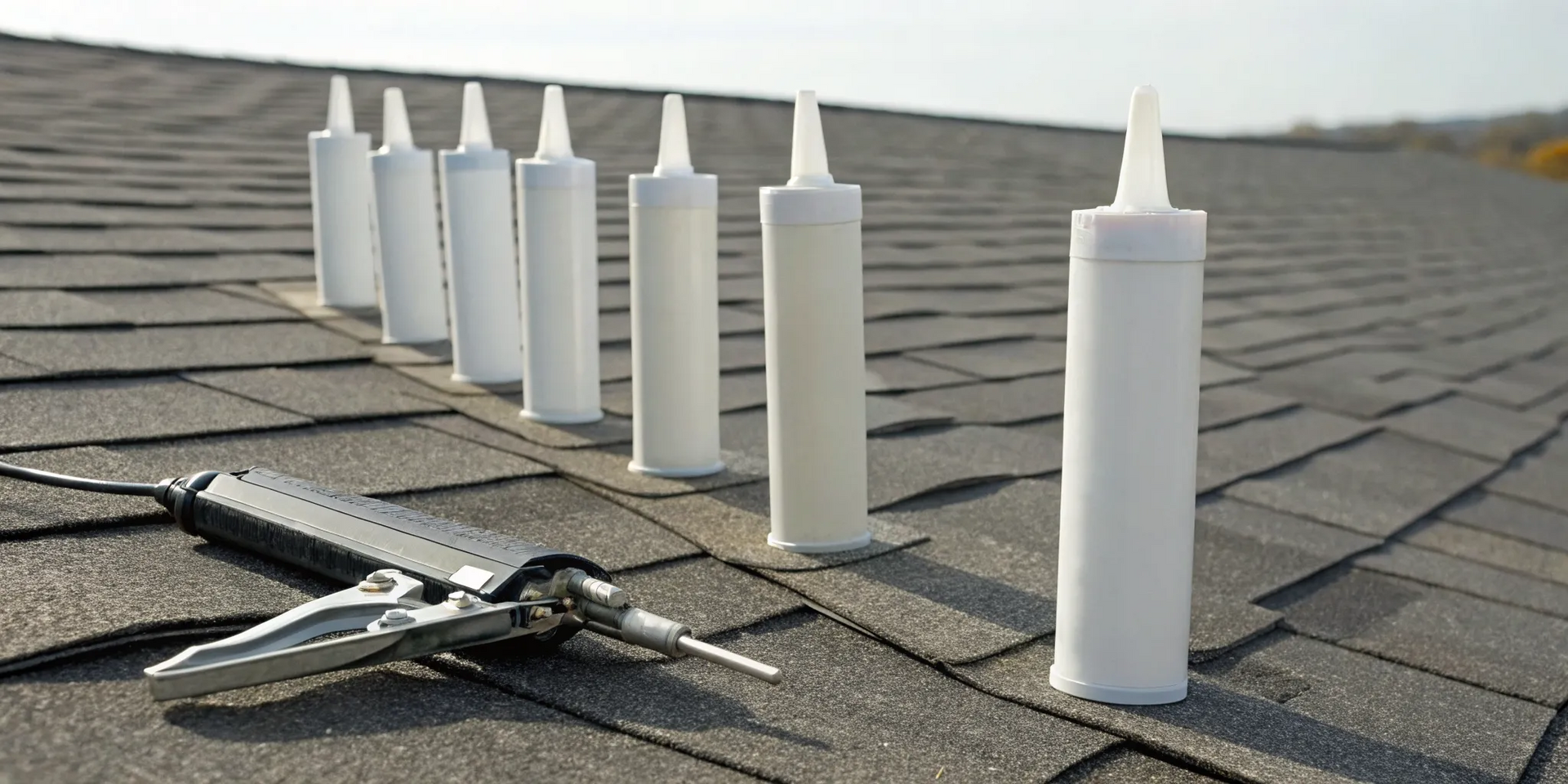
Georgia’s weather puts every roof to the test. Between the intense summer sun, high humidity, and sudden heavy rainstorms, your roofing materials are constantly under stress. A standard sealant might not hold up to the constant expansion and contraction caused by our temperature swings. That’s why choosing a product designed for our specific climate is so critical for a lasting repair. You need a solution that stays flexible in the heat and waterproof in a downpour. In this guide, we’ll explore how our local weather impacts your roof and help you select the best roof sealant for asphalt shingles.
Key Takeaways
- Match the sealant to your climate: For Georgia's intense sun and heavy rain, choose a product with excellent UV resistance and flexibility. This ensures the sealant can handle temperature swings without cracking or failing.
- Proper prep work is non-negotiable: A sealant will only work if it can bond correctly to the shingle. Always start with a completely clean and dry surface to create a durable, watertight seal that lasts.
- Sealant is for small fixes, not major problems: While great for minor cracks, sealant can't fix widespread issues like curling shingles or soft spots on your roof. These are signs of deeper damage that require a professional inspection.
Our Top 5 Picks: The Best Roof Sealants for Asphalt Shingles
When a small leak or crack appears, a quality roof sealant is your first line of defense. But with so many options on the shelf, it can be tough to know which one to grab. The right sealant can mean the difference between a quick, lasting fix and a recurring problem that leads to bigger headaches. As roofing professionals, we've seen it all and worked with countless products over the years. We know what stands up to Georgia's unique climate, from the intense summer sun to the heavy downpours. Below, we're sharing our top five picks for the best roof sealants for asphalt shingles. These are the products we trust to protect your home and deliver reliable results.
Our Pro Pick: Sashco Through the Roof
If we had to pick just one all-around performer, Sashco Through the Roof would be it. This sealant is incredibly versatile, which is why it’s a favorite among professionals. It creates a strong bond with almost any roofing material, and you can even apply it in wet conditions, making it perfect for those emergency repairs during a surprise Georgia shower. What we really appreciate is its elasticity. It expands and contracts as temperatures fluctuate, preventing the seal from cracking or pulling away over time. For most common residential roofing repairs, this is the sealant we reach for first because we know it will hold up.
For Maximum UV Protection: Henry 887 Tropi-Cool Silicone
Georgia summers can be brutal, and the sun’s UV rays can do a number on your roof. That’s where Henry 887 Tropi-Cool Silicone really shines. This is a 100% silicone sealant designed for maximum UV protection. Its bright white finish reflects sunlight, which helps keep your roof and attic cooler and can even contribute to lower energy bills. The silicone formula creates a completely waterproof, durable barrier that won't shrink, crack, or peel under the intense sun. It’s an excellent choice for sealing around vents and flashing, especially on low-slope or flat roofs often found in commercial roofing applications.
For Rainy Climates: Geocel 2300
When you live in an area that gets its fair share of rain, you need a sealant you can count on to keep water out. Geocel 2300 is a top-tier choice specifically for its performance in wet climates. Professionals trust this tripolymer sealant for its incredible flexibility and long-lasting adhesion, even on damp surfaces. It’s perfect for sealing around flashing, skylights, and chimneys, which are common spots for leaks to start. Its durability ensures that once you’ve sealed a trouble spot, it stays sealed, giving you peace of mind through every storm season. It’s a reliable solution for keeping your home watertight and protected from the elements.
The Best Budget-Friendly Option: DAP Waterproof Asphalt Filler & Sealant
Not every roof repair requires an industrial-strength solution. For minor fixes, like sealing a small crack around a vent pipe or securing a loose shingle tab, DAP’s Waterproof Asphalt Filler & Sealant is a fantastic, budget-friendly option. It’s specifically formulated for asphalt surfaces, so you know it’s compatible with your shingles. This sealant is easy to apply and provides a tough, waterproof barrier that effectively stops small leaks in their tracks. While we wouldn't use it for major repairs, it’s the perfect product to keep on hand for quick, simple touch-ups. Our commitment to our clients means recommending the right product for the job, and sometimes, a simple solution is all you need.
For Long-Term Durability: Liquid Rubber Waterproof Sealant
If you’re looking for a sealant that offers exceptional long-term protection, Liquid Rubber Waterproof Sealant is a great investment. This product creates a seamless, rubberized membrane that is both incredibly strong and highly flexible. It moves with your roof through seasonal changes without cracking or breaking down. Because it forms such a durable layer, it’s an excellent choice for larger repair areas or for reinforcing sections of your roof that are prone to holding water. Think of it as adding a protective shield to your roof. This kind of long-term durability is key to a healthy roofing system, just like well-maintained gutters are.
What to Look for in a Quality Roof Sealant
Picking the right roof sealant can feel like a big decision, and it is. The right product will create a durable, waterproof barrier that protects your home for years, while the wrong one can fail quickly, leaving you back where you started. A quality sealant is more than just a temporary patch; it’s an investment in your roof's health. To make sure you’re choosing wisely, focus on a few key characteristics. You’ll want a product that can handle temperature swings, stand up to harsh weather, resist sun damage, and is made for your specific roof type. Let’s walk through what makes a roof sealant truly effective.
It Stays Flexible in Any Temperature
Your roof is constantly expanding and contracting as the temperature changes throughout the day and across seasons. A good sealant needs to be able to move with it. If a sealant becomes hard and rigid after it cures, it will crack and pull away from the shingles, creating new entry points for water. Look for sealants made from silicone or polyurethane, as these materials are known for remaining flexible. This elasticity allows them to maintain a tight seal through scorching summer heat and chilly winter nights, which is essential for the variable Georgia climate.
It Offers Superior Weather Protection
At its core, a roof sealant’s job is to act as a shield for your asphalt shingles. It’s your first line of defense against water damage. A high-quality sealant creates a waterproof barrier that stops leaks before they can start, preventing moisture from seeping into your roof deck and causing rot or mold. By sealing up vulnerable spots like flashing, vents, and nail holes, you can prevent small issues from turning into major roof repairs. This simple step not only protects your home but also helps extend the life of your entire roof, saving you significant money over time.
It Resists Sun Damage and Lasts Longer
The sun’s ultraviolet (UV) rays are relentless, and they can break down roofing materials over time, causing them to become brittle and ineffective. A quality roof sealant is formulated to withstand this constant exposure. Look for products with built-in UV resistance, as they will last much longer and provide more reliable protection. This feature is especially important in sunny climates where your roof bakes in the sun all day. By choosing a sealant that can handle intense sun, you ensure the repair remains strong and effective against moisture and temperature changes for years to come.
It's Made for Asphalt Shingles
Not all sealants are universal, so it’s crucial to choose one specifically designed for asphalt shingles. Using the wrong product can do more harm than good, as some chemicals can damage the shingles themselves. For example, silicone-based sealants are an excellent choice for asphalt shingles, especially in rainy areas, because they offer superior waterproofing and flexibility. Reading the product label carefully will ensure compatibility and help you achieve the best results. When in doubt, relying on professional roofing services guarantees the correct materials are always used for your specific roof type.
It's Easy to Apply
If you’re planning a DIY repair, the ease of application is a major factor. Roof sealants come in several forms, including liquids you can brush on, pastes for caulk guns, and even convenient sprays. Think about the size and location of the area you need to seal and choose a product that feels manageable for you. While a user-friendly product is helpful, remember that proper surface preparation is just as important. The roof must be clean and dry for the sealant to adhere correctly and create a lasting bond.
Choosing the Right Sealant for Your Climate
The sealant that works wonders on a roof in a dry, mild climate might not stand a chance against Georgia’s unique weather. Here, we deal with a combination of intense summer heat, high humidity, heavy rain, and the occasional cold snap. Your roof expands and contracts with these temperature swings, and the right sealant needs to be able to move with it. Choosing a product designed for our specific conditions is the key to a lasting repair.
Think of a sealant as a critical part of your home's defense system. The wrong choice can lead to cracks, leaks, and bigger problems down the road. When you're selecting a sealant, you're not just patching a hole; you're investing in protection that needs to perform year-round. Let's look at what your sealant needs to handle the heat, rain, and everything in between.
Handling High Heat and Humidity
That summer sun can be brutal on an asphalt shingle roof. Prolonged exposure to high heat and UV rays can cause shingles to become brittle, leading to cracks and granule loss. This is why you need a sealant with excellent UV resistance. Look for silicone or advanced acrylic formulas that are specifically designed to reflect sunlight and resist breaking down under its constant glare. A quality sealant will maintain its integrity instead of drying out and failing.
High humidity adds another layer of challenge, creating the perfect environment for algae and mildew to grow. Some sealants come with antimicrobial properties to stop this growth in its tracks, keeping your roof looking clean and preventing moisture from getting trapped. This is an essential feature for any residential roofing in the Atlanta area.
Standing Up to Rain and Storms
A sealant’s primary job is to keep water out, and in a rainy climate like ours, that job is non-stop. The best sealants create a completely waterproof and seamless barrier that protects the most vulnerable parts of your roof, like the areas around vents, chimneys, and flashing. They act as a shield for your asphalt shingles, preventing water damage that can lead to costly repairs and shorten your roof's lifespan.
For areas that see a lot of rain, silicone-based sealants are often the top choice. They are incredibly waterproof and flexible, allowing them to handle heavy downpours and sudden temperature changes without failing. A reliable sealant works hand-in-hand with your gutters to direct water away from your home’s foundation, ensuring every part of your water management system is working correctly.
Staying Flexible in the Cold
While our winters are milder than in other parts of the country, the temperature still drops. As it gets colder, your roofing materials contract. If your sealant becomes hard and brittle in the cold, it will crack under the pressure, creating new entry points for moisture. This is why flexibility, or "elasticity," is so important.
You need a sealant that remains pliable even on the chilliest days. This allows it to shrink along with your shingles without breaking its seal. A flexible sealant ensures that the small repairs you make in the fall are still holding strong when the spring rains arrive. This ability to withstand temperature changes is a hallmark of a high-quality product.
Adapting to Seasonal Changes
Your roof is constantly moving as it heats up during the day and cools down at night. A good sealant needs to stretch and shrink right along with it. This property is often referred to as elastomeric performance, which is just a technical way of saying it can stretch without tearing and return to its original shape. Without this flexibility, the sealant will eventually pull away from the shingles or crack, defeating its purpose.
The ideal sealant for Georgia’s climate is one that can handle the full spectrum of our weather. It needs to withstand the intense UV rays of July, the heavy rains of April, and the cold snaps of January. Choosing a product built for this kind of seasonal variation ensures your roof stays protected no matter what the weather brings, which is crucial for both homes and large commercial roofing systems.
How to Apply Roof Sealant for the Best Results
Choosing the right sealant is half the battle; applying it correctly is the other half. A great product can fail if it’s not applied properly, so taking your time with preparation and application is key to getting a durable, watertight seal. Think of it like painting a room: the prep work is tedious, but it’s what makes the final result look professional and last for years. Following the right steps ensures the sealant bonds perfectly with your shingles, providing the protection you need. From cleaning the surface to giving the sealant enough time to cure, each step plays a vital role in protecting your home from the elements. Let’s walk through the process for getting the best possible results.
Prep Your Roof Surface
You can’t put a bandage on a dirty wound, and you can’t apply sealant to a dirty roof. For the sealant to create a strong, lasting bond, the surface of your asphalt shingles must be completely clean and dry. Start by removing any loose debris like leaves, twigs, and dirt with a broom or a leaf blower. If you have moss, algae, or stubborn grime, you may need to gently scrub the area with a roof-safe cleaning solution and rinse it. The most important part? You have to let it dry completely. Applying sealant over a damp surface will trap moisture, preventing proper adhesion and potentially causing more damage down the line.
Use the Right Tools and Techniques
Having the right tools makes any job easier, and applying roof sealant is no exception. For small cracks or sealing around flashing and vents, a caulking gun gives you the precision you need to get into tight spots. If you’re coating a larger area, a paint roller with a medium-nap cover or a sprayer will help you apply a consistent layer. The goal is to apply a smooth, even coat. Don’t glob it on, as thick patches can crack, but also don’t spread it too thin, which creates weak spots. Always read the manufacturer’s instructions on the product label, as they’ll provide the best guidance for the specific sealant you’re using.
Pick the Perfect Day to Work
Weather plays a huge role in how well your roof sealant applies and cures. The ideal time to tackle this project is on a clear, mild, and dry day. According to the Asphalt Roofing Manufacturers Association, it’s best to work when temperatures are above freezing, as the sun’s warmth helps the sealant bond effectively with the shingles. Avoid applying sealant in direct, intense sunlight or on extremely hot days, as it can cause the product to dry too quickly and bubble or crack. And, of course, check the forecast to make sure there’s no rain expected for at least 24 to 48 hours after you finish.
Avoid These Common Application Mistakes
A DIY sealant application can save money, but a few common mistakes can lead to bigger problems. One of the most frequent errors is applying the sealant unevenly, leaving some areas too thin and vulnerable while others are too thick and prone to cracking. Another issue is missing spots, especially in less-visible areas, which can leave your roof exposed to leaks. Applying sealant to a dirty or damp surface is another recipe for failure. If you’re not confident about getting uniform coverage or safely accessing all parts of your roof, it might be time to call in a professional. Our residential roofing team can ensure the job is done right the first time.
Understand Curing Time and Maintenance
Your work isn’t finished the moment you put the roller down. Roof sealant needs time to cure, which means it needs to fully dry and harden to form a protective barrier. Most products require at least 24 to 48 hours of dry weather to cure properly, but you should always check the product’s specific instructions. During this time, it’s critical to keep foot traffic off the sealed areas and ensure they don’t get wet. Once cured, your sealant will provide excellent protection, but it’s a good idea to inspect the sealed areas once a year, especially after major storms, to make sure everything is still intact.
Know When to Call a Professional
While a good roof sealant is a fantastic tool for minor repairs and maintenance, it’s important to recognize its limits. Think of it like first aid for your roof: it’s perfect for small cuts and scrapes, but it’s not a substitute for a doctor when you have a serious injury. Applying sealant to a roof with deep, underlying issues can be like putting a bandage on a broken bone. It might cover up the problem temporarily, but it won’t fix it and could lead to more extensive and expensive damage down the road.
Knowing the difference between a simple DIY fix and a problem that needs an expert eye is key to protecting your home. A professional roofer can identify issues you might miss, ensuring the root cause of the problem is addressed correctly. Before you climb that ladder, take a moment to assess the situation. Sometimes, the smartest and safest move is to put down the sealant and pick up the phone to schedule a professional roof inspection. This step ensures you get the right solution the first time, saving you time, money, and stress.
Signs of Deeper Roof Damage
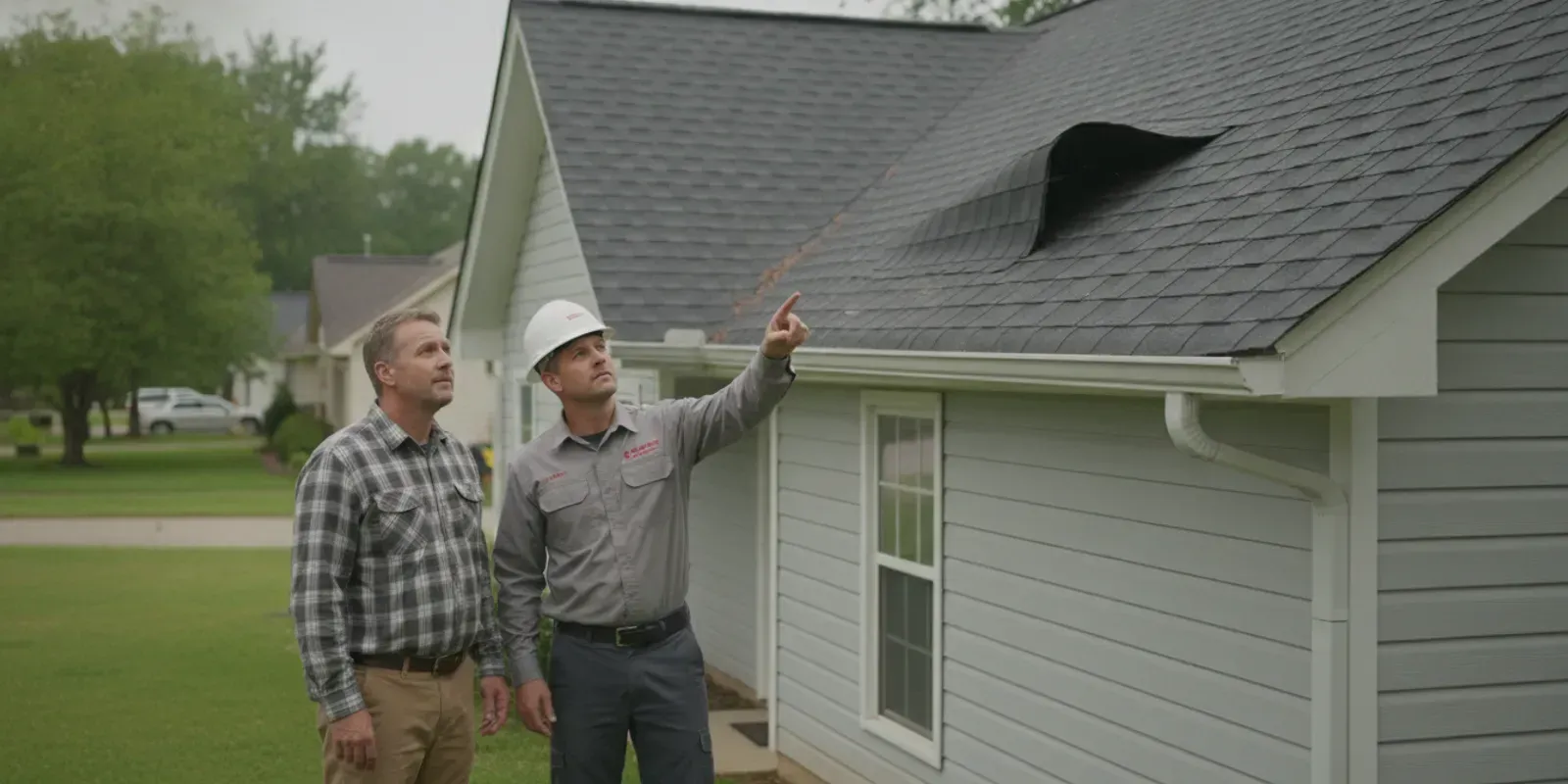
A small leak or a single cracked shingle can often be handled with sealant. However, certain signs point to more significant trouble. If you notice large areas where the shingle granules have worn away, shingles that are curling or buckling, or soft, spongy spots when you walk on the roof, you’re likely dealing with more than a surface-level issue. These are often symptoms of an aging roof or widespread moisture damage that has compromised the underlying structure. Sealants are simply not a magic fix for this kind of major roof damage; in these cases, a professional roof repair or even a full replacement might be necessary to protect your home.
The Safety Risks of DIY Roof Repair
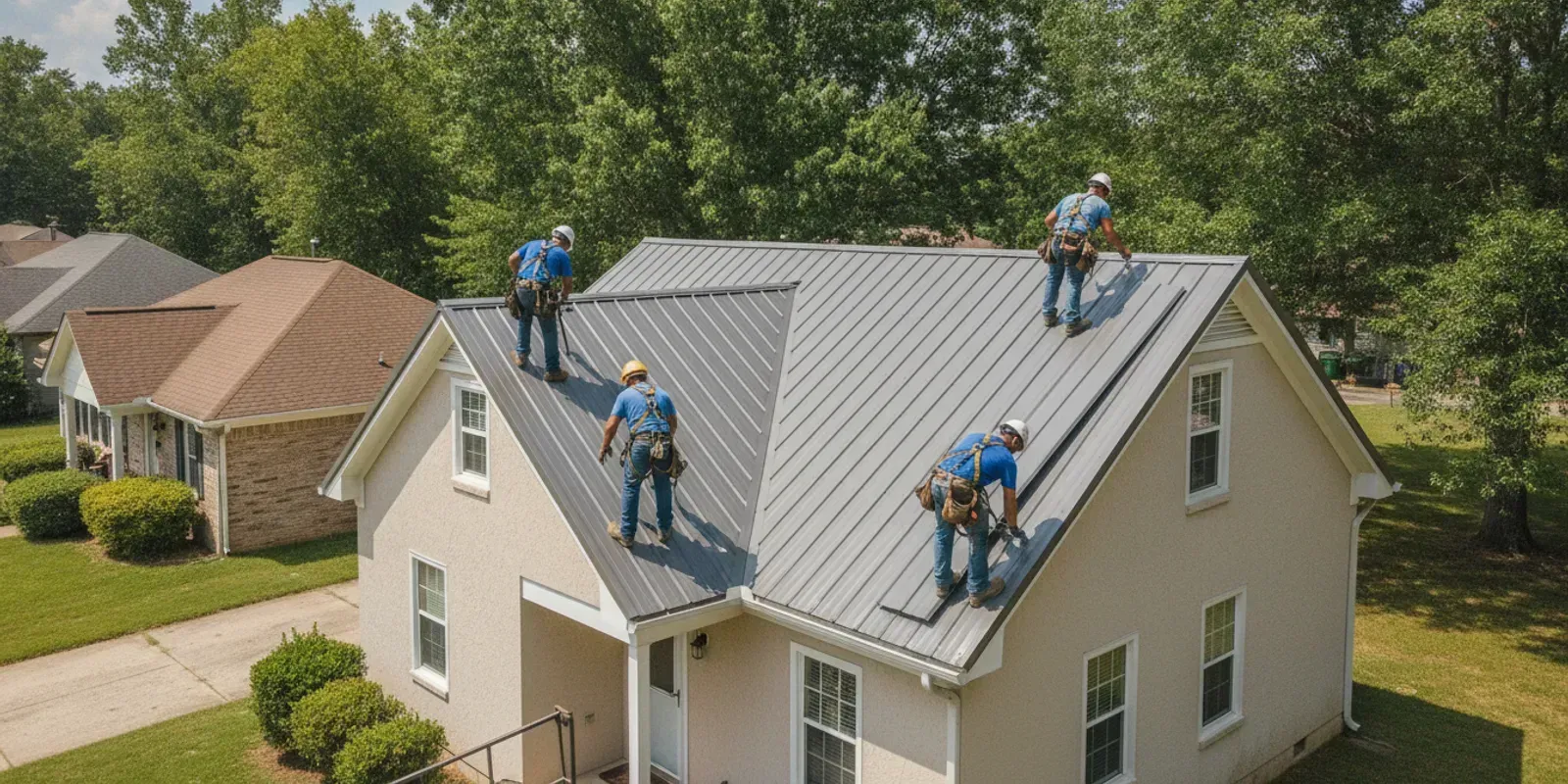
Your safety should always come first, and working on a roof carries inherent risks. Falls are a serious concern, especially without the proper safety equipment and training. Beyond personal safety, there’s also the risk of damaging your roof further. Applying sealant yourself can easily lead to uneven coverage and missed spots, which could cause new leaks or trap moisture, leading to rot and mold. A professional has the experience to apply materials correctly, ensuring a proper, lasting seal that fully protects your home. They know how to work safely and efficiently, giving you peace of mind that the job is done right without putting you in harm’s way.
When Sealant Isn't the Answer
Sealant is a great solution for specific, minor issues, but it’s not the right tool for every job. If your roof is already 15 to 20 years old and showing its age, patching it up is only a temporary delay of the inevitable. You should also skip the sealant if you’re dealing with numerous leaks in different spots, have large sections of missing or badly damaged shingles, or see signs of structural problems like sagging. These are clear indicators that your roof’s integrity is compromised. In these situations, a full roof replacement is often the most cost-effective and responsible choice for the long-term health of your home.
The Value of Professional Work and Warranties
Hiring a professional isn't just about getting the job done; it's about investing in quality and confidence. When you work with an experienced team, you get the benefit of their expertise, ensuring the right products are used and applied correctly for maximum effectiveness. As an Owens Corning Platinum Preferred contractor, we stand by our detailed craftsmanship. Professional work often comes with strong warranties on both materials and labor, so if something goes wrong, you’re covered. Think of it as preventative care for your home. A professional job can lower your future repair costs and provides proper documentation that can even help support insurance claims if your roof gets storm damage.
Related Articles
- Which Type of Asphalt Shingles Should I Use? | Total Roof Atlanta
- A Guide to the Commercial Roof Repair Process
- Key Factors in a Commercial Roof Replacement
- Maximizing Building Value With Rubber Roof Installations in Atlanta: A Comprehensive Guide
- Selecting the Ideal Flat Roof System for Atlanta Businesses
Frequently Asked Questions
How do I choose the right sealant from your list for my specific problem? Think about the specific job you need to do. For a quick fix on a small crack during a dry spell, the budget-friendly DAP sealant is a great choice. If you need to make an emergency repair while it's still damp, Sashco Through the Roof is designed to work in wet conditions. For areas that get intense, direct sun, Henry Tropi-Cool provides excellent UV protection that helps reflect heat.
Can I use sealant to fix a missing or badly damaged shingle? Sealant is best used for small cracks, exposed nail heads, or reinforcing the seal around vents and flashing. It is not a substitute for a shingle. Trying to fill a gap where a shingle is missing or covering a large, crumbling area with sealant will not create a proper waterproof layer. This can actually trap water and lead to rot. A missing or severely damaged shingle should always be replaced.
How long can I expect a sealant repair to last? The lifespan of a sealant repair really depends on the quality of the product, the preparation of the surface, and the local weather. A high-quality sealant that has been applied correctly to a clean, dry roof can last for many years. A less expensive product might only provide a temporary fix for a season or two. The key is to use the right product for the job and inspect the repair annually.
Why is it so important to use a sealant made specifically for asphalt shingles? Asphalt shingles contain specific oils and materials that can be damaged by harsh chemicals found in generic caulks or sealants. Using a product that isn't compatible can cause the shingle to become brittle and crack, which ultimately makes the problem worse. Sealants formulated for asphalt are designed to bond securely and stay flexible without harming the shingle itself.
Is it really necessary to clean the roof before applying sealant? Yes, this step is absolutely critical for a lasting repair. Sealant needs to bond directly to the shingle surface to create a watertight seal. If you apply it over dirt, moss, or loose granules, it will stick to that debris instead of the roof. This creates a weak bond that is almost guaranteed to fail, letting moisture in and putting you right back where you started.