How to Choose the Best Residential Roof Repair
Stephen Griswell • March 26, 2026
That sinking feeling when you spot a water stain on your ceiling is universal. Your mind immediately starts racing with questions. How bad is the leak? How much will this cost? And most importantly, who can you trust to fix it right? The process of finding a reliable contractor can feel just as stressful as discovering the problem itself. You need someone who will give you an honest assessment without trying to upsell you on a full replacement you don't need. This guide is here to help you take a deep breath and move forward with a clear plan. We’ll walk you through how to identify the problem, what to look for in a professional, and how to find the best residential roof repair service for your home.
Key Takeaways
- Focus on credentials and local experience: A trustworthy roofer will readily provide proof of their license and insurance. Prioritize local companies with strong community roots and top-tier certifications, which often grant access to the best warranties.
- Know the warning signs of roof damage: Catching problems early saves you money and stress. Look for cracked shingles, granules in your gutters, and any water stains on your interior ceilings to know when it's time to call a professional.
- Get everything in writing: A handshake isn't enough. A detailed contract protects you by clearly defining the project scope, materials, costs, and timeline, ensuring there are no surprises.
How to Spot a Great Roofing Company
Finding a roofer you can trust is the most important step in any repair project. While the options can feel overwhelming, a great company leaves clear clues about its quality and professionalism. Knowing what to look for helps you filter out the unreliable contractors and focus on the ones who will protect your home. It all comes down to checking their credentials, verifying their experience, and making sure everything is clearly documented.
Check for Licenses, Insurance, and Bonding
This is the absolute baseline for any contractor you consider hiring. A reputable roofing company must be fully licensed, insured, and bonded, and they should be ready to prove it. A state license shows they meet professional standards. General liability insurance protects your property from any accidental damage during the project, while workers' compensation covers their crew in case of injury, so you aren't held liable. Don't just take their word for it; ask to see their certificates of insurance. Any hesitation to provide these documents is a major red flag. A professional team, like the one at Total Roof Solutions, will always be transparent about their credentials.
Look for Proven Experience and Certifications
Experience is more than just years in business; it’s about a proven track record of quality work. Look for a company with deep roots in your community and a portfolio of completed projects. Check online reviews and ask for references you can speak with directly. Beyond general experience, look for manufacturer certifications. For example, being an Owens Corning Platinum Preferred contractor means a company has been vetted for financial stability, customer service, and installation quality. These top-tier certifications are awarded to only a small percentage of roofers and often grant you access to superior materials and the strongest warranties available, giving you extra peace of mind.
Insist on Strong Warranties and Clear Contracts
A great roofer stands behind their work, and the proof is in their warranties. You should receive two types: a manufacturer's warranty that covers the materials themselves and a workmanship warranty from the contractor that covers the installation. Be sure you understand the terms and duration of both. Before any work begins, you must also get a detailed, written contract. This document should clearly outline the full scope of the residential roofing project, the specific materials being used, a projected timeline, the total cost, and a payment schedule. A vague estimate on a handshake is not enough. A clear contract protects both you and the contractor, ensuring everyone is on the same page from start to finish.
Signs Your Roof Needs Repair
Your roof can't talk, but it sends clear signals when it needs attention. Catching these signs early can save you from the stress and expense of a major problem down the road. Knowing what to look for, both outside and inside your home, helps you act fast. Here’s a guide to what your roof might be trying to tell you.
What to Look for Outside
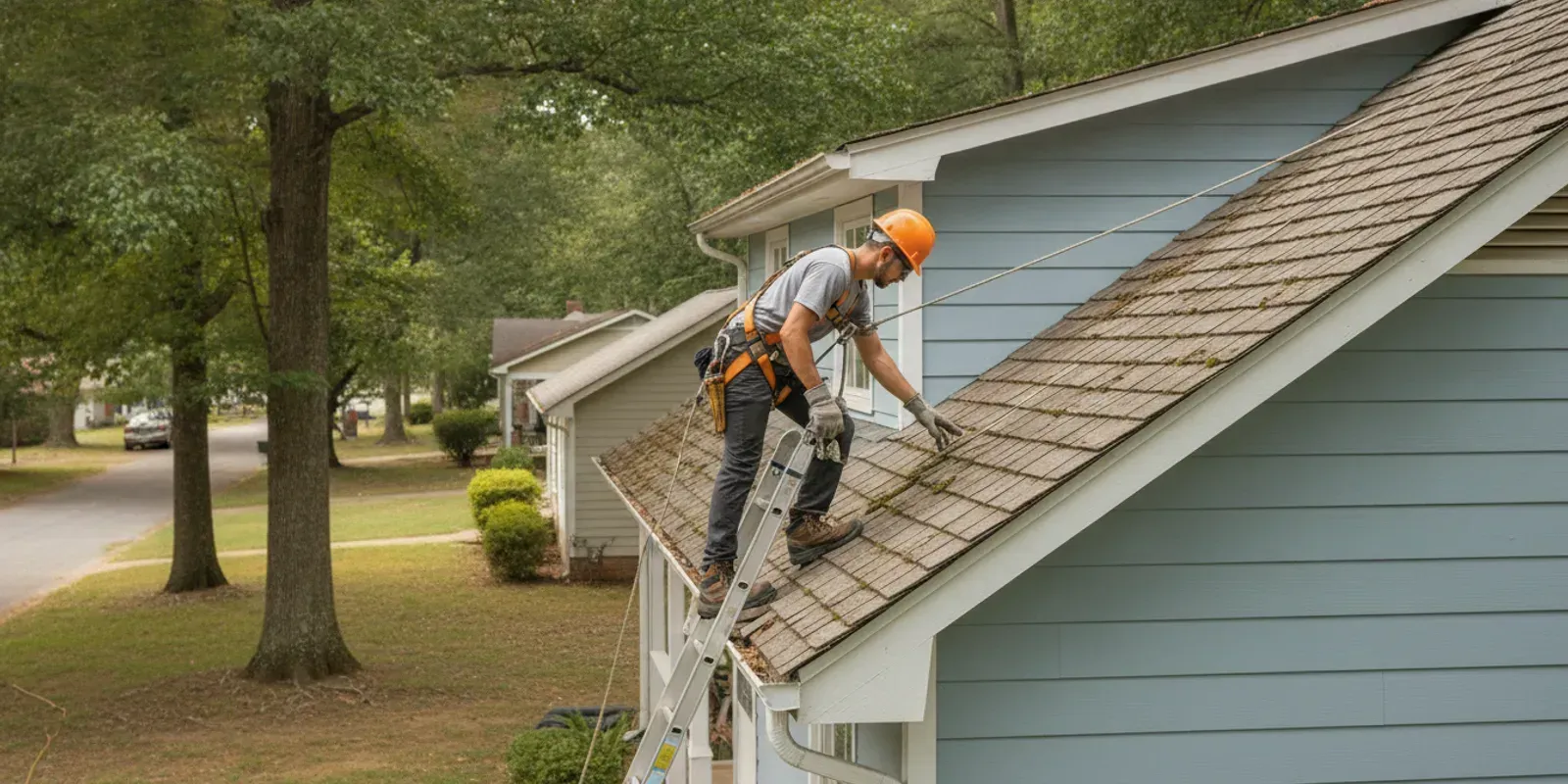
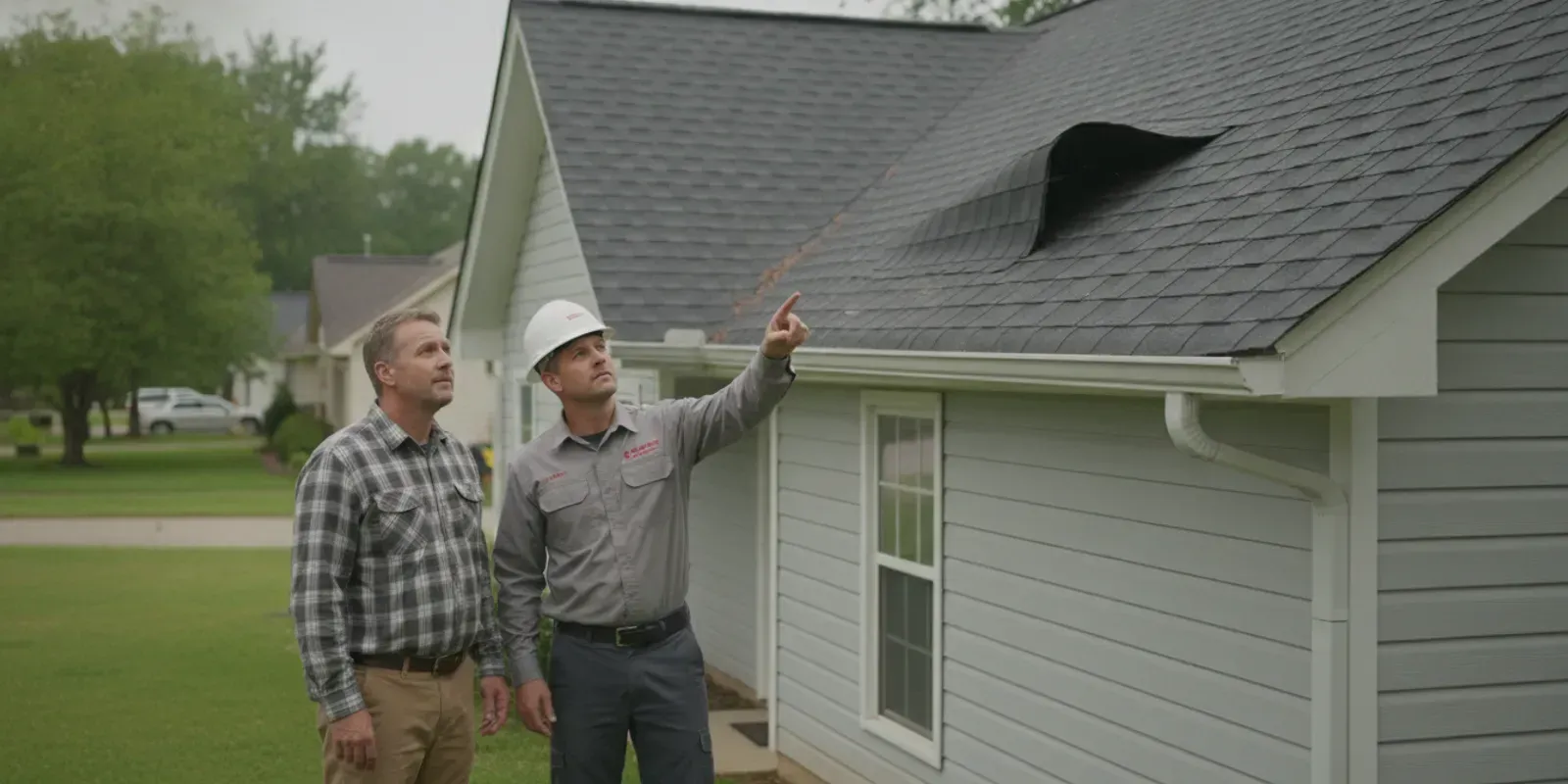
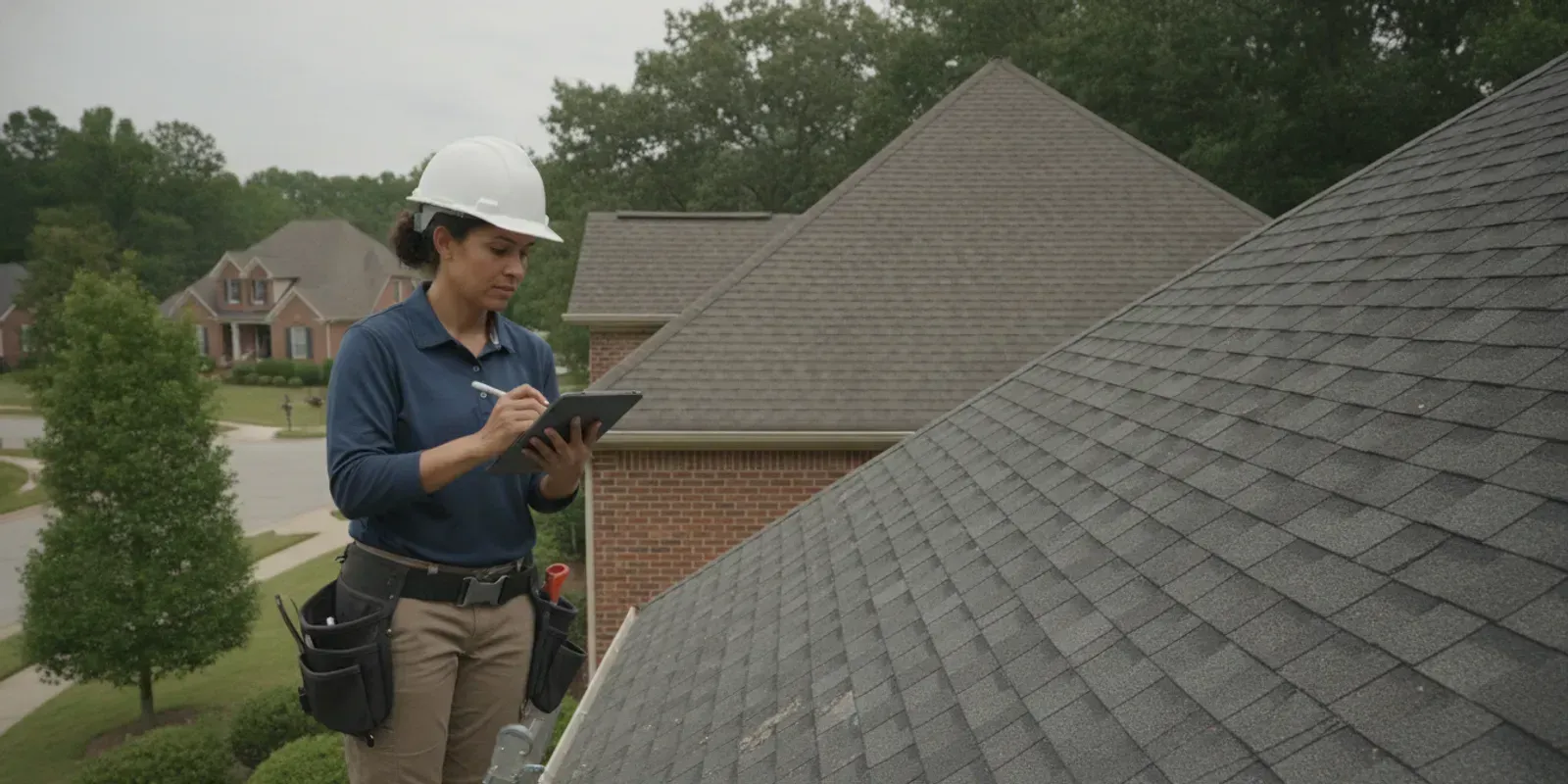
The easiest way to check on your roof’s health is to simply look at it from the ground. Are any shingles missing, cracked, or curling at the edges? These are signs that your shingles are past their prime and can no longer protect your home effectively. Another clue is finding a lot of shingle granules, which look like coarse black sand, in your gutters. This means the protective top layer of your shingles is wearing away. If your roof is over 20 years old and showing these signs, it’s definitely time for a professional residential roofing inspection.
Warning Signs Inside Your Home
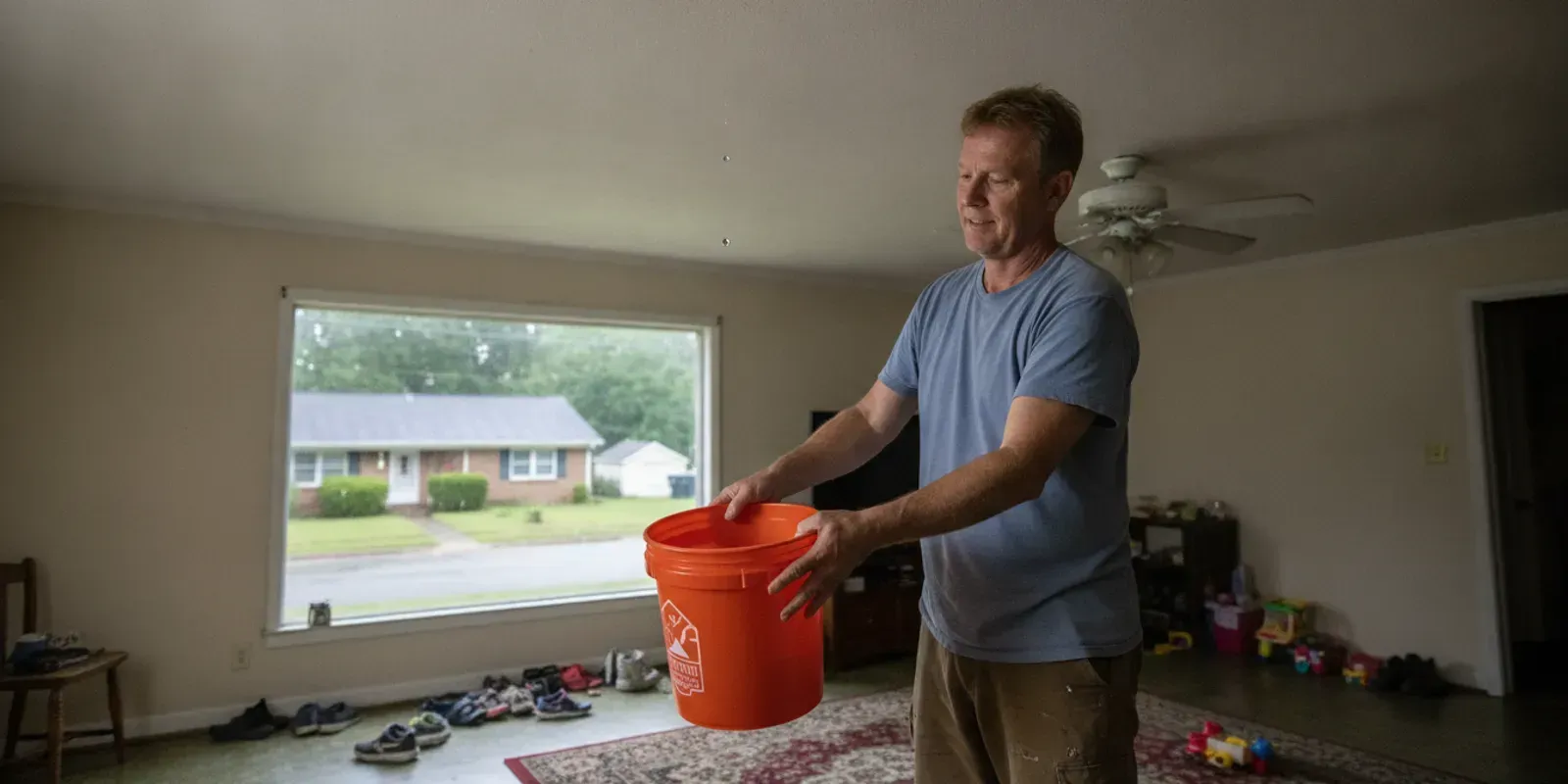
Sometimes, the first sign of a roof problem appears inside your house. Head up to your attic on a sunny day and look for any beams of light coming through the roof boards. This is a clear sign you have a hole. You should also keep an eye out for water stains or discoloration on your ceilings or walls, which often point to a slow leak. A musty smell in certain rooms or visible mold growth are also red flags that moisture is getting in from somewhere. If you see any of these signs, it’s important to contact a professional right away to find the source of the leak.
Repair or Replace? The 25% Rule
When you have widespread damage, you might wonder if you can get by with a repair. A helpful guideline many roofing professionals use is the 25% rule. It suggests that if more than a quarter of your roof is damaged, a full replacement is often the smarter, more cost-effective choice. Simply patching up large sections can lead to an uneven roof surface and create weak spots where future leaks can occur. A full replacement ensures that your entire roofing system is sound, secure, and ready to protect your home for decades to come.
What Kind of Roof Repair Do You Need?
Roof damage isn’t a one-size-fits-all problem. The right solution depends entirely on the type and extent of the issue you're facing. A few loose shingles after a windy day requires a very different approach than widespread damage from a major storm. Understanding the severity of the problem helps you know what to expect and what to ask for when you call a professional. Let's break down the common types of roof repair, from quick fixes to a complete overhaul.
Fixing Minor Issues
Minor roof issues are the most common culprits behind a leak. This includes things like a few cracked or missing shingles, loose flashing around a chimney, or worn-out sealant on vents. While they might seem small, addressing them quickly is key. A small, ignored leak can lead to rotted wood, damaged insulation, and mold growth over time. The best way to catch these problems is with regular roof inspections that spot trouble early. For these types of repairs, a professional can typically isolate the problem area and fix it in just a few hours, extending the life of your roof without a major expense.
Tackling Major Damage
Sometimes, the damage is too widespread for a simple patch. This often happens after a severe storm or if a large tree limb falls on your house. If you're looking at a significant area of missing shingles or a large puncture, you're dealing with major damage. A good rule of thumb is the 25% rule: if more than a quarter of your roof is damaged, a full replacement is often the smarter, more cost-effective choice. Trying to patch a large section can create an uneven surface and lead to future leaks along the seams. A professional assessment is crucial here to determine if a large-scale repair is viable or if it’s time to consider a replacement.
Handling Roofing Emergencies
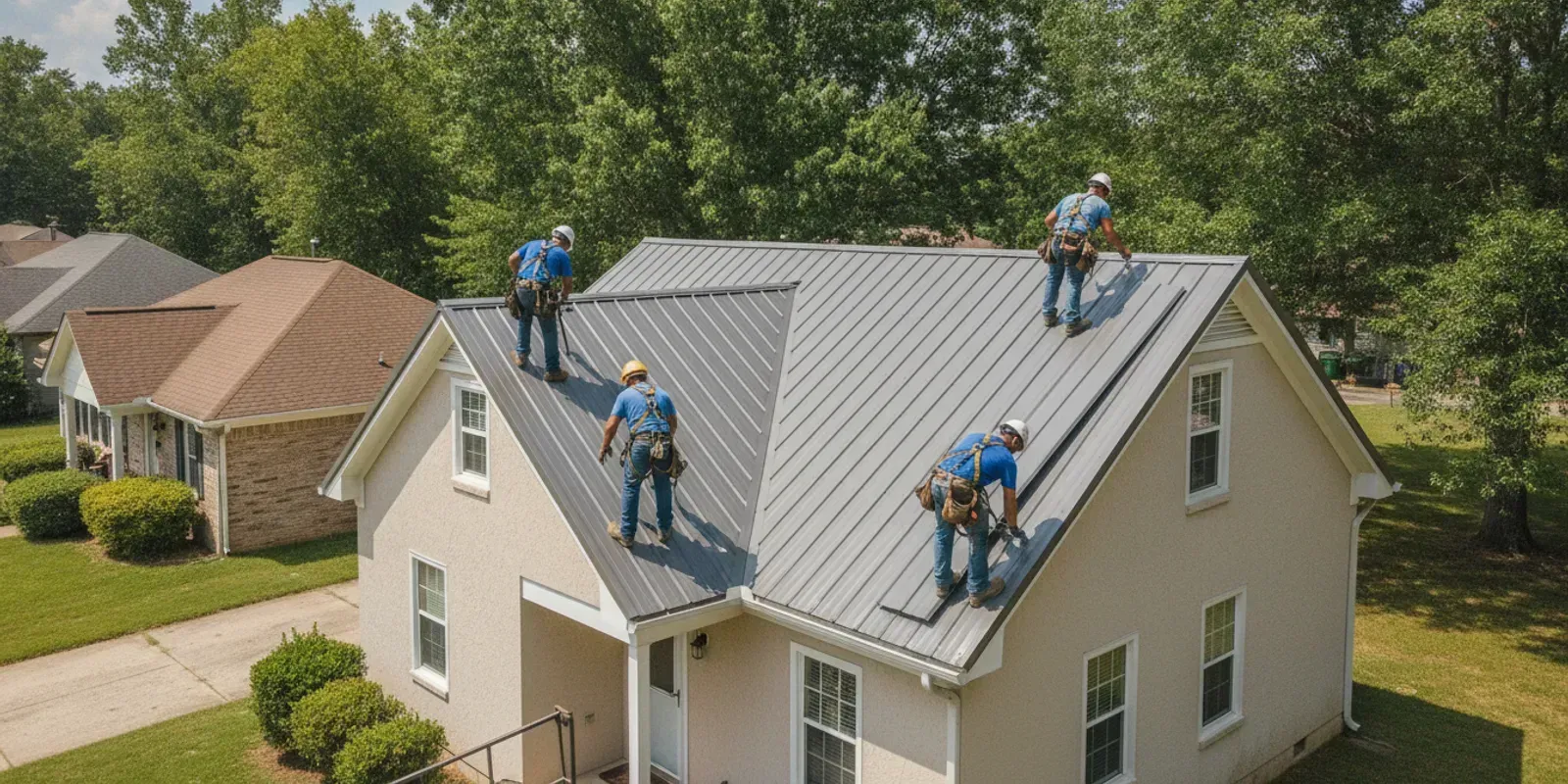
A roofing emergency is any situation that requires immediate attention to prevent serious damage to your home's interior. Think severe leaks during a storm, major structural damage from hail, or sections of your roof being torn off by high winds. In these cases, your first step is to call a trusted roofer for an emergency tarping service to protect your home. A reliable contractor will not only secure the area but also help you document the damage for your records. They can also help you identify hidden issues and guide you through the insurance claim process, making a stressful situation much more manageable.
When a Full Replacement is Necessary
Eventually, every roof reaches the end of its lifespan. A full replacement is necessary when repairs are no longer enough to protect your home. This is often the case for older roofs (20+ years), roofs with widespread cracking or curling shingles, or when damage covers more than 25% of the surface. Patching an old, failing roof is like putting a bandage on a serious wound; it’s a temporary fix that will likely fail again soon. Investing in a full roof replacement provides a long-term solution, improves your home's curb appeal, and gives you peace of mind knowing your home is protected for decades to come.
How Much Do Roof Repairs Cost?
Let's talk about one of the biggest questions on every homeowner's mind: the cost. While there’s no single price tag for a roof repair, understanding what goes into an estimate can help you feel more prepared. The final cost depends on the extent of the damage, the materials used, and the complexity of your roof. A minor fix might only cost a few hundred dollars, while more significant damage could run into the thousands. The best first step is always a professional inspection to get a clear picture of what your specific repair will involve.
Typical Costs for Common Repairs
For small issues like replacing a few missing shingles or sealing a minor leak, you can expect a straightforward and affordable fix. For more extensive damage, a contractor might price the job by the "square," a 10-by-10-foot section of your roof. The cost per square varies based on your roofing material and the labor involved, and it often includes removing the damaged sections. Getting a detailed quote is the only way to know for sure what your residential roofing repair will cost.
What Affects the Final Price?
Several key factors influence your final bill. The type of roofing material is a big one; asphalt shingles are typically less expensive to repair than slate or metal. The pitch, or steepness, of your roof also plays a role, as steeper roofs require more safety equipment and time. The extent of underlying damage is another critical variable. If water has rotted the decking beneath your shingles, the repair will be more involved. When you get quotes, remember that the cheapest option isn't always the best. A company's experience and quality of work are just as important as the price.
Navigating Payments and Financing
A trustworthy contractor will be transparent about payment. It’s a major red flag if a company demands full payment before starting the job. Reputable roofers usually ask for a reasonable deposit for materials, with the balance due upon completion or in installments. Be sure this schedule is clearly outlined in your contract. If a sudden repair isn't in your budget, don't hesitate to ask about payment plans. Many companies offer flexible financing options to help you manage the cost of essential repairs without the stress.
Essential Questions to Ask Before You Hire
Choosing a roofing contractor can feel like a big decision, because it is. The right team will protect your home for years to come, while the wrong one can lead to costly mistakes and endless stress. To make sure you hire a true professional, you need to go into the conversation prepared. Asking smart, direct questions is the best way to vet a potential contractor and feel confident you’re putting your home in good hands. Think of it as a job interview where you’re the hiring manager. Use the questions below to guide your conversation and find a roofer you can trust.
Questions About Licensing and Insurance
First things first, you need to cover the non-negotiables. A legitimate roofing company will always operate with the proper credentials to protect you, their crew, and your property. Don’t just take their word for it; always ask for proof. Any hesitation to provide these documents is a major red flag. A professional contractor will have them ready to go and will be happy to show you they run their business the right way. At Total Roof Solutions, we believe transparency is key, which is why we are a fully licensed and insured company.
Key questions to ask:
- Are you licensed, bonded, and insured to work in Georgia?
- Can you provide a copy of your general liability and workers' compensation insurance certificates?
Questions About Their Experience and Past Work
A roofer’s history tells you a lot about their future performance. You want a company with deep roots in your community and a long list of happy customers. Look for a contractor with years of experience handling projects just like yours, whether it's a simple repair or a full residential roof replacement. Check online reviews on sites like Google and the Better Business Bureau to get a feel for their reputation. Also, ask about special certifications. For example, being an Owens Corning Platinum Preferred contractor shows a commitment to training and quality that goes above and beyond the basics.
Key questions to ask:
- How many years have you been serving the Atlanta area?
- Can you share a portfolio of your work or provide local references?
- What manufacturer certifications do you hold?
Questions About the Project Details
Once you’ve confirmed a contractor is qualified, it’s time to get into the specifics of your project. A trustworthy roofer will provide a detailed written contract that leaves no room for confusion. This document should clearly outline the scope of work, the specific materials being used, a project timeline, the total cost, and a clear payment schedule. Remember, the cheapest bid isn't always the best. A low price could signal subpar materials or rushed labor. Also, be sure to ask about warranties. A solid warranty on both materials and workmanship is a sign that the company stands behind its work.
Key questions to ask:
- Will you provide a detailed, itemized estimate in writing?
- What does your contract include?
- What warranties do you offer for materials and labor?
Roofing Red Flags to Avoid
Choosing the right roofer is just as important as the materials you put on your home. While most contractors are honest professionals, a few bad apples can make the process stressful. Knowing what to watch out for can save you from headaches, shoddy work, and financial loss. Trust your gut. If a deal seems too good to be true or a contractor makes you feel uncomfortable, it’s okay to walk away. Here are some of the most common red flags to keep on your radar.
High-Pressure Sales and Storm Chasers
Be wary of any roofer who uses high-pressure tactics to get you to sign a contract on the spot. They might create a false sense of urgency by mentioning a "limited-time offer" or using scare tactics about the immediate danger your roof is in. This is especially common with "storm chasers," who are out-of-town contractors that sweep into a neighborhood after a storm. They often do quick, low-quality work and then disappear, leaving you with no way to address issues or claim a warranty. A reputable, local company will give you the time and space you need to make an informed decision without pressure.
Vague Estimates and Missing Contracts
A professional roofer will always provide a detailed, written estimate and contract. This document is your protection, so never proceed with work based on a verbal agreement or a vague, one-page quote. Your contract should clearly outline the full scope of the project, including the specific materials to be used, a projected timeline, the total cost, and a clear payment schedule. If a contractor is hesitant to put everything in writing or their estimate is missing key details, consider it a major red flag. A clear contract is a sign of a transparent and professional residential roofing partner who stands by their work.
Demands for Upfront Payment
It’s normal for a roofing company to ask for a deposit before work begins, but you should never pay for the entire job upfront. A massive down payment request is a serious warning sign. It could indicate that the company is not financially stable or, in the worst-case scenario, that they plan to take your money and never complete the work. A reasonable deposit is typically a small percentage to cover initial material costs. The rest of the payments should be tied to specific project milestones and clearly laid out in your contract. A trustworthy contractor has the financial footing to start a project without needing a large sum from you.
How to Confidently Vet a Roofing Contractor
Choosing the right contractor is the most important decision you’ll make for your roof. A great roofer protects your investment, while the wrong one can lead to costly mistakes and endless headaches. Taking the time to properly vet your options ensures you partner with a professional who is reliable, skilled, and trustworthy. Think of it as conducting a job interview; you want to find the best candidate for the role of protecting your home or business. These simple steps will help you filter out the noise and hire with total confidence.
Read Reviews and Check References
Start your search by seeing what past customers have to say. Look for a contractor with consistently positive feedback on sites like Google and the Better Business Bureau (BBB). While a perfect record is rare, you’re looking for a pattern of professionalism, quality work, and good communication. Don’t stop there; a reputable company should be happy to provide you with references from previous jobs. Speaking directly with a past client can give you firsthand insight into their experience, from the initial quote to the final cleanup. This is a great way to learn more about a company and its track record.
Confirm They're a Local, Reputable Business
Hiring a local contractor is a non-negotiable. A roofer with a permanent, physical address in your area understands Georgia’s specific weather challenges and is familiar with local building codes. They have a reputation to uphold in the community and will be there for you if any issues arise down the road. Be wary of "storm chasers," who often appear after severe weather, perform subpar work, and then disappear. A stable, local business is invested in the community and focused on building long-term relationships, not just making a quick sale. They are your neighbors, providing reliable residential roofing services you can count on.
Get and Compare Multiple Written Bids
Never settle for the first quote you receive. It’s smart to get at least three detailed, written bids from different contractors. This isn't just about finding the lowest price. A detailed bid helps you compare the scope of work, the quality of materials proposed, labor costs, and project timelines. The cheapest option often cuts corners on materials or labor, which can cost you more in the long run. Make sure every estimate is in writing and clearly outlines all aspects of the job. Before any work begins, insist on a formal contract that protects both you and the contractor by setting clear expectations for the entire project.
Finding Your Trusted Local Roofing Partner
After you’ve done your research, read the reviews, and compared the bids, you’re left with the final, crucial step: choosing the right team for the job. This is where a local, community-focused company really shines. A contractor who lives and works in your area understands the specific challenges our Georgia weather throws at our homes, from the intense summer sun to sudden hailstorms. They know the local building codes inside and out and have established relationships with suppliers in the area.
A local roofer isn’t just working on a house; they’re serving their neighbors. This deep connection to the community means they have a reputation to uphold and are committed to being there for you long after the project is finished. You can often get a sense of a company’s local roots and values by learning more about their team and their story. Checking out a company’s About Us page can give you insight into their commitment to the community. Beyond just being local, one of the clearest indicators of a top-tier contractor is their certifications from leading manufacturers. These aren't just fancy badges; they are proof of a roofer’s commitment to excellence and a sign that you’re putting your home in the most capable hands.
Why Choose a Platinum Preferred Contractor?
So, what does it mean when a company is an Owens Corning Platinum Preferred Contractor? It’s the highest level of certification a roofing contractor can achieve within the manufacturer's network. Only a small fraction of roofers meet the strict criteria required for this status, which includes a proven track record of professional service, business stability, and high-quality craftsmanship.
For you, this means you’re working with a thoroughly vetted professional. More importantly, it gives you access to the industry’s best and most comprehensive warranties, providing an extra layer of protection for your investment. Choosing a Platinum Preferred Contractor ensures you get premium materials installed by experts who are held to the highest standards by the manufacturer itself. It’s one of the surest ways to guarantee peace of mind.
Making Your Roof Repair Last
A quality roof repair should do more than just patch a problem; it should restore your peace of mind. But the work doesn’t stop once the contractor leaves. To get the most out of your investment, a little proactive care goes a long way. It starts with making smart choices from the beginning and continues with consistent attention over the years. Focusing on the right materials, regular upkeep, and a solid warranty ensures your roof stays strong for years to come.
Select the Right Materials for Your Climate
Choosing the right roofing materials is crucial for durability, especially here in Georgia. Our climate throws a lot at a roof, from scorching sun to heavy rain. Selecting materials that can withstand these conditions will significantly enhance the lifespan of your roof repair. For example, architectural shingles are a popular choice because they offer excellent durability and resistance to wind uplift. When discussing your residential roofing project, ask your contractor which materials perform best locally. A professional will guide you toward options that balance cost, appearance, and long-term resilience against our specific weather patterns.
Keep Up with Roof Maintenance
Think of roof maintenance like a regular check-up; it’s the best way to catch small issues before they become expensive problems. Regular maintenance is essential for prolonging the life of your roof. This includes simple tasks like keeping your gutters clear of leaves and debris to prevent water backup, which can damage your roof deck. It’s also wise to schedule a professional inspection every year or two, especially after a major storm. A trained eye can spot subtle signs of wear and tear, like cracked sealant or loose shingles, and address them before a leak starts.
Understand Your Warranty
A strong warranty is a sign that a contractor stands behind their work. When getting a repair, it’s vital to ask about the warranties for both materials and workmanship. A material warranty covers product defects, while a workmanship warranty covers installation errors. As an Owens Corning Platinum Preferred contractor, we can offer some of the best warranties available. Always read the details to understand what’s covered, the duration, and any actions that could void it. This gives you peace of mind knowing you’re protected down the road.
Related Articles
- 24 Hour Emergency Roof Repair: What to Do First
- Are Gutter Guards Worth the Cost? A Homeowner's Guide
- Your Guide to Average Roof Replacement Costs in Atlanta: Save Money and Make Informed Choices
- A Homeowner's Overview of Atlanta Roof Replacement Costs
Frequently Asked Questions
How often should I have my roof professionally inspected? A good rule of thumb is to have a professional look at your roof once a year, and always after a major storm passes through. Think of it as preventative care for your home. An annual inspection allows a trained eye to catch small issues, like a cracked shingle or worn sealant, before they turn into a serious leak that causes much bigger problems.
What's the real difference between a repair and a replacement? A repair is a targeted fix for a specific, isolated issue, like replacing a few shingles that blew off in the wind or sealing flashing around a chimney. A full replacement, on the other hand, is a complete overhaul of your entire roofing system. This is the right choice when your roof is old and showing widespread wear or if more than a quarter of it has been damaged.
What should I do immediately if I notice a leak in my ceiling? First, don't panic. Move any furniture or valuables from under the spot and place a bucket to catch the water. If the water is causing a bulge in the paint, you can carefully puncture it with a pin to relieve the pressure. Your next step should be to call a professional roofer right away. A water stain means moisture is getting in, and it's important to find the source quickly to prevent mold and structural damage.
Why is a manufacturer certification like "Owens Corning Platinum Preferred" a big deal? This certification is more than just a title; it’s a sign that a contractor has been thoroughly vetted by the manufacturer for financial stability, customer service, and installation quality. Only a small percentage of roofers earn this status. For you, it means you're hiring a proven expert and you gain access to the industry's best materials and strongest warranties, which other contractors simply can't offer.
Is the cheapest bid for a roof repair usually the best choice? While it's tempting to go with the lowest price, an unusually cheap bid can be a red flag. It often means the contractor might be using subpar materials, cutting corners on safety, or isn't properly insured, which puts you at risk. It's better to compare estimates based on the overall value, including the quality of materials, the scope of work, and the strength of the warranties provided.