Breaking Down Your Metal Roof Replacement Cost
Stephen Griswell • June 16, 2026
Here in Georgia, our roofs have to withstand a lot, from intense summer sun and humidity to heavy rain and high winds. Choosing a material that can handle our climate is essential. Metal roofing is an incredibly resilient option, but you need to know if it’s the right financial fit for your home. This guide focuses on whether the benefits justify the investment for Georgia property owners. We will examine how different materials perform in our weather and provide a detailed breakdown of the metal roof replacement cost, helping you make an informed decision for protecting your home for decades.
Key Takeaways
- Focus on lifetime value, not just the initial price: A metal roof costs more upfront than asphalt, but its 50-plus year lifespan, energy savings, and low maintenance needs make it a smarter financial decision for your property over the long haul.
- Understand your material and style options : The final price of your metal roof depends heavily on your choices. Factors like the type of metal, from steel to copper, and the installation style, such as standing seam or exposed fastener, will determine your project's budget and overall look.
- Prioritize a quality installation: The best materials won't perform well if installed incorrectly. Your roof's durability and lifespan depend on hiring a certified, experienced contractor who conducts a thorough inspection and provides a detailed, transparent quote.
Exploring Metal Roofing Materials and Their Costs
When you hear " metal roof," you might picture one specific style, but it’s actually a whole family of materials. The type of metal you choose is one of the biggest factors in your final project cost. Each one has a unique look, lifespan, and price point. Understanding these differences is the first step to finding the perfect fit for your home and budget. From budget-friendly corrugated panels to stunning, high-end copper, let’s walk through the most common options for your residential roofing project.
Corrugated Metal
Corrugated metal is a classic for a reason. Its wavy pattern makes it strong and durable, and it’s one of the most affordable metal options available. This makes it a popular choice for both homes and commercial buildings where function and budget are top priorities. You can generally expect the material cost to range from $4 to $7 per square foot. While it’s a practical and economical choice, it uses an exposed fastener system, which we’ll cover a bit later. For many homeowners, corrugated metal offers a great balance of durability and affordability without compromising on protection.
Steel and Galvanized Steel
Steel is a workhorse in the roofing world. It’s incredibly strong, tough, and resistant to fire. Most steel roofing is galvanized, meaning it’s coated with a layer of zinc to prevent rust and corrosion, which is a huge plus for Georgia’s humid climate. Steel is also one of the most economical choices for metal roofing, with material costs typically falling between $1.50 and $3.50 per square foot. It comes in a wide variety of colors and styles, including panels that mimic the look of shingles or tile. This versatility makes it a fantastic option for homeowners who want the strength of metal with a more traditional appearance.
Aluminum
If you’re looking for a lightweight yet durable material, aluminum is an excellent choice. Its primary advantage is its natural resistance to rust and corrosion, making it ideal for coastal areas or any region with high humidity. Aluminum is more expensive than steel, with material costs usually running from $3.50 to $6.50 per square foot. However, its light weight can sometimes reduce labor costs since it’s easier to handle and install. It’s also highly reflective, which can help keep your home cooler and lower your energy bills during our hot Georgia summers. This makes it a smart investment for long-term savings.
Zinc
Zinc is a premium roofing material known for its incredible longevity and sophisticated look. A zinc roof can last for a century or more with very little maintenance. It’s also a "self-healing" metal, meaning it can develop a protective patina over time that naturally covers scratches and imperfections. This durability comes at a higher price, with material costs ranging from $13 to $25 per square foot. Zinc is also 100% recyclable, making it a sustainable choice. For property owners looking for a lifetime roof with a unique, architectural aesthetic for their commercial roofing project, zinc is a top-tier option.
Copper
Copper is the most luxurious and distinctive roofing material on the market. It’s instantly recognizable by its brilliant metallic shine, which gradually weathers into a beautiful blue-green patina over the years. Like zinc, copper is extremely durable and can last for over 100 years. It’s also the most expensive option, with material costs ranging from $16 to $30 per square foot. Because of its price, copper is often used as an accent on bay windows, dormers, or porch roofs. For a high-end project where you want to make a timeless statement, nothing compares to the elegance of a copper roof.
Standing Seam vs. Exposed Fastener Panels
Beyond the type of metal, you’ll also choose between two main installation styles: standing seam and exposed fastener. Exposed fastener panels, like the corrugated metal we mentioned earlier, are attached by driving screws directly through the face of the panel into the roof deck. This method is faster and more affordable.
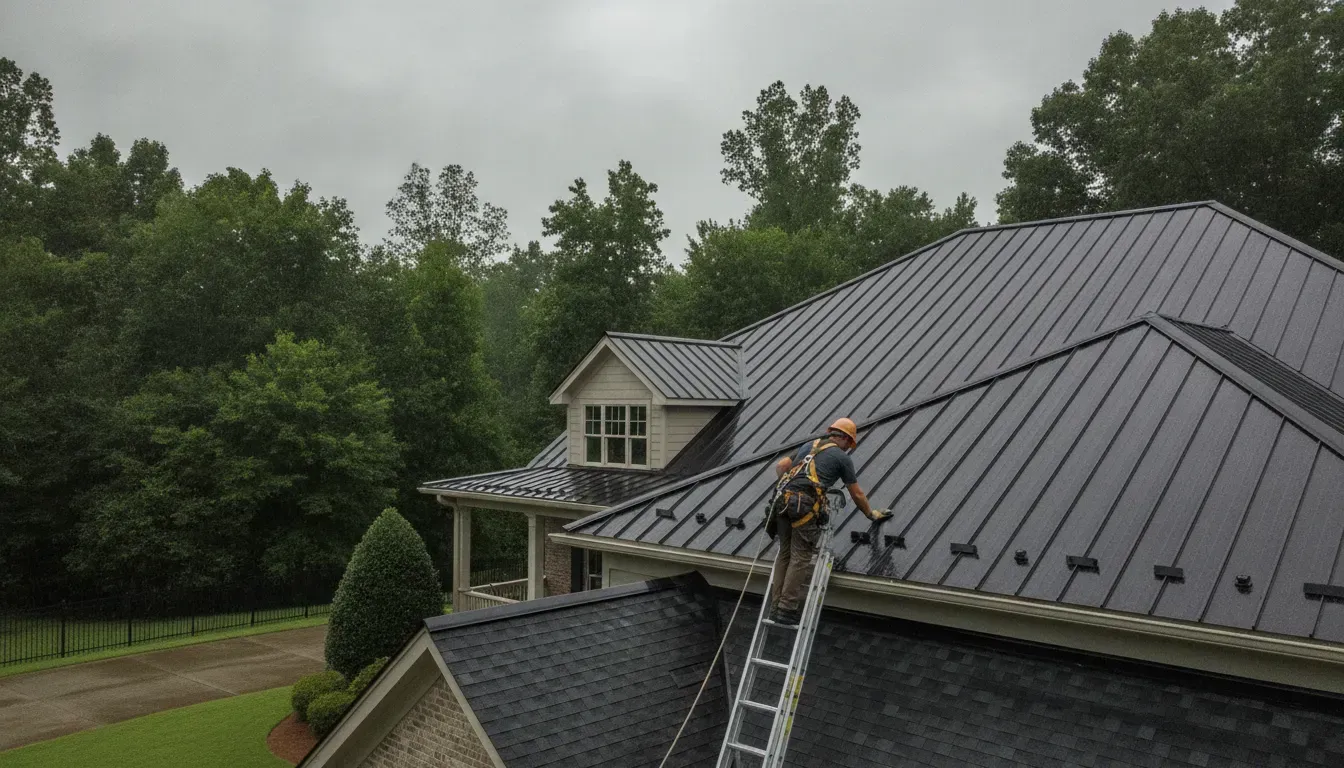
Standing seam panels, on the other hand, connect to each other with concealed clips and fasteners. This creates a sleek, modern look with clean vertical lines and protects the fasteners from the elements, reducing potential leak points. This superior system costs more, with standing seam roofs typically running about $10 to $16 per square foot. Exposed fastener panels are generally about half as much but may require more maintenance over time.
What Factors Determine Your Metal Roof Cost?
When you start looking at the price of a new metal roof, you’ll quickly see that there isn’t one single answer. The final cost is a blend of several important factors, from the materials you choose to the unique features of your home. Understanding these elements will help you see exactly what you’re paying for and make informed decisions for your investment. Think of it less like buying a product off the shelf and more like commissioning a custom project for your home. Let’s break down the six key components that shape the total cost of your metal roof replacement.
Roof Size and Pitch
It makes sense that the bigger your roof, the more it will cost to replace. The total square footage directly impacts the amount of material and labor needed for the job. But it’s not just about size; the pitch, or steepness, of your roof also plays a major role. A very steep roof is more challenging and time-consuming for a crew to work on safely, which increases labor costs. Conversely, a larger, less complex residential roofing project might have a lower cost per square foot than a small, intricate one. A professional will measure your roof precisely to give you an accurate quote based on its specific dimensions and complexity.
Metal Type and Gauge
The term "metal roof" covers a wide range of materials, and the one you select is a primary driver of cost. Options like corrugated steel are often more budget-friendly, while materials like aluminum and standing seam panels fall into a mid-tier price range. At the high end, you have premium choices like zinc and copper, which offer a distinctive look and incredible longevity. The gauge, or thickness, of the metal also affects the price. A thicker gauge provides more durability and resistance to impact, but it also costs more. We can walk you through the pros and cons of each option to find the perfect balance of appearance, performance, and budget for your home.
Labor and Installation
While the shiny new metal panels get all the attention, the expertise required to install them is a huge part of the equation. In fact, labor typically accounts for the majority of your total roof replacement cost. This price covers the skilled work of a professional crew that knows how to handle materials, ensure a watertight fit, and work safely and efficiently. A quality installation is what guarantees your roof will perform as expected for decades to come. This is why choosing an experienced, certified contractor is so important; you’re paying for the peace of mind that comes with a job done right. Our team's decades of experience ensures every detail is handled with care.
Removing Your Old Roof
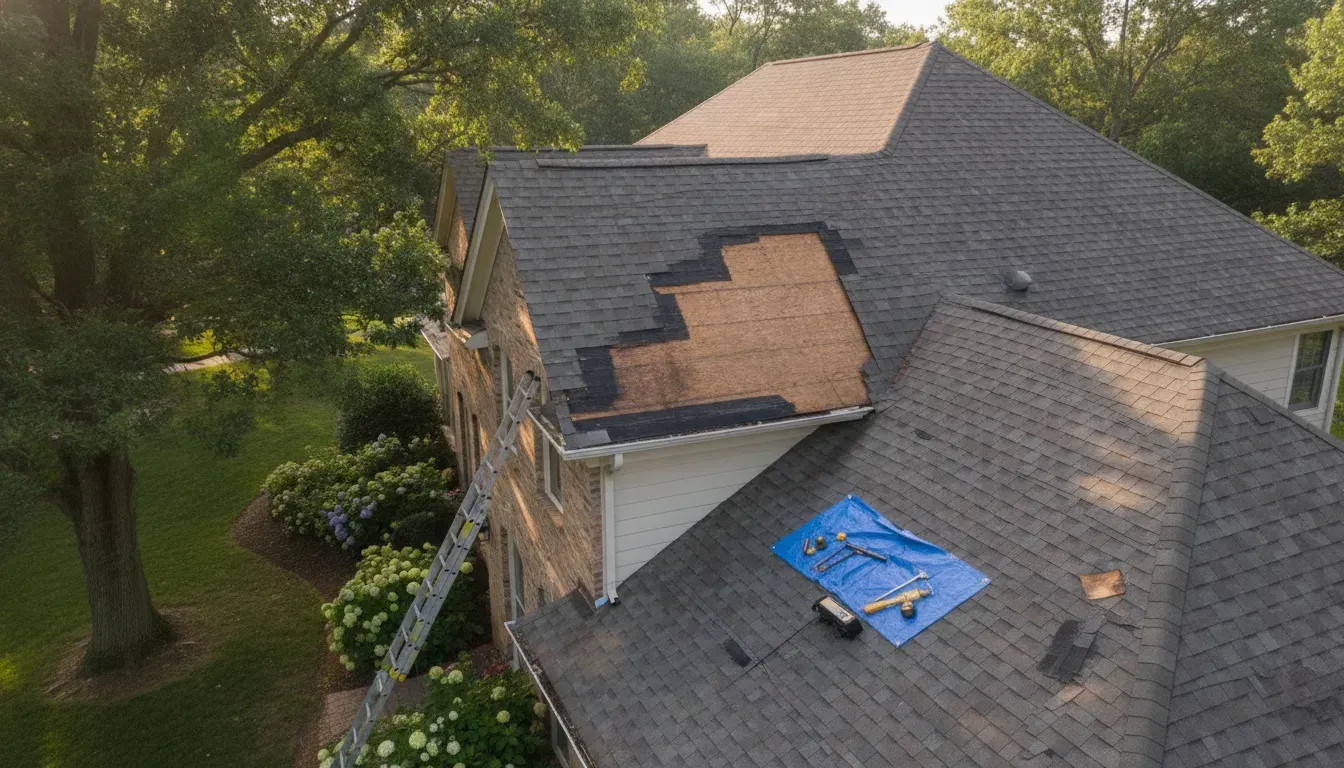
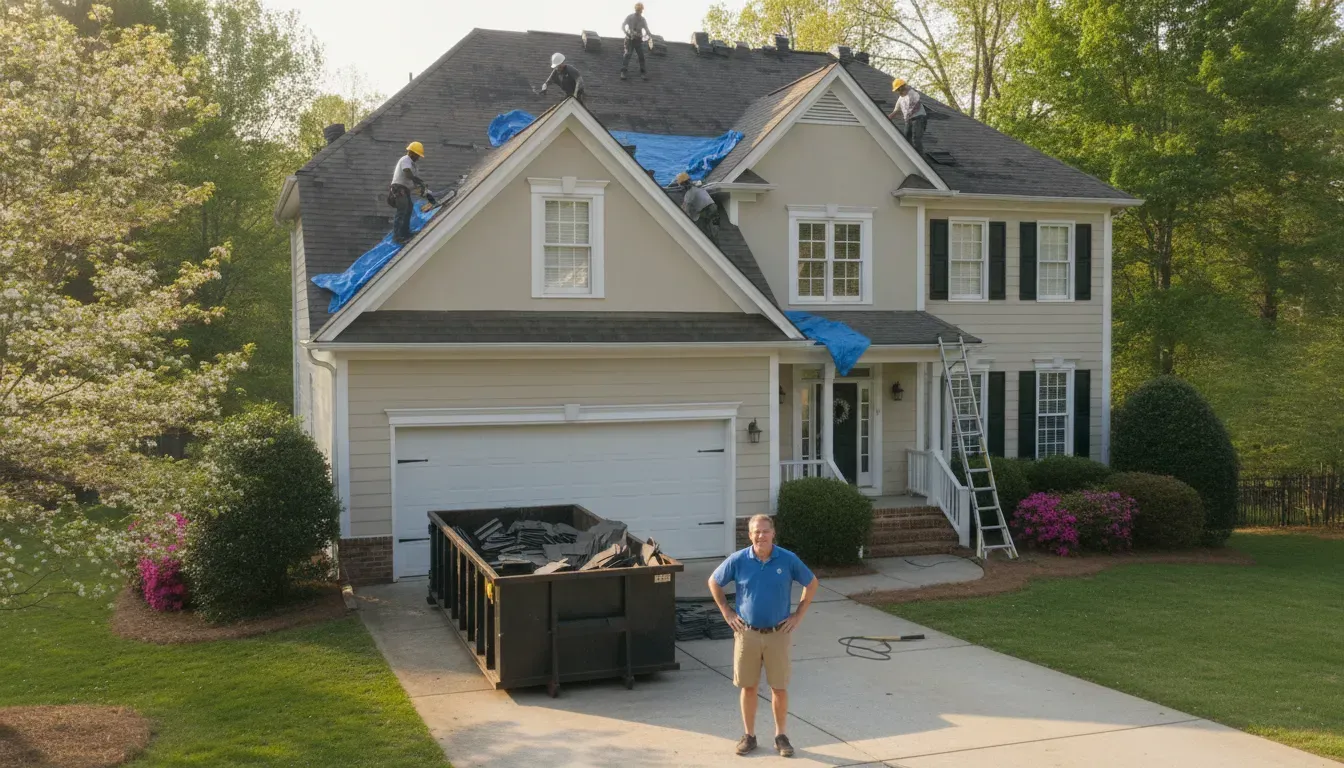
Before your new metal roof can be installed, the old one usually has to go. Tearing off your existing roof, whether it’s made of asphalt shingles or another material, adds to the overall project cost. This process involves labor to remove the old materials and costs for proper disposal. While it might be tempting to look for ways to install a metal roof over your old shingles, a full tear-off is almost always the best approach. It allows your contractor to inspect the underlying roof deck for any damage, like rot or soft spots, and make necessary repairs. This ensures your new roof has a solid, stable foundation to rest on for years to come.
Underlayment and Other Materials
A great roof is more than just the metal you see on top; it’s a complete system. A critical, unseen component is the underlayment, a water-resistant barrier installed between the metal panels and your roof deck. While standard felt is an option, we recommend a high-quality synthetic underlayment for metal roofs. It offers superior durability and moisture protection, which is essential for a long-lasting system. The total cost also includes other materials like fasteners, flashing for chimneys and vents, and sealants. These components work together to protect your home from the elements, making sure your entire roofing system, including your gutters, functions perfectly.
Your Location and Local Permits
Where you live influences the final price of your new roof. Labor rates can vary based on the local economy, and here in the Atlanta area, costs will differ from those in other parts of the country. Additionally, most municipalities require building permits for a major project like a roof replacement. These permits ensure the work meets local safety and building codes, protecting you and your investment. A professional, licensed contractor will know exactly what permits are needed for your project and will handle the entire application process for you. This takes the stress off your shoulders and guarantees your new roof is fully compliant with all local regulations.
Metal vs. Asphalt: Which Roof Is Right for You?
Choosing a new roof is one of the biggest decisions you’ll make for your property. It’s not just about looks; it’s about protecting your home or business for decades to come. The two most popular choices on the market are traditional asphalt shingles and modern metal roofing. While you’ve probably seen plenty of both around Georgia, they offer very different benefits.
Deciding between them comes down to balancing your budget, your long-term goals, and what matters most to you as a property owner. Do you prefer a lower initial investment, or are you focused on lifetime value and durability? Are you concerned about energy bills during our hot summers? There's no single right answer for everyone, but understanding the trade-offs is key. We’ll walk through the key differences in cost, lifespan, and energy performance to help you find the perfect fit for your residential or commercial property. By looking at each factor, you can feel confident you're making an informed choice that aligns with your needs and priorities for years to come.
Upfront Cost vs. Long-Term Value
Let’s talk about the price tag first. There’s no getting around it: a metal roof typically has a higher upfront cost than an asphalt shingle roof. If your primary focus is keeping initial expenses low, asphalt is the more budget-friendly choice. However, it’s important to look at the full picture. A metal roof is a long-term investment that can save you money over time.
Think of it this way: while the initial bill is higher, a metal roof’s extended lifespan means you won’t be paying for another replacement in 15 or 20 years. Add in the potential for lower energy bills and even insurance discounts, and the lifetime value of metal becomes much more attractive.
Comparing Durability and Lifespan
This is where metal roofing truly shines. A professionally installed metal roof can last 50 to 70 years, and some materials like copper or zinc can last even longer. In contrast, a traditional asphalt shingle roof generally has a lifespan of 15 to 25 years. In Georgia’s climate, with its intense sun, heavy rain, and occasional hail, that lifespan can sometimes be even shorter.
A metal roof stands up exceptionally well to the elements, resisting wind, fire, and impact. This incredible durability means you spend less time and money on repairs and replacements. For many homeowners and business owners, the peace of mind that comes with a long-lasting, resilient roof is well worth the initial investment in quality materials.
Energy Efficiency and Your Home's Value
During a hot and humid Georgia summer, your air conditioner works overtime. A metal roof can give it a much-needed break. Unlike asphalt, which absorbs and holds heat, metal roofs reflect solar radiation. This simple difference can reduce your cooling costs by 10% to 25%. Over the lifetime of the roof, those savings on your monthly utility bills really add up.
This energy efficiency doesn't just save you money; it also makes your property more appealing to future buyers. Plus, some energy-efficient metal roofs may qualify for federal tax credits, helping to offset the installation cost. It’s a smart choice for your wallet and a great way to make your property more sustainable.
The Real Pros and Cons of a Metal Roof
Deciding on a new roof is a big deal, and metal roofing is a popular choice for good reason. But like any major home improvement project, it’s important to look at the full picture. A metal roof is a fantastic investment for many homeowners, but it helps to understand both the highlights and the potential trade-offs before you commit. Let’s walk through what you can really expect from a metal roof.
The Benefits of a Metal Roof
The biggest advantage of a metal roof is its incredible lifespan. While a typical asphalt shingle roof might last 15 to 25 years, a properly installed metal roof can protect your home for 50 to 100 years. It’s a long-term solution that requires very little maintenance. Metal is naturally resistant to fire, mildew, and insects, and it’s tough enough to handle Georgia’s weather, from strong winds to hail. Plus, metal roofs are energy-efficient. They reflect the sun’s rays, which can help keep your home cooler in the summer and potentially lower your air conditioning bills. For many, the combination of durability and efficiency makes a metal residential roof a clear winner.
Potential Drawbacks to Consider
Of course, no material is perfect. One common concern with metal roofs is noise during a heavy rain or hailstorm. However, with modern installation techniques and proper insulation, this is much less of an issue than it used to be. Some softer metals can also be dented by large, falling objects like tree limbs. Another point to consider is that metal expands and contracts with temperature changes. If the fasteners aren't installed correctly, this movement could cause them to loosen over time. This is why hiring an experienced, certified contractor is so important. A team that understands the material ensures everything is installed to last.
Clearing Up Common Metal Roof Myths
There are a few persistent myths about metal roofing that can cause confusion. One is that a metal roof will make your house hotter in the summer. In reality, the opposite is true. Metal roofs are excellent at reflecting solar heat, keeping your attic and home cooler than a dark asphalt roof would. Another misconception is the cost. While the upfront price of a metal roof is higher than shingles, it’s a smart investment over the long run. When you factor in the longevity, low maintenance, and energy savings, the lifetime cost is often much lower. You’re not just buying a roof; you’re investing in decades of protection.
Is a Metal Roof a Smart Investment?
A new roof is one of the biggest investments you'll make in your home, so it’s natural to wonder if a metal roof is truly worth the cost. While the initial price tag can be higher than traditional asphalt shingles, looking at the long-term picture reveals a different story. When you consider durability, energy savings, and overall value, a metal roof often proves to be one of the smartest financial decisions a homeowner can make. Let's break down exactly what you can expect from this long-term investment.
How Long Will a Metal Roof Last?
When it comes to longevity, metal roofing is in a class of its own. A properly installed metal roof can last anywhere from 50 to 100 years. Compare that to a typical asphalt shingle roof, which usually needs replacing every 15 to 25 years. For many homeowners, this means a metal roof is a "one and done" project for as long as you own your home. This incredible lifespan is thanks to the material's natural resistance to common problems like rot, mildew, and insect damage. With a quality residential roofing installation, you get peace of mind knowing your home is protected for decades to come, not just a few years.
What Return on Investment Can You Expect?
It's true that a metal roof has a higher upfront cost, but the return on your investment starts adding up right away. Many homeowners find that the long-term savings quickly offset the initial expense. Think about it: with a lifespan that’s two to three times longer than shingles, you’re saving on the cost of multiple future roof replacements. Plus, metal's durability means you'll spend far less on repairs over the years. These roofs also contribute to a higher resale value if you decide to sell your home. When you partner with a company you can trust for this major project, you're not just buying a roof; you're making a sound financial choice for your property's future.
Why Metal Roofs Work Well in Georgia's Climate
Metal roofs are particularly well-suited for the weather we see here in Georgia. They are incredibly strong and can stand up to severe weather, including high winds and hail from our intense thunderstorms. Unlike other materials, metal is also resistant to fire, mildew, and pests, which are common concerns in our humid climate. One of the biggest advantages is energy efficiency. Metal roofs reflect solar heat, which helps keep your home or business cooler during our hot summers. This means your air conditioner doesn't have to work as hard, leading to lower energy bills each month. It's a benefit that both residential and commercial roofing clients appreciate.
How to Save on Your Metal Roof Replacement
A new metal roof is a fantastic investment in your home's future, but the upfront cost can feel daunting. The great news is you don't have to shoulder the entire expense on your own. Several programs and strategies can significantly lower the price tag, making your dream roof much more attainable. From tax credits to insurance discounts, let's walk through some of the best ways to make your metal roof replacement more affordable without cutting corners on quality. Think of it as a smart financial plan for a smarter, more durable roof.
Federal Tax Credits and Energy Incentives
One of the biggest perks of choosing an energy-efficient roof is that the government may help you pay for it. If you install an Energy Star-certified metal roof, you could benefit from a federal tax credit of up to 10% of the material cost, with a maximum of $500. Looking ahead, the Federal Energy Efficient Home Improvement Credit is set to offer even more savings, allowing homeowners to claim 30% of the cost for qualified metal roofing starting in 2026. This makes choosing an eco-friendly option not just good for the planet, but also great for your wallet.
Finding State and Local Rebates
Beyond federal programs, don't forget to look for savings closer to home. Many states, regions, and even local utility companies offer their own incentives for homeowners who make energy-efficient upgrades. You can explore various state and local programs that provide rebates for installing a new metal roof. These programs can vary widely, so it’s worth doing a little research to see what’s available in your specific area. A quick search or a call to your utility provider could uncover savings you didn't know existed, helping to reduce the overall cost of your project.
Qualifying for Insurance Discounts
Did you know that a stronger roof can lead to lower insurance premiums? Homeowners may qualify for insurance discounts by upgrading to a FORTIFIED roof. This building standard is scientifically proven to make homes more resilient against severe weather like high winds and hail, which is a huge plus here in Georgia. In some states, these discounts can be as high as 55%. Investing in a more durable, professionally installed roofing system not only gives you peace of mind but can also provide a substantial and ongoing financial benefit for years to come.
Understanding Contractor Financing and Loans
If paying for your new roof all at once isn't the right move for your budget, you have plenty of options. When it comes to financing your new metal roof, you can consider home equity loans, personal loans, or even cash-out mortgage refinancing. Many homeowners find it simplest to work directly with their contractor. At Total Roof Solutions, we partner with lenders to offer flexible financing options that help you get the roof you need now and pay for it over time. We can walk you through the application process to find a plan that fits your financial situation.
Top Metal Roofing Brands to Consider
Once you've decided on a metal type, the next step is choosing a brand. The manufacturer you go with plays a huge role in the quality, warranty, and long-term performance of your new roof. While we work with many excellent suppliers, a few brands consistently stand out for their innovation and reliability. A professional contractor can help you sort through the options and select the best fit for your home or commercial building. Here are three top names to know as you start your research.
Elevate
Elevate is a global leader, particularly known for its top-tier commercial metal roofing and building solutions. If you're a business owner or property manager, this is a name you'll likely encounter. They offer a wide variety of metal roofing systems, including popular standing seam panels and sleek metal wall panels. Their products are engineered to meet high performance standards and diverse architectural styles, making them a go-to for commercial projects that demand both durability and a modern aesthetic. Choosing a brand like Elevate means investing in a system designed for longevity and structural integrity.
MBCI
MBCI has built a strong reputation as a leading manufacturer in the metal construction industry. They specialize in a comprehensive range of products, from metal roofing and wall panels to other essential components. What sets MBCI apart is their consistent focus on quality and innovation, which makes them a reliable choice for anyone planning a metal roof replacement. Their extensive product line gives you the flexibility to find the perfect solution for your project's specific needs, whether it's for a new build or a renovation. They are a trusted name for contractors and property owners who prioritize performance and cutting-edge materials.
Classic Metal Roofing Systems
If you're looking for a metal roof for your home, Classic Metal Roofing Systems is a brand that puts homeowners first. They have earned a lot of positive feedback from homeowners, who often praise the product quality and the final look. Their offerings, like the popular Rustic Shingle, are designed to mimic the appearance of traditional roofing materials while providing all the benefits of metal. This means you can get that classic, charming aesthetic without sacrificing durability or longevity. It’s a fantastic option for homeowners who love the look of shingles but want the superior performance of a metal roof.
How to Get a Metal Roof Quote You Can Trust
Getting a quote for a new metal roof is about more than just finding the lowest price. It’s your first real interaction with a potential contractor and your best chance to gauge their professionalism, expertise, and transparency. A trustworthy quote is detailed, clear, and comes from a roofer who has taken the time to understand your specific needs. Rushing this step or simply choosing the cheapest option can lead to surprise costs, poor workmanship, and headaches down the road. A quote isn't just a number; it's a reflection of the company's process and commitment to quality.
The best way to feel confident in your decision is to understand what a quality quoting process looks like. It always begins with a thorough, on-site inspection, not a quick guess over the phone. It also involves you asking smart questions to vet the contractor’s experience and approach. Finally, it means looking for credentials that prove the company is committed to quality. By focusing on these three areas, you can find a roofing partner who will provide an accurate quote and deliver a final product you can depend on for decades. When you're ready, you can request a free estimate to see how a professional evaluation works.
What Happens During a Roof Inspection?
A reliable quote is impossible without a detailed roof inspection. Any contractor who gives you a price without first seeing your roof is making a guess, and that’s a major red flag. During a proper inspection, a qualified roofer will physically assess the entire roofing system to understand its current state. They will evaluate the condition of your existing roof, check for any damage to the underlying structure or decking, and inspect critical components like flashing, vents, and chimneys.
This hands-on evaluation is essential for accuracy. It helps the contractor identify exactly what work is needed, from minor repairs to a full tear-off and replacement. This process ensures your quote covers all necessary labor and materials, preventing unexpected charges once the project begins. This is the first step in any of our residential roofing projects because it builds a foundation of trust and transparency from day one.
Key Questions to Ask Your Roofing Contractor
Think of the quoting process as an interview where you’re the hiring manager. This is your opportunity to vet the contractor and ensure they’re the right fit for such an important job. A professional roofer will welcome your questions and provide clear, confident answers.
Here are a few key questions to ask:
- What is your experience installing metal roofs specifically?
- Which type of metal do you recommend for my home, and why?
- Can you provide a detailed, written estimate that breaks down all costs?
- What does the warranty cover for both materials and labor?
- What is the estimated timeline for completing the project?
Asking about their roof financing options is also a good idea. The quality of their answers will tell you a lot about their expertise and customer service approach.
Why You Should Hire a Certified Contractor
When you’re investing in a metal roof, you want the job done right. Hiring a certified contractor is one of the best ways to ensure a high-quality installation. Certifications from manufacturers, like our status as an Owens Corning Platinum Preferred contractor, mean the roofing team has been professionally trained to install products according to the manufacturer’s exact specifications. This is crucial because an improper installation can void your material warranty.
Certified professionals are also more knowledgeable about the latest materials and building science, which helps them build a more durable and efficient roof. They understand local building codes and will make sure your project is fully compliant. Choosing a certified team gives you peace of mind that your investment is protected by proven expertise and a commitment to excellence. You can learn more about our credentials and what they mean for you on our about us page.
Related Articles
- Breaking Down the Average Cost of a New Roof in Atlanta: What Homeowners Need to Know
- Benefits of Choosing Commercial Metal Roofs in Atlanta
- Atlanta Roofing Costs Explained: Essential Price Information
- Which Type of Asphalt Shingles Should I Use? | Total Roof Atlanta
- Can You Put a Metal Roof Over Shingles
Frequently Asked Questions
Is a metal roof going to be loud when it rains? This is probably the most common question I hear, and it’s a valid one. The idea of a noisy tin roof is a classic image, but it doesn't apply to modern metal roofing. When installed correctly over a solid roof deck with proper underlayment and insulation, a metal roof is no louder than an asphalt shingle roof. The sound of rain becomes a gentle pitter-patter, not a disruptive drumming noise.
Can you install a metal roof directly over my old asphalt shingles? While it's technically possible in some cases, we almost always advise against it. A full tear-off of your old roof is the best practice for a few important reasons. It allows us to thoroughly inspect the underlying roof deck for any rot, soft spots, or damage that needs to be repaired. Starting with a clean, solid foundation is the only way to guarantee your new metal roof will last for decades as intended.
How do I choose between all the different metal types? Choosing the right material comes down to balancing three things: your budget, your aesthetic goals, and how long you want the roof to last. If you're looking for a durable and budget-friendly option, steel is a fantastic choice. If you want a roof that will last a century and has a unique, high-end look, you might consider zinc or copper. During an inspection, we can walk you through the specific pros and cons of each material for your home and help you find the perfect fit.
Will a metal roof actually increase my home's resale value? Yes, it often does. A metal roof is a significant upgrade that future buyers recognize and appreciate. Its long lifespan, superior durability, and energy efficiency are strong selling points. A buyer sees a metal roof and knows they likely won't have to worry about a replacement for as long as they own the home. This peace of mind, combined with the potential for lower energy bills, makes your home more attractive on the market.
How long does a typical metal roof installation take? The timeline for a metal roof replacement depends on several factors, including the size and complexity of your roof, the weather, and whether we need to do any structural repairs. For an average-sized home, a professional crew can typically complete the installation in just a few days. A larger or more intricate project might take a week or more. We always provide a clear and realistic timeline in our project proposal so you know exactly what to expect.