Repair vs Replace Cost Analysis: How to Decide
Stephen Griswell • June 15, 2026
A failing roof can feel like a constant source of stress, turning every rainy day into a cause for concern. The debate between another repair and a full replacement is a common dilemma for property owners. A cheap fix might stop the drip for now, but it rarely addresses the underlying issue, leading to a frustrating cycle of calls to your roofer. A proper repair vs replace cost analysis is your best tool for breaking that cycle. It forces you to look at the bigger picture, comparing the accumulating cost of temporary fixes to the long-term security and value that a new, professionally installed roof provides.
Key Takeaways
- Analyze the total cost, not just the upfront price : The cheapest option now can cost more over time through repeat repairs. A full replacement is an investment that can save you money on future maintenance and energy bills.
- Use the 50% rule as your financial starting point: This guideline helps you quickly assess the situation; if repair costs exceed half the price of a new roof, a full replacement is likely the more sensible long-term investment.
- Make your final call based on a professional inspection: Guessing about your roof's condition can lead to costly mistakes. An expert assessment provides a clear diagnosis, helping you understand the true scope of the problem and choose the right solution with confidence.
Repair or Replace? How to Make the Right Financial Choice for Your Roof
Deciding whether to repair or replace your roof is one of the biggest financial choices you'll make as a property owner. It’s easy to get stuck on the upfront numbers, but the best decision isn't always the cheapest one right now. Think of it less as a simple fix and more as a long-term investment in your property's safety, value, and efficiency. Choosing correctly means you avoid surprise costs down the road and get the most out of your money. The real goal is to maximize your return on investment over the long haul, not just find the quickest patch for today.
Whether you own a home or a commercial property, this choice impacts your budget for years to come. A quick repair might solve an immediate leak, but it could be a temporary solution to a much bigger problem. On the other hand, a full replacement is a significant expense, and you want to be sure it's truly necessary before you commit. The goal is to find the sweet spot between a cost-effective solution and one that provides lasting protection for your building and everything inside it. Understanding the true financial impact over the next 10, 15, or even 20 years is key. This guide will walk you through the factors to consider so you can make a confident and financially sound choice for your property.
Why This Decision Is So Important
It’s tempting to go with a repair. After all, a $1,500 patch job feels a lot better for your wallet than a $15,000 replacement. But if you find yourself fixing that same spot again in a couple of years, you’ve started down a costly path of diminishing returns. Constant repairs can quickly add up, sometimes costing you more in the long run than a full replacement would have from the start. This decision is about looking beyond the immediate bill and considering the total cost of ownership. A new residential roofing system might seem expensive now, but it could save you from years of headaches and surprise expenses.
Key Factors in Your Repair vs. Replace Decision
Deciding between repairing a leaky roof and replacing it entirely feels like a huge, high-stakes choice, because it is. This isn't just about patching a problem; it's a major investment in your property's safety, value, and comfort. Looking at a repair bill might seem like the easier path financially, but if you find yourself calling a roofer every time a storm rolls through, you're likely spending more in the long run. The goal is to find the most cost-effective solution not just for today, but for the next decade and beyond.
Making the right call requires stepping back and looking at the bigger picture. It involves weighing the immediate cost of a repair against the long-term value and peace of mind that comes with a full replacement. Factors like your roof's age, the extent of the current damage, and even local building codes all play a critical role in this analysis. Thinking through these key points helps you move from a reactive, short-term mindset to a proactive, strategic one. This ensures your final decision protects your investment and gives you a reliable, secure roof over your head without the constant worry of the next leak.
Your Roof's Age and Condition
The age of your roof is one of the most straightforward indicators of whether you should repair or replace it. Most asphalt shingle roofs are designed to last 20 to 25 years. If your roof is approaching this age, or has surpassed it, a full replacement is often the wisest choice, even if the damage seems minor. Constant repairs on an old roof are like putting bandages on a deeper issue; you’re only delaying the inevitable.
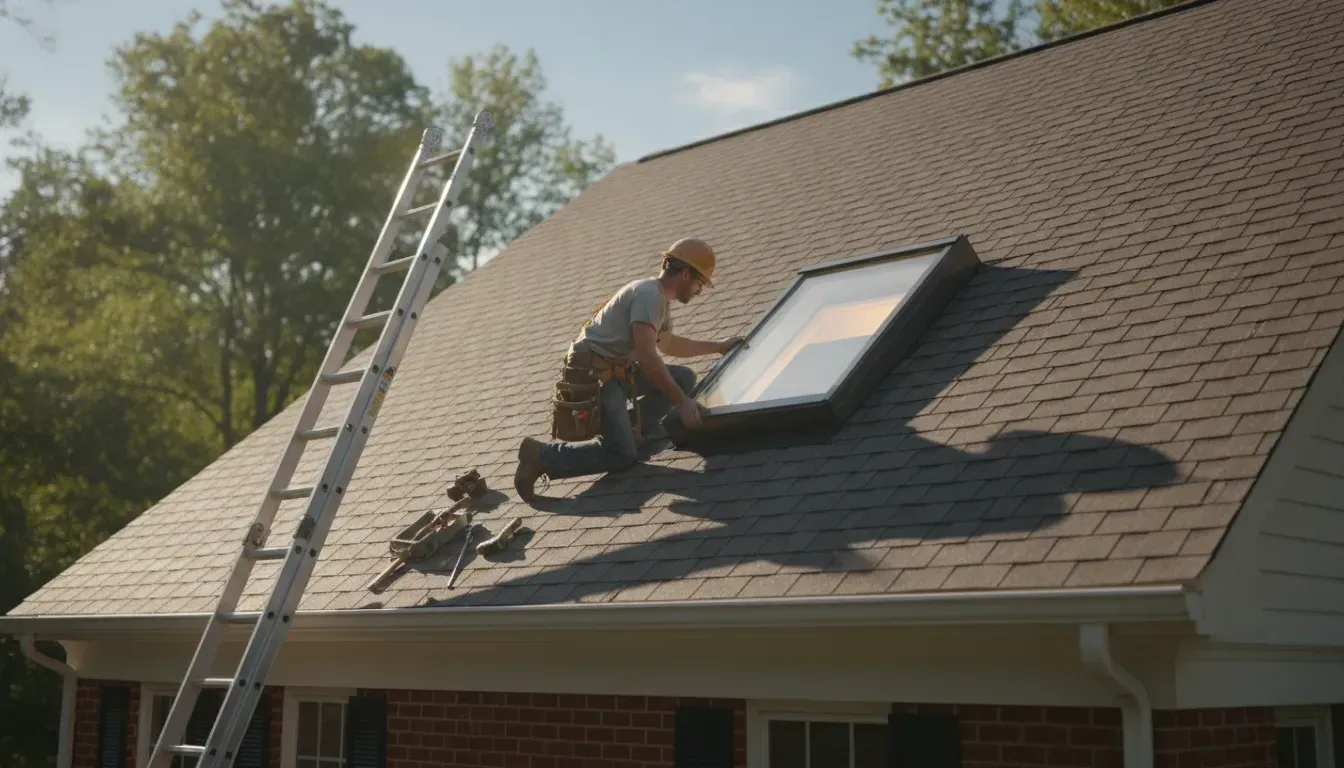
As one industry analysis notes, if your roof is less than 10 years old and the damage is localized to a small area, a repair is likely your best bet. For newer roofs, a simple fix can restore its integrity without the need for a complete overhaul. However, if you see widespread issues like curling shingles, significant granule loss, or multiple leaks across an older roof, these are signs that its lifespan is over. A new residential roofing system is the only way to truly solve the problem.
The Severity of the Damage
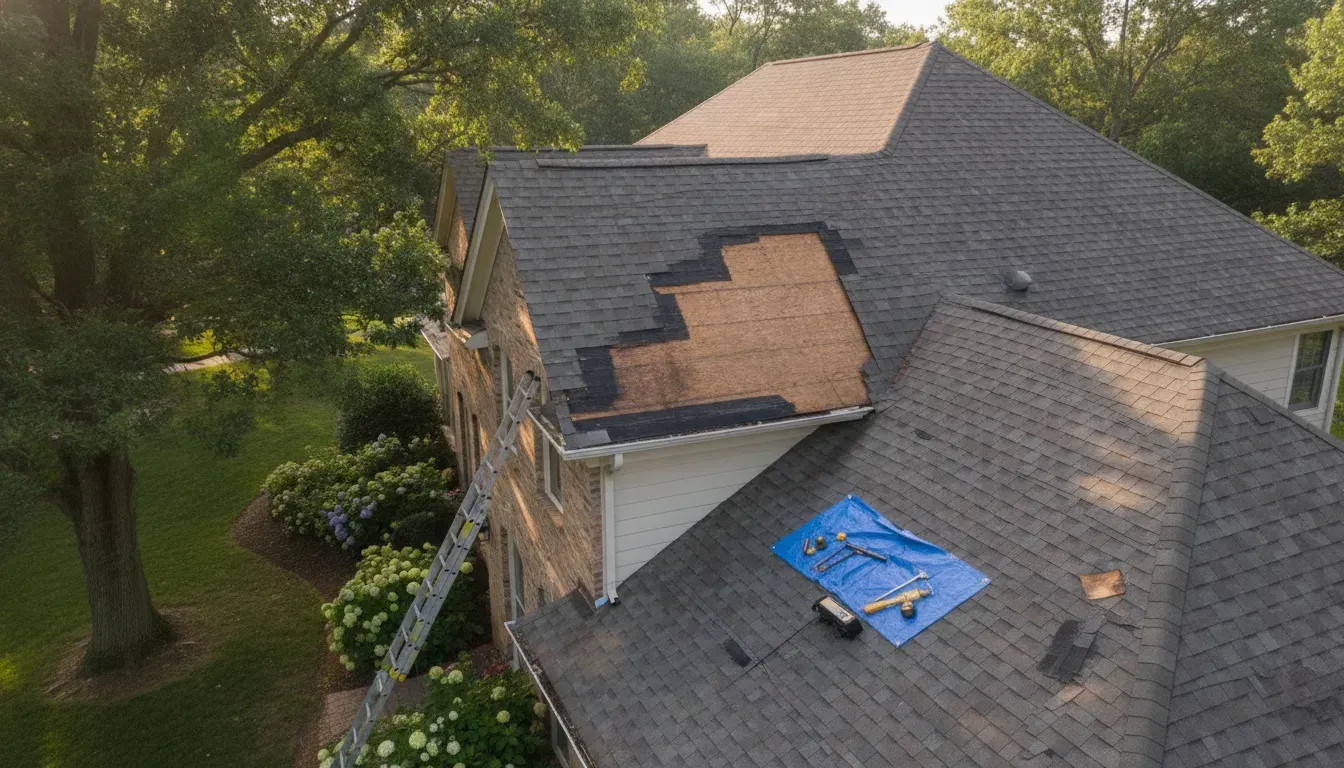
Next, you need to assess how bad the damage really is. A few shingles blown off in a storm is typically a straightforward repair. But if the damage is extensive or has compromised the underlying structure, a replacement becomes the more logical option. As experts at Matrix Roofing explain, "Roof repairs are typically more cost-effective and less disruptive for minor or moderate damage. Roof replacement is the better option for extensive damage."
Think about the scope of the problem. Is the damage contained to one small section, or are you seeing water stains in multiple rooms? Widespread damage, sagging, or soft spots in the roof deck are serious red flags that point to systemic failure. For large-scale issues, especially on commercial roofing systems, patching the problem is rarely a sustainable solution. A full replacement addresses all the weak points at once, preventing a cascade of future failures.
Long-Term Energy Efficiency
It’s easy to focus on the upfront price tag, but you have to consider the long-term costs. A cheap repair might seem appealing now, but it can lead to a cycle of spending. As one guide puts it, "A repair that costs $1,500 today might seem like the obvious choice compared to a $15,000 replacement, but if that same area needs fixing again in two years, you’ve started down an expensive path of diminishing returns." This is especially true if you're dealing with recurring leaks or poor insulation.
A new roof isn't just a defensive measure; it's an upgrade. Modern roofing materials, like the ones offered by Owens Corning, provide superior insulation and reflectivity. This helps keep your home cooler in the summer and warmer in the winter, which can lead to significant savings on your energy bills over the life of the roof. A replacement is an opportunity to improve your home's overall performance and efficiency.
Safety, Building Codes, and Insurance
Your roof is your home's first line of defense, and a failing roof can become a serious safety hazard. Water intrusion can lead to mold growth, which poses health risks, and structural damage can compromise the integrity of your entire home. Furthermore, building codes are updated over time to improve safety and durability. A full replacement ensures your roof meets the latest standards, which is often a requirement for insurance claims and is crucial for your property's resale value.
Many real estate professionals follow a simple guideline: "If a repair exceeds 50% of replacement cost, there needs to be a compelling reason not to replace versus repair." Insurance companies often have similar views. Trying to patch a roof that has significant structural issues or doesn't meet current codes can lead to denied claims down the road. Working with a trusted, certified contractor ensures your project is done right and complies with all local regulations, giving you complete peace of mind.
A 5-Step Guide to Your Repair vs. Replace Analysis
Making a big financial decision can feel overwhelming, but breaking it down into smaller, manageable steps makes it much easier. This five-step guide will walk you through a clear analysis, helping you weigh the costs and benefits of repairing versus replacing your roof. Think of this as your roadmap to a confident and well-informed choice for your property.
Step 1: Review Your Roof's Repair History
Before you can decide where you’re going, you need to know where you’ve been. Start by gathering all the information you have about your roof’s past. Dig up any old repair records, inspection reports, and warranty details. How many times has it been patched up? Are you dealing with the same recurring leak? A roof that needs constant attention is telling you a story. This step-by-step cost analysis for any major asset always begins with its history. For a business, this might mean talking to your facilities team. For a homeowner, it’s about recalling those frantic calls during a storm. A long history of repairs often points toward a larger, underlying issue that another patch won’t solve.
Step 2: Estimate the True Cost of Repairs
The true cost of a repair goes beyond the initial quote. You need to consider the price of materials and labor, of course, but also factor in less obvious expenses. For a business, this could mean lost revenue from temporary closure. For a homeowner, it’s the disruption to your daily life. If your roof has a history of frequent issues, you should also try to estimate future repair costs. A single repair might seem affordable now, but what if you need three more in the next two years? Getting a professional quote for your specific residential roofing or commercial needs will give you a solid number to work with as you calculate these broader expenses.
Step 3: Calculate the Full Replacement Cost
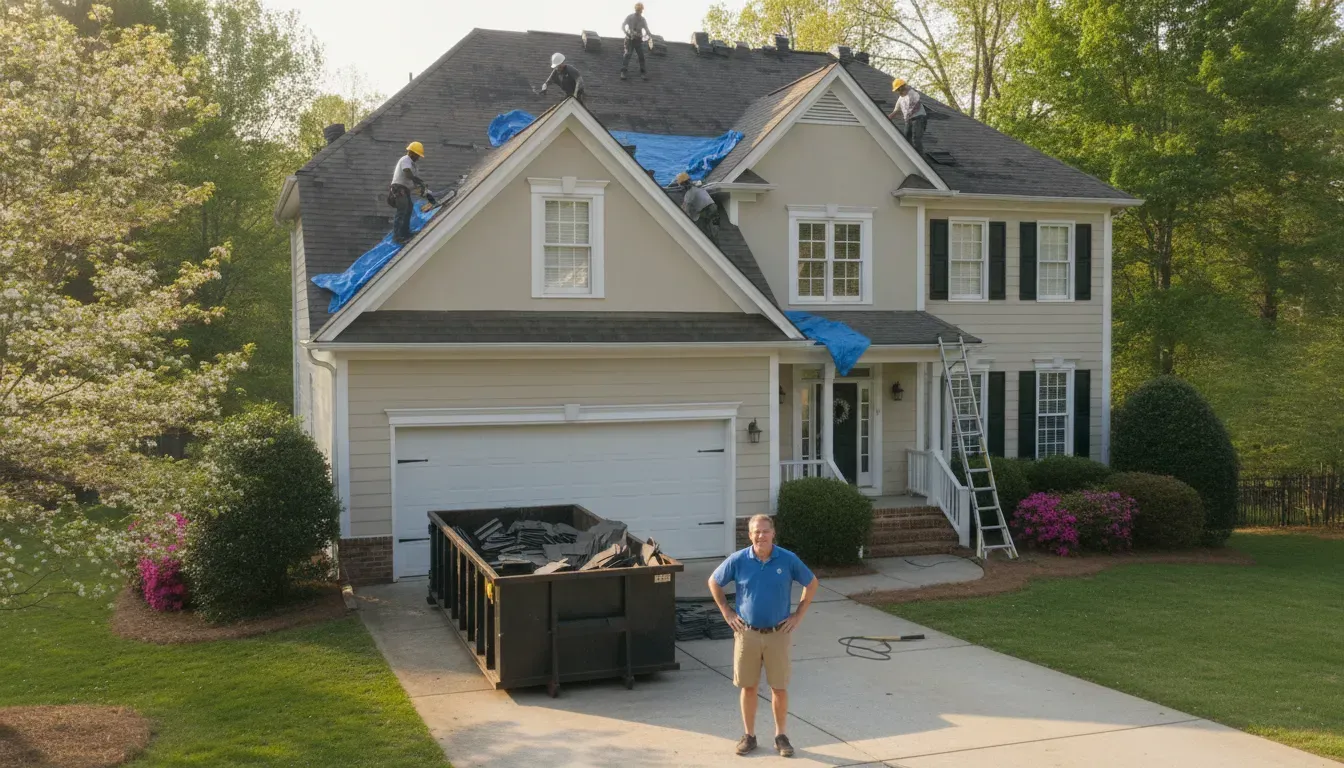
A roof replacement is a significant investment, and it’s important to understand the full scope of the cost. This includes the price of the new roofing materials, professional installation, and the removal and disposal of your old roof. However, the calculation doesn't stop there. A new roof often comes with benefits that have their own financial value. For example, modern materials can improve your home's energy efficiency, leading to lower utility bills over time. A new roof also resets the clock on major maintenance, giving you peace of mind for years to come. When you get a quote for a full commercial roofing replacement, you’re investing in long-term performance and durability.
Step 4: Factor in Warranties and Financing
Warranties can be a game-changer in this decision. Check if any part of your roof is still under a manufacturer or workmanship warranty. As experts point out, if a repair or replacement is covered, that often becomes the most cost-effective decision. A new roof from a certified contractor like Total Roof Solutions comes with strong warranties that protect your investment for decades. Don’t forget to consider financing options. Many homeowners and businesses find that flexible payment plans make a full replacement much more accessible. It allows you to get the best solution for your property now without having to drain your savings, turning a large one-time expense into manageable monthly payments.
Step 5: Compare Long-Term Ownership Costs
The cheapest option today isn't always the most affordable one in the long run. To make a truly sound financial decision, you need to compare the long-term ownership costs of both choices. This means looking at the total expense over the expected life of your roof. A series of "inexpensive" repairs can quickly add up, sometimes costing you more than a replacement would have in the first place. This kind of cost-effective maintenance decision prevents you from falling into a cycle of costly fixes. A new roof has a high upfront cost, but its predictable, low maintenance costs can save you money and stress over the next 20 to 30 years.
What Is the 50% Rule for Roofing?
When you're facing a major roofing decision, it’s easy to feel overwhelmed by the numbers. A helpful guideline many property owners use is the "50% rule." In simple terms, it suggests that if the cost to repair your roof is more than half the cost of a full replacement, replacing it is likely the more sensible financial choice. This isn't a hard-and-fast law, but it provides a clear, numbers-based starting point to help you decide whether to patch things up or start fresh with a new, reliable roof. It’s a great way to frame your decision and make sure you’re investing your money wisely for the long term.
Applying the Rule to Your Home
For homeowners, this rule is all about making a cost-effective choice for one of your biggest assets. If a storm has left you with significant damage, or if years of small issues are adding up, it's time to do the math. If a quote for repairs is approaching half the cost of a new residential roofing system, you’re entering replacement territory. Unless there's a very compelling reason to keep repairing, you may be better off replacing. Continuing to pour money into an aging or failing roof can become a frustrating cycle of fixes, while a replacement offers a clean slate and long-term peace of mind.
Applying the Rule to Your Business
The 50% rule is just as relevant for commercial properties, where a faulty roof can disrupt operations and hurt your bottom line. For business owners and property managers, the calculation is similar. A practical approach is to consider replacement if your anticipated repair costs for the year will exceed 40% to 50% of the total replacement cost. A new commercial roofing system not only protects your inventory and equipment but also prevents the recurring downtime and expenses associated with frequent repairs. Investing in a replacement can be a strategic move that safeguards your business and provides a more predictable future.
When the 50% Rule Isn't the Whole Story
While the 50% rule is a fantastic guideline, it’s not the only thing to consider. Think of it as a starting point, not a strict command. You also need to think about the age of your roof, the specific type of damage, and the likelihood of future problems. A single, isolated repair on a relatively new roof is very different from widespread issues on a roof that’s nearing the end of its expected lifespan. This is why getting an honest, professional assessment from a team you trust is so important. A thorough inspection can give you the full picture, helping you make a confident decision that goes beyond a single rule.
What Is Total Cost of Ownership (TCO)?
"Total Cost of Ownership," or TCO, is a concept that helps you see the big picture. Instead of just looking at the upfront price tag of a repair or replacement, TCO considers every cost associated with your roof over its entire lifespan. This includes the initial installation, ongoing maintenance, any repairs, energy costs, and eventually, its replacement. Thinking this way helps you move from a short-term fix to a long-term financial strategy for your property. It’s about understanding the full story of what your roof will cost you over the years, which is essential for making a smart, cost-effective decision.
The Hidden Price of Constant Repairs
A quick, cheap repair can feel like a win, but it's often the start of a costly cycle. That $1,500 patch might seem much better than a $15,000 replacement right now. However, if you find yourself calling for another repair on that same spot in a year or two, you’re experiencing diminishing returns. These repeat fixes add up, eating away at the money you could have put toward a permanent solution. You also have to consider the cost of disruption. For a business, this could mean closing your doors during repairs. For a homeowner, it’s the stress and potential for interior water damage every time a storm rolls through. These hidden costs are a crucial part of the equation for any residential roofing project.
The Financial Case for a New Roof
Choosing a full roof replacement is more than just an expense; it's an investment in your property's future. A proper return on investment (ROI) analysis looks beyond the immediate bill to see the long-term benefits. A new roof, especially one with modern, energy-efficient materials, can lower your monthly utility bills. It also resets the clock on maintenance, saving you from the constant worry and expense of patching up an aging system. For a business, this means predictable costs and uninterrupted operations. By looking at the total lifecycle, you can see how a replacement often provides a better long-term financial return, a principle we stand by in our commercial roofing services.
How Your Choice Affects Property Value
Your roof's condition has a direct impact on your property's value. A common guideline in the industry is the "50% rule": if the cost of a repair is more than 50% of the cost of a full replacement, it’s usually smarter to replace the whole thing. Think about it from a buyer's perspective. A brand-new roof is a huge selling point that signals a well-maintained property and offers peace of mind. In contrast, a roof with multiple patches can be a major red flag during an inspection, potentially lowering your asking price or even derailing a sale. Investing in a new roof isn't just about protection from the elements; it's about protecting the value of your most significant asset.
The Long-Term Impact of Repairing vs. Replacing
Choosing between a roof repair and a full replacement goes beyond the initial price tag. The decision you make today will have lasting effects on your finances, your property's performance, and even your peace of mind for years to come. Thinking about the long-term picture helps you move from a reactive "fix-it" mindset to a proactive investment strategy for your home or business. Let's look at the key long-term factors you should consider.
Future Maintenance and Disruptions
A quick repair might seem like the easiest path, but it can sometimes be the start of a frustrating cycle. If you find yourself scheduling frequent fixes for the same recurring issues, those costs and disruptions add up. For business owners, repeated downtime for repairs can affect operations and customer perception. A full replacement, on the other hand, resets the clock. It provides you with a durable, cohesive system that requires minimal maintenance for years, giving you a predictable and stable future. This is especially critical for commercial roofing, where consistent operation is key to your bottom line. A good rule of thumb is to question any repair that costs more than half the price of a new roof.
Modern Materials and Energy Savings
A new roof isn't just a structural fix; it's an opportunity to upgrade your property's performance. Roofing technology has come a long way, and modern materials offer superior durability, weather resistance, and energy efficiency. As an Owens Corning Platinum Preferred contractor, we install roofing systems designed to reflect more sunlight and keep your attic cooler. This improved insulation reduces the strain on your HVAC system, leading to noticeable savings on your energy bills month after month. While a patch-up job won't change your home's energy use, a new residential roofing system is an investment that actively pays you back over time through lower utility costs.
The Environmental Side of Your Decision
Your roofing choice also has an environmental impact. While repairing a roof uses fewer new materials and keeps old shingles out of the landfill, it's not the only factor. A full replacement can also be a green choice. Many old roofing materials, like asphalt shingles, can be recycled and repurposed. More importantly, installing a modern, energy-efficient roof reduces your home's overall energy consumption for decades. This continuous reduction in your carbon footprint is a significant long-term environmental benefit. At Total Roof Solutions, we are committed to our community and responsible practices, which you can learn more about on our About Us page. We can help you weigh these factors to make a choice you feel good about.
Common Mistakes to Avoid in Your Analysis
Making a big financial decision about your property is stressful enough without second-guessing yourself. It’s easy to fall into a few common traps when you’re weighing repairs against a full replacement. By understanding these pitfalls ahead of time, you can approach your choice with clarity and confidence, knowing you’ve covered all your bases. Let’s walk through the most common mistakes so you can steer clear of them and make a decision that serves you well for years to come.
Focusing Only on Upfront Costs
It’s tempting to grab the lowest number on a quote and run with it, but this is one of the biggest mistakes you can make. A cheap, quick fix might seem like a win now, but it often becomes a costly problem later. Think of it as putting a small patch on a tire that’s about to blow. That low initial cost doesn’t account for the fact that you might need another repair in six months, and then another one after that. A proper step-by-step cost analysis should always consider the long-term value, not just the immediate expense. A series of small repairs can easily add up to more than the cost of a replacement over time.
Forgetting About Indirect Costs
The price tag on a repair or replacement is only part of the story. You also have to consider the indirect costs of a failing roof. For business owners, this is critical. A leaky roof can lead to operational downtime, damaged inventory, and an unsafe environment for employees and customers, all of which hurt your bottom line. For homeowners, the indirect costs are about peace of mind and protecting your home’s interior. Constant worry about the next storm, dealing with recurring water stains, or risking damage to your drywall and belongings are significant burdens. These disruptions are a real part of the equation when you’re deciding whether a simple repair is truly enough for your commercial roofing needs.
Letting Emotion Guide Your Decision
It’s completely normal to have an emotional reaction to a major home expense. The stress of a large bill can make a small repair feel like the only manageable option, even if logic points elsewhere. On the other hand, you might feel attached to your home and want to preserve the original roof for sentimental reasons. While these feelings are valid, they shouldn't be the primary driver of your choice. A great way to stay objective is to rely on data. For example, if a repair quote exceeds 50% of the cost of a full replacement, you need a very compelling, logical reason to choose the repair. Leaning on these kinds of data-driven decisions helps remove the emotional static and leads to a better outcome.
Skipping a Professional Inspection
You can’t make a sound decision without having all the facts, and you can’t get all the facts without a thorough, professional inspection. Trying to diagnose a roof issue from the ground or relying on a quick glance is a recipe for an expensive surprise. A qualified inspector will get on the roof, check for hidden damage, assess the condition of the underlying structures, and identify the true source of the problem. Only after you know the full scope of the issue can you accurately compare the cost of repairs to the benefits of a replacement. This step isn’t about getting a sales pitch; it’s about getting the clarity you need to move forward with your residential roofing project confidently.
When to Call a Professional for a Roof Assessment
When you’re facing a roof issue, the decision to repair or replace can feel overwhelming. It’s not just about fixing a leak; it’s a major financial choice that impacts your property’s safety and value for years to come. A small repair might seem like the obvious choice over a full replacement, but if that same spot needs attention again in a couple of years, you could be starting an expensive cycle of fixes with diminishing returns. This is precisely where a professional assessment becomes invaluable.
Calling an expert isn't just about getting a quote. It’s about getting a clear, unbiased diagnosis of your roof's health. A qualified roofing contractor can identify underlying issues that aren't visible from the ground, like hidden moisture, structural weaknesses, or widespread material degradation. They provide the context you need to understand if a repair will truly solve the problem or just postpone a necessary replacement. This expert analysis helps you weigh the upfront costs against the long-term return on investment.
Ultimately, a professional inspection removes the guesswork. Instead of making a decision based on incomplete information, you get a detailed report that outlines your options and their financial implications. Whether you own a home or manage a commercial property, getting a thorough assessment for your residential roofing or commercial system is the most reliable way to make a confident, cost-effective choice. It ensures you invest your money wisely, protecting your property with a solution built to last.
Related Articles
- Roof Repair vs Roof Replacement: A Clear Guide for Homeowners
- Breaking Down 5 Important Factors for the Cost of a New Roof in Atlanta
- Budget Breakdown: Roofing Material Cost Considerations
- Essential Seasonal Gutter Maintenance Tips for Every Homeowner
- Average Cost of New Gutters: A Comprehensive Pricing Guide for 2025
Frequently Asked Questions
Is there a simple rule of thumb for deciding between repair and replacement? Yes, a great guideline to start with is the "50% rule." It suggests that if the cost to repair your roof is more than half the cost of replacing it entirely, you should lean toward replacement. It’s not a strict law, but it’s a practical way to evaluate if continuing to invest in an aging roof is financially wise or if it’s better to put that money toward a brand new, reliable system.
My roof is leaking, but it's not that old. Does it automatically need to be replaced? Not at all. If your roof is still relatively young, say under 10 years old, and the damage is contained to a small, specific area, a professional repair is often the perfect solution. Age is one of the biggest factors in this decision. A simple fix on a newer roof can fully restore its integrity, while the same problem on a 20-year-old roof is often a sign that its lifespan is coming to an end.
Why should I consider a more expensive replacement if a cheap repair will stop the leak for now? This comes down to thinking about the long-term financial picture. A cheap repair might seem like a win today, but it can be a temporary fix for a much larger problem. If you find yourself paying for repairs every couple of years, those costs can quickly add up and eventually cost you more than a replacement would have from the start. A new roof is a bigger upfront investment, but it buys you decades of peace of mind and predictable, low maintenance costs.
Besides stopping leaks, are there any financial benefits to getting a whole new roof? Absolutely. A new roof is an excellent opportunity to improve your property's overall performance. Modern roofing materials provide far better insulation and can reflect solar heat, which reduces the strain on your HVAC system and can lead to real savings on your monthly energy bills. Furthermore, a new roof is a huge selling point that can increase your property's value, as it signals to potential buyers that the home is well-maintained.
What's the first step I should take if I suspect my roof has a problem? Your best first step is to schedule a professional inspection. Trying to diagnose a roof issue from the ground is nearly impossible, and you can miss hidden damage that an expert will spot. A qualified inspector can safely assess the roof, identify the true source and extent of the problem, and give you a clear, unbiased report on your options. This assessment gives you the facts you need to make a confident decision without any guesswork.