How Much Does a New Asphalt Shingle Roof Really Cost?
Stephen Griswell • May 18, 2026
If you’re a homeowner in the Atlanta area, you know our weather can be unpredictable. That’s why having a strong, reliable roof is so important. When it’s time for a replacement, you need cost information that’s relevant to our local market, not just some national average. Labor rates, material transportation, and local building codes all play a role in the final price. This guide is specifically for you. We’ll dive into the details of how much to replace asphalt shingle roof right here in Georgia, giving you realistic figures and insights so you can make an informed decision for your home and your budget.
Key Takeaways
- Understand the Baseline Cost: For a typical asphalt shingle roof, expect to budget between $6,000 and $9,000. This range, based on an average cost of about $5 to $7 per square foot, gives you a realistic starting point for planning your investment.
- Look Beyond the Shingles: Your final quote is shaped by more than just materials. Factors like your roof's complexity, labor costs, and necessary decking repairs, which are often found after tear-off, all contribute to the total price, so be sure your estimate is comprehensive.
- Invest in Longevity: The quality of your shingles and the expertise of your installer are the two biggest factors in your roof's lifespan. Choosing a slightly more expensive architectural shingle or a certified contractor often provides better long-term value by extending the life of your roof for years.
How Much Does an Asphalt Shingle Roof Replacement Cost?
Let's talk numbers. When you’re facing a roof replacement, the first question on your mind is almost always about the cost. It’s a significant investment in your home, and you deserve to have a clear picture of what to expect. While the final price tag depends on several factors we’ll explore later, we can start with some general estimates to give you a solid baseline. Think of these figures as a starting point for your budget.
The total cost of a new asphalt shingle roof combines materials, labor, and other project-specific details. Because every home is unique, the best way to get an accurate price is with a detailed inspection and quote. As an Owens Corning Platinum Preferred contractor, we provide transparent, no-obligation estimates that break down every aspect of the job, so you know exactly where your money is going. Understanding the basic cost structure is the first step toward making a confident and informed decision for your home.
Cost Per Square Foot
When roofing contractors talk about price, they often use the term "per square foot." Recent industry data shows that a professional asphalt shingle roof installation typically costs between $5.09 and $6.66 per square foot. This range generally includes both the shingles and the labor required to install them.
Keep in mind that this is an average. Factors like the steepness of your roof, the specific materials you choose, and the condition of the underlying roof deck can shift the price. When you receive a quote, it’s always a good idea to confirm what’s included in the per-square-foot price to avoid any surprises down the line.
Cost by Roof Size
To put the per-square-foot cost into perspective, let’s look at a common scenario. For an average-sized home with a 1,700-square-foot roof, you can generally expect the total replacement cost to fall somewhere between $6,000 and $9,000. This gives you a helpful ballpark figure for budgeting purposes.
Of course, if your home is larger or has a more complex roofline with multiple peaks and valleys, the cost will be higher. Your roof’s square footage is not the same as your home's living space square footage, so a professional measurement is key to getting an accurate estimate for your specific property.
How Shingle Type Affects Your Price
The type of asphalt shingle you select is one of the biggest variables in your total cost. Basic 3-tab shingles are the most budget-friendly option, usually running between $3.43 and $4.65 per square foot. A step up from that, architectural shingles offer greater durability and a more dimensional look, costing between $4.11 and $5.57 per square foot.
For homeowners seeking the best performance and longest lifespan, premium architectural shingles are the top choice. These can range from $4.39 to $5.95 per square foot and often come with warranties lasting up to 50 years. We can walk you through the different residential roofing options to find the perfect balance of style, protection, and price for your home.
What Affects Your Roof Replacement Cost?
When you get a quote for a new roof, you're looking at more than just the price of shingles. Several key factors come together to determine the final cost. Understanding these variables will help you make sense of your estimate and feel confident in your investment. Think of it like a recipe: the final dish depends on the quality and quantity of each ingredient. From the size and shape of your roof to the specific materials you choose, let's break down exactly what goes into the price of a roof replacement.
Roof Size and Complexity
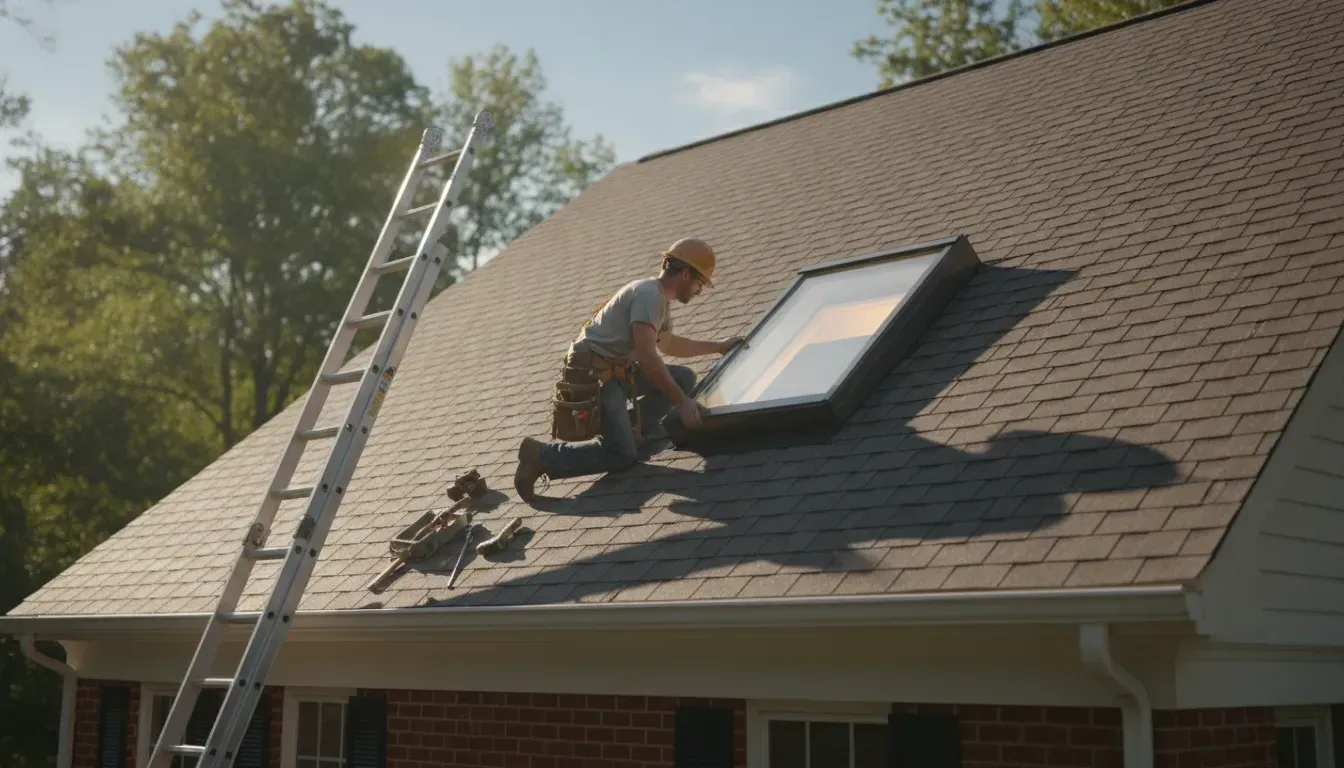
It makes sense that a larger roof requires more materials and more time to install, which increases the overall cost. But it’s not just about square footage. The complexity of your roof's design plays a huge role, too. A simple, straight-line gable roof is much easier to work on than one with multiple angles, valleys, dormers, or skylights. Each of these features requires extra materials, precise cuts, and detailed labor to ensure everything is sealed and waterproof. When we assess your residential roofing project, we carefully measure every peak and valley to give you an accurate and fair price based on your home’s unique architecture.
Roof Pitch and Accessibility
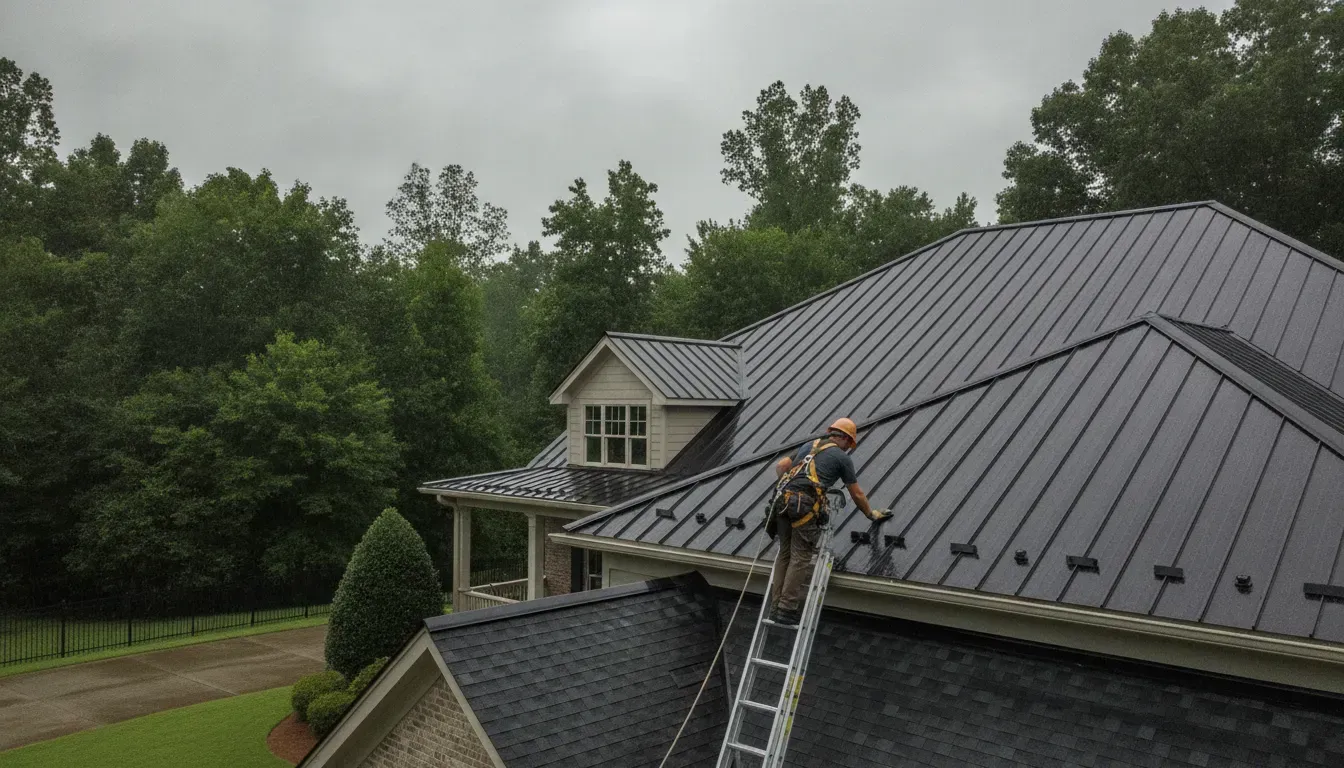
Have you ever noticed how some roofs are nearly flat while others are incredibly steep? This angle, known as the pitch, directly impacts your replacement cost. A steeper roof is more challenging and dangerous for our crew to work on. It requires additional safety equipment and a more methodical installation process, which adds to the labor time. Accessibility is another factor. A single-story home is typically easier to access than a multi-story building that requires more setup to get materials onto the roof and old debris down to the ground safely. These logistical details are a crucial part of planning a safe and efficient roof replacement.
Shingle Quality and Type
The roofing material you select is one of the biggest variables in your total cost. Asphalt shingles are the most popular choice for a reason: they offer a fantastic balance of durability, style, and affordability. However, not all asphalt shingles are created equal. They come in different tiers, from basic 3-tab shingles to more robust architectural and luxury styles that offer enhanced longevity and curb appeal. While the initial investment might be higher for premium shingles, they often provide better long-term value. A good roofing calculator can give you a general idea of how different material costs compare, but we can walk you through the specific options that fit your budget and goals.
Labor Costs
Labor is a significant part of any roof replacement quote, often making up more than half of the total price. While it might be tempting to cut corners here, the quality of the installation is what truly protects your investment. Paying for skilled, experienced professionals ensures your roof is installed correctly and according to manufacturer specifications, which is essential for your warranty to be valid. Our team’s expertise means your roof will stand the test of time. When you partner with an Owens Corning Platinum Preferred contractor, you're investing in peace of mind and craftsmanship that you can learn more about on our About Us page.
Local Building Codes and Permits
Depending on where you live in the Atlanta area, your city or county will have specific building codes that must be followed. These regulations are in place to ensure your roof is safe and structurally sound. Obtaining the necessary permits and scheduling inspections are a standard part of the process and can add to the project's cost. A professional roofing contractor will handle all the paperwork and ensure your new roof is fully compliant with local requirements. This takes the burden off your shoulders and guarantees that the job is done right from a legal and structural standpoint, preventing any future headaches.
How Asphalt Shingle Types Affect Price
The type of asphalt shingle you choose is one of the biggest factors in your roof replacement cost. Shingles generally fall into three main categories: 3-tab, architectural, and luxury. Each tier represents a different balance of upfront price, long-term durability, and curb appeal. Making the right choice depends on your budget, your home's style, and how long you plan to stay in the property. As an Owens Corning Platinum Preferred contractor, we help homeowners find the perfect fit for their needs.
3-Tab Shingles
For homeowners focused on the bottom line, 3-tab shingles are the most economical option. They get their name from the three cutouts on each shingle strip, creating a flat, uniform look across the roof. You can expect them to cost between $90 to $100 per square (a 10x10 foot area). While the upfront savings are attractive, it's important to know they are the least durable choice, typically lasting around 20 years. Home improvement data shows this lower price reflects their simpler construction and reduced resistance to high winds and harsh weather.
Architectural Shingles
Architectural shingles, also known as dimensional shingles, are the most popular choice for homeowners today. They offer a fantastic balance of performance and cost, generally ranging from $100 to $150 per square. Unlike the flat look of 3-tab shingles, architectural shingles have multiple laminated layers that create a richer, textured appearance. This construction also makes them heavier and more durable, with a lifespan of up to 30 years and better weather resistance. We often recommend these for our residential roofing projects because they provide excellent long-lasting value.
Luxury Shingles
If you're looking for top-tier performance and a standout design, luxury shingles are the way to go. As the premium option, they come with a higher price tag, from $150 to $300 per square. In return, you get a roof that makes a statement. These shingles are crafted to mimic materials like natural slate or wood shakes, giving you a high-end look without the demanding maintenance. They are the thickest asphalt shingles available, offering maximum durability and a lifespan that can exceed 50 years. Industry experts confirm they deliver the best in both durability and aesthetic appeal.
What Hidden Costs Should You Budget For?
Getting a quote for a new roof is a big first step, but the initial number you see isn't always the final price. Several factors can only be discovered once the project is underway, and being prepared for these potential costs helps you create a realistic budget and ensures there are no stressful surprises. Think of it like this: a roofer can see the surface of your roof, but they can’t see the condition of the wood decking underneath until the old shingles are removed. A trustworthy contractor will always discuss these possibilities with you upfront, but it’s smart to know what to ask about. Let's walk through the most common expenses that might pop up during your roof replacement so you can feel confident and in control of your project from start to finish.
Old Roof Removal and Disposal
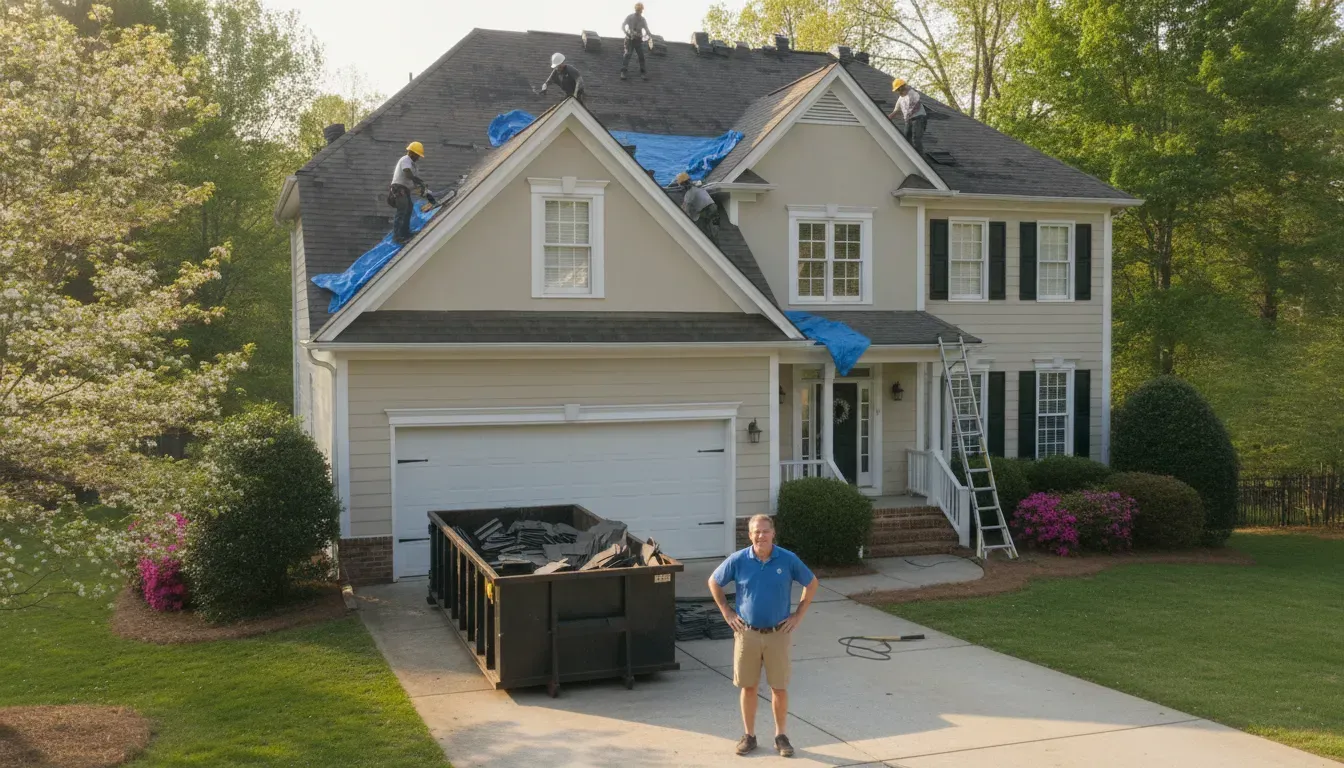
Before the beautiful new shingles go on, the old ones have to come off. This process, called a tear-off, requires labor and a way to dispose of all that old material. Most contractors will include this in their estimate, but it’s a significant line item that you should be aware of. Disposal fees for landfills can vary, and the weight of old shingles adds up quickly. When you review your estimate, make sure it clearly states that it covers the complete removal and hauling away of your old roof. This prevents any confusion about who is responsible for that pile of old materials on your lawn.
Decking Repairs and Underlayment
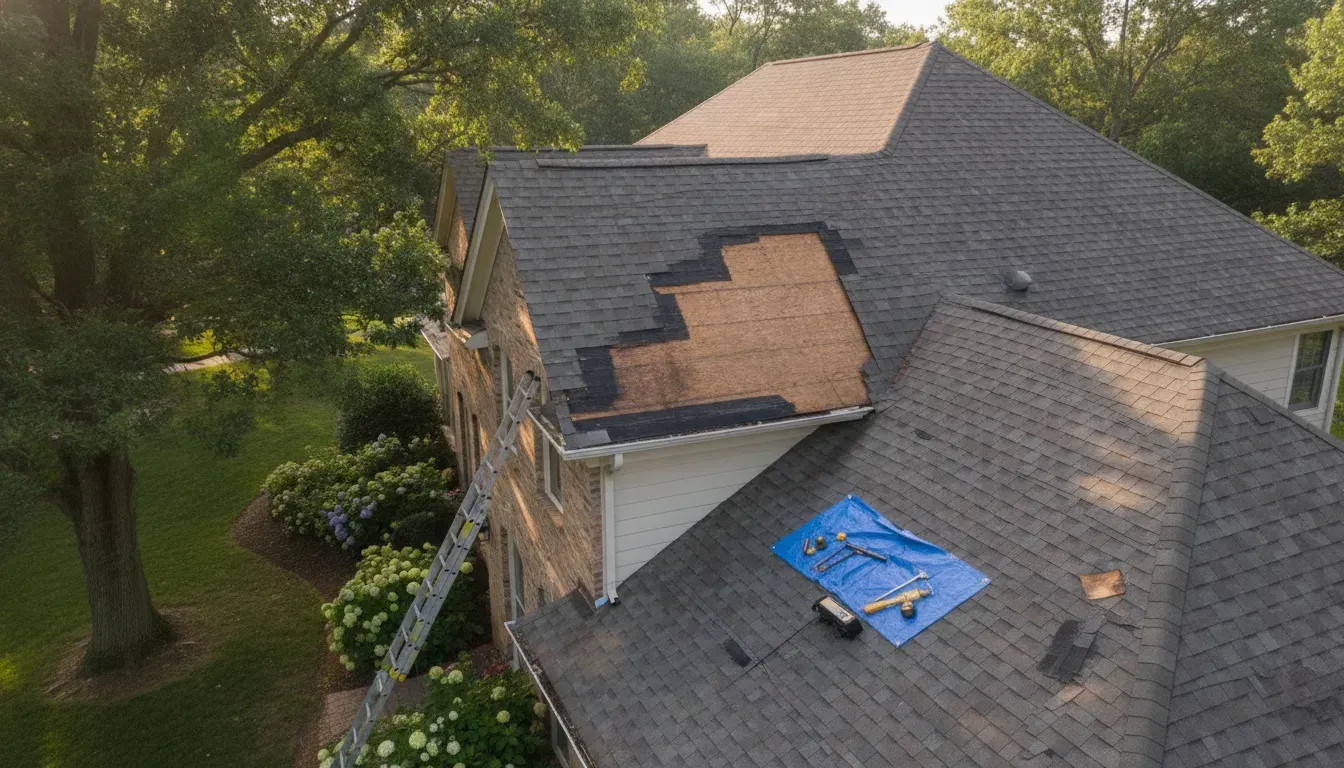
Your roof’s decking is the wooden foundation that the shingles are nailed to. Unfortunately, you can't see its condition until the old shingles are removed. If the crew discovers soft, rotting, or damaged wood, it absolutely must be replaced. Laying a new roof over a weak foundation is a recipe for disaster and can void your shingle warranty. While a contractor might include a small allowance for a few board replacements, extensive damage will add to the cost. A quality roofing system also requires a fresh layer of underlayment, a water-resistant barrier that provides a crucial secondary layer of protection.
Ice and Water Barriers
While we don't get the brutal winters of states further north, Georgia's weather can still throw a lot at our homes, from freezing rain to torrential downpours. An ice and water shield is a special peel-and-stick membrane that provides extra protection in your roof's most vulnerable areas. Think valleys, the edges of your roof (eaves), and around skylights or chimneys. This barrier is designed to stop leaks caused by wind-driven rain or the occasional ice dam. It’s a relatively small investment that provides major peace of mind, and many modern building codes now require it.
Flashing, Ventilation, and Accessories
The big field of shingles is what you see, but it’s the smaller details that truly keep your roof waterproof and healthy. Flashing consists of metal pieces installed wherever your roof meets a wall, chimney, or vent pipe. If the old flashing is rusted or damaged, it needs to be replaced to prevent leaks. Proper attic ventilation is also critical for extending the life of your shingles and managing energy costs. Your roofer might also need to replace pipe boots, which are the rubber seals around vent pipes that can crack over time. These small but essential accessories are vital for the long-term performance of your commercial or residential roof.
Permits and Inspections
Most re-roofing projects require a permit from your local city or county. A professional and insured contractor like the team at Total Roof Solutions will handle the entire permitting process for you, but the cost of the permit itself is typically passed on to you as the homeowner. The permit ensures the work is done to current safety and building code standards, which protects you. An inspector will likely visit the site to verify the work is done correctly. This process is non-negotiable and is there for your safety, so be sure to factor this administrative cost into your final budget.
How Location Impacts Roof Replacement Costs
It’s no secret that where you live affects your cost of living, and the same principle applies to home improvement projects like a roof replacement. The price for a new roof in a dense urban area can be quite different from the cost for the same roof in a more rural town, even within the same state. This variation comes down to a few key factors, including local labor rates, the cost to transport materials to your job site, and specific building codes or permit fees required by your city or county.
While national averages can give you a general idea, they often don't paint the full picture for your specific situation. Averages can be skewed by data from extremely high or low-cost areas, leaving you with a number that isn't very helpful. Understanding the local market is the best way to create a realistic budget. For homeowners in the greater Atlanta area, the news is generally good. We tend to see more moderate pricing compared to high-cost metropolitan areas on the coasts. This means your investment can go further, allowing you to choose higher-quality materials or tackle other parts of your exterior renovation project. Let's break down what that means for your bottom line.
Regional Labor Rates
The biggest factor driving regional price differences is the cost of labor. A roofing company’s expenses, from insurance and equipment to employee wages, are directly tied to the local economy. Because of this, you’ll see significant cost variations from one state to another. For example, average shingle roof costs are much higher in states like California or New York than they are here in Georgia. This is great news for local homeowners, as it means your budget can go further without sacrificing the quality of the work. A skilled, experienced crew is essential for a durable roof, and in our area, you can get top-tier craftsmanship without paying the premium prices seen elsewhere.
What to Expect in the Atlanta Area
So, what does this mean for your wallet? In the Atlanta area, the average cost to install an asphalt shingle roof typically falls between $5.00 and $7.00 per square foot. This range usually includes the shingles themselves, all necessary installation supplies, professional labor, and even the cost of tearing off and disposing of your old roof. Keep in mind that this is a starting point. The final price will depend on the specific shingles you choose, the complexity of your roof’s design, and the condition of the underlying structure. The only way to get a firm number is with a detailed inspection and quote from a trusted local contractor who understands the market.
What Really Determines Your Roof's Lifespan?
When you invest in a new roof, you're not just paying for shingles and labor; you're paying for years of protection and peace of mind. While the initial cost is a major consideration, the real value lies in how long your roof will last. A roof that fails prematurely isn't a bargain at any price. Several key factors work together to determine the lifespan of your residential roofing system. Understanding these elements helps you make a smart investment that protects your home for decades. From the quality of the materials you choose to the team you hire for the installation, every decision plays a part. Let's look at what truly makes a roof stand the test of time.
Why Shingle Quality Matters
Not all asphalt shingles are created equal, and the type you choose has the biggest impact on your roof's longevity. Basic 3-tab shingles are the most affordable option, but they typically have a shorter lifespan. Upgrading to architectural shingles is a popular choice for a reason. They are thicker, more durable, and designed to withstand weather better, often coming with a 30-year warranty. For maximum durability, premium or luxury shingles can last up to 50 years. As an Owens Corning Platinum Preferred contractor, we know that investing in higher-quality materials from the start means you'll spend less on repairs and replacements down the road, giving you a stronger, more reliable roof.
The Importance of Maintenance
Think of your roof like a car; you can't just set it and forget it. Regular maintenance is essential to getting the full lifespan out of your shingles. This doesn't have to be complicated. It simply means keeping an eye out for potential issues, like curled or missing shingles, and addressing them quickly. It also means keeping your gutters clean and free of debris, which prevents water from backing up and seeping under your roof. A simple inspection after a major storm can help you spot minor damage before it turns into a major leak. A little proactive care goes a long way in protecting your investment and ensuring your roof lasts as long as it was designed to.
How Installation Affects Durability
You can buy the best shingles on the market, but they won't perform well if they're installed incorrectly. The quality of the installation is just as critical as the quality of the materials. Proper installation ensures every shingle, nail, and piece of flashing works together to create a watertight seal that protects your home. This is why hiring a certified, experienced contractor is non-negotiable. An expert team understands the right techniques, follows manufacturer specifications, and doesn't cut corners. Labor might account for a large portion of your roofing budget, but paying for skilled craftsmanship is the best way to guarantee your roof's durability and longevity.
Is an Upgrade Worth the Cost?
It can be tempting to choose the cheapest option, but when it comes to your roof, a small upgrade can deliver significant long-term value. Opting for architectural shingles over 3-tab shingles, for example, might increase your initial cost slightly, but it could also add 10 or more years to your roof's life. When you consider the cost of a full replacement, spending a little more now to delay that expense for another decade makes financial sense. Consider how long you plan to stay in your home and the peace of mind that comes with a more durable, longer-lasting roof. An upgrade is often a wise investment in your home's future.
Signs It's Time to Replace Your Roof
Figuring out if you need a simple repair or a full roof replacement can feel overwhelming. While a professional inspection is the only way to know for sure, your house often gives you clues that it’s time to start planning for a new roof. Paying attention to these signs can help you address problems before they turn into major headaches like interior water damage or structural issues. Here are the four key indicators that your roof might be nearing the end of its life.
Visible Shingle Damage
One of the easiest ways to spot trouble is to simply look at your roof from the ground. You don’t need to be a roofing expert to notice when something is off. Take a walk around your property and look for widespread curling, cracking, or missing shingles. On an asphalt roof, you might also see dark streaks or areas that look bald, which happens when the protective granules have worn away. These are all signs that your shingles are failing and can no longer effectively protect your home from the elements. If you see this kind of damage across your roof, it’s a clear signal that your residential roofing system is compromised and needs a professional evaluation.
The Age of Your Roof
Just like any other part of your home, your roof has a finite lifespan. If you have a standard 3-tab asphalt shingle roof that is approaching the 20-year mark, it’s very likely time for a replacement, even if it looks okay from a distance. Older roofs are simply more vulnerable to damage from wind, rain, and Georgia’s summer heat. If you aren’t sure how old your roof is, a professional can help determine its age and condition based on the materials and wear. With our decades of experience in the Atlanta area, we know exactly how the local climate affects different roofing materials and can give you an honest assessment of its remaining life.
Interior Warning Signs
Sometimes, the first sign of a failing roof doesn't appear on the outside, but on the inside of your home. Be on the lookout for any signs of water damage in your attic, like drips, damp insulation, or daylight showing through the roof boards. In your living spaces, you might notice water stains on your ceilings or walls, or paint that is peeling or bubbling near the ceiling. By the time you see these interior warning signs, the leak has likely been active for a while. It’s important to act quickly to prevent more serious problems like mold growth or damage to your home’s framing, so call for an inspection right away.
Checking Your Insurance Coverage
An often-overlooked reason for a roof replacement is your homeowners insurance policy. Many insurance companies are becoming stricter about covering older roofs. It’s not uncommon for an insurer to decide a roof is too old to cover, sometimes after just 10 or 12 years, and threaten not to renew your policy unless it’s replaced. This can happen even if your roof isn't actively leaking. We recommend reviewing your policy or calling your agent to understand their requirements, especially if your roof is more than a decade old. This proactive step can save you from the surprise of a non-renewal notice and an unexpected, urgent expense.
When Is the Best Time for a Roof Replacement?
Deciding to replace your roof is a big step, and timing that project is more important than you might think. While you can’t schedule an emergency repair, you can strategically plan a full replacement. Choosing the right season ensures the materials install correctly, the project runs smoothly, and your home is protected before the next wave of harsh weather arrives. In Georgia, our weather patterns create distinct windows that are perfect for this kind of work. It's not just about convenience; it's about the long-term health and durability of your new roof.
The ideal time for a roof replacement balances moderate temperatures with dry conditions. Extreme heat can make shingles overly pliable and susceptible to damage during installation, while cold weather can prevent them from sealing properly, leaving your roof vulnerable to wind and moisture. Planning your project for the right time of year helps your roofing team work efficiently and ensures your new roof performs as it should from day one. It also gives you plenty of time to get on a trusted contractor’s schedule before they get booked up for their busiest seasons.
Why Spring and Fall Are Ideal
Think of spring and fall as the "just right" seasons for roofing. Fall is often considered the best time to replace a roof because the weather is typically mild and stable. The moderate temperatures, usually well above 40°F, are perfect for helping asphalt shingles properly adhere and create a watertight seal. Plus, you’re getting your home ready just before the colder, wetter winter months set in.
Spring is another excellent option. As temperatures warm up, the conditions become favorable for a solid installation. It’s a great opportunity to address any damage from the winter and prepare your roof for the intense heat and potential storms of a Georgia summer. Scheduling in the spring can sometimes offer more flexibility, as it’s just ahead of the peak summer and fall seasons for many roofing contractors.
Plan Around Georgia's Weather
Every region has its own climate quirks, and Georgia is no exception. Our hot, humid summers and generally mild winters directly influence the best time for a roof replacement. For asphalt shingles to seal correctly, the temperature needs to be at least 40-45°F. Working in temperatures above 85°F can cause issues, as the shingles can soften and scuff easily. This makes our scorching summer days less than ideal for a new installation.
While our winters are often mild enough for roofing work, an unexpected cold snap can bring temperatures below the necessary threshold for proper shingle sealing. This is why late spring and early fall are the sweet spots for a residential roofing project in the Atlanta area. By planning your replacement during these seasons, you avoid the risks associated with extreme temperatures and give your new roof the best possible start.
Get Your Free Roof Replacement Estimate
While online calculators can give you a general idea, the only way to know the true cost of your project is to get a detailed estimate from a professional. Current industry averages for an asphalt shingle roof installation range from about $5.09 to $6.66 per square foot. However, this number can shift based on your home’s specific needs, the materials you choose, and your roof's condition. For a standard 1,700-square-foot roof, many homeowners find their total cost lands somewhere between $6,000 and $9,000.
It’s helpful to understand what goes into that final number. Labor typically accounts for a significant portion of the total price, and if your old roof needs to be torn off, that removal and disposal process will be an additional line item on your quote. This is why a simple square-footage calculation doesn't always tell the whole story. A professional inspection is necessary to check for things like rotted decking or poor ventilation, which must be addressed during replacement. Getting a quote from trusted professionals ensures all these factors are included, so you aren’t surprised by unexpected costs later.
The best first step is to schedule a free, no-obligation inspection. Our team at Total Roof Solutions will assess your roof's condition, discuss your shingle options, and provide a clear, written estimate that details every aspect of the job. We believe in transparency, so you’ll know exactly what to expect before any work begins. Contact us today to schedule your complimentary residential roofing estimate and take the guesswork out of planning your new roof.
Related Articles
- Different types of roof shingles | Total Roof Solutions
- How to Get Insurance to Pay for Roof Replacement in Georgia
- What to Know Before Replacing Your Roof: A Comprehensive Guide
- Atlanta Roofing Costs Explained: Essential Price Information
- Which Type of Asphalt Shingles Should I Use? | Total Roof Atlanta
Frequently Asked Questions
Why can't I get an exact price for my roof online? An online calculator can give you a ballpark figure, but it can't see your home's unique details. The final cost depends heavily on factors like your roof's specific size, its steepness, and its complexity, such as the number of valleys or dormers. More importantly, we can't know the condition of the wooden decking underneath your old shingles until we see it in person. An on-site inspection is the only way to provide an accurate and transparent quote with no surprises.
Is it really worth paying more for architectural shingles over the basic 3-tab style? For most homeowners, the answer is a definite yes. While 3-tab shingles have a lower upfront cost, architectural shingles provide significantly better long-term value. They are thicker, more durable, and can withstand harsh weather more effectively. This often translates to an extra 10 or more years of life for your roof. When you consider the cost and hassle of a future replacement, that initial upgrade often makes the most financial sense.
What happens if you find rotten wood after you tear off the old shingles? Discovering damaged decking is a common part of the roofing process, so don't panic. For a new roof to be secure and for its warranty to be valid, it must be installed on a solid foundation. Any soft or rotted wood has to be replaced. We always discuss this possibility with you beforehand and will immediately inform you if we find any issues, explaining the necessary steps and any adjustments to the project cost before moving forward.
How can I make sure my new roof lasts as long as possible? The single most important factor for your roof's lifespan is a quality installation, so hiring a skilled and certified contractor is step one. After that, simple maintenance makes a huge difference. This includes keeping your gutters clean to prevent water backup and doing a quick visual check of your roof after major storms. Addressing small issues, like a single missing shingle, right away can prevent them from turning into much larger, more expensive problems.
How long does a typical roof replacement take from start to finish? The actual replacement process is surprisingly fast. For an average-sized home, our crew can often complete the entire job, from tear-off to final cleanup, in just one to three days. The timeline can be affected by a few things, such as the size and complexity of your roof, unpredictable weather, or the extent of any decking repairs that might be needed. We always aim to work as efficiently as possible to minimize disruption to your daily life.