Budgeting for a Metal Roof: Understanding Costs and ROI
SEO Analysis • October 18, 2024
Metal roofs are a popular choice for homeowners due to their durability, energy efficiency, and modern aesthetic appeal. However, it's important to understand the costs and potential return on investment (ROI) associated with this type of roofing. Below is a comprehensive guide to help you navigate the budgeting process.
Initial Costs of a Metal Roof
When planning a metal roof installation, it's crucial to consider the initial costs, which can be higher than other roofing materials such as asphalt or shingles. The cost for a metal roof can vary depending on the following factors:
A. Material Type:
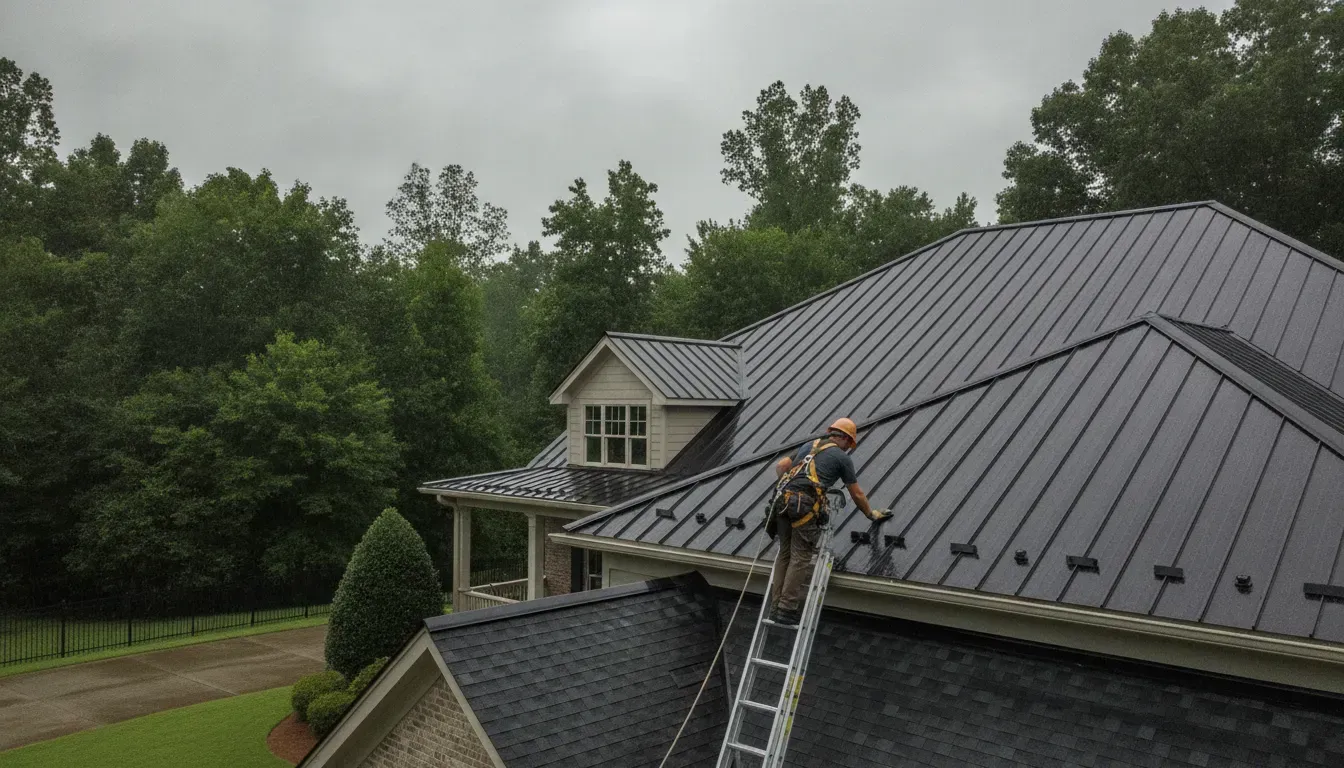
Metal roofs come in materials like steel, aluminum, copper, or zinc. Steel and aluminum are the most common, with aluminum being slightly more expensive but offering better resistance to corrosion. Copper and zinc are premium options and can significantly increase the overall cost.
- Steel: Around $5 to $12 per square foot.
- Aluminum: Between $9 and $15 per square foot.
- Copper: $15 to $30 per square foot.
B. Roof Design and Complexity:
The complexity of the roof structure also impacts the cost. Roofs with multiple peaks, dormers, or steep pitches require more time, labour, and specialized materials, adding to the cost.
C. Size of the Roof:
The larger the roof area, the higher the cost. Metal roofing is priced per square foot, so larger roofs will naturally incur higher expenses.
D. Labor Costs
Labor charges for installing a metal roof can be higher than for traditional roofs due to the specialized skills required. On average, labour costs range from $3 to $7 per square foot.
E. Installation Method
Whether you're installing a standing seam or corrugated metal roofing system also influences cost. Standing seam roofs are more expensive because of their interlocking panels and more complex installation.
F. Underlayment and Insulation:
Good underlayment and insulation are crucial to the performance of a metal roof, especially in areas prone to extreme weather. The costs for these materials can add $1 to $3 per square foot.
Long-Term Savings
Despite the higher upfront cost, metal roofs offer long-term financial benefits, improving their overall value and ROI. Here are the key areas where
Roofing Services Jasper can help you save money:
A. Energy Efficiency:
Metal roofs reflect solar heat, reducing cooling costs by up to 25% in warmer climates. This can result in savings on energy bills over the roof's lifespan.
B. Durability:
Metal roofs are incredibly durable as well as resistant to harsh weather conditions such as high winds, heavy rain, hail, and even fire. While traditional asphalt shingles last around 20 years, a well-maintained metal roof last 40 to 70 years. This longevity means fewer replacements and repairs, saving you money in the long run.
C. Low Maintenance:
Metal roofs require little maintenance compared to other roofing materials. Aside from regular inspections and the occasional cleaning, they don't require frequent repairs, saving you time and money over their lifespan.
D. Insurance Discounts:
Some insurance companies offers discount for metal roofs because of their resilience to weather damage. Check with your provider to see if you qualify for reduced premiums.
E. Increased Home Value:
A metal roof increases the resale value of your home. Homebuyers often view metal roofs as a premium feature due to their longevity as well as energy efficiency. According to some reports, homeowners can recoup up to 85% of their metal roof's cost through increased home value.
Return on Investment (ROI)
While the upfront cost of a metal roof may be higher, the long-term savings and increased home value can offer a significant return on investment. The ROI of
metal roofing in Rockdale depends on several factors, such as your location, the type of metal used, and the overall condition of your home.
A. Recouped Costs:
Homeowners can typically recoup between 60% and 90% of their metal roof investment when selling their home, depending on the real estate market. Homes with metal roofs often sell faster and at a higher price, as buyers appreciate the durability and energy efficiency benefits.
B. Energy Savings:
In warm climates, the energy savings from a metal roof can pay off the initial investment within 10 to 15 years. Even in colder climates, metal roofs with proper insulation can help maintain indoor temperature, leading to savings on both heating and cooling.
C. Maintenance and Repair Savings:
The reduced need for repairs and maintenance can save homeowners thousands of dollars over the roof's lifespan. This makes a metal roof a smart financial decision for those looking to avoid the ongoing costs of traditional roofing materials.
D. Environmental Benefits:
Many metal roofs are made using recycled materials and recycled again when they reach the end of their life, makes them a great eco-friendly option for environmentally conscious homeowners. Some local governments offer tax credits or incentives for installing energy-efficient and sustainable roofing materials, improving the ROI.
Financing Options for a Metal Roof
If the upfront cost of a metal roof seems daunting, there are several financing options available to help spread out the expense:
A. Home Improvement Loans:
Many banks and credit unions provide loans specifically for home improvement, including roofing projects. These loans often come with lower interest rates compared to using credit cards, making them a more affordable financing option.
B. Home Equity Loans or Lines of Credit (HELOCs):
If you have significant equity in your home, you can borrow against it to fund your roofing project. Home equity loans often come with lower interest rates and flexible repayment terms.
C. Personal Loans:
Personal loans are another option, though they tend to have higher interest rates than home equity loans. However, they can be a good option if you don't have significant equity in your home.
D. Roofing Company Financing:
Many roofing companies offer financing options for their customers. This can be a convenient way to spread out the cost of your metal roof over time. Be sure to review the terms carefully, including interest rates and repayment schedules.
Warranties and Insurance
When budgeting for a metal roof, it’s important to consider warranties and insurance. Many metal roofs come with a manufacturer’s warranty that covers material defects for up to 50 years. Some roofing companies also offer a labour warranty that covers installation issues.
It’s worth checking with your insurance company to ensure your policy covers metal roofs. Most standard homeowners insurance policies do, but it’s a good idea to confirm coverage, especially in areas prone to severe weather conditions.
Potential Challenges
While metal roofs offer numerous benefits, they also come with potential challenges:
A. Noise:
Some homeowners are concerned about the noise a metal roof might make during rain or hailstorms. However, proper insulation and underlayment can minimize this noise.
B. Denting:
Metal roofs can sometimes dent from large hail or falling branches. Choosing a thicker metal or opting for a design with stronger durability can help prevent this.
C. Expansion and Contraction:
Metal naturally expands as well as contracts with temperature changes. Proper installation with the right fasteners and design considerations can prevent any long-term issues related to this movement.
How to Choose the Right Metal Roofing Contractor
Selecting the right contractor is crucial for ensuring your
Metal Roofing Newton project is completed with quality and precision. Here are some tips for finding the right professional for the job:
A. Experience:
Look for a contractor with experience in installing metal roofs. Metal roofing needs special skills, and a contractor with experience knows the best ways to install it properly.
B. Reviews and References:
Check online reviews as well as ask for references. Talk to previous clients to find out how happy they were with the contractor's work.
C. Warranty Offerings:
Ensure that the contractor offers a warranty on their labour and the manufacturer’s warranty on materials. This will give you peace of mind if any issues arise after installation.
D. Licensing and Insurance:
Make sure the contractor has the proper licenses and insurance. This protects you in case of accidents or damage during the installation process.
Conclusion
Budgeting for a metal roof requires careful consideration of the initial costs, potential savings, and long-term return on investment. Metal roofs may cost more initially, but they last a long time, save on energy bills, and need little maintenance. This means you'll save money in the long run. By selecting the right materials, hiring a skilled contractor, and looking into financing options, you can make a wise investment for your home’s future.
For more information or to get a quote for your roofing needs, you can visit
Total Roof to explore your options.