How Long Does It Take to Replace a Roof?
SEO Analysis • October 18, 2024
Replacing a roof is a significant home improvement project. It’s essential to know how long it typically takes to replace a roof, as this can help you plan and prepare. In this guide, we will discuss the various factors affecting the timeline, the steps involved in the replacement process, and what you can expect during the project.
Understanding Roof Replacement
Before we dive into the timeline, it’s important to understand what
roof replacement entails. Roof replacement involves removing your old roof and installing a new one. This process differs from
roof maintenance in Jasper, where routine inspections and minor repairs are done to extend the roof's lifespan, as opposed to replacing it entirely.
Typical Timeline for Roof Replacement
On average, replacing a roof takes about
1 to 3 days. However, this timeline can vary based on several factors:
1. Size of the Roof:
A larger roof will naturally take more time to replace than a smaller one.
2. Type of Roofing Material:
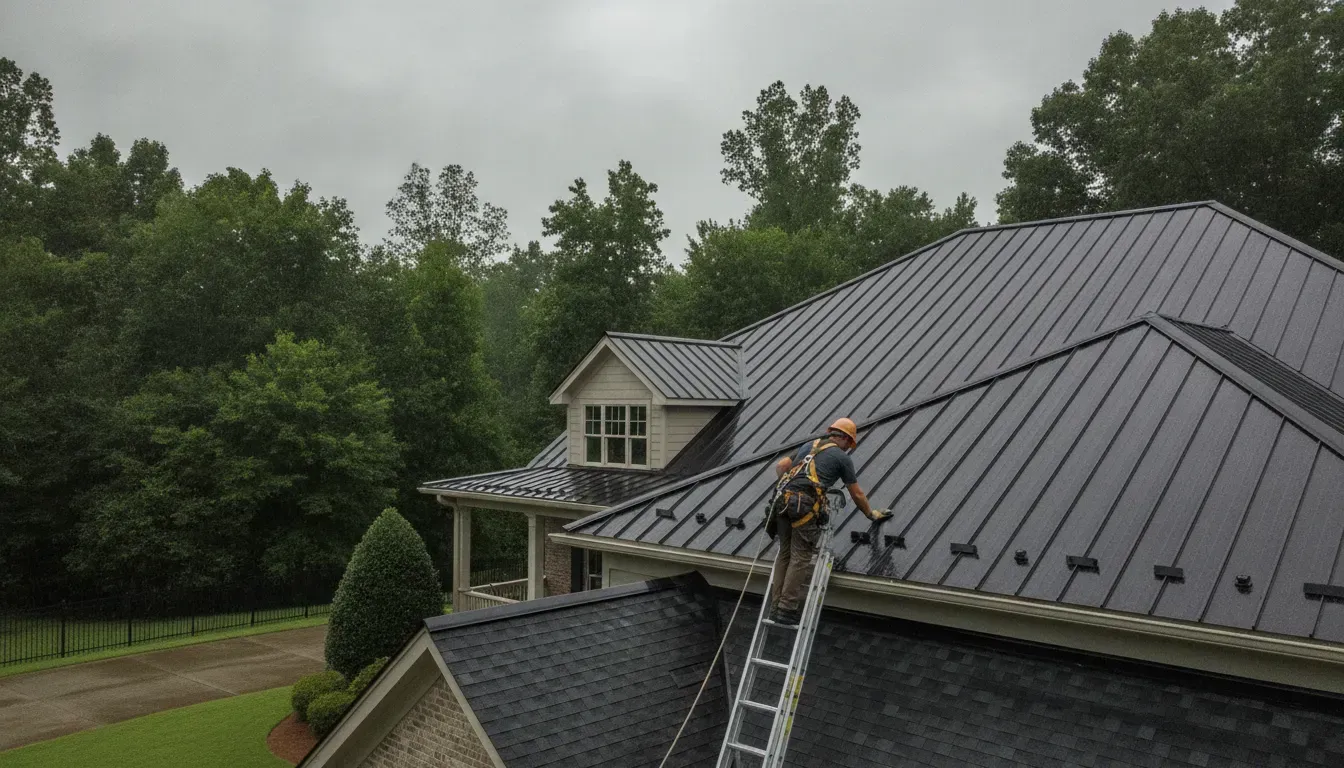
Different materials have different installation times. For example, asphalt shingles are generally quicker to install than tile or metal roofs.
3. Weather Conditions:
Rain, snow, or extreme heat can delay the project. Roofing cannot be done in inclement weather for safety reasons.
4. Roof Accessibility:
If the roof is difficult to access, it may take longer to complete the replacement.
5. Number of Workers:
A larger crew can complete the job faster than a smaller one.
Step-by-Step Process of Roof Replacement
Now, let’s look at the steps involved in replacing a roof and how long each step typically takes.
A. Initial Inspection (1 Day)
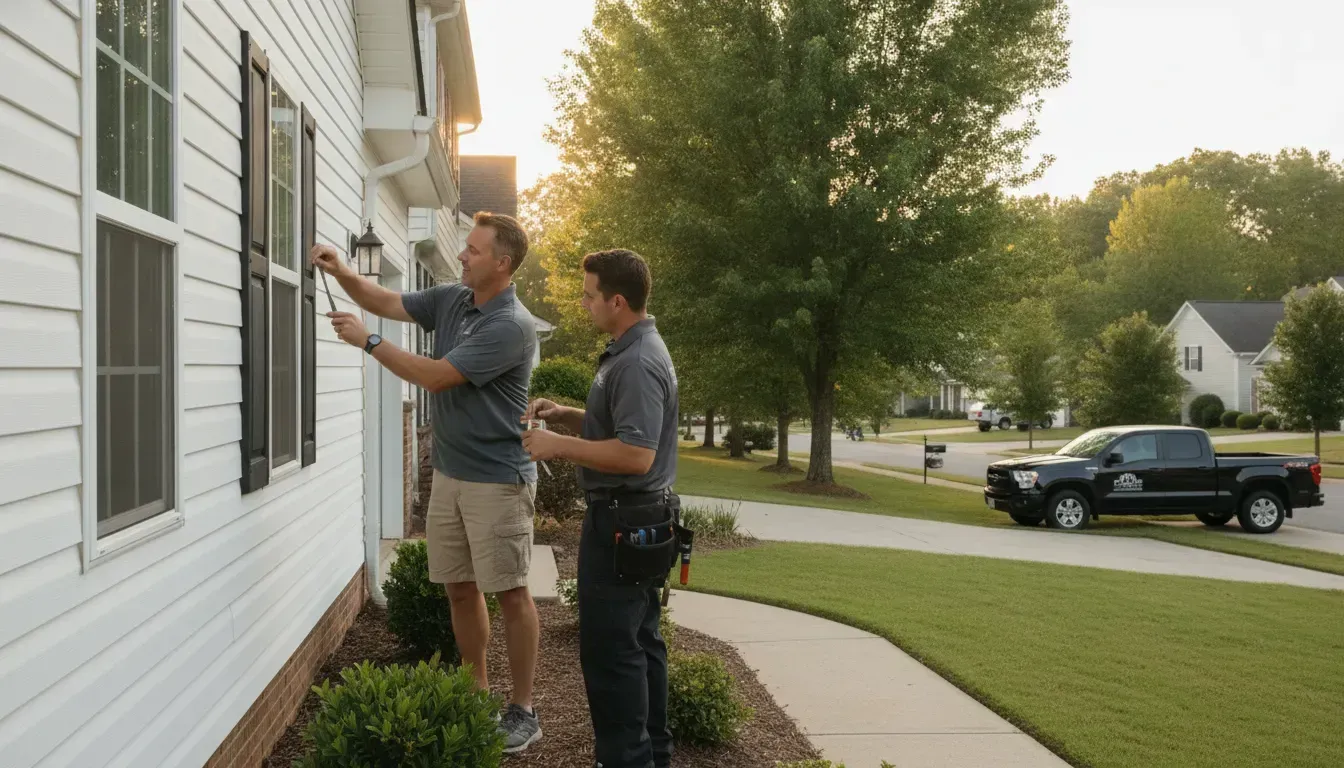
Before the actual replacement begins, a roofing contractor will perform an inspection. This involves checking the current condition of the roof, identifying any underlying issues, and measuring the area. This inspection usually takes about a day.
B. Removing the Old Roof (1 Day)
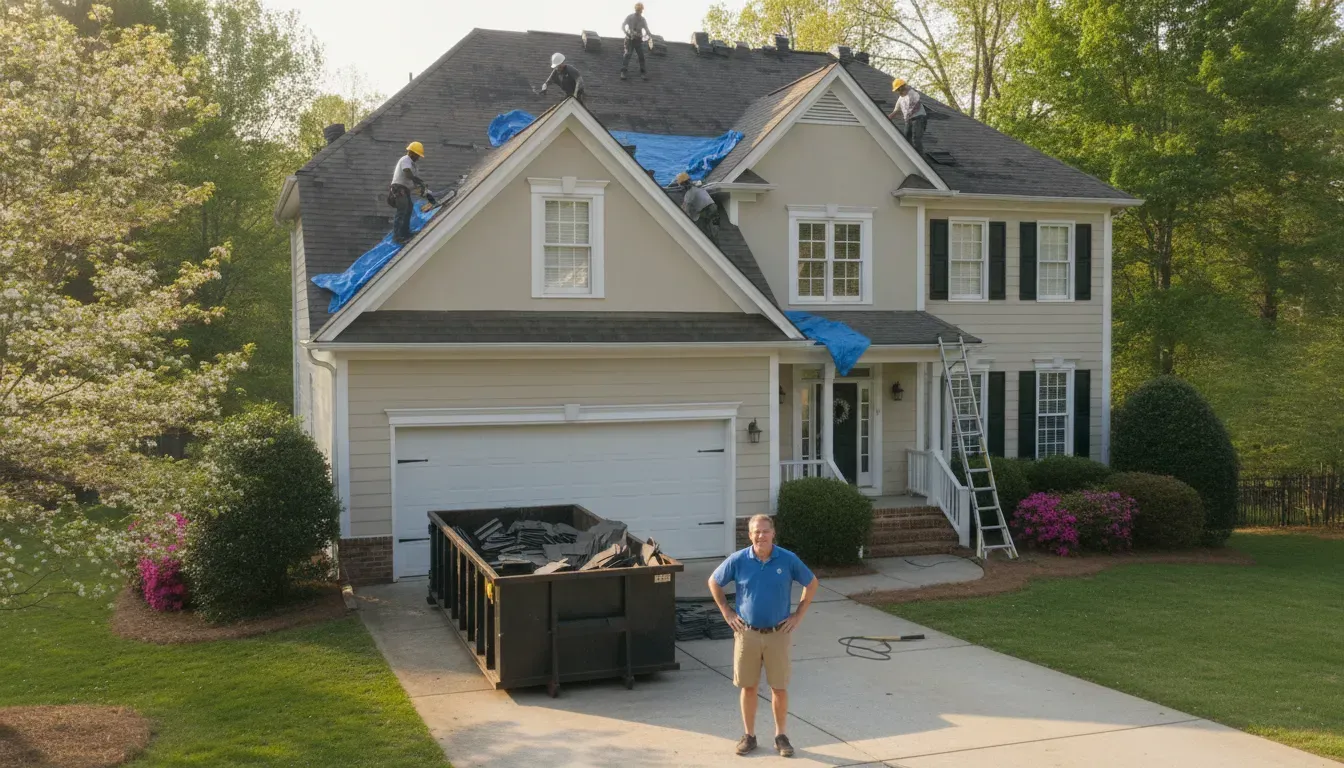
Once the inspection is complete and the new materials are chosen, the next step is to remove the old roof. This can take anywhere from a few hours to a full day, depending on the roof size and material. During this step, workers will:
- Remove shingles or tiles.
- Take off any underlayment (the layer beneath the shingles).
- Check for damage to the underlying structure.
If the roof is in bad shape, additional repairs may be needed, which can extend the timeline.
C. Repairing the Roof Deck (1 Day)
After the old roof is removed, the roof deck (the structural part of the roof) may require repairs. If there are any damaged sections, they will be replaced. This step may add another day to the process, especially if significant repairs are necessary. Accurate roofing estimates in Butts will include potential costs for these repairs, ensuring there are no surprises.
D. Installing New Underlayment (1 Day)
Once the roof deck is in good condition, a new underlayment is installed. This layer helps protect against water leaks. This process usually takes about half a day to a full day.
E. Installing New Roofing Material (1-2 Days)
The most time-consuming part is installing the new roofing material. Depending on the type of material, this can take 1 to 2 days. Here’s how long it usually takes for different materials:
- Asphalt Shingles: 1-2 days
- Metal Roofing: 2-3 days
- Tile Roofing: 2-5 days
- Slate Roofing: 3-7 days
F. Finishing Touches (1 Day)
After the roofing material is installed, the contractor will add finishing touches. This includes:
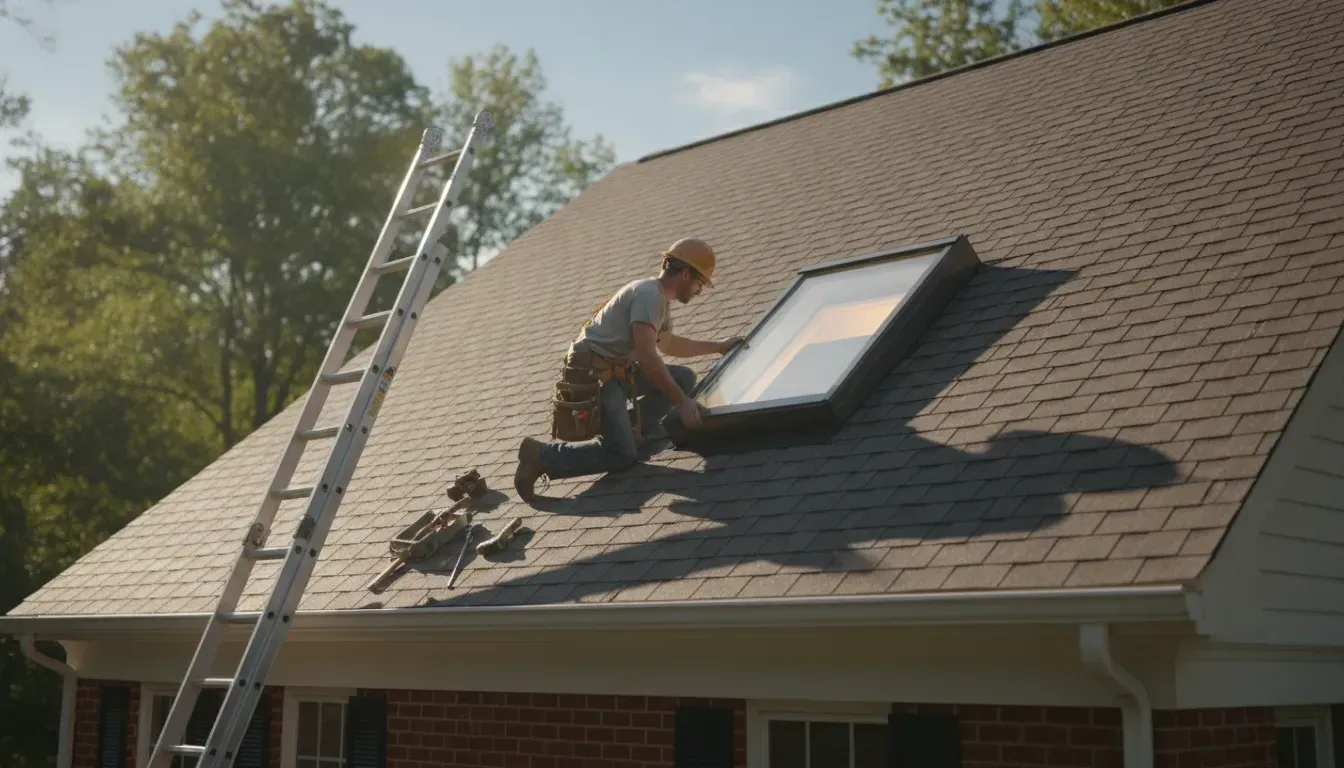
- Installing flashing around chimneys and vents.
- Ensuring everything is sealed properly to prevent leaks.
- Cleaning up the site and removing any debris.
This final step typically takes about a day.
Factors That Can Delay Roof Replacement
Several factors can delay the roof replacement process. Let’s look at some common issues:
A. Weather Conditions
Inclement weather can cause delays. Rain, snow, or strong winds can halt work for safety reasons. It's important to keep an eye on the weather forecast before and during the project.
B. Material Availability
Sometimes, roofing materials may not be available when needed. If the selected materials are out of stock or delayed in shipment, the project timeline may extend.
C. Unexpected Repairs
During the removal of the old roof, workers may discover hidden damage. If the underlying structure or deck has significant issues, this will require repairs, adding time to the project.
D. Permit Issues
Depending on your location, you may need permits for roof replacement. If there are delays in getting these permits, the project could be pushed back.
Preparing for Roof Replacement
To ensure a smooth roof replacement process, here are some tips to prepare:
A. Choose a Reputable Contractor:
Make sure to hire a qualified contractor with good reviews. Check for licences and insurance to protect yourself from liability.
B. Communicate Clearly:
Discuss your expectations and concerns with the contractor. Clear communication can help prevent misunderstandings.
C. Clear the Area:
Remove any items from around the house that could be damaged or obstruct the workers. This includes patio furniture, planters, or decorations.
D. Plan for Noise and Disruption:
Roof replacement can be noisy. Make sure to inform your family and neighbours, especially if you have pets or young children.
E. Consider Weather:
If possible, plan the replacement during a time of year with more predictable weather. Spring and fall are often good choices in many regions.
What to Expect During the Project
During the roof replacement, you can expect the following:
A. Noise:
The process will be loud due to hammering, nailing, and the use of machinery. Be prepared for some disruption.
B. Increased Traffic:
The contractor will likely have a crew and equipment on-site, leading to increased traffic around your home.
C. Safety Precautions:
Workers will follow safety guidelines. Stay clear of the work area for your safety and theirs.
D. Daily Cleanup:
Most contractors will clean up debris at the end of each day. However, some materials may be left until the project is completed.
After the Roof Replacement
Once the new roof is installed, there are a few things to consider:
A. Final Inspection:
The contractor should perform a final inspection to ensure everything is done correctly.
B. Warranty Information:
Keep records of your warranty for the new roof and any materials used. This will be important for future reference.
C. Regular Maintenance:
Schedule regular inspections to keep your roof in good shape. This can help identify and fix minor issues before they become major problems.
D. Cleaning Up:
Ensure that the work area is clean and free of debris. Check for any leftover materials or nails around your property.
Conclusion
In conclusion, replacing a roof is a significant project that usually takes about 1 to 3 days. However, factors like roof size, material type, and weather conditions can affect the timeline. By understanding the steps involved and preparing adequately, you can ensure a smoother roof replacement process. For more detailed information and professional services, consider checking out resources like
Total Roof.