Roof Leaking After Heavy Rain? Insurance Claim Tips
MEGA MEGA • November 11, 2026
Get expert tips on roof leaking after heavy rain insurance claims. Learn what to do, how to document damage, and steps to get your claim approved.

Heavy rain doesn’t cause a leak; it exposes a problem that was already there. Whether it’s a shingle torn off by wind, failing flashing around a chimney, or simply an old roof at the end of its life, the storm is just the final test. Identifying the true source of the leak is the most important step in fixing it and is critical for your insurance claim. The success of a roof leaking after heavy rain insurance claim almost always hinges on proving the damage was sudden and accidental. We’ll explore the common culprits behind leaks and explain how each one impacts your chances of getting a claim approved.
Key Takeaways
Why Is My Roof Leaking After Heavy Rain?
That sinking feeling when you spot a water stain on your ceiling after a downpour is something no homeowner wants to experience. Heavy rain is the ultimate stress test for your roof, and if there’s a weak spot, the water will find it. While a sudden storm can feel like the obvious cause, the leak itself is usually a symptom of an underlying issue that was there long before the clouds rolled in. Understanding the root cause is the first step toward a proper fix and a successful insurance claim.
Most leaks can be traced back to a handful of common culprits. Sometimes, it’s a problem that’s been brewing for years, like a poor installation job finally giving way. Other times, it’s the result of gradual wear and tear, such as aging materials that have lost their ability to repel water. It could also be damage from a previous storm that went unnoticed or a simple maintenance task that was overlooked, like cleaning out your gutters. Whatever the reason, identifying it quickly is key to preventing further damage to your home’s structure and interior. As an Owens Corning Platinum Preferred contractor, we’ve seen it all and can help you pinpoint the exact source of your leak.
Faulty Installation
A roof is a complex system, and if it wasn’t installed correctly from the start, it’s only a matter of time before problems appear. Improperly nailed shingles, poorly sealed flashing around chimneys or vents, or incorrect layering of materials can create hidden vulnerabilities. These issues might not cause a leak during a light shower, but a heavy, driving rain can force water into these weak points. Unfortunately, most insurance policies do not cover roof leaks caused by poor installation, which makes hiring a reputable and certified contractor for your initial roof replacement absolutely critical.
Old Roofing Materials
Every roofing material has a lifespan. Over the years, the sun’s UV rays, temperature fluctuations, and harsh weather break down the integrity of your shingles. Asphalt shingles can become brittle, crack, and lose the protective granules that shield them from the elements. Once this happens, they can no longer effectively repel water, making your roof susceptible to leaks during a storm. If your roof is nearing the end of its expected lifespan, a leak might be a sign that it’s time for a replacement. Keep in mind that insurance likely won't pay to replace a roof simply because it’s old and worn out.
Damaged or Missing Shingles
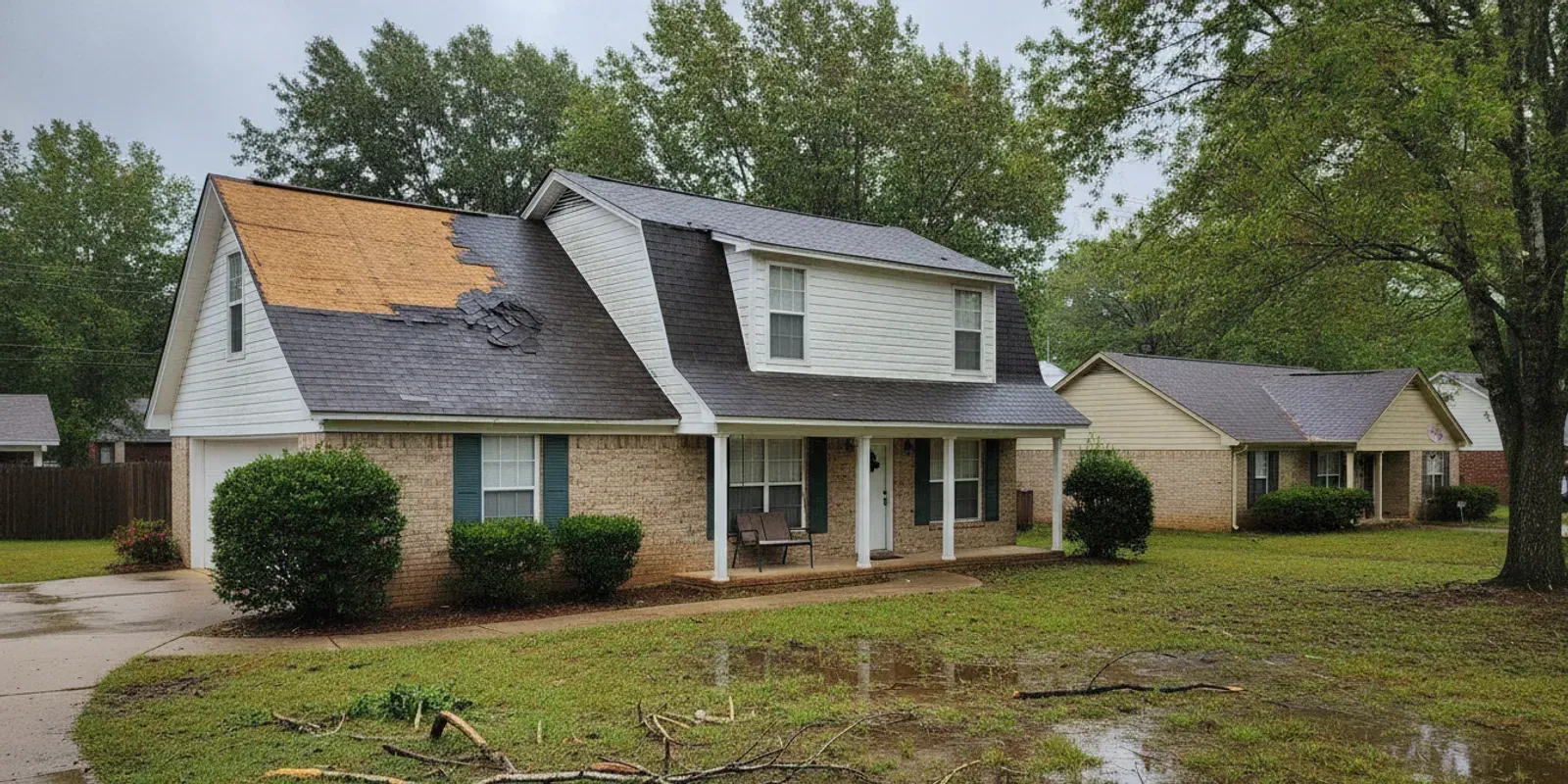
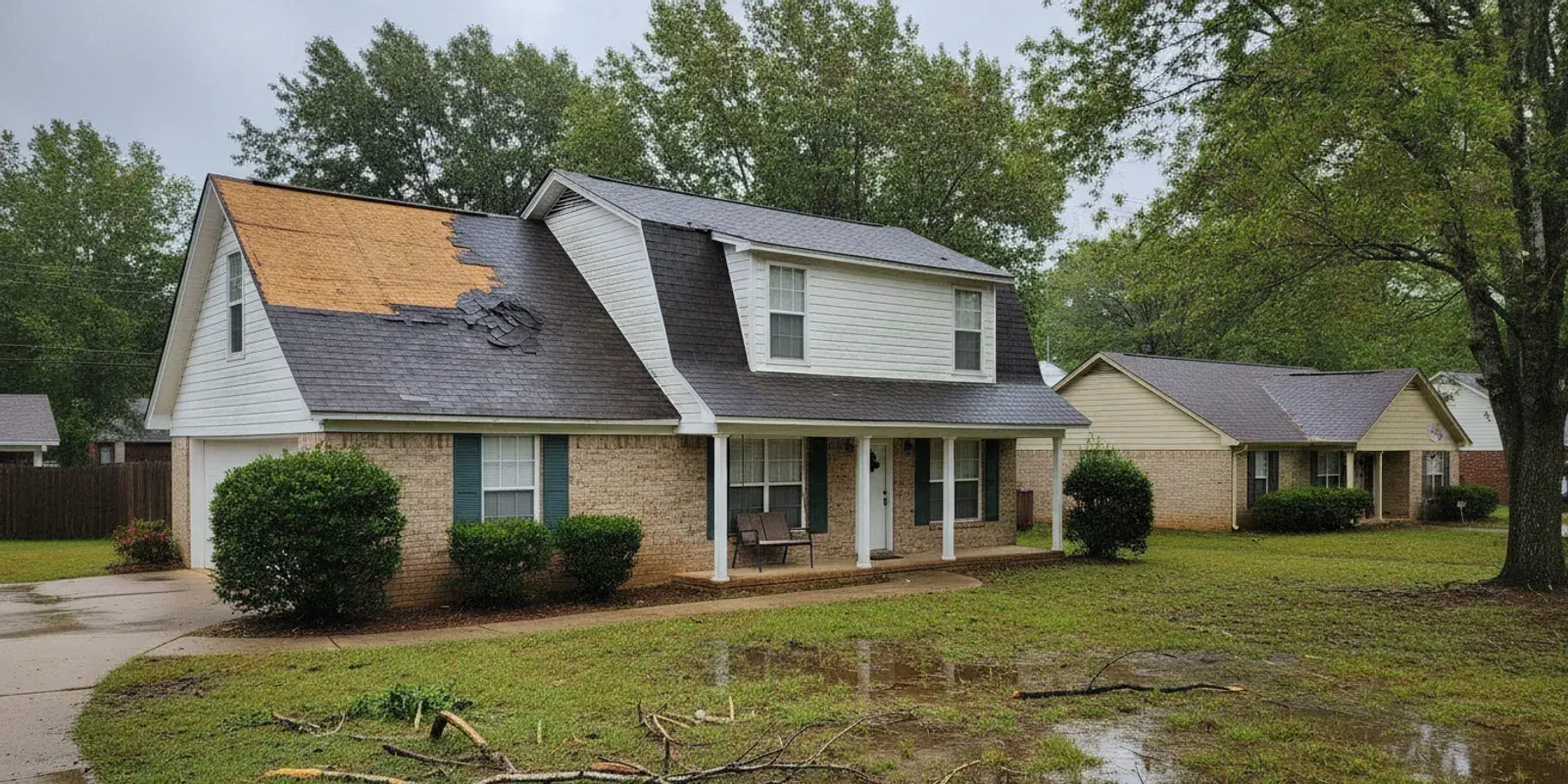
High winds from a thunderstorm or hail can easily lift, crack, or tear shingles completely off your roof. Even a single missing shingle creates an entry point for water to seep into the underlayment and decking below. This is one of the most common causes of leaks after a storm. That’s why it’s a good idea to visually inspect your roof from the ground after any significant weather event. If you see shingles that are curled, cracked, or missing altogether, you’ll want to schedule a professional roof repair as soon as possible to prevent a small issue from turning into major water damage.
Clogged Gutters
Your gutters play a crucial role in directing rainwater away from your home, but they can’t do their job if they’re clogged with leaves, pine needles, and other debris. When water can’t flow freely, it backs up and pools along the edge of your roof. This standing water can easily seep underneath your shingles and rot the wood of your roof decking and fascia. Keeping your gutters clean is one of the most effective and simple ways to prevent water damage, protecting your roof, foundation, and landscaping from the effects of overflowing water.
Skipped Maintenance
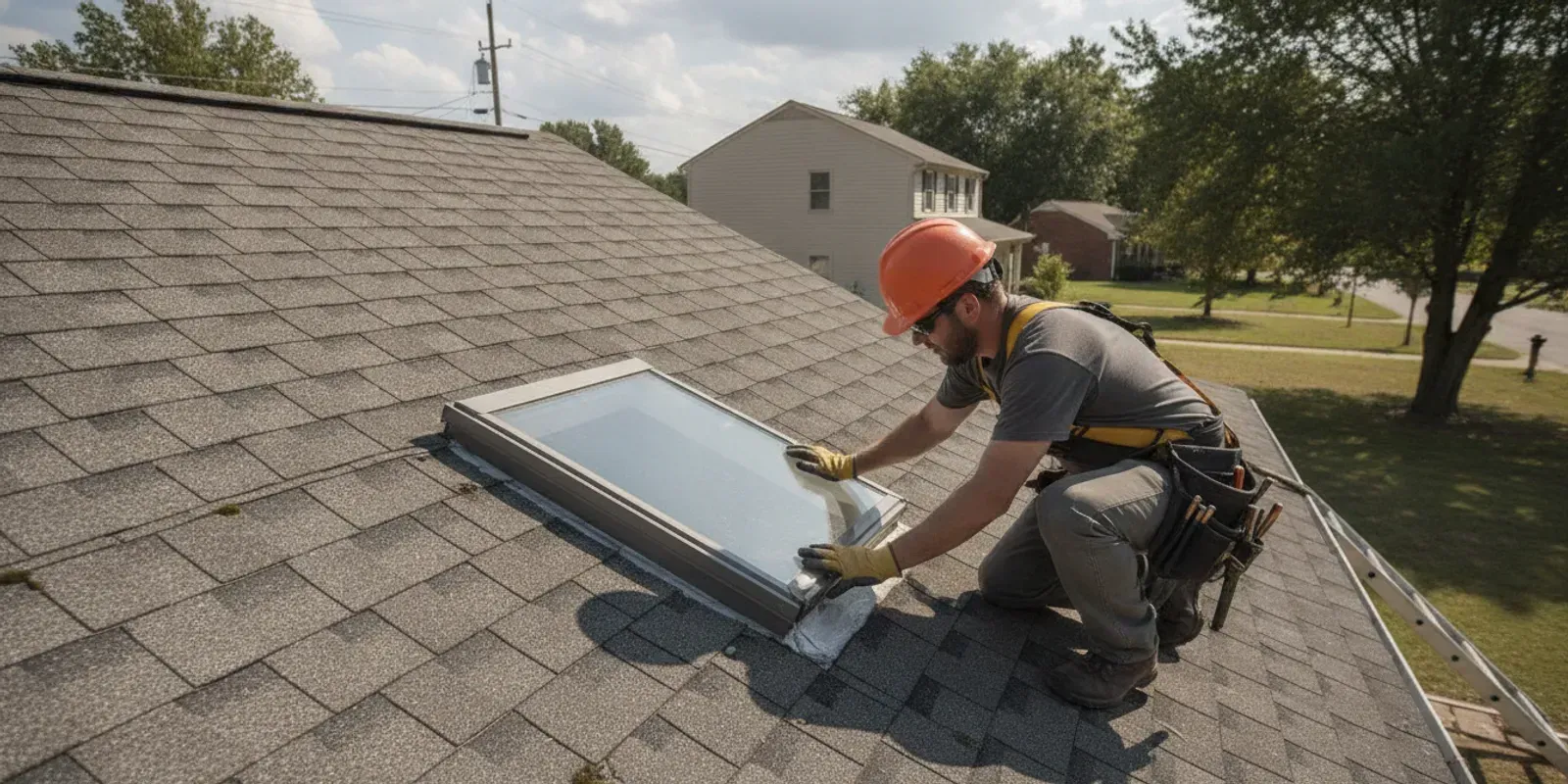
Small issues can become big problems when they aren’t addressed. Things like cracked sealant around vents, pipes, and skylights or failing flashing in roof valleys are common sources of leaks that develop over time. These are often subtle problems that you might not notice from the ground. Regular maintenance helps catch these minor issues before a heavy rain turns them into a major headache. Because insurance policies typically do not cover leaks caused by a lack of maintenance, staying on top of these small repairs is one of the best ways to protect your home and your wallet.
Will My Insurance Cover a Roof Leak from Rain?
Finding a water stain on your ceiling after a storm is stressful, and your first thought is probably, "Will my insurance pay for this?" The answer isn't a simple yes or no. It almost always comes down to the *cause* of the leak. Insurance is designed to protect you from sudden, accidental events, not from the slow march of time or a lack of upkeep. Understanding what your policy covers (and what it doesn't) before you file a claim can save you a lot of time and frustration.
What Your Policy Likely Covers
Generally, your homeowners insurance policy will cover a roof leak if it was caused by a specific, unforeseen event, often called a "covered peril." Think of things that are out of your control. This typically includes damage from severe weather like a hail storm or strong winds that tear off shingles. It also covers damage from falling objects, such as a tree branch crashing onto your roof during a storm. If one of these events creates an opening that lets rain in, your policy will likely cover the repairs to the roof and the resulting water damage inside your home.
Sudden vs. Gradual Damage: Why It Matters
This is the most important distinction for any insurance claim. Insurance is for accidents, not aging. If your roof leak is the result of a sudden event, like a storm, you're likely covered. However, if the leak is due to gradual damage, your claim will probably be denied. This includes problems from normal wear and tear, like shingles that have simply reached the end of their lifespan. It also applies to leaks caused by a lack of maintenance, such as failing to fix a small, known issue that slowly worsened over time. An insurer sees that as your responsibility to maintain the property.
Flood vs. Storm Damage: Know the Difference
It’s also important to understand how insurance companies define different types of water damage. A standard homeowners policy covers damage from rain entering your home *through* a damaged roof. For example, if wind rips off your shingles and rain pours into your attic, that’s storm damage. However, this is different from flood damage. Flooding refers to water that rises from the ground up, like from an overflowing river or storm surge. Damage from this type of event is not covered by a standard policy and requires separate flood insurance. Make sure you know which type of damage you're dealing with.
What Your Policy Likely Excludes
The biggest reason for a denied roof leak claim is neglect or poor maintenance. Your insurance policy is not a warranty or a maintenance plan. It explicitly excludes damage that results from your failure to keep the property in good condition. If your roof is 25 years old and has worn-out shingles that let water in, the insurer will likely point to old age as the cause. Similarly, if your gutters are clogged with debris, causing water to back up and seep under your roof, that’s considered a maintenance issue. Working with a trusted roofing partner helps you stay on top of these tasks and protect your home.
Found a Leak? Here’s What to Do Right Now
Discovering a water stain on your ceiling is a heart-sinking moment, but don't panic. What you do in the next few hours is critical for minimizing damage and setting yourself up for a smooth insurance claim process. Acting quickly and methodically can save your belongings, protect your home’s structure, and make a world of difference when it’s time to file your claim. Think of this as your emergency action plan. By following these steps, you can take control of a stressful situation and get on the fastest path to a dry, secure home.
This isn’t just about stopping a drip; it’s about protecting your biggest investment. From containing the water to documenting the evidence and making the right phone calls, each step is designed to help you manage the immediate crisis and prepare for the repairs ahead. Remember, you don't have to go through this alone. A professional roofing partner can guide you through the repair process and help ensure the work is done right. The goal is to get your home back to normal as quickly as possible, and it all starts with these five immediate actions for your residential roofing system.
Contain the Water and Protect Your Stuff
Your first priority is damage control. Grab buckets, trash cans, and old towels to catch any dripping water immediately. If you see a bulge forming on your ceiling, it’s likely water pooling in one spot. Carefully place a bucket underneath it and puncture the center of the bulge with a small screwdriver to release the water. This controlled drain can prevent the drywall from collapsing under the weight. Next, move any furniture, electronics, rugs, and other valuables out of the affected area. Your homeowners insurance will likely help cover repairs to the inside of your home and damaged personal items, but it’s always better to prevent that damage in the first place.
Document the Damage (Before You Touch Anything)
Before you start any cleanup, grab your phone and become a detective. Take clear photos and videos of everything. Document the active leak, the water stains on your ceiling and walls, and any puddles on the floor. Make sure to get wide shots of the entire affected room and close-ups of damaged furniture or personal belongings. This visual evidence is one of the most powerful tools you’ll have when you file your insurance claim. It proves the extent of the damage and connects it directly to the roof leak. Don’t forget to photograph the source of the leak in your attic if you can safely access it. Having a trustworthy team on your side can also make this process less stressful.
Make Quick, Temporary Fixes
After you’ve documented everything, you can take steps to slow the leak until a professional arrives. Please remember, these are temporary solutions meant to mitigate damage, not permanent repairs. Your safety is the top priority, so don’t attempt anything you’re not comfortable with, especially on a wet roof. One of the most effective temporary fixes is securing a tarp over the damaged area on the exterior of your roof. If the leak is small and easily accessible, a thick coat of roofing cement or sealant can also provide a temporary patch. These quick fixes show your insurance company that you took responsible steps to prevent further harm while waiting for a professional assessment.
Call Your Insurance Company
With the immediate situation under control, it’s time to make the official call. Contact your insurance agent or the company’s claims department as soon as possible to report the leak. The person you speak with will walk you through the next steps, assign a claim number, and schedule a visit from an adjuster. Don't delay this step. As insurance experts at GEICO note, waiting too long can sometimes complicate your ability to get coverage. Being proactive shows you’re on top of the situation. This is also a good time to think about preventative measures for the future, like ensuring you have clean and functional gutters to direct water away from your home.
Save All Your Receipts
From this moment forward, start a folder and keep a detailed record of every expense related to the leak. This includes receipts for the buckets and tarps you bought for temporary fixes, any cleaning supplies, and especially the invoice for professional emergency repairs. If the damage is severe enough that you need to stay elsewhere, keep records of those costs as well. Your insurance company will require this paper trail to process your reimbursement for any out-of-pocket expenses. Staying organized will make the claims process much smoother and help ensure you get back every dollar you’re entitled to. When you're ready for a permanent solution, the team at Total Roof Solutions is here to help.
How to File Your Insurance Claim (and Get It Approved)
Dealing with a roof leak is stressful enough without adding insurance paperwork to the mix. But filing a claim doesn’t have to be a nightmare. The key is to be organized, thorough, and proactive. Think of it as building a case: the more evidence and expert support you have, the smoother the process will be. By following a few clear steps, you can confidently present your situation to the insurance company and get the approval you need for repairs.
Working with a trusted local roofer can also make a world of difference. A professional can provide the detailed documentation and expert assessment that insurance adjusters look for. We’ve helped countless homeowners in the Atlanta area through this process, and we’ve found that a methodical approach is always the most effective. Let’s walk through the exact steps to take to file your claim and get it approved.
Step 1: Review Your Policy
Before you even pick up the phone to call your agent, pull out your homeowner's insurance policy. Take some time to understand exactly what your insurance policy covers and, just as importantly, what it excludes. Look for language about "covered perils," which are the specific events (like wind or hail) your policy protects you against. Pay close attention to the difference between sudden damage and gradual wear and tear, as this is a common reason for claim denials. Also, find your deductible amount so you know how much you'll be expected to pay out of pocket. This initial review helps you set realistic expectations and prepare for your conversation with the insurer.
Step 2: Gather Your Proof
Now it’s time to become a detective. Your goal is to document everything. Before you move or clean anything, grab your phone and take clear photos and videos of all the damage. Capture the active leak, the water stains on your ceiling and walls, any damaged furniture or belongings, and the state of your roof if you can see it safely from the ground. If the leak started after a specific storm, make a note of the date and time. This visual evidence is one of the most powerful tools you have. It creates a clear record of the damage at its worst, which will be essential for validating your claim with the insurance adjuster.
Step 3: Schedule a Professional Inspection
While your photos show the effects of the leak, you need an expert to identify the cause. This is where you bring in a professional roofing contractor. Schedule a professional inspection to get a formal assessment of the damage. A qualified roofer can pinpoint the source of the leak, determine the full extent of the problem (which may not be visible to the untrained eye), and document whether it was caused by a storm, falling debris, or another covered event. This report from a licensed professional adds significant weight to your claim and shows the insurance company you’ve done your due diligence.
Step 4: Get a Quote from a Pro
After the inspection, the roofing contractor can provide a detailed, itemized quote for the necessary repairs or a full roof replacement. This isn't just a number on a piece of paper; it's a critical piece of your claim documentation. The quote should outline the scope of work, the materials needed, and the labor costs. This document helps the insurance company understand the financial side of the damage and provides a baseline for the settlement amount. Having a comprehensive quote from a reputable company like Total Roof Solutions demonstrates that you are serious about getting the job done right with a fair and accurate budget.
Step 5: Submit Your Claim and Follow Up
With your policy reviewed and your documentation in hand, it’s time to contact your insurance company. Report the leak as soon as possible, as waiting too long can sometimes complicate a claim. When you call, have your policy number, photos, inspection report, and professional quote ready to go. Be prepared for the insurance company to send their own adjuster to inspect the damage. After you’ve filed, keep a log of every conversation. Note the date, time, and the name of the person you spoke with, along with a summary of your discussion. Consistent, polite follow-up is key to keeping your claim moving forward.
How to Strengthen Your Claim and Avoid a Denial
When you’re dealing with a leak, the last thing you want is a long, drawn-out battle with your insurance company. A denied claim can feel like a final blow, but you have more power than you think. The key to getting your claim approved is to build a strong, undeniable case from the very beginning. Think of it as preparing a file that leaves no room for doubt. Insurance adjusters are trained to look for signs of pre-existing damage or neglect, as these are common reasons for denial. Your job is to provide clear, organized evidence that the damage was sudden, accidental, and covered by your policy.
By being methodical and proactive, you can show that you’re a responsible homeowner and that the damage from the heavy rain was an unavoidable event. This shifts the conversation from "Was this your fault?" to "How can we fix this?" The following steps will help you gather the proof you need to make your claim as solid as possible, giving you the best chance at a quick and fair resolution. It takes a little extra effort upfront, but it can save you a massive headache and a lot of money down the road.
Keep Good Maintenance Records
Your insurance company wants to see that you’ve been taking care of your home. A file folder filled with receipts for past repairs, gutter cleanings, and inspections is your best evidence against a claim denial based on neglect. These records prove you’re a responsible homeowner and that the leak was caused by a specific event, like a storm, not by years of deferred maintenance. Before you even call your insurer, gather any documents you have. If you’ve had regular roof inspections, find those reports. This paper trail demonstrates a history of care, making it much harder for an adjuster to argue that the damage was gradual or preventable.
Partner with a Licensed Roofing Pro
Before the insurance adjuster arrives, have a trusted professional assess the damage. An independent report from a licensed roofing pro provides a credible, expert opinion on the cause and extent of the leak. This is your secret weapon. While you can take photos of the water stains on your ceiling, a roofer can provide images of the lifted shingles or damaged flashing that caused it. Their detailed inspection report and written quote give you a powerful baseline for your claim. It ensures the adjuster doesn't overlook critical damage and helps you understand the true scope of repairs needed to make your home safe again.
Document Every Call and Email
From the moment you discover the leak, start a communication log. Grab a notebook or create a digital file and record every interaction related to your claim. For every phone call with your insurance company, write down the date, time, the name of the person you spoke with, and a summary of what was discussed. Save every email in a dedicated folder. This meticulous record-keeping creates a clear timeline and holds everyone accountable. It also helps you settle your insurance claim by ensuring no details are forgotten. Be sure to also save all receipts for any temporary fixes you make, like buying a tarp or hiring an emergency repair service.
Should You Hire a Public Adjuster?
You may hear about hiring a public adjuster, who is an independent professional you pay to manage your claim on your behalf. While they can be helpful for very large or complex claims, it’s often not the necessary first step for a typical roof leak. It’s also wise to be cautious about who you discuss the claim with initially. Some homeowners report that even calling their insurance company for advice can be logged and potentially affect future premiums. Instead of immediately hiring a public adjuster, consider starting with a trusted roofer. A good contractor can often provide the documentation and guidance you need to successfully file the claim yourself.
Will Filing a Roof Leak Claim Affect My Insurance Premiums?
It’s the big question on every homeowner's mind after discovering a leak: should I file a claim? The honest answer is, it might affect your premiums, so it’s smart to be strategic. Filing a claim can signal to your insurance provider that you are a higher risk, which could lead to an increase in your rates. In some cases, especially if the damage is determined to be from a lack of maintenance, they could even decide not to renew your policy.
Here’s something many people don’t realize: even calling your insurance company just to ask questions about a potential claim can be recorded. This inquiry might be logged on your file and could be factored into future rates, even if you never file the claim or if it gets denied. This is why your first call shouldn't be to your insurer, but to a trusted roofing professional.
Getting a professional inspection first is the best way to protect yourself. A roofer can assess the damage, determine the cause, and give you an accurate estimate for the repair. With this information, you can make a clear-headed decision. If the repair cost is less than or close to your deductible, it makes financial sense to handle it out of pocket. If the damage is extensive and clearly caused by a covered event like a storm, you can then proceed with your claim confidently, armed with a professional assessment. This approach helps you avoid making unnecessary claims that could raise your homeowners insurance premiums while ensuring you use your coverage when you truly need it for significant residential roofing damage.
Repair or Replace? How to Decide After Rain Damage
After you’ve managed the immediate leak, you’re left with a big question: do you need a simple repair or a full roof replacement? The right answer depends on the extent of the damage, the age of your roof, and what your insurance policy will cover. This decision can feel overwhelming, but breaking it down makes it much more manageable.
Your insurance policy is the first place to look. Most homeowners insurance is designed to cover damage from sudden, accidental events. For example, if high winds tore off a section of shingles or a tree branch fell and punctured your roof during the storm, your policy will likely help. However, insurers draw a hard line between this kind of damage and problems caused by neglect or old age. If your roof is leaking simply because it’s old and worn out, your claim will probably be denied. As Progressive notes, insurance typically won't pay for a leak if it happens because you didn't maintain your roof.
Next, consider the costs. If you have a few isolated spots of damage and the repair cost is less than your insurance deductible, a simple repair is the obvious choice. But if the damage is widespread, or if your roof is nearing the end of its lifespan anyway, a replacement might be the smarter financial move. Putting your deductible toward a complete residential roof replacement that will last for decades is often a better investment than paying for a temporary patch on an aging system. The only way to know for sure is to get a professional opinion. A thorough inspection will uncover the true extent of the damage and give you the clarity you need to make the best decision for your home.
How to Prevent Future Leaks (and Protect Your Coverage)
After dealing with a leak, the last thing you want is a repeat performance. The best way to handle future roof leaks is to prevent them from happening in the first place. Proactive maintenance not only protects your home but also plays a huge role in keeping your insurance coverage valid. Insurance providers expect homeowners to keep their property in good repair. When you can show you’ve been diligent, it strengthens your position if you ever need to file a claim. Taking a few simple steps throughout the year can save you from the stress and expense of water damage down the road.
Schedule Annual Roof Inspections
Think of an annual roof inspection as a wellness checkup for your home’s most important protector. Having a professional check things out once a year helps you catch potential issues long before they turn into a catastrophe. A trained eye can spot subtle signs of wear, loose shingles, or compromised flashing that are easy to miss from the ground. Finding these problems early is the key to simple, inexpensive repairs. It’s a small investment that prevents minor trouble from escalating into major water damage, ensuring your roof stays in great shape and your insurance coverage remains intact.
Keep Your Gutters Clean
It’s easy to forget about your gutters, but they are critical to your roof’s health. When gutters get clogged with leaves, twigs, and other debris, rainwater has nowhere to go. Instead of flowing away from your house, it backs up and pools on your roof, seeping under shingles and causing rot. According to Progressive, you should keep your gutters clean and remove debris to prevent this. Consistently clean gutters are one of the easiest and most effective ways to protect your roof, foundation, and landscaping from water damage. If you’re tired of climbing ladders, we can also install gutter guards to make maintenance even easier.
Check Your Attic's Ventilation and Insulation
A healthy roof system involves more than just what you see on the outside. Proper attic ventilation and insulation are essential for preventing moisture buildup that can damage your roof from within. During the winter, warm, moist air from your living space can rise into the attic and condense on the cold underside of the roof deck, leading to mold and rot. In the summer, a poorly ventilated attic can trap extreme heat, baking your shingles from below and shortening their lifespan. Ensuring your attic has good airflow is a crucial step in managing temperature and moisture, protecting the structural integrity of your roof year-round.
Fix Small Problems Before They Get Big
When it comes to your roof, procrastination is not your friend. That one missing shingle or small stain on the ceiling might seem like no big deal, but ignoring it can lead to a denied insurance claim. As GEICO notes, insurance typically does not cover leaks caused by a lack of maintenance. Addressing minor issues as soon as you spot them is one of the most important responsibilities of a homeowner. Calling a professional for small roof repairs is a smart move that prevents water from getting into your home’s structure, where it can cause widespread and costly damage.
Related Articles
Frequently Asked Questions
Should I call my insurance company or a roofer first after finding a leak? Your first call should be to a trusted roofing professional. An insurance company will log your call, which can potentially affect your record even if you don't file a claim. By getting a professional inspection first, you gain a clear understanding of the problem's cause and the repair cost. This information empowers you to decide if the damage is extensive enough to warrant a claim or if it makes more financial sense to handle the repair out of pocket, especially if the cost is close to your deductible.
Is it really worth paying for a professional inspection before I even know if my insurance will cover the leak? Yes, absolutely. Think of a professional inspection report as your most valuable piece of evidence. It provides an expert, third-party assessment of the damage and its cause, which adds significant weight to your insurance claim. This report helps ensure the insurance adjuster doesn't overlook hidden damage and gives you a clear, itemized quote for the necessary work. It’s a small upfront investment that can prevent you from accepting a low settlement and ensures your roof is repaired correctly.
What can I do if my insurance company denies my roof leak claim? A denial can be frustrating, but it doesn't have to be the final word. First, carefully read the denial letter to understand the specific reason. Often, claims are denied due to a perceived lack of maintenance or because the damage is considered gradual wear and tear. If you have maintenance records and a professional roofer's report stating the damage was sudden (from a storm, for example), you can use this evidence to file an appeal. A clear, organized response with supporting documents can sometimes be enough to get the decision overturned.
My leak seems really small. Can I just wait and see if it gets worse? Please don't wait. A small water stain is just the visible symptom of a bigger problem. By the time you see a drip, water may have already been seeping into your attic, soaking insulation, and damaging the wooden structure of your roof for some time. Ignoring a small leak allows moisture to spread, which can lead to wood rot, mold growth, and much more expensive repairs down the line. Addressing it quickly is the best way to protect your home and prevent a minor issue from becoming a major disaster.
How do I know if I need a simple repair or a whole new roof? The decision usually comes down to three factors: your roof's age, the extent of the damage, and your long-term goals. If your roof is relatively new and the damage is isolated to one or two small areas, a professional repair is often the most sensible solution. However, if your roof is nearing the end of its expected lifespan or if an inspection reveals widespread issues like multiple leak points or brittle shingles, a full replacement is typically the smarter investment. It solves the immediate problem while giving you peace of mind for decades to come.