Commercial Roof Warranty Questions for Georgia Property Managers
MEGA MEGA • November 11, 2026
Compare commercial roof warranty terms, exclusions, maintenance duties, and claim steps with this practical checklist for Georgia property managers.

A commercial roof warranty in Georgia can help define what happens if a roof system develops a problem, but the word “warranty” by itself does not explain what is covered. Property managers should review the actual documents, the roof areas they identify, the exclusions, and the owner’s duties before comparing proposals or relying on coverage.
Request a commercial roofing estimate
What does a commercial roof warranty cover?
The written agreement controls. A warranty may address roofing materials, installation workmanship, or a larger roof assembly. These labels are useful starting points, not guarantees that every leak, repair, or resulting cost will be covered. Check who issues each document and what it says about the specific building.
Material coverage
A material warranty may address a defect in identified roofing products. The document may name the manufacturer, product line, eligible components, term, and conditions. Confirm that the installed materials match the document and that accessories or details you consider important are included. A product warranty should not automatically be treated as a promise about every part of the installation.
Workmanship coverage
A workmanship warranty may address installation-related issues under stated conditions. Check who is responsible for responding, which work is included, and how the agreement treats later repairs or work by another company. Ask for the actual written terms rather than relying on a verbal description of the length of coverage.
Roof-system coverage
Some documents describe a complete system or assembly. That description still needs definition. Identify the roof sections, membranes or other roof covering, flashings, edges, penetrations, and related components that the agreement names. Commercial buildings may have several roof areas installed at different times, so clarify whether the warranty applies to the whole building or only the project area.
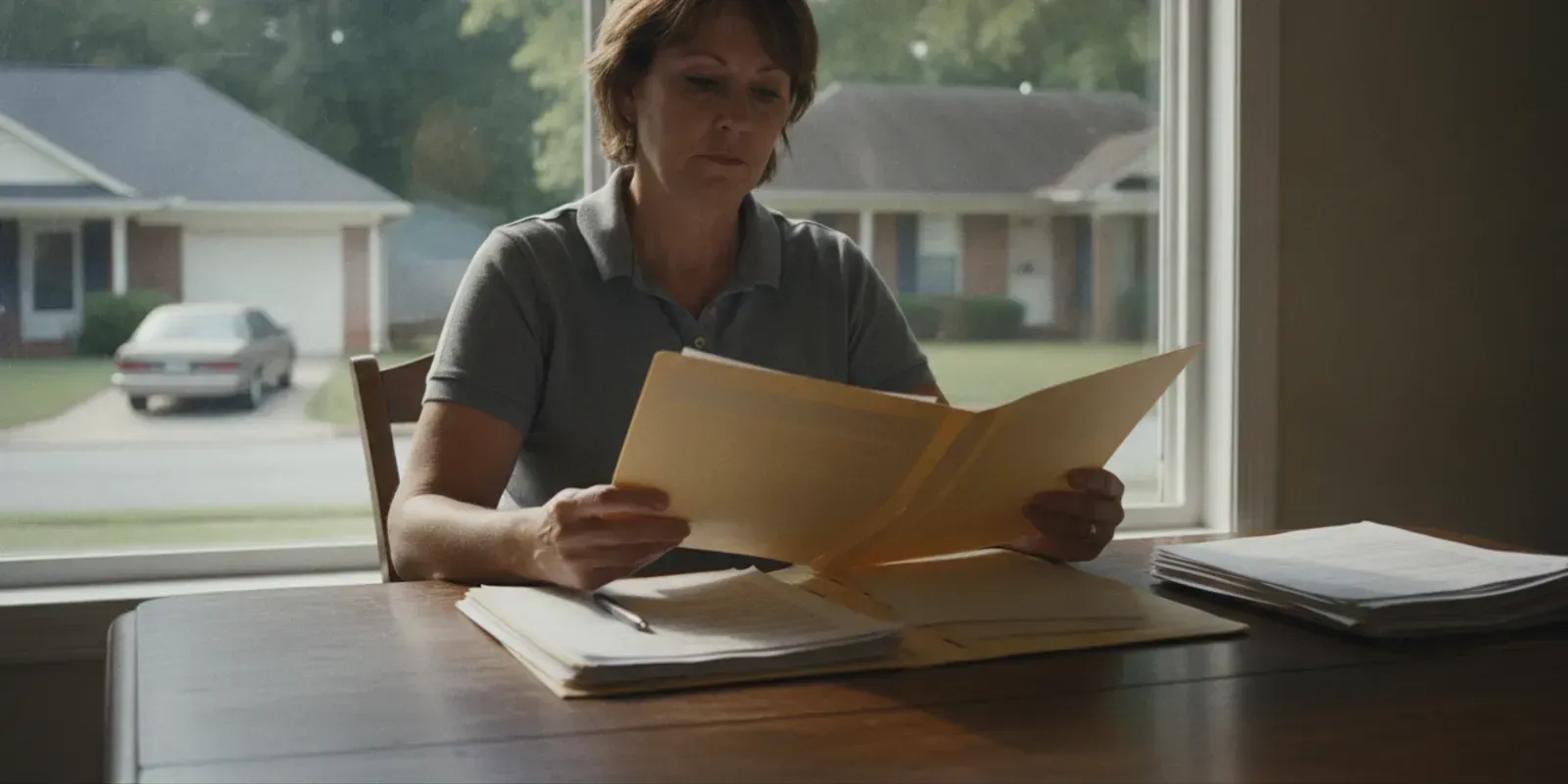
Keep each warranty with the proposal, approved scope, product information, invoices, closeout documents, and maintenance records. For context about the different systems used on low-slope buildings, review this commercial flat roofing guide.
What should you check in the warranty before accepting it?
Read the terms against the project that was actually proposed. If the building has more than one roof section, additions, or previous repairs, a generic building address may not be enough to identify what is covered. Ask for specific answers in writing when the document is unclear.
- Covered property: Does the document identify the correct building, roof areas, and project scope?
- Covered products and work: Which materials, components, and installation tasks are named?
- Issuer and contact: Who issues the agreement, receives a notice, and evaluates a potential claim?
- Start date and duration: When does coverage begin, and what event or date ends it?
- Conditions: Are there inspection, maintenance, repair, or recordkeeping duties?
- Limits and exclusions: What events, areas, or types of damage are outside the stated coverage?
- Claim process: How must a concern be reported, what documentation is requested, and are there deadlines?
- Transfer or ownership changes: Does the agreement explain what happens if the building is sold or management changes?
Do not assume a long stated term answers these questions. The useful comparison is the scope of the promise alongside the conditions attached to it. Ask the roofer to point to the specific document that will be delivered at closeout and to explain any difference between proposal language and the final warranty.
Which exclusions and conditions deserve a closer look?
Warranty terms vary, and the examples below are prompts for careful review rather than predictions about a particular agreement. Ask the issuer to explain how each topic is treated in the document for your building.
Maintenance and inspections
Some warranties set maintenance or inspection obligations. Find out what tasks are required, how often they are expected, who may perform them, and what records should be retained. Ask whether the agreement calls for clearing debris, checking drains, documenting roof access, or reporting a concern within a stated period. Do not adopt a schedule as a warranty requirement unless the written terms say so.
It is useful to keep a simple log even when a specific format is not required. Record the date, roof section, observations, work performed, person or company involved, and any photographs. Keep copies of invoices and service reports. If a technician notes an unresolved condition, record what follow-up was requested and when it occurred.
Alterations, penetrations, and roof access
Commercial roofs may be accessed by building staff, HVAC contractors, sign installers, electricians, and other trades. Ask how the warranty treats new penetrations, equipment work, repairs, or damage caused during access. Check whether approval is required before alterations and whether work must be performed by a particular provider. Keep work orders and photographs so later reviewers can understand what changed and when.
A practical coordination step is to tell contractors that roof work may be covered by a warranty and to ask them to report any damage or change to the property manager. Do not authorize a permanent modification based on an assumption that it is harmless to coverage; check the written requirements first.
Leaks and interior damage
A leak does not automatically establish that a warranty applies. The document may distinguish the roof-system repair from interior finishes, equipment, inventory, business interruption, temporary protection, or other resulting costs. Identify the limits in writing. If water reaches a tenant space or stored materials, document the interior condition separately from the roof condition and take reasonable steps to protect people and property.
Weather, drainage, and building conditions
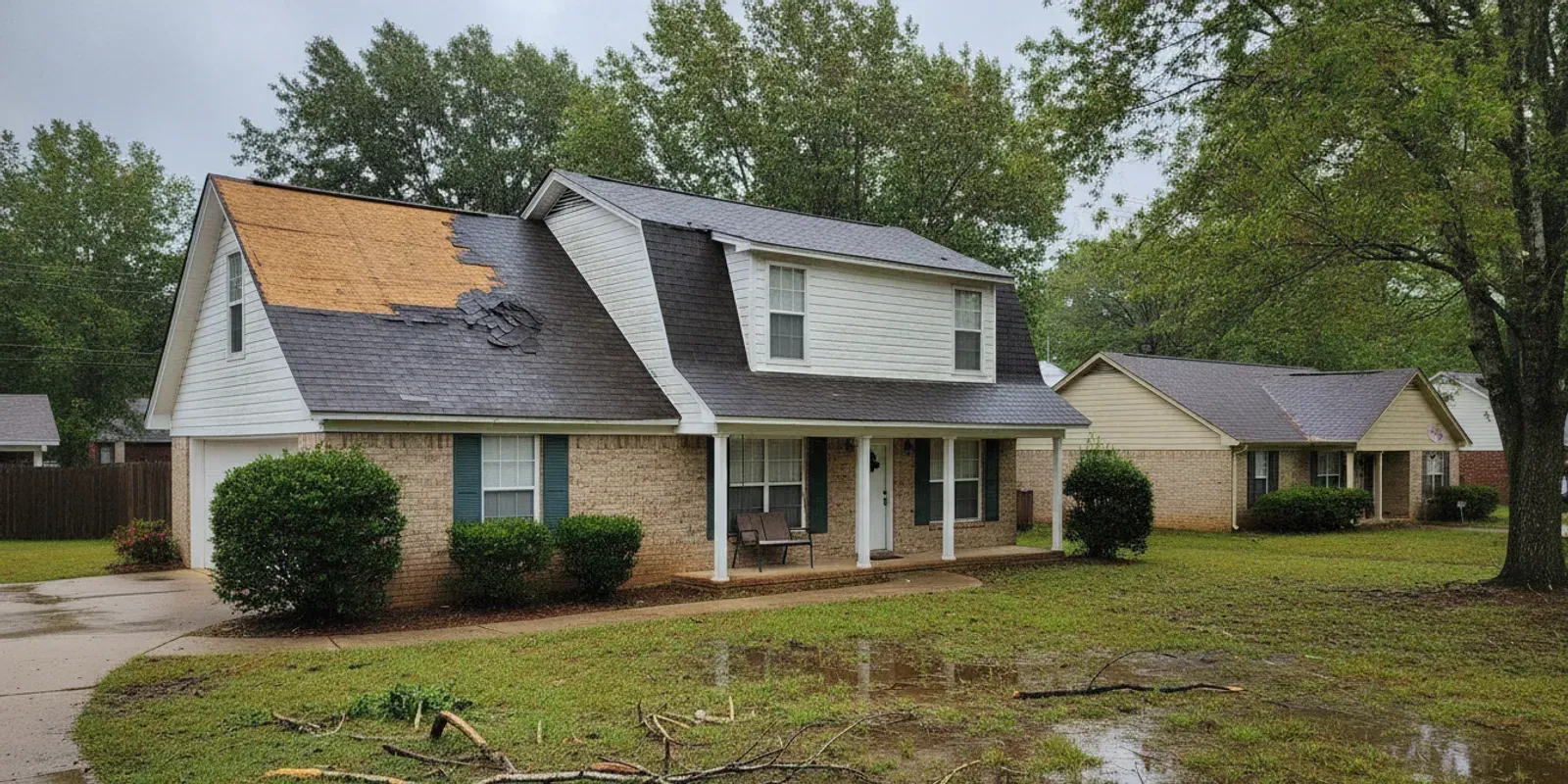
Review how the agreement treats severe weather, drainage, standing water, structural movement, and conditions beyond the roof system. A storm can create a need for prompt attention, but the event alone does not answer whether a specific loss is covered. Ask how the issuer evaluates the reported cause and what evidence it needs. For a commercial building, note which drains, roof sections, and interior areas are involved.
How can you compare warranty options fairly?
Use a written comparison rather than choosing by the largest number of years in a proposal. Summarize each option under the same headings and mark anything that needs an answer. The comparison should include the proposed roof work, the documents supplied, and the obligations left to the owner.
Compare coverage scope
List the roof areas, products, accessories, and installation work named by each option. If one proposal describes a whole system and another refers only to materials, ask what the difference means in practice. Confirm whether the documents are project-specific or whether the provider expects an additional application, inspection, or closeout step before they are issued.
Compare exclusions and owner duties
Record maintenance, inspection, access, alteration, and notice requirements in plain language. Note any exclusions that could matter for the building’s use, equipment, or roof layout. A proposal that appears simpler may still require careful follow-through, so identify who on the ownership or management team will keep records and coordinate service.
Compare response and claims steps
Write down the correct contact, required method of notice, information to include, and any stated timeline. Ask whether emergency measures are permitted while the concern is evaluated and whether the issuer wants to inspect before permanent repairs. These details matter during an active leak, when staff may otherwise act without knowing how the process works.
Compare project documentation
Ask what records will be delivered when work is complete: final scope, product details, warranty certificates, photographs, invoices, maintenance instructions, and contact information. Confirm how corrections or changes made during the project will be reflected. A clean closeout file helps a future property manager understand which system is installed and what documents apply.
For a broader view of how commercial roof work is planned, see the company’s guide to the business roof repair process and its commercial flat roof information. Use the proposal and warranty documents for the terms of your own project.
What should you do when you suspect a warranty issue?
Respond promptly, protect people, document what you can observe, and follow the written notice process. A potential warranty question should not delay reasonable steps to reduce immediate damage. At the same time, avoid actions that make it harder to understand what happened or that may conflict with the agreement.
- Make the area safe. Keep people away from hazards such as active leaks near electrical equipment, falling material, or unsafe access points. Do not send staff onto a roof unless they are authorized and equipped to do so.
- Record the first observations. Note the date and time, the interior location, visible symptoms, recent weather or building work if known, and who reported the problem. Photograph from a safe location.
- Limit further damage. Use reasonable temporary measures inside the building and preserve receipts or service records. Do not put staff at risk or assume a temporary measure is a permanent repair.
- Find the governing documents. Check which agreement covers the roof section and locate the stated contact, notice method, and deadlines.
- Notify the named party. Provide a concise description, photographs, relevant dates, and contact details. Keep a copy of the notice and any response.
- Ask before permanent work. If an urgent repair is needed, ask the issuer how to proceed and what evidence to preserve. If immediate action cannot wait, document the condition and the work as thoroughly as circumstances allow.
- Keep a claim file. Save emails, call notes, photographs, assessments, invoices, and decisions in one place, indexed by roof section and date.
Work on a commercial roof can involve fall hazards. For workplace safety guidance, consult the resources provided by the Occupational Safety and Health Administration; do not treat an article or a warranty review as a substitute for site-specific safety planning.
If a leak is active, this related guide explains what to do first about a roof leak. For more on documenting and assessing repair concerns, see roof repair advice for Georgia property owners.
How can property managers prepare before a roofing project?
Before approving work, gather the information a roofer will need to understand the building and the owner will need later. Identify the roof sections, approximate project area, known leak locations, prior repairs, equipment on the roof, and any access constraints. Share existing warranty documents and maintenance history where available. This context can help the proposal address the actual property rather than a generic roof description.
During proposal review, ask for the proposed scope and warranty documents to be described separately. Confirm what work is included, what is excluded from the project, and which warranty documents are expected. Ask who will apply for or issue a document, what information is needed from the owner, and when the final paperwork should arrive. If any answer is not yet known, record it as an open item rather than assuming it will be resolved automatically.
At closeout, compare the completed work with the approved scope. Collect the final warranty, product details, photographs, service contacts, invoices, and maintenance instructions. Make sure the file identifies the actual covered roof sections and notes any approved changes. Assign a person to keep the file available through staffing or management changes.
For properties near McDonough, you can review roofing services in Henry County or the company’s broader Georgia service information. The company also shares examples of completed roofing work that can help you understand its project experience.
What questions should you ask a commercial roofer?
Bring a short list to a proposal conversation and request written answers where the warranty language is important to your decision:
- Which warranty documents apply to this proposed system, and who issues each one?
- What roof sections, components, and work are included in each document?
- What does the property owner have to do to maintain eligibility?
- Are inspections, service records, or approved repairs required?
- How might other contractors’ roof access, equipment work, or later alterations affect the terms?
- What kinds of damage or costs are outside the stated coverage?
- Who should receive a claim notice, how should it be sent, and what information should it include?
- What should staff do if water enters the building before a review can take place?
- What records will be delivered at closeout, and when?
- What should management do if the property is sold, leased, or placed under new management?
Ask the roofer to distinguish general explanations from promises contained in the final agreement. If a particular condition matters to your building, point to it and ask where the document addresses it. A clear answer should help you understand both the protection offered and the tasks that remain with the owner.
For questions about a commercial roofing project, review commercial roofing considerations and contact the team through its commercial roofing contact page. You may also use the company’s estimate request page to discuss a project.
How can a property manager apply this checklist?
Consider a property with two low-slope roof sections: one installed during the original construction and another added later. A leak appears above an office after a storm, but the maintenance file contains records for only the newer section. This situation does not establish whether a warranty applies. It does show why the manager should identify the affected roof area and match it to the correct scope and documents before assuming the entire building has the same coverage.
First, the manager can record where water appeared inside, when it was noticed, and whether the leak followed recent roof access or building work. Photographs should show the interior condition and any accessible exterior evidence without putting staff on an unsafe roof. If water threatens equipment or occupants, reasonable protection comes first; the manager can keep receipts and note what was done.
Next, locate the project file and see whether the original and added roof sections have separate agreements. Compare the address, project date, covered area, materials, and named issuer. If the file does not identify the location precisely, ask the contractor or warranty provider how to establish which document applies. Do not treat a product list or a building address alone as proof that a particular section is covered.
Then follow the notice steps in the relevant agreement. Send the required information to the named contact, save a copy, and ask whether an inspection should occur before permanent repairs. If a separate HVAC contractor recently accessed the roof, include that timeline factually rather than making an unsupported conclusion about the cause. Preserve service notes and invoices so the reviewer can understand what happened.
After the immediate issue is handled, the manager can close the recordkeeping gap. Add the roof-section map or project description, final documents, repair reports, dated photographs, and future maintenance records to a shared building file. Assign responsibility for updating it after roof access or new work. This example is not a coverage decision; it illustrates how a clear chronology and section-specific records can make a warranty inquiry more organized.
Frequently asked questions about commercial roof warranties
Does a commercial roof warranty cover every leak?
No. The agreement, the source and location of the problem, applicable exclusions, and required owner actions all matter. Report a concern using the document’s stated process and ask the issuer what information it needs to evaluate the issue.
Is a manufacturer warranty the same as a workmanship warranty?
Not necessarily. A manufacturer document may address specified products, while a workmanship document may address installation under its own terms. Identify who issues each document and what each one specifically covers before comparing them.
Can roof maintenance affect warranty coverage?
It can when the written terms make maintenance, inspections, or records a condition. Check the actual agreement for required tasks and timing, and keep dated notes and invoices for work performed.
What records should a property manager keep?
Keep the signed warranty, proposal, approved scope, product details, closeout records, invoices, maintenance notes, photographs, repair reports, and claim communications. Organize them by building and roof section so a new manager can find the relevant documents.
Should a property manager wait for a warranty review before addressing a leak?
No. Take reasonable, safe steps to protect people and limit further damage while following the agreement’s notice process. Ask the issuer how to handle permanent work and preserve evidence, but do not let paperwork delay necessary action for immediate safety.
Discuss your commercial roofing project
Reviewing the written terms before work begins and keeping a clear project file can help Georgia property managers understand their responsibilities and respond more confidently if a roof concern arises.