Understanding Roofing Insurance Coverage for Homeowners in Atlanta

SEO Analysis • February 4, 2025


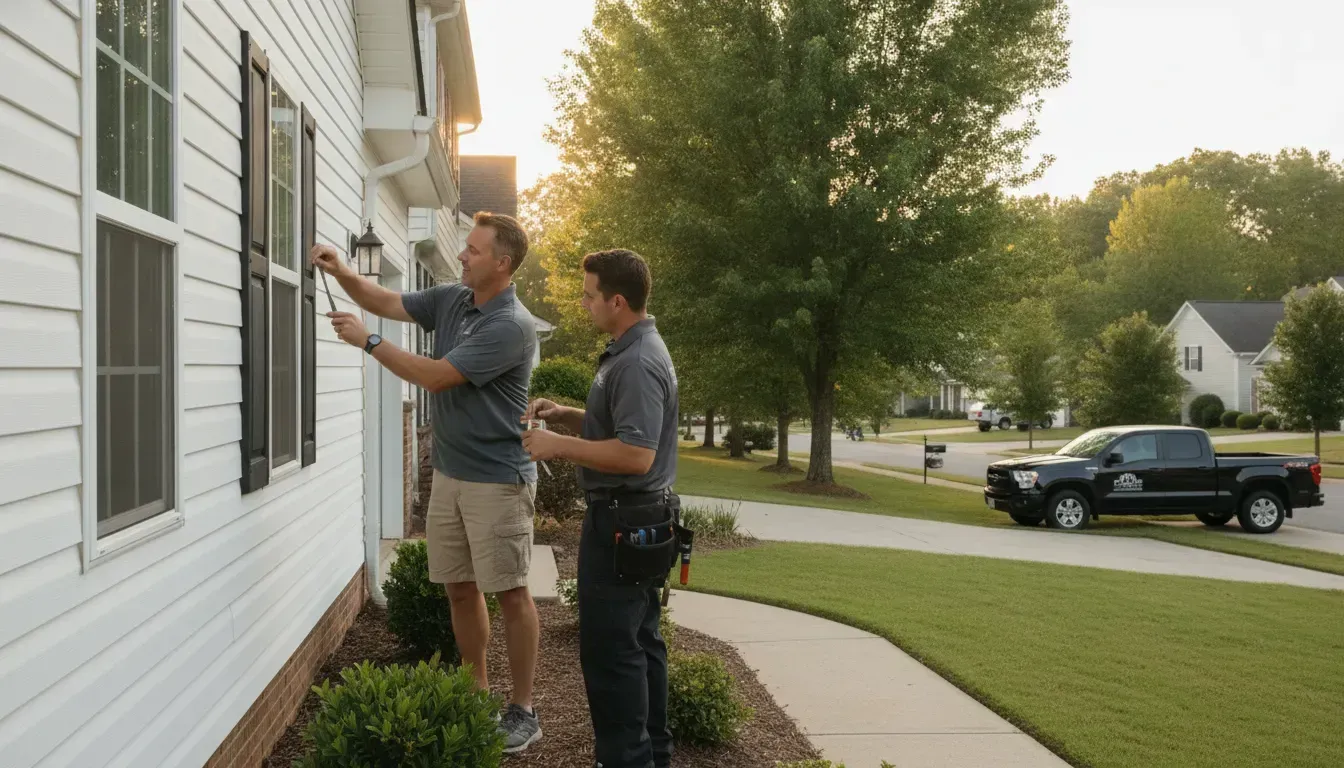
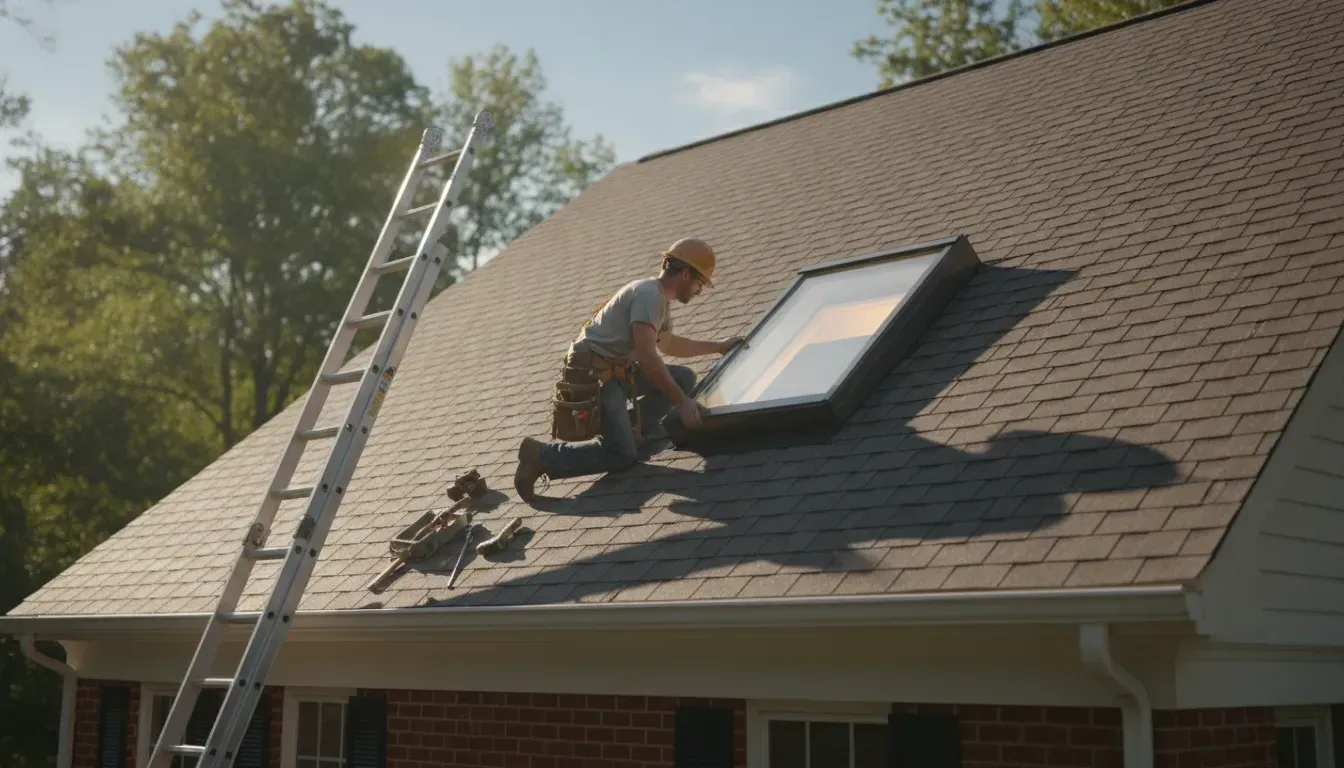
As adults, we come to realize the importance of being insured. Whether it's our cars, our health, or our properties, having insurance gives us peace of mind should anything terrible happen. Homeowners especially know how vital it is to be insured for all manner of unforeseen disasters like storm or water damage. Roofing insurance falls into the category of crucial policies for homeowners.


Many homeowners in Atlanta may be unaware that roofing insurance is crucial for protecting their property from issues like flood damage and general wear and tear. This article will explain the essential aspects of roofing insurance, including how to determine personal coverage needs and common exclusions. Readers will gain insight into filing claims for roofing repairs and tips on choosing the right insurance provider in Georgia. By addressing these challenges, homeowners will be better equipped to protect their investments with appropriate roofing insurance.


Overview of Roofing Insurance Coverage in Atlanta


Roofing insurance coverage is essential for homeowners in Atlanta, as it protects against risks associated with roof damage. Key features of these policies include various coverage types, such as liability and property damage, which provide necessary support in the event of debris removal or repairs for residential roofing in Atlanta. Understanding local regulations is crucial, ensuring homeowners select the right insurance company for their needs and obtain an instant quote for comprehensive protection.


Key Features of Roofing Insurance Policies


Roofing insurance policies typically cover various aspects that are crucial for homeowners in Atlanta. One significant feature is the inclusion of workers compensation insurance, which protects homeowners from financial liability if a contractor suffers an injury while performing roofing work on their property. Additionally, these policies often facilitate roof replacement claims in cases of severe damage, offering peace of mind that homeowners will receive the necessary financial support to restore their property.


Understanding the claims process is vital when dealing with a roof insurance claim. Homeowners should be prepared to document any damages thoroughly and communicate effectively with their insurance providers. This knowledge not only aids in ensuring fair compensation but also streamlines interactions with contractors to ensure timely repairs. By familiarizing themselves with these key features, homeowners can make informed choices that align with their specific insurance needs and protect their investments in their homes.


Typical Coverage Types for Homeowners


Homeowners in Atlanta should be aware that typical roofing insurance programs often encompass various coverage types suited for different needs. One significant aspect is property damage coverage, which assists in repairs following a storm or other damaging events. This type of coverage is essential as it ensures that homeowners can recover financially without facing a significant loss, allowing them to focus on restoring their homes with confidence.


Another critical element is workers' compensation, which provides protection against liability in the event a contractor is injured while working on a roofing project. This coverage helps mitigate the risk of potential lawsuits arising from such incidents, ensuring that homeowners are not left with unexpected expenses. By selecting a robust insurance policy that includes these features, homeowners can equip themselves with the necessary gear to handle any roofing issues effectively.


Importance of Understanding Local Regulations


Understanding local regulations surrounding roofing insurance coverage is essential for homeowners in Atlanta. Compliance with these laws helps protect against legal liability in the event of disputes with contractors or insurance claims related to roofing work. Additionally, knowledge of regulations can guide homeowners in selecting the appropriate commercial property insurance that meets their specific needs, ensuring all aspects of their roof are adequately covered.


Homeowners should also be aware of potential issues related to storm chasing, where unreliable contractors may approach them after severe weather events. Familiarity with local laws can empower homeowners to discern reputable services from those possibly looking to take advantage of vulnerable situations. This proactive approach not only safeguards their investment but also enhances their overall peace of mind regarding roofing projects.


Determining Your Roofing Insurance Needs


Homeowners should assess their roof's condition and age, considering the life expectancy of roofing materials and any wear incurred over time. Calculating the value of the home is crucial, as it impacts coverage requirements. Additionally, understanding risk factors specific to Atlanta, such as weather patterns and local construction businesses, can help homeowners make informed decisions about their insurance needs. Each of these considerations will guide them in securing appropriate protection for their property.


Assessing Roof Condition and Age


Assessing the condition and age of a roof is vital for homeowners aiming to secure appropriate roofing liability insurance. A roof in good condition may lower premium costs and reduce the likelihood of needing extensive repairs or replacement. Homeowners should regularly check for signs of wear, such as cracked shingles or leaks, which could lead to personal injury claims if left unaddressed. Engaging reputable roofing companies for annual inspections can provide further insights on maintenance needs and potential risks.


The age of roofing materials plays a significant role in determining insurance needs as well. Older roofs may require more frequent repairs, which can increase risks for accidents involving roof work or ladder use. Homeowners with aging roofs should consider relevant insurance options that include coverage for liability related to employment of contractors. Understanding these factors not only helps ensure that homeowners are adequately protected but also prepares them for discussions with their insurance providers regarding necessary coverage levels.


Calculating the Value of Your Home


When calculating the value of a home, homeowners should consider factors such as the property's current market value, age, and any unique features that may affect its worth. This assessment directly influences what homeowners insurance covers, ensuring adequate protection for the home and its roof. Engaging a professional roofer or roofing business for an inspection can provide insights into the condition of the roof, which can impact its overall valuation and inform the necessary coverage options.


Additionally, homeowners need to account for potential repairs and maintenance costs related to the roof when determining value. Overlooking these aspects may result in insufficient homeowners insurance coverage in case of damage or a loss, leaving the homeowner vulnerable to significant financial impacts. Consulting with expert roofing businesses can provide valuable guidance on achieving the right balance in coverage based on the home's worth and its roofing needs.


Understanding Risk Factors Specific to Atlanta


Homeowners in Atlanta need to consider specific risk factors that can impact their roofing insurance needs. Weather-related issues, such as heavy rainfall and storms, increase the likelihood of roof damage requiring repairs or replacements. Therefore, obtaining a comprehensive policy that may include options for flood insurance can provide essential protection against these common risks, especially when working with roofing contractors who understand the region's challenges.


Additionally, understanding the potential for accidents during roofing projects is crucial for homeowners. Engaging in roof maintenance or replacement can lead to injuries if proper safety measures are not followed. Homeowners should ensure their insurance policy includes liability coverage to address any accidents involving roofing contractors, safeguarding against unexpected expenses associated with such incidents.


Common Roofing Insurance Exclusions


Homeowners in Atlanta should be aware of common exclusions in their homeowners insurance policy that can impact their claims. Natural disasters and weather-related damage, such as wind, may not always be covered. Limitations often exist regarding maintenance and wear-and-tear; thus, understanding these gaps is essential for safeguarding against unexpected expenses, including emergency repairs and potential liability related to employee benefits.


Natural Disasters and Weather-Related Damage


Homeowners in Atlanta should be particularly cautious about common exclusions in their roofing insurance policies regarding natural disasters and weather-related damage. Many standard policies may not cover damages caused by severe storms, hail, or wind, leaving homeowners at risk of significant expenses. For instance, if a storm damages a roof covered by an Owens Corning system, homeowners may find themselves facing costly repairs without the support of their insurance, underscoring the importance of understanding the specifics of their coverage.


Furthermore, even when policies include some weather-related coverage, there can be limitations that lead to misunderstandings during the claims process. Homeowners may be held responsible for damages resulting from general wear and tear, which often occurs after severe weather events. Engaging with experienced roofers can help homeowners navigate these complexities and obtain a free quote to better manage their roofing insurance needs, ensuring they have ample protection against unexpected risks.


Maintenance and Wear-and-Tear Limitations


Homeowners in Atlanta should be aware that roofing insurance policies often exclude coverage for maintenance and wear-and-tear. This limitation means that regular roof repairs, which are essential for prolonging the life of a roofing system, may not be compensated under standard insurance policies. For instance, if a roof is showing signs of deterioration, the warranty may not cover repairs needed due to negligence or lack of upkeep, emphasizing the importance of regular home improvement assessments.


Understanding these exclusions can help homeowners avoid unexpected expenses when addressing roof issues. If a homeowner encounters a leaking roof due to general wear, the financial burden of repairs could fall entirely on them. Choosing umbrella insurance may provide broader protection for these situations, allowing for a more comprehensive safety net that addresses risks associated with roof maintenance and potential revenue loss from property devaluation.


Liability and Coverage Gaps to Consider


Homeowners in Atlanta must recognize that liability coverage gaps can pose significant challenges when pursuing an insurance claim. For instance, if a subcontractor is injured while performing work on a roofing project, the homeowner may find themselves exposed to financial responsibility if their policy lacks adequate general liability coverage. Understanding the specific terms of the policy and ensuring that it includes comprehensive coverage for all types of contractors involved in roofing work is essential to avoid unexpected costs.


Moreover, the nuances of roofing insurance policies can vary widely, which makes it vital for homeowners to consult with trustworthy general contractors or roofing specialists about potential exclusions. A common oversight occurs when policies exclude damages related to negligence or improper work completed by subcontractors, leaving homeowners vulnerable to costly repairs. By engaging with experienced professionals in Atlanta, homeowners can better navigate the landscape of roofing insurance and secure the right coverage to protect their investments effectively.


How to File a Claim for Roofing Repairs


Filing a claim for roofing repairs involves a structured process that homeowners in Atlanta must navigate to ensure they receive the support they need. This section discusses the step-by-step claim process, highlights required documentation for claims, and addresses understanding potential claim denials and appeals. It’s essential for homeowners to be aware of their property's condition, including depreciation concerns and damage from snow or negligence, to facilitate a smoother claims experience.


Step-by-Step Claim Process for Homeowners


To initiate the claims process for roofing repairs, homeowners should first conduct a thorough assessment of their property to document all visible damages related to their asphalt shingle roof. Taking clear photographs and notes about the condition of the roof and surrounding areas serves as valuable inventory when presenting the case to the insurance provider. Furthermore, contacting a reputable roofing contractor can provide necessary insights and estimates, which are crucial in ensuring that the claim reflects the true extent of required repairs.


After gathering the necessary documentation, homeowners must reach out to their insurance agent to report the damage and begin the claims process. Providing all collected evidence, including photos and contractor estimates, helps streamline the procedure and may assist in managing insurance costs. If a claim gets denied or underpaid, homeowners can appeal by presenting additional information or clarification from their roofing contractor, emphasizing any relevant aspects like commercial auto insurance used during the repair process if it involves contractors' vehicles.


Required Documentation for Claims


To successfully file a claim for roofing repairs, homeowners in Atlanta must prepare specific documentation that demonstrates the extent of the damage. This includes detailed photographs of the affected areas, along with notes highlighting any incidents like lightning strikes that may have caused damage. Having these records makes it easier to present a case to the insurance provider and can expedite the claims process significantly.


In addition to visual evidence, homeowners should compile estimates from licensed roofing contractors, which serve as a critical part of the claim. These estimates are essential as they depict the anticipated costs of repairs and can influence how the insurance claim is processed. Furthermore, if applicable, homeowners may need to provide additional information about contractor insurance or related policies, such as builders risk insurance, to ensure comprehensive coverage during the repair work.


Understanding Claim Denials and Appeals


Understanding the reasons behind claim denials is crucial for homeowners navigating roofing insurance in Atlanta. A common reason for denial can stem from a lack of proper documentation or insufficient evidence of the damage, which emphasizes the importance of maintaining clear records. Homeowners should engage qualified contractors to provide estimates, ensuring that their insurance cover aligns with the actual repairs needed, particularly in cases involving theft or damage during construction projects.


If a claim gets denied, homeowners have the option to appeal the decision. The appeals process often requires additional documentation to support the initial claim, including updated estimates or further details that clarify the situation. Building a strong case through collaboration with reputable roofing specialists can enhance the chances of a successful appeal, providing homeowners with the necessary financial assistance to address roofing repairs effectively while safeguarding their investment in their properties.


Selecting the Right Insurance Provider in Georgia


Key considerations when choosing an insurance provider for roofing coverage in Georgia include asking important questions about liability and specific hail damage coverage. Homeowners should compare quotes and coverage options to ensure they choose a policy that fits their needs. Reading reviews and assessing customer service will help gauge the reliability of residential roofing contractors, providing insights that enhance decision-making.


Key Questions to Ask When Choosing a Provider


When selecting the right homeowners insurance company in Georgia, homeowners should ask about the specific coverage for hail damage and other weather-related incidents. Understanding how a policy addresses these risks is crucial, especially in areas prone to severe storms. Additionally, inquiring about roofing contractors insurance is vital to ensure that any hired professionals are adequately protected, which reduces financial liability for the homeowner in case of accidents during roofing work.


Homeowners should also consider whether the insurance provider offers inland marine insurance, which can cover damage to various structures during transport, including roofing materials. This type of coverage can be beneficial if a homeowner plans to engage in extensive roofing projects. By addressing these key questions, homeowners can secure a comprehensive insurance solution that effectively protects their property and reduces potential financial risks associated with roofing maintenance and repairs.


Comparing Quotes and Coverage Options


When comparing quotes and coverage options for roofing insurance in Georgia, homeowners should focus on key elements such as the bond coverage available and the specifics of their property insurance. Evaluating these factors ensures that the selected insurance policy not only meets their needs but also protects against potential liabilities. Homeowners can benefit from obtaining multiple quotes to identify which providers offer coverage that includes general liability insurance, essential for safeguarding against unforeseen incidents during roofing projects.


Moreover, researching customer feedback on various insurance companies will reveal insights about their service quality, responsiveness, and claim handling. Homeowners may want to consider how thoroughly their selected provider understands the significance of including specialized coverages related to roofing, such as those that address damages caused by electricians or other subcontractors. Informed decisions made from comparing options can lead to enhanced protection for their homes while also ensuring financial security against unexpected repairs.


Reading Reviews and Assessing Customer Service


Homeowners should prioritize reading reviews when selecting an insurance provider for roofing coverage in Atlanta. These reviews often highlight the quality of customer service and responsiveness during the claims process. For instance, positive feedback regarding timely reimbursement for water damage claims can indicate a reliable provider that values its clients and addresses their needs efficiently.


Additionally, assessing customer service involves understanding how well an insurance company communicates and supports its policyholders. Homeowners should look for companies that offer clear explanations regarding contracts and coverage types, such as commercial umbrella insurance. This proactive insight ensures that clients are well-informed about their coverage options, enabling them to make sound decisions that protect their homes effectively.


Future Trends in Roofing Insurance for Homeowners


The future of roofing insurance in Atlanta is shaped by several critical factors. First, the impact of climate change is prompting insurance companies to adjust home insurance policies and specify equipment insurance for better risk management. Innovations in insurance technology are enhancing the ability to cover roofs effectively. Additionally, regular home inspections play a pivotal role in updating liability coverage and ensuring policies reflect current conditions and risks.


Impact of Climate Change on Insurance Policies


Climate change is influencing roofing insurance policies in Atlanta, as insurers reassess risks associated with extreme weather events. As a result, homeowners may notice changes in their coverage options, including adjustments to premiums based on the credit risk profiles reflecting the likelihood of significant claims. Such shifts lead homeowners to seek clarity from their claims adjuster, who can provide guidance on how these modifications may impact their specific policies.


Additionally, roofing coverage is evolving to address the percentage of damages attributed to climate events, which can determine compensation limits after a claim. Homeowners should closely examine policy terms regarding lease agreements and associated coverage for structures impacted by severe weather. Understanding these developments can empower homeowners to make informed decisions about their roofing insurance in light of changing environmental conditions.


Innovations in Insurance Technology and Home Protection


Recent advancements in insurance technology are transforming how homeowners in Atlanta manage their roofing insurance needs. Digital tools enable homeowners to more easily track their policies, obtain quotes, and file claims efficiently. For instance, mobile apps allow users to take and submit photos of roof damage, streamlining the claims process and ensuring that roof replacement needs are aptly covered under their homeowners insurance and liability insurance policies.


Moreover, innovations such as drones and AI-driven inspections provide accurate assessments of roof conditions, allowing insurance providers to offer tailored coverage options. These technologies enhance not only the accuracy of damage evaluations but also foster timely communication between homeowners and contractors. As a result, the integration of commercial auto coverage alongside roofing projects can minimize risks and ensure that all jobs meet safety standards and are fully insured.


The Role of Home Inspections in Coverage Updates


Regular home inspections play a crucial role in maintaining proper roofing insurance coverage for homeowners in Atlanta. By identifying potential issues early—such as minor roof repair needs or risks associated with vandalism—homeowners can take proactive steps to ensure their coverage aligns with the current state of their property. Furthermore, these inspections can support discussions about homeowners insurance deductibles, allowing clients to better understand how their coverage relates to any necessary repairs or potential liabilities.


Moreover, incorporating occupational safety and health measures during home inspections benefits both homeowners and the contractors involved. Ensuring that insured roofing professionals adhere to safety protocols can mitigate the risk of accidents, leading to fewer claims and smoother interactions with insurance providers. Enhanced customer service from roofing contractors, coupled with a thorough understanding of the property's condition through routine inspections, empowers homeowners to make informed decisions about their insurance needs and reinforces their investment in maintaining a secure home.

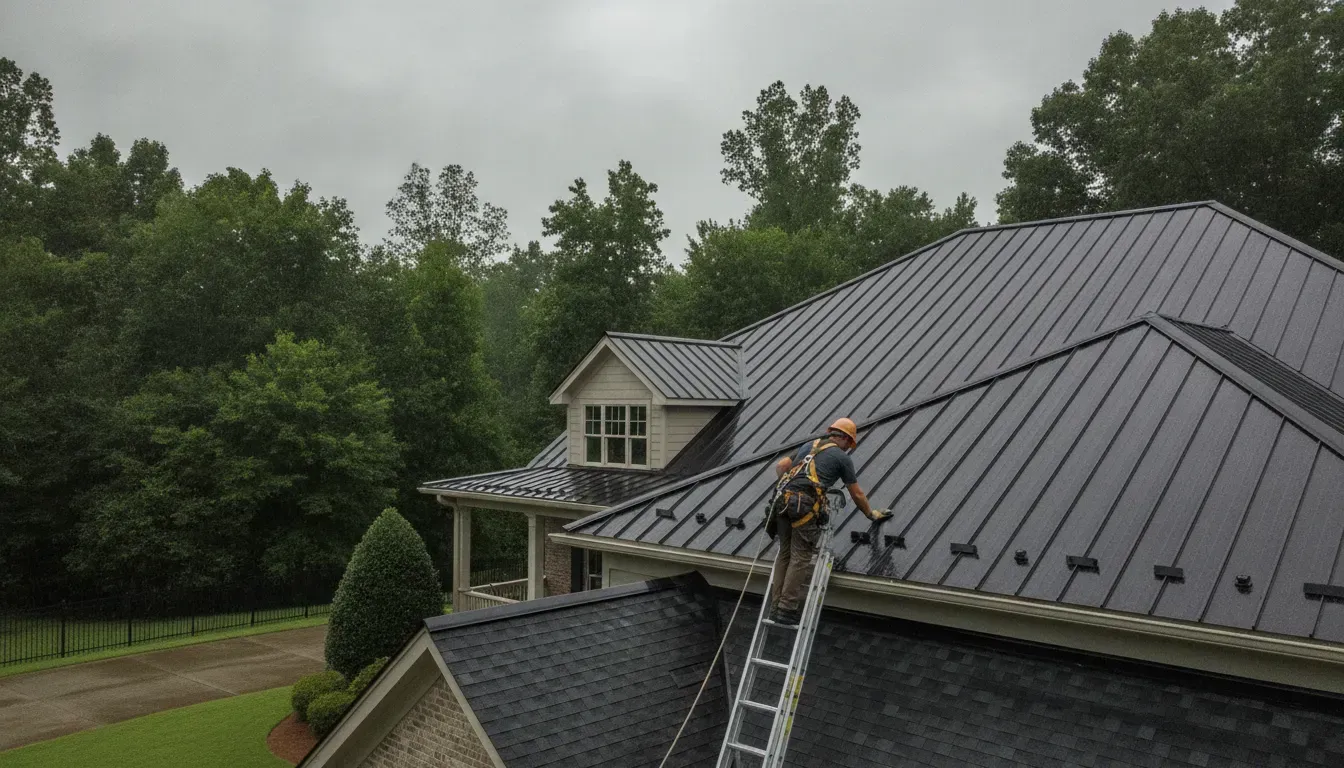
Commercial building with a flat roof under Atlanta sky, professional roofing technician inspecting t
By MEGA MEGA July 29, 2026
Schedule a free commercial roof inspection in Atlanta. Learn how commercial flat roof maintenance protects your building, extends system life, and prevents costly repairs.
A professional roofer installing architectural shingles on a residential home in McDonough Georgia on a sunny day
By MEGA MEGA July 27, 2026
The body content of your post goes here. To edit this text, click on it and delete this default text and start typing your own or paste your own from a different source.
A beautifully maintained Georgia home with a warm-toned asphalt shingle roof under a bright blue sky
July 24, 2026
Get a free roof inspection in McDonough. Learn what asphalt shingle roof lifespan Georgia homes expect, compare shingle types, and spot signs of wear.
By MEGA MEGA July 23, 2026
Schedule a free roof inspection in Atlanta to decide if roof repair vs replacement Atlanta is right for your home. Compare costs, warning signs, and local options.
Professional seamless aluminum gutter installation on an Atlanta home with gutter guard system
By MEGA MEGA July 21, 2026
Schedule a free gutter replacement Atlanta consultation today. Compare seamless aluminum gutters, 6-inch vs 5-inch sizing, costs, and lifespans for your home.
By MEGA MEGA July 17, 2026
Georgia storm seasons leave thousands of homeowners with hidden roof leaks and missing shingles each year. Failing to file your claim quickly can lead to expensive repairs that insurance will not cover later. Schedule a free roof inspection with Total Roof Solutions today. A storm damage roof insurance claim Georgia homeowners submit must prove that a recent weather event caused clear and direct harm to the home. Most standard policies in the state cover perils like wind, hail, and falling trees, but you must act fast to meet strict deadlines. While Georgia law often gives you 12 to 24 months to start a claim, filing within 60 days prevents many insurance claim denials. A professional roof inspection gives you the written proof needed to show that a storm caused the leaks or missing roof shingles. Working with a top contractor helps note every bit of damage. That way you get the full new roof value that your policy pays. It is vital to know which perils your policy protects before you start the filing process. Read on to learn what types of storm damage your homeowners insurance covers in Georgia and how to navigate the claims process. Storm Damage Roof Insurance Claim Georgia: What Types of Storm Damage Does Homeowners Insurance Cover in Georgia? Georgia storms bring high winds and large hail that can hurt your roof. Most home insurance plans in the state help pay for this kind of loss. This includes damage from wind, hail, and trees that fall during a storm. If you have a storm damage roof insurance claim in Georgia , you need to know what your plan covers. Sudden damage from lightning, fire, or the weight of ice and snow is also usually covered by standard plans. You should check your roof right after any large storm to find signs of loss. Common storm damage types Most Georgia plans cover a set of common storm events. These are often called perils in your plan papers. They include: High winds and windstorms Hail and falling ice Falling trees and debris Lightning and fire Weight of ice and snow Wind and hail are the top causes of roof loss for Georgia homes. A strong wind can lift or tear off your shingles. It can also blow large tree limbs onto your house. Hail can leave dents or cracks that let water into your home over time. Most plans cover these issues because they are sudden and happen by chance. You can find more details in our guide on how to get insurance to pay for roof replacement in Georgia . It is vital to act fast so you can fix these problems before they get worse. Georgia homeowners often have 12 to 24 months to file a claim after a storm hits. But it is best to file within the first 30 to 60 days. This makes it easier to prove that the storm caused the damage you see. You can read more about the insurance claim process for roof damage in Georgia to see the common steps. Filing fast helps you avoid more loss from leaks or mold that can grow in your attic. Items not covered by your policy Your insurance will not pay for every type of roof problem. Plans do not cover damage that happens slowly over many years. This includes normal wear and tear or a roof that has reached the end of its life. If your roof has rot or mold because you did not fix a small leak, the insurance company may deny your claim. Poor work from a past repair is also not covered by most plans. Keeping your roof in good shape helps you stay ready for any storm. You should have a pro look at your roof once a year to find small issues. Neglect is one of the main reasons a claim might be denied. Insurance is for sudden events, not for a roof that has been ignored for a long time. If the wood under your shingles is soft or rotten from years of leaks, the company will likely not pay to fix it. This is why a pro check is so helpful after a storm. It can show the difference between new storm damage and old wear. Knowing your cash value options When you file a claim, the insurance company will look at how they pay for the loss. There are two main ways they do this. FeatureReplacement Cost Value (RCV)Actual Cash Value (ACV)What it paysFull cost to replace your roof with new materialsDepreciated value based on roof age and wearBest forNewer roofs and homeowners who want full coverageBudget policies with lower premiumsOut-of-pocket costDeductible onlyDeductible plus depreciation amountCommon in GeorgiaPreferred by most homeownersOften used for older roofs or lower-cost plansClaim outcomeYou get a new roof of similar qualityYou pay the gap between depreciated value and actual cost Replacement Cost Value (RCV) pays the full cost to get a new roof of the same kind. You only have to pay your deductible. Actual Cash Value (ACV) is different. ACV takes away money for the age and wear of your old roof. This means you get less money if your roof is old. You will have to pay more out of your own pocket to get a new roof. You should also check your deductible for wind and hail. In Georgia, many plans use a part of your home's value for this cost. This is often between 1% and 5%. If your home is insured for $300,000 and you have a 2% deductible, you must pay $6,000 yourself. Knowing roofing insurance coverage in Georgia can help you plan for these costs before a storm hits. How to Document Storm Damage Before Filing Your Claim Taking the right steps after a storm can make the difference between a fast approval and a long dispute. The storm damage roof insurance claim Georgia process depends on clear proof. You should start collecting evidence as soon as the weather clears and it is safe to go outside. Proper records help your adjuster see the full scale of the loss and ensure you get the funds needed for repairs. Prioritize safety and ground inspection Safety is the most vital part of the process. The Georgia Office of Commissioner of Insurance advises owners to avoid risks while checking for damage. Do not climb on your roof to find leaks or missing shingles. Wet surfaces and loose materials can lead to falls. Instead, walk around your home at a safe distance and look for issues from the ground. Look for shingles in the yard or visible dents in your gutters and siding. If you see fallen trees or debris, take note of where they hit the structure. You can use a pair of binoculars to get a closer view of the ridge and eaves. This ground-level check keeps you safe while providing a clear list of visible issues for your agent. Capture clear photos and videos Visual proof is the backbone of your claim. Take high-quality photos and videos of all visible damage from many angles. Start with wide shots that show the entire house to give the adjuster context. Then, move closer to document specific spots like bruised shingles, cracked tiles, or dented metal vents. Do not forget to record the date and time of the storm. Local weather records can back up your claim, but your own photos are hard to dispute. Keep a digital folder of these files so you can share them quickly with your insurer. Having a visual timeline of the damage helps prove that the issues were caused by a single event. Check for interior signs of leaks Roof damage often shows up inside your home before you see it on the outside. Go into your attic with a bright light to search for damp insulation or water spots on the wood. Check the ceilings and walls in your top-floor rooms for new stains or bubbling paint. These interior signs are key evidence that the roof system has failed. Note any areas where water is dripping or where you smell musty odors. Take pictures of these spots just as you did for the exterior. Interior damage often signals that you need hail damage roof repair and insurance help right away. Documenting these leaks shows the insurer that the damage is urgent and affects the safety of your home. Get a professional roof inspection While your own photos are helpful, an official report from a pro is much stronger. A trained contractor can find hidden issues that a homeowner might miss. They will check for small cracks, compromised seals, and granule loss that lead to long-term leaks. This official report provides the technical details that insurers trust most. Call a local expert to schedule a full storm damage checkup. Walk with the pro to point out the interior leaks you found. Ask for a written summary that lists all damaged areas and parts. Request a repair estimate that uses current market rates for Georgia. Keep this report ready for when the insurance adjuster visits your site. A professional inspection significantly lowers the risk of a claim denial. In Georgia, most owners have 12 to 24 months to file a claim , but acting fast is best. A pro can also meet with the insurance adjuster to make sure all damage is seen. This step ensures your claim is based on facts rather than a quick glance. The Step-by-Step Roof Insurance Claim Timeline in Georgia Filing a storm damage roof insurance claim in Georgia is a set process with clear steps. Knowing what happens at each stage helps you stay ready and keeps the work on track. Most claims move from the first call to a full fix in just a few weeks if you have the right help. Total Roof Solutions offers hail damage roof repair and insurance support to guide you through this cycle. How the claim starts The path begins with a full check of your home after a storm. You should look for missing shingles or leaks, but a pro can find hidden hits that most people miss. Once you have proof of loss, you call your carrier to start the case. They will give you a claim number and set a time for their expert to visit. You should share any photos or notes you have of the storm at this stage to help your case. File your claim with the insurer. Call your carrier or use their app to report the loss. Give them the date of the storm and a brief list of the harm you found. They will assign an adjuster to look at the roof and see how much it will cost to fix. Meet with the insurance adjuster. The adjuster will walk your roof to find signs of storm hits. It is vital to have your roofing contractor there for this meeting. They make sure the adjuster sees all the damage so nothing gets left off the report. A documented inspection is the best way to prove your loss. Review the first estimate. Your carrier will send a list of what they will pay for. This often takes about a week to arrive. This estimate shows the cost of materials and labor for the job. Do not worry if the first offer seems low, as there are ways to fix gaps in the budget. Submit a supplement if needed. Many times, the first price from the carrier is not enough to cover the full work. Your contractor can file a supplement with the insurer to ask for more funds. This covers things like code updates or extra materials found once the old roof is off. This step ensures the job is done right. Start the roof repairs. Once the budget is set, you can pick your shingle color and set a date. Most roof jobs in Georgia take just one to three days to finish. Total Roof Solutions works fast to get your home back in top shape. The team cleans the yard and hauls away old junk when the work is done. Close out the claim. After the work is done, your contractor sends proof to the insurer. The carrier then sends the last payment. You will pay your part, which is the deductible, and the job is marked as done. Always keep your final bills for your home records. Working with the adjuster The meeting with the insurance adjuster is the most important part of the whole timeline. You want to make sure they see every hail hit and wind-torn shingle. Having a pro from Total Roof Solutions there helps keep things fair. We know what to look for and can speak the same language as the adjuster. This team effort helps to get your claim approved without long delays or missed spots. After the adjuster leaves, it may take a few days to get your first check. This check often covers the actual cash value of the roof now. You will get the rest of the funds once the new roof is on your home. This ensures the money goes toward the fix as planned. You can check the standard cost guides to see if your quote is in the right range for local rates. What Happens If Your Roof Insurance Claim Gets Denied? A denied storm damage roof insurance claim in Georgia can be stressful. Many homeowners feel stuck when they get a denial letter after a heavy storm. However, a denial is not always the final word on your roof repair. You have rights and steps you can take to get the coverage you need for your home. Common reasons for a claim denial Insurance firms in Georgia often deny claims for a few reasons. One common issue is the mix of old wear with new storm damage. If an adjuster thinks your roof was already weak due to age, they may not pay for the loss. Poor proof or missing the filing date can also lead to a quick denial. Old roof issues are another hurdle for many people. If you had leaks before the wind or hail hit, the firm might blame those older flaws. It is vital to show that the storm caused the new harm. You can learn more about roofing warranties and insurance differences to see how these two types of protection work for you. Steps to take after a denial If your claim is rejected, your first step should be to read the denial letter in full. This page lists the exact reasons why the firm will not pay. Once you know their stance, you can ask for a new check. You have the right to ask for a second look, mainly if you have new proof of damage. Getting a second opinion from a licensed expert is a smart move. A local pro can walk the roof with the adjuster to point out missed hail hits or torn shingles. If the firm offers a check that is too small, your pro can also file a supplement. As noted by industry experts, these filings help get the real cost of repairs when first bids fall short. Filing an appeal in Georgia You can file an official appeal with your insurance firm if you do not agree with their choice. During this task, you may need to give more photos, bids, or weather reports. Having a pro report from a local roof expert can help your case. This proof shows the firm that the storm was the main cause of the damage. Keep in mind that Georgia law has strict rules for these tasks. For example, state law prohibits roofing pros from waiving or rebating insurance deductibles for any homeowner. Always work with a team that follows these laws while helping you through the appeal. If you stay firm and gather the right facts, you can often turn a denial into a win. Why Choose Total Roof Solutions for Storm Damage Insurance Claims Total Roof is the best team to help with your storm damage roof insurance claim in Georgia. We have the skill and the tools to make sure your claim is right. Our team works hard to make the steps easy for you from start to finish. We help people in 16 plus counties from our office in McDonough. Expert Help with Your Claim We give a free roof check to find all signs of storm damage. Our reports are full of detail. They give the proof that insurance firms need to see. This helps you start your storm damage roof insurance claim in Georgia with trust. We do more than just find the damage. We also help you talk to your insurance agent. Our team can bill your insurance company. This means you do not have to handle the math or the files. We take the stress out of your roof claim. We know how the local laws and insurance rules work in Georgia. We also offer loans for those who need help to pay. If you need a new roof that costs more than 10,000 dollars, we can give you 500 dollars off. This helps you get a safe and strong roof for a fair price. Top Quality and Fast Work We are an Owens Corning Platinum Preferred Roofer. This is a top rank and only a few firms in Georgia have it. It means we use the best gear for every job. Our crew works fast to get your home back to normal. Most of our roof jobs finish in one to three days. You will not have to wait for weeks to get a safe roof. Our founder, Stephen Griswell, has a long family past in this trade. His dad and grand-dad were also builders. He has over 20 years of work in this field. He went to UGA and knows how to build roofs that stand up to our wind and hail. This local knowledge is key when you have a storm damage roof insurance claim in Georgia. We build every roof to last. Trusted and Local Team Our firm holds an A plus rating from the BBB. We are also TrustDALE proven. This shows we are a firm you can trust. We are licensed, bonded, and insured in Georgia. This keeps you and your home safe while we work. We treat every home like it is our own. You can count on us to be fair during the whole claim. Choosing a local team means we will be here for a long time. We know the towns we serve and we care about our neighbors. We have helped many people get the funds they need to fix their roofs. Let us show you why we are the top choice for storm damage work in Georgia. Frequently Asked Questions How long do I have to file a roof insurance claim in Georgia? Most often, Georgia homeowners have 12 to 24 months to file a claim after a storm. It is best to act fast and file within 30 to 60 days. As noted by industry experts, this helps show the damage is new. If you wait too long, the insurance firm might say the issues are from old age. Acting fast helps you get the money you need for repairs. Can a roofing contractor pay my insurance deductible in Georgia? No, Georgia law does not let roofers pay or waive your insurance deductible. This act is against the law and is seen as fraud. You must pay the out-of-pocket cost listed in your policy. Many Georgia policies use a deductible of 1% to 5% of the home's value for wind and hail. You can check your cost with your insurance agent to be sure. Should I call my insurance company or a roofing contractor first? You should call a local roofer for a free inspection before you call your insurance firm. A pro can find damage that you cannot see from the ground. They will give you photos and a report to use as proof. This step helps you avoid a claim if there is not enough damage for a payout. A pro inspection makes your claim stronger. What if the insurance estimate is lower than my roof repair cost? It is common for insurance firms to give a low first estimate for repairs. Your roofer can file a supplement to get more funds. This request covers the extra costs to fix the roof the right way. A good roofer will work with the adjuster to show these costs are fair. This process helps you get a safe and strong roof. Ready to schedule your free roof inspection in Georgia? If you do not file your claim soon, you might miss your chance to get help from your insurance firm before the time limit ends. Small holes from hail or wind that look tiny today can quickly turn into a major leak that rots the wood frame of your house. Waiting too long makes it hard to prove that the storm caused the damage which can lead to your claim being denied by the group. Setting up a visit with a pro to look at your roof now lets you find hidden problems and get your papers ready very early. Ready to schedule? Call (678) 752-8668 to schedule your free roof inspection and get expert help with your storm damage insurance claim today.
By MEGA MEGA July 14, 2026
 McDonough weather puts extreme stress on local roofs through four intense and clear seasons. These changing conditions test the strength of your shingles every month of the year. You might wonder how to start your own home care plan when the weather changes so often. To stay safe from rain and wind, you should look at the needs of each part of the year. The path begins with Spring Roof Maintenance in Georgia: Inspect and Prepare for Storm Season. Here is how. Roof Maintenance Tips: Spring Roof Maintenance in Georgia: Inspect and Prepare for Storm Season Spring in Georgia brings warm sun and green trees. But it also starts a rough time for your roof. From March through September, storms test how well your home stays dry. Taking a few small steps now can stop leaks before the next big rain. These roof maintenance tips help you stay ahead of the weather. Schedule a post-winter roof inspection The cold winter months can be hard on a home. Even in Georgia, ice and cold can cause roof parts to crack. To keep your home safe, you should schedule a roof inspection two times a year. Experts say the best times to check are in the spring and the fall. Regular checks help you find small leaks before they grow into big, costly problems. Checking your roof in the spring helps you find damage from winter winds. You should look for shingles that are loose, curled, or gone. Fixing these small spots now keeps your attic dry. It is cheaper to fix one shingle than to pay for a new roof after the wood rots. A quick check now saves you cash later. Clear your gutters for spring rain Georgia gets a lot of rain in the spring. If your gutters are full of old leaves, the water has no place to go. This can cause water to sit on the edge of your roof. It might also seep under the shingles and cause rot. Keeping your gutters clear is the best way to stop water from building up. Clogged drains often lead to mold growth in your attic space. Water that does not flow away can damage your walls and the base of your home. You should check your pipes to make sure they carry water away from the house. For more help, you can read our seasonal gutter maintenance tips for homeowners. Taking care of your drains is a vital part of keeping your home safe. Look for storm damage signs High winds can blow tree limbs onto your roof or tear shingles off. After a big storm hits, walk around your yard and look up. You do not need to get on a high ladder to see big problems. Look for these warning signs in your yard and home: Dark spots or stains on your attic ceiling. Piles of grit or sand from shingles in your gutters. Broken tree limbs resting on the roof surface. Bent or loose metal strips around the chimney. These are clear signs that you need a pro to look at your roof. A pro can find hidden cracks that you might miss from the ground. March and April are busy months for Georgia storms. Prepping your roof now gives you peace of mind when the sky turns gray. A clean roof and clear drains mean the water stays out of your home. By staying ahead of the clouds, you can make your roof last for a long time. Summer Roof Care: Heat, Humidity, and Algae Prevention The Georgia sun can be hard on your home. In Atlanta, summer heat often hits the mid-90s. With high humidity, the heat index can climb above 100 degrees Fahrenheit. These conditions test your roof every day. Without the right care, the hot sun can cause shingles to dry out or crack. Keeping up with roof maintenance tips helps your roof last longer during these hot months. Manage attic heat and airflow Your attic is the first line of defense against summer heat. When a roof lacks good airflow, attic heat can soar to 150 degrees Fahrenheit or more. This high heat bakes your shingles from the inside out. This can make the life of your roof much shorter. Good attic vents are vital for summer care. They help keep your attic cool and reduce the load on your AC unit. This is a key part of keeping your home safe. Make sure your vents are clear of dirt and nests. You should check that vents at the eaves and ridge are not blocked. Clean vents allow hot air to escape and fresh air to enter. According to North Carolina State University , home care is key to keeping your home value high. A cool attic prevents shingle damage and helps keep power bills low when the Georgia heat peaks. Stop algae and moss growth High humidity and rain create a place for algae and moss to grow. If you see dark streaks on your roof, it is likely a type of hardy algae. This algae feeds on the stone dust in shingles. The growth of moss or algae is a sign that a roof needs more care. Moss can trap water against the roof. This may lead to rot or leaks if you do not fix it fast. Keeping the roof clean is a simple way to avoid these issues. To prevent these problems, keep your roof clear of leaves and needles. Dirt holds water and helps algae grow. If you see growth now, you may need a pro to clean it. You might also need a roof life expectancy check to see if your roof is still in good shape. Clean roofs reflect more sun. This keeps the roof surface cooler during the hot parts of the day. Fall Roof Preparation: Getting Your Roof Ready for Winter Fall is the best time to check your roof before the Georgia winter starts. The mild weather in October and November makes it easy to find and fix small issues. Taking care of your home now can stop leaks and water damage when it gets cold. Following a few roof maintenance tips will keep your roof in good shape for many years. Clean Your Gutters and Downspouts Falling leaves quickly clog gutters and block water flow. When water stays in your gutters, it can seep under your shingles or rot your trim boards. Keeping your drains clear of clutter helps dispose of water quickly down the roof. You should also check for seasonal roof maintenance tips that include flushing your pipes to make sure they drain away from your home. Trim Tree Branches and Remove Debris Overhanging limbs pose a big risk during winter storms. Heavy ice or strong winds can snap branches and cause them to fall on your home. Such branches are at risk of falling on the roof, which can lead to big structural damage. Trimming these limbs back at least ten feet from your roof line is a key part of seasonal roof maintenance in Georgia. You should also clear away pine needles and twigs that trap wetness on your shingles. Check Your Seals and Flashing Cold air and ice can make small cracks in your roof seals much worse. Check the metal parts around your chimney, vents, and roof lights to make sure they are tight. If you find loose or missing shingles, fix them now to stop leaks. Proper roof maintenance and repair tips suggest that you should also look for signs of wear in your attic, such as water spots or damp filling. Catching these problems early can add years to the life of your roof. Winter Roof Monitoring: Preventing Cold-Weather Damage Georgia winters are often mild compared to northern states. But our local weather still puts a lot of stress on your home. The biggest risk in our area is the freeze-thaw cycle. During this time, the air gets cold at night and warms up during the day. Water gets into small cracks and turns to ice. As the ice grows, it pulls the roof parts apart. This can turn tiny gaps into major leaks in just one season. Following these roof maintenance tips in the cold months can save you from big repair bills later. Stop Ice Dams Before They Start Ice dams can be a major problem during a cold snap. They happen when snow or ice on the upper roof melts and runs down to the gutters. Since the edge of the roof is colder, the water freezes again. This forms a thick ridge of ice that traps more water behind it. This trapped water often seeps under your shingles and into your home. Once inside, it can soak your walls and stain your ceilings. You can stop this by making sure your attic stays cold. Good air flow is the best way to keep the roof surface at a steady heat. Monitor Attic Insulation and Heat Good insulation is a top tool to fight winter damage. It keeps heat in your rooms and out of the attic space. If heat leaks up, it warms the roof from below. This heat causes the snow to melt and starts the ice dam cycle. Check your attic to see if your insulation is dry and level. You should also look for blocked vents that stop air from moving. You can find more home care facts through the NC State Extension. Keeping your attic cool helps your roof stay strong for years. Visual Inspections After Winter Storms Our winter storms often bring high winds and cold rain. After a storm passes, take a few minutes to look at your roof. Stand back in the yard to get a clear view. Look for shingles that are loose, cracked, or missing. Check the spots near the chimney for branches or leaves. If you see a leak or a major flaw, you should call for emergency repairs right away. Do not try to walk on a roof that is wet or icy. A simple check from the ground is a safe way to catch issues before they grow. DIY Roof Maintenance vs. When to Call a Professional Roofer Your roof is the main shield for your home. Taking care of it can stop small flaws from turning into big problems. Finding leaks early helps you save money on work over time. While some jobs are easy to do, others are best left to pros. It is vital to know your own limits. Staying safe is always more vital than trying to fix a leak yourself. Safe tasks for you to do You can do some roof care from the ground or a ladder. Ground checks are a great way to find trouble without any risk. Use a scope or a pair of lenses to look for missing parts or bent metal. You should also check your attic for water stains or damp wood. These signs often show a leak that needs a quick fix. If you see light coming through the roof boards, call for help right away. Cleaning out gutters is one more vital task you can do. Trash and leaves in your gutters can block water flow. This leads to wood rot and basement leaks. Also, keep an eye on tree limbs. Trim back any branches that hang over your roof. This stops heavy wood from falling during a storm. If a branch is too big for a hand saw, hire a tree crew to handle it safely. When to call a pro Most roof work is unsafe for someone without the right gear. Walking on a steep slope takes special shoes and safety tools. If your roof is very high, you should never try to climb it. Pros have the tools to work safely at any height. They can also find small leaks that most people miss. A pro knows how to walk on shingles without causing new damage. Fixing metal trim and shingles always needs a skilled hand. The trim around vents and chimneys keeps water out. If it fails, water will get into your walls and cause mold. A professional roof repair keeps these spots sealed tight. Pros use the right parts to make sure the job lasts for years. They also know how to match the color of your old shingles for a clean look. Expert help after a storm Heavy rain and wind can cause damage you cannot see. It is wise to inspect your roof after any major storm in Georgia. High winds can lift shingles or crack the seals on your vents. Some of these issues are hard to spot from the ground. A trained eye can find these weak spots before the next rain starts. This keeps your home dry and safe from the rain. Total Roof Solutions offers a free check to help you find these issues. We can look at your roof and give you a full report on what we find. Our team has the training to spot signs of wear that others might miss. If your roof needs help, we can guide you through the next steps. We help you pick the best way to fix the problem without spending too much. Six Signs Your Roof Needs More Than Seasonal Maintenance Seasonal checks are a great way to keep your home safe. But even the best care has limits. Some issues show that a roof needs more than a quick fix. If you spot these signs, you may need a pro to look at the site. Finding these flaws early helps you avoid high costs later. Check the age of your roof Most roofs last about 20 years. If yours is 15 to 20 years old, it may be time for a change. You can check your roof life expectancy to see where your home stands. Old roofs may look fine from the street but can fail during a big storm. Watch for granule loss Check your gutters for small, sandy bits. These are shingle granules. They protect your roof from the hot sun. When shingles lose these bits, they get thin and weak. This is a sign of old age that regular roof maintenance tips cannot fix. Check the roof age. Most asphalt roofs reach their limit between 15 and 20 years of use. Look for granules in gutters. Excess sand in your downspouts shows your shingles are wearing out. Find curling shingles. Shingles that turn up at the edges or look wavy no longer shed water well. Inspect the attic for light. Go to your attic and look for sunlight coming through the roof deck. Check for sagging spots. A wavy roof line can mean you have trapped moisture or rot in the wood. Monitor energy bills. High cooling costs can mean your roof does not vent heat well. Inspect your attic for damage Your attic tells the story of your roof. Look for dark spots or damp wood on the deck. Expert tips from Oregon State University say you should check for cracks after a big storm. Light coming through the roof is a clear sign that water can get in too. Look at the roof line A straight roof line is a healthy roof line. If you see dips or curves, the wood under your shingles may be soft. This often happens from leaks that stayed wet for a long time. These soft spots need a pro to check if the roof is still safe. Frequently Asked Questions How often should you inspect your roof? You should check your roof at least twice each year. The best times to do this are in the spring and fall. You should also look for signs of damage after a big storm or high winds. Finding small leaks or missing shingles early helps you avoid large repair bills. As experts at Oregon State say, doing these checks helps your roof last a long time and protects your home. Why is roof venting key in Georgia summers? Georgia summers get very hot. Without good airflow, your attic can reach 150 degrees. This heat bakes your shingles from below and makes them break easily. Good attic airflow helps cool your house and lowers your power bill. It also stops heat from aging your roof too fast. Keeping your attic cool helps your shingles last longer. It also helps your AC unit work well when it is hot outside. This keeps your home safe and cool all summer long. How do I safely remove debris from my roof? Do not walk on your roof to clean it. Use a leaf blower from a safe ladder to clear away dry leaves. A long brush can also help you reach far spots without leaving the ladder. If you cannot reach the mess, it is best to call a local pro. Keeping your roof clear stops rot. It also stops water from going under your shingles when it rains. Clearing your gutters at the same time will help water flow away from your home and foundation. When should you call a professional for roof care? Call a pro if you see leaks, sagging, or dark spots on your ceiling. Experts have the right tools to fix metal flashing and seal pipes safely. If your roof is steep or has lots of moss, do not try to fix it yourself. A quick check by a pro can find small issues before they get worse. The team at Total Roof Solutions offers free checks to help you stay safe. Quick fixes now can save you a lot of money later. Ready to protect your Georgia home with a free roof check? Small roof leaks can quickly turn into large and costly repairs if you wait too long. A simple check now can save you thousands of dollars by finding issues before the next heavy storm hits. You will have peace of mind knowing your house is safe for the coming months. Our team helps you stay ahead of the weather and keeps your roof in top shape all year. Do not let minor wear lead to major water damage in your attic or walls. You can find more about our work on our roof repair page . Starting now means you avoid the rush when storm season arrives and keep your family dry. We have worked in Georgia since 2009 and know how to spot trouble early. Our pro team can see things that a homeowner might miss from the ground. Taking this step today protects your home and helps your roof last much longer. Ready to schedule? Call 470-333-7863 to schedule a free roof inspection.
Roof inspector examining a roof to determine the inspection cost per square foot.
By MEGA MEGA July 13, 2026
The body content of your post goes here. To edit this text, click on it and delete this default text and start typing your own or paste your own from a different source.
By MEGA MEGA July 9, 2026
A single afternoon of heavy Georgia rain can overflow clogged gutters and damage your home's foundation. Choosing if gutter guards are worth it mostly depends on the trees near your house and the local weather. In Atlanta, heavy rain and many trees mean most gutters need cleaning more than once each year to stop big home repairs. Experts at the UGA Extension state that clogged gutters can cause water to leak into walls and damage your siding, wood, and foundation. While the price for expert setup is a real cost, it greatly cuts down the time and risk of cleaning gutters by hand. Good micro-mesh guards keep pine needles and leaves out of the troughs so water can flow well during big storms. By protecting your home from water rot and making yard work easier, these guards provide great value for most people in Georgia. Many homeowners want to know if guards are better than paying for regular cleaning or fixing water rot. To help you decide, we will look at how your system works in our guide on How Gutters and Guards Protect Your Atlanta Home. This protection begins with Gutter Guards Worth It: How Gutters and Guards Protect Your Atlanta Home Your gutters do more than just catch rain. They act as a shield for your house. Atlanta gets heavy rain and many storms. Without a good gutter system, that water has nowhere to go. It can spill over the sides and soak the soil near your walls. This leads to big issues that are hard to fix. Protecting your house foundation When water pools near your home, it can sink into the ground. Over time, this wet soil puts pressure on your house base. This can cause cracks or shifts in the structure. It may even lead to wet basements or crawl spaces where mold can grow. Keeping water away from the base is the best way to keep your home stable. Water can also hurt your yard and siding. Heavy spills can wash away your mulch and grass. It can splash mud and rot onto your siding or woodwork. This damage happens slowly, but the fix costs are high. Strong gutters guide that water to a safe spot. This simple flow protects your paint and your lawn. How guards stop the clogs Atlanta is known for its tall trees and thick woods. Oaks, pines, and maples drop leaves and needles all year. These bits of waste can fill up your gutters fast. In fact, many homes in Georgia need cleaning more than once a year to stay clear. If you skip a cleaning, one storm can cause a large clog. Gutter guards act like a filter for your home. They sit on top of your gutters. They let water through but block leaves and twigs. This keeps the water moving even during the peak of fall. While no guard is perfect, they stop the thick clogs that cause leaks. This reduces the risk of wood rot and foundation cracks. Reducing your chore list Keeping your gutters clear is a hard and messy job. Climbing a ladder many times a year is not safe. Gutter guards help by keeping the big stuff out. You still need to check them, but you will not have to scoop out muck as often. This saves you time and keeps you off the ladder. You can learn more in our homeowner's guide to gutter guard costs to see the value. What Do Gutter Guards Really Cost in 2026? Most owners ask if gutter guards worth it when they see the first price tag. Costs for these systems vary based on the tech used and how you set them up.
By MEGA MEGA July 9, 2026
A small water stain on your ceiling is more than an inconvenience; it’s a warning sign. Ignoring it can allow a simple fix to turn into a major project involving rotted wood and mold. Using a roof leak repair cost calculator can help you understand the financial stakes by showing you the potential cost of a repair. Seeing the numbers can motivate you to act quickly before the damage gets worse. This article will break down the average costs for minor, moderate, and major repairs, explain what influences those prices, and give you the information you need to protect your home and your budget. Key Takeaways Know what drives your repair cost : The final price is determined by key factors like the leak's size, your roofing material, and local labor rates. Use an online calculator to get a preliminary budget, which can range from $150 for minor fixes to over $3,500 for major damage. Treat calculators as a starting point, not a final quote : An online estimate provides a valuable financial baseline for planning. It cannot, however, spot hidden issues like water damage or wood rot, which only a professional on-site inspection can uncover. Make the right call between repair and replacement : For newer roofs with isolated damage, a repair is often the most sensible choice. For older roofs or widespread problems, a full replacement can be a smarter long-term investment that prevents future costly issues. What Is a Roof Leak Repair Cost Calculator? When you first spot a drip from the ceiling, one of the first questions that comes to mind is, "How much will this cost?" A roof leak repair cost calculator is an online tool designed to give you a preliminary answer. Think of it as a starting point that helps you budget for potential expenses before you even pick up the phone to call a professional. These calculators use basic project information to generate a rough estimate. While they can’t see your specific roof or diagnose the problem, they offer a general financial picture based on standard data. This can help take some of the initial guesswork out of the repair process, giving you a clearer idea of what to expect. It’s a great first step to get your bearings and prepare for the next phase: getting a detailed, professional inspection for your residential roofing needs. How Do They Work? Most roof repair calculators are straightforward. They work by asking you for a few key pieces of information about your project. You’ll typically need to enter your zip code, which helps the tool account for local material and labor costs. Then, you’ll provide details about the repair itself, like the type of roofing material you have and the number of leaks you need fixed. Once you input the data, the cost calculator processes it using pre-loaded information about typical job requirements and material costs. The result is a customized estimate that breaks down the potential expenses. It’s a quick and simple way to get a data-driven estimate for your specific project without having to guess. Why Use One Before Calling a Pro? Using a cost calculator before calling a contractor is a smart move that puts you in a more informed position. Understanding the potential cost is a major priority for any homeowner facing a repair. A calculator gives you a baseline budget, which helps you plan financially and prepares you for conversations with roofing professionals. It’s important to remember that these online estimates are just a starting point. They can’t account for hidden damage or unique site conditions. The best approach is to use the calculator’s figure as a reference, then get detailed written quotes from several trusted professionals. This way, you can compare the official quotes to your initial estimate and make a well-informed decision without any surprises. What Affects Your Roof Leak Repair Cost? When you discover a roof leak, one of the first questions you'll have is, "How much will this cost to fix?" The truth is, there's no single price tag. The final cost depends on several key factors that determine the complexity of the job. A professional roofer will assess these variables to give you an accurate quote. Understanding what goes into the estimate can help you feel more prepared and confident when you review it. From the type of shingles on your roof to the pitch, here’s a breakdown of what influences your final repair bill. Leak Size and Location It makes sense that the size of the leak is a primary cost factor. A small puncture from a stray nail is a much quicker and cheaper fix than widespread damage from a fallen tree branch. The location of the leak also plays a huge role. A simple patch in the middle of an open roof slope is straightforward. However, leaks around chimneys, skylights, vents, or in roof valleys are more complex. These areas require detailed work with flashing and seals to ensure a durable, watertight repair, which takes more time and skill. The more severe the damage and the more intricate the location, the higher the cost will be. Your Roofing Material The material covering your roof significantly impacts repair costs. Common asphalt shingles are typically the most affordable to repair because the materials are inexpensive and most roofers are experts at working with them. On the other hand, materials like metal, slate, tile, or wood shakes require specialized knowledge and tools, driving up the labor cost. Sourcing matching tiles or slate can also be more expensive and time-consuming. For businesses with flat or low-slope roofs, the type of commercial roofing system, such as TPO or EPDM, will also determine the specific repair methods and associated costs. Your Roof's Size, Slope, and Access The physical characteristics of your roof are a major part of the equation. A roofer needs to be able to work safely and efficiently. If your roof has a very steep pitch, is multiple stories high, or is difficult to get to, the job becomes more challenging. Contractors will need to use extra safety equipment, like harnesses and scaffolding, which adds to the labor time and overall cost. A simple, low-slope roof on a single-story home is much easier to access and work on, which generally results in a lower repair bill. Easy access means the crew can get the job done faster and more safely. Local Labor Rates Labor is one of the biggest components of any roof repair quote. These rates can vary quite a bit depending on your location and the experience level of the crew. While it might be tempting to go with the cheapest option, remember that quality roofing work is a skill. An experienced, professional roofer may have a higher hourly rate, but they bring the expertise to diagnose the problem correctly and perform a lasting repair. Our team of certified contractors has the experience to handle repairs efficiently and effectively, saving you from repeat issues and more costs down the road. Permits and Other Fees Depending on where you live and the extent of the damage, your roof repair may require a building permit from your local municipality. This is more common for larger repairs or structural work, not typically for minor patches. The cost of a permit can range from around $70 to $250, and your contractor will usually handle the process of pulling it for you. This fee is then added to your total project cost. It’s an important step to ensure the work is done to code, protecting the value and safety of your home. Always ask your contractor if a permit is needed for your specific repair. How Much Does a Roof Leak Repair Cost ? So, what’s the bottom line? While every roof is different, most homeowners pay between $360 and $1,550 on average for a roof leak repair. The final cost really depends on the extent of the damage, your roofing material, and other factors we covered earlier. To give you a clearer picture, we can break down repair costs into three general categories: minor, moderate, and major. Understanding where your issue falls can help you budget accordingly before you even call a professional for a residential roofing quote. Minor Leaks ($150–$1,000) A minor leak is usually a quick and relatively inexpensive fix. Think of things like replacing a handful of missing shingles after a storm, sealing a small crack around a vent pipe, or patching a tiny puncture. These repairs typically cost between $150 and $1,000. While it might be tempting to ignore a small drip, addressing it right away is the smartest move. A simple roof repair now can prevent water from seeping into your attic and causing much bigger, more expensive problems like mold or wood rot down the line. Moderate Damage ($1,000–$3,500) If a leak has been going on for a while or the initial damage was more significant, you’re likely looking at a moderate repair. This could involve replacing a larger section of shingles, fixing damaged flashing around a chimney, or repairing parts of the soffit and fascia under your roof’s edge. These jobs are more complex and often cost between $1,000 and $3,500. At this stage, you might also be dealing with some interior water damage that needs attention, which adds to the overall scope and cost of the project. Major Repairs ($3,500–$6,000+) Major repairs are serious business and come with a price tag to match, often starting at $3,500 and going up from there. We’re talking about situations where a large portion of the roof needs to be rebuilt, there’s significant structural damage to the roof deck, or a skylight needs a full replacement. These extensive repairs are often the result of severe storm damage or long-term neglect. When costs get this high, it’s worth discussing with your contractor whether a full roof replacement might be a more sensible long-term investment for your home. How to Use a Roof Repair Calculator A roof repair calculator is a fantastic tool for getting a preliminary idea of what your repair might cost. Think of it as a budgeting guide, not a final quote. By plugging in a few details about your roof and the damage, you can get a ballpark figure that helps you plan your next steps and feel more prepared when you talk to a professional. It takes some of the mystery out of the process and gives you a solid starting point for what can feel like a daunting project. These online tools are designed to give you a rough estimate by using average costs for materials and labor in a specific area. While they can't see the specific issues with your roof, like hidden water damage or structural problems, they do a good job of accounting for the most common variables. Using one can help you understand the potential financial scope of your project before you even pick up the phone. This empowers you to ask smarter questions and evaluate the quotes you receive from contractors more effectively. Think of it this way: you wouldn't go car shopping without knowing the average price of the model you want. A roof repair calculator gives you that same advantage. Let's walk through how to use one to get the most accurate estimate possible. Step 1: Get Your Roof's Details First, you’ll need to gather some basic information about your roof. The most important details are its material, size, and slope. Do you have asphalt shingles, metal panels, or something else? Knowing your residential roofing material is key, as costs vary widely between them. You'll also need the approximate square footage of the damaged area or your entire roof. If you don't have blueprints handy, you can sometimes use online satellite mapping tools to get a rough measurement. The more accurate your information is, the more reliable your estimate will be. Step 2: Pinpoint the Damage Next, try to identify the specific problem. Are you dealing with a few missing shingles after a storm, or have you noticed a water stain growing on your ceiling? The cost to fix a leak can range from a few hundred to several thousand dollars, depending on its size and location. A simple patch job is much less expensive than a repair that involves replacing rotted wood decking underneath your shingles. Be as specific as you can when describing the damage to the calculator, as this will heavily influence the estimated cost. Step 3: Factor in Local Costs Where you live plays a big role in your final repair bill. Labor rates and material prices can differ significantly from one city to another. Most online calculators will ask for your ZIP code to adjust the estimate based on local market conditions. For homeowners in the Atlanta area, you'll want an estimate that reflects our region's specific pricing. This is why getting a quote from a contractor who understands the local market is so important. We're proud to be a part of this community and have a deep understanding of its needs. Step 4: Enter Your Info and Read the Estimate Once you have all your details, it’s time to plug them into the calculator. Enter the information as accurately as possible and generate your estimate. When you get the result, don't just look at the final number. Read the fine print to see what the estimate includes. Does it account for things like debris disposal, permit fees, or potential underlying damage? Remember, this figure is an educated guess based on the data you provided. It’s a great starting point, but it’s not a substitute for a professional, on-site inspection. Step 5: Compare Your Estimate with Pro Quotes The final and most crucial step is to use your estimate as a baseline when you start collecting quotes from professional roofers. The calculator gives you a general idea, but only an experienced contractor can give you a firm, detailed price after inspecting the roof in person. We always recommend getting a few written quotes from licensed and insured companies. This allows you to compare not just the price but also the scope of work, materials used, and the warranties offered. This is the best way to ensure you’re getting a fair price for quality work. Common Calculator Mistakes to Avoid Online calculators are a fantastic starting point for budgeting, but they can’t see your roof. They rely on the information you provide, which means the estimate is only as accurate as your assessment. To get a more realistic picture of your potential costs, it’s important to be aware of a few common slip-ups. Thinking through these potential issues will help you create a much more reliable budget and prepare you for a more productive conversation with a professional roofer. By understanding a calculator's limitations, you can use it as the helpful tool it’s meant to be without getting caught by surprise later. Forgetting Hidden Costs One of the biggest mistakes is forgetting that the initial estimate from a calculator rarely tells the whole story. These tools are great for estimating the surface-level fix, but they can't account for hidden issues. As experts point out, the final cost depends on factors like the leak's size and location. A small drip in an open attic is one thing; a leak that has been slowly seeping into your insulation and drywall for months is another. Water damage can spread to structural wood, leading to rot that requires more extensive and costly work. A calculator won’t know this, but a professional inspection for residential roofing repairs will uncover the full scope of the problem. Skipping the Professional Inspection It’s tempting to rely solely on a calculator and wait until a leak is obvious to call for help. However, by the time you see a water stain on your ceiling, the problem has likely been developing for a long time. A calculator can't spot the subtle signs of long-term water intrusion or structural decay that a trained eye can. Scheduling a professional inspection before the damage becomes severe is the best way to get an accurate cost assessment. Think of it this way: you’re not just paying for a repair, you’re investing in a correct diagnosis. The experienced professionals at Total Roof Solutions can identify the root cause of the leak, preventing a quick fix that fails to address the underlying issue. Using Outdated Pricing Data The roofing industry is dynamic, with material and labor costs changing based on supply chains, demand, and the economy. Many online calculators may not use the most current pricing data for your specific area. An estimate based on last year’s national average for asphalt shingles won’t be very accurate if you live in the Atlanta metro area and need a repair on a metal roof. Local contractors have the most up-to-date information on material costs and labor rates in your market. This is true for both residential jobs and larger commercial roofing projects, where material costs can fluctuate significantly. Always treat a calculator's figure as a ballpark estimate, not a firm quote. Underestimating the Damage A small water stain might seem like a minor nuisance, but it can be the tip of the iceberg. What starts as a small leak can quickly escalate, causing structural wood rot, ruined insulation, and even mold growth inside your walls and attic. When you use a calculator, you might input "small leak repair," not realizing the damage requires replacing decking, insulation, and drywall. A calculator only processes the information it's given. It can't assess the secondary damage caused by clogged or damaged gutters that have allowed water to pool and seep into your home’s structure. Ensuring you have properly functioning gutters is just one part of a complete roofing system that a professional will evaluate. Repair or Replace: How to Decide? It’s the big question every homeowner with a leak faces: Is this a simple patch job, or is it time for a whole new roof? A roof leak repair cost calculator gives you a starting point, but the final decision comes down to a few critical factors. Making the right call can save you money and stress in the long run, so let's walk through what to consider. First, think about your roof's age. If your roof is still relatively new (less than 20 years old) and the damage is contained to a small area, a repair is often the most sensible path. A professional fix can extend the life of a roof by several more years, keeping it strong until it truly reaches the end of its lifespan. However, if your roof is pushing past the 20-year mark, a replacement might be the smarter financial move, even for a smaller leak. An older roof is likely to have more issues pop up soon, and you don't want to be paying for one repair after another. Next, look at the extent of the damage. Are we talking about a few loose shingles or a widespread issue? A good rule of thumb is if more than 25% of your roof is damaged or the repair estimate is creeping over $3,000, you should seriously consider a full replacement. A leaking roof is more than just an annoyance; it can quickly lead to structural wood rot, ruined insulation, and dangerous mold growth. Pouring thousands into repairing an old, failing roof is often just a temporary solution for a much bigger problem. Finally, think about the long-term value. While a repair is cheaper upfront, investing that money into a brand-new residential roof provides decades of protection and peace of mind. Delaying the decision is often the most expensive choice. Waiting for a leak to get worse can cause significant damage to your home's interior, from the attic insulation all the way down to the foundation. The best way to know for sure is to have a trusted professional assess the situation. An expert can spot underlying issues and give you a clear picture of your roof's overall health, helping you decide whether a repair or replacement is the right investment for your home. Will Insurance Cover Your Roof Leak? Figuring out if your homeowners insurance will pay for a roof leak is one of the first questions that comes to mind when you see a water spot on your ceiling. The answer usually depends on what caused the leak in the first place. Generally, insurance policies are designed to cover sudden and accidental damage, not problems that develop over time due to neglect or normal wear and tear. Think of it this way: if a healthy roof is damaged by a storm, fallen tree, or hail, your policy will likely step in. However, if the leak is from old, cracked shingles you haven't replaced in 30 years, you’ll probably have to pay for the repairs yourself. Working with an experienced roofing contractor can be a huge help here. We can properly document the damage for your claim and give you a clear assessment, which is essential when you contact your insurance company . What's Typically Covered Most standard homeowners insurance policies cover roof leaks caused by a specific, covered event, often called a "peril." This includes things you can't predict or prevent, like damage from wind, fire, or hail. If a tree branch falls and punctures your roof during a storm, your insurance should cover the cost to repair the hole and fix any resulting water damage inside your home. The cost to fix a leak can vary quite a bit. While most homeowners spend between $300 and $1,200 to fix a leaking roof , the final amount depends on the extent of the damage. Your policy will outline your deductible, which is the amount you have to pay out of pocket before your coverage begins. What's Usually Not Covered Insurance is meant for unexpected events, not for routine upkeep. That’s why leaks caused by a lack of maintenance or general wear and tear are almost always excluded from coverage. If your roof is simply old and has reached the end of its lifespan, your insurer will likely deny the claim, arguing that the damage was preventable. It's also important to act quickly. If you ignore a small leak and it leads to major issues like rotted wood or mold, your insurer might not cover the secondary damage. When a leak causes significant water damage, repairs can easily cost anywhere from $1,000 to over $6,000. This is why scheduling regular residential roofing inspections is so important; it helps you catch small problems before they become expensive disasters that insurance won't touch. How to Choose the Right Roofing Contractor Once you have an estimate from a calculator, your next step is to find a qualified professional to inspect the damage and provide a firm quote. Choosing the right contractor is the most important decision you’ll make for your roof. It determines the quality of the repair, the durability of the materials, and your peace of mind. A great roofer will not only fix the leak but also help you spot potential issues before they become expensive problems, ensuring your home stays protected for years to come. Check for Licenses and Insurance Before you even think about quotes, verify that any contractor you consider is properly licensed, bonded, and insured. This is non-negotiable. These credentials protect you from liability in case of accidents and ensure the contractor meets state and local standards. A stable, trustworthy company will have a long history in the community. Look for a contractor who has been in business for at least five years, as this demonstrates reliability and experience in handling all types of residential roofing projects. Get and Compare Written Quotes Don’t settle for the first quote you receive. Plan to get three to five detailed, written estimates from different companies. A written quote should clearly outline the scope of work, the materials to be used, and a projected timeline. Comparing quotes isn't just about finding the lowest price. Be cautious of any bid that is significantly lower than the others, as it could signal subpar materials or rushed workmanship that will cost you more down the road. Ask About Warranties A reputable contractor will stand behind their work with a strong warranty. Ask specifically about the workmanship warranty, which covers the installation itself. A quality contractor should offer a guarantee of 10 years or more. This is separate from the material warranty, which is provided by the manufacturer. As an Owens Corning Platinum Preferred contractor , we provide some of the strongest warranties in the industry, giving you confidence that your investment is secure. Look into Financing Options A major roof repair can be an unexpected and significant expense. Don't let cost prevent you from making a necessary repair. Ask potential contractors if they offer financing options to help make the project more manageable. Many companies provide flexible payment plans to fit your budget. It’s also a good idea to review your homeowner's insurance policy, as damage from sudden events like storms is often covered. Discussing these options upfront can relieve financial pressure and help you move forward with the repair. How to Prevent Costly Roof Leaks A tiny water spot on your ceiling might not seem like a big deal, but it's often the final symptom of a much larger problem. By the time you see a leak inside your home, the underlying damage has likely been developing for months. What starts as a small drip can quietly lead to rotted structural wood, destroyed insulation, and hazardous mold growth, turning a minor annoyance into a major, expensive headache. The best way to avoid a four-figure repair bill is to be proactive with your roof's health. Catching a small problem, like a few missing shingles or cracked flashing, can extend the life of your entire roof and save you from a much bigger expense. Delaying a simple fix allows water to seep in, turning a minor issue into a significant problem that compromises your home's safety and integrity. Don't wait for perfect weather or for the problem to get worse; addressing issues right away is key. So, what can you do? We recommend scheduling regular professional roof inspections, especially after major storms with high winds or hail. A trained eye can spot subtle signs of wear and tear that are easy to miss from the ground. If you notice any loose shingles, damaged gutters, or signs of moisture in your attic, it's time to call for a professional opinion. A small repair today is always a smarter and more affordable choice than a huge restoration project tomorrow. Related Articles Understanding Atlanta Roof Costs for Homeowners From Leaks to Lifespan: 7 Signs It's Time for a New Roof What to do if a tree falls on your roof? | Total Roof Solutions When to check or repair chimney flashing? | Total Roof Solutions What are seamless gutters for my home? | Total Roof Solutions Frequently Asked Questions How accurate are online roof repair cost calculators? Think of a cost calculator as a great starting point for budgeting, not a final price tag. These tools provide a ballpark estimate based on regional averages for materials and labor. However, they can't see the specific details of your roof, like hidden water damage under the shingles, rotted decking, or complex flashing around a chimney. The figure you get is a helpful reference, but only a professional, on-site inspection can give you a firm and accurate quote for your project. My leak seems really small. Can I just fix it myself? While it can be tempting to try a DIY fix for a small leak, I generally advise against it. What appears to be a minor issue on the surface can often be a symptom of a larger problem. Without the right training, it's easy to misdiagnose the root cause or even cause more damage during the repair attempt. Professional roofers have the expertise and safety equipment to correctly identify the source of the leak and ensure the fix is durable and watertight, saving you from bigger headaches later. How often should I get my roof inspected to prevent leaks? A proactive approach is always best. We recommend having your roof professionally inspected once a year and also after any severe weather event, like a major hailstorm or high winds. An annual checkup allows a trained professional to spot and address small issues, such as cracked pipe collars or a few loose shingles, before they have a chance to turn into significant and costly leaks. It’s a small investment that provides major peace of mind. What’s the difference between a material warranty and a workmanship warranty? This is a fantastic question because both are crucial for protecting your investment. A material warranty is provided by the product manufacturer and covers defects in the roofing materials themselves, like shingles that fail prematurely. A workmanship warranty is provided by your contractor and covers the quality of the installation. A reputable company will always stand behind their work with a strong workmanship warranty, which is your guarantee that the job was done correctly. My roof is old but the leak is small. Should I repair or replace it? This is a common dilemma, and the answer depends on a few factors. If your roof is approaching or has passed its 20-year mark, putting a lot of money into a repair might not be the most cost-effective choice, as other issues are likely to appear soon. A good rule of thumb is to seriously consider a replacement if the repair cost is more than 30% of the price of a new roof. A professional can assess the overall health of your roof and help you decide if a simple repair will suffice or if a full replacement is the smarter long-term investment.