Metal Roof Leaks in Heavy Rain. Causes and Safe Steps
MEGA MEGA • September 1, 2026
Learn why metal roof leaks in heavy rain happen, what Georgia homeowners can do safely inside, and when a professional inspection is needed.

A metal roof can appear dependable through ordinary showers and still allow water inside when Georgia weather turns intense. Heavy rainfall tests seams, fasteners, flashing, and drainage paths in ways lighter rain may not.
Request a professional roof inspection
Metal roof leaks in heavy rain often begin when driving water reaches a small opening, a moving seam, a worn fastener, damaged flashing, or an overwhelmed drainage area. The safest response is to contain water indoors, protect belongings, avoid electrical hazards and wet roof surfaces, and arrange a professional inspection rather than attempting a roof-level repair.
From inside your home, use containers for active drips and document visible damage with photos. A ceiling stain may not sit directly below the exterior entry point, so the next step is tracing the water path and checking the roof system carefully. Understanding why heavy rain reveals these weak points helps you recognize when a leak needs prompt attention.
Why Does a Metal Roof Leak Only During Heavy Rain? Metal Roof Leaks in Heavy Rain Explained
Answer: Heavy rain can expose a small weakness that stays dry during lighter rainfall. Wind-driven water can reach narrow openings, while a larger volume of water can collect at seams, edges, or low-drainage areas. The leak may appear sudden, but the underlying issue may involve panel joints, fasteners, flashing, or sealant that has gradually lost effectiveness.
Heavy rain tests small openings
Light rain may flow over a metal roof without creating enough pressure or volume to enter a marginal connection. During a strong storm, driving rain can be forced into tiny crevices that would not normally cause trouble. Water may then travel along the underside of a panel or through the roof assembly before appearing inside the home. That is why the ceiling stain or drip is not always directly below the exterior entry point. A qualified inspection is needed to trace the water path rather than treating the visible spot as the source.
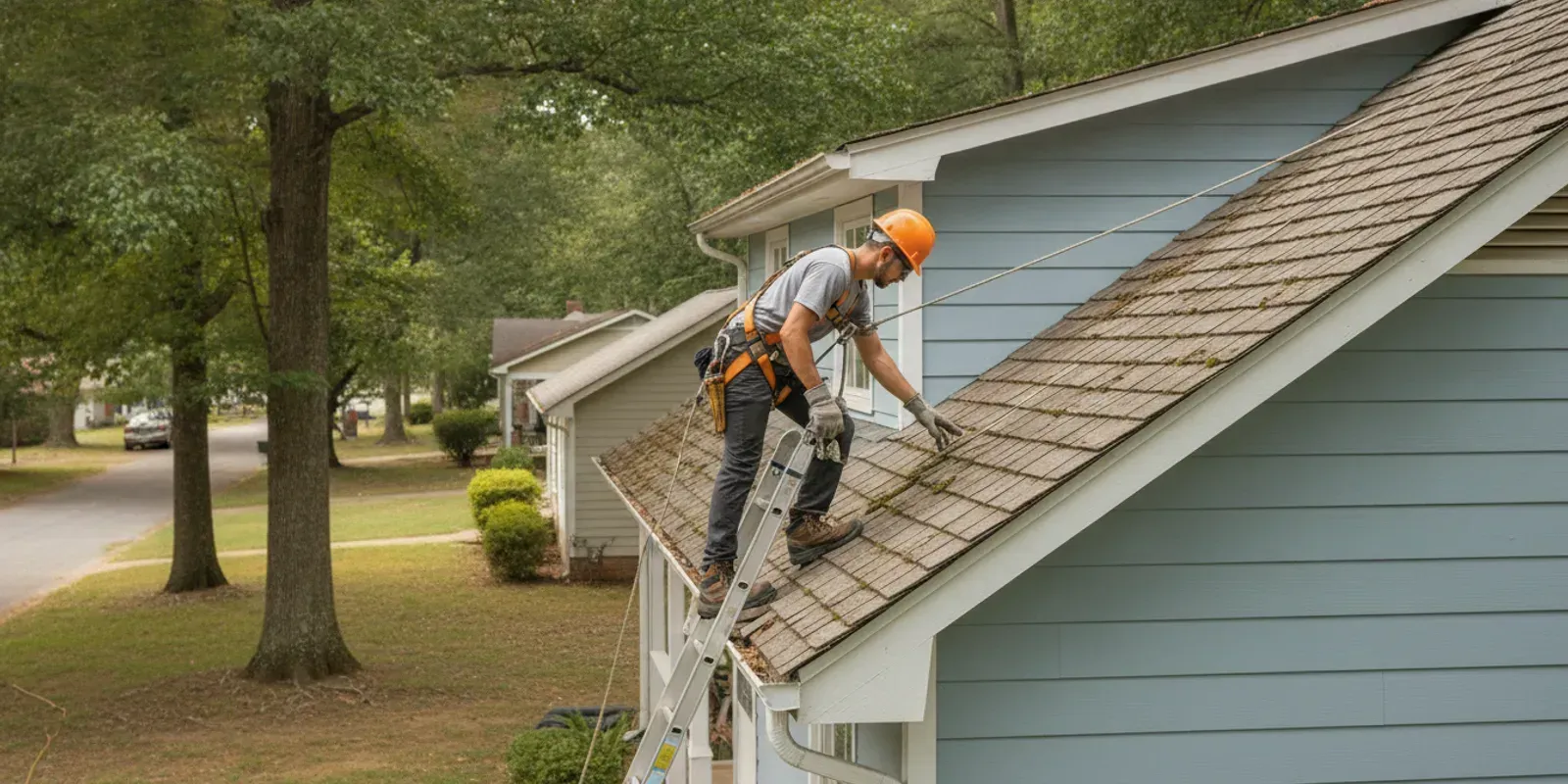
Water can also collect when drainage is restricted. Blocked gutters, downspouts, or roof valleys can slow runoff and allow water to back up at the roof edge. Standing water may then move beneath panels and create leaks in locations that seem unrelated to the gutter or valley. Keeping drainage clear is important, but roof-level inspection should be left to a professional when surfaces are wet.
Seams, movement, and capillary draw
Metal panels expand and contract as temperatures change. Flashing details should allow for that movement while shedding water through properly overlapped joints. Over time, thermal expansion can exceed the performance capacity of many sealants. Movement can leave a seam or edge less secure, giving stormwater a path into the roof system.
Capillary draw is another possible mechanism. Water can be pulled into a very narrow gap between closely fitted metal panels, even when the opening is difficult to see. Mechanical or interlocking joints help keep broad metal sections in contact and reduce open laps, but a gap, damaged joint, or inadequate seal can still admit water. These conditions are not safely diagnosed by tightening a screw or adding sealant without knowing how the roof was designed.
Roofing type changes the likely weak points
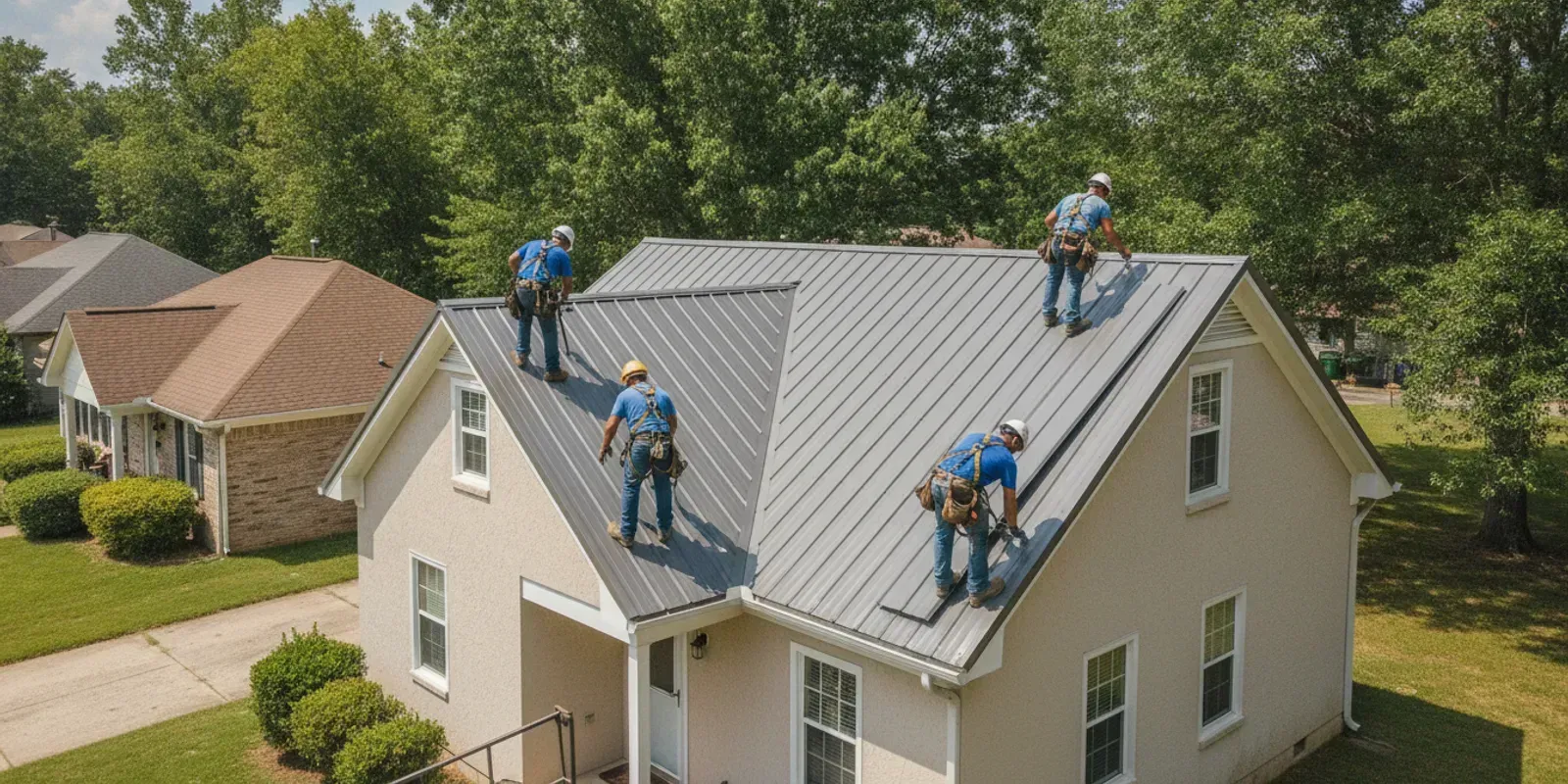
Metal roofing is not one uniform system. Total Roof Solutions works with options that include standing seam systems, screw-down panels, and copper roofing. A standing seam roof relies on interlocking raised seams, while screw-down panels have exposed fasteners that can become entry points when improperly installed or worn. Continuous panels and well-designed mechanical joints reduce unnecessary openings, but the details around edges, penetrations, and transitions remain important.
The right repair depends on the roofing type and the nature and extent of the leak. If metal roof leaks in heavy rain are recurring, document when the leak starts and where water appears indoors, then arrange an inspection. The assessment can distinguish a localized connection problem from broader seam, flashing, underlayment, or drainage concerns.
What Metal Roof Problems Should You Look For?
Answer: Possible trouble spots include worn or improperly installed fasteners, open panel seams, damaged flashing around transitions and penetrations, blocked drainage paths, and debris or ponding water. These clues can help organize a professional inspection, but they do not confirm the source of a leak.
Area to evaluate.What it may indicate.Safe homeowner action.Fasteners and seams.Openings or movement that may admit driving rain.Document visible concerns from the ground.Flashing and penetrations.Water entry near walls, vents, chimneys, or skylights.Note where the interior drip appears.Gutters and valleys.Backup, debris, or ponding that slows drainage.Watch for overflow without climbing onto the roof.
Fasteners and panel seams
Exposed fasteners can become entry points when they were driven too deeply, installed at the wrong angle, or no longer seal effectively. Weathering can also reduce the performance of a fastener assembly over time. A screw-down metal roof may therefore leak at a specific fastener, while a broader seam problem can allow water to travel beneath several panels. These are possible causes, not conditions a homeowner can reliably diagnose from the ground.
Panel joints deserve attention as well. Narrow gaps between panels can draw in water, and open or poorly sealed laps may become more vulnerable when driving rain pushes water across the roof. Mechanical or interlocking joints are designed to keep metal sections in contact and reduce open laps. Continuous panels are preferred where practical over joining smaller panels with exposed fasteners. These details are especially important when investigating metal roof leaks in heavy rain, because intense rainfall can reveal a weakness that stays dry in lighter weather. See the technical guidance on metal flashing and sheet-metal joints.
Flashing around transitions and penetrations
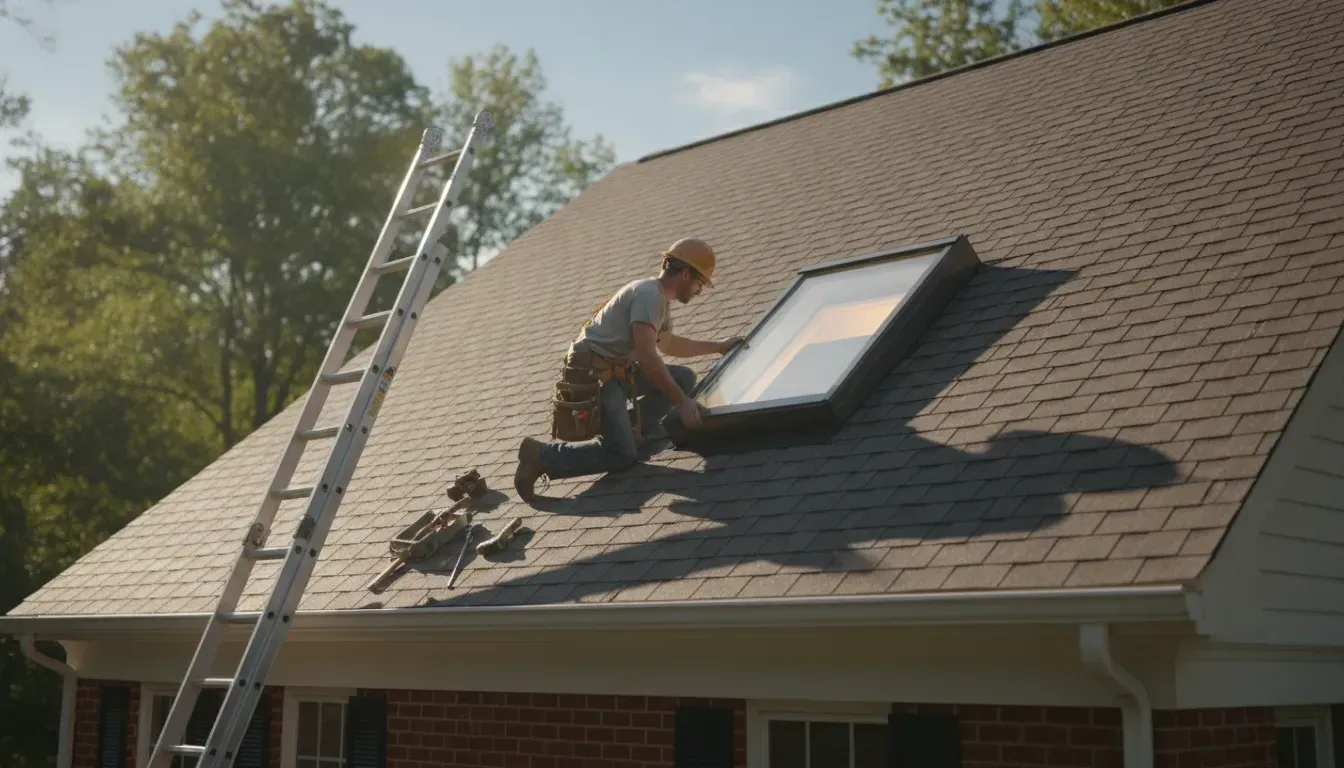
Flashing is the thin metal material used where the roof meets a wall, chimney, skylight, valley, or other transition. It also helps protect openings where pipes, vents, or other equipment pass through the roof. Bending, rust, separation, cracked flashing, loose caulk, or rust staining can indicate that a transition or penetration needs closer evaluation. Thermal movement can also affect flashing details and sealants, so a small visible gap does not necessarily explain the entire water path.
Penetrations are a high-priority inspection area because water can enter around their flashing and travel before appearing indoors. A ceiling stain may not be directly below the exterior entry point. Do not climb onto a wet roof or apply sealant based on a guess. Document what is visible from a safe location and have a qualified roofer trace the path.
Gutters, downspouts, debris, and ponding
Drainage problems can make an otherwise small weakness more significant during a storm. Blocked gutters or downspouts can cause water to back up at the roof edge instead of flowing away from the home. Leaves, sticks, and other debris can collect in valleys, hold water, and interfere with normal drainage. Persistent ponding places added stress on seams and fasteners and may allow water to work beneath panels.
Look from the ground for overflowing gutters, slow-draining downspouts, visible debris, or areas where water appears to remain after rainfall. Do not treat those observations as a diagnosis. A documented inspection can determine whether the concern involves drainage, flashing, fasteners, underlayment, or the roof structure, then match the next step to the actual condition. Total Roof Solutions provides residential roof repair and inspections and can evaluate related gutter installation and repair needs in McDonough, Henry County, and surrounding Georgia communities.
What Should You Do Inside During a Roof Leak?
Answer: Stay inside, keep people away from the affected area, contain the water, move belongings, document visible damage, and avoid wet electrical equipment. These steps can limit interior damage while you arrange professional help, but they do not repair the roof opening or identify the exterior source.
Make the Area Safer First
- Keep clear of immediate hazards. Do not climb onto the roof, attic framing, or wet surfaces to chase the leak, especially while rain is falling. A leaking roof can make ladders and roofing materials dangerously slippery. If the ceiling is sagging, bulging, or showing signs that part of the structure may give way, keep everyone out of the room. Do not attempt improvised bracing. Improper bracing can increase damage and injury risk. The building should be treated as unsafe until a qualified professional verifies it is safe to enter. Learn more about safe leak response.
- Stay away from wet electrical areas. Do not touch outlets, switches, light fixtures, appliances, cords, or other equipment that is wet or near standing water. If electrical equipment or circuits have gotten wet, turn off power at the main breaker only if the panel can be reached safely without stepping through water. Never enter standing water to reach the service panel. Instead, call a qualified electrician. The CDC electrical-safety guidance also advises keeping power off until wet equipment has been inspected.
Contain Water and Protect Belongings
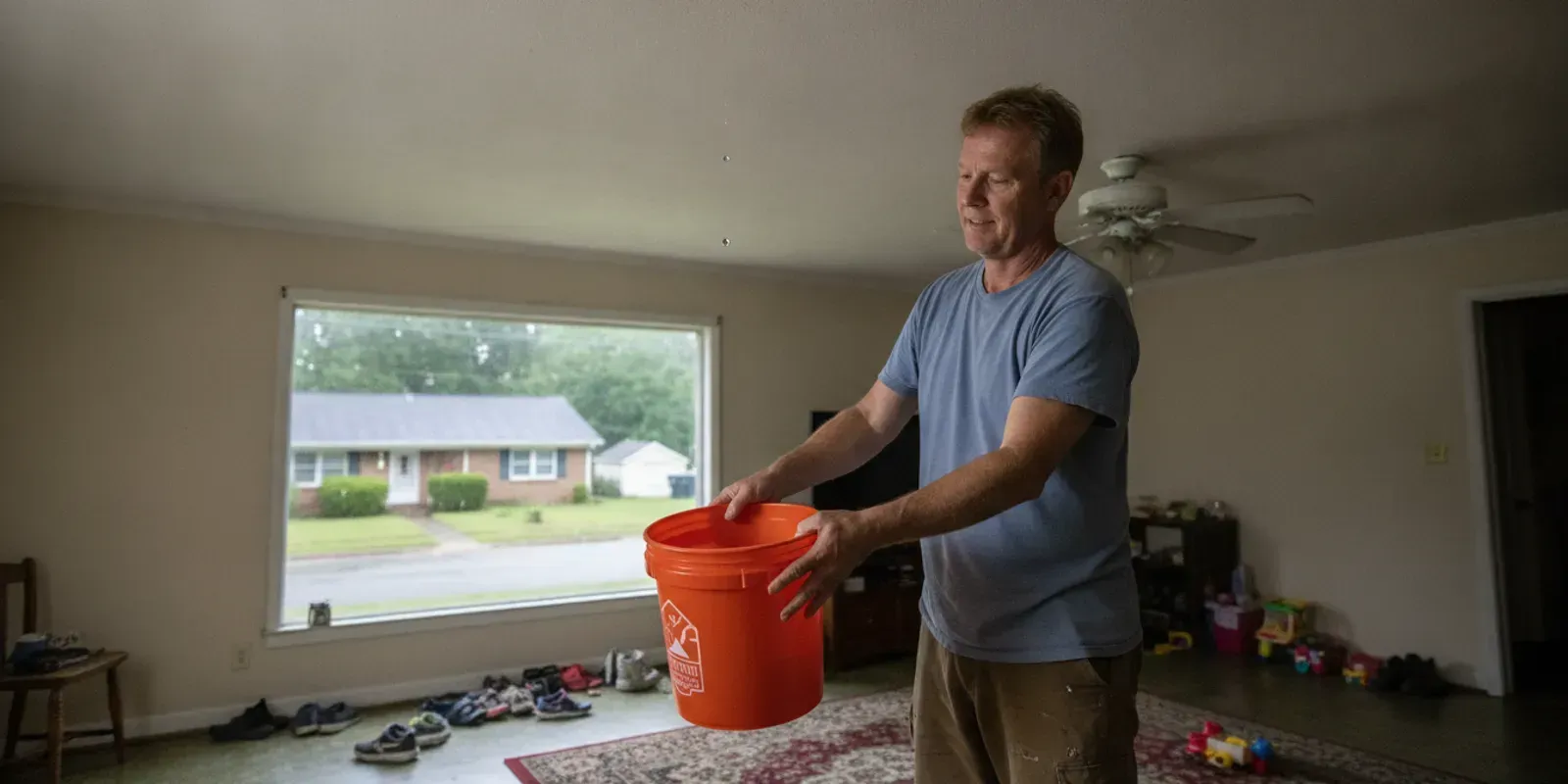
Place buckets, pans, or other stable containers beneath active drips. Empty them before they overflow, and use towels to protect nearby flooring when doing so is safe. Move furniture, electronics, rugs, and boxes away from the affected area. Do not pull down a wet ceiling or cut into drywall simply to release trapped water. A ceiling surface may be supporting wet material, and disturbing it can create additional debris or exposure.
Document What You See
Take photos and short videos of stains, dripping water, damaged finishes, wet belongings, and the surrounding room. Record when the leak started and whether it changes as the rain intensifies. This documentation can help with an insurance claim and gives a roofing professional useful context. Total Roof Solutions describes emergency response as including damage assessment, photo documentation, temporary stabilization, repair planning, and scheduling. Residential roof repair and inspections can address the roof condition after the immediate interior hazards are controlled.
A ceiling drip is not necessarily directly below the exterior entry point. Interior mitigation limits the consequences, but the roof source still needs a qualified inspection and appropriate repair.
Can You Safely Inspect or Temporarily Cover a Leaking Roof?
Answer: You can make a cautious ground-level observation, but you should not climb onto a wet roof during or after heavy rain. Use binoculars from a stable location to look for obvious changes, such as displaced materials, visible debris, or water flowing where it should not. Leave roof access, leak tracing, and any temporary covering at roof level to a qualified professional.
What can you check from the ground?
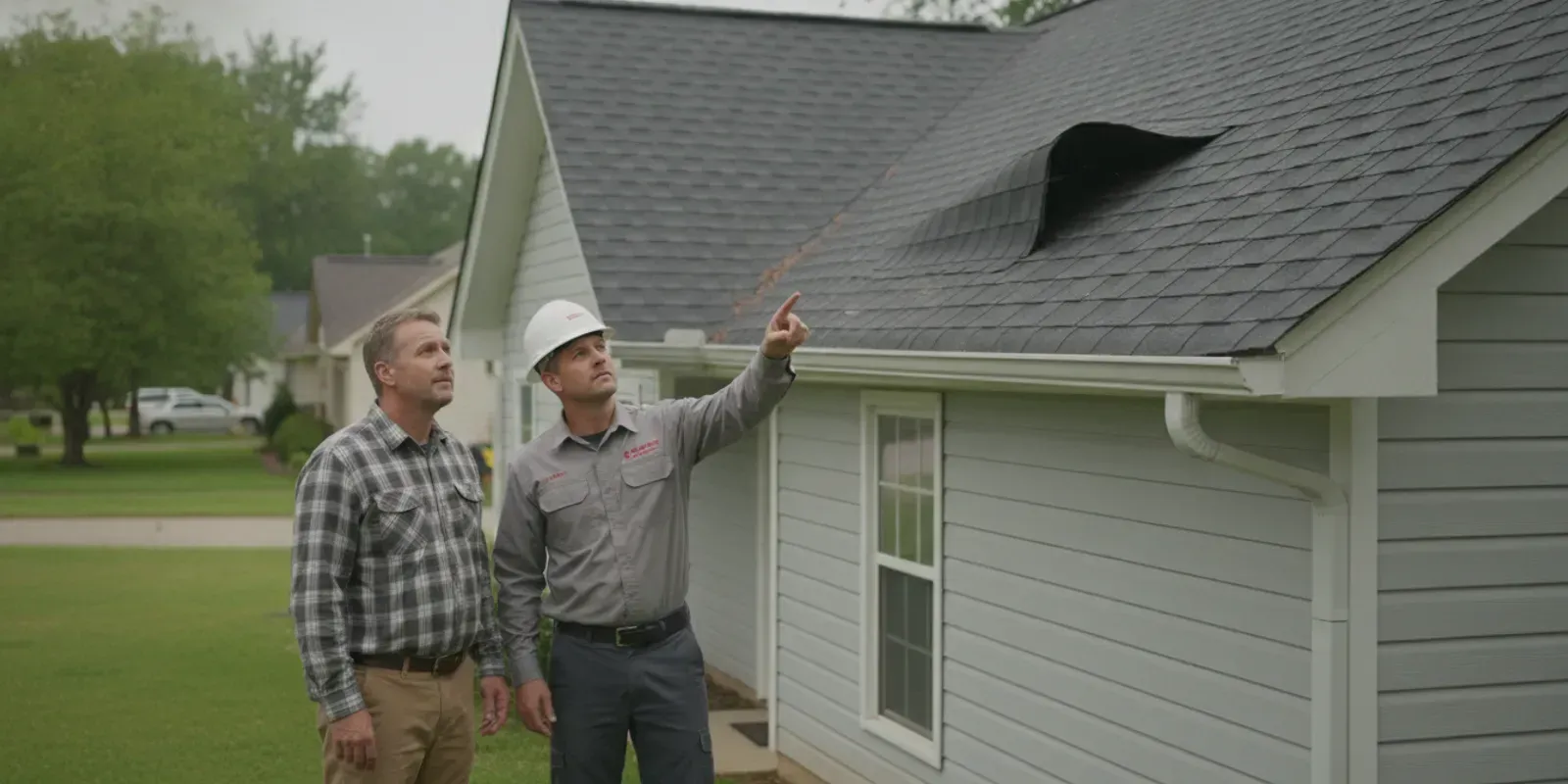
Binoculars can provide a closer view without putting you on the roof. Look from the ground, a driveway, or another dry, secure area. Note visible damage around roof edges, wall intersections, vents, skylights, and gutters, but do not treat a visual clue as a diagnosis. Water often travels beneath roofing materials before it appears indoors, so the ceiling stain or drip may not line up with the exterior entry point.
Take photos or video from a safe position if conditions allow. Document the active leak, damaged ceilings or walls, wet belongings, and visible exterior concerns. This record can help a roofer understand what happened and support an insurance conversation. If the roof or floor is sagging, or other structural warning signs appear, stay out of the area until a qualified professional verifies that it is safe.
Is it safe to put a tarp on the roof?
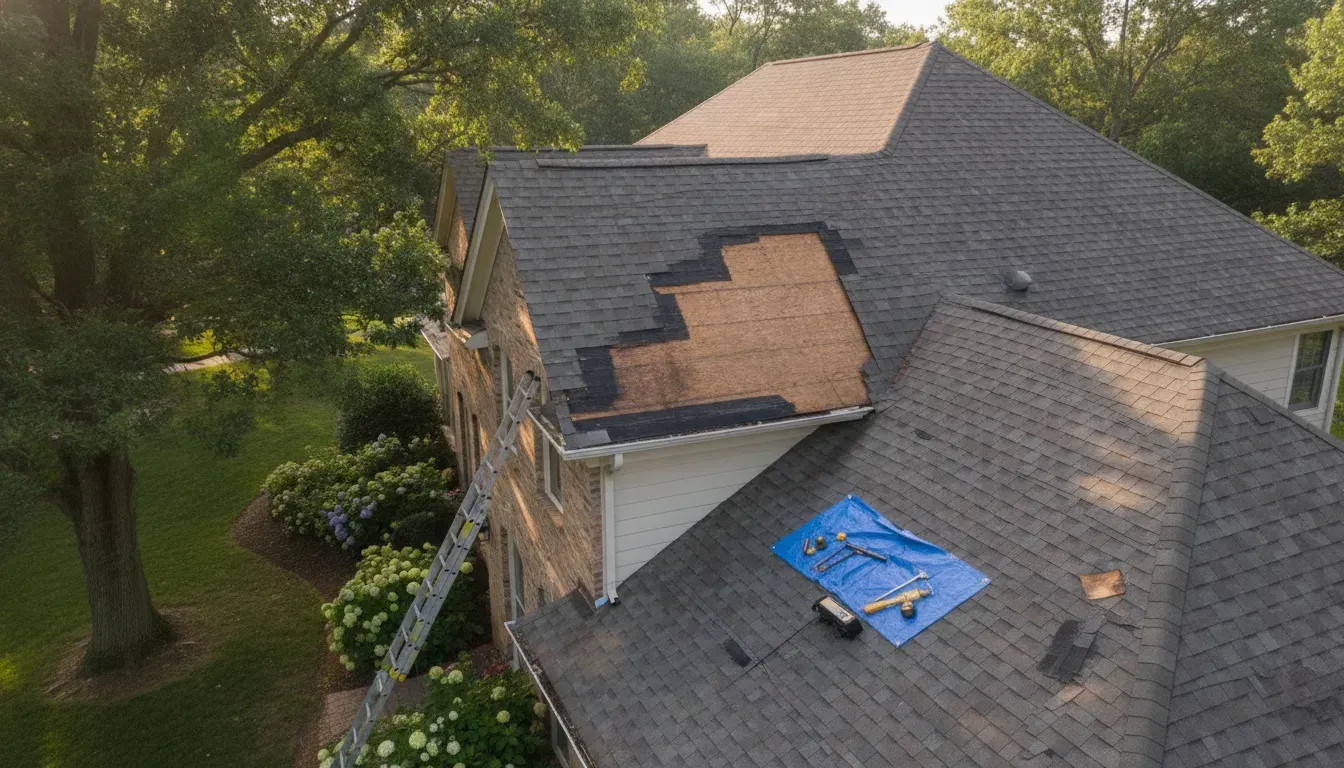
A tarp or plastic covering may limit water entry through a roof opening, but installing one generally requires roof access. Rain, slick metal panels, wind, ladders, and unstable surfaces create serious fall hazards. Large plastic coverings can also tear under the weight of collected rain unless they are properly supported. Do not improvise bracing or climb up to secure a covering while the roof is wet.
Professional tarping is a temporary stabilization measure, not a source repair. It may help limit additional intrusion while the roof is assessed, but it does not correct a failed fastener, seam, flashing detail, underlayment, or roof deck. The appropriate response depends on the roofing type and the nature and extent of the leak, so a temporary cover should be followed by a documented inspection.
When should you call for professional stabilization?
Call for help when water is entering during a storm, the roof has visible storm damage, or you cannot safely determine what is happening from the ground. Total Roof Solutions lists emergency leak mitigation, tarping, temporary repairs, flashing repairs, and structural evaluations among its response capabilities. Its process can include damage assessment, temporary stabilization, photo documentation, repair planning, and scheduling. Residential roof repair and inspections can help identify the next safe step for homeowners in McDonough, Henry County, and nearby Metro Atlanta communities.
How Does a Professional Find the Source of a Metal Roof Leak?
Answer: A professional traces the water path from the interior evidence back to the roof surface, then checks likely entry points such as penetrations, fasteners, seams, and flashing. The inspection also considers the underlayment, roof deck, and supporting structure so the repair plan addresses the actual extent of the damage, not only the visible stain.
They trace the water path, not just the ceiling stain
The location of a ceiling drip can be misleading. Water may travel along framing, insulation, the underside of a panel, or another concealed surface before it becomes visible indoors. For that reason, a qualified inspector compares the interior stain or drip trail with attic conditions and the roof layout. A drip trail can help identify the direction of movement, while the exterior inspection helps narrow the likely entry point. The source is rarely guaranteed to be directly above the visible ceiling mark, so a patch at that spot alone may leave the underlying leak unresolved. An extension roofing guide explains that leaks are rarely located directly above a ceiling water spot and that an attic drip trail can assist with tracing.
They focus on penetrations, fasteners, seams, and flashing
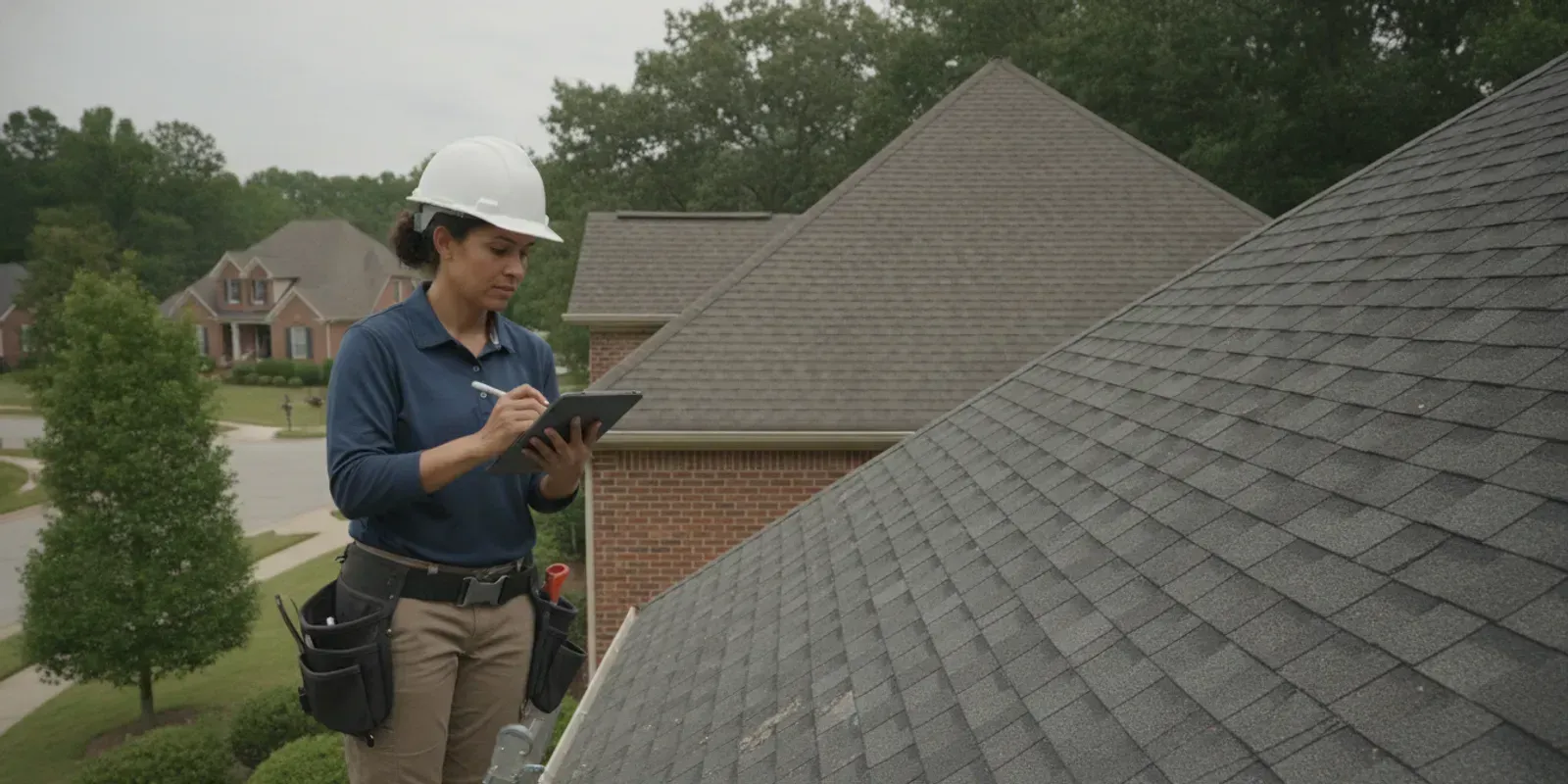
Roof penetrations are a high-priority inspection area. These include places where vents, pipes, skylights, chimneys, or other features pass through the metal panels. The inspector looks for cracked flashing, loose sealant, rust staining, displaced materials, and conditions that could allow water beneath the system. Fasteners are also reviewed for wear, poor seating, or other installation-related openings.
Seams and transitions receive the same careful attention. A professional checks whether panels and joints are shedding water as intended, whether flashing has separated or corroded, and whether drainage is directing water away from vulnerable edges. These observations help distinguish a localized defect from a broader seam or detailing problem. They also help explain why metal roof leaks in heavy rain may appear only during driving weather, even when the roof looks mostly dry during a light shower.
They assess hidden layers and define the repair scope
Finding the entry point is only part of the inspection. The assessment may examine the underlayment, which is a water-shedding layer beneath the metal panels, and the roof deck, which is the structural surface supporting the roof covering. Moisture-related deterioration, storm damage, mold indicators, or movement in the supporting structure can change the work that is appropriate.
Total Roof Solutions describes its residential inspection process as evaluating structural damage, mold, storm damage, flashing condition, signs of leaks, and damaged underlayment. Its repair services include flashing and underlayment work, along with structural damage repair when indicated by the findings. Homeowners in McDonough, Henry County, and nearby communities can review the company's residential roof repair and inspections information to understand the inspection and repair services available. The final scope should follow documented conditions and the nature and extent of the leak, rather than an assumption made from one interior stain.
When Is a Metal Roof Leak an Emergency in Georgia?
Answer: A leak becomes an emergency when water is actively entering the home, reaching electrical equipment. Collecting as standing water, or causing the ceiling, roof, or other structural areas to sag. Storm damage also deserves prompt assessment, even if the first drip appears small. During severe weather, focus on keeping people safe and limiting interior damage. Leave wet roof surfaces and roof-level diagnosis to qualified professionals.
Act quickly when water or electricity is involved
Move people away from active leaks, wet ceilings, and areas where water is collecting. Place containers under drips only when you can do so without standing beneath a visibly sagging ceiling. Move furniture, electronics, and other belongings out of the affected area, and photograph visible damage for your records or an insurance claim.
Water and electricity create a serious hazard. If electrical circuits or equipment are wet or in or near water, turn off power at the main breaker only if the service panel is safely accessible. Do not walk through standing water to reach it. The CDC advises calling a qualified electrician when the main switch cannot be reached safely, and wet electrical equipment should not be re-energized until it has been inspected. Review electrical safety guidance from the CDC before taking action.
Warning signs that the structure may be unsafe
A sagging ceiling or roof, expanding water damage, a sudden increase in leakage, or visible storm impact can indicate more than a minor surface issue. Do not climb onto the roof during rain, and do not enter an area that appears structurally unstable. The EPA's flood-home safety guidance recommends treating a building with sagging or other structural warning signs as unsafe until a qualified professional verifies that it is safe to enter.
Storm-damaged panels, displaced flashing, and openings around roof penetrations can continue admitting water after the rain slows. A visible ceiling stain may not sit directly below the exterior entry point, so a quick look from a safe location does not confirm the source. Avoid tightening fasteners, applying sealant, or attempting improvised bracing while conditions are wet.
What emergency roofing help can address
Total Roof Solutions serves homeowners in McDonough, Henry County, Metro Atlanta, and surrounding Georgia communities. Its emergency response may include rapid damage assessment, photo documentation, temporary stabilization, leak mitigation, and tarping to limit additional water intrusion. Those measures are temporary protection, not proof that the underlying leak has been permanently repaired.
Drainage problems can worsen water backup at the roof edge, especially when gutters or downspouts are blocked or damaged. If that appears relevant, our team can also evaluate gutter installation and repair. For a professional assessment after heavy rain or a storm, learn about Total Roof Solutions and the inspection process before deciding on the next repair step.
Request a professional roof inspection before the next storm
Frequently Asked Questions
Why does my metal roof leak only in heavy rain?
Heavy, wind-driven rain can push water into small gaps at seams, flashing, penetrations, or worn fasteners that stay dry during lighter showers. Thermal movement can also stress joints and sealants over time. Because water may travel beneath panels before appearing indoors, the ceiling stain may not be directly below the entry point.
What should I do first when rain comes through the roof?
Stay off the roof, especially while it is wet. From a safe location, place containers under drips, move furniture and belongings, and photograph visible damage. If water is near outlets, fixtures, or electrical equipment, do not touch wet components or enter standing water. The CDC advises shutting off power at the main breaker only when it is safe to reach. And having a qualified electrician inspect wet equipment before power is restored: CDC electrical-safety guidance.
Can I seal a metal roof leak myself?
A sealant or patch may temporarily limit water entry. But choosing the wrong product or applying it to a moving seam can conceal the source and complicate a lasting repair. Do not climb onto the roof or tighten fasteners during a storm. A qualified roofer should identify whether the problem involves a seam, fastener, flashing detail, penetration, underlayment, or drainage before recommending work.
How does a roofer find the source of a metal roof leak?
An inspection follows the water path from the interior and attic, then evaluates roof penetrations, panel seams, fasteners, flashing, drainage, underlayment, and the roof deck. Professionals also look for hidden structural or moisture damage. The appropriate repair depends on the roofing system and the nature and extent of the leak, so a visible drip alone is not enough to specify a repair.
Ready to Request a Professional Roof Inspection?
Metal roof leaks in heavy rain can come from movement, fasteners, flashing, or drainage, so identifying the source is an important first step. Our team can assess the roof and discuss appropriate emergency leak mitigation for your Georgia home. To schedule an inspection, request a professional roof inspection through Total Roof Solutions.