Wind Damage to Roof Insurance Coverage: What to Check First
MEGA MEGA • October 9, 2026
Review wind damage to roof insurance coverage, document roof damage safely, and learn what to ask your insurer after a Georgia storm.

After a strong Georgia storm, missing or lifted shingles can leave you wondering whether your homeowners policy will pay for repairs. Wind damage to roof insurance coverage depends on the wording of your policy, the cause and extent of damage, your deductible, and the insurerâs claim decision. Start with safety, preserve what you can document, and ask your carrier how your specific policy applies.
Request help discussing your roof damage
What Does Wind Damage to Roof Insurance Coverage Usually Depend On?
Short answer: Coverage is determined by your own policy and the facts of the loss, not by a general rule that every wind-damaged roof is covered. Check the covered causes of loss, exclusions, deductible, valuation terms, and claim deadlines with your insurance company.
Homeowners policies are contracts. The precise language can differ by carrier, policy form, endorsements, property, and renewal date. A storm may cause damage that is eligible for consideration under one policy while a different policy has an exclusion, limitation, or deductible that changes the result. Only your insurer can explain its decision under your contract.
When you speak with the carrier, distinguish what you observed from what you suspect. For example, you can report that shingles appear lifted or missing after a particular storm. Avoid claiming that a roof is a total loss or that every issue came from that storm before a qualified inspection and the carrierâs review.
A FEMA hail case study provides one example of storm-related roof damage documented in a specific setting; it does not determine wind coverage for another homeowner. A professional can describe the observed condition and possible repair needs, but the insurer evaluates the reported loss under the wording of your policy. Avoid treating a general roof-performance finding as proof that a particular storm caused a specific condition or that the policy must cover it: FEMA hail-damage case study.
What Should You Do First After a Windstorm?
Short answer: Protect people first, prevent additional damage only when it is safe, and contact your insurer promptly. Do not climb onto a wet, damaged, or unstable roof to investigate.
- Check for immediate hazards. Stay away from downed power lines, hanging branches, damaged electrical equipment, and areas where the roof or ceiling may be unstable. If a part of the home appears unsafe, keep people away and contact the appropriate emergency service or utility.
- Look from the ground. From a safe location, note visible missing shingles, displaced flashing, fallen limbs, debris, or water entering the home. You can also look at ceilings and upper walls for new damp areas. Do not walk on the roof or enter an unsafe attic.
- Limit interior water damage safely. Move belongings away from a leak if you can do so without entering a hazardous area. Use a container to catch drips, and keep people away from sagging ceilings. Do not puncture or press a bulging ceiling.
- Notify your carrier. Ask how to start a claim or document an incident, what information the company needs, and whether it wants to inspect before temporary work or permanent repairs. Record the date, time, claim number, and instructions.
- Arrange qualified help. If water is entering or the roof needs temporary protection, ask the insurer about its process and arrange safe assistance. A roofer can assess visible conditions and explain repair needs, but does not decide what the policy covers.
For additional storm-related homeowner context, you can read our guide to hurricane roof damage and repair. The steps for a particular loss still depend on current conditions and the directions of local emergency responders and your insurer.
How Can You Document Roof Damage Without Taking Risks?
Short answer: Make a dated record from safe locations and keep original files. A clear timeline and organized evidence can help you explain what you saw and answer questions during the claim review.
Photograph or video visible conditions from the ground, a window, or another safe place. Capture both wider views that show where damage is located and closer views that are safe to take. Include the date and note the direction or side of the house when you can identify it. Do not use a ladder or step onto shingles just to get a better image.
Save relevant records in one folder. Useful items may include:
- Photos and videos taken after the storm, with original timestamps preserved.
- A brief written timeline of the storm, when you first noticed damage, and when leaks began.
- Receipts for reasonable emergency measures, temporary coverings, or cleanup.
- Messages, emails, claim numbers, and notes from calls with the insurer or its representatives.
- Any earlier roof inspection, repair, or replacement records that you already have.
- Photographs of interior water marks or damaged personal belongings, when safe to take.
Keep the images factual. Do not alter photos to make damage look larger or remove details from files. If you are unsure whether something is storm damage or a pre-existing condition, label it as an observation and ask the inspector to assess it. A roof evaluation may identify more than one condition, and the carrier may ask for evidence about the cause and timing.
FEMAâs case study, âHail, Hail, the Roofâs Still Here,â describes a study involving homeowners with storm-initiated roof damage severe enough to require replacement. It is a hail-related case study, not a guide to wind coverage or a prediction of any carrierâs decision. It does underscore why the observed roof condition and the details of the particular event matter when a loss is evaluated.
What Policy Terms Should You Ask Your Insurance Company About?
Short answer: Ask the carrier to explain the applicable covered cause of loss, exclusions, wind or named-storm deductible, roof valuation method, and reporting requirements in your own policy. Get the answers in writing when possible.
Rather than relying on a neighborâs experience or a general online statement, find your declarations page and policy documents. The declarations page can identify the policy period, coverage limits, and deductible information, but the full policy and endorsements contain the operative details. If you cannot find a document, ask the insurer or agent for a current copy.
Policy item to checkQuestion to askWhy it mattersCovered cause of lossHow does this policy address wind damage to the dwelling and roof?The policy language and facts guide whether the reported cause is covered.Exclusions or limitationsAre there exclusions, restrictions, or endorsements that apply to roof damage or this event?Terms can vary, and an exclusion or limitation may affect part or all of a claim.DeductibleWhich deductible applies, and how is it calculated for this reported loss?Some policies may have a separate wind, named-storm, or other deductible. Do not assume the standard deductible applies.Roof settlement termsIs roof damage settled on a replacement-cost or actual-cash-value basis, and are there conditions to receive any holdback?The valuation method and policy requirements can affect how payment is calculated and when it is issued.Claim processWhat is the reporting deadline, what evidence is needed, and should the insurer inspect before repairs?Following the carrierâs process helps avoid missed steps and confusion about work already completed.Scope and estimateHow can I ask about items that seem missing or different between estimates?A written explanation can clarify what was reviewed and what information may be considered next.
Use the answers to understand the process, not to assume the final result. A deductible is generally the portion assigned to you under the policy, but its application and calculation depend on the contract and claim facts. If an answer is unclear, ask the adjuster or agent to point to the relevant policy wording. For coverage disputes or questions about your rights, consider speaking with a qualified insurance professional or attorney; a roofer is not a substitute for either.
How Do Deductibles and Roof Valuation Affect a Claim?
Short answer: The amount a policy may pay is not necessarily the same as a contractorâs estimate. The applicable deductible, policy limits, depreciation or valuation terms, approved scope, and repair documentation may all affect the claim accounting.
Policies may use different methods to value damaged property. Some policies or endorsements may provide replacement-cost coverage subject to stated conditions, while others may use actual cash value for some or all roof losses. The names alone do not answer what your policy will pay. Ask the carrier to explain the calculation for your roof and whether any payment is conditional on completing work or submitting documents.
A separate wind or named-storm deductible may apply under some contracts. It can be a fixed amount or may be calculated in a way specified by the policy. Confirm the amount and how it applies to the event directly with the insurer. Do not estimate your out-of-pocket cost based only on a standard deductible figure from an advertisement or another homeownerâs claim.
When reviewing an estimate, compare descriptions rather than just the total. Check which roof areas and components are included, whether temporary protection is listed, and whether the scope matches the conditions that were inspected. Ask the carrier how to submit additional documentation if a roofer identifies a potentially related item not included in the initial estimate. A difference between estimates does not, by itself, prove an error or guarantee additional payment.
If you are weighing repair against replacement, our roof repair versus replacement guide explains common practical factors. Coverage decisions remain separate from the physical question of what work a roof needs.
What Roof Damage Might an Inspection Find?
Short answer: Wind can affect roof components in ways that are not obvious from the ground, while some visible issues may have causes unrelated to the recent storm. A careful inspection can document conditions, but it cannot promise insurance approval.
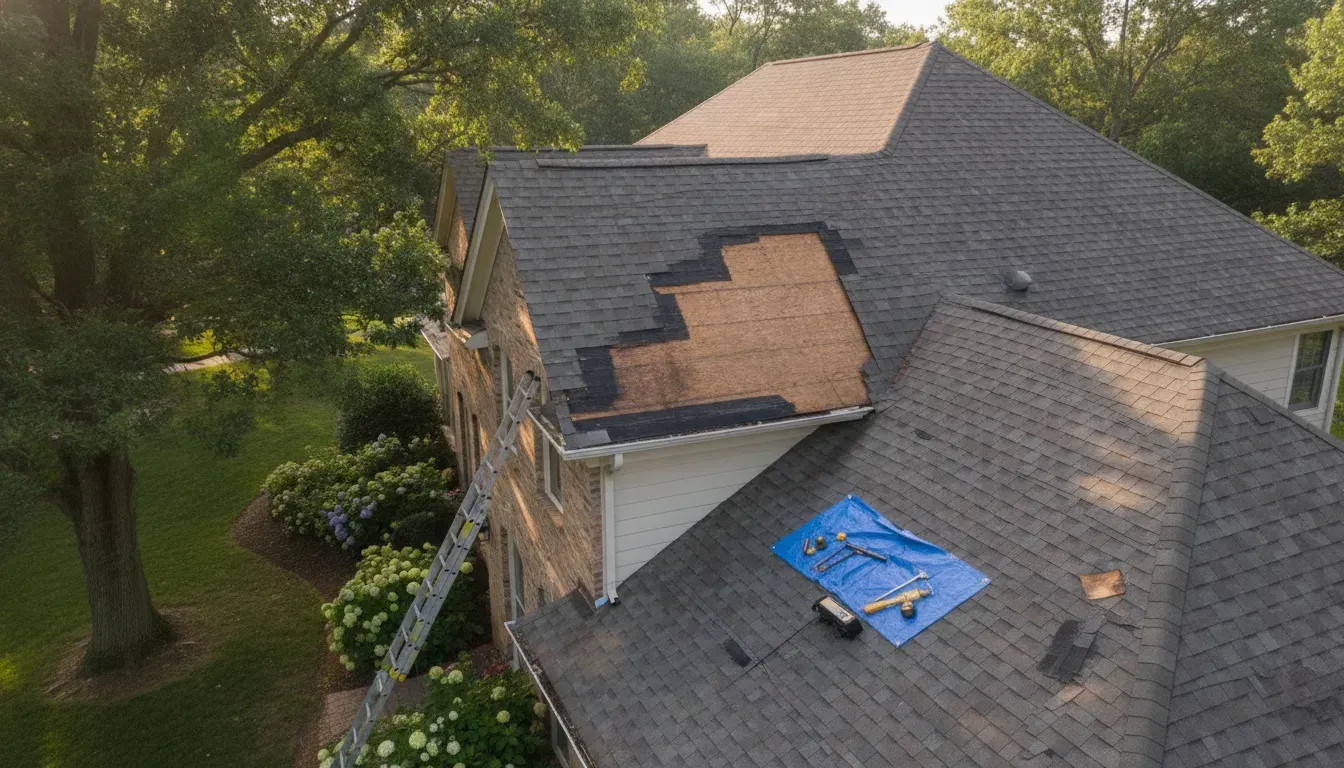
On an asphalt-shingle roof, an evaluator may look for missing, creased, lifted, or displaced shingles, damage around edges and ridges, flashing concerns, and signs that water reached the roof deck or interior. They may also consider roof age, prior repairs, installation details, and exposure. The observed condition and available records help inform an assessment; no single sign automatically establishes the cause or coverage.
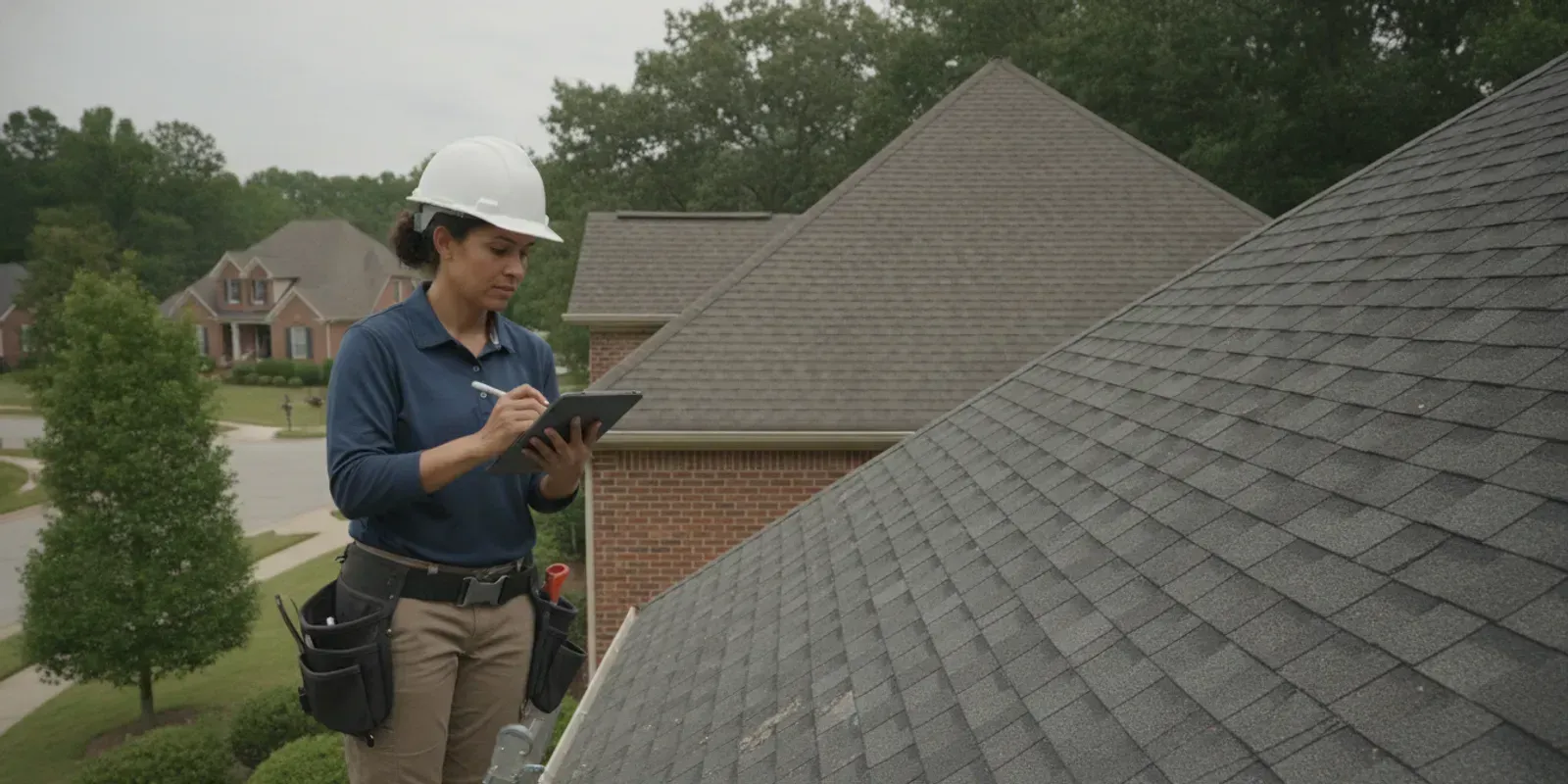
Do not try to test shingles by lifting them, walking the roof, or pulling at materials. These actions can cause more damage or create a fall hazard. Ask the carrier whether it plans to send an adjuster and whether you may obtain an independent roofing assessment. If a roofer inspects first, request a written description and photographs of observed conditions, not a guarantee that the insurer will pay.
Our page on what a roof inspection can cover offers more context about professional evaluations. You can also review examples of roofing work completed by Total Roof Solutions to understand the kind of residential projects the team handles.
How Should You Coordinate the Roofer and the Insurance Adjuster?
Short answer: Keep the insurer informed, ask before permanent work begins, and share factual inspection documents. The homeowner remains responsible for understanding the contract and approving work, while the insurer evaluates the claim under its own process.
Tell your carrier if you plan to have a contractor assess the roof. Ask whether the adjuster wants to inspect before temporary repairs, what photographs or estimates it needs, and how to send them. If the insurerâs inspection and a rooferâs findings differ, request a clear explanation of the difference and ask what additional documentation the carrier will consider.
Choose a contractor based on relevant qualifications, clear written communication, and a scope you understand. Be cautious of anyone who:
- Promises that your claim will definitely be approved or that insurance will pay for a full replacement before the carrier reviews it.
- Pressures you to sign immediately or discourages you from reading a contract.
- Offers to waive or absorb your deductible in a way that raises questions about compliance with your policy or state law.
- Asks you to exaggerate damage, misstate the date or cause, or submit information you know is inaccurate.
- Insists on taking control of your claim or communicating with the insurer in a way you do not understand.
Read agreements carefully and ask questions before authorizing work. If a contractor proposes work beyond emergency protection before your carrierâs inspection, ask the insurer how that may affect its review. Our guide to choosing a roof repair service provides additional questions to consider when selecting help.
What If Water Is Coming Into the House?
Short answer: Reduce immediate risk and prevent further damage only when safe, while keeping records and checking with your insurer. A temporary measure is different from a permanent repair, and the carrier can explain what documentation it expects.
Move furniture and belongings out of the affected area if you can do so safely. Place a container under a drip, but do not stand beneath a bulging ceiling or touch electrical fixtures near water. If the ceiling is sagging, the water is near wiring, or the structure seems unstable, keep clear and seek appropriate professional help.
Contact your insurer promptly to report active water intrusion and ask what emergency mitigation steps it recommends. Take safe photos before and after temporary protection when possible, and save itemized receipts. Do not delay urgent safety work merely to obtain a perfect photograph, but document what was done and why as soon as it is safe.
For a leak that is not an immediate emergency, our step-by-step guide to finding a roof leak describes safe observations from inside and outside the home. If you see roof damage after a major storm, our storm-damage roof repair services can help with next steps; they do not replace your wind policy or insurerâs instructions.
What Questions Can You Ask Your Insurer?
Short answer: Ask direct, written questions about the policy, inspection, evidence, and decision. Keep a record of who answered and what next steps were given.
- What is my claim number, and what date of loss is recorded?
- Which policy provisions and deductible are being applied to the reported wind damage?
- Does the policy use replacement-cost or actual-cash-value terms for this roof, and what conditions apply?
- Should I wait for an inspection before completing non-emergency repairs?
- What photos, receipts, estimates, or prior roof records should I submit?
- How do I ask for a reinspection or provide additional information if another assessment identifies more damage?
- What is the next step, and when should I expect an update?
After a call, write down the date, representativeâs name, and key instructions. If you do not understand a decision, ask for its basis in writing and where the relevant wording appears in your policy. For broader information about your policy rights or complaint options, contact the appropriate state insurance regulator or a qualified insurance professional. Do not rely on a contractor, online article, or another homeowner to interpret your particular contract.
How Can Georgia Homeowners Prepare Before the Next Storm?
Short answer: Keep policy and roof records accessible, know how to contact your insurer, and address known maintenance issues before severe weather where practical. Preparation does not guarantee a claim outcome, but it can make it easier to respond and describe a new loss.
Save a copy of your current policy, declarations page, and insurer contact details in a location you can reach if the power or internet is unavailable. Keep prior invoices, inspection reports, and existing roof photographs together. If you are unsure which deductible applies to wind, ask before storm season rather than during a stressful claim.
Look at your roof from the ground periodically and note obvious changes, such as missing shingles or debris buildup. Have concerns assessed by a qualified professional rather than climbing onto the roof yourself. Keep tree limbs and yard items from creating avoidable hazards where possible, and follow local weather and emergency guidance during a storm.
If your home is in the area, Total Roof Solutions serves homeowners in Georgia communities including Henry County and other areas across Georgia. Service availability and the right response depend on the property and situation, so contact the team with your location and questions.
What If You Disagree With the Claim Decision?
Short answer: Read the written decision, compare it with the policy and the information submitted, and ask the insurer what review or appeal steps are available. Process names, deadlines, and rights vary, so follow the instructions in your policy and decision letter.
A denial, partial payment, or estimate that feels incomplete can be difficult to sort through. Begin by identifying exactly what the insurer decided. Is the question whether the cause of damage is covered, whether a particular roof area was damaged in the event, whether an exclusion applies, or whether the estimate includes the full repair scope? Different issues call for different supporting information.
Request the explanation and relevant policy references in writing if you do not already have them. Review the carrierâs inspection notes and estimate, then make a list of specific questions. For example, ask which areas were inspected, how the insurer attributed a condition, and what documentation would be considered if you have additional evidence. Avoid treating a disagreement as proof that either side acted improperly; first clarify the facts and the contract language involved.
If a roofer or other professional has additional observations, ask for a written report that describes the locations, visible conditions, and supporting photographs. Send it through the insurerâs stated process and keep a copy of what you submit. A report can inform the review, but it does not obligate the insurer to change its decision. Do not ask anyone to change a report to fit a desired claim result.
Keep a dated record of communications and note any response dates or other deadlines the carrier gives you. If you are still unsure what the policy requires, speak with your insurance agent, a qualified public adjuster where appropriate, an attorney, or the state insurance department. Check credentials and understand any fees or agreement before hiring help. These professionals have different roles, and none can promise that a claim will be approved.
How Can You Keep the Claim Process Organized?
Short answer: Use one dated record for the event, communications, inspections, and repair documents. Organization makes it easier to answer follow-up questions without mixing old roof conditions with the storm-related observations.
Create a simple claim folder, either digital or paper, and save the policy documents, claim number, photographs, inspection notes, written estimates, receipts, and correspondence together. Use descriptive file names, such as the date and location shown in a photograph, rather than renaming or editing the original image. If you send documents through a portal or by email, keep a copy of what you submitted and note the date.
A short event log can capture details that may be hard to recall later. Record when the storm occurred as best you know, when you first saw a condition, when water entered, what temporary steps were taken, and who you contacted. Mark uncertain details as estimates rather than presenting them as confirmed facts. If you later learn that a date or observation was wrong, update your notes clearly rather than deleting the earlier entry.
Keep contractor paperwork separate from the insurerâs estimate so you can compare the two. Note whether each document describes inspection findings, proposed work, completed work, or a payment calculation. If a scope uses unfamiliar terms, ask the writer to explain them in plain language. For each difference, record the location or component involved and the specific question you need answered; a focused question is easier to follow up on than a general disagreement about a total.
Before signing a work agreement or paying a deposit, make sure you understand what work is authorized, what may change if hidden conditions are found, and how payment is handled. Do not assume an insurerâs preliminary estimate is an agreement with a contractor, and do not assume a contractorâs estimate is a coverage decision. Ask both parties about their own document and process. If you need a payment option for a roof project, you can review Total Roof Solutionsâ roof financing information; financing is separate from insurance coverage and any application or terms should be reviewed directly.
Ask our team about a roof damage concern
Frequently Asked Questions
Short answer: A few common questions come up after wind damage, but the policy and the insurerâs review control each individual claim.
Does homeowners insurance always cover wind damage to a roof?
No general article can determine that. Coverage depends on the policy language, applicable exclusions or limitations, the deductible, and facts about the reported damage. Ask your insurer how your own policy applies.
Can I repair my roof before the insurance adjuster visits?
Ask the carrier before starting permanent repairs whenever circumstances allow. If an urgent temporary measure is needed to protect people or limit further damage, prioritize safety, follow the insurerâs guidance when available, and keep photographs and receipts.
Will the insurer pay for a full roof replacement?
Not necessarily. The insurer evaluates the reported damage under the policy, and the outcome can depend on the documented conditions, the approved scope, valuation terms, deductible, and other policy provisions. A contractor cannot guarantee approval.
What if the adjuster and roofer have different estimates?
Ask each party to explain the scope and evidence behind its estimate. Share relevant photographs or written findings with the insurer and ask how it handles additional documentation or a request for another review. An estimate difference alone does not determine coverage.
Can a roofer negotiate or interpret my policy for me?
A roofer can describe observed roof conditions and explain a proposed repair scope. The insurer makes its coverage decision under the policy. For questions about legal rights or policy interpretation, consult a qualified insurance professional or attorney.
Contact our team about roof damage
Wind damage can be stressful, but you do not have to guess your next step: stay safe, document what you can, and ask your insurer to explain the terms that apply to your home.