Should I Stay Home During Roof Replacement?
MEGA MEGA • September 1, 2026
Wondering, Should I Stay Home During Roof Replacement? Get practical Georgia guidance on noise, safety, pets, access, weather, and your final walkthrough.

A roof replacement changes more than the view from your windows. Tear-off, tools, deliveries, and cleanup can affect noise levels, driveway access, daily routines, and the comfort of children or pets. A little planning before the crew arrives can make a one-to-three-day project far easier to manage.
You do not have to be home for the work, but should i stay home during roof replacement depends on your household, schedule, and the contractor's site plan. Leaving may reduce disruption and help the crew work efficiently. Staying can work, too, if you have a safe place away from active work areas and clear expectations for access, weather delays, updates, and the final walkthrough.
Plan your roof replacement with Total Roof Solutions
The best choice starts with an honest look at how your home functions during a busy workday. Consider the practical issues below, then confirm the plan with your roofing team before installation begins.
Should I Stay Home During Roof Replacement?
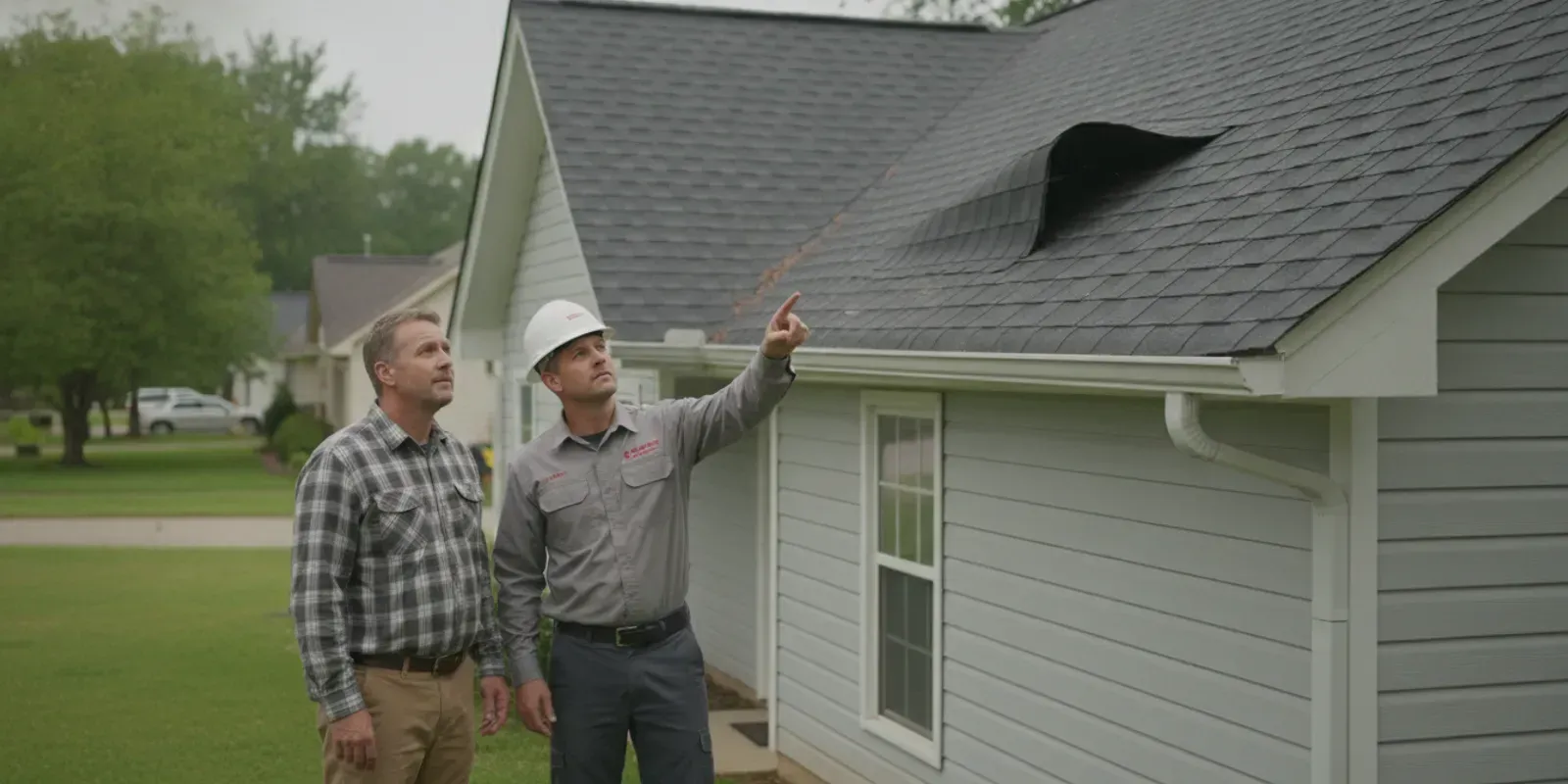
No, you generally do not need to stay home during a roof replacement. You can leave once the crew has confirmed the access plan, work boundaries, and best way to reach the project lead. Staying home can also work if you are comfortable with the noise and can keep your household away from active work areas.
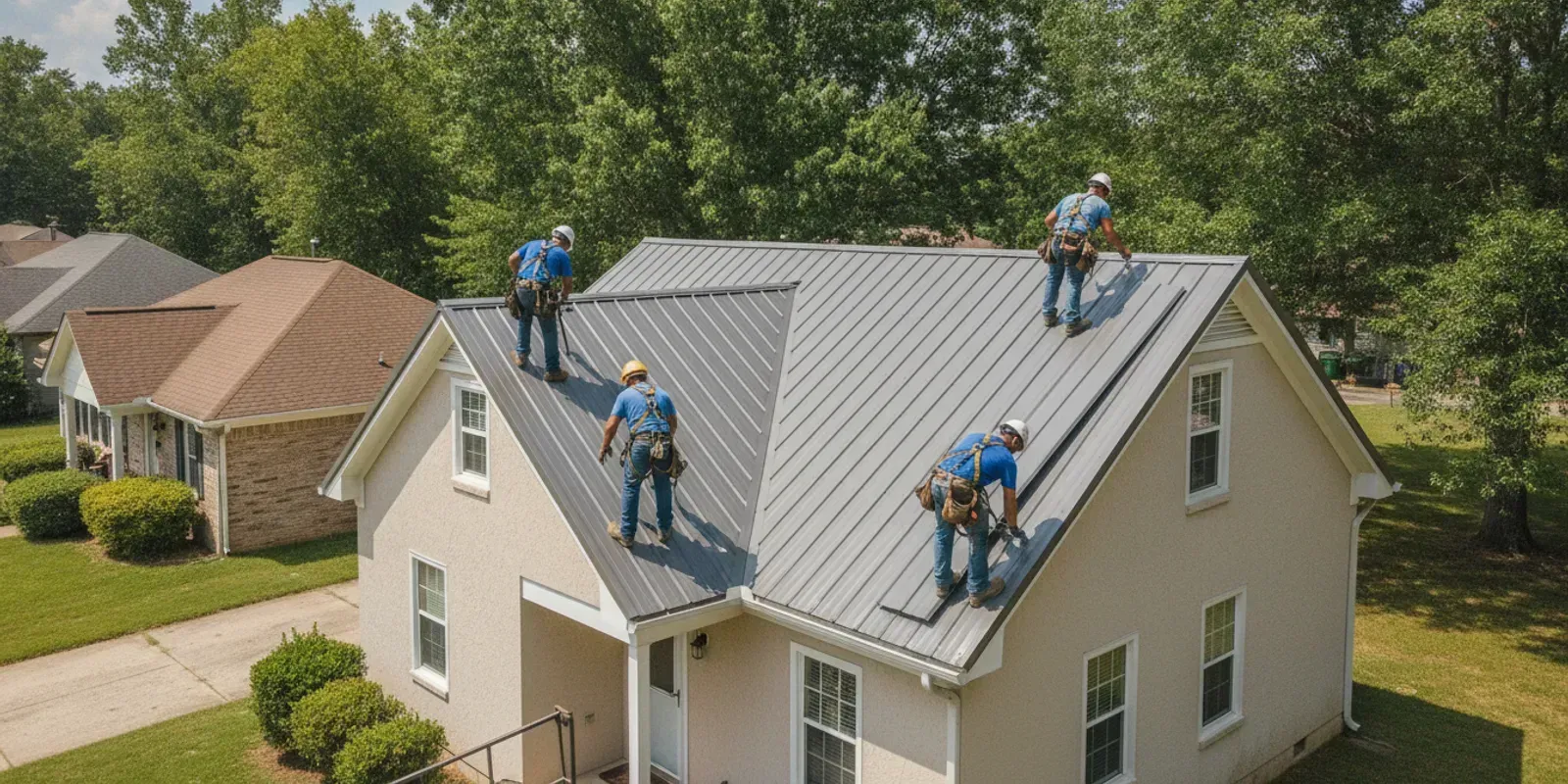
The right choice depends less on supervision and more on your household's needs. A professional crew should be able to protect the property, manage the worksite, and communicate progress whether you are home or away. Total Roof Solutions' typical residential replacement takes one to three days, depending on the roof's size and complexity. Review the typical roof replacement timeline so you can plan around the expected work window.
When leaving may be more comfortable
Roofing includes removing old materials, moving equipment, and installing the new system. That activity can be disruptive, especially during tear-off. If you work remotely, have a baby who naps, or prefer a quiet environment, arranging to work elsewhere may make the project easier. Pets that react strongly to unfamiliar people or construction noise may also be more comfortable staying with a friend or at another safe location.
Before you go, clear the driveway and provide the crew with the agreed access route. Move vehicles, outdoor items, and anything fragile that could be affected by vibration. Ask how the crew will handle gates, pets, deliveries, and locked doors while you are away.
When staying home may make sense
You may prefer to remain home if you want to be available for questions, have flexible working arrangements, or feel more comfortable seeing the progress firsthand. You do not need to monitor every step. Instead, stay in a part of the home away from the active work area and follow the crew's instructions about entrances and exterior access.
Keep children and pets away from ladders, tools, roofing materials, and areas where debris may fall. Do not walk beneath active roof work or enter a cordoned-off space. If an unexpected condition is found, the project lead should explain the issue and the available next steps before work continues.
Confirm the plan before work begins
Whether you stay or leave, confirm the expected start date, daily communication method, weather contingencies, parking plan, and final walkthrough. Agree on who can approve routine decisions and how you will be contacted if the crew needs access or discovers a concern. Clear expectations let the team work efficiently and give you confidence that the project is being managed responsibly.
How Noisy Is a Roof Replacement?
Roof replacement is loudest during tear-off and installation, so working from home, taking naps, or enjoying a quiet day indoors may be difficult while the crew is active. You do not necessarily have to leave, but planning a quiet alternative is often more comfortable for household members who need uninterrupted time.
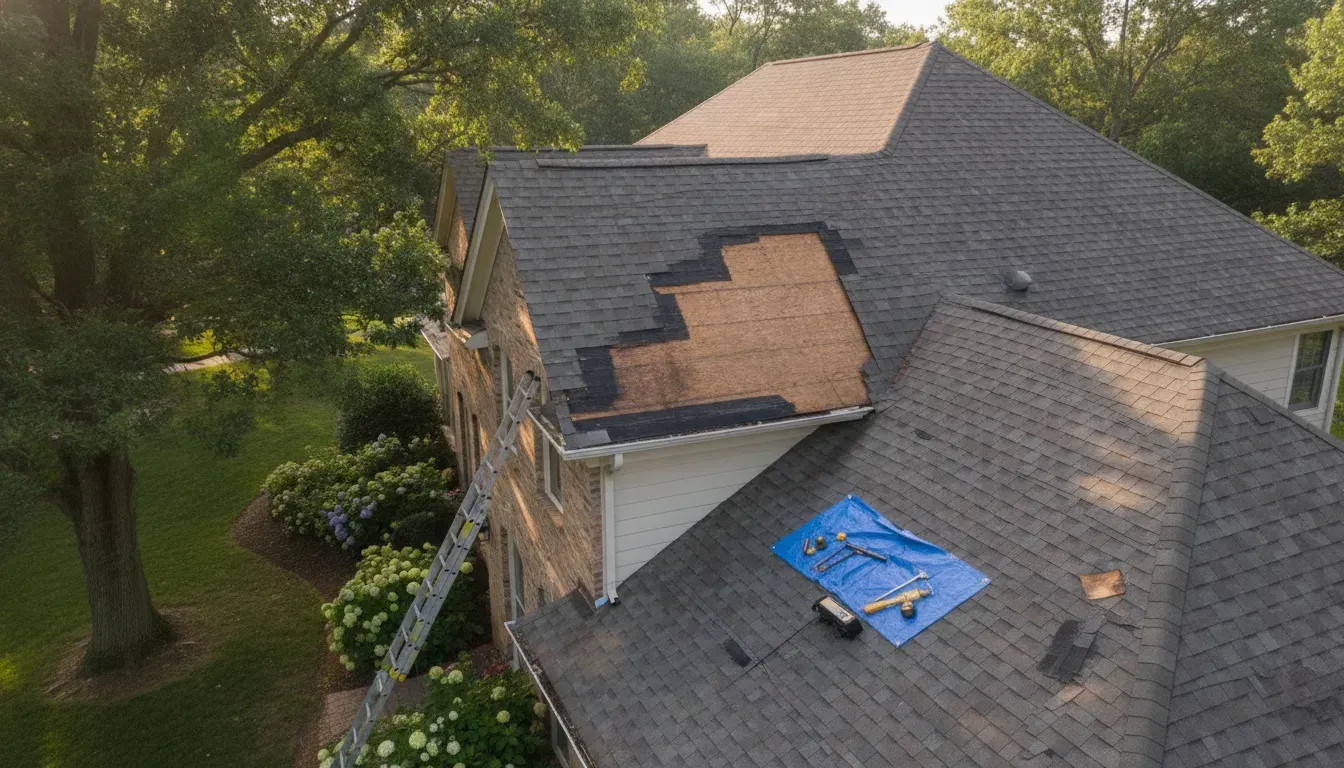
Removing old shingles, carrying materials, operating compressors, and fastening new roofing components can create steady construction noise overhead and around the home. The sound may be especially noticeable inside rooms directly below the roof. It can also come in bursts as the crew moves between tear-off, deck inspection, and installation.
Plan around the loudest parts of the day
Ask the project lead when tear-off and other high-noise work is expected to begin. If you work remotely, schedule important calls from a coworking space, office, library, or another location away from the property. A family member who needs to nap, study, or rest may also appreciate a quiet backup location.
Noise can travel through the structure even when windows are closed. Consider moving a home office or sleeping arrangement to the side of the house farthest from the active work area. But do not assume that distance will make the project silent. Let your contractor know about meetings, caregiving responsibilities, or other timing concerns before work begins. A typical residential replacement takes one to three days, depending on the home's size and project complexity, so temporary arrangements may only be needed for a limited period.
Protect hearing and keep work zones clear
Children and pets may react strongly to unfamiliar overhead sounds. Keep them away from active work areas, ladders, tools, and falling or removed materials. Closing interior doors can reduce access and help pets settle, but a separate location may be better for animals that are anxious or prone to escape.
Workers should use hearing protection and follow an appropriate hearing-conservation program when noise exposure requires it. OSHA's construction noise guidance addresses hearing conservation when exposure exceeds 90 dBA as an eight-hour time-weighted average. Homeowners should not enter the work area to investigate a sound or retrieve an item. If you need to speak with the crew, contact the project lead and follow the established safe access instructions.
Being home is an option when boundaries are clear, but leaving during the loudest work can make the experience easier. Confirm the daily schedule, communication method, and any quiet-time needs in advance so the crew can work efficiently while your household has a practical plan.
Is It Safe to Stay Home During a Roof Replacement?
Yes, staying home can be safe when the roofing crew has clearly defined the work zone and everyone in the household follows the crew's instructions. You do not have to leave automatically, but active roof work requires extra attention around ladders, tools, tear-off materials, and falling debris.
Keep people and pets outside the work zone
Roof replacement is an active construction project, not a normal home repair. Keep children away from the house perimeter, driveway staging area, ladders, and any place where old shingles or other materials may be coming down. Children may not recognize a changing hazard, especially if equipment or debris piles appear in a familiar yard.
Pets should also remain indoors in a secure room or stay elsewhere during the noisiest work. Loud activity can startle animals, and an open gate or unfamiliar crew member can create an escape risk. Let the project lead know about pets, play areas, gates, and any household access concerns before work starts.
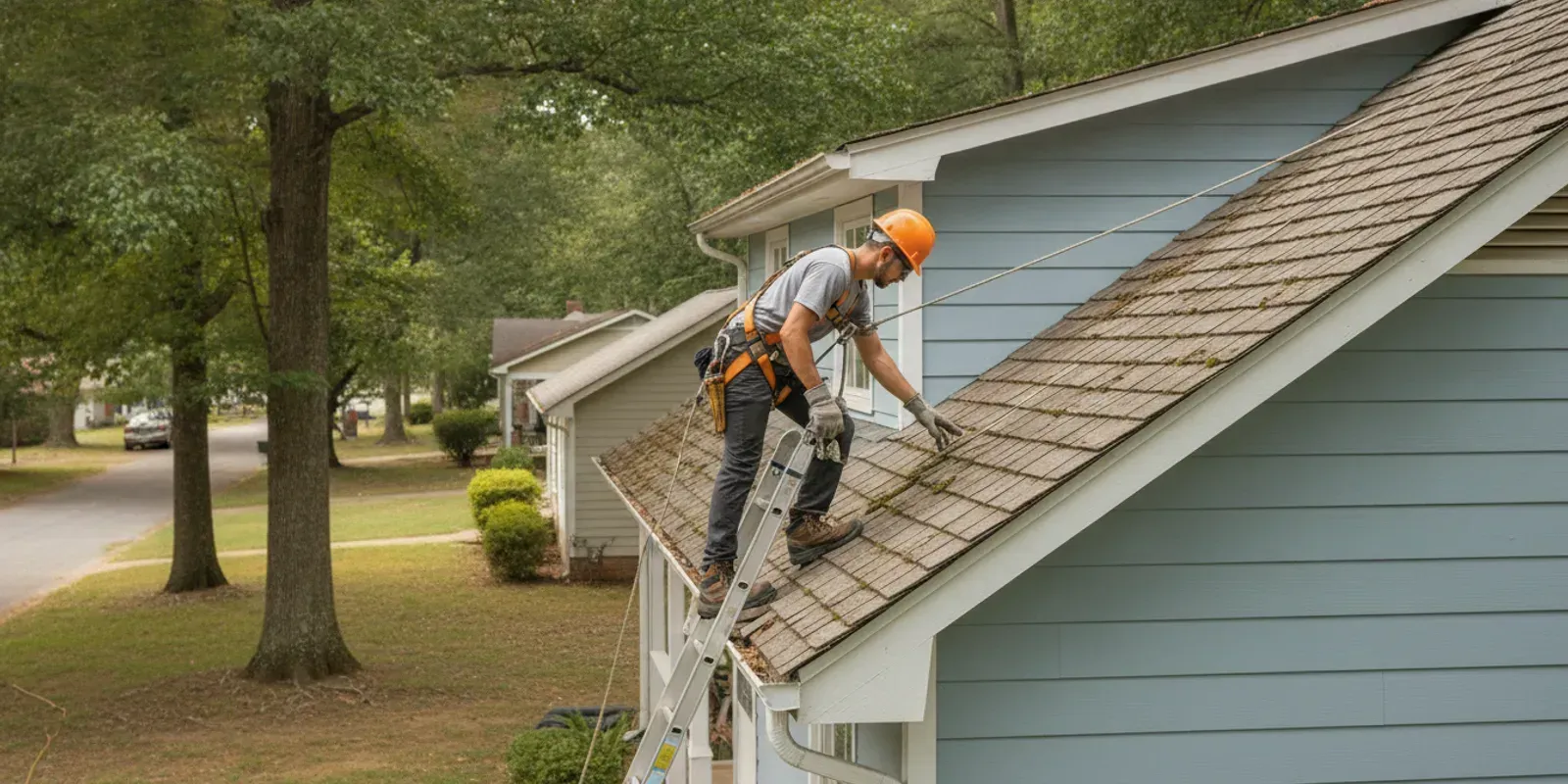
OSHA's residential fall-protection guidance addresses safety practices for workers performing roof work. Homeowners should not enter the roof or attempt to inspect active work themselves. A safer approach is to ask questions from a designated observation area after the crew confirms it is clear.
Use safer entrances and observation points
Ask which entrance is available and whether the crew needs to reserve space for ladders, materials, or equipment. Use the agreed path rather than walking around the side of the house to investigate progress. Keep doors and windows closed when practical during tear-off, and avoid standing beneath roof edges, near ladders, or beside material staging.
If you want to observe the work, watch from indoors or from a location identified by the project lead. Never move cones, caution tape, ladders, tools, or materials to make access easier. If you notice a child, pet, visitor, or vehicle approaching the work area, alert the crew instead of stepping into the zone yourself.
Plan for changing conditions
Before installation begins, confirm who to contact with questions and how the crew will communicate changes. Ask about daily start times, access limits, weather adjustments, and when the site will be cleaned. Roof replacement typically involves several stages, so a work area may change during the day even when the overall plan is clear.
At the end of each workday, follow the crew's instructions about remaining materials and access. Before normal household traffic resumes around the property, ask the project lead to confirm that the designated paths are open and the work zone has been secured. These simple boundaries let you stay informed without placing yourself or your family in an active work area.
What Should You Do About Parking and Home Access?
Use this quick planning table before the crew arrives.
Area.What to confirm.Vehicles.Parking during active work.Entry.Open doors and paths.Staging.Ladder and material locations.Household.How children and pets stay clear.Answer: Move vehicles, clear work areas, and agree on access routes before the crew arrives. You can stay home or leave during the replacement. The project will run more smoothly when ladders, equipment, and debris containers have room to operate safely.
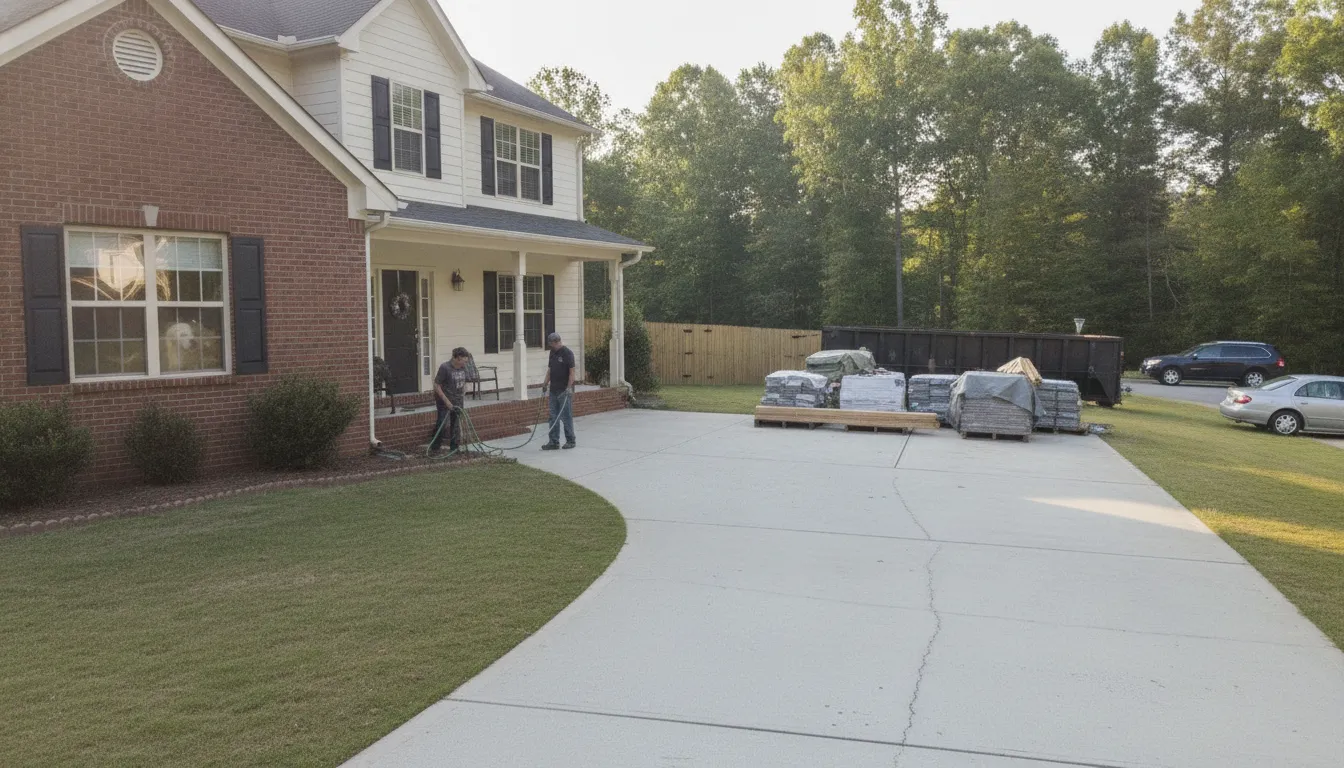
- Move vehicles from the driveway and garage. Park on the street only where local rules allow, or arrange another location nearby. An open driveway gives the crew a practical staging area and helps protect vehicles from falling roofing materials. Do not plan to move a car during active work unless the project lead confirms it is safe.
- Ask where ladders, equipment, and the dumpster will go. Crews need space around the house for setup and movement. Confirm which side of the property will remain accessible. Ask whether a dumpster or trailer will occupy part of the driveway, and how long those items are expected to remain.
- Clear paths to doors and gates. Keep walkways, exterior doors, gates, and access to utility areas free of furniture, toys, hoses, and other obstacles. If a preferred entrance must be closed temporarily, choose a backup route with the project lead and make sure everyone in the household knows it.
- Protect fragile items inside the home. Roofing activity can create vibration, especially during tear-off. Remove delicate wall hangings and secure objects on shelves near the ceiling or exterior walls. This is also a good time to move anything valuable away from windows and areas where dust could enter.
- Make a plan for children and pets. Keep them away from ladders, tools, loose materials, and the cleanup zone. Check gates before work begins, and arrange another location for pets that are especially sensitive to noise. Never let children inspect the roof or handle discarded materials.
- Set access and communication agreements. Confirm which doors the crew may use, where materials may be placed, and how the team will signal when it is safe to enter an area. Ask for the project lead's contact information, expected daily schedule, and instructions for urgent access needs. Put these agreements in writing if several family members, tenants, or property managers are involved.
- Review your preparation plan before the start date. Use this guide to prepare for a new roof replacement, then walk the property once more with the contractor. A clear plan reduces interruptions and lets the crew focus on protecting your home, installing the roof, and cleaning up thoroughly.
 How Should You Plan Around Georgia Weather?
Rain or unsafe wind may change the work sequence. Agree in advance on how your roofing team will communicate those decisions. You do not need to predict the weather yourself. The contractor should assess conditions, protect exposed areas, and tell you whether the crew will start, pause, or reschedule.
Ask about the weather plan before work begins
Georgia weather can shift quickly, so ask the project lead what conditions would delay tear-off, installation, or cleanup. Confirm how the crew will protect the roof if weather changes after work has started, and who will contact you if the schedule moves. A clear plan is more useful than a promise that the project will follow the original date exactly.
Ask for the expected start date, the likely work sequence, and the best way to receive updates. If you will be away, provide a reliable phone number and identify anyone authorized to make access decisions. If you will be home, let the crew know about children, pets, work calls, or appointments that could affect when you need notice.
Protect the household while the schedule changes
Keep driveways, gates, and paths clear so the crew can access the property when conditions are suitable. During active work, stay clear of areas beneath the roofline and follow the crew's instructions about doors, walkways, and outdoor belongings. If rain is expected, move items that could be damaged by water or blown debris, but do not approach an active work area to do so. Ask the project lead what should be handled by the crew.
Weather-related pauses may mean the crew completes one part of the project before returning for another. That does not automatically indicate a problem. The important questions are whether the roof is secured, what work remains, and when you should expect the next update. For more detail, see our guide to weather impacts on roof replacement.
Use a simple update routine
Choose one daily check-in, such as a morning text or call. And ask for three details: whether the crew is coming, what work is planned, and whether weather has changed the timeline. If conditions require rescheduling, request the revised date in writing and confirm any access changes. Once the roof is complete, schedule the final walkthrough rather than assuming the original calendar date still applies. A steady communication plan lets you make childcare, pet-care, parking, and work arrangements without needing to remain at home all day.
What Happens During the Final Walkthrough?
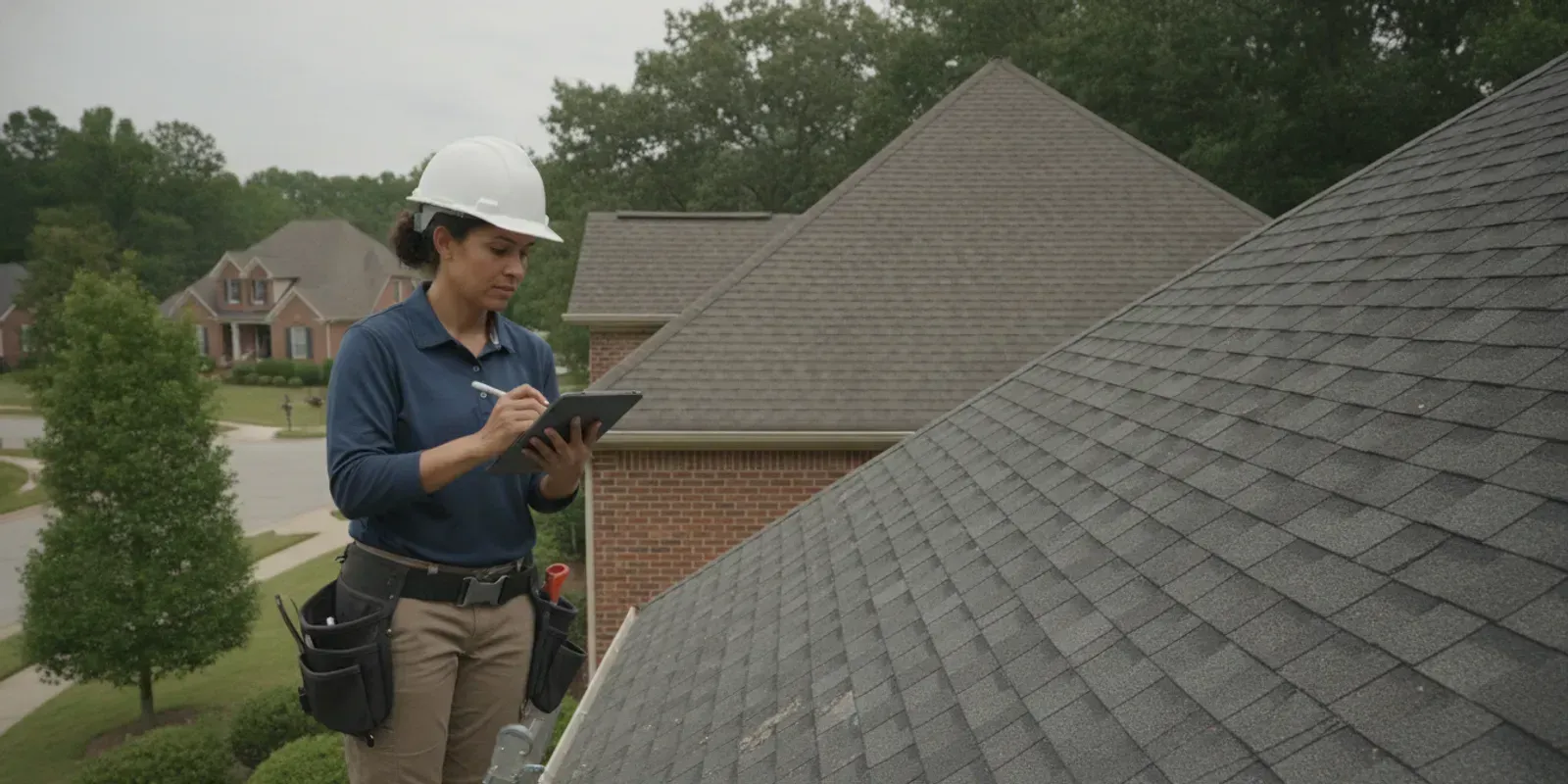
The final walkthrough is a shared review of the completed roof replacement, cleanup, and property condition. You do not need to climb onto the roof. Your project lead can explain what was completed and show you the areas that can be safely viewed from the ground or another secure location.
By this point, the crew has protected the property, removed the old roofing, inspected the roof deck, installed the new roofing system, and cleaned the work area. The walkthrough gives you an opportunity to confirm that the finished project matches the agreed scope and to ask questions before the crew leaves. For a fuller overview, read what to expect during your roof installation.
What the crew reviews with you
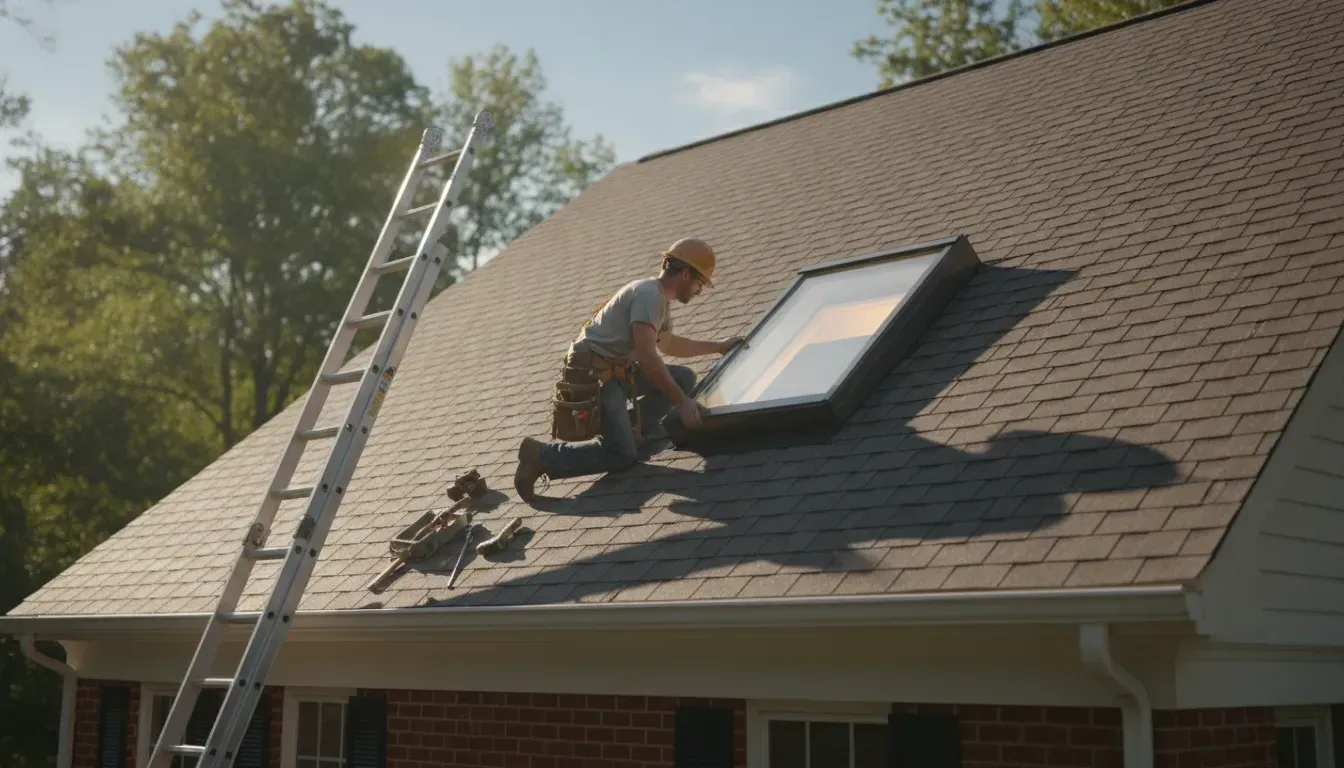
Your contractor may review the roof surface from the ground, including visible shingle alignment, exposed edges, ridges, valleys, and other finished areas. They can also point out visible flashing around walls, chimneys, skylights, and other penetrations. These details should be assessed from a safe position by the roofing professional, not by asking a homeowner to walk on the roof.
The conversation should also cover any work completed around ventilation, pipes, or other roof penetrations when those items are part of the project. If you are unsure what was replaced, repaired, or left unchanged, ask the project lead to explain it in plain language and identify the relevant area safely.
A practical ground-level checklist
- Roof surface: Ask what areas were replaced and request a ground-level view of the finished work.
- Flashing and penetrations: Confirm that visible flashing and roof openings were addressed as included in the scope.
- Grounds: Walk the perimeter with the crew and look for remaining debris, nails, or roofing materials.
- Driveway: Check that the driveway and access areas are clear and free of avoidable damage or leftover materials.
- Gutters: Confirm that gutters and downspouts are clear of roofing debris and functioning as expected.
- Questions: Ask about care, warranty documentation, follow-up contacts, and anything that looks different from your expectations.
Professional crews prioritize property protection and cleanup throughout the project, but the final review is still worth taking seriously. Point out concerns while the team is present so they can be documented and addressed directly. Once you are satisfied with the review, keep the project paperwork and contact information in a convenient place for future reference.
Talk with Total Roof Solutions about your roof replacement plan
Frequently Asked Questions
Do I need to be home for my roof replacement?
No. You can usually leave once access, timing, and communication details are confirmed with the project lead. Being away may make the workday easier for your household and the crew, but staying home can also work when you follow the agreed site boundaries and instructions.
Is it safe to stay home during a roof replacement?
It can be, provided you stay out of active work zones and keep doors, windows, and nearby access points managed as discussed with the crew. Roofing involves overhead work, tools, and falling debris, so do not enter areas where materials are being removed or installed.
How noisy is a roof replacement?
Expect substantial noise during tear-off, material handling, and installation. If you work from home, care for an infant, or need quiet for calls, plan to spend at least the loudest portions of the day elsewhere.
What should I do about my pets and children during the project?
Keep children and pets away from the house perimeter, driveway, ladders, equipment, and debris. Arrange indoor supervision or another location, and keep pets secured because unfamiliar activity and noise can cause them to bolt or become distressed.
What preparations should I make if I stay home?
Move vehicles out of the driveway, clear space around the house, protect fragile items that could vibrate, and confirm the daily schedule and weather plan. Ask who to contact with questions, then wait for the final walkthrough before using areas where debris or materials may have been present.
Ready to Plan Your Roof Replacement?
A clear conversation can help you plan around noise, access, weather, children, pets, and your household schedule before work begins. Total Roof Solutions can discuss your Georgia home's needs and outline practical next steps without pressure. Contact us to schedule a roof replacement consultation or free roof inspection.