Rot Repair on Roofs: How Georgia Homeowners Should Respond
MEGA MEGA • September 15, 2026
Schedule a free roof inspection to learn how Georgia homeowners can spot rot repair needs, protect the roof deck, and choose a practical next step in McDonough.

When homeowners search for rot repair, they are often trying to answer two questions at once: Is the roof simply showing surface wear, or has moisture weakened the wood beneath it? In Georgia, heat, humidity, heavy rain, and storm damage can all expose roofing materials to moisture. The first step is a calm, professional evaluation that identifies the source and separates a repairable area from a structural concern.
Schedule a free roof inspection with Total Roof Solutions.
What Is Rot Repair on a Roof?
Rot repair on a roof means correcting the moisture source and restoring any roofing material or roof decking that has lost its useful strength. The work may involve replacing shingles, flashing, underlayment, or a limited section of roof sheathing. It is different from covering a stain or sealing a surface without addressing how water reached the assembly.
Roof decking, also called roof sheathing, is the wood layer fastened across the rafters or trusses beneath the underlayment and shingles. It gives the roof system a stable surface and helps distribute loads. When that wood stays damp, it can soften, swell, delaminate, or lose its ability to hold fasteners securely.
Not every dark mark is rot, and not every roof leak has damaged the deck. Surface algae, old sealant, stained plywood, or a small flashing failure can look concerning without representing widespread structural deterioration. An inspection helps distinguish appearance from condition before a homeowner chooses a scope of work.
Total Roof Solutions approaches roof repairs through an inspection of the roof, flashing, underlayment, and potential signs of mold or moisture. That process is intended to explain the finding clearly, not pressure a homeowner into a predetermined project.
What Causes Roof Rot in Georgia Homes?
Roof rot starts when moisture enters or condenses within the roof assembly and the affected wood cannot dry effectively. A single event can begin the problem, but repeated exposure is more likely to create deterioration. Finding the moisture path is essential because replacing damaged wood without correcting the entry point leaves the same area vulnerable.
- Roof leaks: Missing or damaged shingles, failed underlayment, and open seams can allow rainwater to reach the deck.
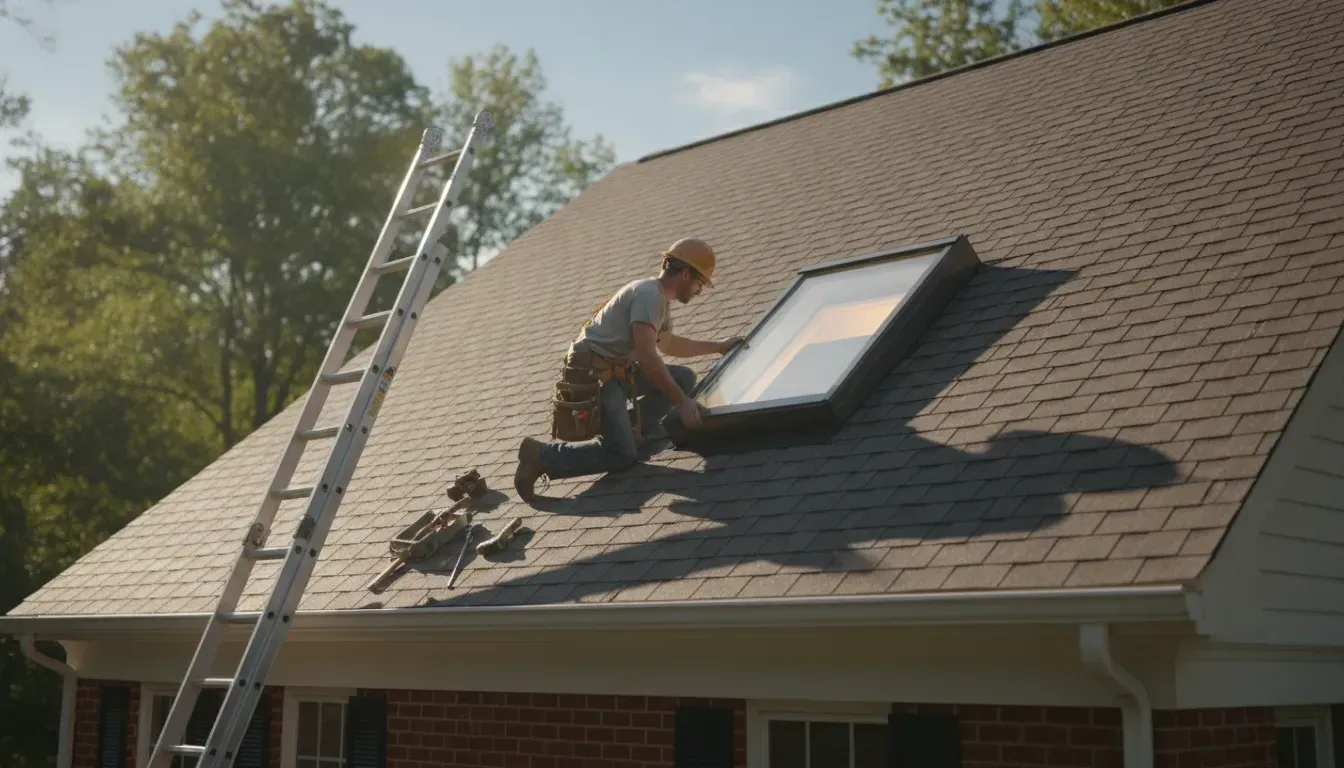
- Flashing failures: Cracked, displaced, or poorly integrated flashing around chimneys, vents, skylights, and walls can direct water below the roof covering.
- Storm damage: Wind and hail can loosen shingles or damage the protective layers that keep Georgia rain away from the sheathing.
- Gutter and edge problems: Overflowing or poorly directed water can repeatedly wet the roof edge, fascia, and nearby decking.
- Attic moisture: Warm, humid air and inadequate ventilation can create condensation on cooler roof surfaces, especially when bathroom or kitchen exhaust is not vented properly.
- Debris and delayed maintenance: Leaves and branches can trap moisture and hide damaged roofing details.
The U.S. Environmental Protection Agency's guidance on moisture and mold explains that moisture control is central to controlling mold in homes. That does not mean every roof-deck stain is mold, but it does reinforce the value of locating and correcting persistent moisture rather than treating only the visible mark.
Georgia homeowners in McDonough, Stockbridge, Locust Grove, Hampton, Griffin, Fayetteville, and nearby communities should also consider the timing of the symptom. A stain that appears after a heavy storm may point to a new breach, while a recurring musty odor or damp attic insulation may indicate a longer moisture history.
 What Are the Warning Signs of Roof and Roof-Deck Rot?
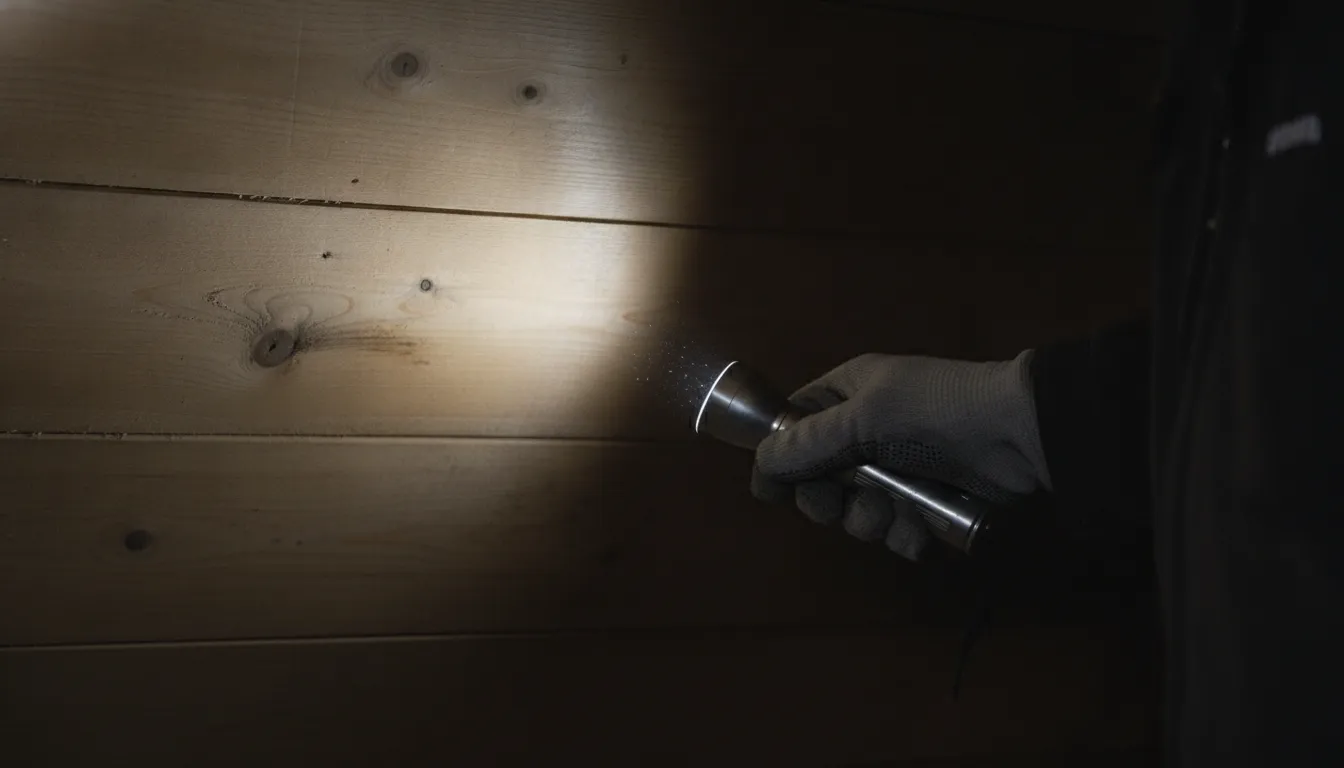
Warning signs include soft or spongy wood, sagging, crumbling edges, recurring leaks, musty odors, and visible discoloration near roof penetrations or the attic. These clues do not diagnose the extent of damage by themselves. They show that a closer inspection is warranted, particularly if the symptoms return after a prior repair.
What you noticeWhat it may indicateWhat to do nextCeiling stain or intermittent dripA roof leak, flashing issue, or water traveling along framingDocument the location and arrange a roof-side inspectionSoft or spongy roof areaPossible deterioration beneath the roof coveringDo not walk the area; have a professional evaluate it safelySagging roof linePossible weakened decking, framing, or concentrated moistureKeep people away from the area and request prompt evaluationMusty attic odor or damp insulationPersistent moisture or condensation in the roof spaceInspect ventilation and the roof system togetherDarkened or crumbling woodMoisture staining or advanced deterioration in a localized areaAsk for the affected area and moisture source to be documentedRepeated repair at the same locationAn unresolved entry point or a wider roofing-system issueRequest a diagnosis that follows the water path, not just a patch
Look from safe locations such as the ground, an upper-floor window, or the attic access area. Avoid climbing onto a roof to test a soft spot. Wet or weakened materials can make footing unpredictable, and a homeowner may unintentionally increase damage by stepping on a vulnerable section.
For a broader roof evaluation, Total Roof Solutions' residential roof repair service explains why each repair begins with an inspection that checks structural damage, flashing, leaks, underlayment, and possible mold.
How Should Georgia Homeowners Respond to Suspected Rot?
Start by limiting additional water exposure, documenting what you can safely see, and scheduling a professional inspection before attempting a permanent repair. If water is actively entering, use a container indoors, move belongings away from the area, and avoid electrical fixtures affected by water. Do not apply a roof coating or climb onto a damaged roof during rain.
- Record the symptom. Note the room, ceiling or wall location, date, weather conditions, and whether the issue appears after wind or heavy rain.
- Take safe photos. Photograph interior staining, attic conditions from a stable position, fallen shingles on the ground, or visible debris. Never trade a photo for personal safety.
- Reduce immediate exposure. Use a temporary indoor measure to catch water and contact a roofing professional if the leak is active. Temporary protection is not the same as a completed repair.
- Ask for a roof-system inspection. The review should consider the covering, flashing, underlayment, decking, attic moisture, and the likely entry path.
- Request a written scope. The report should distinguish surface repair, roof-covering repair, roof-deck replacement, moisture correction, and any interior work.
- Keep insurance documentation organized. If a storm may be involved, preserve photos and inspection records. A roofing contractor can explain observed damage, but coverage decisions belong to the insurance carrier and policy.
There is no need to assume that a damaged section requires a full roof replacement. There is also no benefit in treating structural symptoms as a cosmetic issue. A documented inspection gives the homeowner a basis for deciding what should happen next.
Request a no-pressure inspection for suspected roof rot.
What Happens During a Professional Rot Repair Inspection?
A professional inspection connects the visible symptom to the condition of the roof assembly and identifies the smallest responsible scope that can restore protection. The inspector may review the roof surface, penetrations, edges, attic side of the decking, ventilation, and interior signs. The exact access method depends on the roof configuration and safe working conditions.
A useful inspection looks beyond the point where water became visible. Water can travel along the underside of a roof deck, rafters, insulation, or framing before it reaches a ceiling. That is why a stain directly below a chimney, vent, or valley does not prove that component is the entry point.
The evaluation may include:
- Roof-covering condition, including missing, lifted, cracked, or deteriorated shingles
- Flashing around chimneys, vents, skylights, walls, and valleys
- Underlayment and exposed roof-deck edges where accessible
- Attic-side wood condition, insulation, ventilation, and signs of condensation
- Evidence of storm impact or repeated water entry
- Whether damage appears localized or continues across connected areas
Total Roof Solutions provides free roof inspections and estimates. The resulting conversation should explain what was found and what options are available in plain language. Homeowners can then compare a targeted repair, a larger repair, or replacement based on actual condition rather than a guess from the driveway.
 Can a Roof Be Repaired, or Does Rot Require Replacement?
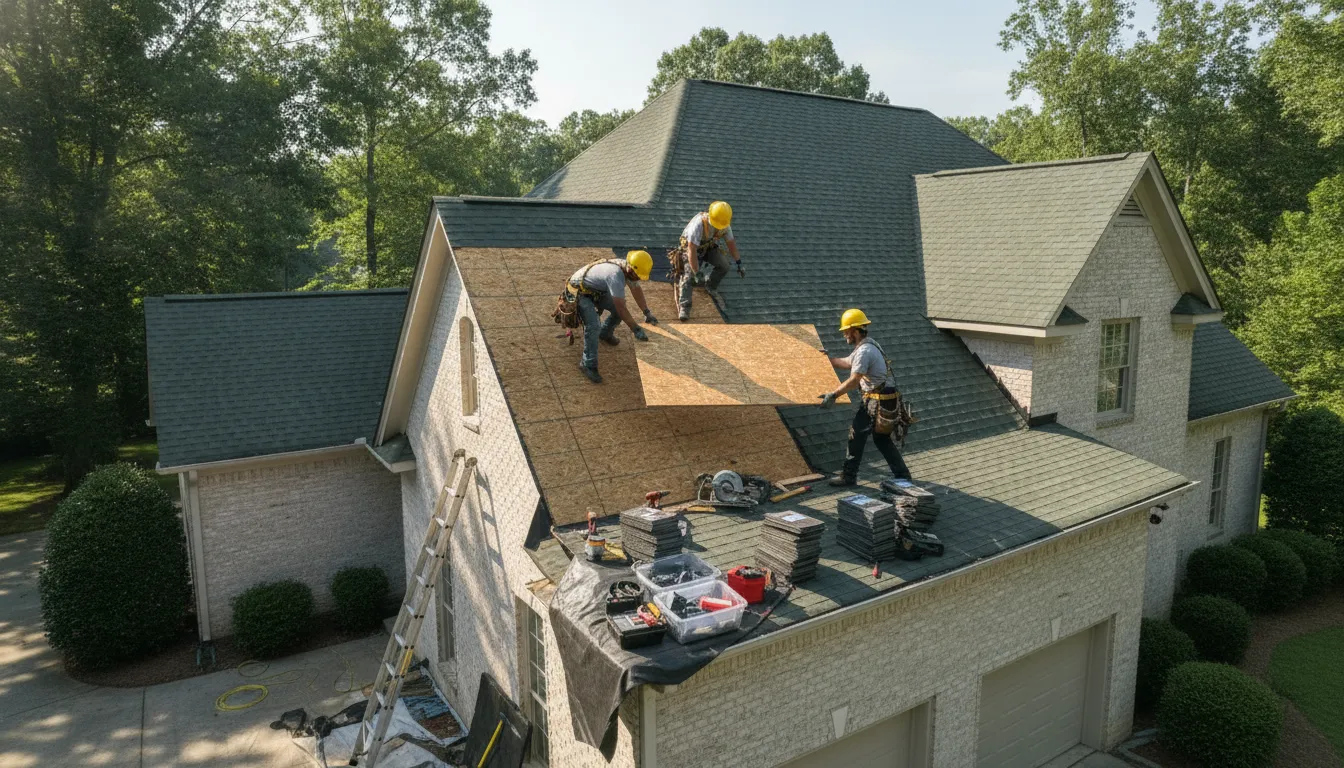
Localized deterioration may be repairable, while widespread damage, an unstable roof system, or repeated unresolved leaks may make replacement worth evaluating. The deciding factors include the amount and location of weakened material, the condition and age of the rest of the roof, whether the moisture source can be corrected, and whether a repair will leave compatible materials properly integrated.
Targeted repair may fit when...A broader replacement discussion may fit when...Damage is limited to a defined areaRot or moisture damage extends across multiple roof sectionsThe underlying framing and surrounding roof remain soundThe deck or framing cannot reliably hold fasteners in affected areasThe water entry point can be correctedLeaks keep returning because multiple roof components are failingReplacement materials can be integrated with the existing systemThe roof covering is broadly worn or storm-damagedThe homeowner wants to preserve a sound roof systemA larger project provides a clearer long-term solution
Age alone should not decide the outcome, and a single repair does not automatically mean the roof is failing. A qualified contractor should identify the affected materials, explain what the proposed work addresses, and note conditions outside the scope. Total Roof Solutions can discuss both repair and replacement options after inspecting the property.
Homeowners should be especially cautious of a proposal that promises a permanent result without identifying the moisture source. The goal of rot repair is not just to make a damaged spot look better. It is to restore a dry, stable roof assembly and reduce the chance that the same issue returns.
How Can You Help Prevent Roof Rot?
Prevention combines prompt leak response, sound flashing, clear roof drainage, attic moisture control, and regular professional inspections. Georgia weather cannot be controlled, but homeowners can reduce the time water spends inside the roof system. Small maintenance decisions are most useful when they preserve the roof's ability to shed water and dry between weather events.
- Schedule an inspection after significant wind, hail, or tree impact, even if the roof looks normal from the ground.
- Keep gutters and downspouts clear so water does not back up against the roof edge or fascia.
- Trim branches that rub against shingles or drop debris onto valleys and roof edges.
- Watch for failed flashing around chimneys, vents, skylights, and wall transitions.
- Make sure bathroom and kitchen exhaust vents discharge outdoors and not into the attic.
- Ask a professional to evaluate attic ventilation when condensation, damp insulation, or recurring musty odors appear.
- Address missing or damaged shingles promptly instead of waiting for an interior stain.
Maintenance does not mean climbing onto the roof yourself. A ground-level check and a professional inspection are safer ways to identify concerns, especially when materials are wet or the roof has a steep pitch. Total Roof Solutions serves homeowners in McDonough and communities across the broader Atlanta area with inspection, repair, and replacement services.
For local background and the company's approach to roofing and exterior work, visit Total Roof Solutions' McDonough roofing team page. The team is licensed, insured, and bonded, and brings more than 20 years of roofing experience to residential projects.
Schedule your free roof inspection and get a clear next step.
What Questions Do Homeowners Ask About Roof Rot Repair?
Most roof-rot questions come down to the source of moisture, the condition of the decking, and whether a localized repair can restore the roof system. The answers below are useful for preparing for an inspection, but a contractor must evaluate the actual roof before confirming the scope.
Is roof rot the same as a roof leak?
No. A roof leak is an unwanted path for water into the roofing system or home. Rot is deterioration that can occur when wood remains exposed to moisture long enough to lose strength. A leak may exist without significant rot, and rot may remain after a leak has stopped.
Can I tell if roof decking is rotten from the ground?
Usually not. Sagging, exposed wood, or a visibly deteriorated edge can be clues, but most decking is hidden below the roof covering. An attic-side view and a safe roof-system inspection provide better evidence than judging the roof from the driveway.
Does a soft spot always mean I need a new roof?
No. A soft spot deserves prompt evaluation, but it does not by itself determine whether the correct solution is a limited repair or replacement. The inspection should establish how much material is affected, why it became weak, and how the surrounding roof is performing.
Can roof rot be repaired without replacing the roof deck?
Sometimes, if the wood remains structurally sound and the issue is limited to the roof covering or flashing. If the decking has lost its useful strength, the affected section may need replacement. A professional should explain which layers are damaged rather than using one generic repair label.
Does homeowners insurance cover roof rot repair?
Coverage depends on the policy, cause of damage, maintenance history, and the insurer's evaluation. Storm-created damage may be handled differently from long-term deterioration or neglect. Keep photos and inspection records, and ask your insurance carrier about the claim process before assuming what is covered.
How quickly should I respond to suspected roof rot?
Schedule an evaluation promptly, especially when a leak is active, the roof is sagging, or attic wood and insulation are damp. Prompt inspection does not mean rushing into a replacement. It gives you a better chance to limit additional moisture and choose the appropriate repair.
If you see signs of moisture or weakened roofing materials, Total Roof Solutions can inspect the roof and explain the practical options. A free inspection is a useful first step for Georgia homeowners who want a clear answer without fear-based pressure.