The Real Asphalt Shingles Lifespan: What to Expect
Stephen Griswell • March 16, 2026
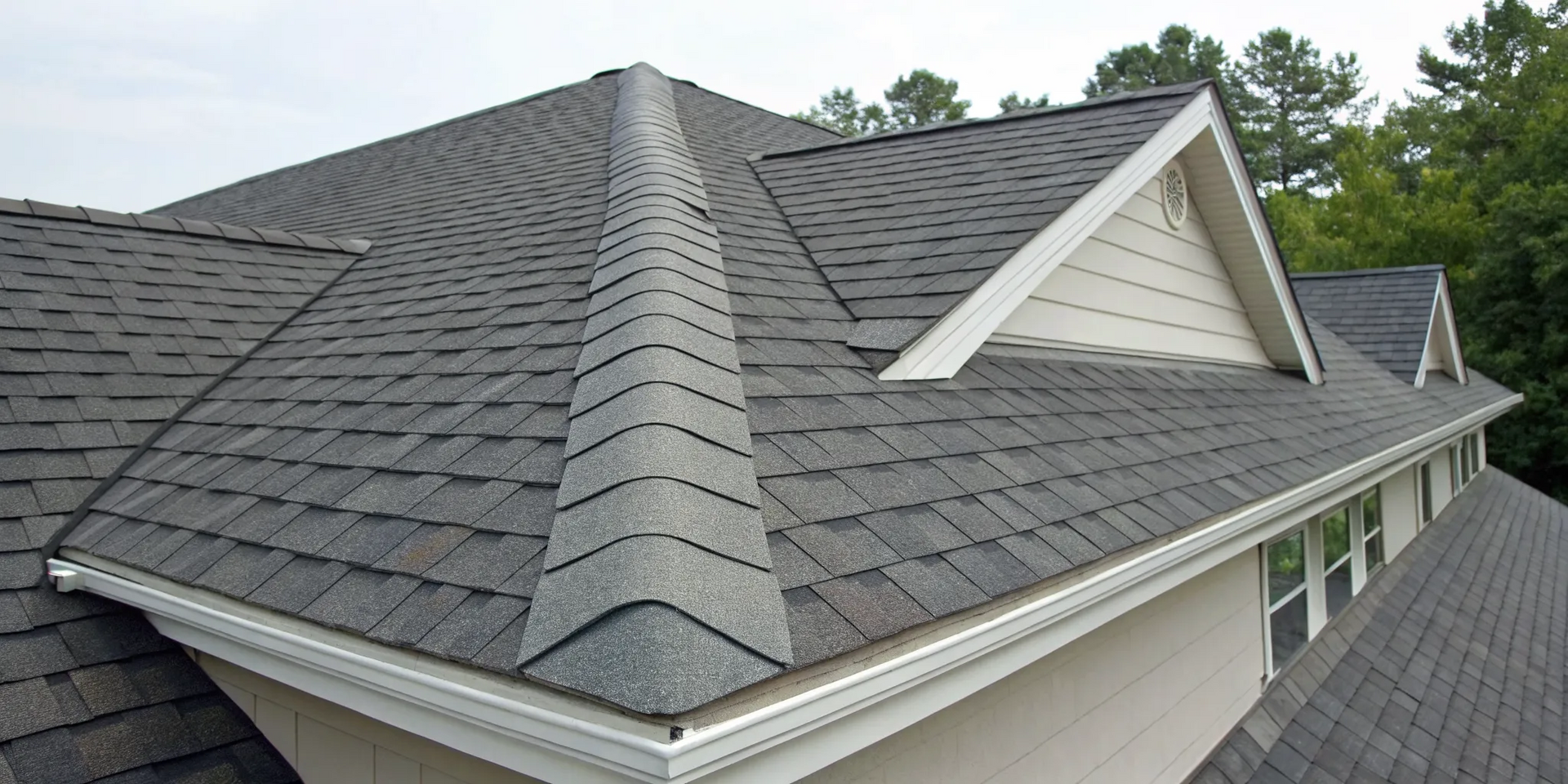
Here’s something that trips up many homeowners: the number on the shingle package, like a "30-year shingle," is the warranty period, not a performance guarantee. A warranty primarily covers manufacturing defects, not the normal wear and tear from Georgia’s sun and storms. It’s surprisingly common for a shingle with a 25-year warranty to only last 10 to 15 years if it was installed poorly. The actual asphalt shingles lifespan is determined by real-world conditions and, most importantly, the quality of the installation. This is why the experience of your roofing team matters so much; a professional installation ensures you get the maximum life out of your investment.
Key Takeaways
- Prioritize quality materials and expert installation: The lifespan of your roof is determined more by the skill of the installers and the grade of shingles you select than by the warranty period alone. A professional installation ensures you get the maximum performance from your investment.
- Georgia's weather is tough on roofs: The combination of intense sun, high humidity, and frequent storms in our area can significantly shorten a shingle's life. Choosing materials suited for this climate and performing regular checks is critical.
- Simple maintenance adds years to your roof's life: You can prevent major issues by following a straightforward routine. Regularly cleaning your gutters and scheduling annual professional inspections are the most effective ways to catch small problems before they become costly repairs.
How Long Should Your Asphalt Shingles Last?
So, you’re wondering how long you can really expect your asphalt shingle roof to last. It’s a great question, and the answer isn’t a single number. While the average asphalt shingle roof lasts between 15 and 30 years, its actual lifespan depends heavily on the type of shingle you choose, the quality of the installation, and your local climate. Think of the manufacturer's estimate as a starting point. From there, several factors come into play that can either extend or shorten your roof’s service life. Let’s break down what you can realistically expect.
Lifespan by Shingle Type
The first major factor in your roof’s longevity is the shingle itself. Asphalt shingles come in a few different grades, and each has a different expected lifespan.
- 3-Tab Shingles: These are the most basic and budget-friendly option, lasting around 15 to 20 years. They have a flat, single-layer appearance and are a common choice for many homes.
- Architectural Shingles: A significant step up in durability, these shingles typically last 20 to 30 years. They are thicker, heavier, and have a multi-dimensional look that adds curb appeal. They are an excellent and popular choice for most residential roofing projects.
- Premium Shingles: As the name suggests, these are the top-of-the-line option, designed to last up to 50 years. They offer the best durability and often mimic the appearance of natural materials like slate or cedar shakes.
Why Your Roof's Lifespan Might Differ from the Warranty
Here’s something that trips up many homeowners: the number on the shingle package (like "30-year shingle") is the warranty period, not a performance guarantee. A warranty primarily covers manufacturing defects, not normal wear and tear from Georgia’s sun and storms. It’s common for a shingle with a 25-year warranty to only last 10 to 15 years if it was installed poorly or isn't suited for the climate. The actual lifespan of your roof is determined by real-world conditions and, most importantly, the quality of the installation. This is why the experience of your roofing team matters so much; a professional installation ensures you get the maximum life out of your investment.
What Affects Your Shingle's Lifespan?
Ever wonder why your neighbor’s roof, installed around the same time as yours, looks brand new while yours is showing its age? It’s a common question. While a shingle's warranty gives you a general idea of its expected lifespan, it doesn't tell the whole story. The reality is that a roof's longevity is a team effort, influenced by a handful of critical factors that work together. Think of it less as a fixed expiration date and more as a performance range that can be maximized with the right approach.
From our intense Georgia weather to the specific materials you choose and the skill of the installation team, each element plays a vital role. Understanding these influences does more than just satisfy your curiosity; it empowers you to make smarter choices for your home. When you know what makes a roof last, you can better protect your investment, plan for future maintenance, and ensure your home has a durable, reliable shield against the elements for years to come. A long-lasting roof isn't just about luck; it's about making informed decisions from the very beginning. Let's look at the five biggest factors that determine how long your shingles will really last.
Your Local Climate and Weather
Here in Georgia, our roofs put up with a lot. The intense summer sun and high humidity are tough on asphalt shingles. Harsh weather, including strong sunlight and sudden temperature changes, can make shingles wear out much faster. UV rays can degrade the asphalt over time, while the heat can cause blistering. Then there are the pop-up thunderstorms that bring high winds and hail, which can tear off or damage shingles in an instant. A roof in a milder, drier climate might have an easier time, but ours need to be built to withstand the specific challenges of the Southeast.
The Quality of Your Shingles
Just like with anything else, you get what you pay for when it comes to roofing materials. It’s a simple fact that higher-quality shingles tend to last longer. While basic 3-tab shingles are a budget-friendly option, upgrading to architectural or premium shingles can add years, even decades, to your roof’s life. These premium options are thicker, more durable, and better equipped to handle wind and impact. Investing in a better grade of shingle for your residential roofing project upfront can save you a significant amount of money on repairs and prevent the need for a premature replacement.
Your Roof's Shape and Slope
The design of your roof plays a surprisingly large role in its longevity. The shape and slope of your roof can affect its lifespan because they determine how efficiently it sheds water. A steeply pitched roof allows rain and debris to run off quickly, preventing moisture from sitting and seeping underneath the shingles. In contrast, a low-slope roof or one with complex features like multiple valleys and dormers requires extra care during installation. These areas can be prone to collecting water and leaves, which can accelerate wear and increase the risk of leaks if not handled by an experienced crew.
The Quality of the Installation
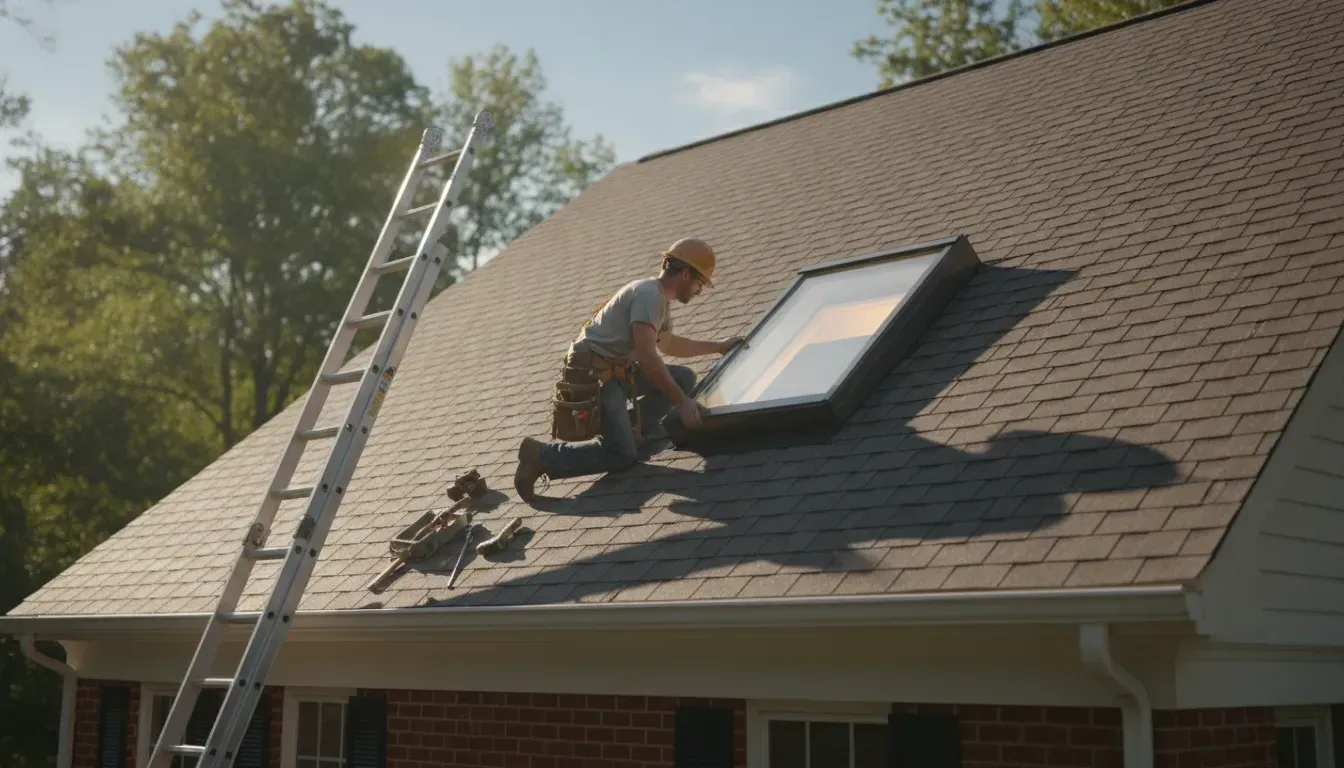
This is a big one. You can buy the most expensive, durable shingles on the market, but even the best shingles won't last if they're not put on correctly. A proper installation is a detailed process that includes everything from securing the underlayment to precise nailing patterns and correct flashing around chimneys, vents, and skylights. A single mistake can create a weak spot that leads to leaks and widespread damage. This is why choosing a certified and experienced team is so important; it ensures your roof is built to perform as intended and that your manufacturer’s warranty remains intact.
How Well Your Attic Breathes
What happens inside your attic has a direct impact on the roof above it. If your attic doesn't have good airflow, heat and moisture can build up, damaging your roof from the inside out. In the summer, a poorly ventilated attic can get incredibly hot, essentially baking the shingles from below and causing them to become brittle. In the winter, warm, moist air from your home can get trapped, leading to condensation and potentially rotting the wooden roof deck. Proper ventilation keeps your attic cooler and drier, protecting your shingles and even helping with your home's energy efficiency.
A Closer Look at Shingle Durability
When you hear "asphalt shingles," you might picture one specific type, but there's a whole family of options out there. The shingles you choose play a huge role in how long your roof will last and how well it protects your home. Think of it like picking tires for your car; you can go with a standard option or invest in something built for performance and longevity. Understanding the differences between 3-tab, architectural, and premium shingles helps you make the best call for your home and budget.
3-Tab Shingles: The Standard Choice
This is the classic shingle you’ve probably seen on countless homes. 3-tab shingles are made from a single layer of asphalt and have a flat, uniform appearance. They are the most budget-friendly option, which makes them an attractive choice for many homeowners. You can typically expect a 3-tab roof to last about 15 to 20 years. Because of their lighter weight and simpler construction, they are more susceptible to wind damage and wear over time compared to their thicker counterparts. They are a solid, practical choice for a dependable residential roofing solution when cost is a primary factor.
Architectural Shingles: A Step Up in Strength
Architectural shingles are the most popular choice for homeowners today, and for good reason. They offer a fantastic balance of performance, style, and value. These shingles are thicker, heavier, and constructed with multiple laminated layers, giving them a textured, dimensional look that adds curb appeal. This robust design helps them last between 20 and 30 years and provides superior resistance to wind and weather. As an Owens Corning Platinum Preferred contractor, we often recommend architectural shingles to clients who want a durable, long-lasting roof that looks great without stretching the budget into luxury territory. They are a true workhorse of the roofing world.
Premium Shingles: The Most Durable Option
If you’re looking for the best of the best, premium shingles are the answer. Also known as luxury shingles, these are the heavyweights of the asphalt shingle market, designed to last up to 50 years. They are engineered to mimic the beautiful appearance of natural materials like slate or cedar shake, giving your home a high-end, custom look. Beyond their stunning aesthetics, their extra thickness and advanced construction offer unmatched protection against severe storms, hail, and wind. Choosing premium shingles is an investment in your home’s future, providing maximum durability and peace of mind for decades to come. It's the ultimate long-term roofing solution for any homeowner.
Why a Pro Installation is Non-Negotiable
You can choose the highest-quality shingles on the market, but their performance ultimately depends on the hands that install them. A professional installation is the single most important factor in ensuring your roof reaches its maximum lifespan. Even the best shingles won't last if they're not put on correctly. From proper nailing to adequate ventilation, the details of the installation process make all the difference between a roof that lasts for decades and one that fails prematurely. Think of it as an investment in the investment; the quality of the labor protects the quality of the materials.
The Benefits of Professional Installation
When you hire a professional for your residential roofing project, you're paying for expertise that directly translates to a longer-lasting roof. A pro knows exactly how to align each shingle, use the right number of nails, and place them perfectly to withstand high winds. They also handle the critical details that are easy to overlook, like installing flashing around chimneys and vents to create a watertight seal. Having a professional install your roof can make it last longer because they follow manufacturer specifications to the letter, which is often required to keep your warranty valid. This meticulous approach ensures every component works together to protect your home effectively.
Common Mistakes That Shorten a Roof's Life
A DIY or amateur installation can be a recipe for disaster. Simple mistakes can compromise your entire roofing system and lead to expensive repairs down the road. For example, over-driven nails can puncture the shingle mat, creating a pathway for water to seep in. Improperly aligned shingles can be easily lifted and torn off by the wind. One of the most common and damaging errors is poor roof ventilation, which can trap heat and moisture in your attic. This can shorten a shingle's life by essentially baking it from the inside out. These mistakes not only cause premature aging but can also void your material warranty.
Why Certified Contractors Matter
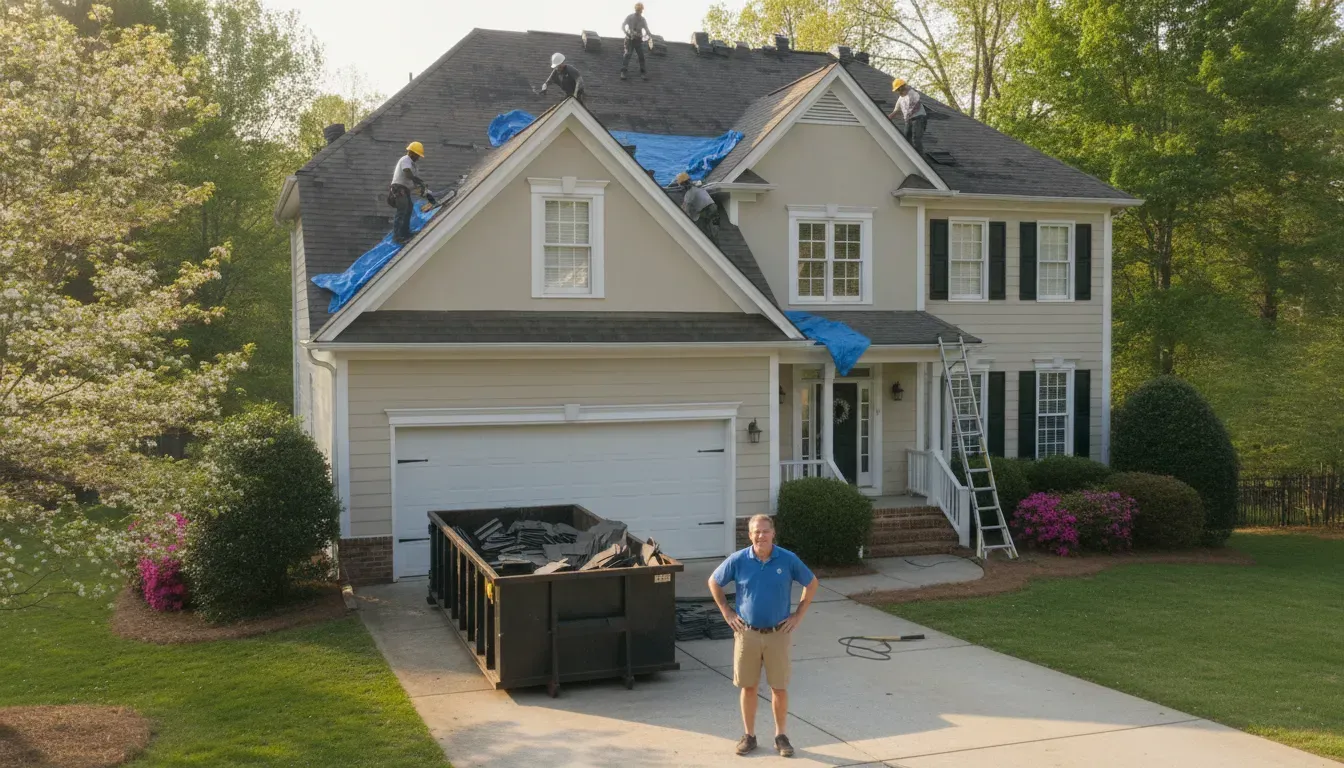
Choosing a skilled and certified roofing contractor is the best way to ensure your roof lasts as long as possible. Certifications, like being an Owens Corning Platinum Preferred contractor, aren't just fancy titles. They signify that a team has undergone extensive training and has a proven track record of high-quality work. A good installation means proper ventilation, bracing, and sealing, and certified professionals are masters of these technical skills. They understand the science behind a healthy roofing system and will make sure every element is installed correctly. Hiring a certified team gives you confidence that the job is done right the first time, protecting your home and your investment.
How Your Local Weather Wears Down Shingles
Your roof is your home’s first line of defense, and here in Georgia, it works overtime. While asphalt shingles are designed to be durable, our local weather patterns can really put them to the test. The combination of intense summer heat, sudden thunderstorms, and high humidity creates a unique set of challenges that can shorten your roof's lifespan. Understanding how these elements affect your shingles is the first step in protecting your investment and keeping your home safe and dry. Let's look at the specific ways our climate impacts your roof.
Sun and Heat: The UV Factor
The Georgia sun can be relentless, and your roof bears the brunt of it. Over time, constant exposure to ultraviolet (UV) rays breaks down the asphalt in your shingles, causing them to become dry and brittle. This process makes them more susceptible to cracking. High heat also softens the adhesive that holds the protective granules in place. As these granules fall away, the underlying asphalt is exposed, accelerating its deterioration. Choosing high-quality residential roofing materials designed to reflect UV rays can make a significant difference in how well your roof handles our hot summers and protect it from the intense sun.
Cold and Ice: The Freeze-Thaw Cycle
While our winters are milder than in other parts of the country, we still experience temperatures that dip below freezing. This can lead to a damaging freeze-thaw cycle. When moisture seeps into tiny cracks on your shingles and then freezes, it expands, making those cracks slightly larger. As the ice thaws, more water can get in, and the cycle repeats. Over a season, this process can weaken the shingles, loosen granules, and create entry points for leaks. Even small amounts of ice can cause significant wear, proving that environmental factors like cold and snow can make shingles wear out faster.
Wind and Storms: Resisting the Elements
From strong thunderstorms to the occasional tornado watch, Georgia weather keeps us on our toes, and your roof is right in the line of fire. High winds can lift the edges of your shingles, weakening their sealant and eventually tearing them off completely. This leaves your roof's underlayment exposed to the elements. Hail is another major threat, as it can create dents and pockmarks on the shingle surface, knocking off the protective granules. A roof that has been compromised by a storm is much more vulnerable to leaks and further damage, making post-storm inspections a smart move.
Humidity and Rain: The Moisture Problem
High humidity is a fact of life in Georgia, and it can create the perfect environment for algae and moss to grow on your roof. Algae often appears as dark, unsightly streaks, which are mostly a cosmetic issue. Moss, however, is more problematic. It acts like a sponge, holding moisture against your shingles and preventing them from drying out properly. The root-like structures of moss can also grow underneath the shingles, lifting them and creating pathways for water to seep in. Ensuring your gutters are clean and directing water away from your roof is crucial to preventing the kind of moisture buildup that encourages this growth.
Simple Maintenance to Extend Your Roof's Life
A little proactive care can make a huge difference in how long your asphalt shingles last. You don't have to climb up on a ladder every weekend, but a few simple maintenance habits will protect your investment, prevent costly surprises, and give you peace of mind. Think of it as a simple checklist to keep your home's most important shield in top shape.
Schedule Regular Roof Inspections
It’s easy to forget about your roof until a problem appears, but regular check-ups are the best way to stay ahead of issues. We recommend getting a professional roof inspection at least once a year and after any major storm. A trained expert can spot subtle signs of wear and tear, like cracked sealant or loose flashing, that aren't visible from the ground. Finding these small problems early helps you address them before they turn into major leaks or structural damage. This simple step is one of the most effective ways to ensure your shingles reach their maximum lifespan and keep your home protected.
Keep Gutters Clean and Clear
Your gutters have an important job: to direct water away from your roof and foundation. When they get clogged with leaves, twigs, and other debris, they can't do their job properly. Clogged gutters cause water to back up and overflow, potentially seeping under your shingles and damaging the roof deck. To prevent this, you should clean your gutters at least twice a year, typically in the spring and fall. If you have a lot of trees on your property, you might need to do it more often. Consistent gutter maintenance is a non-negotiable part of protecting your entire roofing system from water damage.
Fix Small Problems Before They Grow
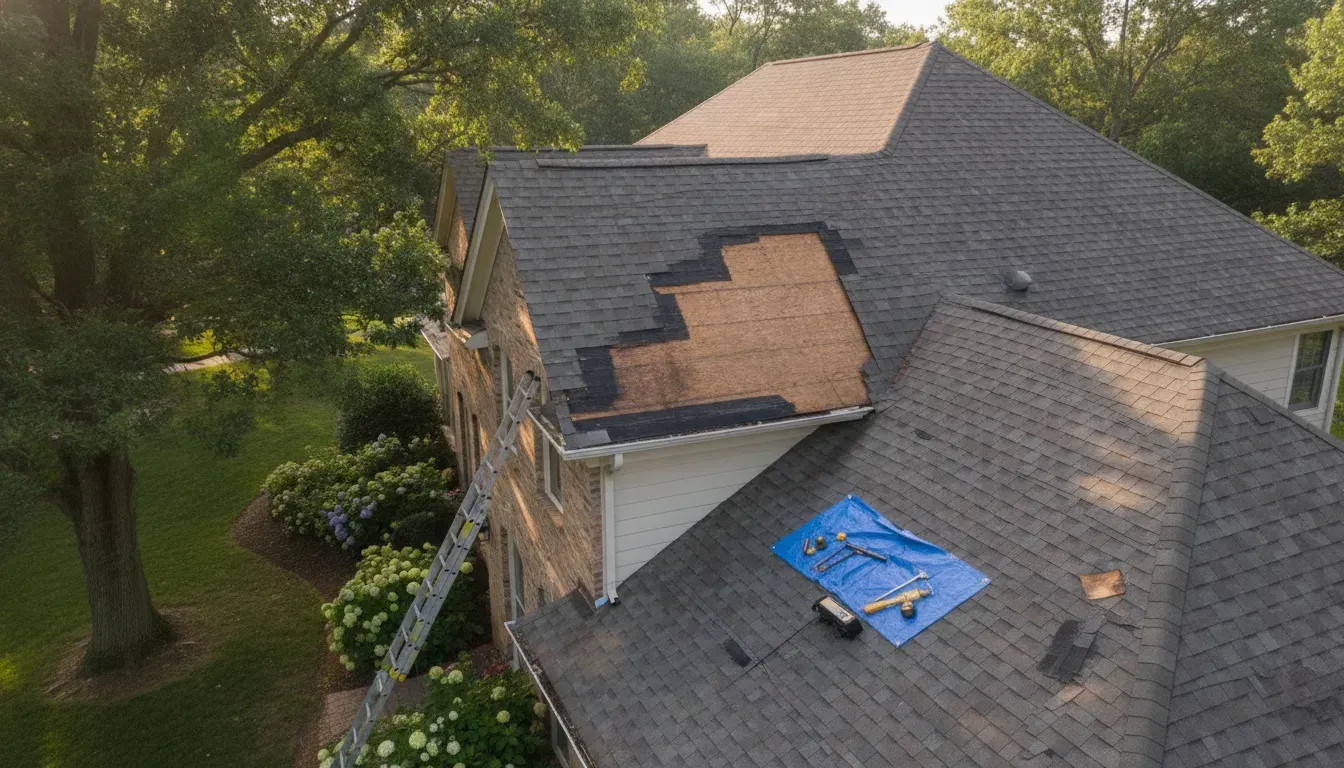
When it comes to your roof, ignoring a small issue is a recipe for a big headache later. Even minor problems like a few loose shingles or a little hail damage can become expensive repairs if you wait too long. A single missing shingle, for example, exposes the underlying materials to the elements, which can quickly lead to a leak inside your home. If you notice any signs of damage, no matter how small they seem, it's best to have them addressed right away. A quick roof repair is far more affordable than a major restoration project caused by neglect.
Check Your Attic Ventilation
What happens in your attic has a direct impact on the health of your roof. Proper ventilation is crucial for regulating temperature and moisture levels. If your attic doesn't have good airflow, heat and moisture can build up, damaging your roof from the inside out. In the summer, trapped heat can bake your shingles, causing them to become brittle and age prematurely. In the winter, moisture from inside your home can condense on the underside of the roof deck, leading to mold and rot. A well-ventilated attic is a key component of a long-lasting roof.
Know When It's Time for a Replacement
Even with perfect maintenance, every roof has an expiration date. The key is knowing what to look for so you can plan for a replacement before a small issue turns into a major headache. Catching the signs early gives you time to budget and choose the right materials without the pressure of an emergency leak. Your roof sends clear signals when it's nearing the end of its life, and understanding them is key to protecting your home. Let's walk through the most common signs that your asphalt shingles are ready for retirement.
Key Warning Signs Your Shingles Are Failing
Some of the most telling signs of a failing roof are visible from the ground. Look for shingles that are curling at the edges, cracking, or buckling in the middle. These are all indicators that the shingles have lost their flexibility and are becoming brittle from age and sun exposure. You might also spot entire shingles that have gone missing, leaving your roof's underlayer exposed to the elements. If you notice these issues, it’s a clear sign your roof’s integrity is compromised and it’s time to consider a residential roofing replacement.
Watch for Granule Loss and Curling
Have you noticed tiny, sand-like bits collecting in your gutters? Those are shingle granules, a protective top layer for your asphalt shingles that shields them from harsh UV rays. When you start seeing a lot of them in your gutters, it means your shingles are aging and becoming vulnerable to sun damage. Another subtle sign is dark streaks or spots. In Georgia's humid climate, this is often due to algae growth, which traps moisture and accelerates deterioration. Both are signs your roof is losing its defensive capabilities.
Is Your Roof Past Its Prime?
Age is one of the most straightforward indicators. Most asphalt shingle roofs are designed to last between 20 and 30 years. If your roof is approaching the 20-year mark, it’s wise to start paying closer attention, even if it looks fine from a distance. In areas with intense heat and frequent storms, that lifespan can be closer to 15 or 20 years. If you aren't sure how old your roof is, a professional inspection can give you a clear picture of its condition and remaining life. An experienced team can assess its health and help you create a plan.
Your Game Plan for a Long-Lasting Roof
A new roof is a big investment, and you want it to last. While you can't control the weather, you can follow a simple game plan to maximize your roof's lifespan. It comes down to three key steps: starting with great materials, hiring the right team, and staying on top of routine maintenance. Nailing these three things will help you protect your home and get the most value from your investment for years to come.
Start with High-Quality Materials
The foundation of a durable roof is the quality of the materials you choose. Standard asphalt shingles typically last between 20 to 30 years, but higher-quality options are designed for much longer performance and better resistance to weather. Investing in premium shingles can save you from premature repairs and replacements down the road. It’s not just about curb appeal; it’s about long-term protection for your entire home. We can guide you through the options for residential roofing materials that provide superior durability, ensuring your home is covered with a product built to withstand Georgia's specific climate challenges.
Hire an Experienced, Certified Contractor
Even the best shingles won't last if they're not installed correctly. A professional installation ensures every component of your roofing system works together to create a watertight barrier, preventing leaks and wind damage. Poor workmanship can void material warranties and lead to problems right from the start. This is why hiring an experienced team is non-negotiable. As an Owens Corning Platinum Preferred contractor, our crew is trained to meet the highest industry standards. Choosing a certified pro is the best way to guarantee your roof performs as it should for its entire lifespan.
Stick to a Maintenance Schedule
Once your new roof is on, proactive care is key. We recommend having your roof inspected twice a year, especially after a major storm, to catch small issues before they become big problems. One of the most important maintenance tasks is keeping your gutters clear. Clogged gutters can cause water to back up under your shingles, leading to rot and leaks that damage your roof deck and fascia boards. A simple maintenance routine is an easy way to extend the life of your roof and protect your home. Our team can handle inspections and provide professional gutter services to keep your system working flawlessly.
Related Articles
- Atlanta Roofing Costs Explained: Average Prices for New Roof Installation
- Discover Tools for Calculating Atlanta Roof Replacement Costs
- What Does Roofing Insurance Coverage in Georgia Include?
- Best Ways to Fix Common Roofing Issues
- Eco-Friendly Atlanta Green Roofing Options for Businesses
Frequently Asked Questions
Is a "30-year shingle" guaranteed to last 30 years? Not exactly. That "30-year" label refers to the manufacturer's warranty, which typically covers defects in the product itself, not normal wear and tear. The actual lifespan of your roof depends on real-world factors like the quality of the installation, your local climate, and how well you maintain it. Think of the warranty as a baseline for the material's quality, but the installation and environment determine its true performance.
What's the biggest mistake homeowners make that shortens their roof's life? The most common issue is hiring an unqualified installer to save a few dollars upfront. A poor installation can cause even the best shingles to fail in half the expected time. Things like improper nailing, poor flashing work, and inadequate ventilation can create weak spots from day one. The second biggest mistake is ignoring small problems, like a single missing shingle, until they become major, costly leaks.
My roof is only 15 years old but already looks worn out. Should I be concerned? It’s definitely worth having it inspected. A roof showing significant wear at 15 years could be a sign of a few things. It might have been installed improperly, or perhaps the attic isn't ventilated correctly, causing the shingles to bake from below. It could also be that the original shingles were a lower-quality grade that simply isn't holding up to Georgia's intense sun and storms. An inspection will tell you if you're looking at minor repairs or if it's time to start planning for a replacement.
Is it worth paying more for architectural or premium shingles? For most homeowners in our area, the answer is yes. While basic 3-tab shingles are a functional choice, architectural shingles provide a significant upgrade in durability and wind resistance for a relatively modest increase in cost. Given our stormy weather, that extra strength is incredibly valuable. Their longer lifespan often makes them a more cost-effective choice in the long run because you won't have to replace your roof as soon.
Besides cleaning my gutters, what's one simple thing I can do to protect my roof? Get a professional inspection done every year or two, and always after a major hail or wind storm. A trained professional can safely get on your roof and spot subtle signs of trouble that are invisible from the ground, like cracked pipe collars or loosening flashing. Catching these small issues early is the most effective way to prevent them from turning into expensive water damage inside your home.