Key Factors in a Commercial Roof Replacement
Stephen Griswell • March 11, 2026
Your commercial roof is a silent guardian for your business, but it has a lifespan. When problems arise, you face a critical decision: patch it up again or invest in a full replacement? Continuing with repairs on an aging system can feel like a losing battle, leading to surprise costs, operational disruptions, and potential damage to your inventory. This guide is designed to bring clarity to that choice. We’ll cover the key warning signs that signal it’s time for a commercial roof replacement, explore the best material options for our Georgia climate, and help you understand the long-term value of making a smart, proactive investment in your property.
Key Takeaways
- Know when to replace, not just repair: While repairs can fix minor issues, a full replacement is the smarter long-term investment when you face recurring leaks, widespread damage, or an old roof that is no longer energy efficient.
- Choose the right partner and materials: Your roof's performance depends on selecting the best materials for your building and hiring a qualified contractor. Always verify their license, insurance, and manufacturer certifications to ensure a quality installation backed by strong warranties.
- Plan the project and protect your investment: A smooth roof replacement starts with a detailed inspection and a schedule that minimizes business disruption. After installation, a consistent maintenance plan is the best way to protect your new roof and maximize its lifespan.
Is It Time to Replace Your Commercial Roof?
Your commercial roof is one of the most critical components of your building, quietly protecting your assets, employees, and daily operations. But like any major system, it has a finite lifespan. Deciding whether to schedule another repair or invest in a full replacement is a significant choice. While routine maintenance can extend the life of your roof, there comes a point when a replacement is the smarter, safer, and more cost-effective option.
Ignoring the warning signs can lead to bigger problems, like interior water damage, structural issues, and even business disruptions that impact your bottom line. Understanding what to look for can help you make a proactive decision instead of a reactive one. If you’re seeing persistent leaks, visible damage on the roof’s surface, or a steady increase in your energy bills, it might be time to consider a new commercial roofing system. Let’s walk through the key indicators that signal your roof is nearing the end of its service life.
Spotting Leaks and Water Damage
A leak is more than just a minor annoyance; it’s your roof’s most direct way of telling you something is wrong. Obvious signs include water stains on ceilings or walls, active drips during a storm, or the development of a musty smell that could indicate hidden mold or mildew. Even a small, slow leak can cause significant damage over time, compromising insulation, rotting wooden support structures, and creating an unsafe environment. If you find yourself constantly patching the same areas or discovering new leaks after every heavy rain, your roof’s integrity is likely compromised. Acting quickly is key to preventing small issues from turning into major structural problems.
Identifying Visible Structural Issues
You don’t always need to wait for a leak to know your roof is in trouble. A visual inspection can reveal a lot about its condition. Look for areas where the roof appears to be sagging or dipping, as this can indicate that water is pooling and the underlying structure is strained. On flat or low-slope roofs, be on the lookout for bubbles, blisters, or large cracks in the membrane. These are signs that moisture has gotten trapped or that the material is breaking down from sun exposure and age. These issues can severely disrupt your business operations if they lead to a sudden failure, making a proactive inspection from a trusted contractor a wise investment.
Considering Your Roof's Age and Energy Bills
Every roofing system has an expected lifespan. A TPO roof might last 20 to 30 years, while a built-up roof could last a bit longer. If your roof is approaching or has surpassed its expected service life, it’s time to start planning for a replacement, even if it isn’t showing major signs of failure yet. An older roof is not only more susceptible to damage but also less energy-efficient. If you’ve noticed your heating and cooling costs creeping up, your aging roof could be the culprit. Modern roofing materials offer better insulation and reflective properties, which can lower your energy consumption and save you money in the long run.
What Are Your Commercial Roofing Options?
Choosing the right material for your commercial roof is a major decision that impacts your budget, maintenance schedule, and energy costs for years to come. The best option for your property depends on your building’s design, the local climate, and your specific business needs. As a Mule Hide Certified Contractor, we specialize in installing high-performance roofing systems designed for durability and efficiency. Let’s walk through some of the most reliable and popular commercial roofing materials available today so you can make an informed choice for your business.
Exploring TPO Roofing Systems
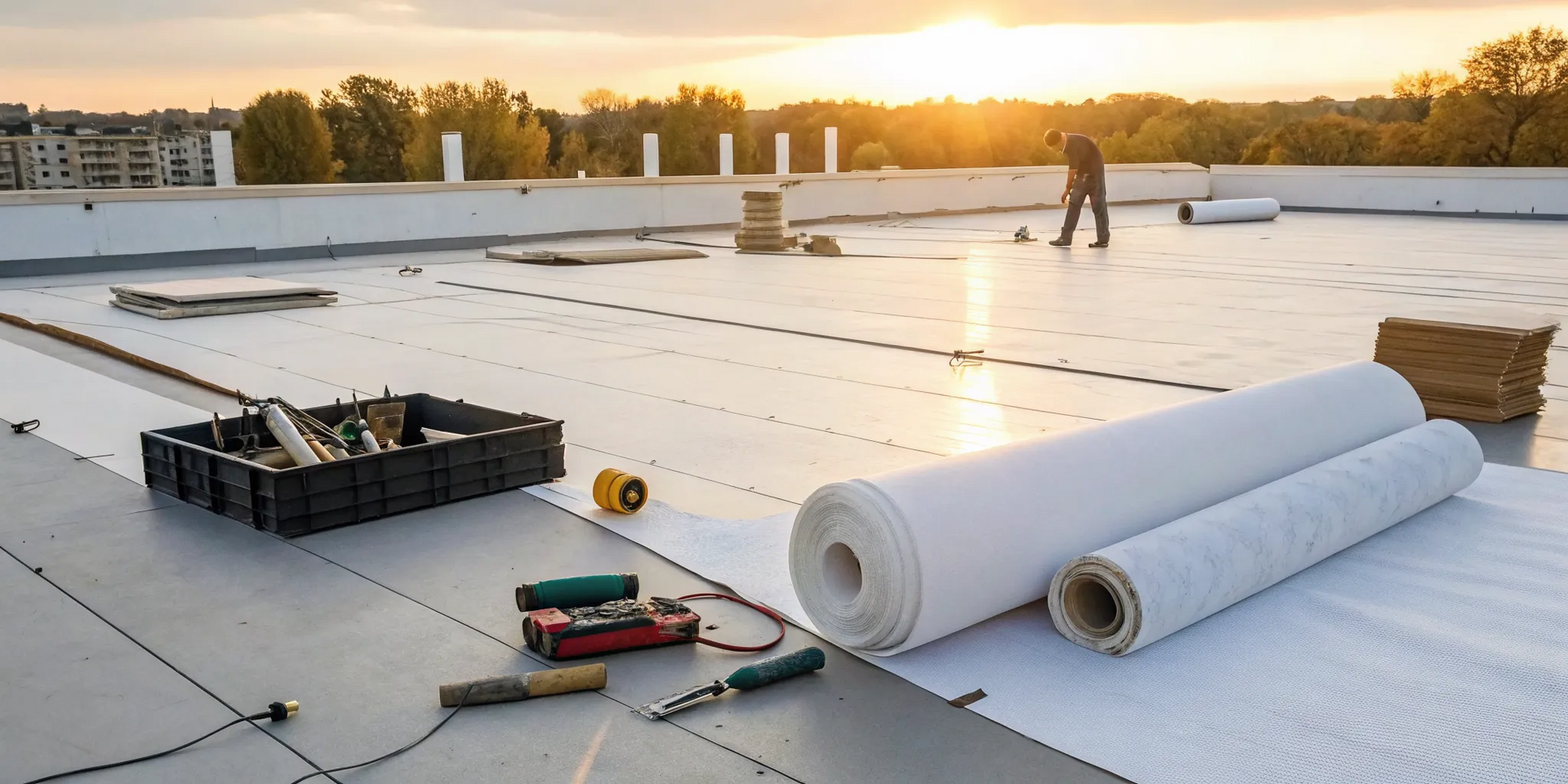
If you have a flat or low-slope roof, TPO (Thermoplastic Polyolefin) is a fantastic modern option. This single-ply roofing membrane is one of the most popular choices for commercial buildings, and for good reason. TPO roofs are highly reflective, which means they bounce sunlight away from your building, helping to keep cooling costs down during those hot Georgia summers. They are also incredibly durable, offering strong resistance to punctures, tears, and water damage. Its flexible membrane and heat-welded seams create a seamless, watertight barrier that protects your property effectively.
Understanding EPDM and PVC Membranes
EPDM and PVC are two other excellent single-ply membrane options. EPDM, often called a rubber roof, is a synthetic rubber material known for its exceptional durability and long lifespan. It holds up well against sunlight and extreme temperatures, staying flexible in the cold without cracking. It’s also relatively easy to repair, which can save you money on maintenance down the line.
PVC roofing is another thermoplastic membrane, similar to TPO, but with a unique advantage: it’s highly resistant to chemicals, oils, and grease. This makes it an ideal choice for restaurants or manufacturing facilities where rooftop vents might expel damaging substances. PVC is also lightweight, reflective, and offers great resistance to fire and wind.
Considering Durable Metal Roofing
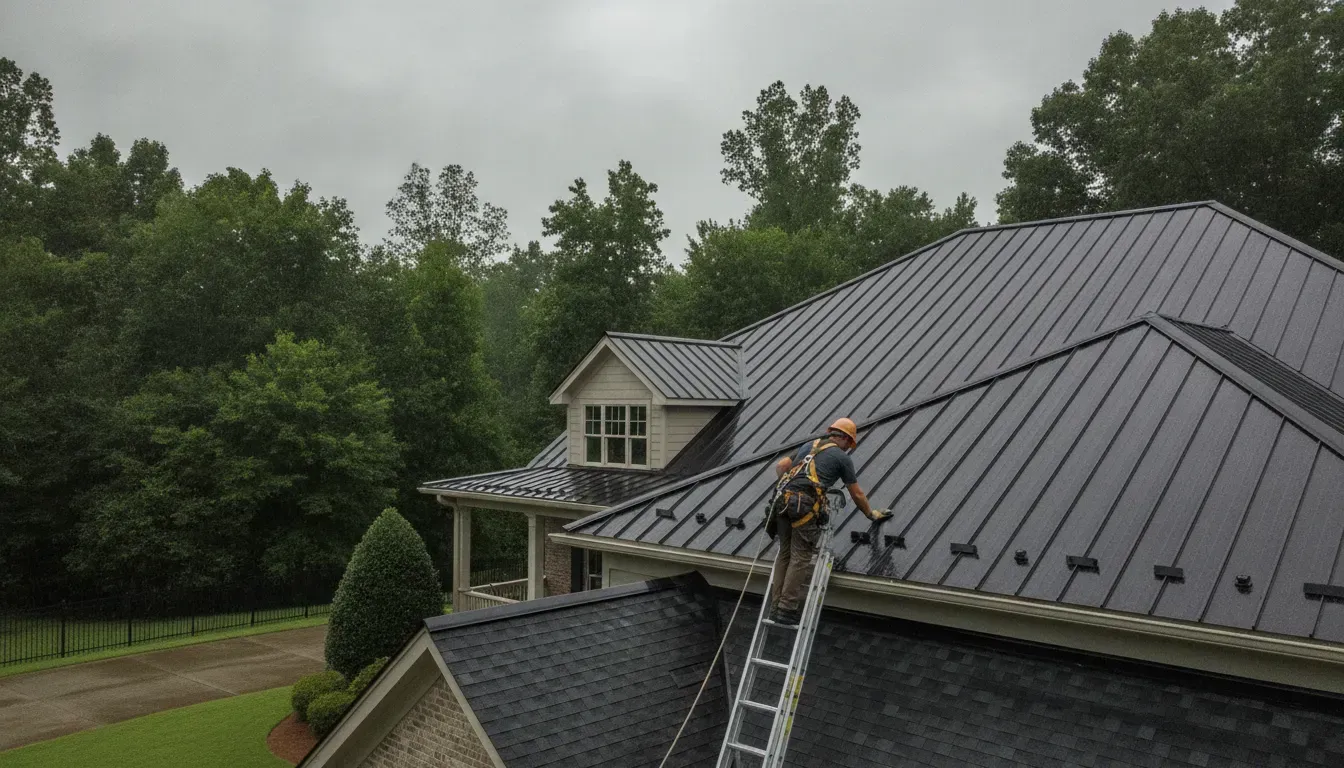
When it comes to longevity, it’s hard to beat a metal roof. With proper maintenance, a quality metal roofing system can last 50 years or more, making it a smart long-term investment. Metal is incredibly strong, stands up to severe weather, and is highly resistant to fire. Beyond its strength, metal roofing is also versatile. It comes in a variety of materials, like steel and aluminum, and a wide range of colors and finishes to match your building’s aesthetic. Plus, it’s a sustainable choice, as many metal roofing materials are made from recycled content and are fully recyclable at the end of their life.
A Look at Built-Up Roofing Systems
Built-Up Roofing, or BUR, is the classic "tar-and-gravel" roof you might be familiar with. This system has been trusted for over a century and is still a go-to for many commercial properties with low-slope roofs. It’s constructed with multiple layers of asphalt and reinforcing fabrics, then topped with a layer of gravel or another aggregate. This multi-layer design creates a thick, seamless, and highly durable surface that provides exceptional waterproofing and protection against foot traffic and weather. While it’s a heavier option, its toughness and proven track record make it a solid, reliable choice.
How to Choose the Right Commercial Roofing Contractor
Selecting a contractor for your commercial roof replacement is a major decision. You're not just hiring someone to install a roof; you're choosing a partner to protect one of your most significant assets. The right contractor ensures the job is done correctly, safely, and with high-quality materials that last. A poor choice can lead to leaks, premature roof failure, and even voided material warranties, turning a major investment into a major liability. Taking the time to vet your options thoroughly will save you from costly repairs and headaches down the road. When you start your search, it’s easy to get overwhelmed by bids and promises. The best way to cut through the noise is to focus on what truly matters: a company with a solid history of successful projects, the right credentials to prove their expertise, and a reputation built on quality and customer satisfaction.
Think of it like hiring a key employee for your business. You wouldn't hire someone without checking their resume, verifying their qualifications, and speaking to their references. The same diligence applies here. The contractor you choose will be responsible for the structural integrity of your building's first line of defense against the elements. Their team will be working on your property, so safety and professionalism are paramount. By focusing on the key areas of experience, licensing, and reputation, you can confidently find a team you can trust to handle the project professionally from start to finish, ensuring your investment is protected for decades to come.
Verify Their Experience and Certifications
When it comes to your business, you want a team that knows exactly what they’re doing. Look for a contractor with a proven track record in commercial roofing, not just residential projects. They should be familiar with the specific type of roofing system your building needs, whether it's TPO, EPDM, or metal. Ask to see a portfolio of their completed commercial work. Beyond general experience, check for manufacturer certifications. These show that the crew has been specially trained to install a specific brand’s materials according to their strict standards. For example, being a Mule Hide Certified Contractor means a team has proven expertise in installing single-ply roofing systems, which is often a requirement for the best material warranties.
Confirm They Are Licensed and Insured
This step is non-negotiable. Before you even consider a bid, confirm that the contractor is properly licensed and insured. A valid license proves they meet state and local regulations to operate legally. More importantly, proper insurance protects your business from liability. Ask for proof of both general liability insurance and workers' compensation. If a worker is injured on your property and the contractor isn't insured, you could be held financially responsible. A professional company will readily provide you with their documentation. This simple check shows that the contractor operates professionally and follows essential safety protocols, which is a clear indicator of their commitment to quality work.
Ask About Warranties and Check References
A reputable contractor stands behind their work, and the best way they show this is through strong warranties. You should receive two types: a manufacturer's warranty that covers the materials against defects and a workmanship warranty from the contractor that covers the installation itself. Be sure you understand the terms and duration of both. A long-term workmanship warranty is a sign of a contractor's confidence in their skills. Finally, ask for references from previous commercial clients, preferably from projects similar to yours. A confident contractor will be happy to connect you with past customers. Speaking with a reference gives you honest insight into their process, communication, and the quality of the final product.
What Factors Into a Commercial Roof Replacement Cost?
When you’re looking at a commercial roof replacement, the final price tag can feel like a big question mark. It’s a major investment in your property, and understanding the quote is the first step toward making a confident decision. The cost isn’t just a single number; it’s a combination of several key elements that work together. The materials you choose, the specific size and shape of your roof, and the labor required to get the job done all play a significant role. Let's break down what goes into the final number so you know exactly what to expect.
How Your Material Choice Affects Price
The type of material you select is one of the biggest factors in your total cost. The best option for your building depends on your budget, your property’s specific needs, and our local Georgia climate. Different commercial roofing systems come with varying price points and lifespans, which affects both your upfront investment and your long-term expenses. For example, a TPO roof might have a different initial cost compared to a metal roof, but each offers unique benefits in terms of durability and energy efficiency. We can walk you through the pros and cons of each material to find the perfect balance of performance and price for your property.
The Role of Roof Size and Complexity
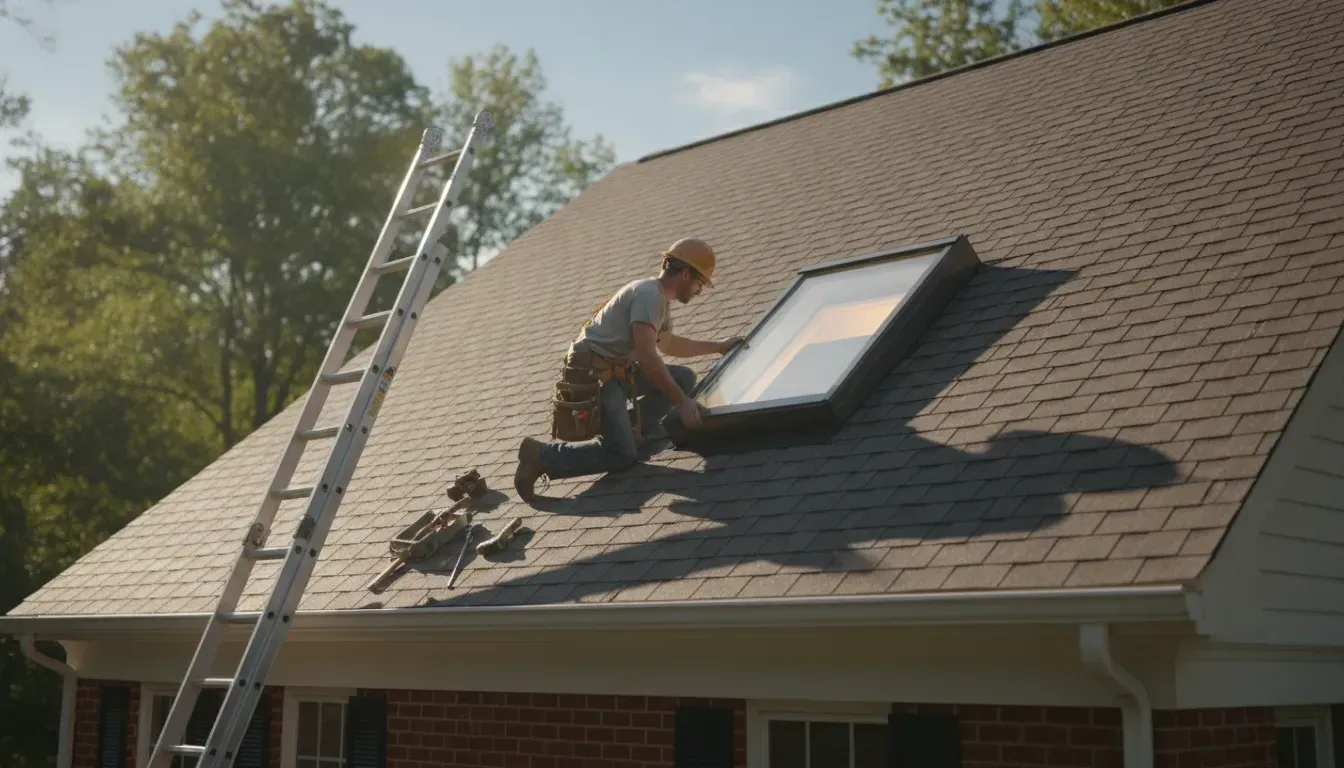
It makes sense that a larger roof requires more materials and time, leading to a higher cost. But it’s not just about the total square footage. The complexity of your roof's design is just as important. A simple, flat roof is more straightforward to replace than one with multiple levels, steep pitches, or numerous obstacles. Features like HVAC units, vents, pipes, and skylights require precise cutting and sealing, which adds to the labor time and intricacy of the job. These complex details demand specialized techniques to ensure every inch of your new roof is secure and watertight, which is reflected in the project's cost.
Factoring in Labor and the Project Timeline
Labor is another significant component of your replacement cost, and it covers more than just the installation. The price includes the skill and experience of the crew responsible for protecting your asset. A more complex project requires a team with specialized training, which can influence the cost. At Total Roof Solutions, our experienced team is certified to handle intricate installations, ensuring the job is done right. The project timeline also matters. Proper planning helps manage resources efficiently, while factors like weather or the need for a quick turnaround can impact the schedule and overall cost. We work with you to create a timeline that minimizes disruption to your business.
Repair or Replace? Making the Smart Decision
Deciding between repairing your commercial roof and replacing it entirely is a major decision for any property owner. It’s not just about the upfront cost; it’s about protecting your investment, ensuring safety, and keeping your business running without a hitch. The best path forward depends on your roof's current condition, its age, and your long-term goals for the property. Let's walk through the key considerations to help you make a confident and informed choice for your building.
When Repairs Are the Cost-Effective Choice
If your roof is relatively young and the damage is contained to a small area, a professional repair is often the most sensible option. Think of issues like a few missing shingles, minor cracks, or a small, localized leak. Addressing these problems quickly prevents them from spreading and causing more extensive damage down the line. A targeted repair can restore your roof's integrity without the cost and disruption of a full replacement. Consider it proactive maintenance that extends the life of your existing roof and keeps your building protected from the elements.
The Long-Term Value of a Full Replacement
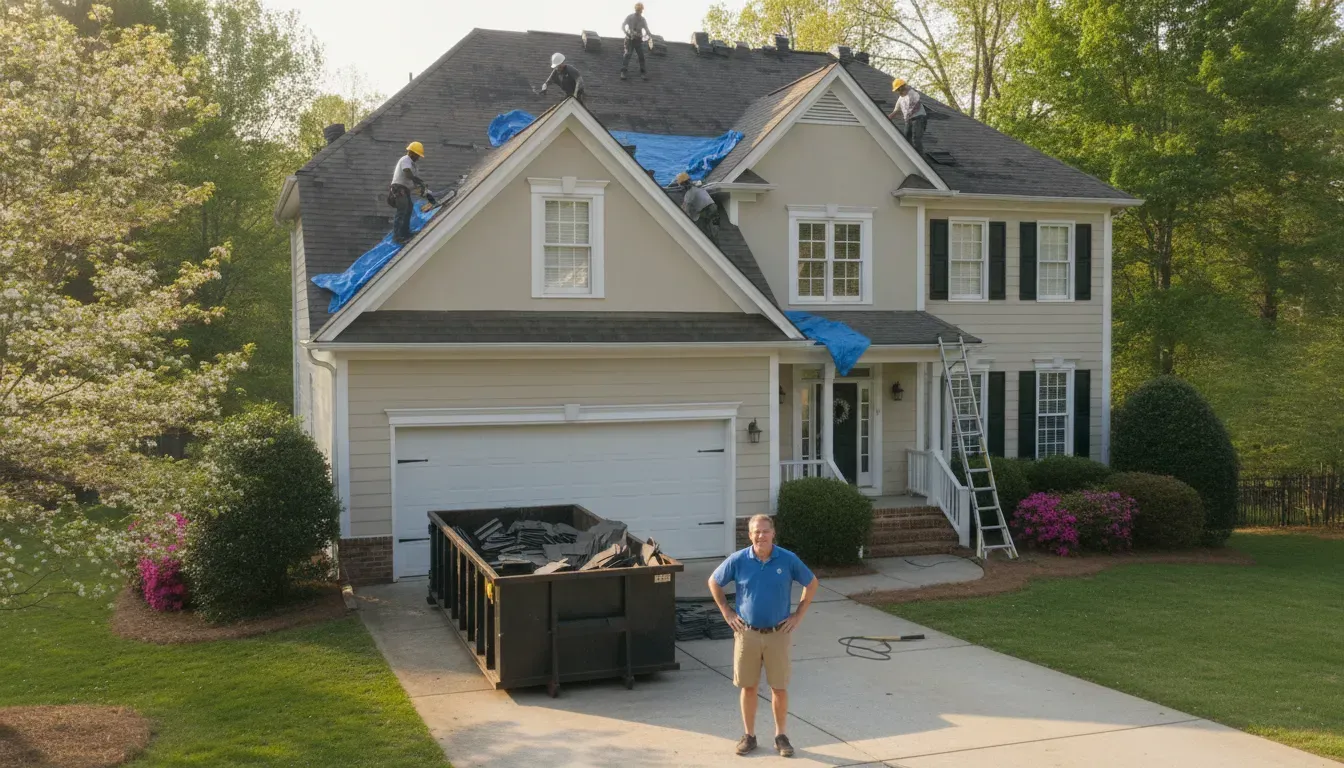
Sometimes, a repair is just a temporary patch on a much larger problem. If your roof is old, has widespread damage, or needs frequent fixes, a full replacement is likely the smarter long-term investment. Key factors to consider are the age of your roof and the extent of the damage. Constantly paying for repairs can add up quickly, eventually costing more than a new roof would have. A full commercial roof replacement provides a fresh start, giving you peace of mind and a reliable, long-lasting solution that protects your assets for decades to come.
How a New Roof Impacts Energy Efficiency and Property Value
A new roof does more than just keep the elements out; it can actively improve your bottom line. Modern roofing materials, especially TPO and PVC systems, are designed for energy efficiency. Their reflective surfaces can significantly lower cooling costs during hot Georgia summers. Beyond energy savings, a new roof is a major asset that increases your property's value and curb appeal. It also prevents the significant financial impact of roof failures, which can include business interruptions and damage to inventory. Investing in a quality roof from a trusted Owens Corning Platinum Preferred contractor protects your business operations and enhances your building's overall worth.
How to Plan Your Commercial Roof Replacement
A full commercial roof replacement is a significant project, and unlike a minor repair, it requires careful planning. Getting the details right from the start ensures the project runs smoothly, stays on budget, and protects your business. From financial planning and contractor selection to scheduling and long-term maintenance, every step matters. Here’s how to create a solid plan for your roof replacement.
Start With a Professional Inspection and Assessment
The first step in planning your roof replacement is a professional inspection. This is more than a quick look; it’s a thorough assessment that reveals your roof's true condition, uncovering hidden issues like trapped moisture or subtle structural weaknesses. This evaluation provides the critical information you need to make informed decisions about materials and scope. It also forms the basis for an accurate quote, so you can build a realistic budget without surprise costs. Think of it as the blueprint for your entire commercial roofing project.
Create a Plan to Minimize Business Disruption
A major concern for any business owner is how construction will affect daily operations. A roof replacement can be disruptive, but a good contractor will work with you to minimize the impact. Before work begins, discuss a logistics plan that might include scheduling loud work outside of business hours or creating safe pathways for customers. Proactive planning helps you avoid the much larger disruption of an emergency shutdown from a sudden roof failure. A thoughtful contractor understands that protecting your business is just as important as protecting your building, and we pride ourselves on being that kind of community-focused partner.
Work Around Weather and Project Deadlines
Timing is everything in roofing. Scheduling your replacement during a season with predictable, mild weather is ideal for a smooth installation. In Georgia, this often means planning for spring or fall to avoid intense summer heat or winter freezes. Working around the weather prevents delays and ensures materials are installed under optimal conditions. It’s also important to consider your own business calendar. Do you have a busy season to avoid? Discussing these factors with your contractor early allows you to create a timeline that works for everyone, ensuring the best outcome for your investment.
How to Maintain Your New Commercial Roof
Your new commercial roof is a significant investment in your property's future. To get the most out of it and ensure it performs for decades, a solid maintenance plan is essential. Proactive care protects your building from the elements, prevents unexpected repair bills, and helps you get the full value from your new roofing system. By staying on top of a few key tasks, you can keep your roof in excellent condition and avoid the stress of premature failures.
Why You Need a Regular Inspection Schedule
Setting up a regular inspection schedule is one of the smartest things you can do for your new roof. These routine check-ups help you catch minor issues like clogged drains, small punctures, or failing seals well before they turn into major headaches and expensive emergencies. By spotting these concerns early, you can keep repair costs down and significantly extend your roof’s useful life. A professional can identify subtle signs of wear and tear on your commercial roof that might otherwise go unnoticed, ensuring your building stays protected year-round.
Simple Tips for Preventive Maintenance
Beyond professional inspections, a few simple preventive steps can make a big difference. Start by making sure your drains and gutters are clear of leaves, dirt, and other debris to prevent water from pooling, which can cause serious damage over time. It’s also a good idea to trim any overhanging tree branches that could fall and puncture the roof membrane. Limiting foot traffic can also prevent unnecessary wear. Working with a qualified roofing contractor to create a maintenance plan tailored to your specific roof system is the best way to protect your investment and reduce long-term costs.
Related Articles
- When Should You Have a Commercial Roof Replaced Instead of Repaired in Atlanta
- Commercial Roofing Options in Atlanta: A Comprehensive Guide
- Do Commercial Businesses Need to Shut Down During Roof Repair and Replacement
Frequently Asked Questions
How long can I expect a new commercial roof to last? The lifespan of your new roof really depends on the material you choose and how well you maintain it. For example, single-ply systems like TPO or EPDM typically last between 20 and 30 years. A durable metal roof, on the other hand, can protect your building for 50 years or even longer. Regular inspections and preventive care are the best ways to ensure you get the maximum life out of your investment.
Will a new roof really lower my energy bills? Yes, it absolutely can, especially here in Georgia. Many modern roofing materials, particularly white TPO membranes, are highly reflective. This means they bounce solar heat away from your building instead of absorbing it. This simple feature can significantly reduce the workload on your HVAC system during hot summers, leading to noticeable savings on your cooling costs.
What's the difference between a manufacturer's warranty and a workmanship warranty? This is a great question because both are critical. The manufacturer's warranty covers the roofing materials themselves against defects. The workmanship warranty, which is provided by the contractor, covers the quality of the installation. A strong workmanship warranty is a sign that your contractor is confident in their team's skill and stands behind their work. You should always receive both in writing.
How can I minimize disruption to my business during the replacement? A professional roofing contractor will always work with you to create a plan that keeps your business running as smoothly as possible. This involves careful scheduling, such as performing the loudest work outside of your peak hours, and setting up clear, safe pathways for your employees and customers. Open communication with your project manager is key to ensuring the project has a minimal impact on your daily operations.
What is the best type of roof for a commercial building in Georgia? There isn't one single "best" roof; the right choice depends on your building's structure, your budget, and your business needs. For many flat or low-slope roofs in our climate, TPO is a popular choice because its reflective properties help with energy costs. For buildings that need exceptional longevity and durability against severe weather, a metal roof is an excellent long-term investment. We can help you weigh the pros and cons of each option for your specific property.