Commercial Roof Inspection Cost: What Shapes the Quote
MEGA MEGA • November 24, 2026
Learn what shapes commercial roof inspection cost, from roof size and access to system type and reporting, so you can plan next steps with confidence.

Commercial roof inspection cost is not determined by square footage alone. Roof access, the type and condition of the roofing system, and the detail required in the final report can all change the scope. Knowing what an inspection includes helps you compare quotes and decide what information your building team needs.
Discuss a commercial roof inspection
What does a commercial roof inspection cover?
An inspection is a systematic review of visible roof conditions and components. The exact work depends on the roof and the purpose of the visit. A leak investigation may focus on a particular area, while routine condition documentation may cover the whole roof.
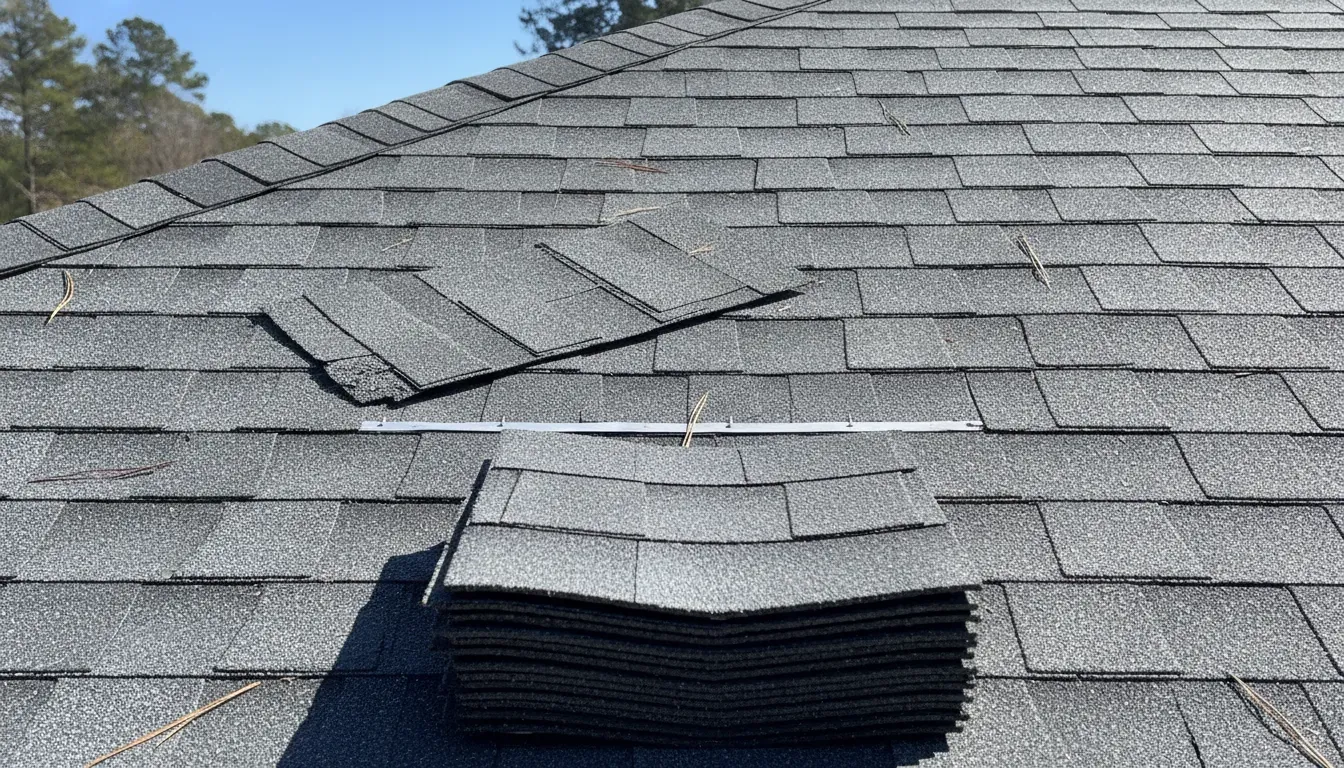
A roofer may review the roof surface, seams or shingle courses, flashing, penetrations, drainage, edges, and visible signs of damage. On a low-slope roof, drains, ponding indicators, and membrane seams can be important points to discuss. The inspector may also note conditions around rooftop equipment and transitions. Ask what areas are included, and whether the work is visual or includes additional testing.
For general guidance on the limits of visual evaluation and the need to follow safe work practices, the Occupational Safety and Health Administration provides workplace safety information. An inspection is not automatically a guarantee that every concealed condition will be found. Components may be hidden beneath the roof surface, and access or weather can limit what can be evaluated. A written scope helps clarify those boundaries before work begins.
Why does commercial roof inspection cost vary?
How large and complex is the roof?
A larger roof generally takes more time to review and document. Shape matters, too. A broad, simple roof may be more straightforward to walk and map than one divided into sections with parapets, additions, skylights, equipment, and numerous penetrations. The number of distinct roof areas can affect the time needed to record conditions clearly.
Share the building address, approximate roof area if known, number of roof sections, and available plans or previous reports when requesting a quote. If you do not know the area, say so rather than guessing. A roofer can explain what information is needed to establish the scope.
How easy is roof access?
Safe, direct access can make an inspection simpler. A locked hatch, limited ladder access, restricted site hours, security requirements, or the need to coordinate with tenants can add planning time. Roof height, access points, and equipment locations may also affect how the visit is organized.
Tell the contractor about access rules in advance. Identify who can unlock doors or provide an escort, whether a lift or other arrangement is required, and when the property is available. Do not assume a special access method is included in a basic quote.
Does the roofing system affect the inspection?
Commercial properties can have different roofing systems, including low-slope membranes and steep-slope areas. Inspection priorities vary by system. A membrane roof may call for attention to seams, penetrations, flashing, and drainage. A steep-slope area may require a different access plan and a review of shingle condition and transitions.
The building's age, repair history, known leaks, and visible alterations can shape the visit. Give the inspector reliable records you have, such as prior repair notes or roof plans. Records help focus the conversation, but do not replace observing current conditions.
What level of reporting do you need?
A brief condition summary and a detailed, photo-supported report are different deliverables. If you need to brief a facilities team, compare repair priorities, plan a capital budget, or keep records for multiple properties, ask what the report will contain. Clarify whether it includes dated photos, locations of observations, recommended follow-up, and a distinction between urgent concerns and routine maintenance items.
Reports describe conditions observed at the time of the visit. They are not a promise that a roof will remain leak-free or a substitute for a repair proposal. Ask whether recommendations and repair pricing are separate from the inspection fee.
How does the purpose of the visit change the scope?
Not every inspection is meant to answer the same question. A visit prompted by water entering a tenant space has a different immediate focus from a baseline review for an annual facilities plan. State the decision you need to make before scheduling. The contractor can then explain what the visit can reasonably establish and what may require separate testing or follow-up.
Leak investigation
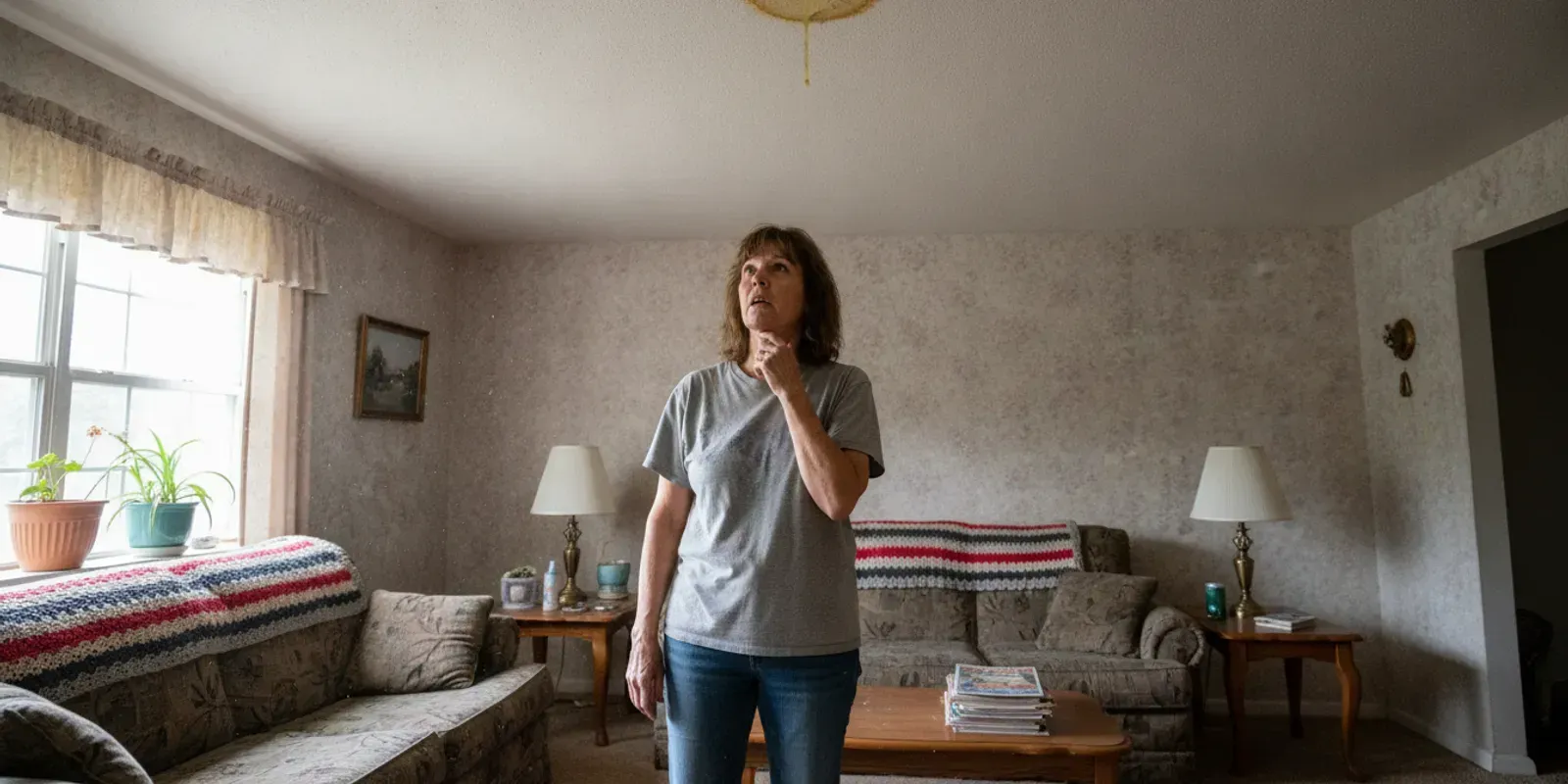
For an active leak, identify the indoor area, when water appears, whether it follows rain, and any changes in the pattern. A ceiling stain is useful context, but does not prove where water entered the roof. Water can travel along building materials before it becomes visible. Ask whether the inspection will focus on the likely route and whether the rest of the roof will also be reviewed.
Condition baseline
A baseline review can help a property team record what was visible on a particular date. Ask for a consistent way to identify roof sections, such as a site plan or clear location notes, so later observations can be compared. If you manage several buildings, use the same questions and report expectations for each property. The records become easier to organize without implying every roof has identical needs.
Pre-project planning
If you are preparing a repair or replacement budget, explain the planning horizon and the information decision-makers need. A condition report may identify items for further evaluation, but it is not a construction proposal. For broader planning context, review the guide to commercial roof inspections and roofing costs. Keep the inspection scope separate from any later repair scope so the purpose and deliverables remain clear.
How can you compare inspection quotes fairly?
Compare the proposed work, not just the total. Two quotes with different boundaries or deliverables are not like-for-like. Ask each contractor to address the same points in writing:
- Coverage: Which roof sections, edges, penetrations, drains, transitions, and equipment areas are included?
- Method: Is the review visual, or does it include a stated test? What conditions could prevent completion?
- Access: What must the property arrange, and are special equipment or escorts included?
- Deliverable: Will you receive a written summary, photos, location notes, and prioritized observations?
- Timing: When will the visit occur, and when should the report arrive?
- Exclusions: Are destructive evaluation, moisture testing, repair work, and return visits excluded unless separately approved?
- Fees: Are travel, scheduling constraints, or other site requirements included in the quoted amount?
Then read the assumptions and exclusions. A lower fee may reflect a smaller review area, limited documentation, or a different access plan. A higher fee may include more coordination or reporting detail. Neither is automatically the better value; the right choice depends on whether the scope answers the question you need to resolve.
For example, a property manager preparing for a routine maintenance meeting may prioritize dated photos and clear location labels. A facilities director comparing repair options may need a fuller written account and follow-up recommendations. Request deliverables your team will use, and confirm whether repair pricing is outside the inspection quote.
What should you do before the inspection?
Preparation can make the visit more focused and reduce avoidable delays. Work through these steps with the person responsible for the building:
- Define the question. Note whether the purpose is leak investigation, condition documentation, or project planning.
- Gather records. Locate roof plans, previous reports, repair invoices, warranty documents, and notes about past leaks, if available.
- Map interior symptoms. Record where water or staining appears, the date, weather context, and whether the area has changed. Do not climb onto the roof to investigate.
- Arrange authorized access. Confirm how the roof is reached, who will unlock doors or accompany visitors, and any site or tenant requirements.
- Identify a contact. Choose someone who can answer questions about building history and approve access to relevant areas.
- Share priorities. Tell the inspector what decisions the report must support and when your team needs the information.
If water is actively entering the building, protect people and contents first and follow the property's emergency procedures. Avoid areas where water may affect electrical equipment, and do not walk on a wet roof. A professional can advise on an appropriate next step after understanding the situation.
What roof conditions may be discussed?
The observations depend on the building and roofing system, but it helps to understand the kinds of items a report may describe. On low-slope roofs, discussion may include visible membrane condition, seams, flashing at walls and penetrations, drainage paths, and areas where water appears to collect. On steep-slope sections, it may include visible covering condition, transitions, penetrations, and flashing.
Inspectors may note rooftop equipment supports, exposed edges, or visible previous repairs. These observations are not automatically diagnoses of a leak's cause. Ask the professional to distinguish what was directly observed from a possible explanation or recommendation for additional evaluation.
Do not treat a list of common checkpoints as a substitute for a property-specific scope. A roof with additions, equipment changes, or previous repair work may need different attention from a simpler roof. The contractor should explain limits of a visual review and identify inaccessible areas.
What should the report tell you?
A useful report should let the reader understand what was reviewed and found, without overstating certainty. Before booking, agree on a format that fits the audience: an owner, property manager, facilities staff, or board reviewing a budget. Ask whether photos will be labeled and tied to locations, whether observations will be prioritized, and whether the report will list limitations or inaccessible areas.
When you receive it, read the scope and limitations first. Then sort observations into practical next steps: conditions needing prompt attention, items to monitor, and questions requiring more evaluation. If recommendations are unclear, request an explanation in plain language. Ask which item is based on direct observation and which is a suggested next step.
If work is proposed, request a separate written repair proposal. It should explain the area involved, proposed work, materials or methods, exclusions, and assumptions that could affect the scope. An inspection summary can inform that conversation, but does not establish the full repair price or guarantee a specific outcome.
How should you use findings for planning?
Keep the report with the building's maintenance records. Note the date, weather or leak context when relevant, and repairs completed afterward. If a follow-up review is recommended, record its reason and the condition it is meant to reassess rather than setting a schedule without a property-specific basis.
For a multi-building portfolio, keep a simple log with the property, roof sections, report date, key observations, approved work, and completion date. A consistent record helps staff brief one another and helps owners see which recommendations remain open.
When discussing priorities, separate immediate water-management concerns from routine maintenance and longer-term capital planning. Confirm uncertainty with the contractor rather than assuming a condition will worsen on a particular timetable. An inspection is one input to a decision, alongside the building's use, records, and available proposals.
Where can you discuss commercial roofing needs?
Total Roof Solutions provides commercial roofing services. Property teams can review the company's roofing project examples and learn more about Total Roof Solutions before starting a conversation. Share the property's location, roof type if known, and reason for the visit when you reach out.
Frequently asked questions
Is an inspection the same as a repair estimate?
No. An inspection documents visible conditions within an agreed scope. A repair proposal describes the work being offered and its price. Ask whether the provider will prepare a separate proposal after reviewing the findings.
Can an inspection identify every leak source?
No. Concealed components, weather, access limits, and water movement can make the source uncertain. Share the history and ask whether additional evaluation may be appropriate if a visual review does not answer the question.
Should I request photos?
If you need to brief owners, tenants, or facilities staff, ask whether the report includes dated photos with location notes. Confirm the format before booking so the deliverable fits your records.
Should I wait until a leak appears?
A property team may request a condition review for documentation or planning, not only after water appears. If water is entering the building, protect people and contents, follow site procedures, and contact a qualified roofing professional.
Discuss your commercial roof inspection needs
A clearly defined scope, prepared access, and useful documentation make it easier to turn an inspection into an informed maintenance or repair decision.